
When a comet lands on Earth, it brings a child who will become Earth's most powerful hero. Sounds familiar? Well, it also brings an ultra-virus that bestows powers to a select genetically pre-disposed few. In a world where those with superpowers invoke fear and awe, some become celebrities, others become scapegoats – and some exploit these new abilities for their own agenda. Who will defend the powered few when the many seek to cage and/or control them? Enter Cassidy Crawford, the most prominent defense attorney who leads a law firm that specializes in protecting this new minority population from overzealous laws, police, and prosecutors. This book kicks off Cassidy’s case of a lifetime – the murder of Airstrike, the world’s most powerful hero! Now she must defend the man she loathes accused of killing the man she loved. Written by Black Lightning Executive Producer Charles Holland, and illustrated by Antonio (WYRD) Fuso.
Charles Holland Libros


From Charles Holland, writer/producer of the Black Lightning TV show, and Dwayne Turner, renowned comic book artist and Hollywood storyboard artist, comes this terrifying tale of Sir Lancelot and Merlin in modern day California. The millennia spanning battle between these two members of King Arthur’s court attracts the attention of a young witch and a paranormal fighting team known as Section X in a story that brings Hell to Earth.
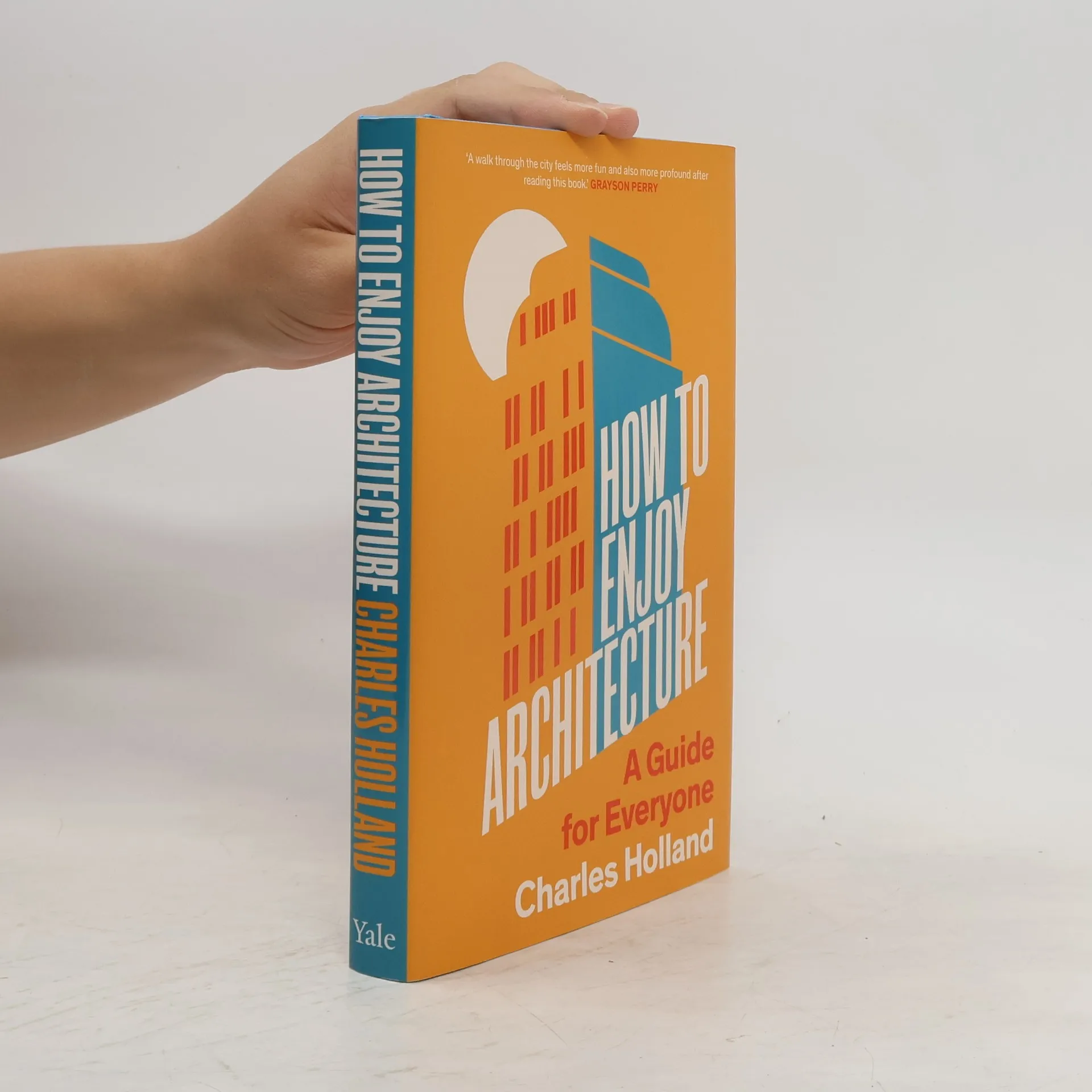
Charles Holland challenges us to look beyond the day-to-day familiarity of buildings to rediscover the pleasure of experiencing architecture Architecture is bound up with our daily lives but, for most of us, it is experienced as a blur of habit. Our reactions towards the buildings that surround us are often culturally generated, and we experience them in ways that are immediate but often mundane. How to Enjoy A Guide for Everyone encourages us to move beyond this and, instead, really look at buildings. Renowned architect Charles Holland talks about the buildings and architects that excite and inspire him, and the ideas and principles through which we can engage with architecture. By breaking buildings down into categories such as materials, structure, space, and use, Holland guides us through drastically different styles and building types—from the satisfying symmetry of a Queen Anne house to the thrill of a high-tech tower, or the social ideals that lie behind a housing estate. In doing so, he demonstrates how looking at, experiencing, and using architecture can bring joy in itself.