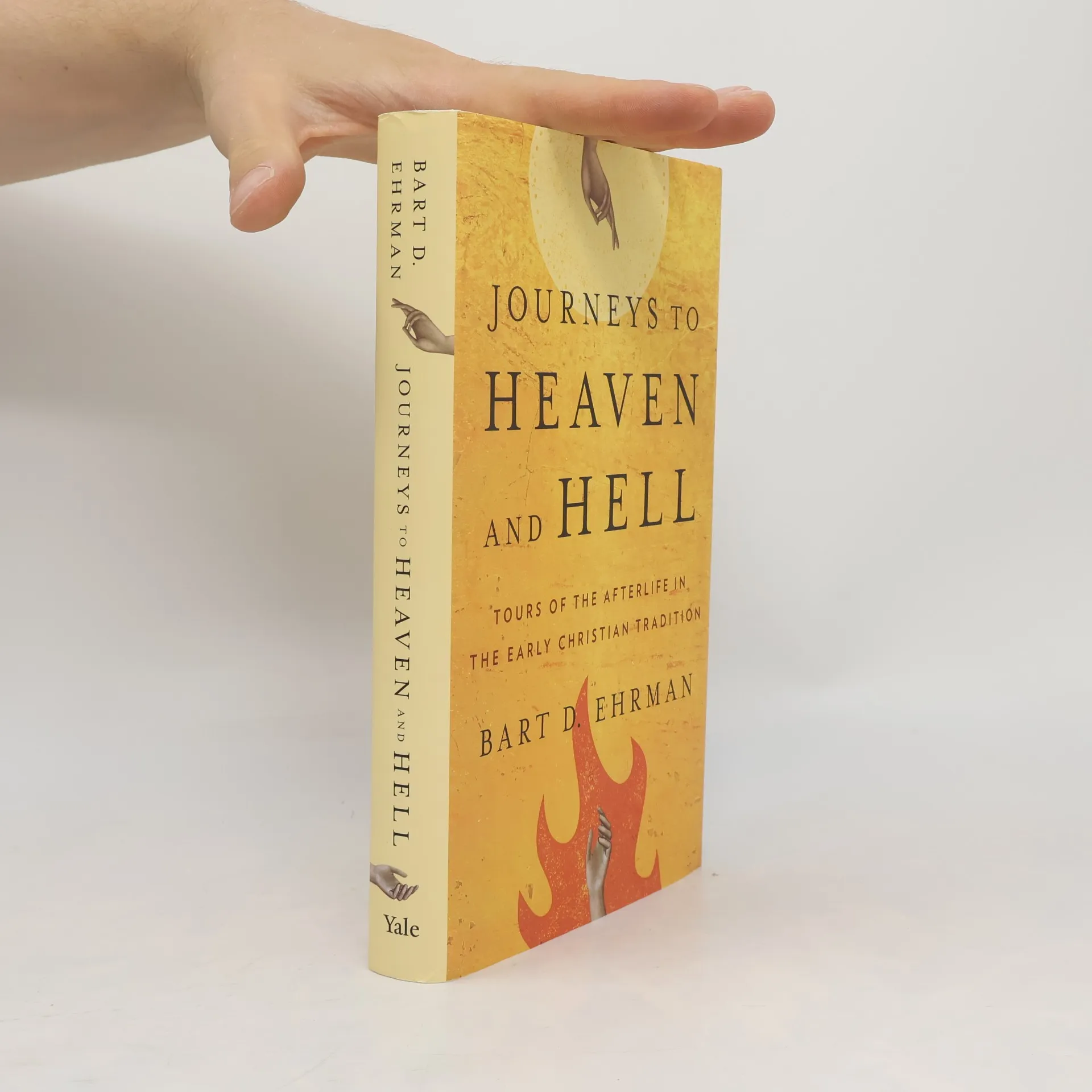



Heaven and Hell
- 352 páginas
- 13 horas de lectura
The bestselling historian of early Christianity takes on two of the most gripping questions of human existence - where did the ideas of heaven and hell come from, and why do they endure?
Bart D. Ehrman es un destacado erudito del Nuevo Testamento y del cristianismo primitivo, enfocado en el trasfondo histórico y la evolución de los textos cristianos tempranos. Su obra se caracteriza por un profundo conocimiento de manuscritos antiguos y un examen meticuloso de cómo los textos bíblicos fueron transmitidos e influenciados a lo largo de los siglos. Ehrman investiga principalmente las variaciones encontradas en las copias sobrevivientes del Nuevo Testamento y el papel de los escribas en su producción. Su enfoque crítico ilumina las complejidades del cristianismo primitivo y las tradiciones textuales de la Biblia.


The bestselling historian of early Christianity takes on two of the most gripping questions of human existence - where did the ideas of heaven and hell come from, and why do they endure?
"A New York Times bestselling Biblical scholar reveals why our popular understanding of the Apocalypse is all wrong-and why that matters. You'll find nearly everything the Bible has to say about the end in the Book of Revelation: a mystifying prophecy filled with bizarre symbolism, violent imagery, mangled syntax, confounding contradictions, and very firm ideas about the horrors that await us all. But whether you understand the book as a literal description of what will soon come to pass, interpret it as a metaphorical expression of hope for those suffering now, or only recognize its highlights from pop culture, what you think Revelation reveals...is almost certainly wrong. In Armageddon, acclaimed New Testament authority Bart D. Ehrman delves into the most misunderstood--and possibly the most dangerous--book of the Bible, exploring the horrifying social and political consequences of expecting an imminent apocalypse and offering a fascinating tour through three millennia of Judeo-Christian thinking about how our world will end. By turns hilarious, moving, troubling, and provocative, Armageddon presents inspiring insights into how to live our lives in the face of an uncertain future and reveals what the Bible really says about the end"--
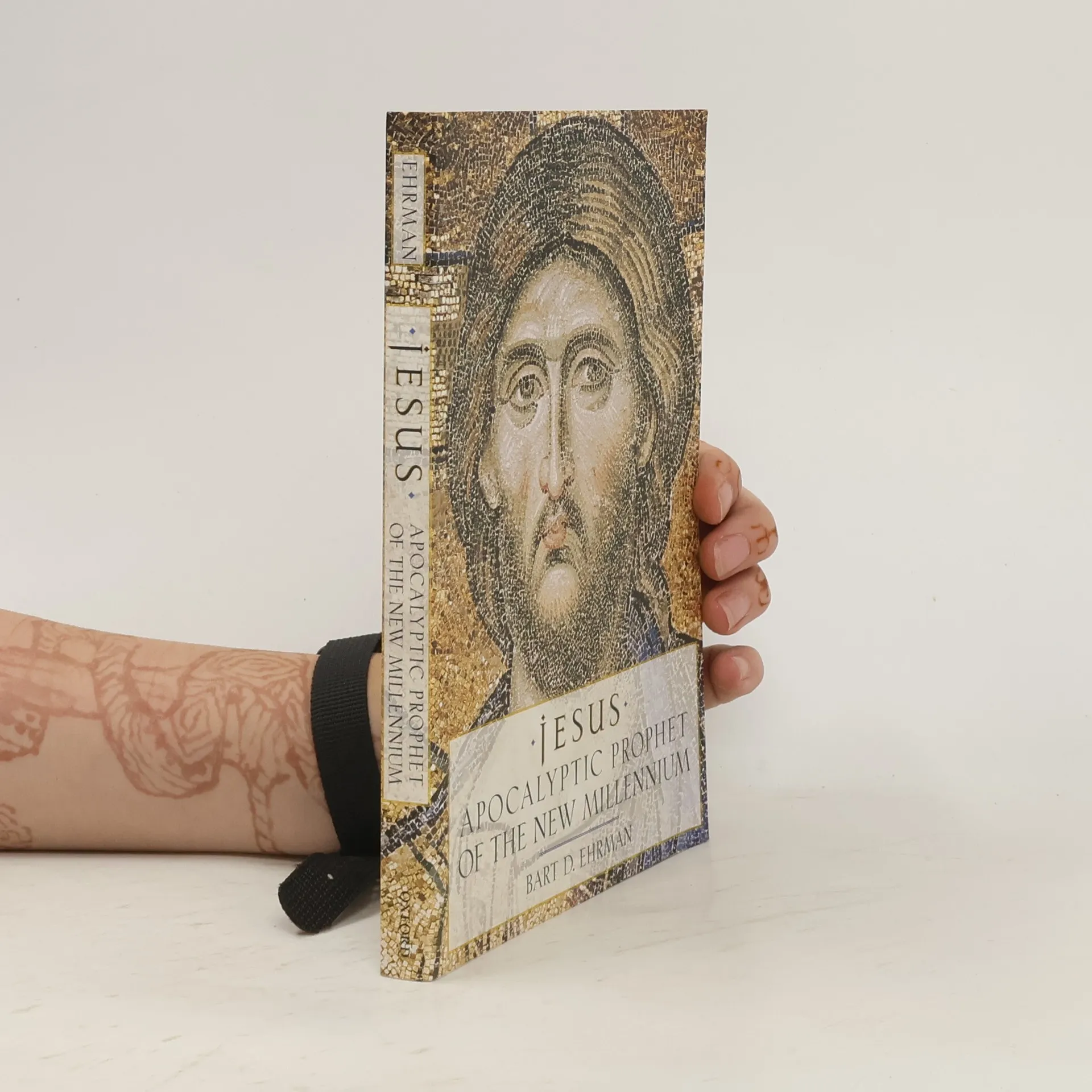
Argues that Jesus, like many of his later followers, proclaimed that God was soon to intervene in human affairs and bring all of history to a screeching halt. Through a careful evaluation of the New Testament Gospels and other sources, the author shows why Jesus should be understood as an apocalyptic prophet. schovat popis
This new edition of Bart Ehrman's highly successful introduction approaches the New Testament from a comparative historical perspective, emphasizing the rich diversity of the earliest Christian literature. Ehrman shows why scholars continue to argue over such significant issues as how the books of the New Testament came into being, who produced them, what they mean, how they relate to contemporary Christian and non-Christian literature, and how they came to be collected into a canon of Scripture. Ehrman also discusses works by other Christian writers who were roughly contemporary with the New Testament.
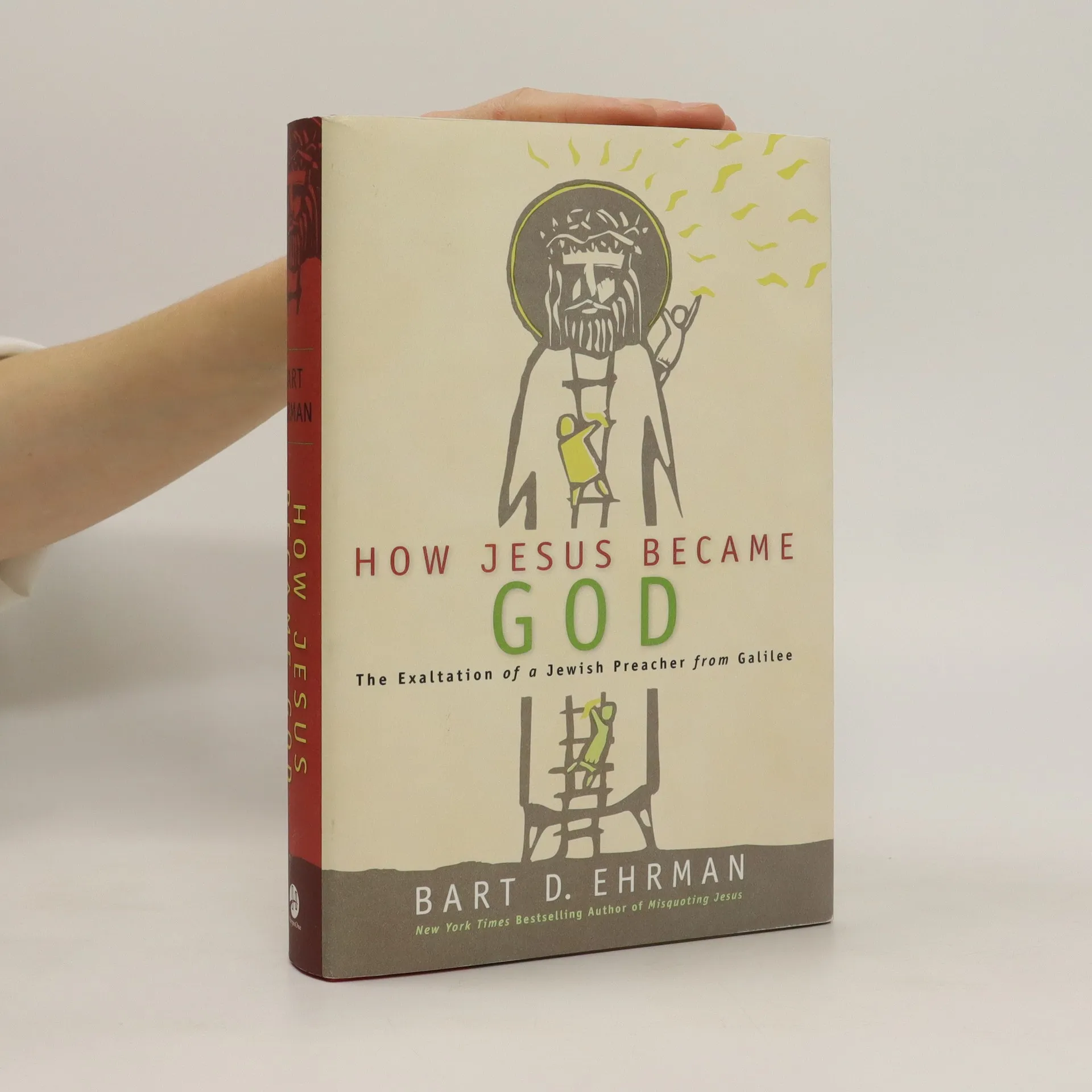
In a book that took eight years to research and write, leading Bible scholar Bart D. Ehrman explores how an apocalyptic prophet from the backwaters of rural Galilee crucified for crimes against the state came to be thought of as equal with the one God Almighty Creator of all things. Ehrman sketches Jesus's transformation from a human prophet to the Son of God exalted to divine status at his resurrection. Only when some of Jesus's followers had visions of him after his death—alive again—did anyone come to think that he, the prophet from Galilee, had become God. And what they meant by that was not at all what people mean today. As a historian—not a believer—Ehrman answers the questions: How did this transformation of Jesus occur? How did he move from being a Jewish prophet to being God? The dramatic shifts throughout history reveal not only why Jesus's followers began to claim he was God, but also how they came to understand this claim in so many different ways. Written for secular historians of religion and believers alike, How Jesus Became God will engage anyone interested in the historical developments that led to the affirmation at the heart of Christianity: Jesus was, and is, God.
The remarkable diversity of Christianity during the formative years before the Council of Nicea has become a plain, even natural, "fact" for most ancient historians. Until now, however, there has been no sourcebook of primary texts that reveals the many varieties of Christian beliefs,practices, ethics, experiences, confrontations, and self-understandings. To help readers recognize and experience the rich diversity of the early Christian movement, After the New Testament provides a wide range of texts from the second and third centuries, both "orthodox" and "heterodox," includingsuch works as the Apostolic Fathers, the writings of Nag Hammadi, early pseudepigrapha, martyrologies, anti-Jewish tractates, heresiologies, canon lists, church orders, liturgical texts, and theological treatises. Rather than providing only fragments of texts, this collection prints largeexcerpts--entire documents wherever possible--organized under social and historical rubrics.This unique reader's concise and informative introductions and clear and up-to-date English translations make it ideal for courses on the New Testament, Christian Origins, Early Church History, or Late Antiquity. It will also be of interest to anyone--student, scholar, and general readeralike--interested in the entire range of early Christian literature from the period after the New Testament up to the writings of the so-called father of church history, Eusebius.
The early Christian Church was a chaos of contending beliefs. Some groups Christians claimed that there was not one God but two, or twelve, or thirty. Certain sects maintained that Jesus was human but not divine; others that he was divine but not human. Eherman offers an enlightening study of these early forms of Christinaity, and how they came to be suppressed, reformed, or forgotten.
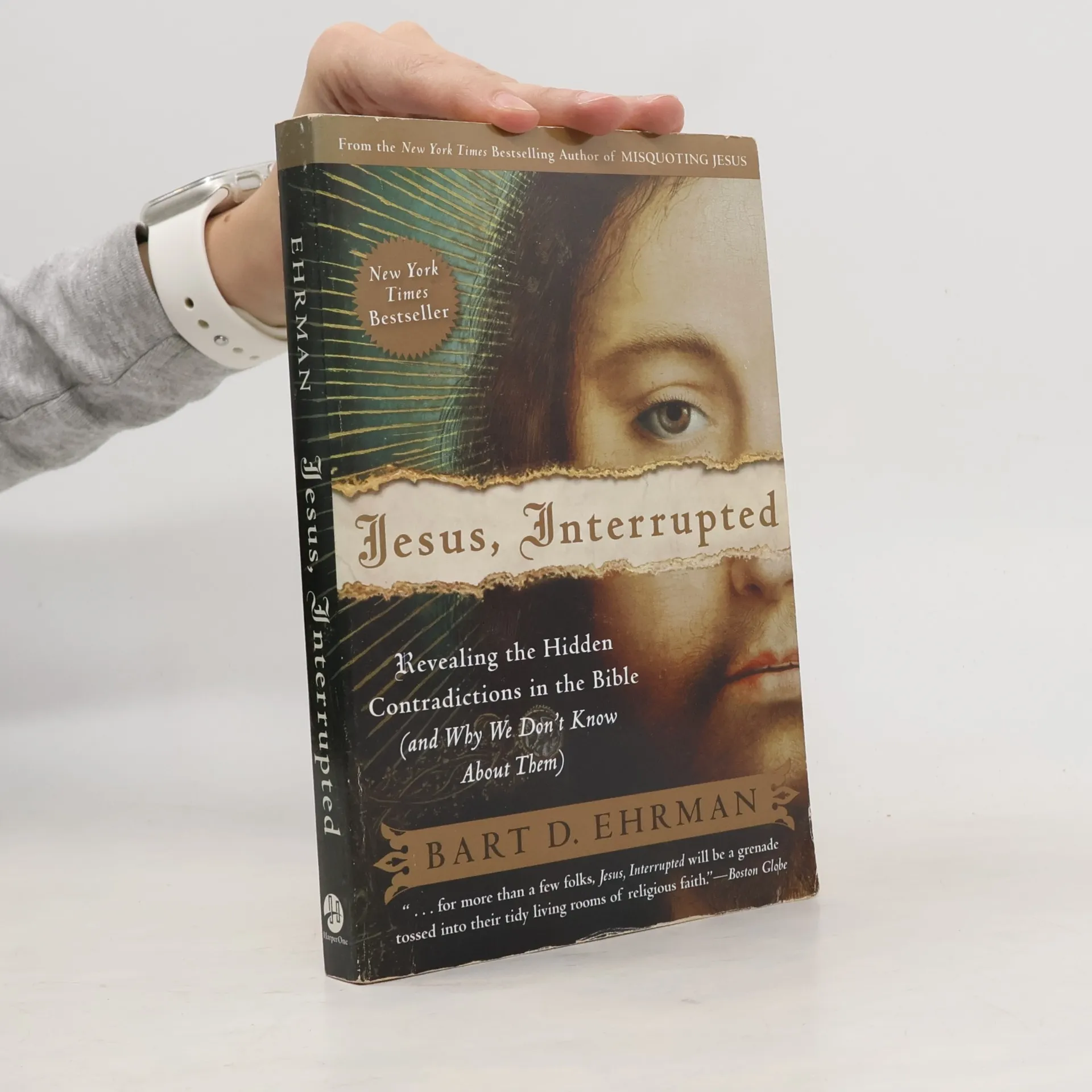
The Human Story Behind the Divine Book In this New York Times bestseller, leading Bible expert Bart Ehrman skillfully demonstrates that the New Testament is riddled with contradictory views about who Jesus was and the significance of his life. Ehrman reveals that many of the books were written in the names of the apostles by Christians living decades later, and that central Christian doctrines were the inventions of still later theologians. Although this has been the standard and widespread view of scholars for two centuries, most people have never learned of it. Jesus, Interrupted is a clear and compelling account of the central challenges we have when attempting to reconstruct the life and meaning of Jesus.
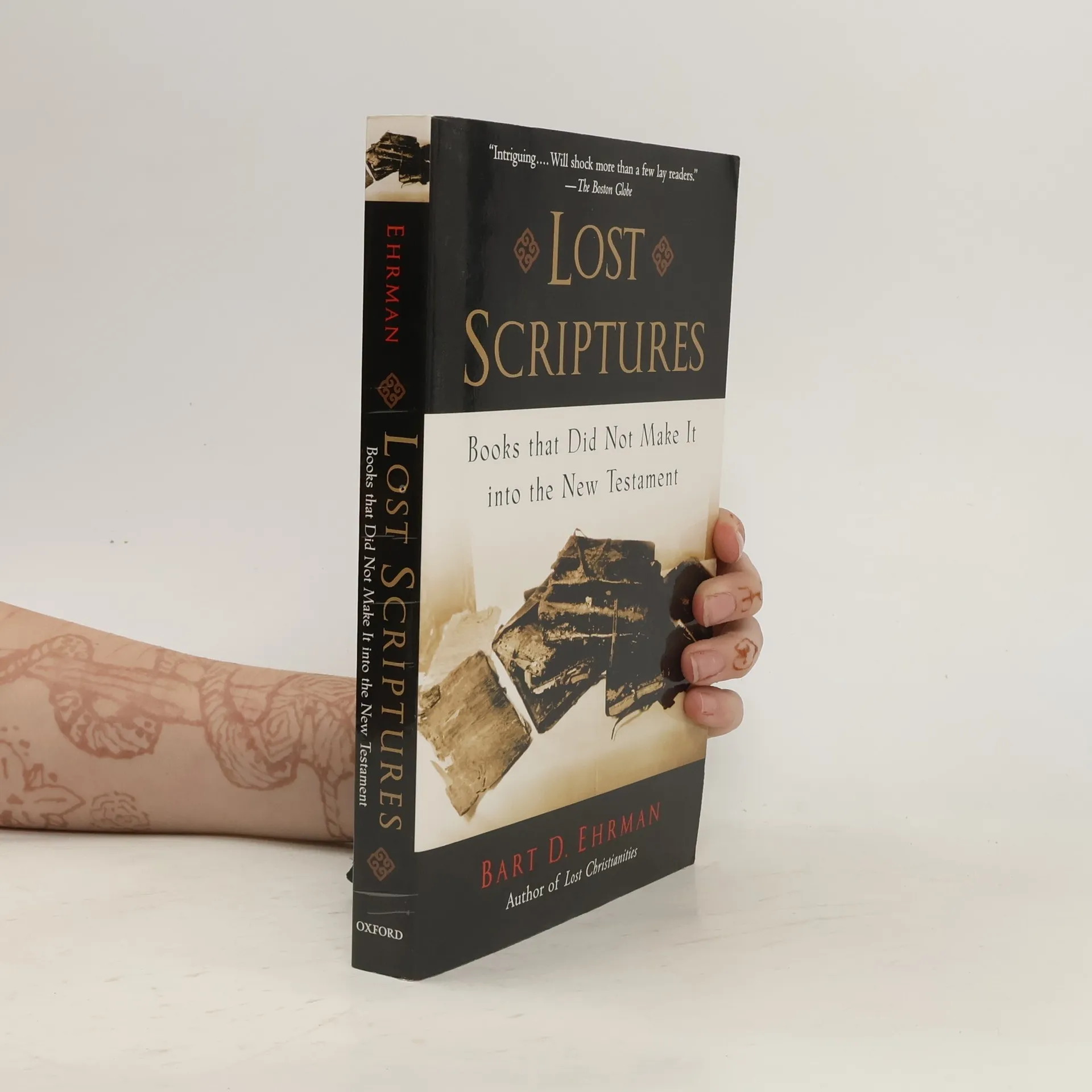
We may think of the twenty-seven books of the New Testament as the only sacred writings of the early Christians, but this is not the case. Lost Scriptures offers an anthology of up-to-date and readable translations of many of non- canonical writings from the centuries after Christ-texts that have for the most part been neglected or lost for nearly two millennia.
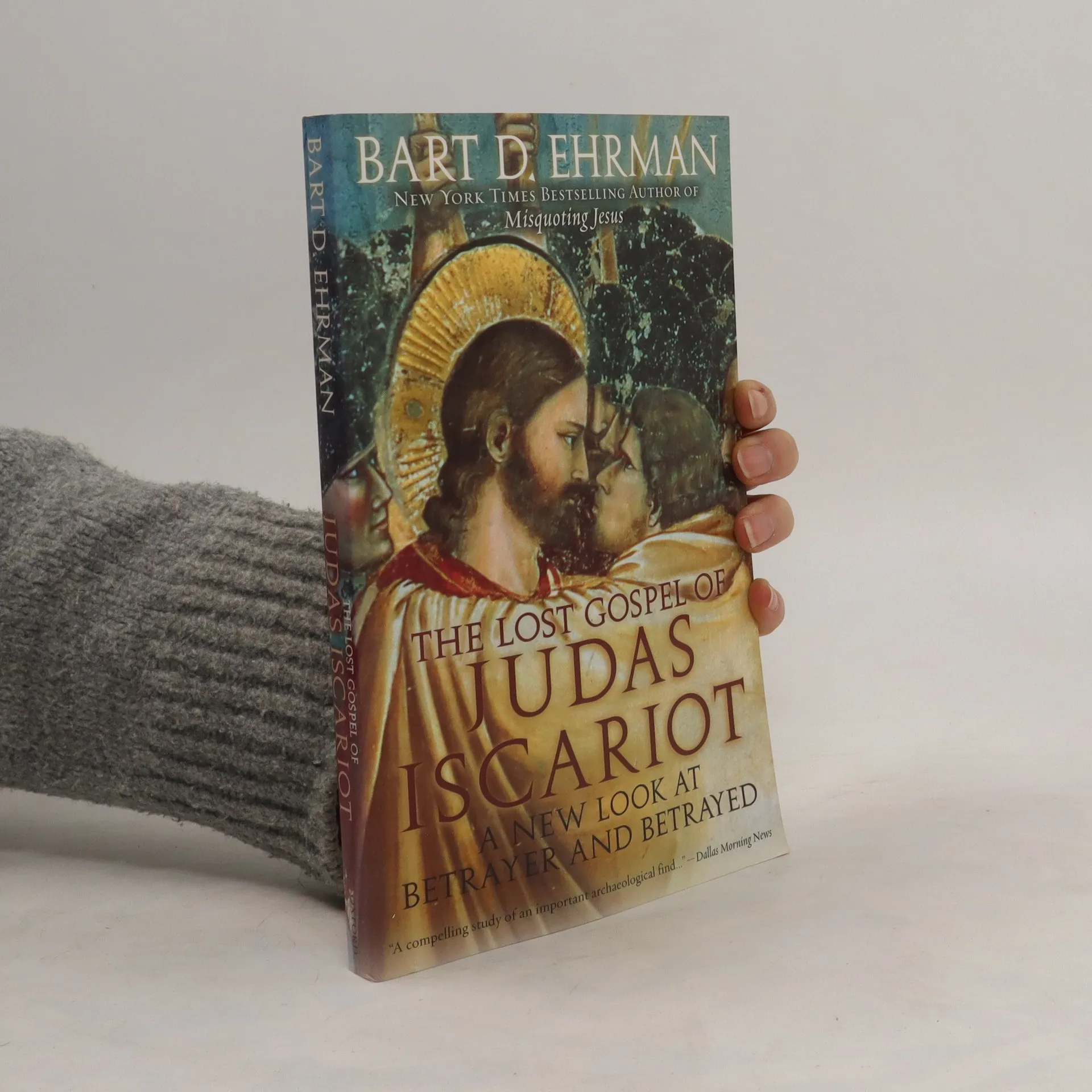
The biblical scholar recounts the events surrounding the discovery and handling of the Gospel of Judas, and provides an overview of its content, in which Judas is portrayed as a faithful disciple.