
Compra 10 libros por 10 € aquí!
Bookbot

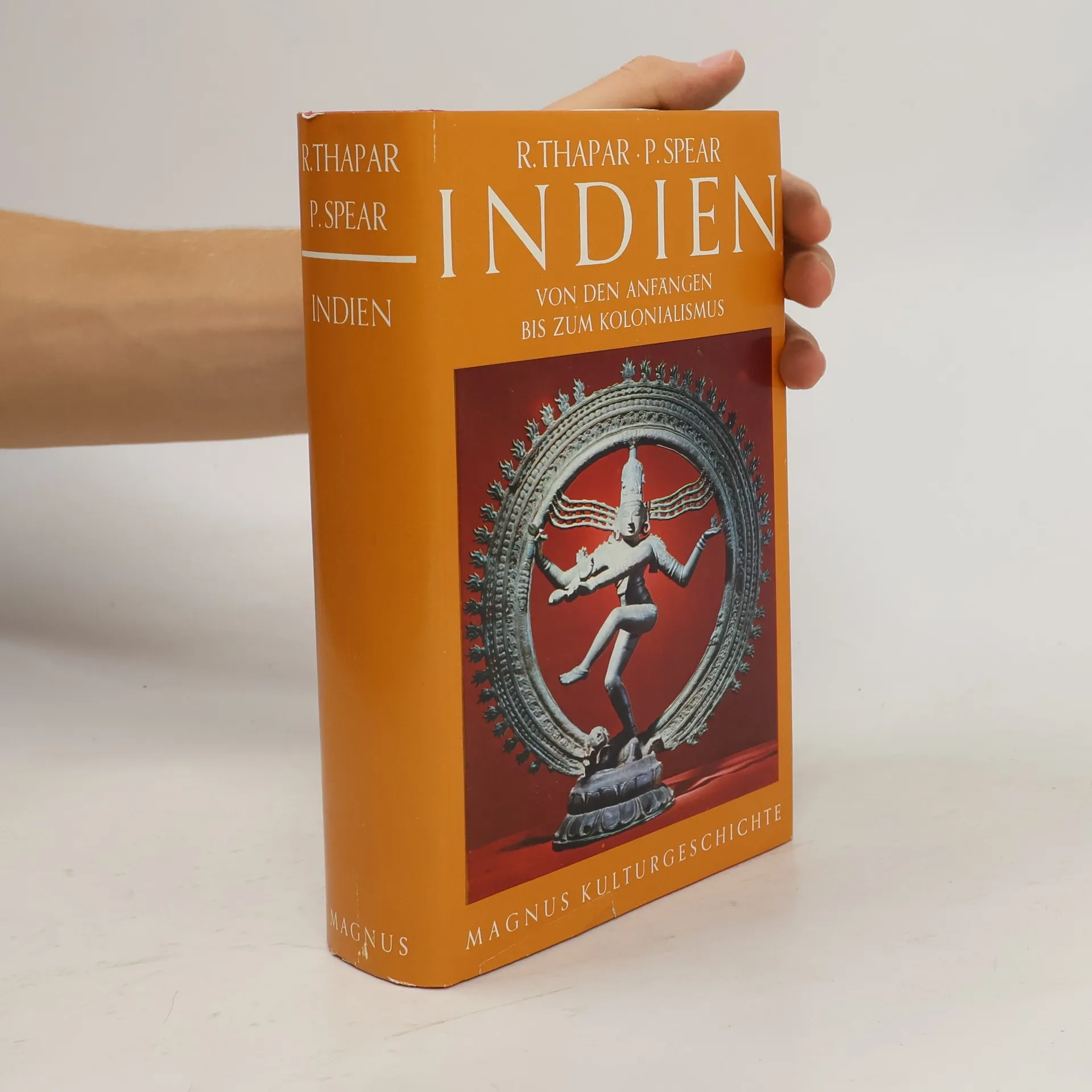
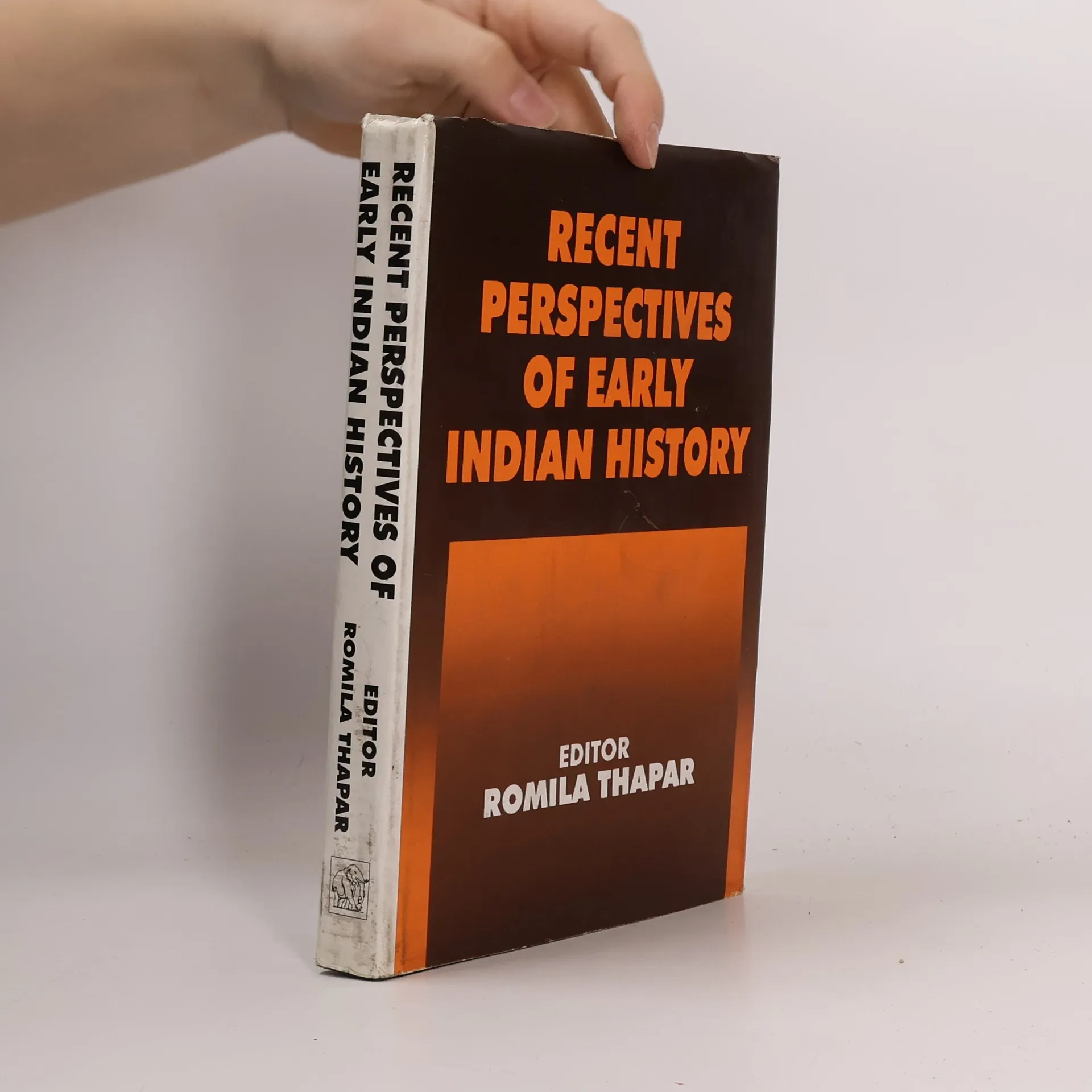
Romila Thapar

    Romila Thapar es una historiadora india cuyo trabajo explora las fuerzas sociales que dieron forma a la historia temprana de la India. Examina la evolución de las narrativas religiosas e históricas, ofreciendo perspectivas perspicaces sobre cómo interactúan la memoria colectiva y las estructuras sociales. Su enfoque enfatiza la naturaleza dinámica de la historia y el proceso continuo de reinterpretar el pasado. Thapar contribuye a una comprensión más profunda de los procesos históricos y sus ecos contemporáneos.

    Voices of Dissent – An Essay
    Voices of Dissent: An Essay
    Gazing Eastwards
    Indian Cultures as Heritage
    The Idea of India
    The Penguin History of Early India. From the Origins to AD 1300
    • 2024

      The Idea of India

      A Dialogue

      • 77 páginas
      • 3 horas de lectura

      The book features a dynamic dialogue between historian Romila Thapar and theorist Gayatri Chakravorty Spivak, exploring the complexities of Indian identity. Through anecdotes and reflections, they navigate the historical narratives that have shaped the notion of India, addressing the challenges of essentialism and exclusion. The authors highlight the importance of education in fostering an inclusive understanding of the nation's diverse history, while tackling themes of nationalism and religion. Ultimately, they pose a critical question about contemporary Indian identity.

      The Idea of India
    • 2021

      Gazing Eastwards

      • 296 páginas
      • 11 horas de lectura

      In 1957, renowned Indian historian Romila Thapar visited China, where, together with Sri Lankan art historian Anil de Silva, she worked at two cave sites that were the locations of Buddhist monasteries and shrines from the first millennium CE. The first site was the then lesser known Maijishan in north China, and the second was the famous site of Dunhuang on the edge of the Gobi desert in Northwest China. Now, decades later, she is supplementing the academic work that emerged from that trip with a captivating travelogue: Gazing Eastward takes readers back to midcentury China, through the observations that Thapar made in her diary during her time at the two archaeological sites and her trips there and to other sites. Traveling by train or truck, Thapar met people from throughout the country and all stations in society, from peasants on a cooperative farm to Chairman Mao himself. An enchanting document of a long-lost era, Gazing Eastward is a marvel, a richly observed work of travel writing that brings a time and a place fully to life.

      Gazing Eastwards
    • 2021

      A powerful history of the long tradition of political dissent in India published at a moment when the very idea of dissent is under attack.

      Voices of Dissent: An Essay
    • 2021
    • 2002

      A Largely Rewritten Version Of A Classic History Of Early India Concerned Not Only With The Past But Also With The Interaction Of The Past And The Present. Romila Thapar S Penguin History Of Early India Brings To Life Many Centuries Of The Indian Past. Dynastic History Provides A Chronological Frame But The Essential Thrust Of The Book Is The Explanation Of The Changes In Society And Economy. The Mutation Of Religious Beliefs And Practices, The Exploration Of Areas Of Knowledge In Which India Excelled, Its Creative Literature, Are All Woven Into A Historical Context. In This Version, The Opening Chapters Explain How The Interpretations Of Early Indian History Have Changed. Further, Although The Diversity Of Sources And Their Readings Are Well Known, Nevertheless, This Narrative Provides Fresh Readings And Raises New Questions. Romila Thapar Gives A Vivid And Nuanced Picture Of The Rich Mosaic Of Varied Landscapes, Languages, Kingdoms And Beliefs, And The Interaction Between These That Went Into The Making Of A Remarkable Civilization.

      The Penguin History of Early India. From the Origins to AD 1300