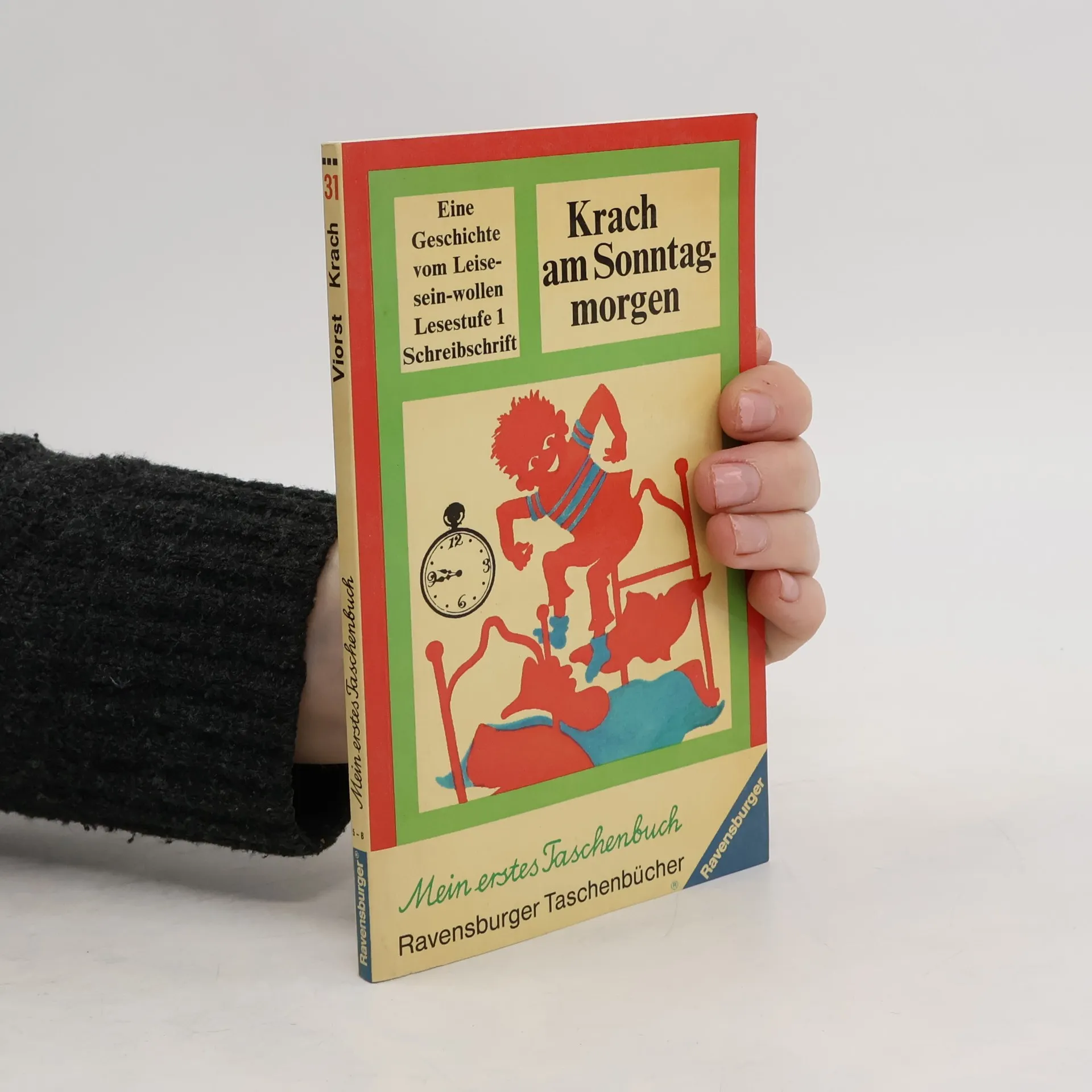
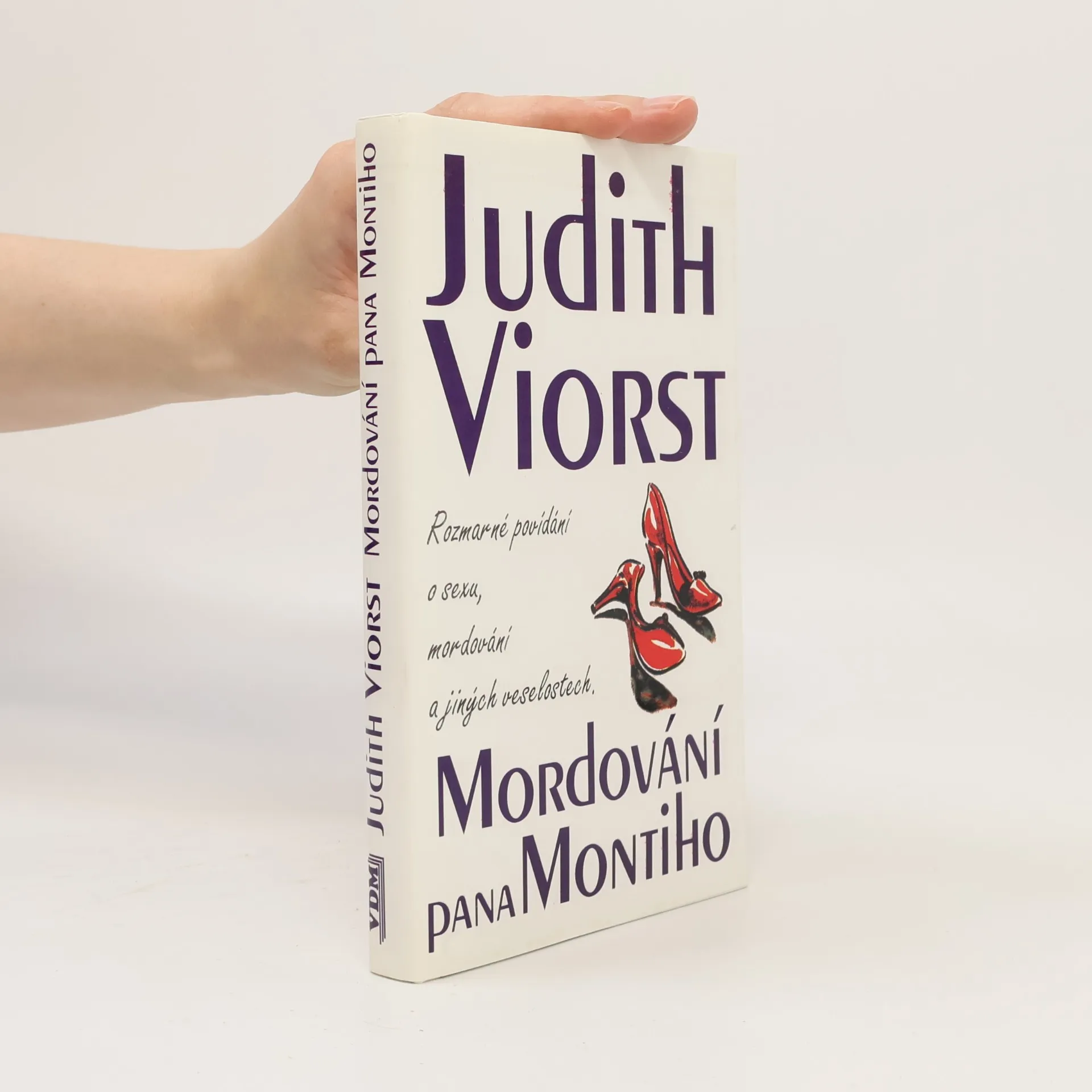
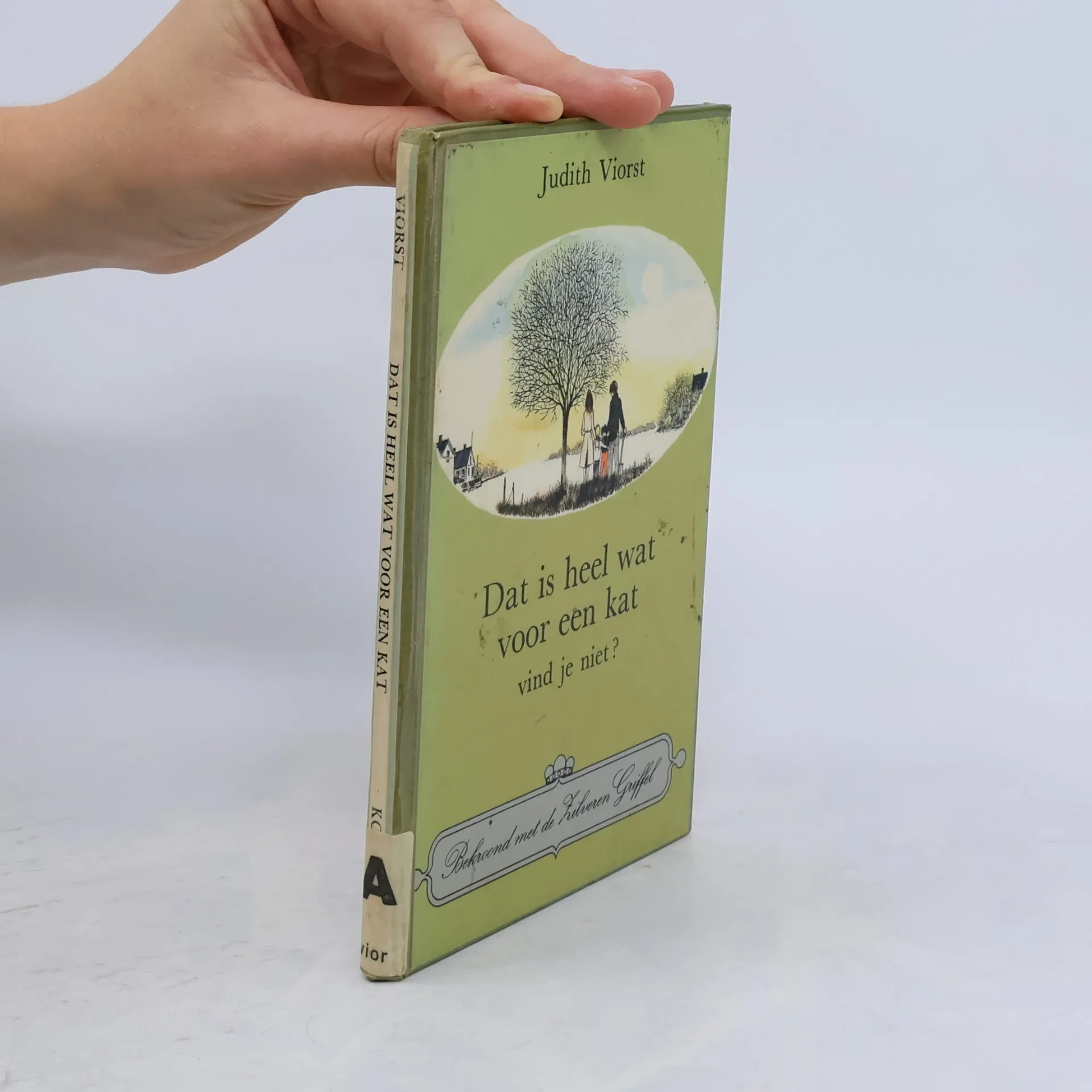
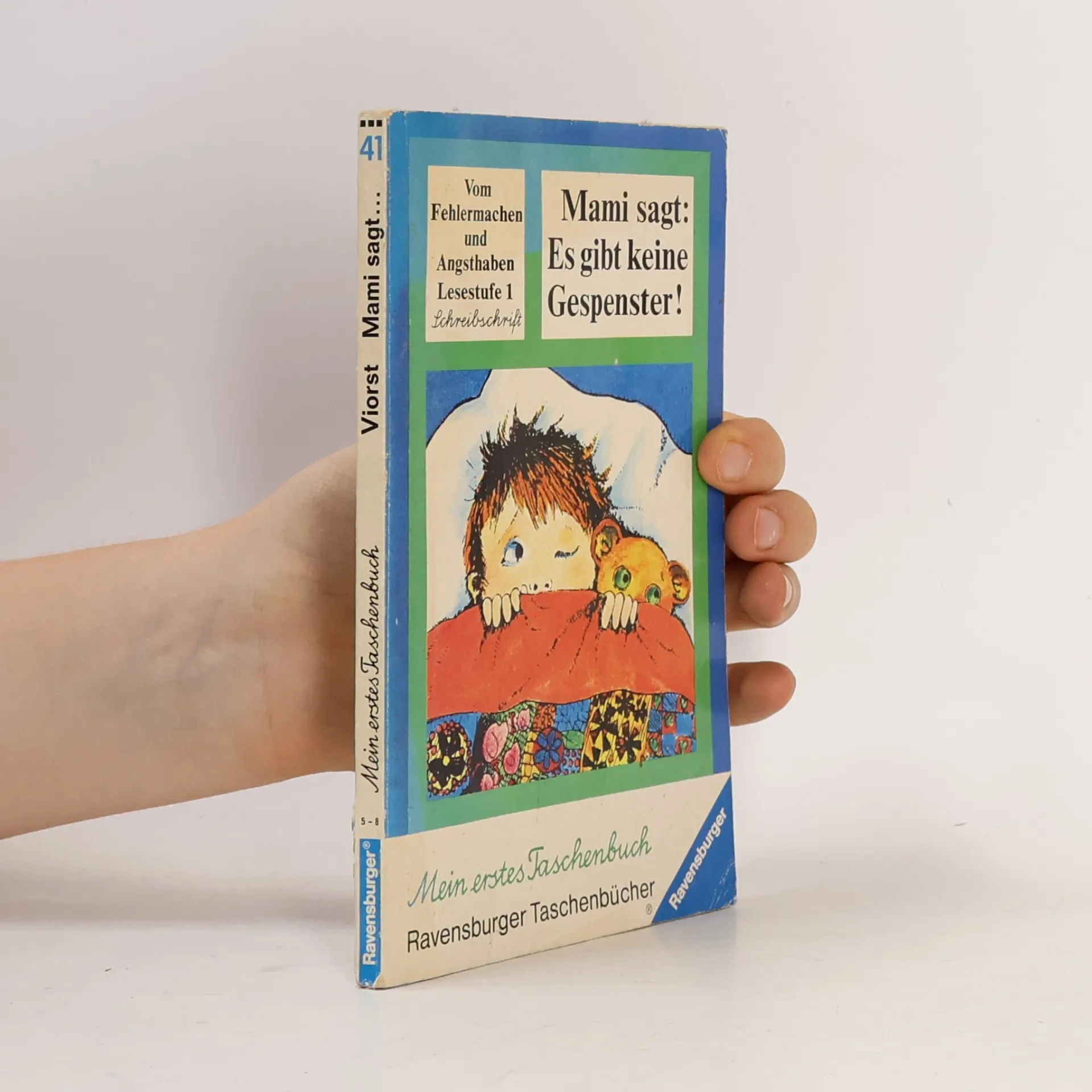
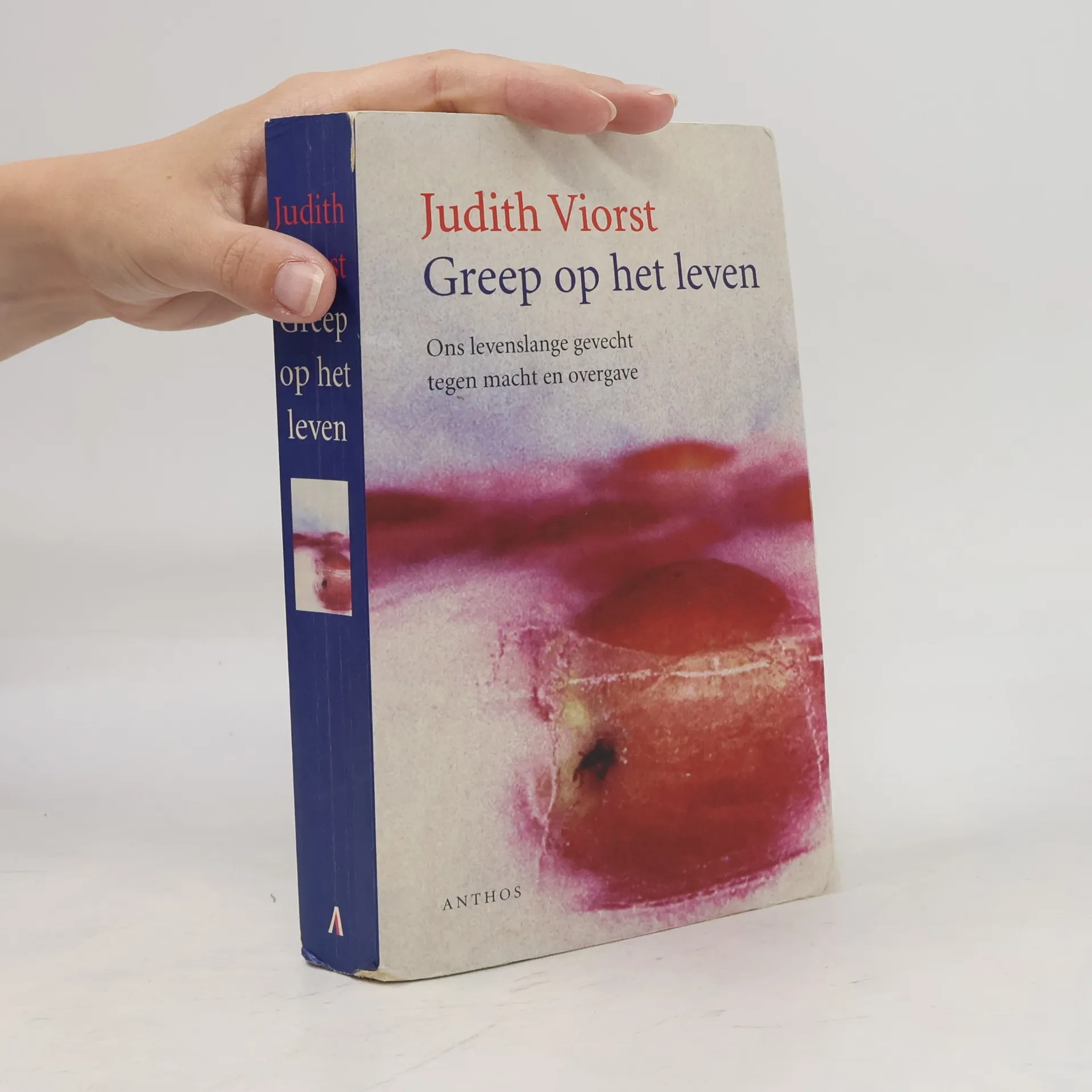
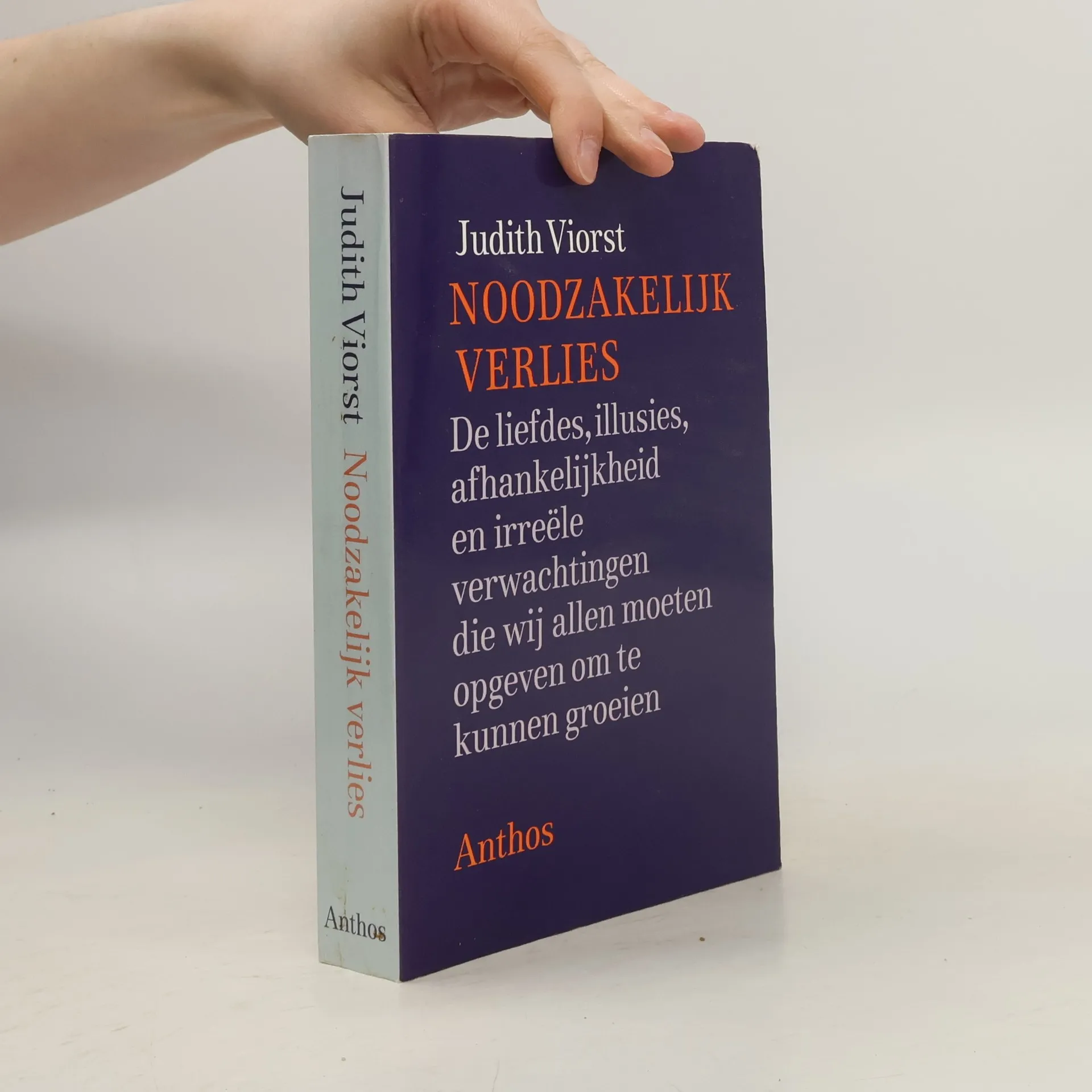
Las contribuciones literarias de Judith Viorst abarcan tanto ficción como no ficción para niños y adultos. Su escritura a menudo profundiza en los complejos paisajes emocionales y psicológicos de la experiencia humana. A través de sus obras, Viorst explora temas como la pérdida, el control y la búsqueda de sentido en la vida cotidiana. Su estilo poético y su perspicaz perspectiva sobre la psique humana hacen que sus escritos sean atemporales y resuenen con lectores de todas las generaciones.
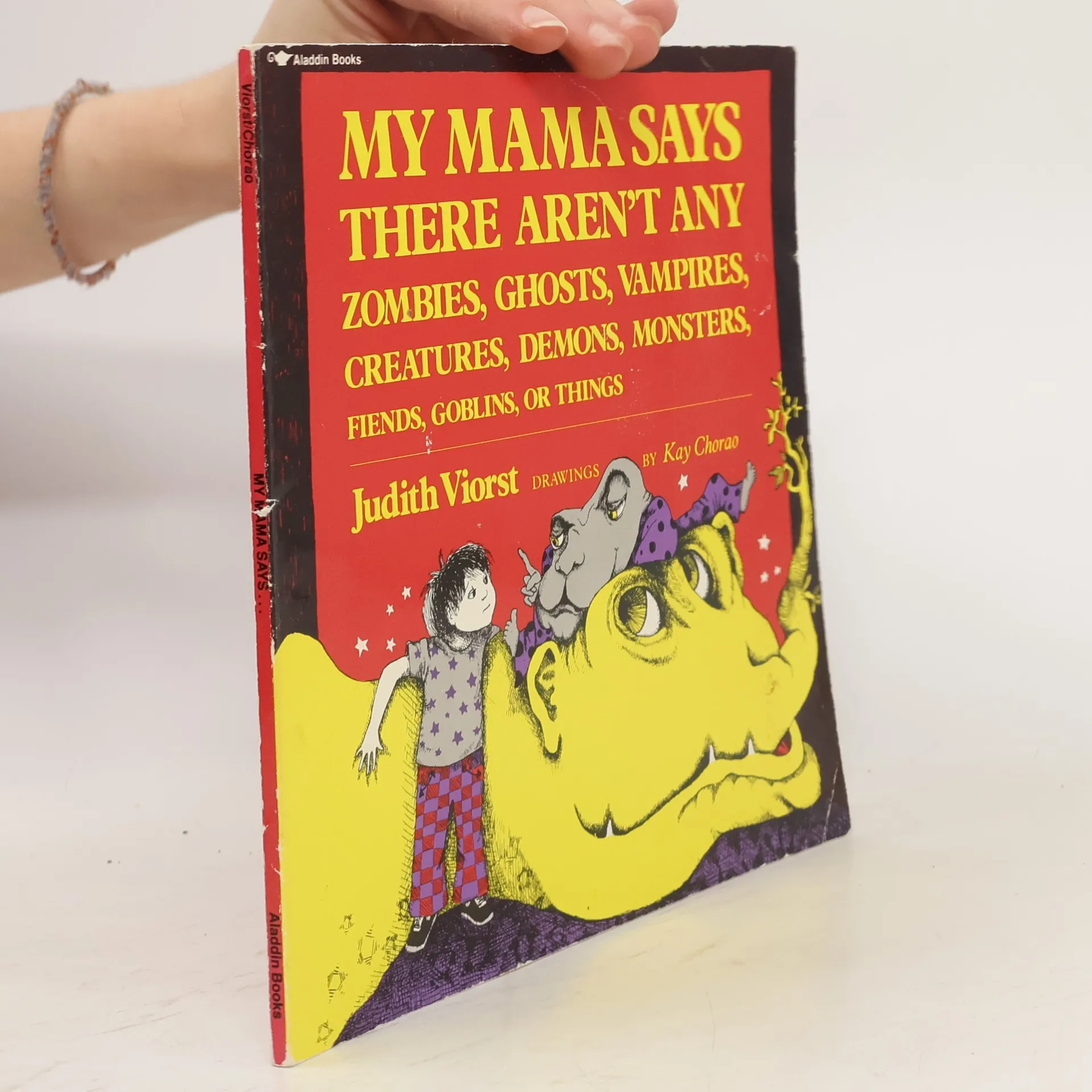
How can Nick believe his mother's telling him there aren't any monsters when she forgets what his favorite flavor of ice cream is? Or when she makes him wear boots and it doesn't even rain? Well, sometimes Mamas do make mistakes...but sometimes they don't. Judith Viorst's appealing text combines with Kay Chorao's wickedly evocative drawings in this all-new edition of a favorite book.
First published in 1972, Alexander and the Terrible, Horrible, No Good, Very Bad Day introduced to the world a feisty young hero who soon captured the hearts of a generation. Since then Alexander has returned in Alexander, Who Used to Be Rich Last Sunday and Alexander, Who's Not (Do you hear me? I mean it!) Going to move, and his position as a classic character in children's literature is assured. Alexander is everyone's favorite boy, struggling against those obstacles that seem to get in the way of growing up, with the most formidable ones being his siblings. Here, all three Alexander stories are combined in one book -- a perfect way for Alexander to be introduced to a whole new generation of certain fans.
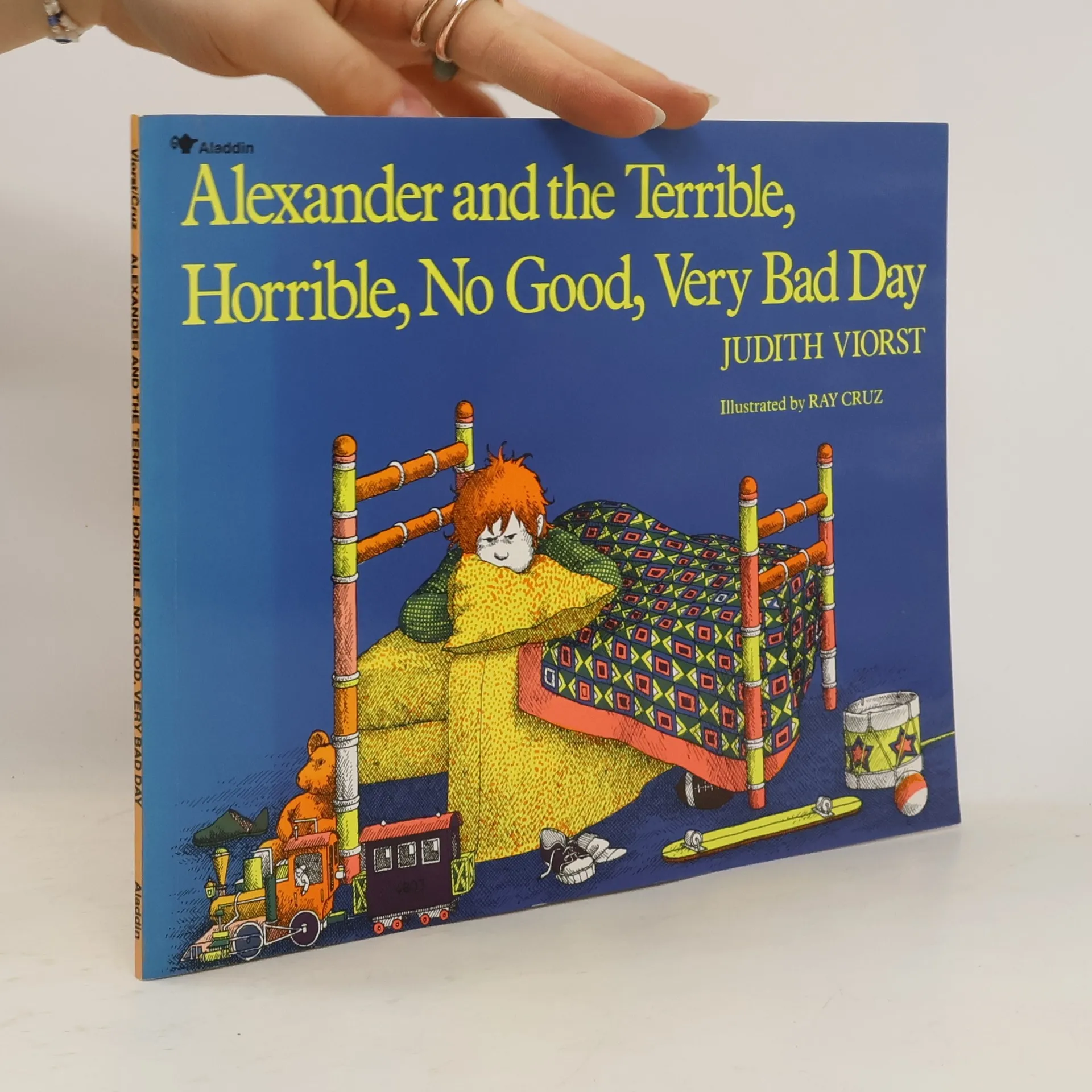
Alexander knew it was going to be a terrible day when he woke up with gum in this hair.And it got worse...His best friend deserted him. There was no dessert in his lunch bag. And, on top of all that, there were lima beans for dinner and kissing on TV!
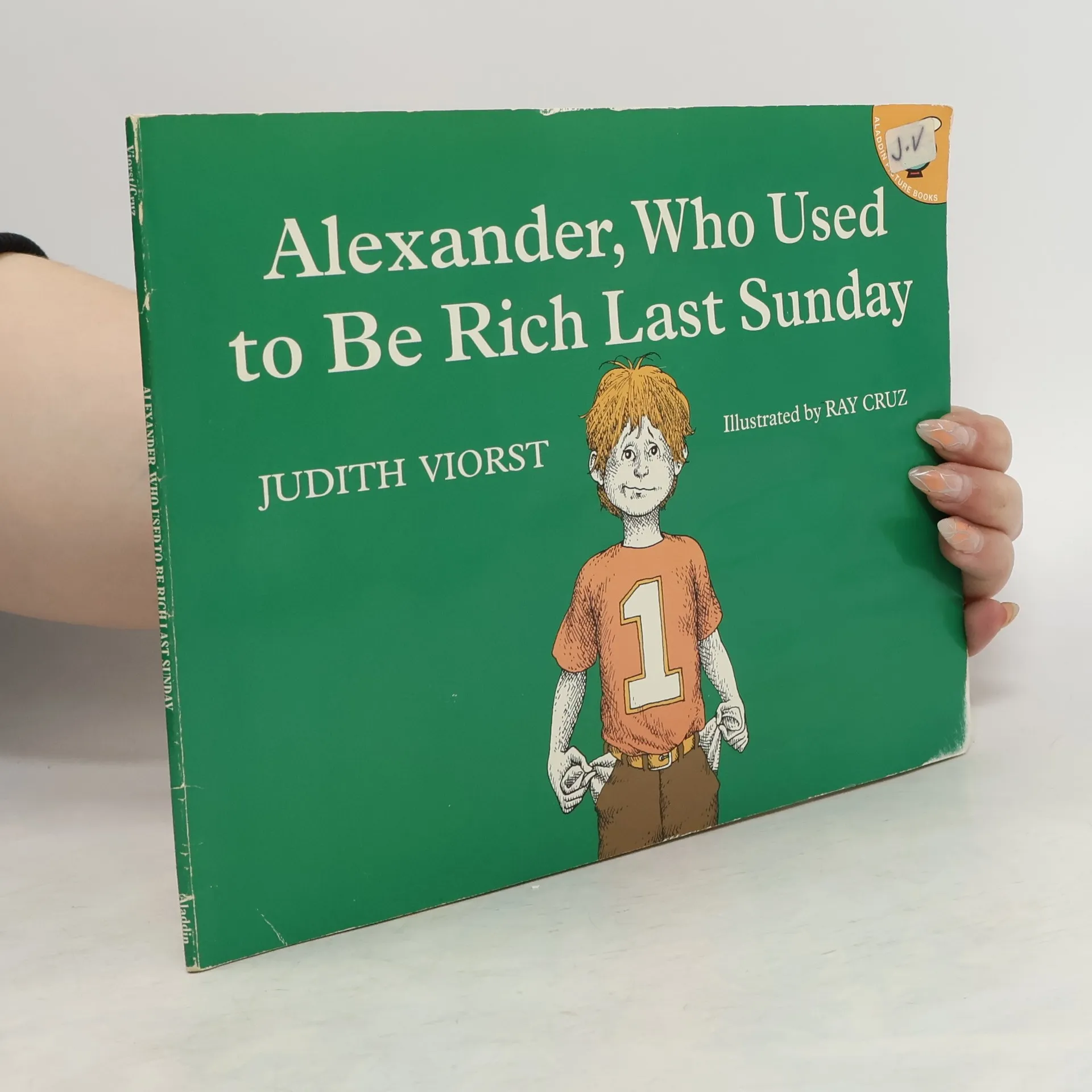
Last Sunday, Alexander's grandparents gave him a dollar -- and he was rich. There were so many things that he could do with all of that money! He could buy as much gum as he wanted, or even a walkie-talkie, if he saved enough. But somehow the money began to disappear... Readers of all ages will be delighted by this attractive new edition of Judith Viorst's beloved picture book.
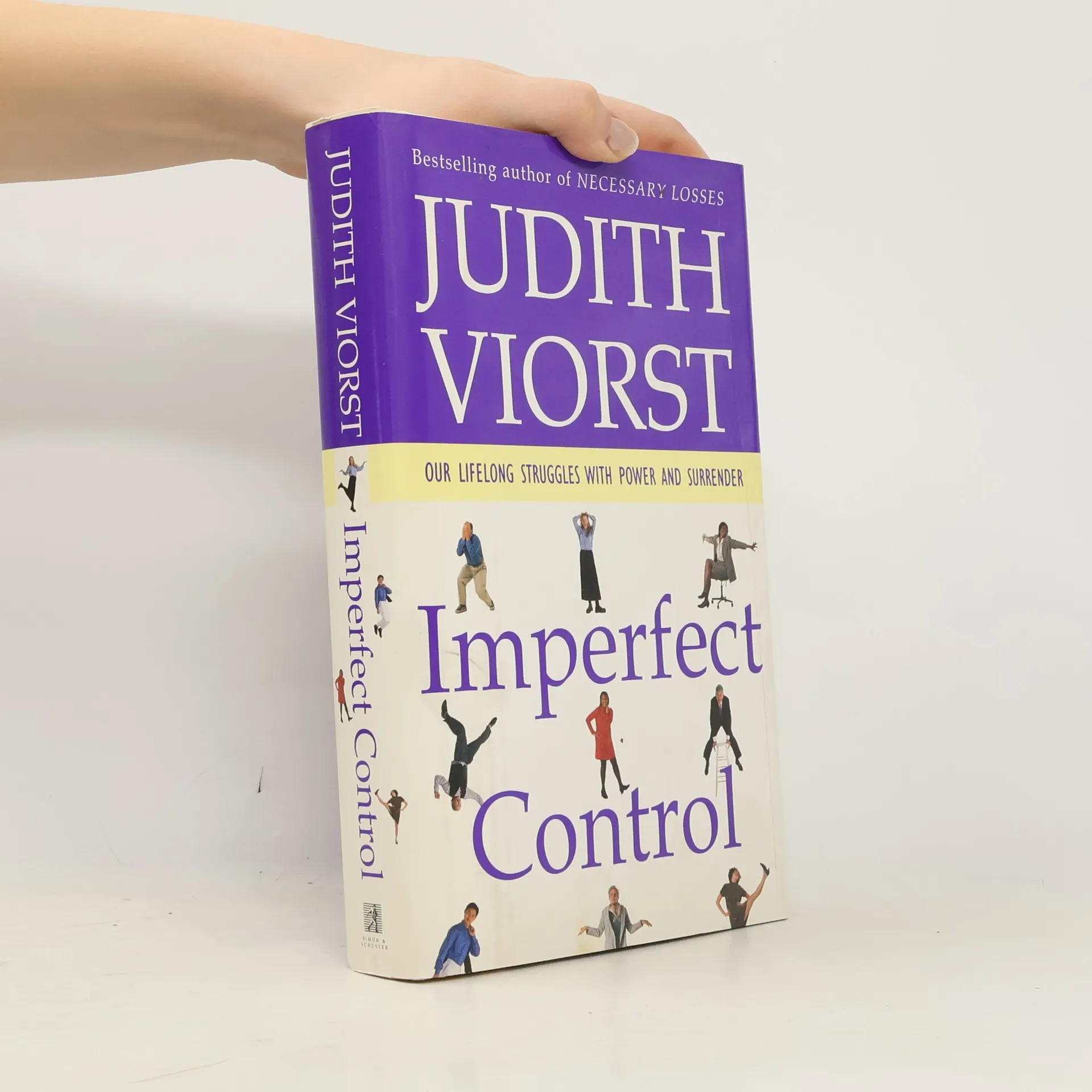
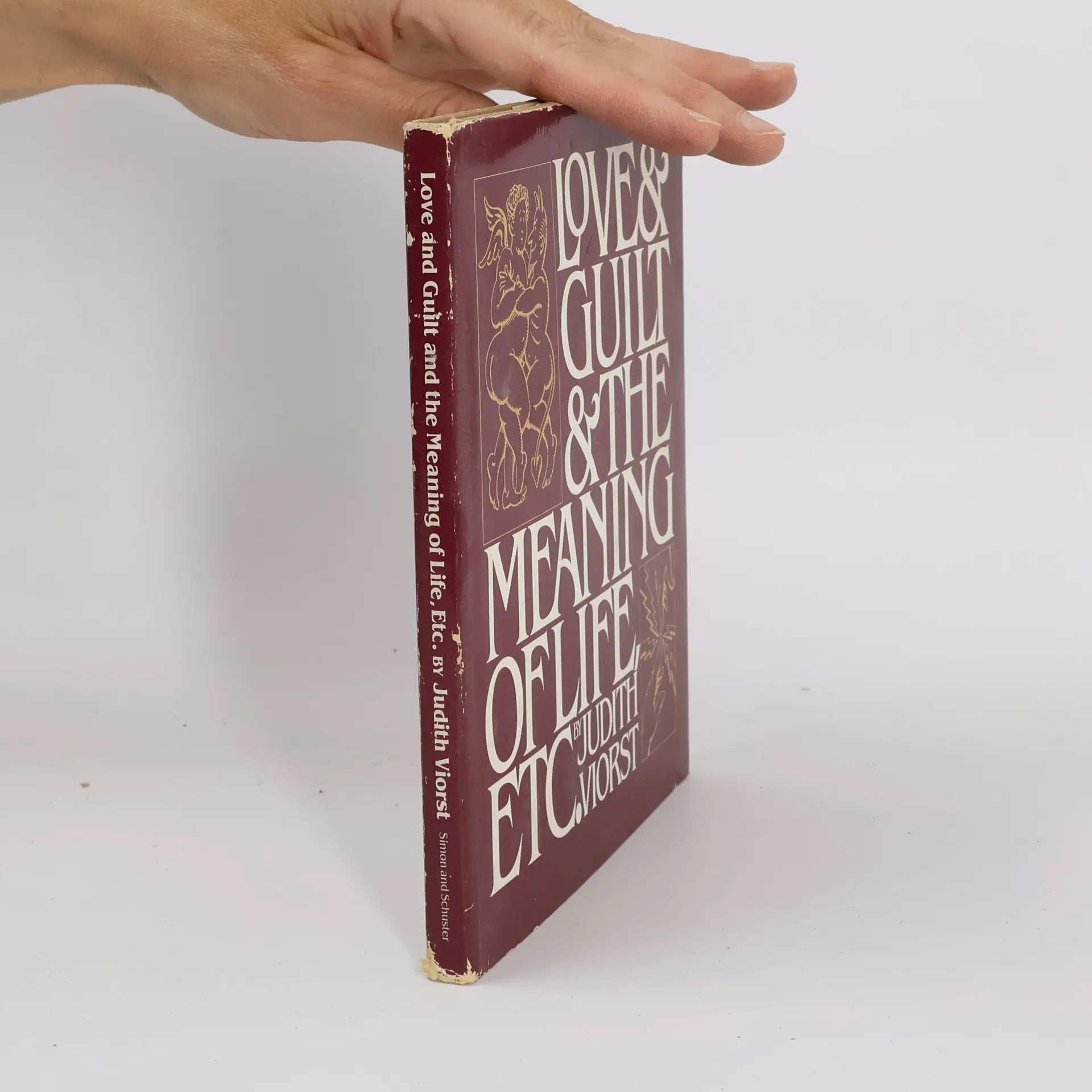
Addresses the issue of control--with its associated feelings of power, helplessness, freedom, and limitations--and how it affects every area of our lives.
"Whether she's finding herself or finding a sitter, contemplating her sex life as she rubs hormone night cream on her face, or wrestling with the contradiction of falling in love with a man her parents would actually approve of, Viorst transforms the familiar events of daily life into poems that make you laugh with recognition. Here is the young single girl leaving her parents' home for life in the big city ("No I do not believe in free love/And yes I will be home for Sunday dinners"). Here is the aspiring bohemian with an expensive liberal arts education, getting coffee and taking dictation, "Hoping that someday someone will be impressed/With all I know." Here is that married woman, coping with motherhood ("The tricycles are cluttering my foyer/The Pop Tart crumbs are sprinkled on my soul") and fantasy affairs ("I could imagine cryptic conversations, clandestine martinis...and me explaining that long kisses clog my sinuses") and all-too-real family reunions ("Four aunts in pain taking pills/One cousin in analysis taking notes"). And here she is at mid-life, wondering whether a woman who used to wear a "Ban the Bomb" button can find happiness being a person with a set of fondue forks, a fish poacher, and a wok. Every step of the way, It's Hard to be Hip Over Thirty and Other Tragedies of Married Life demonstrates once and for all that no one understands American women coming of age like Judith Viorst." -- Amazon.com
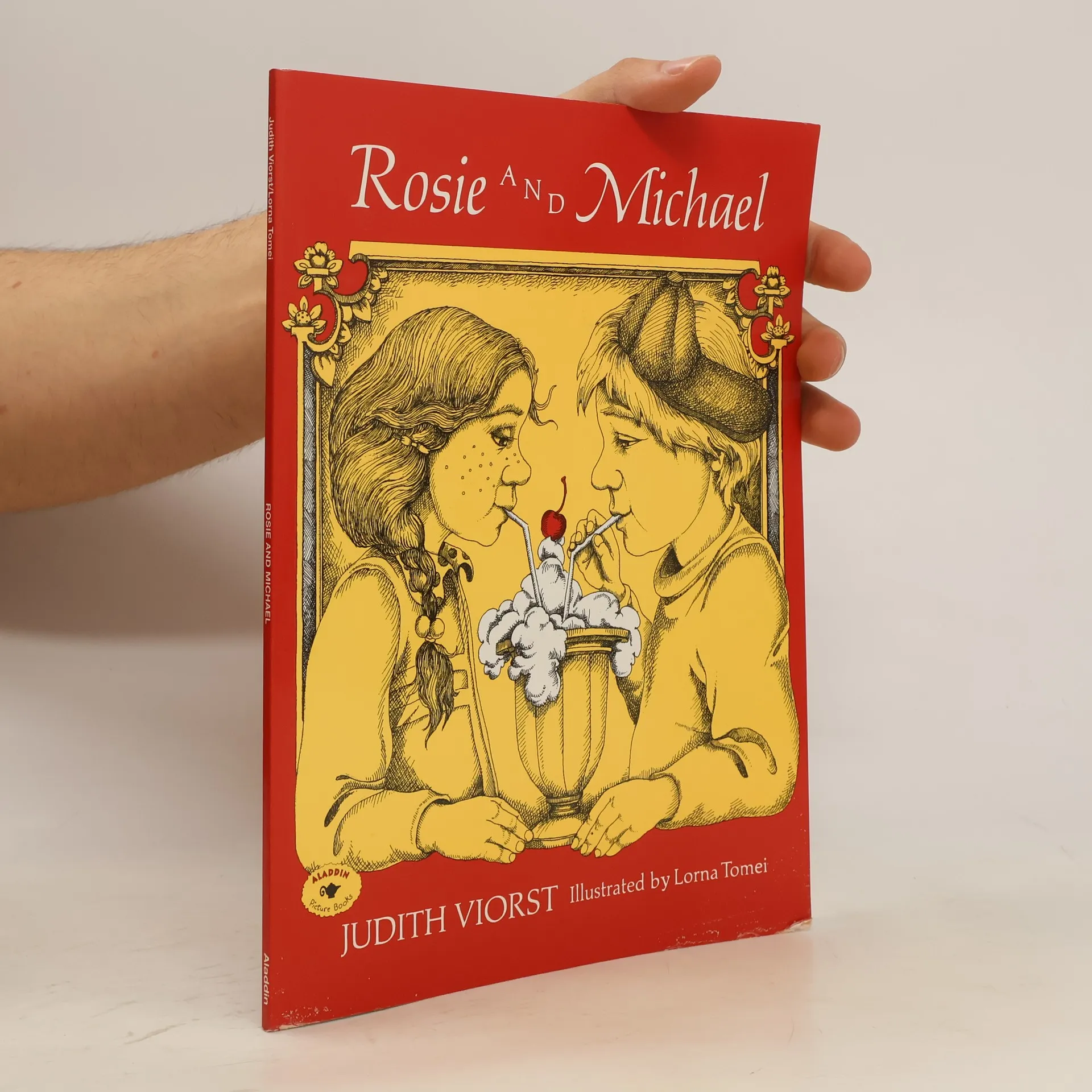
Rosie likes Michael when he's dopey and not just when he's smart. Michael likes Rosie when she's grouchy and not just when she's nice. That's how friends are. When Michael's parakeet died, he called Rosie. When Rosie's dog ran away, she called Michael. That's what friends do. Michael once sprayed Kool Whip into Rosie's sneakers. Rosie once put a worm in Michael's sandwich. They're still friends. And Michael says he would never have his tonsils out without Rosie. And Rosie says she would never move to China without Michael. And the reason they wouldn't is -- because they're friends.
Now in paperback for the first time, the story of Charlie, a kid who knows how to be ready for any situation…. Just in Case . If a downpour turns into a flash flood or the grocery store should close indefinitely, Charlie knows exactly what he’ll do. But as Charlie is about to discover, sometimes not being ready is even better than being prepared for everything. She wants them. She needs them. She loves them. Earrings! What won’t a girl do to finally get her ears pierced? Find out in this delightful tale that perfectly captures the yearnings of a young girl in desperate need of beautiful, glorious earrings! According to Olivia—who is practically perfect—her younger sister Sophie isn’t very neat. But she’s not just messy, either…. She’s Super-Completely and Totally the Messiest! Olivia’s family tries to show her that Sophie is plenty of things besides a slob, but Olivia is unconvinced. Pictures from Robin Preiss Glasser, illustrator of Fancy Nancy, make this book super-completely and totally fun!
The honeymoon is overAnd he has left for workWhistling something obvious from La BohemeAnd carrying a brown calfskin attache caseI never dreamed he was capable of owning,Having started the dayWith ten pushups and a cold showerFollowed by a hearty breakfast.(What do we actually have in common?)The honeymoon is overAnd I am dry-mopping the floorIn a green Dacron dry-mopping outfit from Saks,Wondering why I'm not dancing in the dark,Or rejecting princes,Or hearing people gasp at my one-man show,My god, so beautiful and so gifted!(The trouble is I never knew a prince.)
Two rival businessmen meet in the Warsaw train station. "Where are you going?" says the first man."To Minsk," says the second."To Minsk, eh? What a nerve you have! I know you're telling me you're going to Minsk because you want me to think that you're really going to Pinsk. But it so happens that I know you really are going to Minsk. So why are you lying to me?"Four men are walking in the desert.The German says, "I'm tired and thirsty. I must have a beer."The Italian says, "I'm tired and thirsty. I must have wine."The Mexican says, "I'm tired and thirsty.I must have tequila."The Jew says, "I'm tired and thirsty. I must have diabetes."
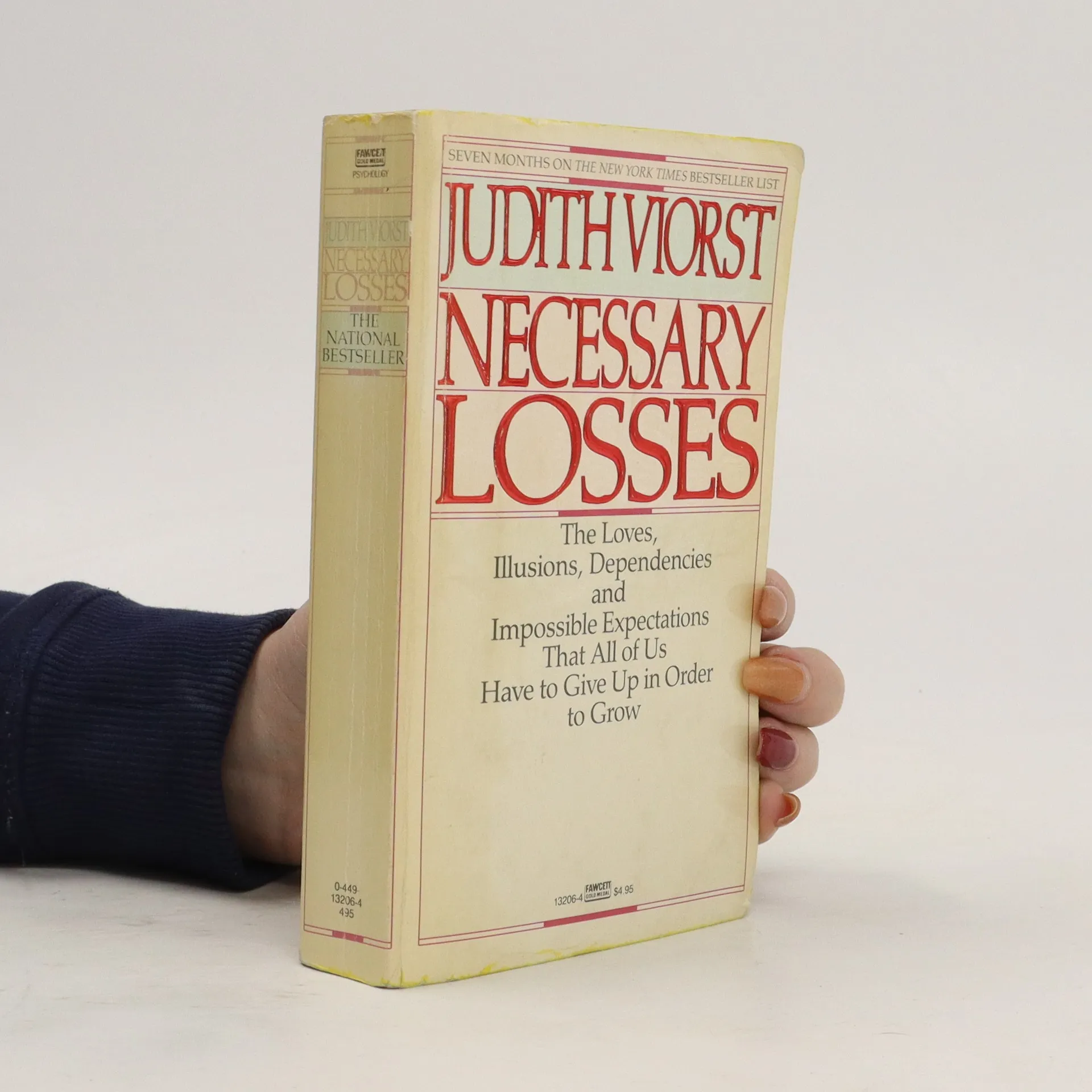
Strata jest nieuniknionym elementem naszego życia, który wpływa na nas w różnorodny sposób. Doświadczenie straty to nie tylko śmierć bliskich, ale także rozłąki, rozstania, utrata romantycznych marzeń oraz akceptacja rzeczywistości. Judith Viorst w swojej klasycznej książce ukazuje, jak strata towarzyszy nam od momentu narodzin, kiedy opuszczamy ciało matki, stając się odrębną jednostką. Uświadamiamy sobie ograniczenia naszych możliwości, musimy zrezygnować z idealnych wizji relacji, a w drugiej połowie życia dostrzegamy kruchość istnienia i akceptujemy, że wszystko ma swój kres. Autorka podkreśla, że radzenie sobie z stratami może wzmocnić nas emocjonalnie i psychicznie. Zrozumienie, w jaki sposób strata kształtuje nasze życie, może być początkiem mądrej i pełnej nadziei zmiany. Judith Viorst, amerykańska pisarka i dziennikarka, jest autorką wielu bestsellerów oraz książek dla dzieci. Jej prace, w tym „To, co musimy utracić”, zdobyły uznanie i utrzymywały się na liście bestsellerów „The New York Timesa”.
De liefdes, illusies, afhankelijkheid en irreeële verwachtingen die wij allen moeten opgeven om te kunnen groeien
359 páginas
13 horas de lectura
Diverse aspecten van het begrip verlies belicht aan de hand van psycho-analytische theorieën, literatuur, gevalsbeschrijvingen en eigen ervaringen van de auteur.