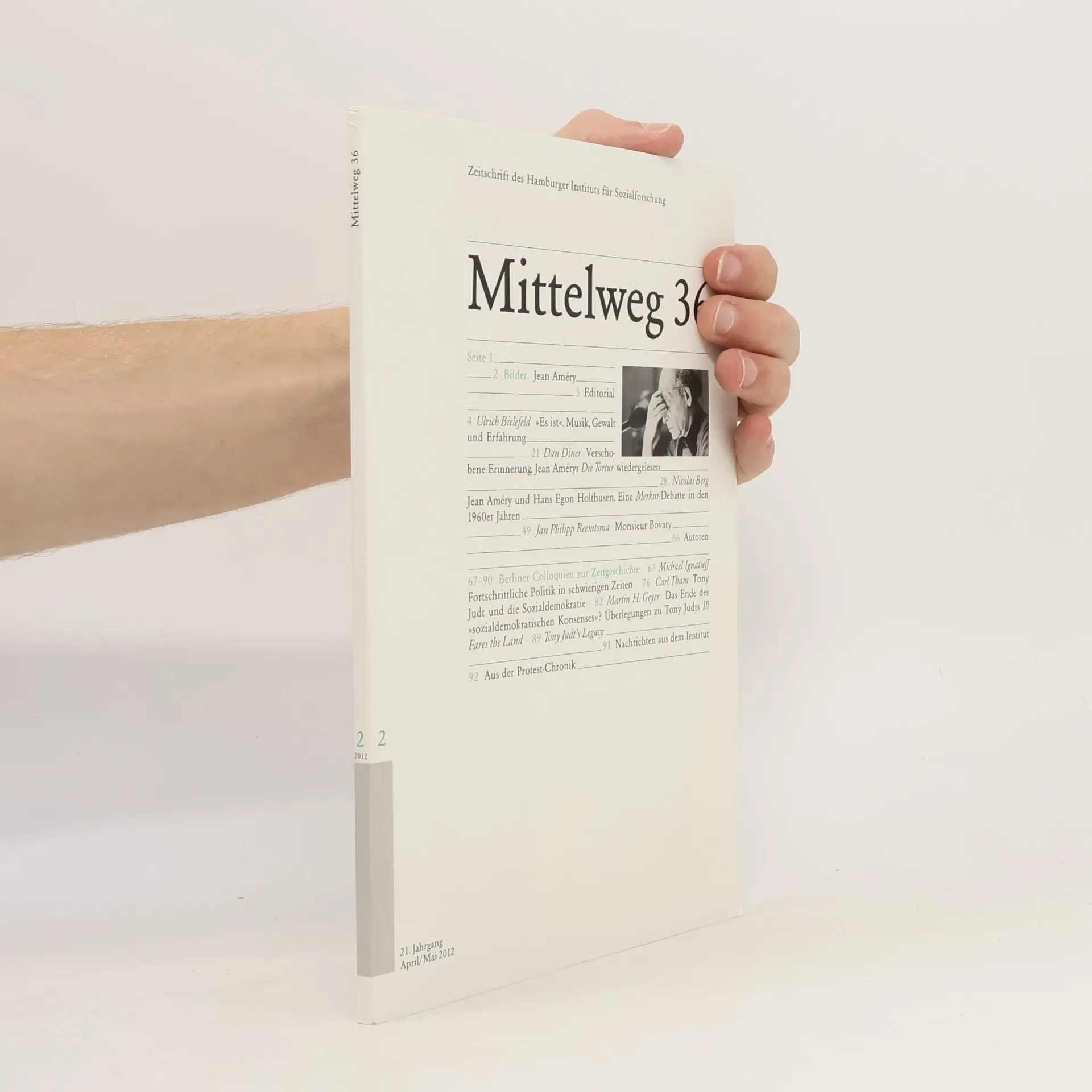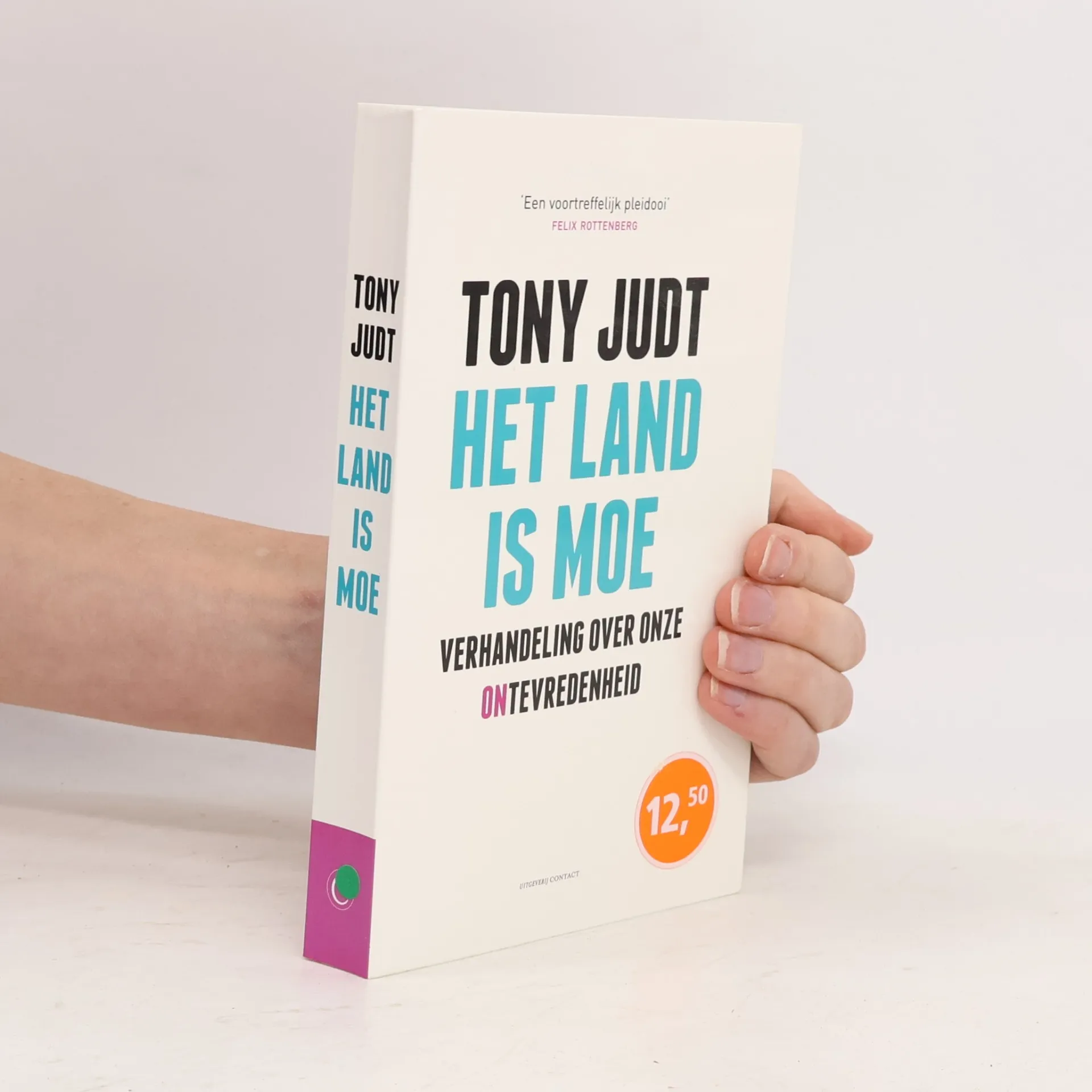
Bookbot

Tony Judt

    2 de enero de 1948 – 6 de agosto de 2010

    Tony Judt fue un distinguido historiador e intelectual cuya obra profundizó en la historia moderna de Europa. Su escritura se caracterizó por un agudo análisis de las fuerzas políticas y sociales que moldearon el continente, junto con una habilidad para conectar eventos pasados con desafíos presentes. Judt exploró las complejidades de la identidad europea, el nacionalismo y el desarrollo de la posguerra con un estilo claro e incisivo. Su erudición anima a los lectores a reflexionar sobre la trayectoria de Europa y las preguntas perdurables sobre la justicia social y la vida política.

    Tony Judt
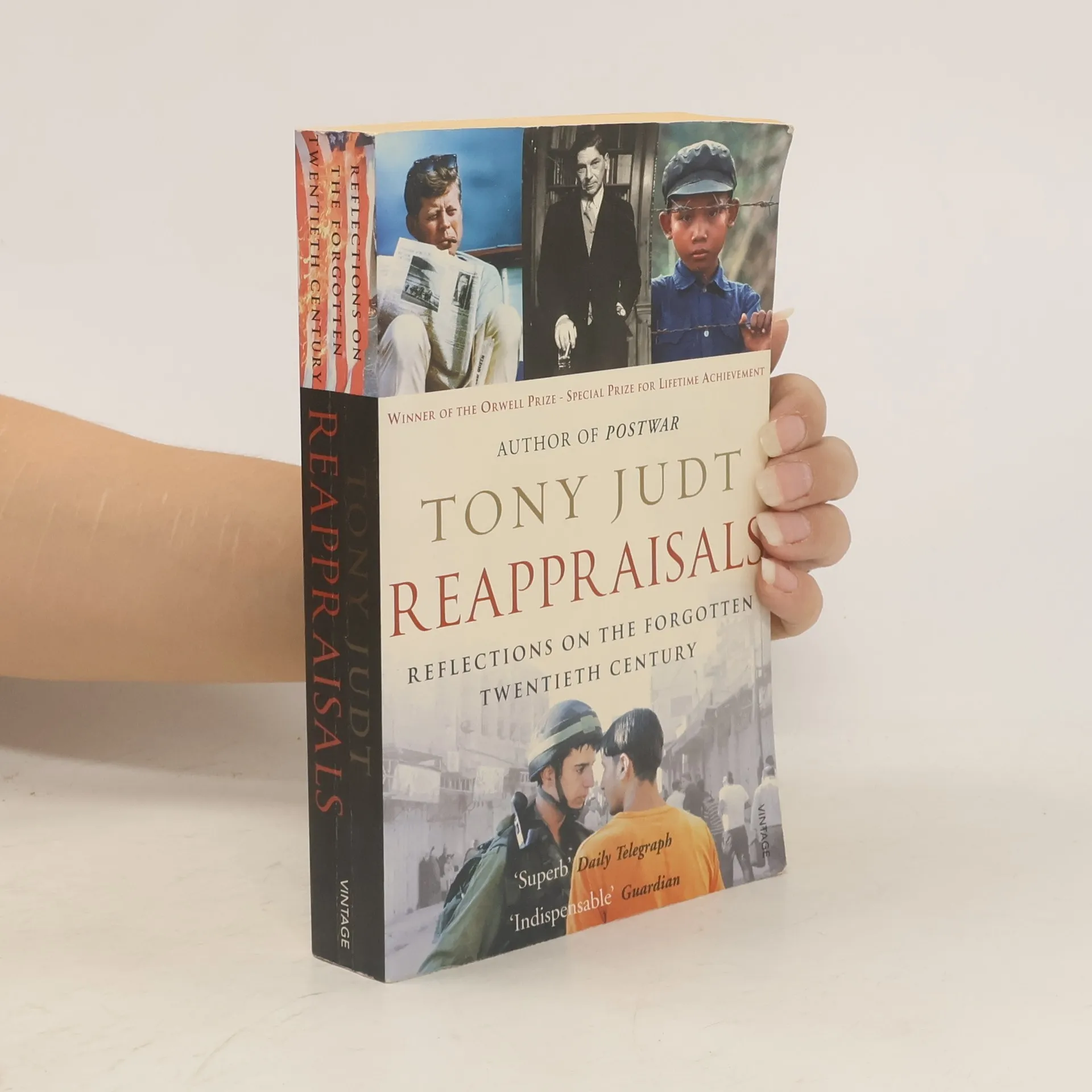
    Reappraisals
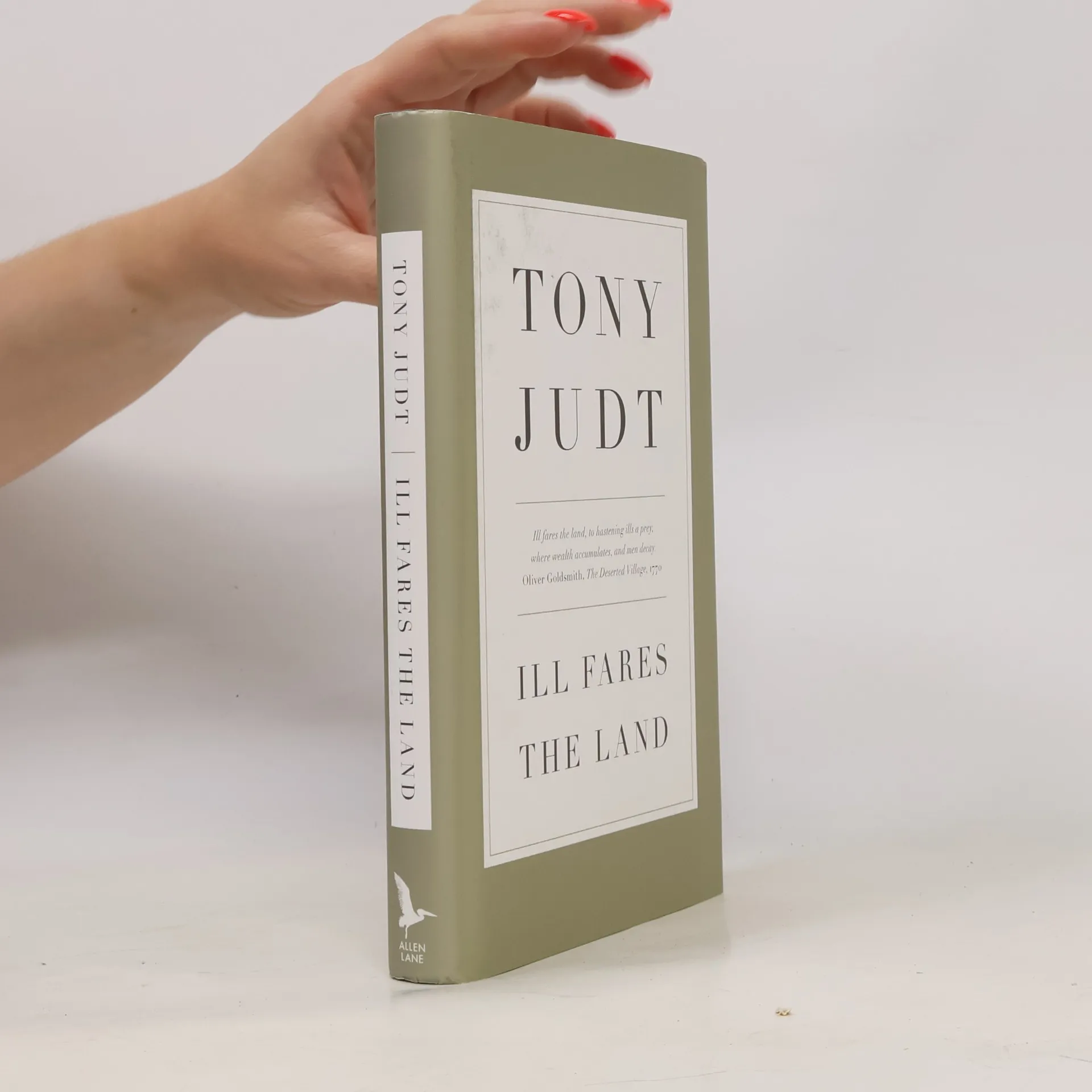
    Ill Fares The Land
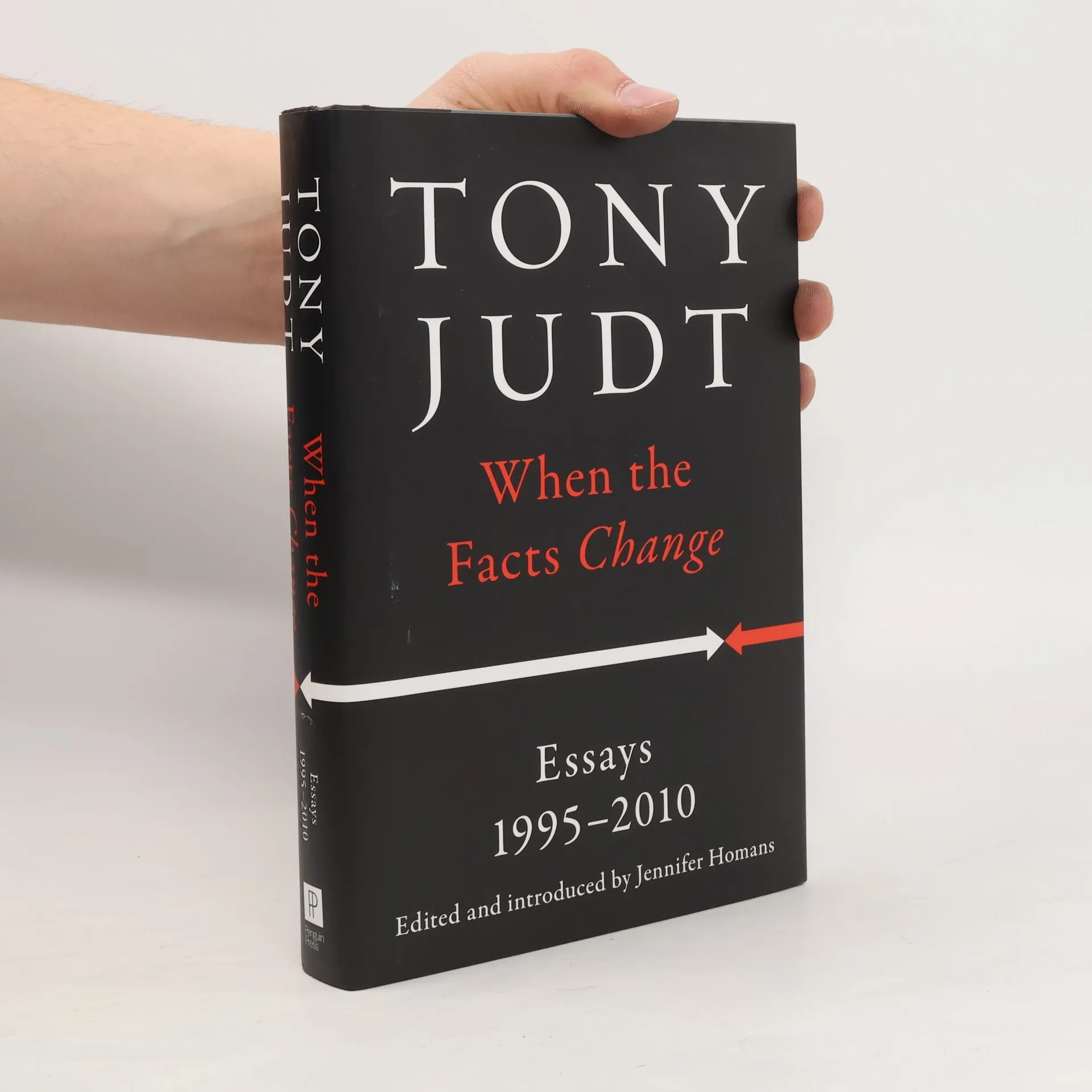
    When The Facts Change. Essays 1995-2010
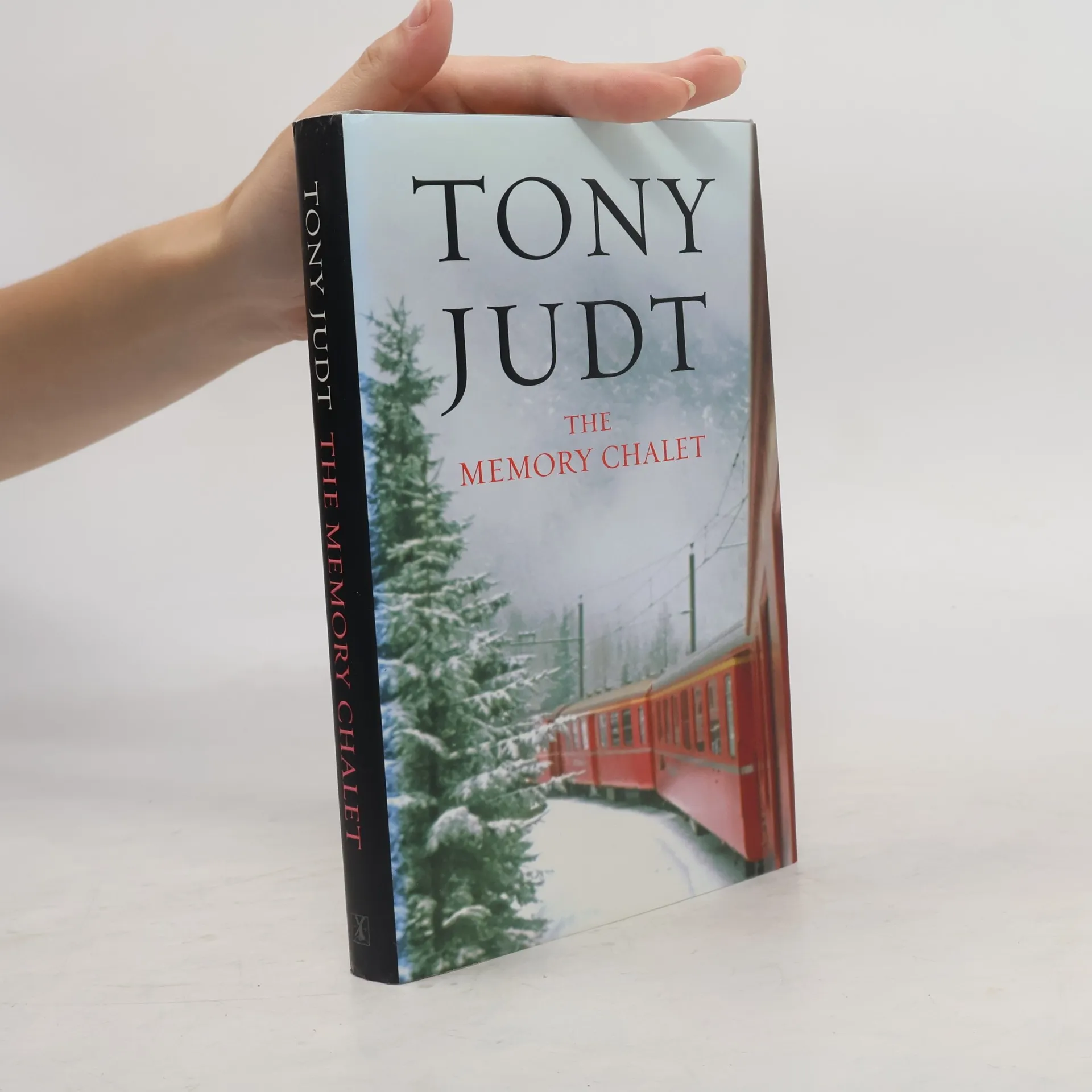
    The Memory Chalet
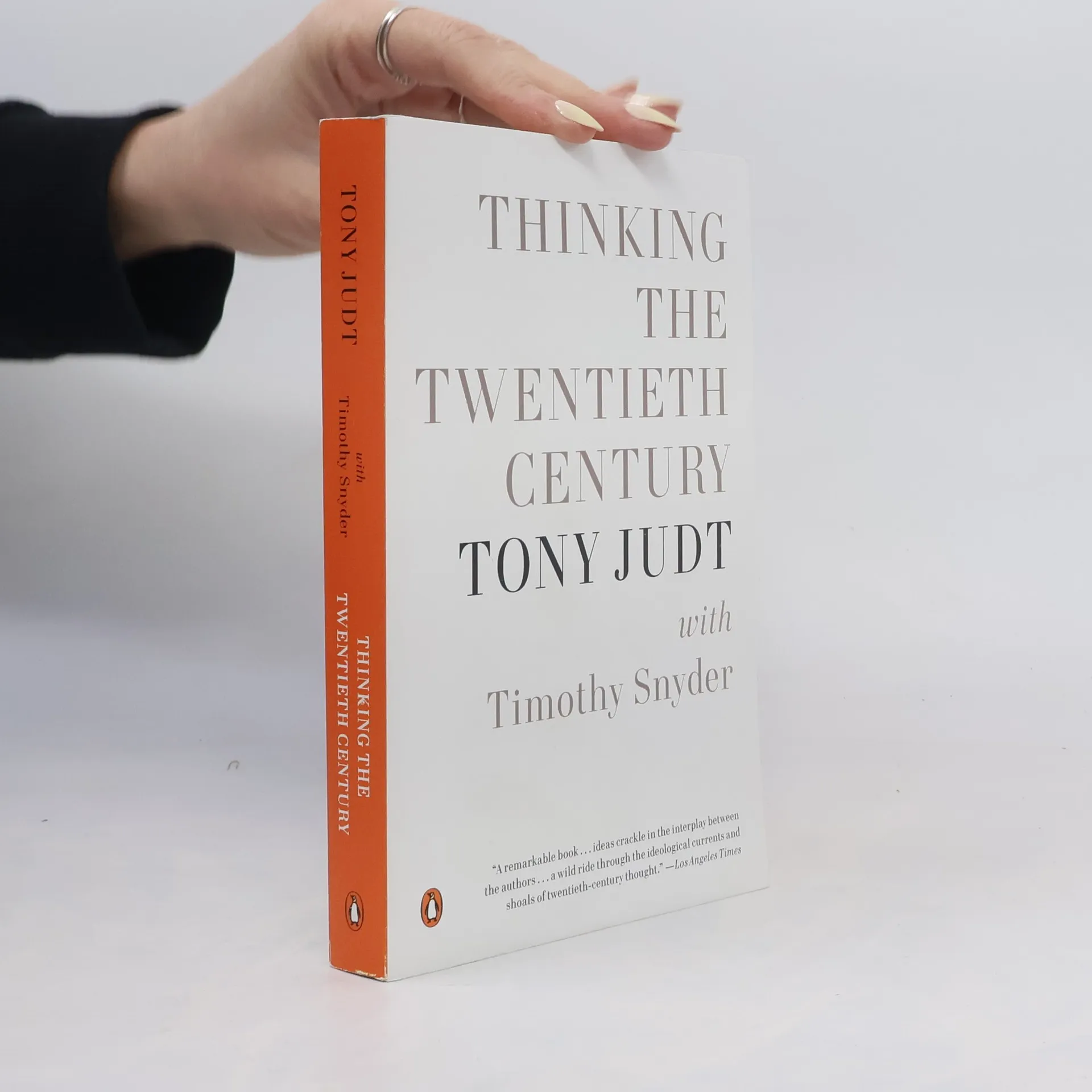
    Thinking the twentieth century
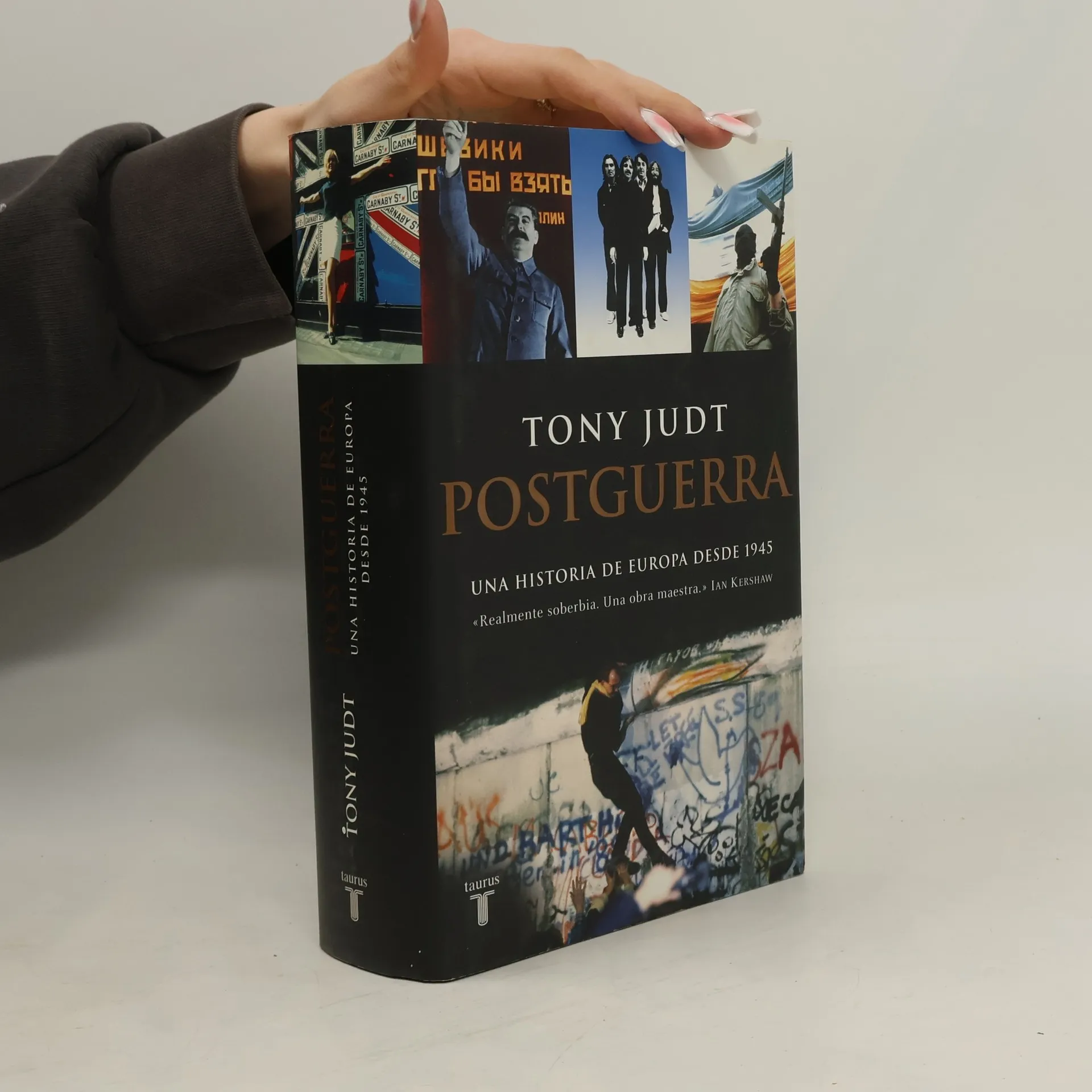
    Postguerra. Una historia de Europa desde 1945
    • V roce 1945 byla Evropa na kolenou. Značnou část evropských zemí těžce postihlo válečné ničení, masové vraždění, letecké bombardování a rozvrat. Prakticky celá východní polovina kontinentu upadla pod sovětskou nadvládu, jednu totalitu tam nahradila druhá. Tony Judt přináší příběh vzkříšení Evropy, která povstala z trosek, příběh sestupu a pádu sovětského komunismu a vzestupu Evropského společenství a Evropské unie, příběh konce evropských říší a obtížného a proměnlivého vztahu Evropy k válečné minulosti a ke dvěma supervelmocím, které jej vymezují, Rusku a Americe. Autor jasně a přehledně zachycuje jak celkový vývoj Evropy, tak i protikladné zkušenosti Evropanů na Východě a na Západě. Kniha, časově dovedená až po válku v Iráku a volbu papeže Benedikta XVI., nám nabízí pochopení smyslu moderní evropské historie a identity, tedy toho, jaká Evropa je a jaká byla. Právem ji můžeme označit za jedinečnou práci na téma Evropa naší doby.
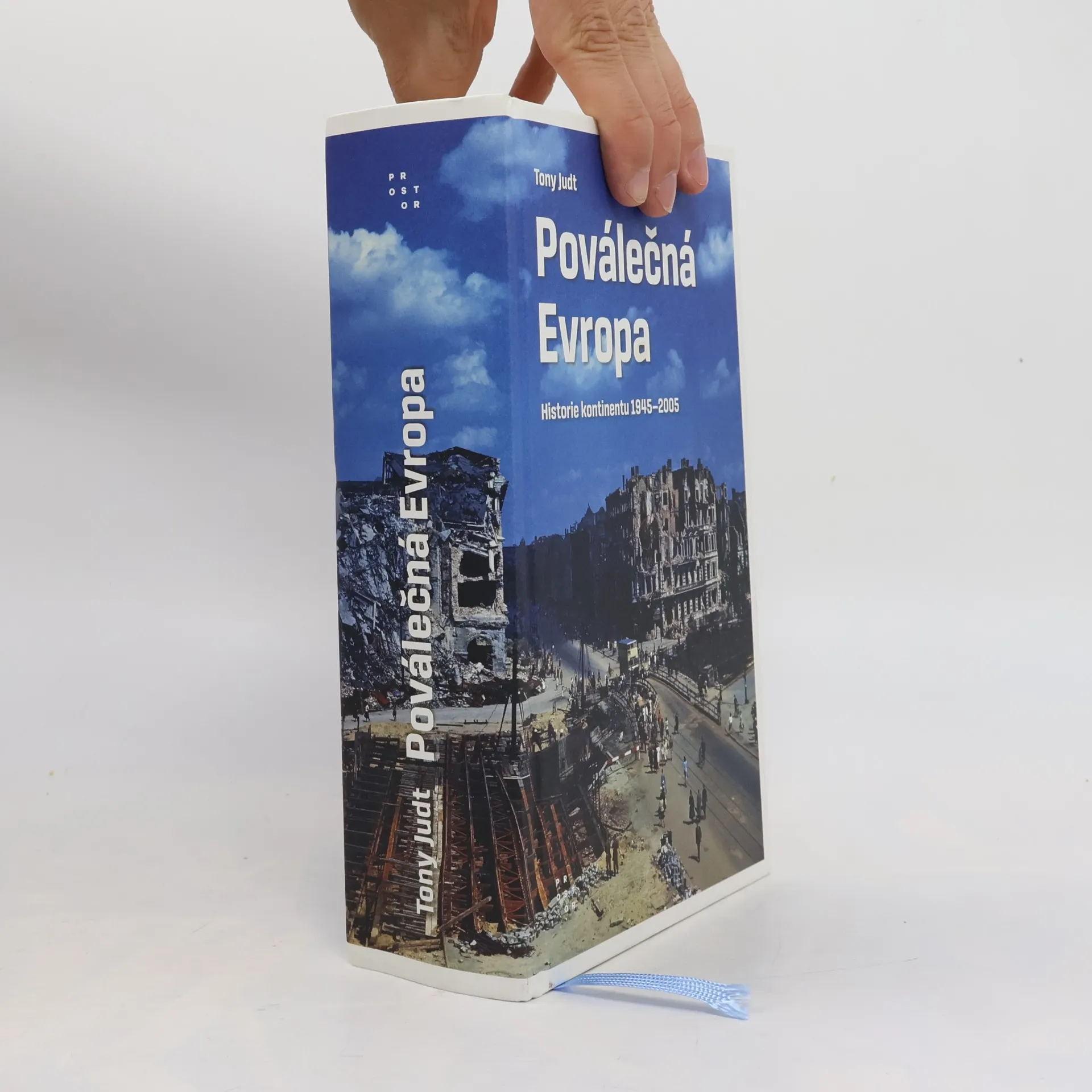
      Poválečná Evropa: Historie kontinentu od roku 1945-20052025
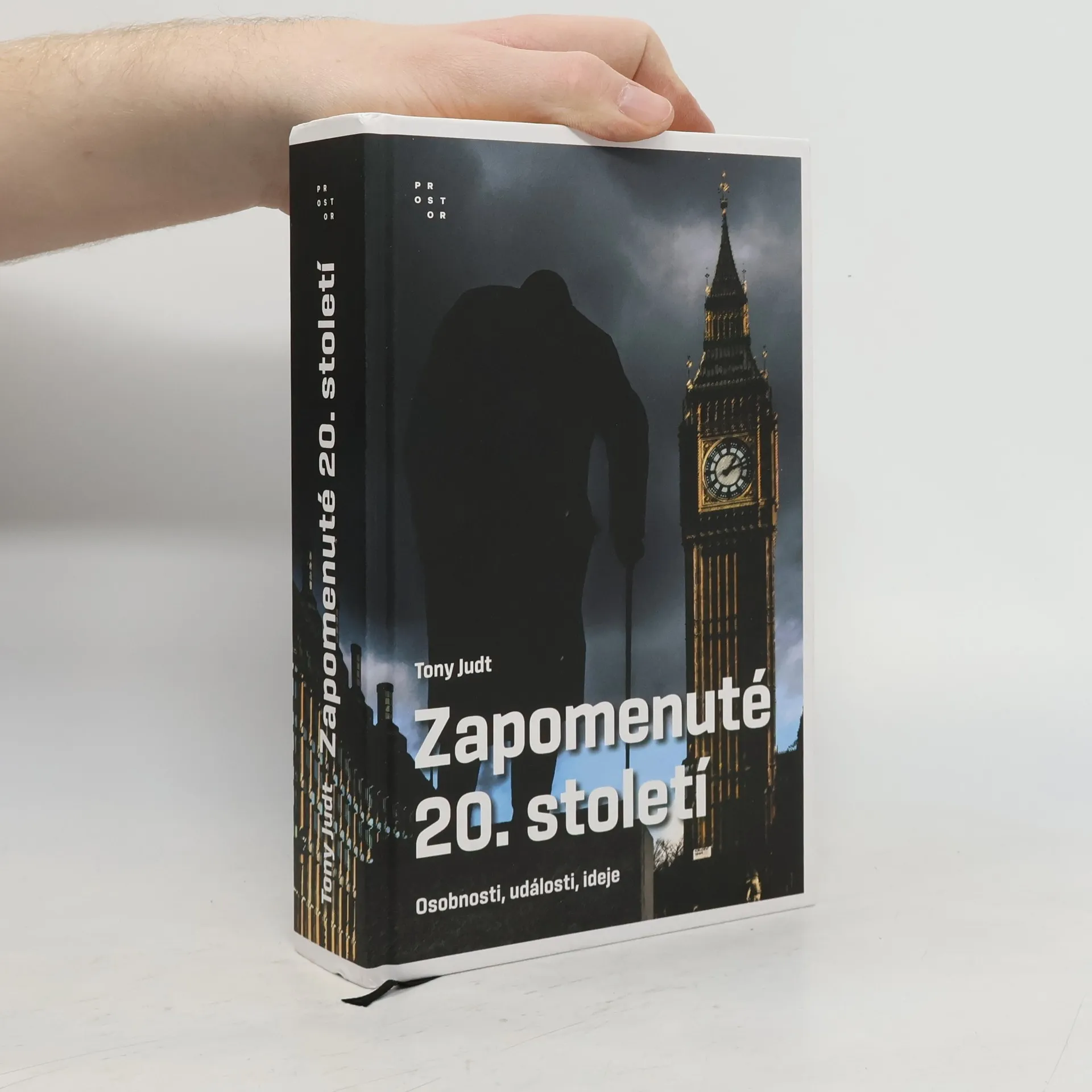
    • Brilantní britský historik, který se jako univerzitní profesor specializoval na moderní evropské dějiny, shromáždil 23 esejí z let 1994–2006. Na pozoruhodné škále osobností, událostí a idejí provádí Tony Judt nemilosrdnou pitvu iluzí po studené válce, že velké konflikty jsou bezpečně za námi, svět vstoupil do epochy míru a demokracie, a ukazuje, na co z historie 20. století zapomínáme a jak velká její část byla obětována mýtu o popření paměti. Nabízí cestu zpět ke smyslu dějin, který naléhavě potřebujeme.

      Zapomenuté 20. století: Osobnosti, události, ideje2024
      4,5
    • Britský historik, který se specializoval na moderní evropské dějiny, nabízí podnětný a silně kritický pohled na celou jednu generaci francouzských intelektuálů, publicistů a spisovatelů, jež byla po dobu zhruba dvanácti let, počínaje osvobozením země v roce 1944 až po maďarské události roku 1956, stržena vírem komunismu. Veřejnou debatu v zásadě formovalo to, jaké stanovisko k počínání zahraničních i domácích komunistů dotyčný zaujal. Autor se věnuje předválečnému kontextu, podává podrobný výklad východoevropských monstrprocesů, včetně těch v Československu, sleduje, jak na ně reagovali ve Francii, a zkoumá, nakolik byla tato zkušenost specificky francouzská. Judtova analýza se netýká jen nejznámějších osobností, jako byl Jean-Paul Sartre, Albert Camus či Simone de Beauvoirová, ale zahrnuje širokou intelektuální komunitu katolických filozofů, vlivných novinářů, literárních kritiků a básníků včetně komunistických. Převládající styl jejich myšlení, koketování s násilím a morální nezodpovědnost udávaly tón nejen ve Francii, ale v celém poválečném evropském kulturním a politickém životě.

      Falešné ideje, cizí krev. Francouzská inteligence 1944-19562018
      4,4
    • When The Facts Change. Essays 1995-2010

      • 386 páginas
      • 14 horas de lectura

      In an era marked by a scarcity of independent public intellectuals, historian Tony Judt emerged as a crucial voice, intertwining history with contemporary issues across Europe and America. In this essential collection curated by his widow, Jennifer Homans, the most significant essays from Judt's later years are presented, showcasing his evolving public discourse. The essays cover a wide array of topics, including the concept of Europe before and after 1989, Israel's complex relationship with the Holocaust and the Palestinians, American dominance post-9/11, and pressing social justice issues amid rising inequality. Judt, who felt a sense of internal exile from his native England and Europe, ultimately settled in New York, reflecting his deep engagement with the 20th century and its challenges. His candid critiques of Israeli policies sparked intense debates, and this collection features pivotal essays, including the previously unpublished "What Is to Be Done?" Judt's compassion for the Israeli dilemma drove him to seek a better path forward. The book also honors cultural figures who inspired him and includes a profound two-part essay on the significance of railway travel in shaping societal values. Additionally, it presents his final public speech on social democracy and a heartfelt dialogue with his son, Daniel. Reading this collection allows one to appreciate Judt's wise, informed perspective on urgent issues, even as his voi

      When The Facts Change. Essays 1995-20102015
      4,2
    • Thinking the twentieth century

      • 432 páginas
      • 16 horas de lectura

      Thinking the Twentieth Century maps the issues and concerns of a turbulent age onto a life of intellectual conflict and engagement. Tony Judt presents the triumphs and the failures of prominent intellectuals, adeptly explaining both their ideas and the risks of their political commitments.--[book jacket].

      Thinking the twentieth century2012
      4,6
    • The Memory Chalet

      • 240 páginas
      • 9 horas de lectura

      The Memory Chalet by Tony Judt is a unique memoir that intertwines personal experiences with historical reflections. Through essays on topics like public civility and radical politics, Judt shares his journey from postwar London to New York, all while facing the challenges of a debilitating illness.

      The Memory Chalet2011
      4,3
    • Retour sur le XXème siècle

      • 618 páginas
      • 22 horas de lectura

      Pour en finir avec l'ère de l'oubli De nos jours, les bouleversements géopolitiques sont si brusques que nous les oublions avant d'avoir pu les comprendre. C'est comme si un siècle de débats, de politique internationale, d'affaires sociales et d'enthousiasme collectif n'avait jamais existé. Nous ne savons plus d'où nous venons. Si cette ignorance croissante de notre passé est regrettable, notre hantise du futur s'avère pire encore. Nous ne parvenons plus à nous inscrire dans une tradition. Nous négligeons le rôle des idées et la responsabilité des intellectuels.Dans, Retour sur le XXe siècle , Tony Judt ressuscite les principaux courants fondateurs du monde moderne (le communisme, marxisme, capitalisme) et combat cette ère de l'oubli. Il nous rappelle à quel point les idées sont déterminantes : pour notre ancrage dans le présent et notre projection dans l'avenir. Il dénonce cette volonté active d'oublier, plutôt que de se souvenir, de nier la continuité pour proclamer à chaque occasion la nouveauté.D'un souffle rare, cet essai est ponctué d'analyses éblouissantes qui nous entrainent dans un voyage unique, par sa richesse et sa profondeur, à travers notre passé.

      Retour sur le XXème siècle2010
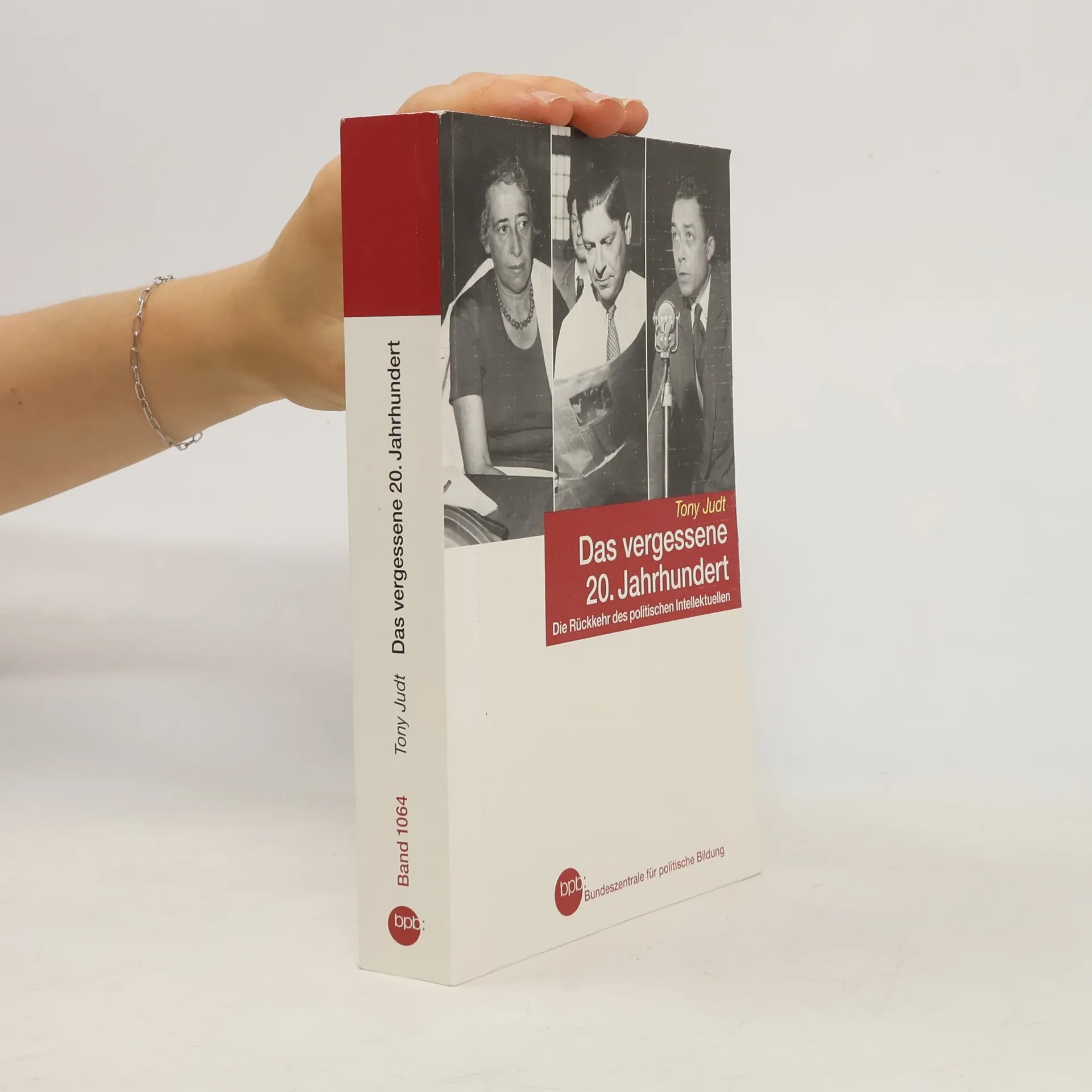
    • Das vergessene 20. Jahrhundert

      Die Rückkehr des politischen Intellektuellen

      • 480 páginas
      • 17 horas de lectura

      Was bedeutet soziale Gerechtigkeit? Welchen Platz nimmt Europa neben den Supermächten ein? In Zeiten der Krise rücken diese Grundsatzfragen wieder in den Mittelpunkt. Tony Judt präsentiert in seinem Buch die politischen Denker des 20. Jahrhunderts, die mit ihren Argumenten die großen Debatten dieser Ära beherrschten: Hannah Arendt, Eric Hobsbawm, Albert Camus und viele mehr. Gerade heute, in einer Zeit, in der Politik und Geschichte wieder dramatische Wendungen nehmen, sollten wir sie neu entdecken.

      Das vergessene 20. Jahrhundert2010
      4,4
    • Ill Fares The Land

      • 256 páginas
      • 9 horas de lectura

      If we are to replace fear with confidence then we need a different story to tell, about state and society alike: a story that carries moral and political conviction. This book provides that story.

      Ill Fares The Land2010
      4,1
    • Reappraisals

      Reflections on the Forgotten Twentieth Century

      • 464 páginas
      • 17 horas de lectura

      Tony Judt resurrects key aspects of the world we have lost and reminds us how important they still are to us. He draws provocative connections between a range of subjects, from the history of the neglect and recovery of the Holocaust and the challenge of evil in understanding the European past.

      Reappraisals2008
      4,0
    • Postguerra. Una historia de Europa desde 1945

      • 1212 páginas
      • 43 horas de lectura

      En 1945, Europa estaba devastada por la guerra, el caos y los asesinatos en masa. Gran parte del continente caía bajo control soviético, cambiando un despotismo por otro. Hoy, la Unión Soviética ya no existe y las democracias europeas se extienden hasta la frontera de Rusia. La obra narra la rica y compleja historia del camino recorrido desde entonces, marcado por la recuperación de la ruina, el declive del comunismo soviético, el auge del Mercado Común y la Unión Europea, y el fin de los imperios europeos. Se explora la relación cambiante del continente con la memoria de la guerra y con potencias como Rusia y Estados Unidos. Se presenta la historia de la industria automovilística alemana y británica, los eventos de París en 1968, así como la dictadura de Franco, Salazar y Ceausescu. Se analiza la evolución de Europa, contrastando las experiencias de Oriente y Occidente, y se abordan conflictos como la guerra civil griega y las tensiones en Bélgica, el País Vasco e Irlanda del Norte. Además, se destacan figuras como Churchill y Mitterrand, y se incluyen historias culturales sobre el cine, la inmigración y movimientos sociales. La narrativa abarca hasta la Guerra de Irak y la elección de Benedicto XVI, ofreciendo un sentido a la identidad y la historia reciente de Europa en una obra considerada maestra.

      Postguerra. Una historia de Europa desde 19452005
      4,4
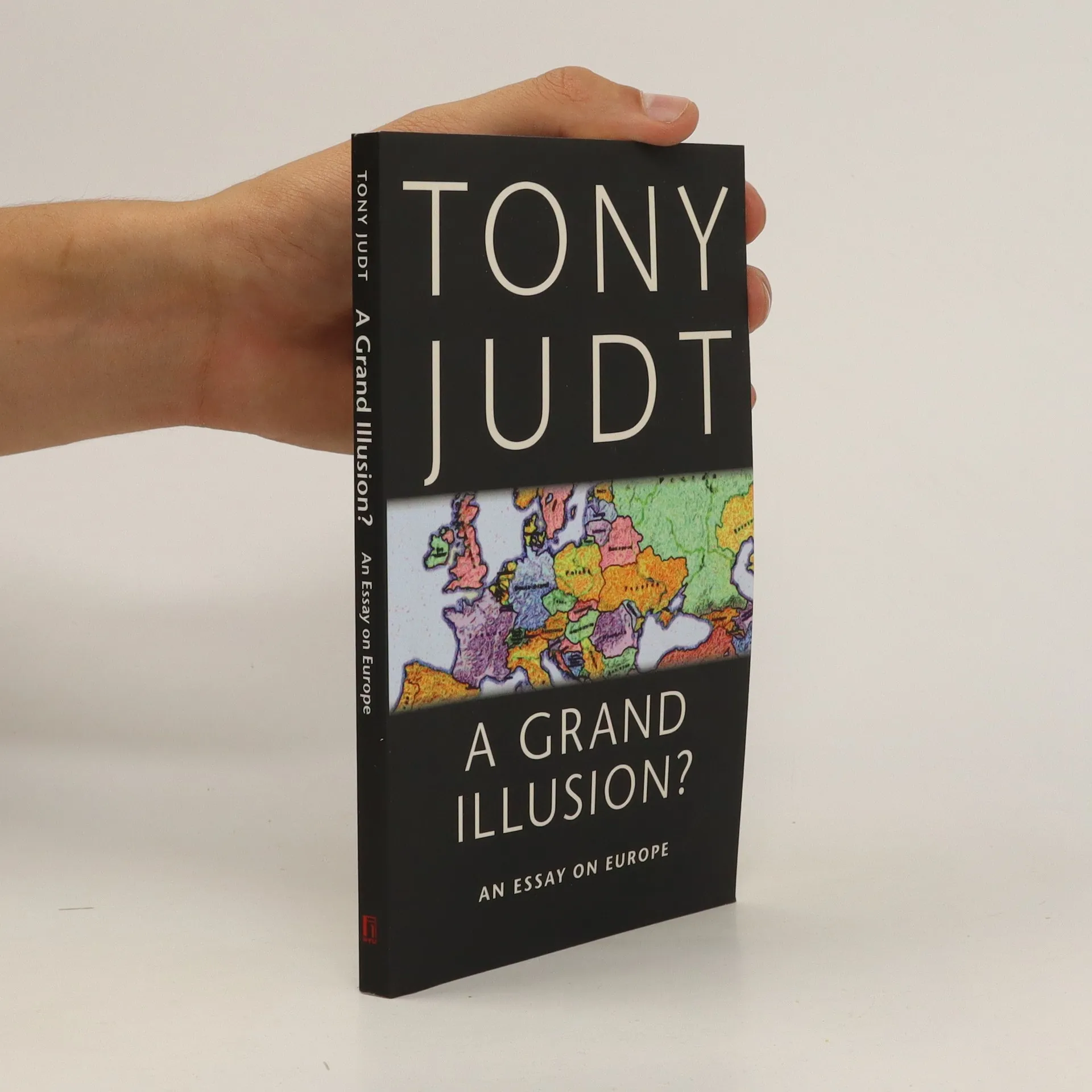
    • A grand illusion? : an essay on Europe

      • 149 páginas
      • 6 horas de lectura

      “I am enthusiastically European; no informed person could seriously wish to return to the embattled, mutually antagonistic circle of suspicious and introverted nations that was the European continent in the quite recent past. But it is one thing to think an outcome desirable, quite another to suppose it is possible. It is my contention that a truly united Europe is sufficiently unlikely for it to be unwise and self-defeating to insist upon it. I am thus, I suppose, a Euro-pessimist.” —Tony Judt

      A grand illusion? : an essay on Europe1996
      3,8