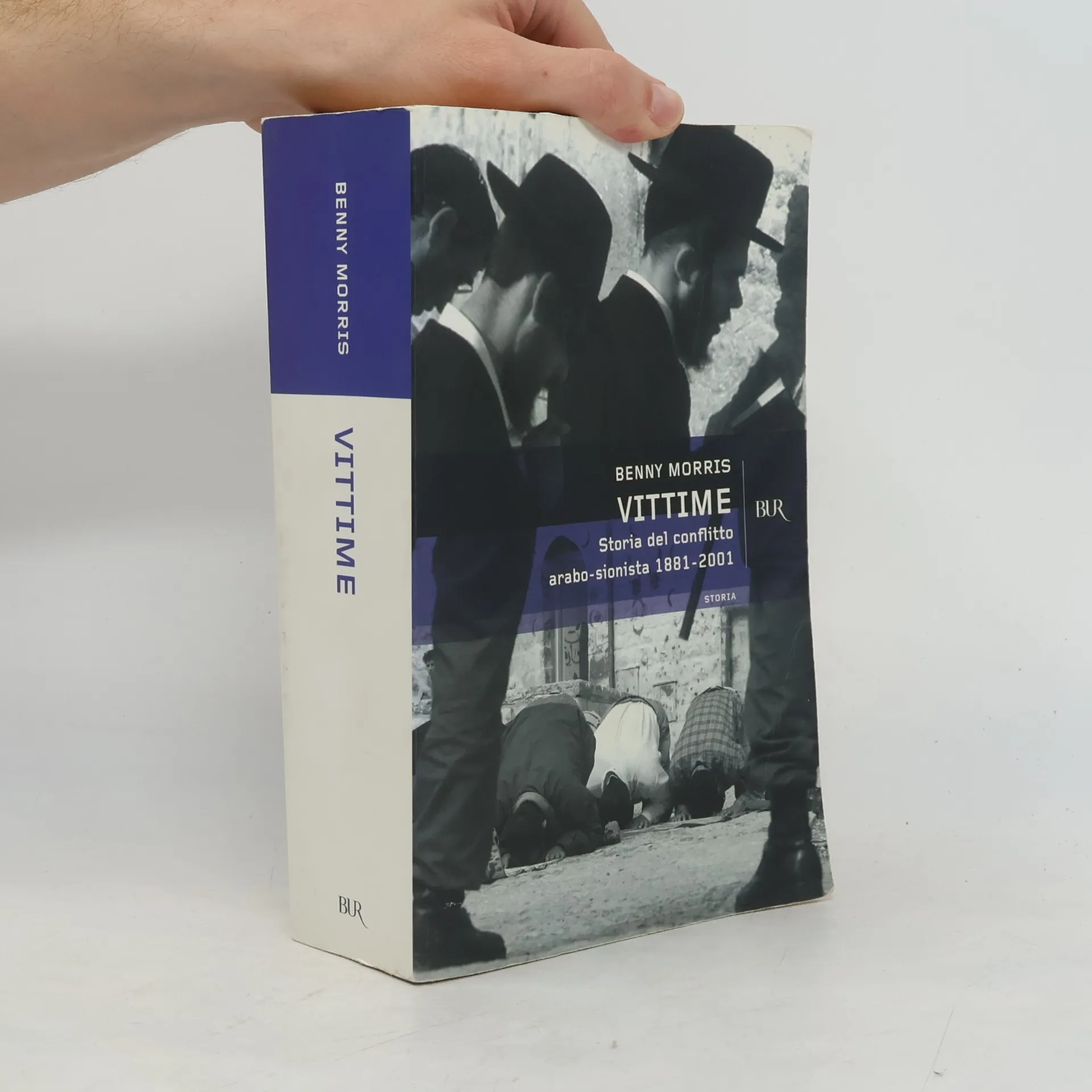
Benny Morris es un destacado historiador israelí, reconocido por sus importantes contribuciones al estudio de Oriente Medio. Como figura clave entre los "Nuevos Historiadores", aporta una perspectiva fresca y a menudo provocadora sobre el pasado de la región. Su erudición profundiza en los intrincados eventos y las motivaciones subyacentes que han dado forma al Oriente Medio contemporáneo, ofreciendo a los lectores una comprensión profunda de su trayectoria histórica. El trabajo de Morris es esencial para cualquiera que busque una visión de los problemas complejos y duraderos de la región.
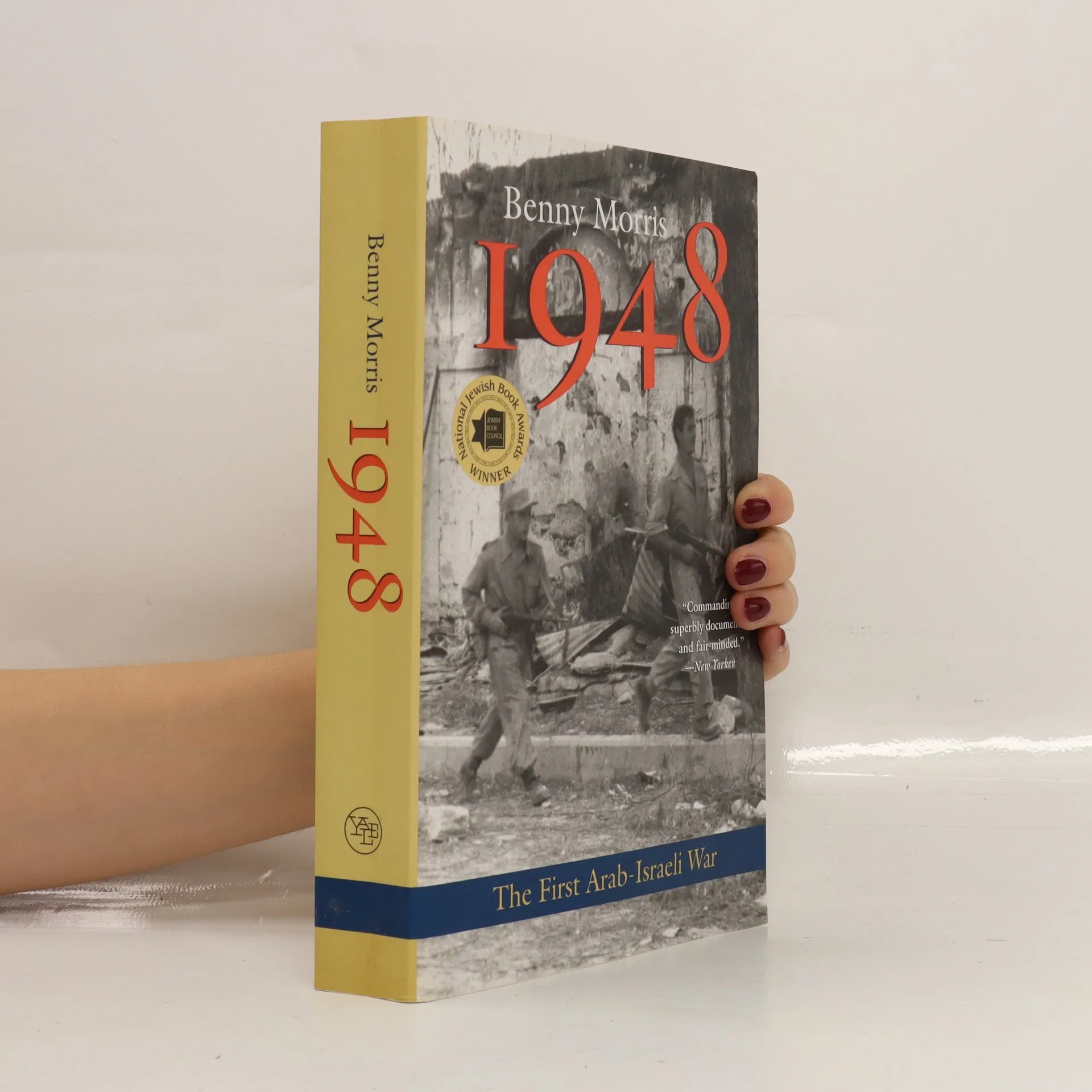
This history of the foundational war in the Arab-Israeli conflict gives an account of both the military engagements and the war's political dimension. The author probes the motives and aims of the protagonists on the basis of newly opened Israeli and Western documentation.
A Financial Times Best History Book of the Year A Foreign Affairs Best Book of the Year A Spectator Book of the Year "A landmark contribution to the study of these epochal events." --Times Literary Supplement "A subtle diagnosis of why, at particular moments over a span of three decades, Ottoman rulers and their successors unleashed torrents of suffering." --Bruce Clark, New York Times Book Review "Brilliantly researched and written...Benny Morris and Dror Ze'evi cast a careful eye upon the ghastly events that took place in the final decades of the Ottoman empire, when its rulers decided to annihilate their Christian subjects." --Jacob Heilbrun, The Spectator Between 1894 and 1924, three waves of violence swept across Anatolia, targeting the region's Christian minorities, who had previously accounted for 20 percent of the population. By 1924, the Armenians, Assyrians, and Greeks had been reduced to 2 percent. Most historians have treated these waves as distinct, isolated events, and successive Turkish governments presented them as an unfortunate sequence of accidents. The Thirty-Year Genocide is the first account to show that all three were actually part of a single, continuing, and intentional effort to wipe out Anatolia's Christian population.
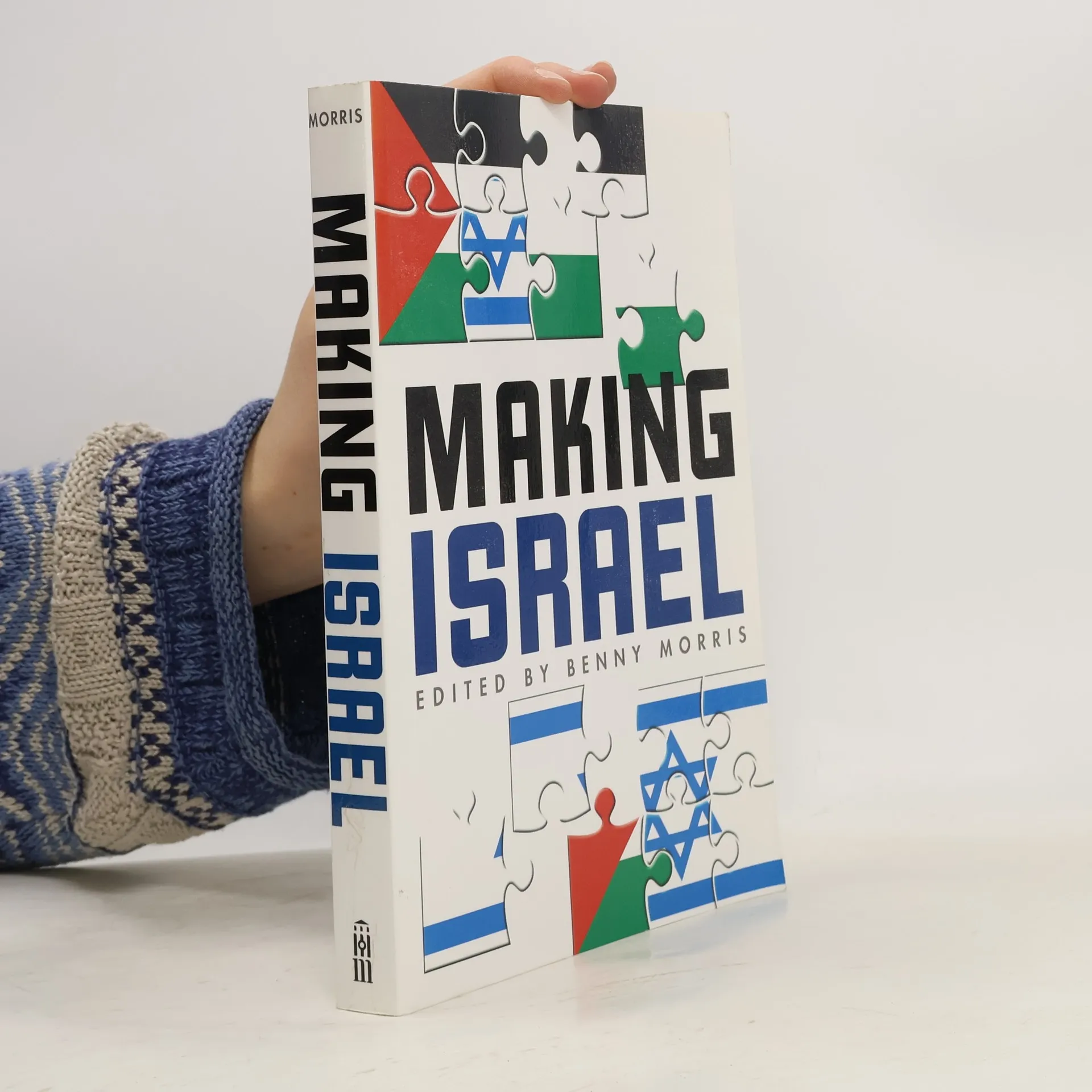
Benny Morris, a leading figure among the New Historians, has significantly challenged established views on the Israeli-Palestinian conflict. His work has meticulously documented various crimes committed by Israeli forces, including rape, torture, and ethnic cleansing. In this collection, Morris presents translated articles from prominent Israeli historians, both Zionist and revisionist, offering Americans insight into this crucial debate and enhancing their understanding of how the New Historians have shaped Israeli perceptions of their history.
The discourse surrounding Israeli history has been characterized by a contentious debate between traditionalists—who interpret history through a Zionist lens—and revisionists—who question conventional narratives. This compilation features contributions from both sides, presenting key insights into Israel's origins. It also incorporates multidisciplinary perspectives from historians and sociologists, each contributing unique methodologies and issues to the discussion.
This book is essential for anyone seeking to grasp the diverse interpretations of Israeli society and the central debates among scholars of modern Israel. The New Historians' efforts to challenge myths and reassess evidence serve to confront contemporary realities with honesty and realism, making their voices invaluable in the context of the Arab-Israeli conflict.
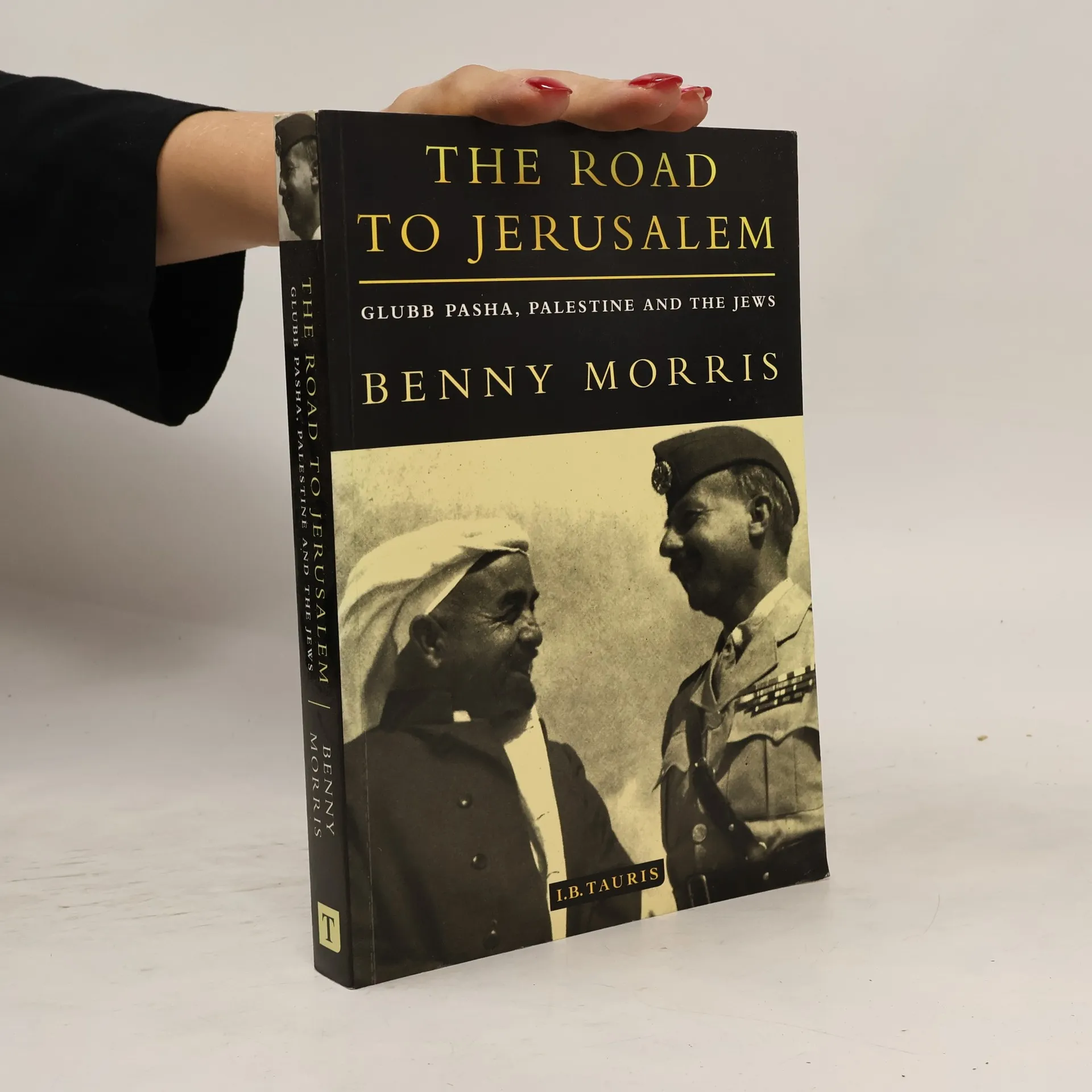
General Sir John Glubb was the last British pro-Consul of the region and commander of the Arab Legion during the crucial years between 1936 and 1956, which were to witness the collapse of Palestine and the final foundation and establishment of the State of Israel. As well as an analysis of Glubb's personal vision of the Middle East and its peoples - a surprisingly racial vision that would condition his politics - this book examines his reactions to the Arab Revolt in Palestine and the periodic plans to partition Palestine and establish a Jewish state. It offers an in-depth account of his thinking and actions during 1948, as he led his small army into Palestine and war against Israel.
This title surveys Israeli intelligence operations from the 1930s to the Ostrovsky affair and describes relations with the American intelligence community.
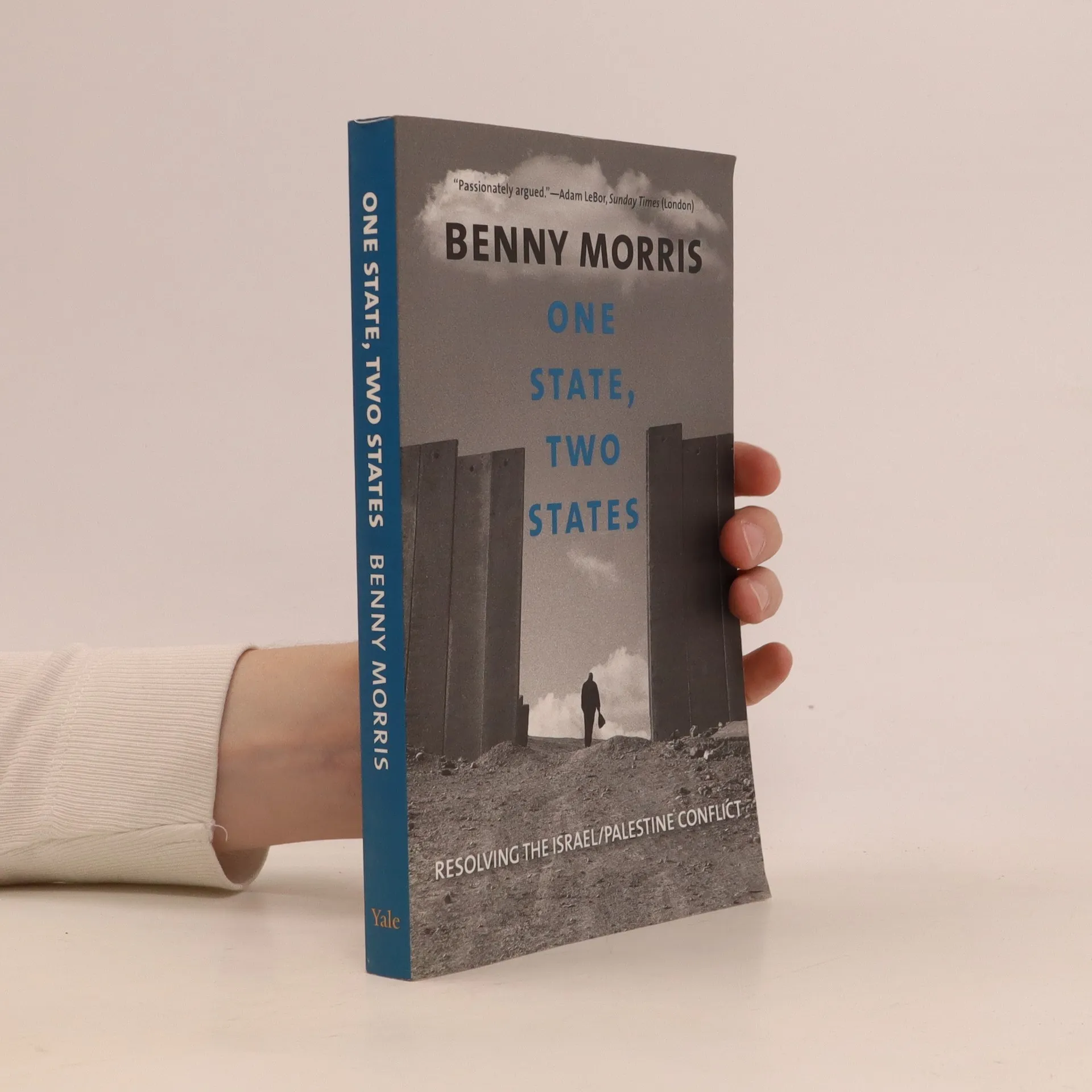
“What is so striking about Morris’s work as a historian is that it does not flatter anyone’s prejudices, least of all his own,” David Remnick remarked in a New Yorker article that coincided with the publication of Benny Morris’s 1948: A History of the First Arab-Israeli War. With the same commitment to objectivity that has consistently characterized his approach, Morris now turns his attention to the present-day legacy of the events of 1948 and the concrete options for the future of Palestine and Israel. The book scrutinizes the history of the goals of the Palestinian national movement and the Zionist movement, then considers the various one- and two-state proposals made by different streams within the two movements. It also looks at the willingness or unwillingness of each movement to find an accommodation based on compromise. Morris assesses the viability and practicality of proposed solutions in the light of complicated and acrimonious realities. Throughout his groundbreaking career, Morris has reshaped understanding of the Israeli-Arab conflict. Here, once again, he arrives at a new way of thinking about the discord, injecting a ray of hope in a region where it is most sorely needed.
In seiner Monografie „1948. Der erste arabisch-israelische Krieg“ beleuchtet Benny Morris die Hintergründe und Ereignisse, die zum Ende des Britischen Mandats in Palästina, zur Zersplitterung der arabisch-palästinensischen Gesellschaft und schließlich zur Geburt des Staates Israel führten. Im Fokus der Betrachtung steht dabei die unmittelbare Reaktion auf die Staatsgründung: der panarabische Angriffskrieg. Morris‘ akribische Auswertung der seit den 1980er Jahren zugänglichen israelischen und internationalen Archive ermöglicht einen klaren, dokumentarischen Blick auf die vielfach mythologisierte Geschichte des Krieges von 1948 und seine politischen wie militärischen Akteure. Gegen die mithin geschichtsvergessenen und ressentimentgeladenen Debatten um Israel und Palästina, um Zionismus und Vertreibung liefert dieses erstmals in deutscher Sprache erscheinende Buch somit die dringend benötigte historische Aufklärung.
Il conflitto in Medio Oriente risale agli ultimi decenni dell'Ottocento, quando nacque il movimento sionista fondato da Theodor Herzl. Eppure di questo rovinoso confronto si è quasi sempre parlato nella prospettiva dell'attualità, senza cercare di approfondire le ragioni secolari. Morris ricostruisce le fasi del conflitto, ne analizza i presupposti ideologici, dà conto delle profonde differenze religiose, etniche e culturali fra gli immigrati ebrei e le popolazioni arabe che da decenni convivono in Palestina. Una una storia di uomini dove giganteggiano personaggi come Haji Amin Al-Husayni, David Ben-Gurion, Anwar Sadat, Menachem Begin.