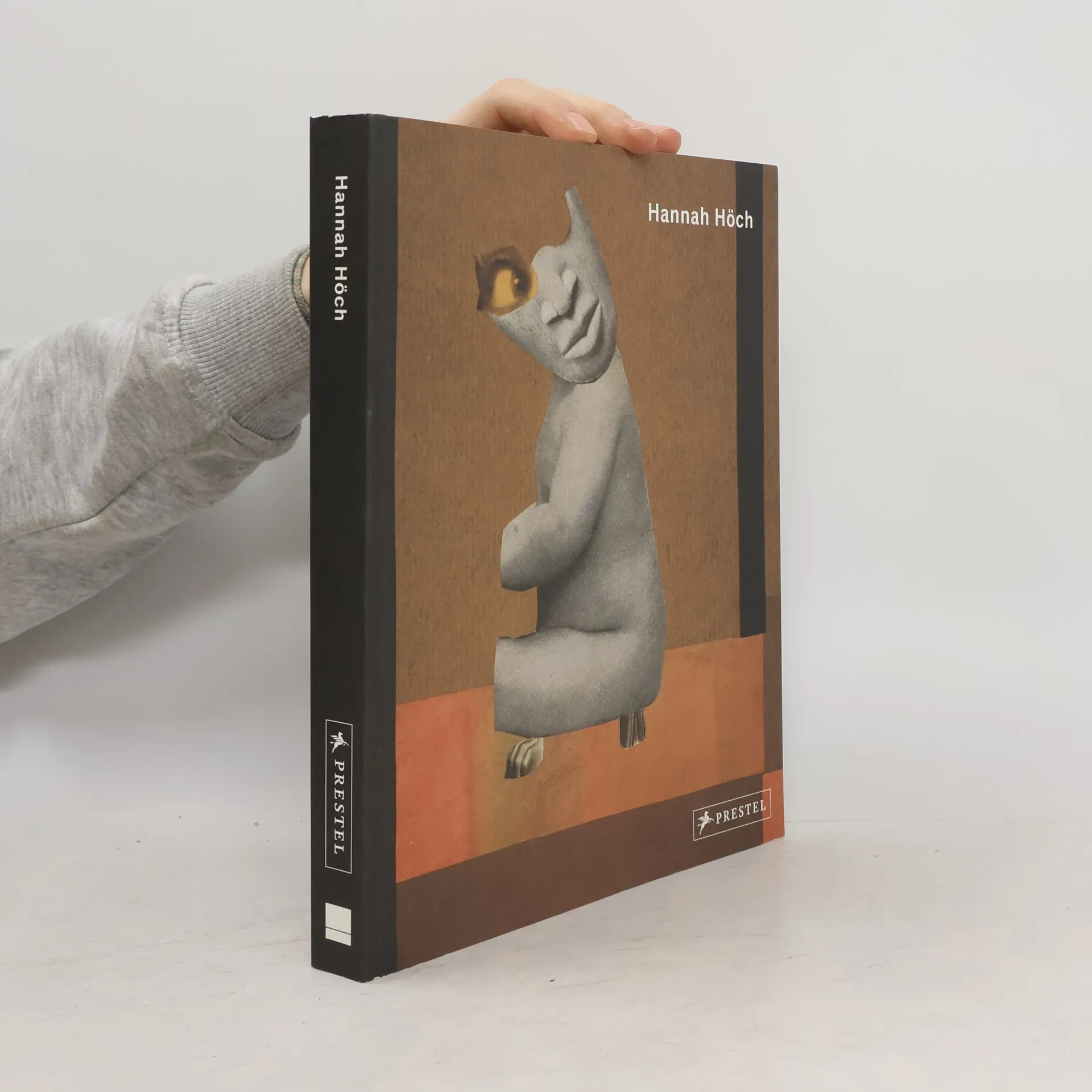
Now available in paperback, this book on the celebrated Dada artist Hannah Höch explores her use of collage as the artistic medium of choice for both satire and poetic beauty. World-renowned for her work during the Weimar period, Hannah Höch was a pioneer in many aspects, both artistic and cultural. She was the lone woman of the Berlin Dada movement — the riotous form of art that deconstructed sound, language, and images to re-assemble them into new objects, texts and meanings. A determined believer in women’s rights, Höch questioned conventional concepts of partnership, beauty and the making of art, her work presenting acute critiques of racial and social stereotypes, particularly that of her native Germany. Focusing on Höch’s collages, this book examines the artist’s career from the 1920s to the 1970s, charting her oeuvre from early works influenced by fashion and mass media, through to her later compositions of lyrical abstraction. It reveals her rapid development of a personal style, which was both humorous and often moving. Included are essays that examine themes such as the concept of the »New Woman« and the legacy of German colonialism. Featuring international scholarship on a groundbreaking artist, this volume brings together important source texts and reference material, which were first translated into English for the original edition of this book.
Dr. William Jeffett Libros


Marcel Duchamp (World of Art)
- 240 páginas
- 9 horas de lectura
Genius. Anti-artist. Charlatan. Impostor! Since 1914 Marcel Duchamp has been called all of these. No artist of the 20th century has aroused more passion and controversy, nor exerted a greater influence on art, the very nature of which Duchamp challenged and redefined as concept rather than product by questioning its traditionally privileged optical nature. At the same time, he never ceased to be engaged, openly or secretly, in provocative activities and works that transformed traditional artmaking procedures. Written with the enthusiastic support of Duchamp's widow, this is one of the most original and important books ever written on this enigmatic artist, and challenges received ideas, misunderstanding and misinformation
The first publication to explore the friendship between Marcel Duchamp and Salvador Dali, two of the most important artists of the twentieth century. The book features previously unpublished material and accompanies a ground- breaking exhibition at the Royal Academy of Arts, London.
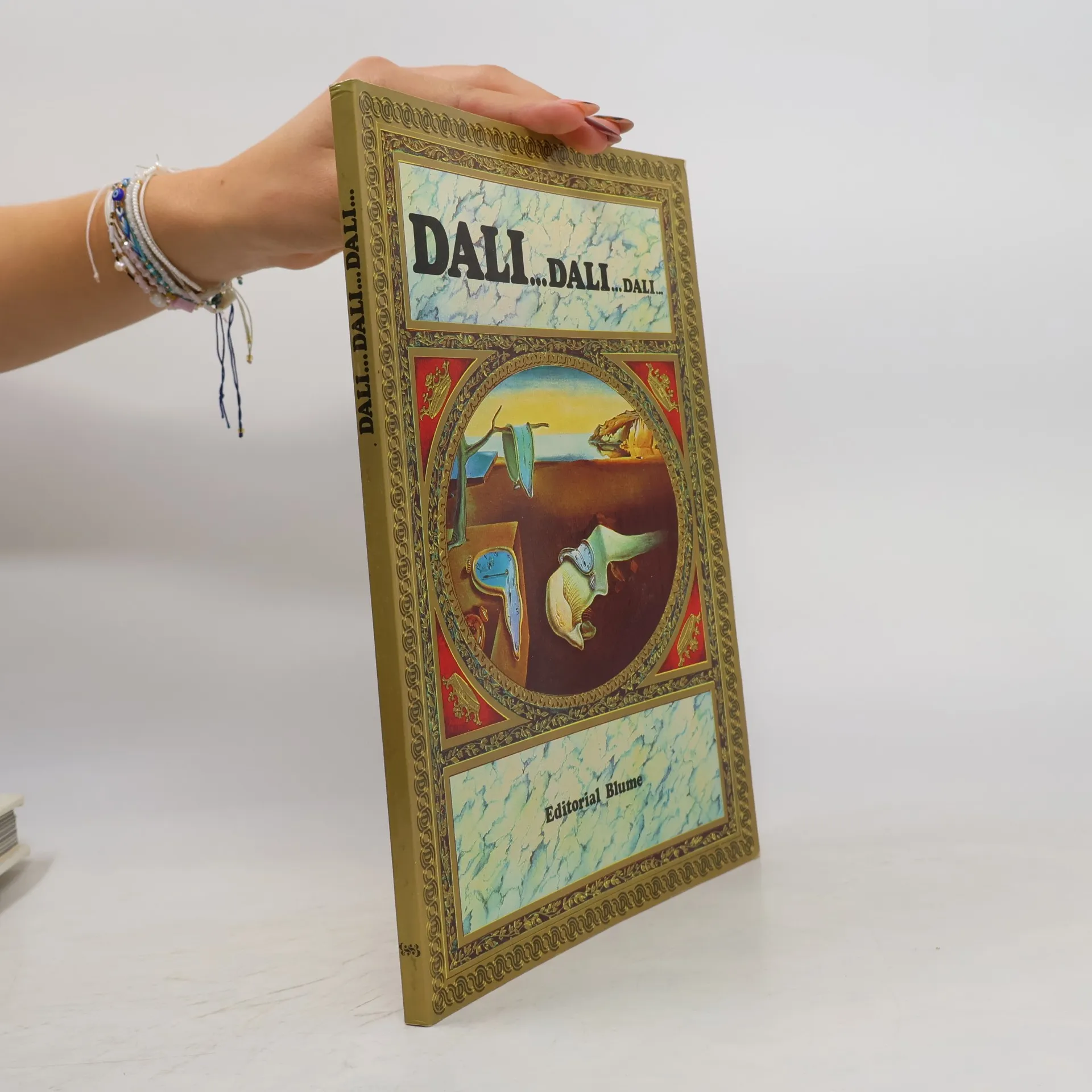
Dalí...Dalí...Dalí...
- 144 páginas
- 6 horas de lectura
A selection of prints from the works of the Spanish artist.
Photomontage
- 176 páginas
- 7 horas de lectura
One hundred seventy-one monochromes are reproduced in an overview of the nature and evolution of photomontage
Enchanted Ground is about the challenge to modernist criticism by Surrealist writers-mainly André Breton but also Louis Aragon, Pierre Mabille, René Magritte, Charles Estienne, René Huyghe and others-who viewed the same artists in terms of magic, occultism, precognition, alchemy and esotericism generally. It introduces the history of the ways in which those artists who came after Impressionism-Paul Cézanne, Pierre-Auguste Renoir, Georges Seurat, Paul Gauguin, Vincent van Gogh-became canonical in the 20th century through the broad approaches we now call modernist or formalist (by critics and curators such as Alfred H. Barr, Roger Fry, Robert Goldwater, Clement Greenberg, John Rewald and Robert L. Herbert), and then unpacks chapter-by-chapter, for the first time in a single volume, the Surrealist positions on the same artists. To this end, it contributes to new strains of scholarship on Surrealism that exceed the usual bounds of the 1920s and 1930s and that examine the fascination within the movement with magic.
Dalí in 400 Images
- 495 páginas
- 18 horas de lectura
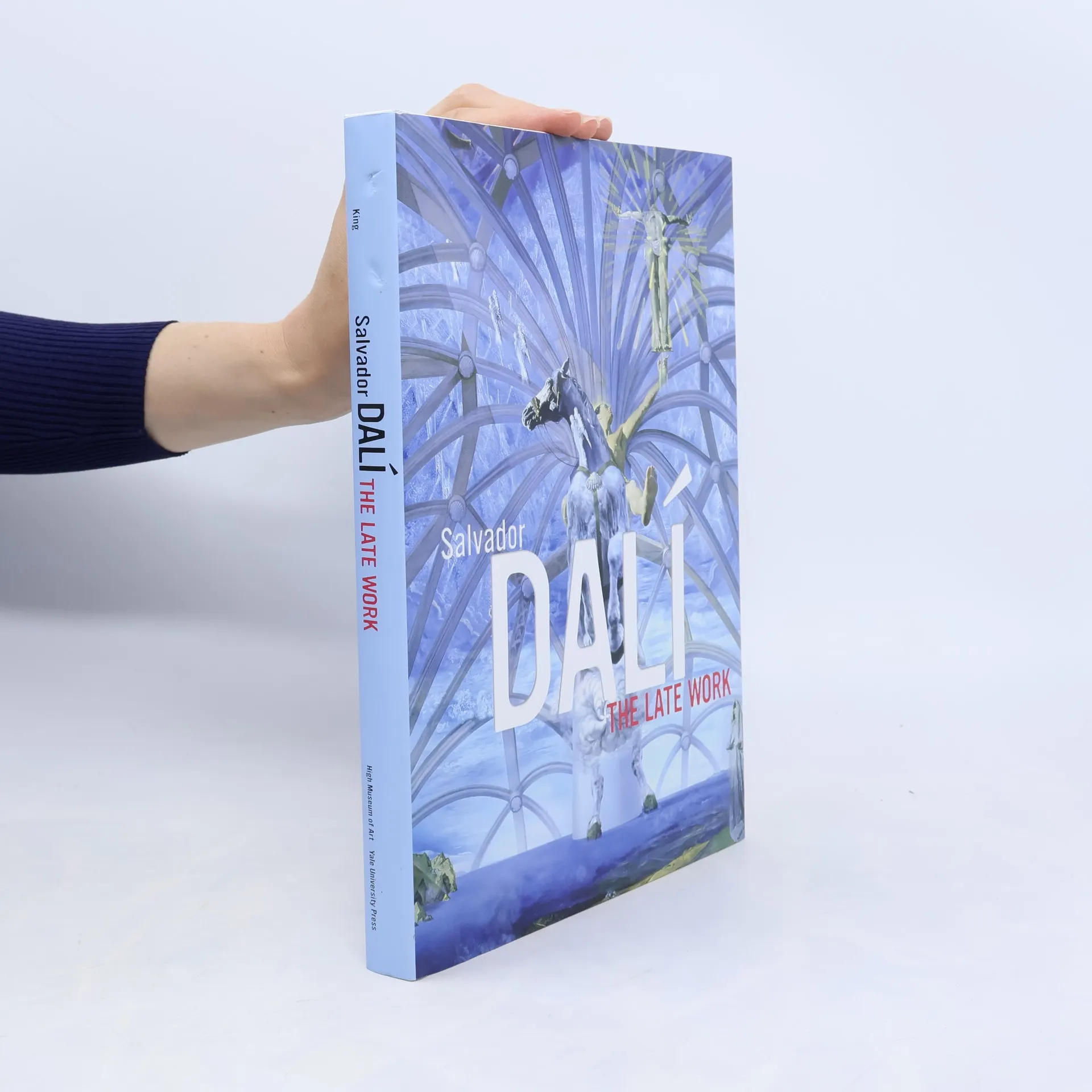
Salvador Dalí (1904–1989) was a renowned and controversial 20th-century artist. Over his prolific sixty-year career, he created 1,200 oil paintings, numerous drawings, sculptures, and writings. Critics generally agree that his work peaked in the early 1930s during his time with the Surrealist movement. However, much of his output after 1940 is often viewed as repetitive and overly commercialized, largely due to his 1941 shift toward classicism, embrace of Catholicism, and support for General Franco, which distanced him from modernist ideals. This illustrated volume examines Dalí's post-1940 work, presenting it as a complex body of art influenced by both Old Masters and contemporary themes. It begins with his transition from Surrealism to classicism in the late 1930s and explores his ventures into illustration, fashion, and theatre, predating the commercial success of artists like Andy Warhol. Essays delve into Dalí’s “nuclear mysticism” of the 1950s, his fascination with science and optical effects, and his collaborations with photographer Philippe Halsman, as well as his brief engagements in Hollywood with figures like Alfred Hitchcock and Walt Disney. The volume also highlights the Dalí Theatre-Museum in Figueres and the Salvador Dalí Museum in St. Petersburg as key repositories of his work.