Hitler's Northern Utopia
- 352 páginas
- 13 horas de lectura
"How Nazi architects and planners envisioned and began to build a model 'Aryan' society in Norway during World War II"--


Despina Stratigakos es profesora asociada de arquitectura y directora del Gender Institute en la University at Buffalo, State University of New York. Su trabajo se adentra en la cultura visual y las historias sociales de la arquitectura. Ella examina críticamente cómo se construyen los espacios y las imágenes arquitectónicas y cómo dan forma a nuestra comprensión del mundo. La investigación de Stratigakos enfatiza las intrincadas relaciones entre el cuerpo, el espacio y las dinámicas de poder.

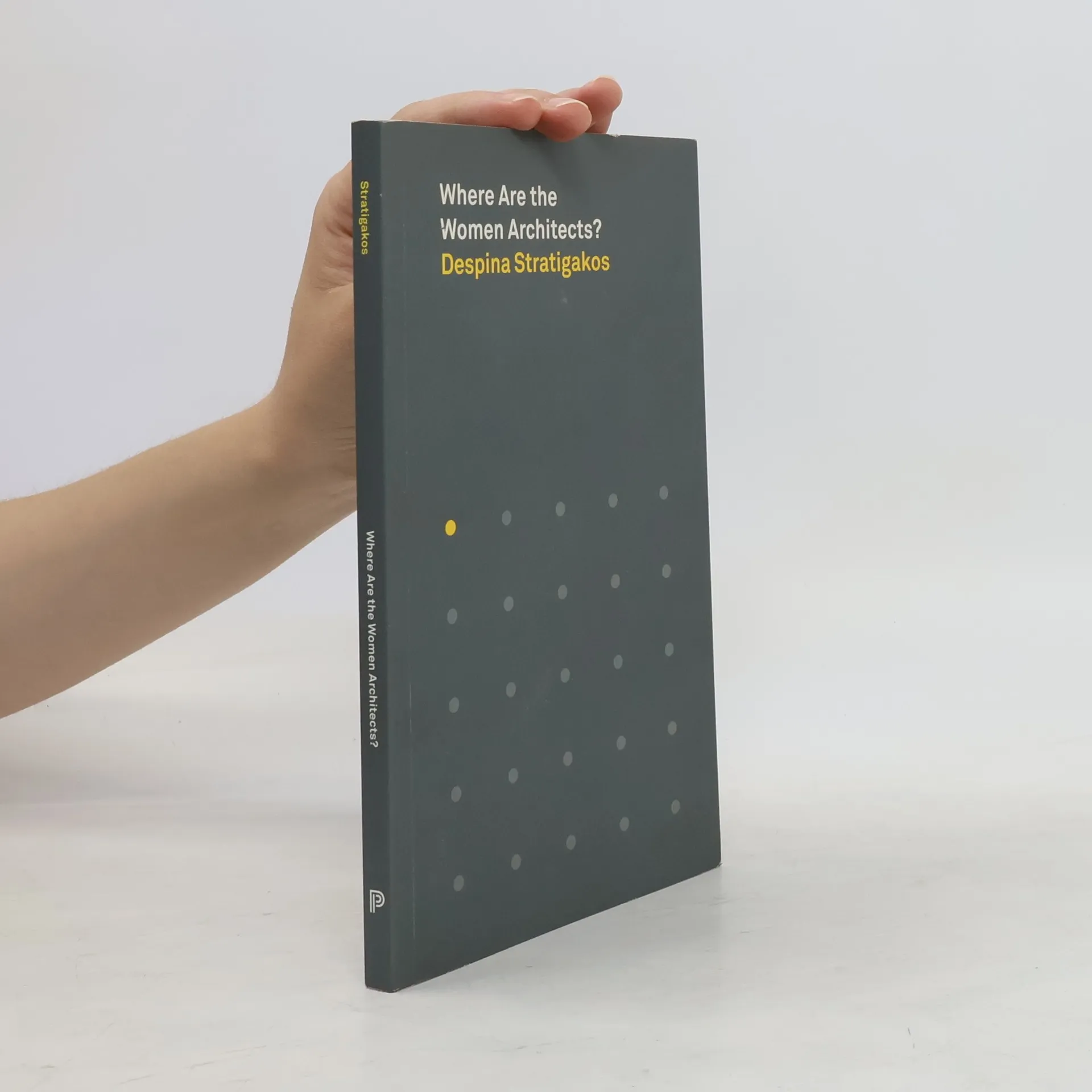
"How Nazi architects and planners envisioned and began to build a model 'Aryan' society in Norway during World War II"--
For a century and a half, women have demonstrated their passion and talent in architecture, with a significant increase in their enrollment in architecture schools in recent decades. Despite this, the number of women working as architects remains low, particularly in higher positions within the profession. In contrast, fields like law and medicine have been more successful in retaining and integrating women. This raises the question: why do women continue to struggle in architecture? The narrative explores the stagnation of women in a profession that remains predominantly male and highlights the efforts of a new generation of activists who are pushing for change. Despina Stratigakos provides a provocative examination of women's roles in architecture, starting with the historical context that has allowed the profession to overlook women's absence since the nineteenth century. The book addresses the current status of women in architecture and the significant challenges they face. However, it also offers a hopeful perspective, showcasing the rise of advocates challenging the profession's entrenched male dominance, from elite awards to the underrepresentation of women architects online. Stratigakos shares her own involvement in the controversial creation of Architect Barbie, further illustrating the ongoing fight for equality in the field.
Around the early twentieth century, women began to assert their presence in Berlin, shaping a vision of the city that reflected their feminine modernity in both cultural and architectural realms. They established a network of women’s spaces, from residences to restaurants and schools, adapting to new patterns of life and work. This largely forgotten city emerged between German unification in 1871 and the end of the monarchy in 1918, laying the groundwork for a unique urban modernity. While women’s control over urban spaces was common during this time, Berlin’s concentration of women-led building projects created a distinct alternative metropolis. Female clients collaborated with female design professionals to articulate their architectural needs, resulting in projects that showcased a unified effort between patrons, architects, and designers to explore female aesthetics and spaces. Concurrently, women were reshaping Berlin through words and images. Female journalists, artists, activists, and reformers depicted women as key players in the urban landscape, urging female audiences to reconsider their relationship with the city. This remapping of Berlin intertwined the imaginary with the physical, linking the emergence of the modern woman with the development of the modern city.