Bookbot

Akiko Busch

    Akiko Busch elabora ensayos que exploran la intrincada relación entre el diseño, la cultura y nuestras experiencias vividas. Posee un ojo agudo para lo cotidiano, profundizando en la esencia de los objetos comunes para revelar cómo el diseño moldea nuestros entornos y percepciones. Su escritura invita a los lectores a contemplar la estética y la funcionalidad que impregnan nuestros espacios personales y colectivos. A través de su perspicaz prosa, Busch fomenta una comprensión más profunda del mundo que habitamos y los artefactos que contiene.

    How To Disappear
    Everything Else is Bric-a-brac
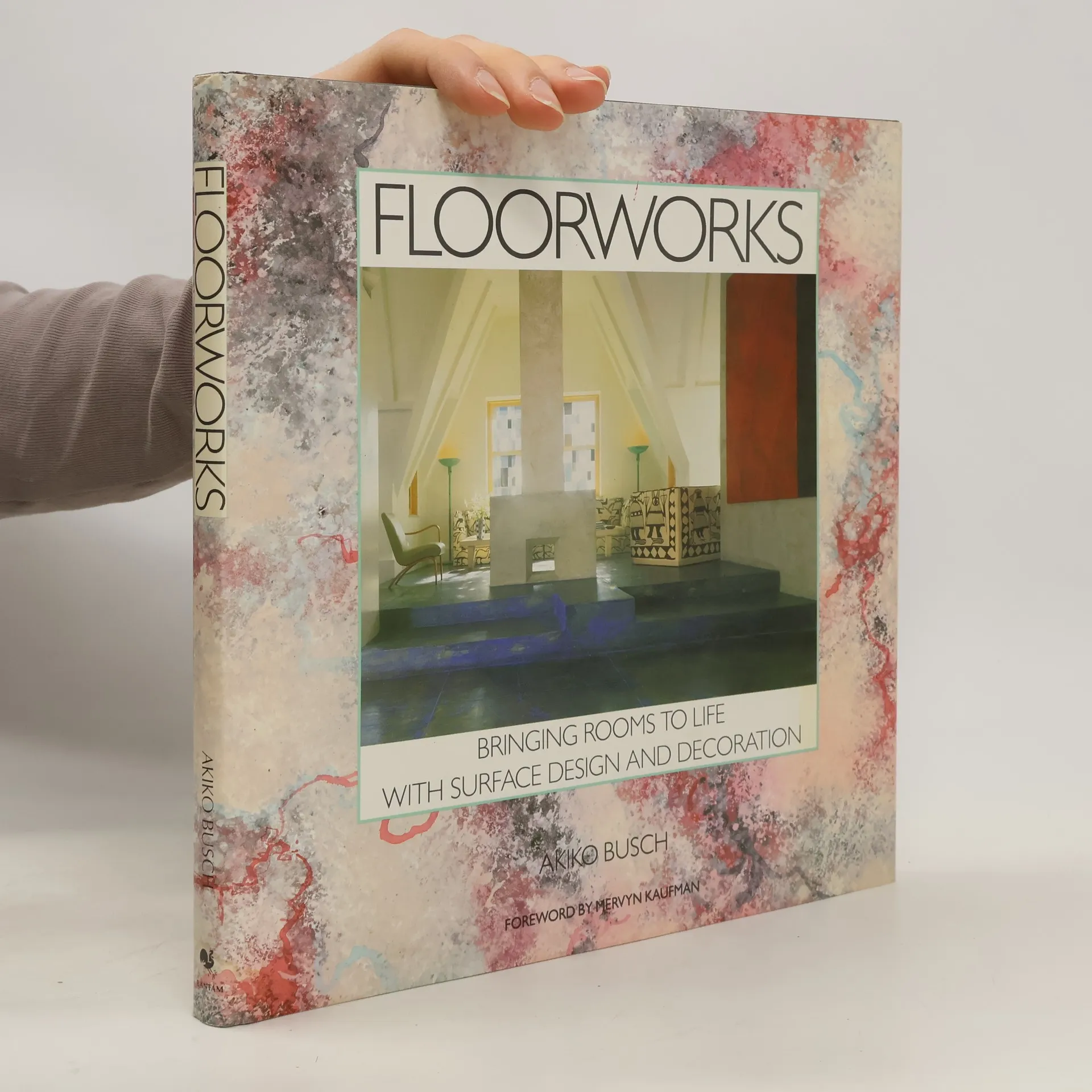
    Floorworks
    • Shows how to use wood, paint, stain, stenciling, trompe l'oeil, faux finishes, tiles, rugs, and floor cloths to decorate floors

      Floorworks
      2,5
    • A collection of 60 short prose pieces by best-selling author and design critic Akiko Busch that reflect, in her classic style of observation, on the human condition and offer insights on family, domestic space, and a changing environment. Beautifully illustrated with 20 pieces of watercolor art, this collection makes an inspirational gift. In Everything Else Is Bric-a-Brac, Akiko Busch explores place, memory, and the ambiguities of domestic life. At once thought-provoking, humorous, and meditative, these essays illuminate the emotional resonance of inanimate things; ideas of placement and displacement; the simultaneous frailty and tenacity of human recollection; the beauty of usefulness and uselessness alike; and how we do—and don't—find our place in things.

      Everything Else is Bric-a-brac
      3,5
    • How To Disappear

      • 224 páginas
      • 8 horas de lectura

      Vivid, surprising, and timely, Akiko Busch's exploration of invisibility in nature, art, and science seeks a more joyful way of living in today's surveilled, publicity-obsessed world. In our image-saturated lives, the allure of disappearing feels both enchanting and fanciful. We face relentless pressure to reveal, share, and self-promote, driven by technology companies eager to profit from our behaviors. Busch, a lifelong observer of nature, examines her unease with this constant scrutiny and the widespread longing for a less examined existence. Through rich, painterly detail, she reflects on her life, family, and exotic places—from the Cayman Islands to Iceland—celebrating the pleasures of being unseen. She dramatizes various ways of disappearing, from virtual reality that tricks the wearer into feeling invisible to Virginia Woolf's Mrs. Dalloway, who experiences a flicker of personhood in her later years. With sensitivity and incisiveness, Busch engages with both contemporary and timeless subjects. This unique work is a shimmering collage of poetry, cinema, memoir, and myth, challenging the modern assumption that fame and visibility equate to success and happiness.

      How To Disappear
      3,3