

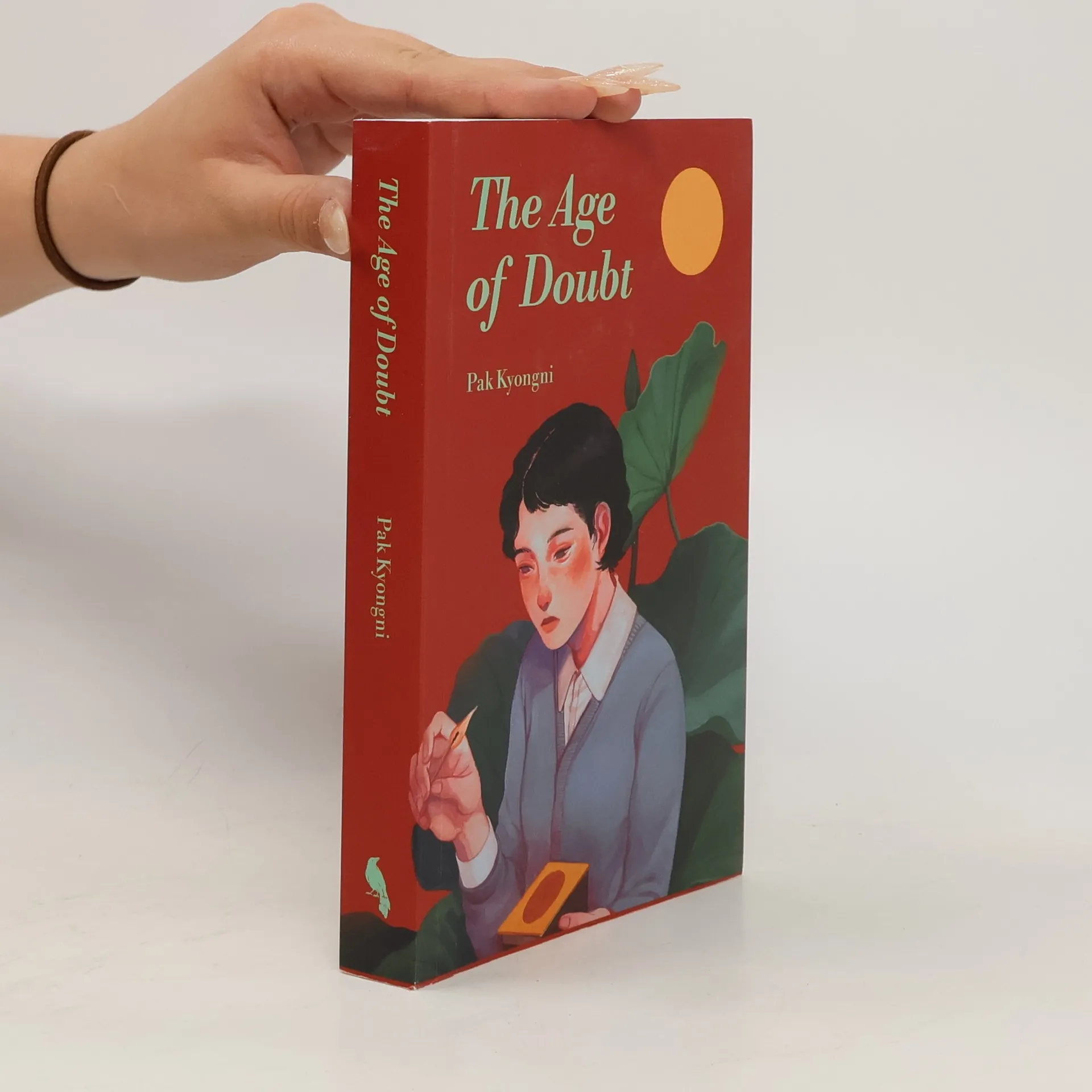
"The Age of Doubt" is a collection of representative short stories by the renowned author Kyongni Pak, known for her epic novel "Land" and works such as "The Age of Doubt," "Fascism," and "Daughters of Kim's Pharmacy," which are familiar to many as they appear in textbooks. Kyongni Pak is one of the prominent authors who vividly depicted the devastation of the Korean War and the subsequent poverty during the period of social recovery in her novels. Born in 1926, she graduated from a teacher training school and worked as a teacher in Yeoncheon, Hwanghae Province, during the Korean War, experiencing the loss of her family and capturing that pain in her writing. She made her official debut in 1956 with the short story "Calculation," followed by "Black and White" the following year, and has since written around thirty short stories and over twenty novels. This collection, edited by Professor Kang Ji-hee of Hanshin University, who has researched female novelists like Kyongni Pak and Kang Shin-jae from the 1960s, offers a text that is both accessible and accurate for modern readers by comparing various editions published during the author's lifetime. Despite living in an era of loneliness and despair, Kyongni Pak maintained a pursuit of human dignity and a fascination with romantic love that transcends fate and systems. Reading this book presents an excellent opportunity to experience her vast literary world.
Kyongni Pak Orden de los libros (cronológico)
Pak Kyongni fue una destacada novelista surcoreana, celebrada principalmente por su saga épica que captura la tumultuosa historia de Corea durante los siglos XIX y XX. Sus obras profundizan en la experiencia humana en el contexto de eventos históricos, con un estilo narrativo que sumerge a los lectores en las intrincadas vidas de sus personajes. El enfoque de la autora para contar historias a menudo reflejaba temas de identidad coreana y resiliencia frente a la adversidad. Su legado literario se caracteriza por esta grandiosa representación de la vida y su impacto duradero en escritores posteriores.
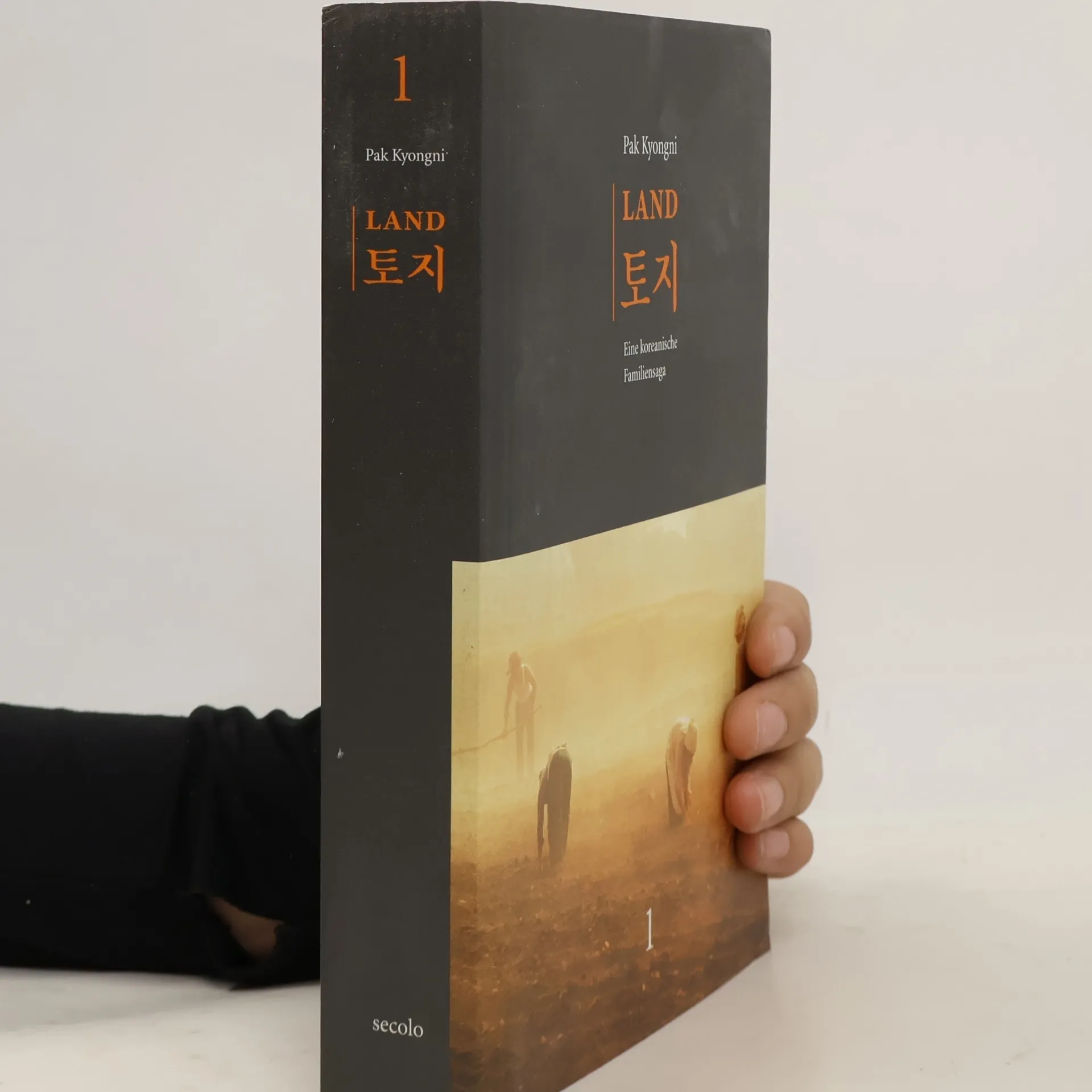
Der Roman »Land« besteht in der Originalausgabe aus 16 Bänden. Pak Kyongni verfasste ihn in 25 Jahren zwischen 1969 und 1994. Der hier erstmals in deutscher Übersetzung vorliegende Band umfasst die ersten eineinhalb Bände des koreanischen Originals.