
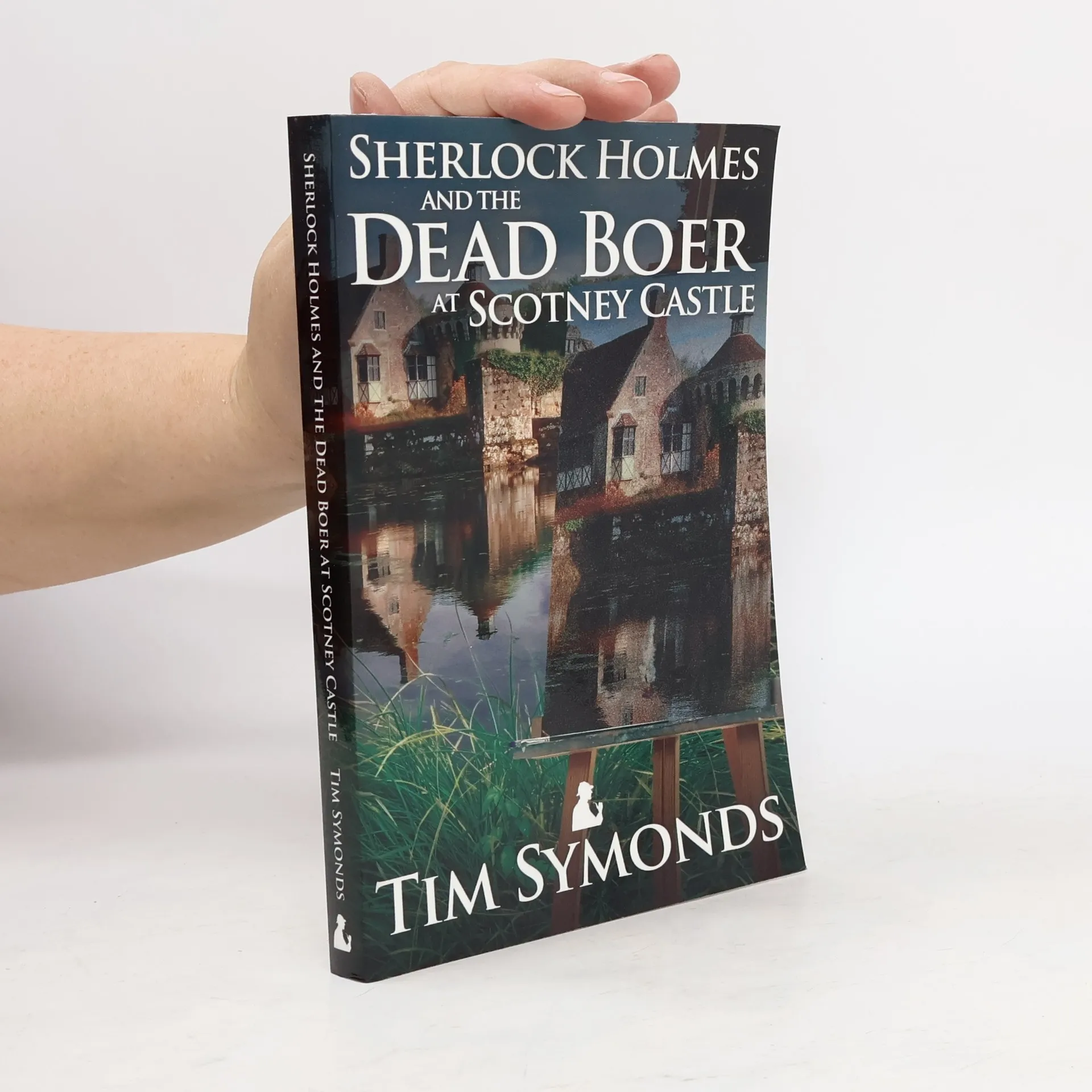

Featuring six new adventures, this collection showcases the legendary detective Sherlock Holmes and his loyal companion, Dr. Watson, as they tackle intriguing mysteries. Each story delves into the complexities of human nature and the art of deduction, highlighting Holmes's unparalleled intellect and keen observational skills. The tales promise to captivate readers with suspenseful plots, rich characterizations, and the timeless charm of Victorian London, making it a must-read for fans of classic detective fiction.
Tim Symonds Libros
Este autor profundiza en la intrincada interacción entre la historia y la ficción, situando sus narrativas en épocas de dramáticos cambios sociales e intrigas políticas. Su estilo se caracteriza por una meticulosa construcción de mundos históricos y una profundidad psicológica en la representación de personajes. Explora temas de poder, cultura y la naturaleza humana en momentos cruciales de la historia mundial. Su obra ofrece a los lectores viajes cautivadores a través de continentes y siglos.


It's 1898. Kismet brings about a chance reunion at a London club between Dr. Watson and Colonel "Maiwand Mike" Fenlon, former military comrades from their Northwest Frontier days and the desperate Battle of Maiwand. A week later an urgent cable seeking Sherlock Holmes's help arrives from the Bailiwick of Guernsey, a British Crown Dependency 30 miles off the coast of Normandy. A retired high-ranking British Indian Army officer who commanded the troops at Maiwand has dropped dead. Colonel Fenlon is in a holding cell awaiting trial for his murder. What role in the Brigadier-General's death was played by a phial of patent medicine developed in India to treat cholera? Why are Colonel Fenlon's forefinger and thumbprint on the neck of the phial when he swears he has never seen it before? Above all, why is Fenlon refusing to enter a plea or even to tell his Defence counsel what took place the evening the Brigadier-General dropped dead?
Sherlock Holmes and the Dead Boer at Scotney Castle
- 296 páginas
- 11 horas de lectura
On the 27th of May, 1904, Holmes and Watson arrived at Crick's End in Sussex at the invitation of David Siviter, eminent poet and president of the Kipling League. At the end of the day, the members of this powerful group of men had handed Holmes so embarrassing a blow, he forbade Watson to ever publish the story, on pain of the end of their friendship.