

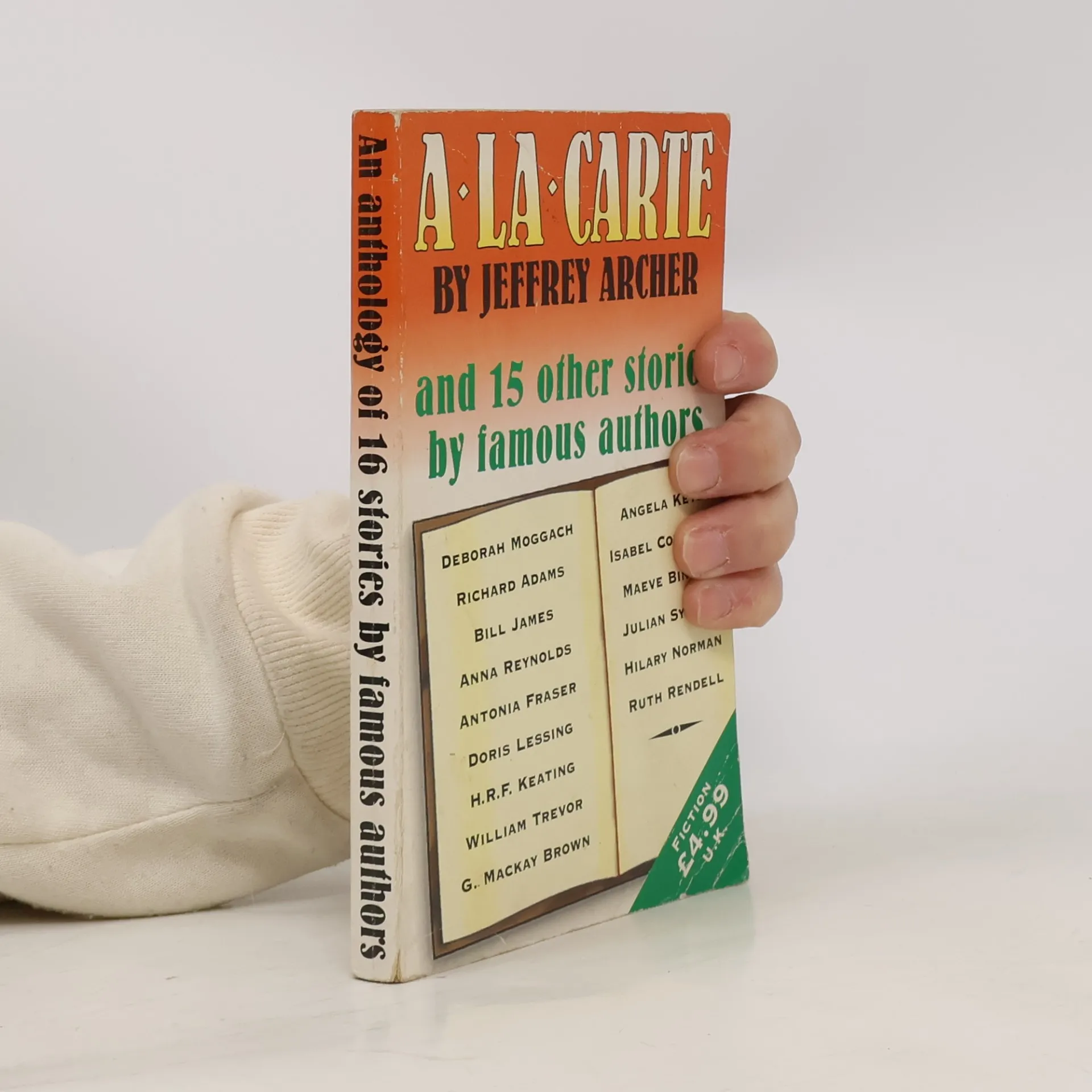
An anthology of short stories by famous authors who have given freely their talents for the National AIDS Trust charity.Foreward - HRH Diana, Princess of WalesIntroduction - Auberon WaughThe Inspiration - Jason CheritonA La Carte and fifteen other stories:A La Carte - Jeffrey ArcherLucky Dip - Deborah MoggachA Dog in the Dark - Richard AdamsTail - Bill JamesA Safe Place - Anna ReynoldsThe Case of the Parr Children - Antonia FraserRomance 1988 - Doris LessingThe Bunting Affirms - H.R.F. KeatingOld Flame - William TrevorThe Village - George Mackay BrownSound Proof - Angela KeysThe Nice Boys - Isabel ColegateRecipe for Victory - Maeve BinchyThe Flowers that Bloom in the Spring - Julian SymonsVampire - Hilary NewmanPaperwork - Ruth RendellPostscript - Sir John Gielgud
Isabel Colegate Orden de los libros (cronológico)
Isabel Colegate es más conocida por su novela superventas y aclamada por la crítica, The Shooting Party, que fue adaptada a una película ya clásica. Sus obras a menudo exploran la vida inglesa en la era de la posguerra, caracterizadas por agudas observaciones de la psicología humana y las dinámicas sociales. Colegate es celebrada por su refinada prosa y su habilidad para crear personajes complejos y sus intrincadas motivaciones.

The Orlando Trilogy
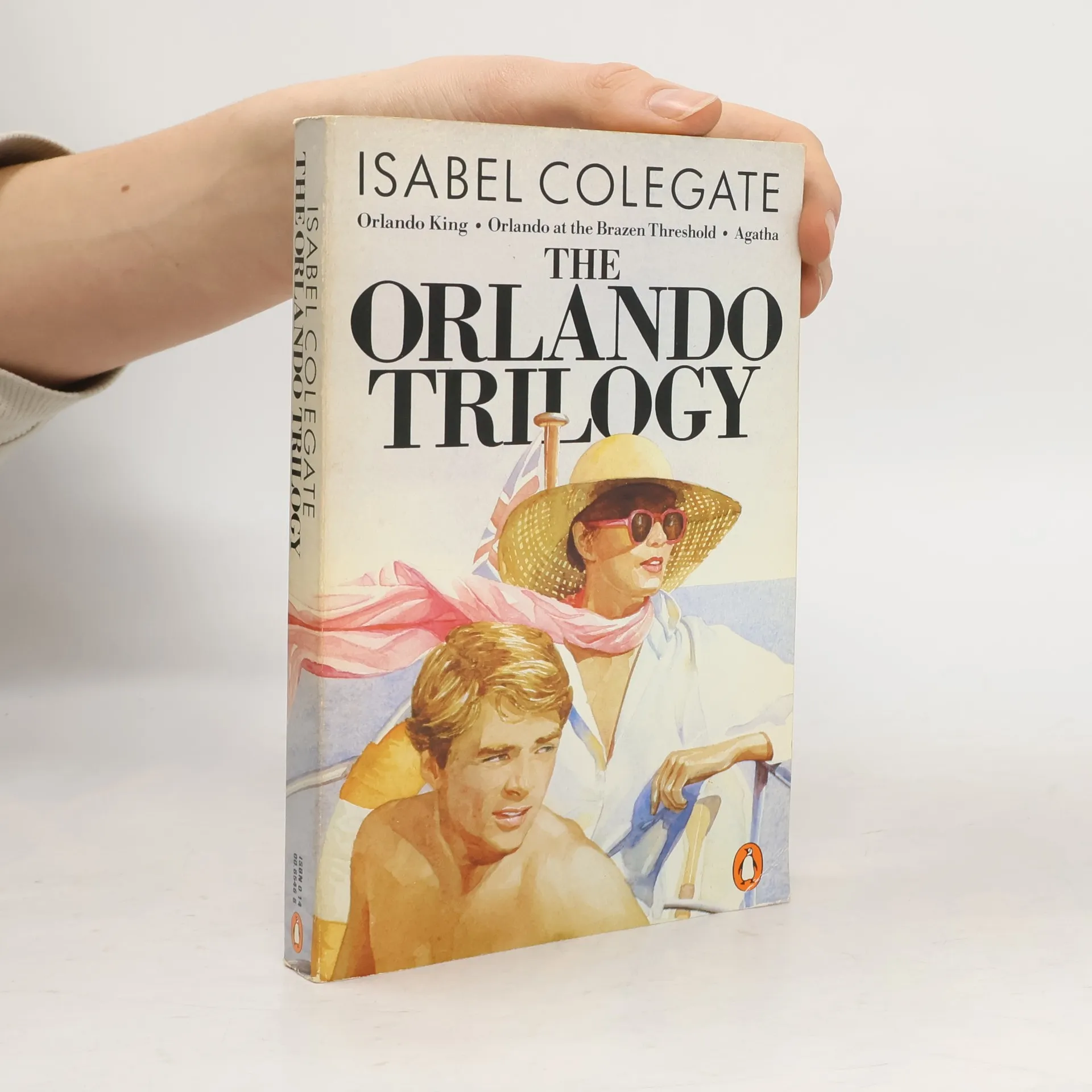
Orlando King. Orlando at the Brazen Threshold. Agatha
This trilogy tells the story of Orlando King, his rise to ambiguous power during the moral confusion of the 1930s, his spectacular downfall and the troubled legacy he bequeathed to his divided family. As the 1950s draw to a close, his daughter Agatha accomplishes a painful resolution.
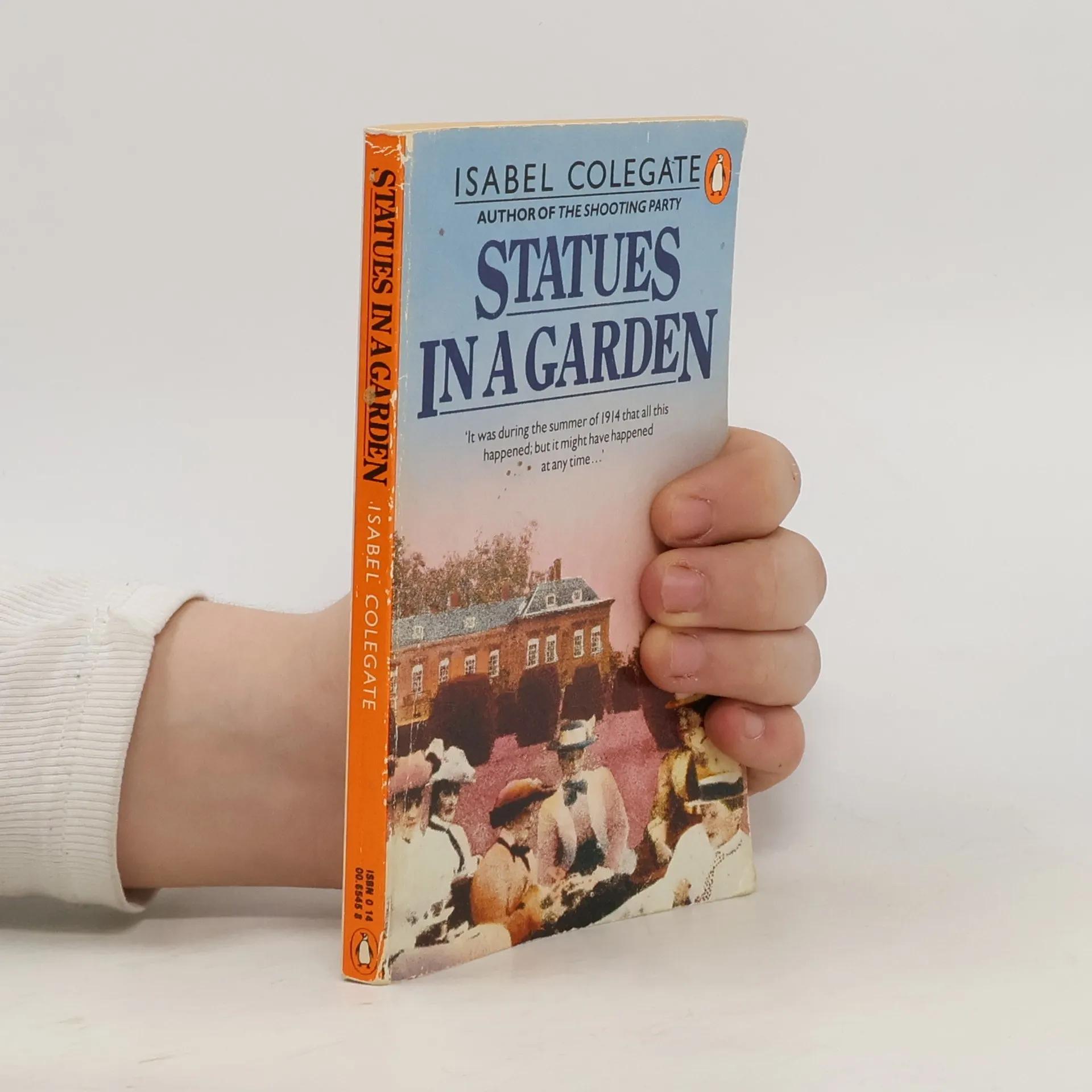
'Just the right mixture of doomed fun, melancholy and faintly lascivious despair' Observer'I am afraid I have something to tell you. It is that we are all about to be destroyed.'1914. The old standards are going. There is bitterness in politics, talk of civil war in Ireland.But all this means little to Cynthia Weston, attractive wife of cabinet member Aylmer Weston, and her nephew by marriage Philip. They are caught up in the charmed, perilous toils of a mutual passion that will destroy all they hold most dear – while the shadow of war lengthens and darkens, ready to swallow their world whole.A captivating portrait of a lost world, Statues in a Garden is a rediscovered masterpiece by one of the most important and neglected British female writers of the twentieth and twenty-first centuries.
It is 1913 - just prior to England's entry into World War I - and Edwardian England is about to vanish into history. A group of men and women gather at Sir Randolph Nettleby's estate for a shooting party. Opulent, adulterous, moving through the rituals of eating and slaughter, they are obtuse and decorative finale of an era.