

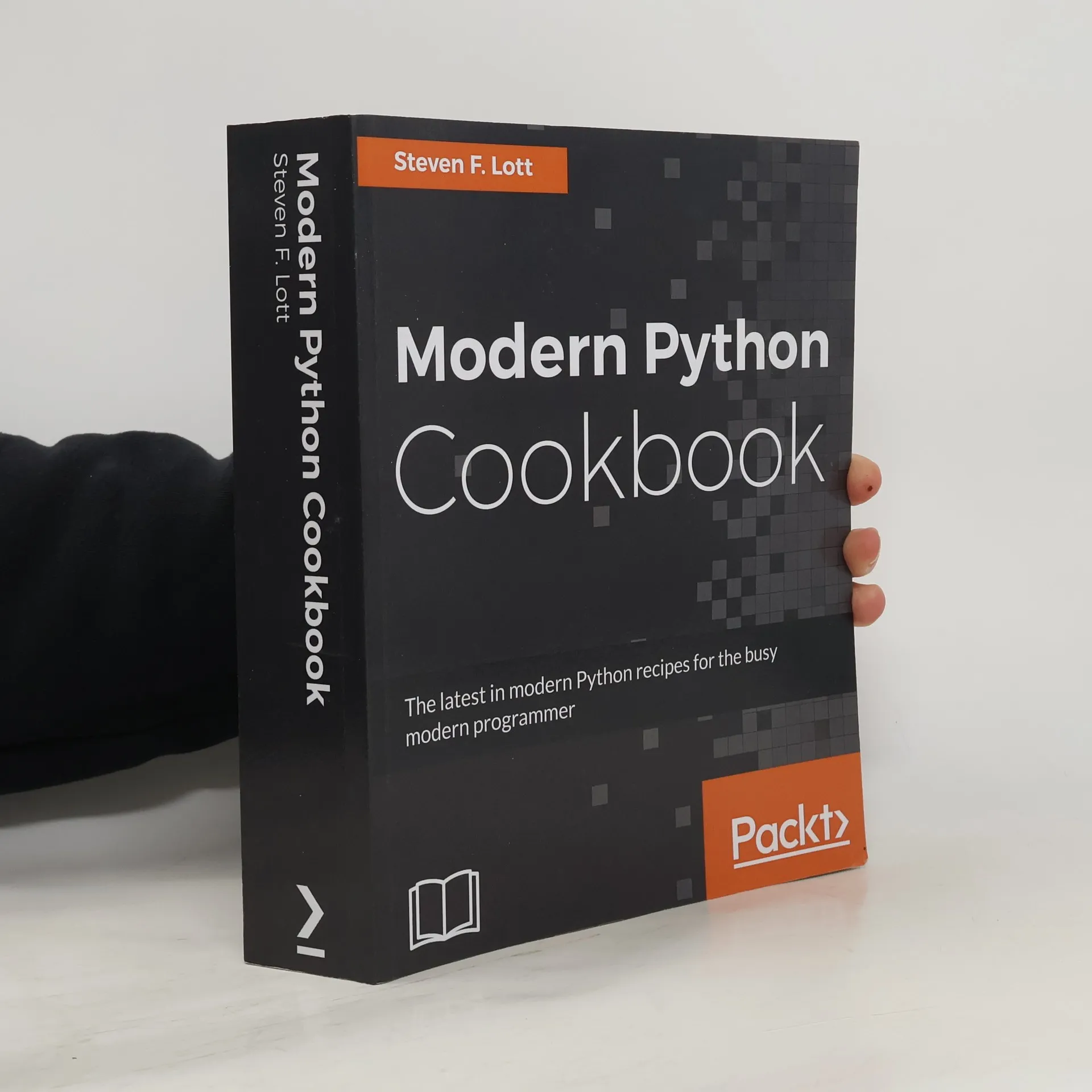
This guide delves into modern Python programming, emphasizing key concepts such as data structures, design patterns, and effective object-oriented techniques. It aims to enhance the reader's understanding of Python through practical applications and examples, making it suitable for both beginners and experienced programmers looking to refine their skills. The focus on contemporary practices ensures that readers are well-equipped to tackle real-world programming challenges.
Explore the principles of functional programming in Python, emphasizing concise and expressive coding techniques. This guide covers essential concepts such as higher-order functions, immutability, and pure functions, providing practical examples and exercises to enhance your skills. Learn to leverage Python’s functional features to write cleaner, more efficient code, while also understanding the benefits of a functional approach in solving complex problems. Ideal for both beginners and experienced programmers looking to deepen their understanding of functional programming paradigms.
This collection offers practical Python recipes tailored for today's busy programmers. Each recipe addresses common challenges and provides clear, efficient solutions, allowing developers to enhance their coding skills and streamline workflows. With a focus on real-world applications, the book covers a variety of topics, making it a valuable resource for both beginners and experienced users looking to optimize their Python projects.
Explore the principles of functional programming through practical implementations in Python. The book emphasizes writing clean, efficient code by leveraging functions as first-class citizens, immutability, and higher-order functions. Readers will learn to apply these concepts to solve complex problems, enhance code readability, and improve maintainability. With hands-on examples and exercises, it guides both beginners and experienced programmers in adopting a functional mindset for better software development.
130+ updated recipes for modern Python 3.12 with new techniques and tools
818 páginas
29 horas de lectura
The third edition of this cookbook offers over 130 new and updated recipes tailored for Python 3.12, focusing on practical applications. Readers will find enhanced coverage of graphics, visualizations, and managing dependencies, along with insights into virtual environments. This resource is designed to deepen Python skills through hands-on examples, making it ideal for both beginners and experienced programmers looking to refine their expertise.
Use a functional approach to write succinct, expressive, and efficient Python code
576 páginas
21 horas de lectura
This book enhances efficiency in tackling LeetCode challenges, making it a valuable resource for programmers looking to improve their problem-solving skills. Its practical approach helps users navigate complex coding problems more effectively, offering strategies and insights that can lead to better performance in coding interviews and competitions.
Craft your Python portfolio with deployable applications
478 páginas
17 horas de lectura
Focusing on an enterprise-based approach, this book guides readers in developing Python applications through unit and acceptance testing. It emphasizes agile methodologies to help create a minimum viable product (MVP), enabling developers to iteratively enhance their projects by adding features. This practical framework is ideal for those looking to build robust applications while adapting to changing requirements.
Mimo że Python nie jest typowym językiem programowania funkcyjnego, umożliwia
pisanie kodu w sposób właściwy dla tego podejścia. W efekcie można tworzyć
zwięzłe i eleganckie programy, które działają szybciej i zużywają mniej
zasobów. Jeśli uważasz, że te argumenty uzasadniają zapoznanie się z
funkcyjnym podejściem do programowania w Pythonie, to ta książka jest dla
Ciebie. Dzięki temu praktycznemu podręcznikowi zrozumiesz, kiedy i dlaczego
warto zastosować myślenie funkcyjne, a także jak korzystać z technik
funkcyjnych w różnych scenariuszach. Dowiesz się również, jakie narzędzia i
biblioteki przeznaczone do tego celu są dostępne w Pythonie i jak używać
wyrażeń generatorowych, list składanych i dekoratorów. W tym wydaniu znalazły
się nowe rozdziały dotyczące złożonych obiektów bezstanowych, funkcji
kombinatorycznych i pakietu toolz, zawierającego zbiór modułów wspomagających
pisanie programów funkcyjnych. Umieszczono tu ponadto sporo ciekawych
przykładów, dotyczących choćby eksploracyjnej analizy danych i ich
czyszczenia. W książce między innymi: najciekawsze biblioteki i wbudowane
funkcje wyższego rzędu w Pythonie tworzenie funkcji generatorowych i leniwe
wartościowanie implementacja dekoratorów do kompozycji funkcyjnej podpowiedzi
typów w Pythonie obsługa współbieżności i implementacja usług sieciowych
biblioteka PyMonad i tworzenie symulacji z obsługą stanów Chcesz tworzyć
wydajny kod? Naucz się programowania funkcyjnego!