



Bookbot

Raghuram G. Rajan

    Raghuram Rajan es un economista reconocido a nivel mundial cuyo trabajo profundiza en las complejidades de las finanzas y la economía. Sus perspicaces análisis a menudo exploran las intrincadas relaciones entre los sistemas económicos y el bienestar social. El enfoque de Rajan se caracteriza por una profunda comprensión de los mercados financieros y un compromiso con el fomento de entornos económicos estables. Sus contribuciones ofrecen valiosas perspectivas sobre los desafíos y oportunidades que enfrenta la economía global.

    Die dritte Säule
    Linie uskoku
    The Third Pillar
    I Do what I Do
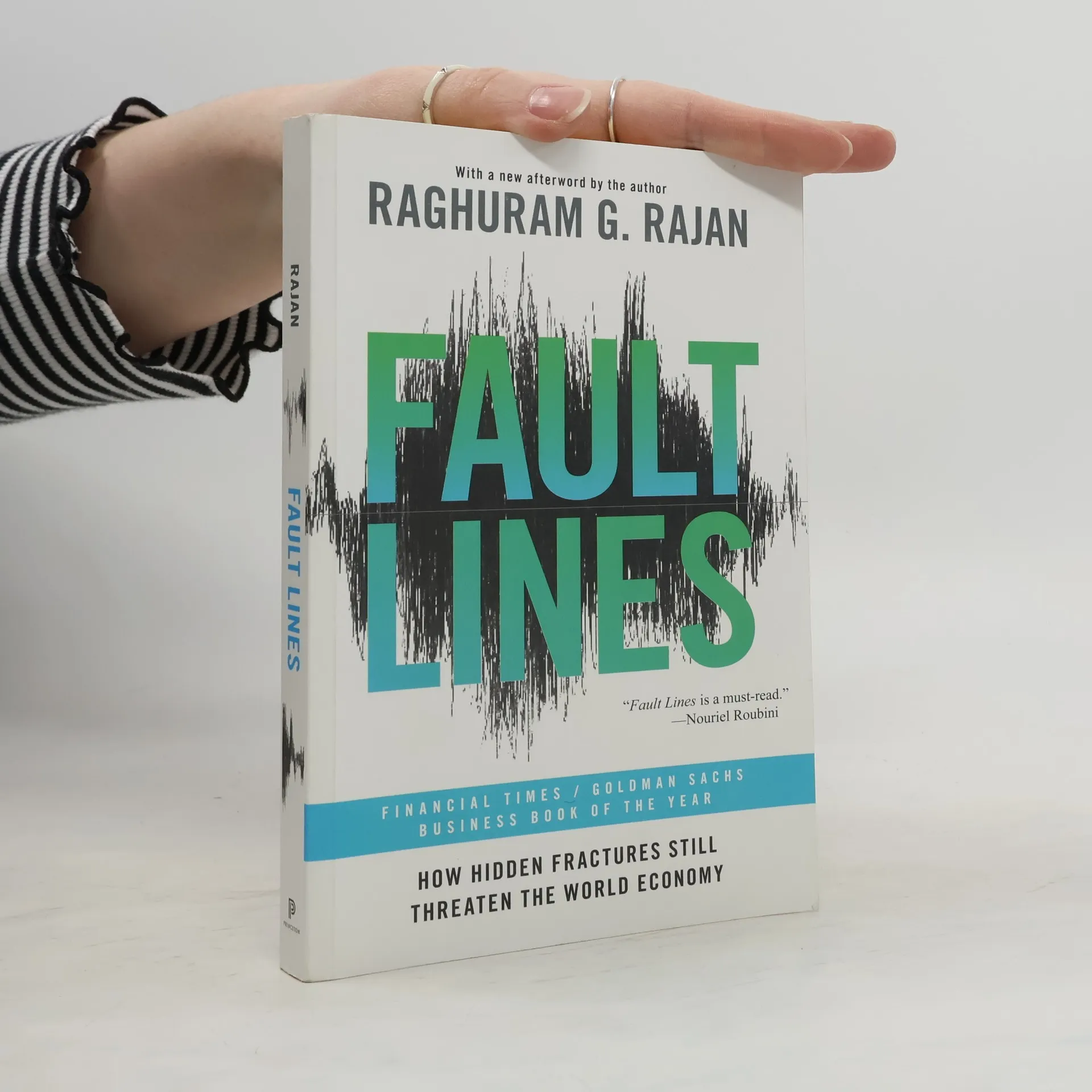
    Fault Lines
    • 2021

      Die dritte Säule

      Warum wir in einer globalisierten Welt lokale Gemeinschaften brauchen

      Die Globalisierung, die Finanzkrise und die digitale Transformation haben die drei Säulen, auf denen die Gesellschaft ruht – der Staat, die Märkte und die Gemeinschaft – ins Ungleichgewicht gebracht. Nur eine kleine Elite scheint von den neuen Paradigmen zu profitieren; die bürgerliche Mitte kämpft um den Erhalt ihres Status und die Schwächsten sind abgehängt. Zur Wiederherstellung des Gleichgewichts müssen alle Säulen wieder auf eine Ebene gehoben werden. Die Lösung liegt in der Stärkung lokaler, inklusiver Gemeinden als notwendigem Gegengewicht zu einem starken Staat und globalen Wettbewerbsmärkten. Raghuram G. Rajan, ehemaliger IWF-Chefökonom und Ex-Gouverneur der indischen Zentralbank schreibt über eine der größten Herausforderungen unserer Zeit. Eine brillante und weitsichtige Analyse der aktuellen Gegenreaktion auf die Globalisierung von einem der wichtigsten Ökonomen unserer Zeit.

      Die dritte Säule
    • 2020

      Dlaczego pieniądze z zagranicy finansowały kredyty subprime? Co sprawiło, że Stany Zjednoczone, w przeciwieństwie do Niemiec i Japonii, nie wykorzystały eksportu do wyjścia z recesji w 2001 r.? Jak to możliwe, że uboższe kraje, takie jak Chiny, finansują niezrównoważoną konsumpcję bogatych krajów, jak USA? Dlaczego Rezerwa Federalna utrzymywała niskie stopy procentowe przez długi czas? Jak instytucje finansowe mogły tak powszechnie udzielać kredytów osobom bez dochodu, pracy czy majątku, tworząc akronim NINJA (no income, no job, no assets)? Dlaczego banki, będące świadome składników swoich produktów, trzymały ich tak dużo dla własnej konsumpcji? Autor stara się odpowiedzieć na te pytania, podkreślając, że nie ma jednego wyjaśnienia kryzysu ani prostej recepty na jego uniknięcie. Używa metafory linii uskoku, która w geologii oznacza miejsce zetknięcia płyt tektonicznych, aby opisać napięcia w globalnej gospodarce i ich wpływ na sektor finansowy. Raghuram G. Rajan, światowej sławy ekonomista, wykłada w Szkole Biznesu Bootha na Uniwersytecie Chicagowskim i był głównym ekonomistą MFW w latach 2003–2006.

      Linie uskoku
    • 2019

      The Third Pillar

      • 464 páginas
      • 17 horas de lectura

      From one of the most important economic thinkers of our time, a brilliant and far-seeing analysis of the current populist backlash against globalization and how revitalising community can save liberal market democracy.

      The Third Pillar
    • 2017
    • 2010

      Fault Lines

      • 270 páginas
      • 10 horas de lectura

      As the world struggles to recover from the financial crisis, it's tempting to blame what happened on just a few greedy bankers who took irrational risks and left the rest of us to foot the bill. This book argues that serious flaws in the economy are also to blame, and warns that a potentially more devastating crisis awaits us if they aren't fixed.

      Fault Lines