The Neue Nationalgalerie, which was erected in 1965-68, is the only building by the architect Ludwig Mies van der Rohe in Germany from after the Second World War. With its steel roof over the glass-walled exhibition hall and its reduced design vocabulary, it is regarded as an icon of modernism and as the legacy of a visionary master builder. Following the restoration by the firm David Chipperfield Architects, the Neue Nationalgalerie is reopening with new glory in 2021. With numerous specialist texts and large-format photographs, the book focuses on the architecture of the museum in three thematic groups: the historical building, the fundamental restoration, and the renovated building. Detailed and large-format photographs heighten awareness of the unique architecture, which Mies van der Rohe designed down to the smallest detail.
Joachim Jäger Libros

Neue Nationalgalerie Berlin, Mies van der Rohe
- 108 páginas
- 4 horas de lectura
The Neue Nationalgalerie is more than just a museum or a building. It is a milestone in the history of architecture, a memorial, an icon. Designed by German architect Ludwig Mies van der Rohe, the building is especially well known for its fifty-by-fifty-meter glass hall. With this singular pavilion structure, Mies van der Rohe set a virtuoso close to his decades-long exploration of „fluid“ space. There is hardly another building of his in which the boundary between interior and exterior is as permeable as it is here. In many ways, the Neue Nationalgalerie can be seen as Mies's legacy and the quintessence of his thought. This publication presents the building from today's perspective, but it also features historical photographs taken during the construction period, the building's opening in 1968, and the spectacular exhibitions that took place there in its early years.(German edition ISBN 978-3-7757-3144-7)
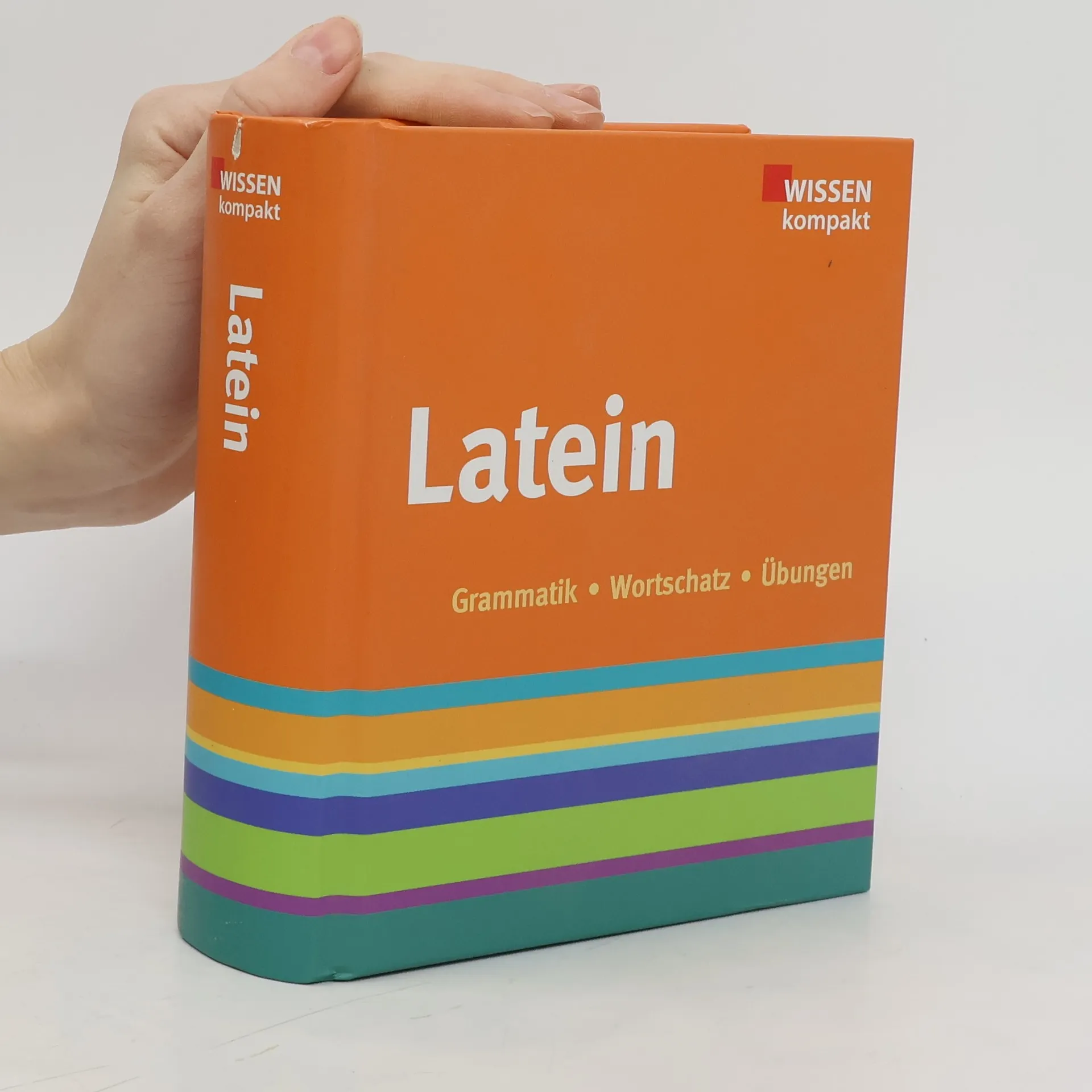
Latein macht Spaß, wenn man erst einmal begriffen hat, worum es geht. Dieses umfassende Nachschlagewerk führt auf einfache und systematische Art in die Grundlagen der lateinischen Sprache ein. Das Besondere: Die Vokabeln stehen immer direkt in dem Grammatik-Abschnitt, zu dem sie gehören. So werden die Zusammenhänge klar und die komplexe Thematik lässt sich leichter erlernen und vor allem leichter behalten. Viele Merksätze und Tipps helfen einem Anfänger ebenso wie allen, die ihre Kenntnisse wieder auffrischen wollen.
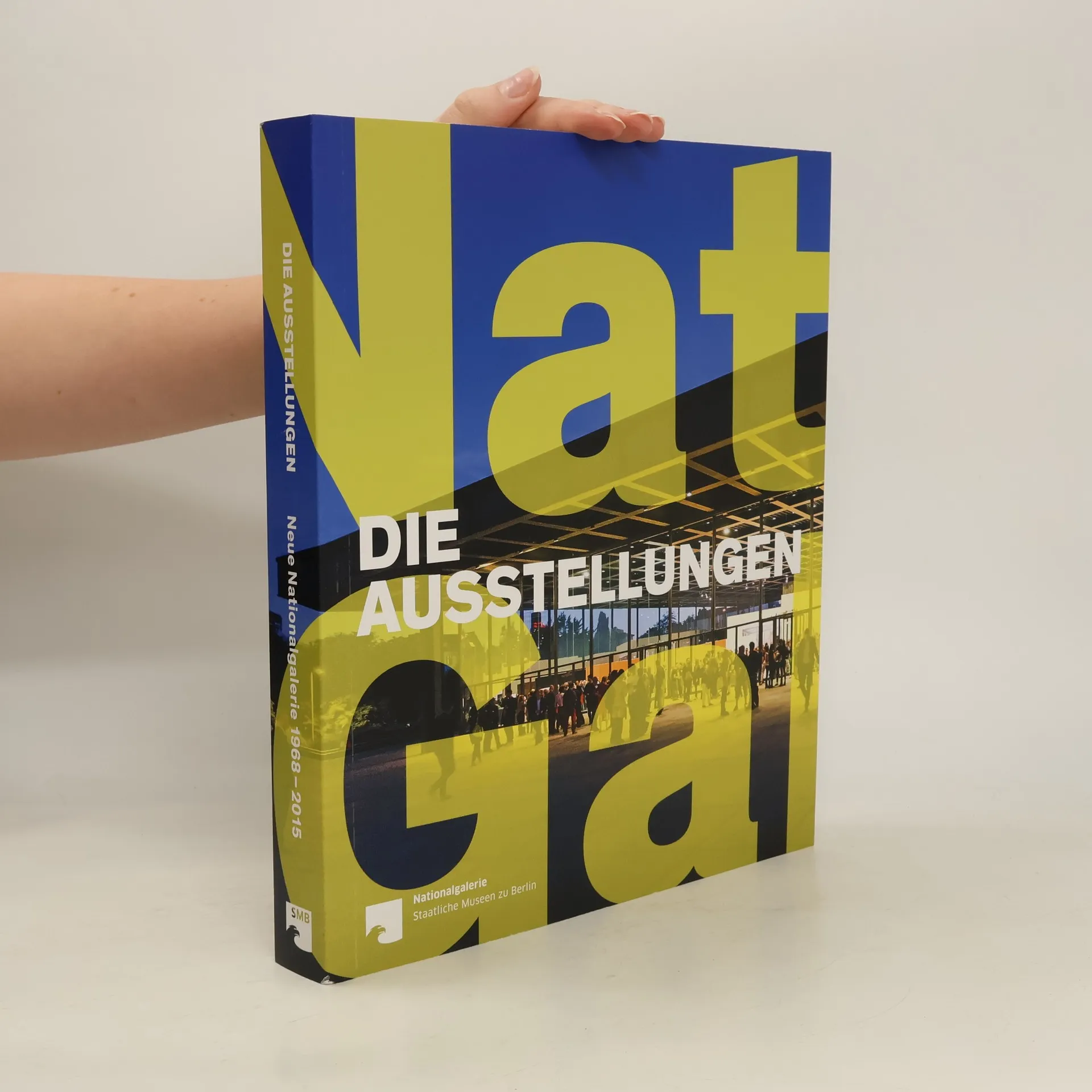
Am 15. September 1968 eröffnete die Neue Nationalgalerie in Berlin. Das weltweit einzigartige Museum hat Architekturgeschichte geschrieben und die Ästhetik vieler Ausstellungen geprägt. Eine 350-seitige Publikation mit rund 500 eindrucksvollen, weitgehend unbekannten Fotografien bebildert die besondere Ausstellungsgeschichte des Museums. Spektakuläre Projekte von Mark Rothko über Yves Klein, die Metamusik Festivals, das MoMA in Berlin, Gerhard Richter bis Kraftwerk erzählen die Geschichte des Hauses. Von jedem Direktor programmatisch und jeder Generation visuell geprägt bildet das Buch die Zeitströmungen in Kunst und Gesellschaft ab. Persönliche Erinnerungen von Udo Kittelmann, Katharina Grosse, Rem Koolhaas und vielen anderen begleiten den emotionalen Spaziergang durch das Haus.
Der Reader „Die Teheran Moderne“ bietet einen vielschichtigen Einblick in die Entwicklung der Bildenden Kunst im Iran seit den 1960er Jahren. Seine Texte laden zu einer Beschäftigung mit der iranischen Moderne ein. Es ist eine Moderne, zu deren Besonderheit ein dynamischer Entstehungsprozess zählt, der fast unvermittelt in den 1950er Jahren einsetzte und innerhalb von wenigen Jahrzehnten zur vollen Entfaltung gelangte. Diese „Teheran Moderne“ ist nicht losgelöst von internationalen Entwicklungen zu begreifen und öffnet zugleich neue Perspektiven auf die „eigene“ Westmoderne - Text in deutscher und englische Sprache.
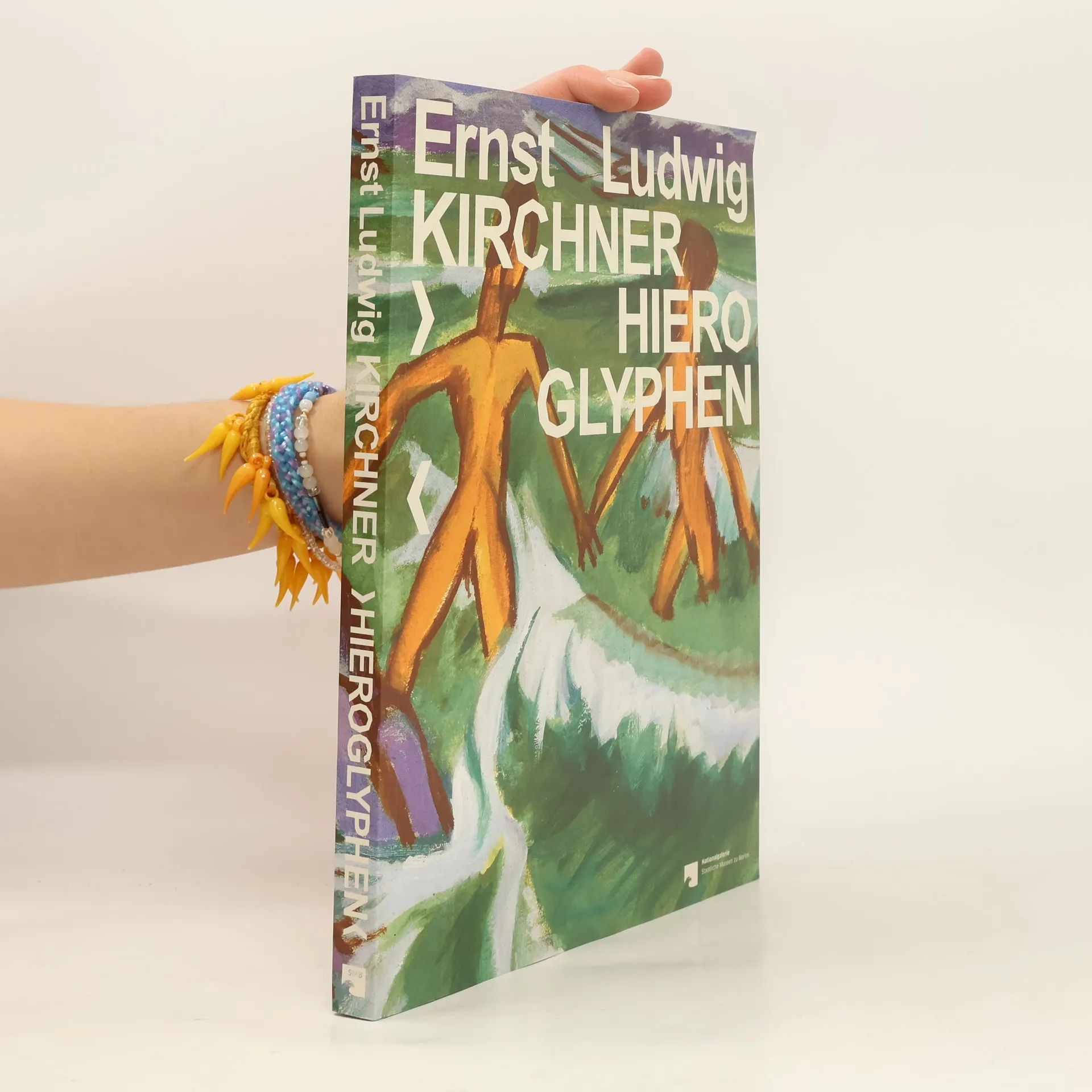
Ernst Ludwig Kirchner: Hieroglyphen
- 183 páginas
- 7 horas de lectura
Malerei ist für Ernst Ludwig Kirchner ein Akt der Übersetzung. Die als „ekstatisch“ empfundene Dynamik der Großstadt zeigt sich in Kirchners Bildern wie „Potsdamer Platz“ in einem skizzenhaften Malstil und einer starken formalen Verdichtung. Die runde Verkehrsinsel am Potsdamer Platz, auf der hageren Damen posieren, sowie die grob skizzierten Figuren symbolisieren die Schemen der Großstadt – sie sind nur noch Signale, Zeichen. Kirchner spricht von „Hieroglyphen als Ausdruckszeichen“. Die „unmittelbare Ekstase“ wird bereits beim Zeichnen zu „fertigen Hieroglyphen“. Die Vielfalt visueller Erfahrungen reduziert sich auf Kürzel und sprechende Details wie Hüte und Fensterlaibungen. Kirchners malerische Welt besteht aus offenen Skizzen und nicht immer vollständig lesbaren „Hieroglyphen“. Die Ausstellung fokussiert auf 17 Werke der Nationalgalerie, vom frühen „Sitzenden Akt“ bis zu den dichten Werken wie „Max Liebermann in seinem Atelier“. Kaum ein Museum in Deutschland kann Kirchners Vielfalt so eindrücklich wiedergeben. Zahlreiche Fotos, Bücher und Zeichnungen ergänzen den Katalog und verdeutlichen die kulturelle Aufgeladenheit der Bildwelten. Zeitgenössische Arbeiten wie Rosa Barbas „Hidden Conference“ und Rudolf Stingels „Stafelalp“ erweitern den Kontext. Diese Publikation erscheint anlässlich der Ausstellung „Ernst Ludwig Kirchner: Hieroglyphen“ in der Neuen Galerie im Hamburger Bahnhof – Museum für Gegenwart – Berlin vom 23. Se
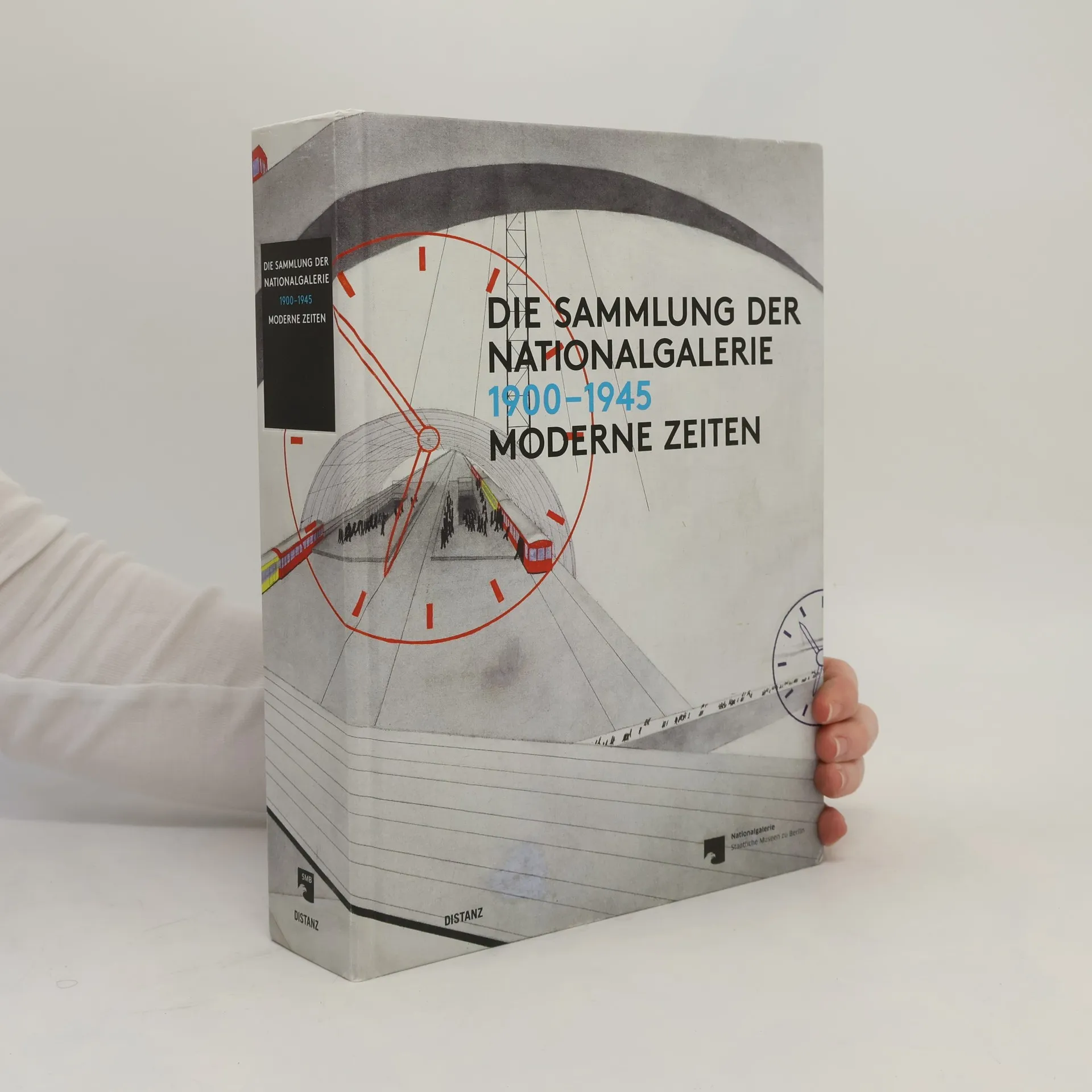
Die Sammlung der Nationalgalerie 1900 - 1945 - moderne Zeiten
- 520 páginas
- 19 horas de lectura
Eine einzigartige Reflexion über Geschichte, Kunst und Politik wird in der Präsentation der Sammlungsbestände der Berliner Nationalgalerie deutlich, die in drei großen Ausstellungen aufbereitet wurden. Der erste Teil dieser Präsentation erscheint nun als opulentes Buch, das sich auf Hauptwerke der modernen Malerei und Bildhauerei der ersten Hälfte des 20. Jahrhunderts konzentriert. Höhepunkte aus Expressionismus, Dada, Neuer Sachlichkeit, Bauhaus-Kunst und Surrealismus werden eindrucksvoll vereint, darunter Edvard Munchs monumentaler Fries von 1906/07, Ernst Ludwig Kirchners „Potsdamer Platz“ von 1914 und Fernand Légers „Zwei Schwestern“ von 1935. Neben dem Kanon der Avantgarden wird auch die Vielfalt zwischen Figuration und Abstraktion beleuchtet. Die Darstellung wird durch ständige Verweise auf die Geschichte der Nationalgalerie bereichert, die eng mit den deutschen Ereignissen des 20. Jahrhunderts verknüpft ist. Besonders schmerzhaft war der Verlust von über 500 Kunstwerken während des nationalsozialistischen Bildersturms, an den Fotografien erinnern. Mit Beiträgen von Florian Illies, Udo Kittelmann und Dieter Scholz sowie zeitgeschichtlichen literarischen Exzerpten von namhaften Autoren wird ein umfassendes Bild der Kunst- und Kulturgeschichte dieser Zeit vermittelt.