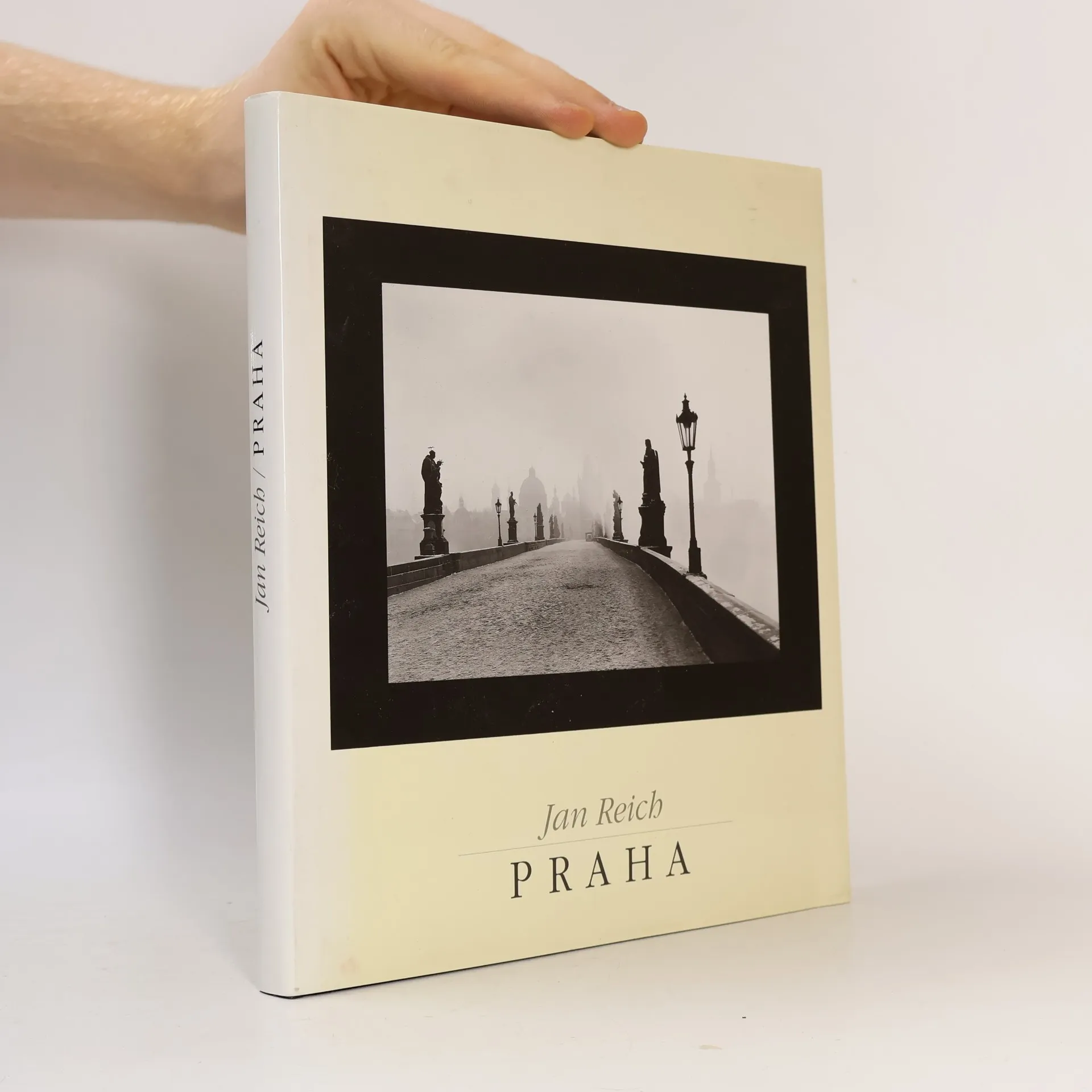
Praha
- 72 páginas
- 3 horas de lectura
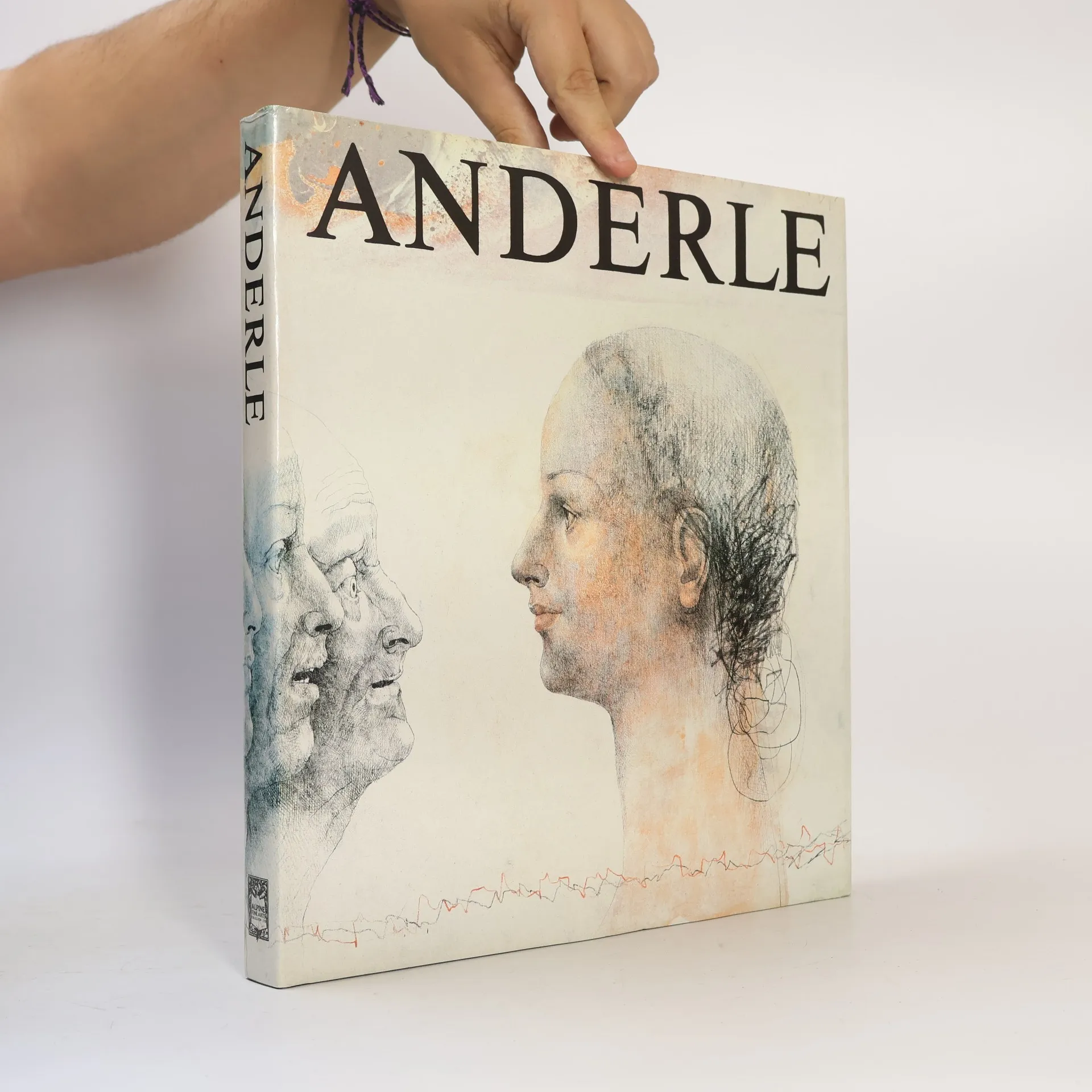
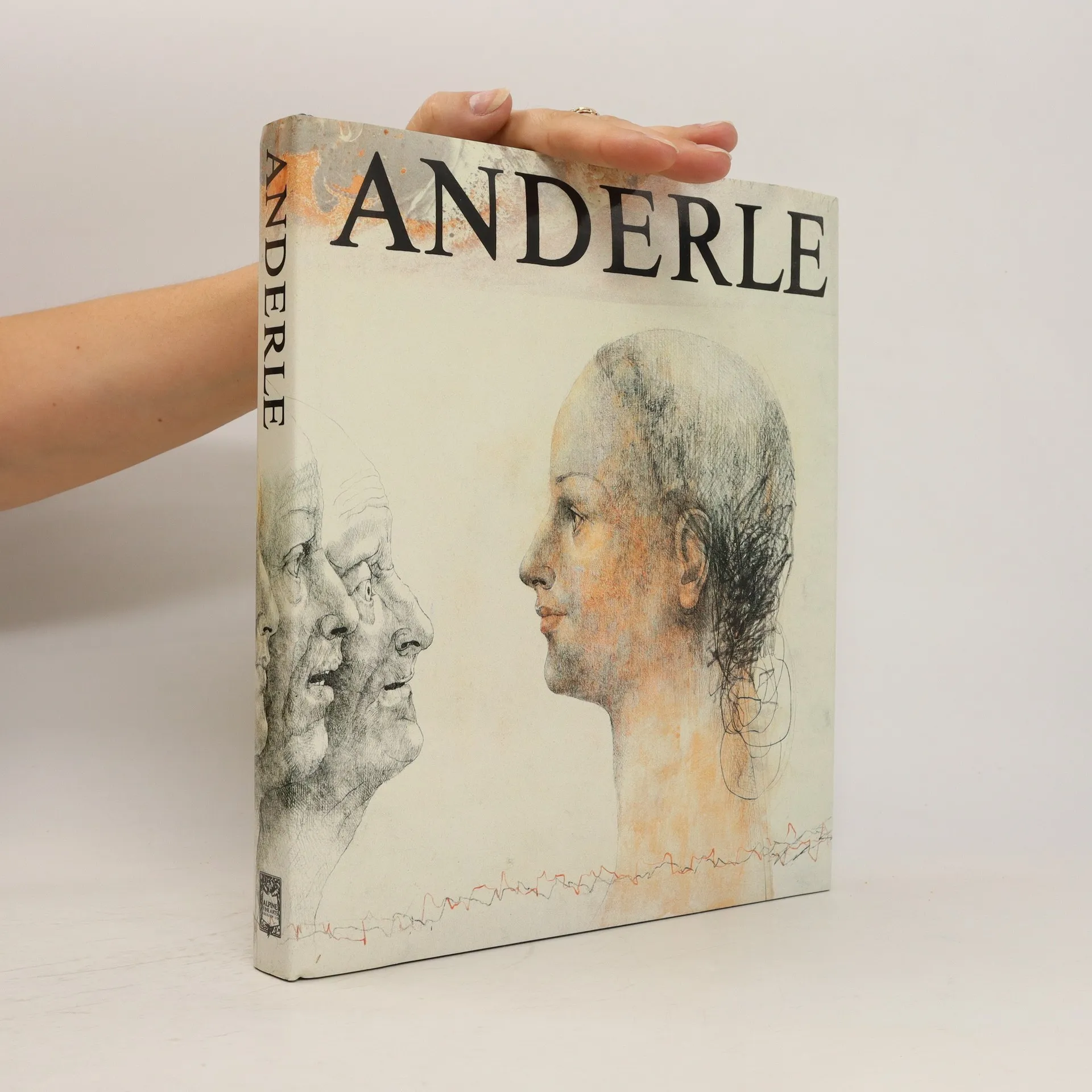
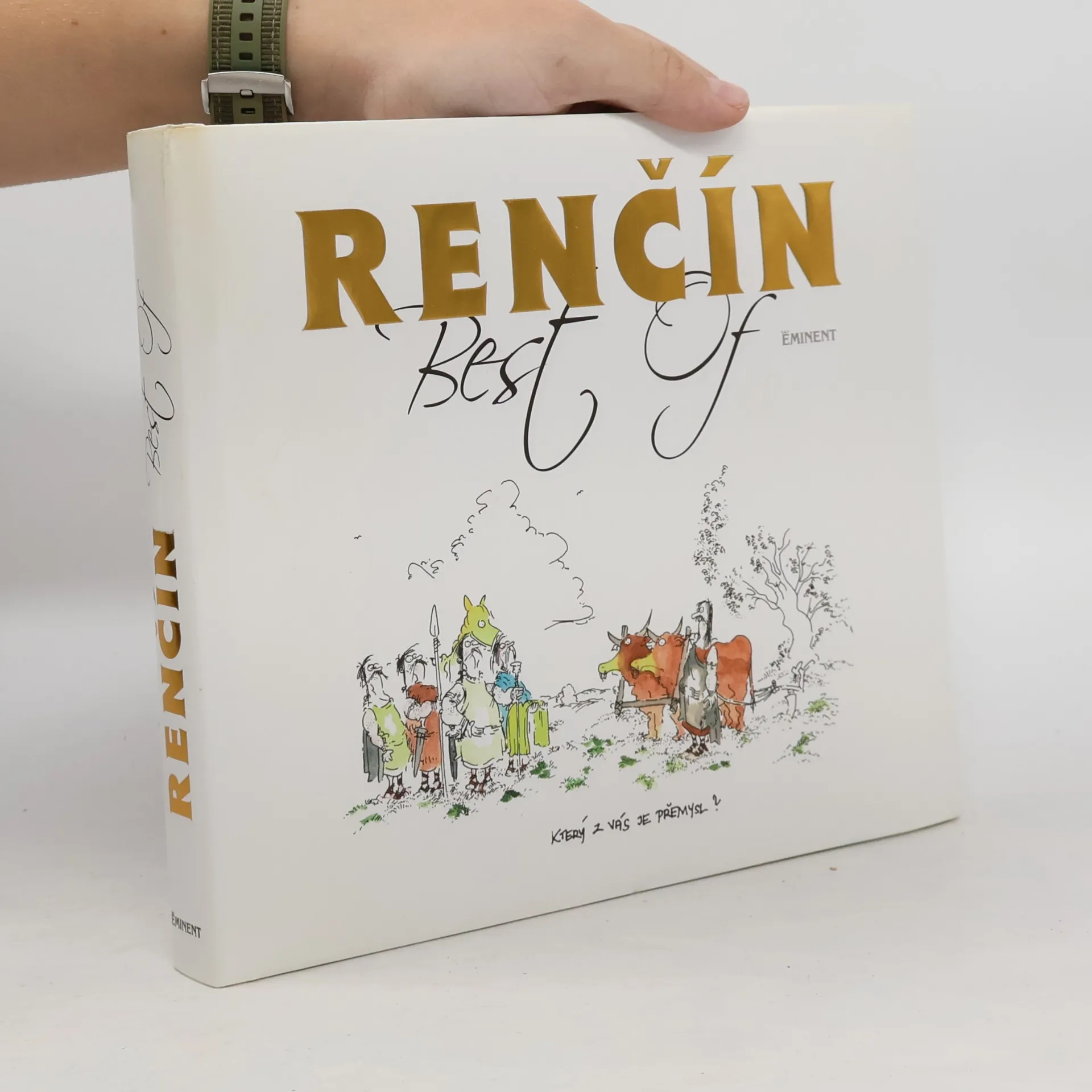
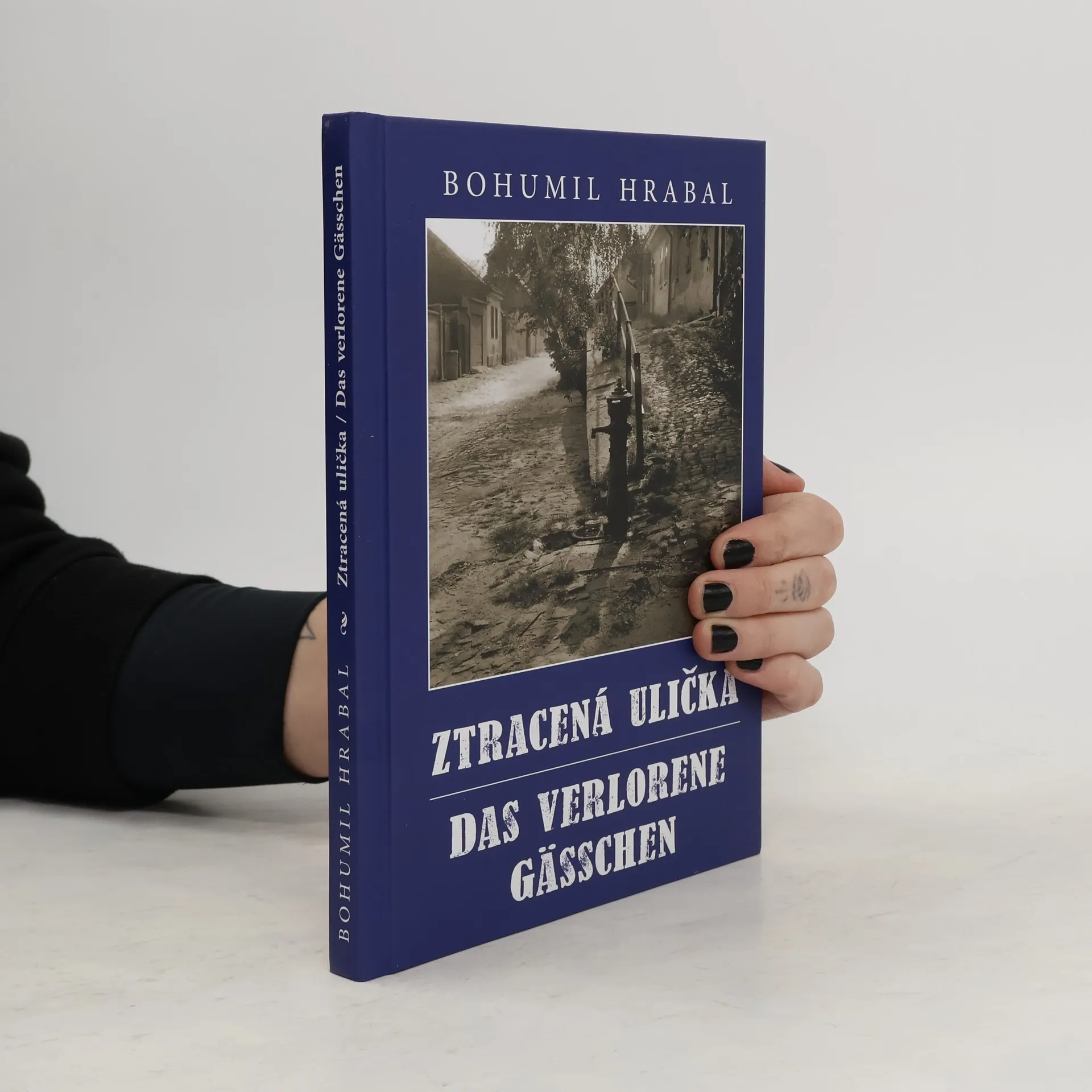
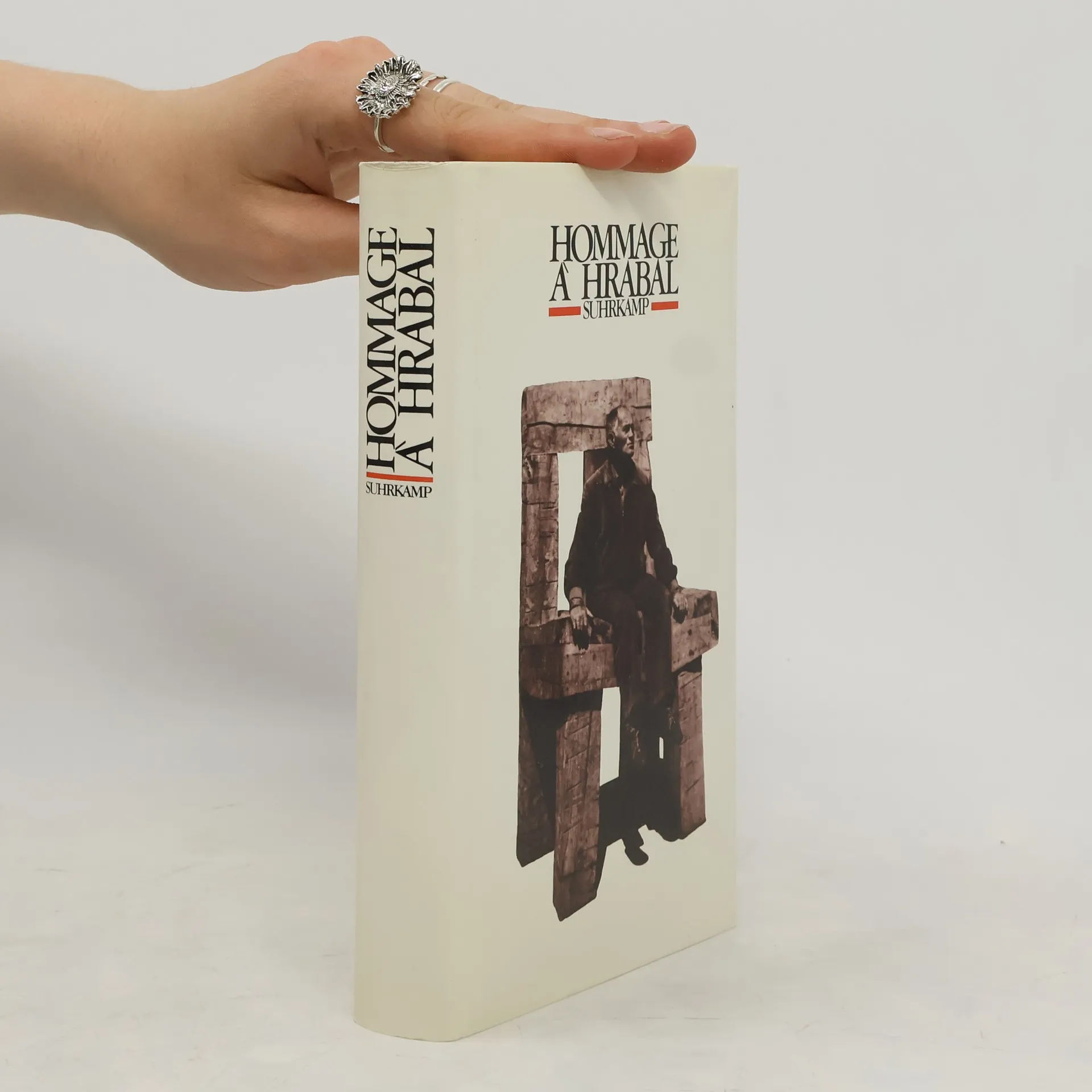
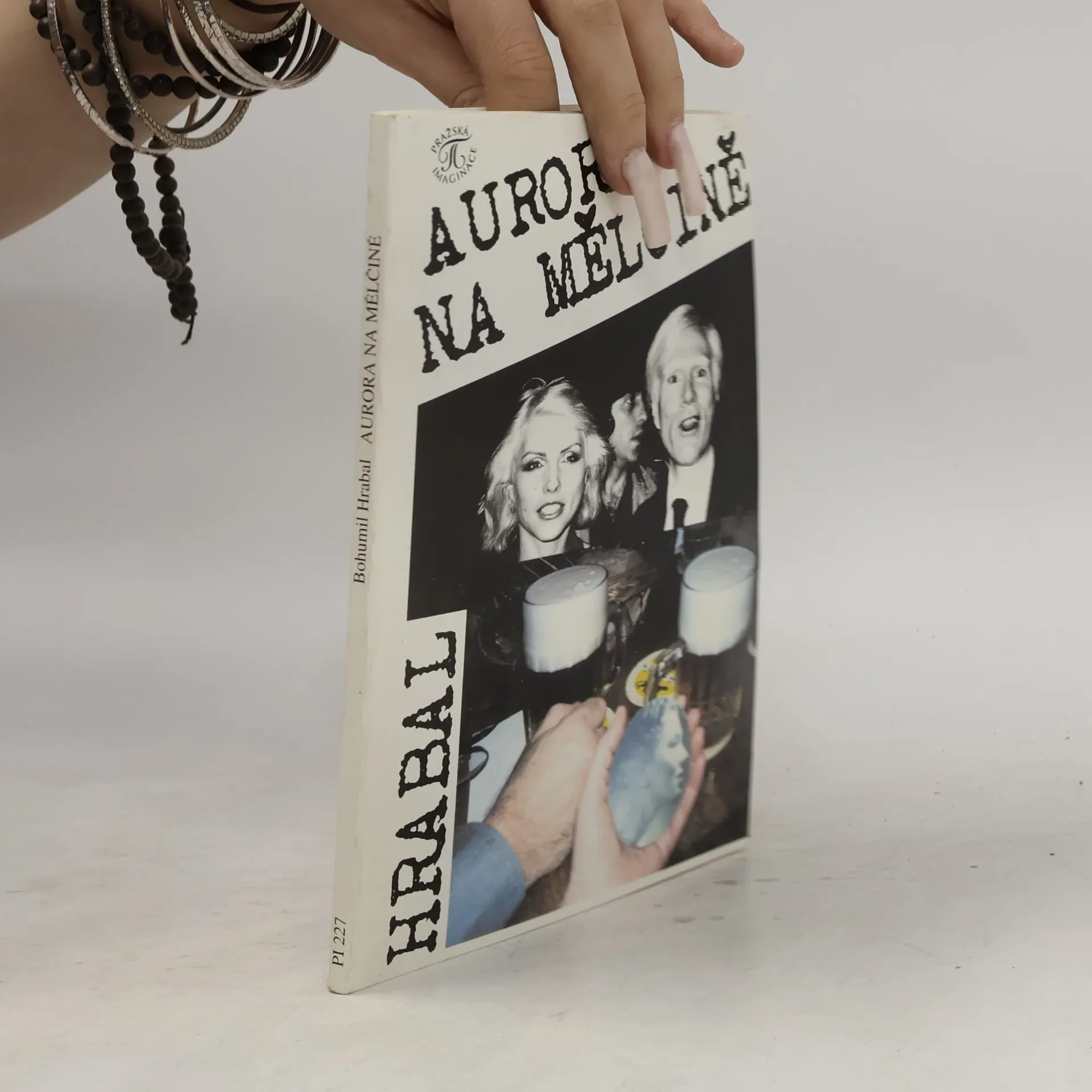
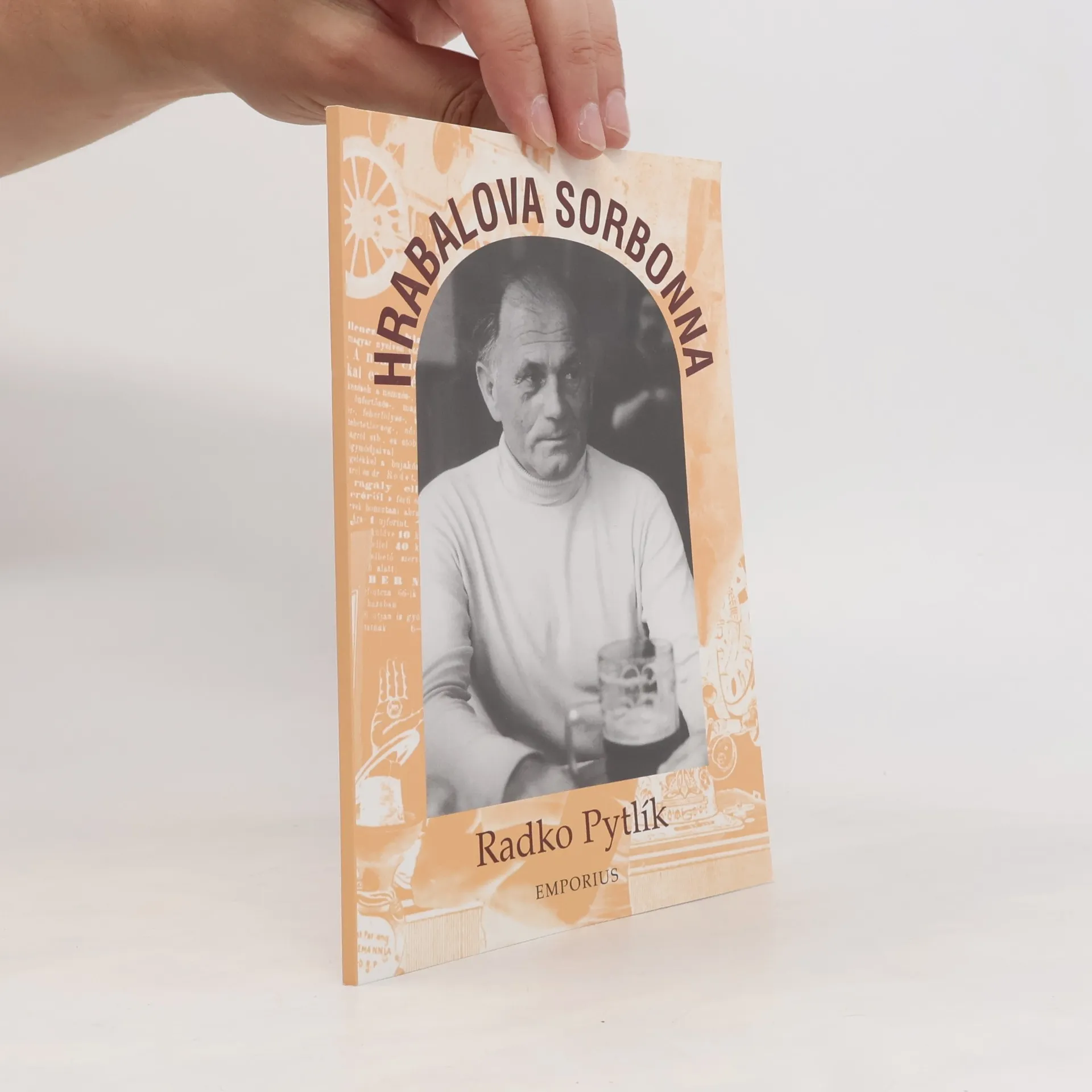
ČB fotografie, úvodní text Bohumil Hrabal, průvodní text anglicky, česky, francouzsky, italsky, německy, španělsky. Výborný stav.


ČB fotografie, úvodní text Bohumil Hrabal, průvodní text anglicky, česky, francouzsky, italsky, německy, španělsky. Výborný stav.
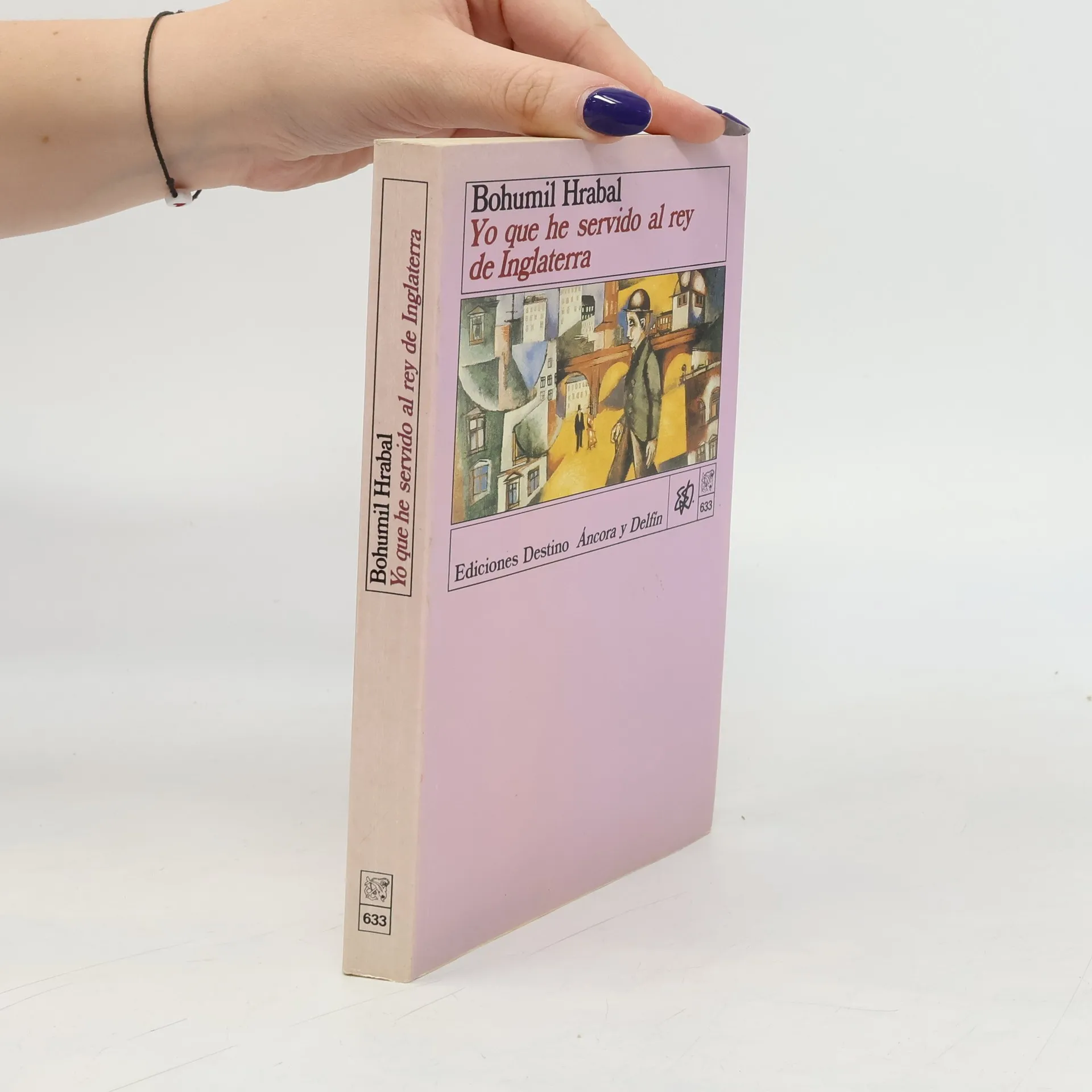
Hrabal nos narra la historia de un joven checo que entra a trabajar como camarero en un prestigioso hotel de la Checoslovaquia republicana, y sigue a modo de hilo autobiográfico las andanzas de este jovenzuelo para abrirse camino hasta hacerse millonario.
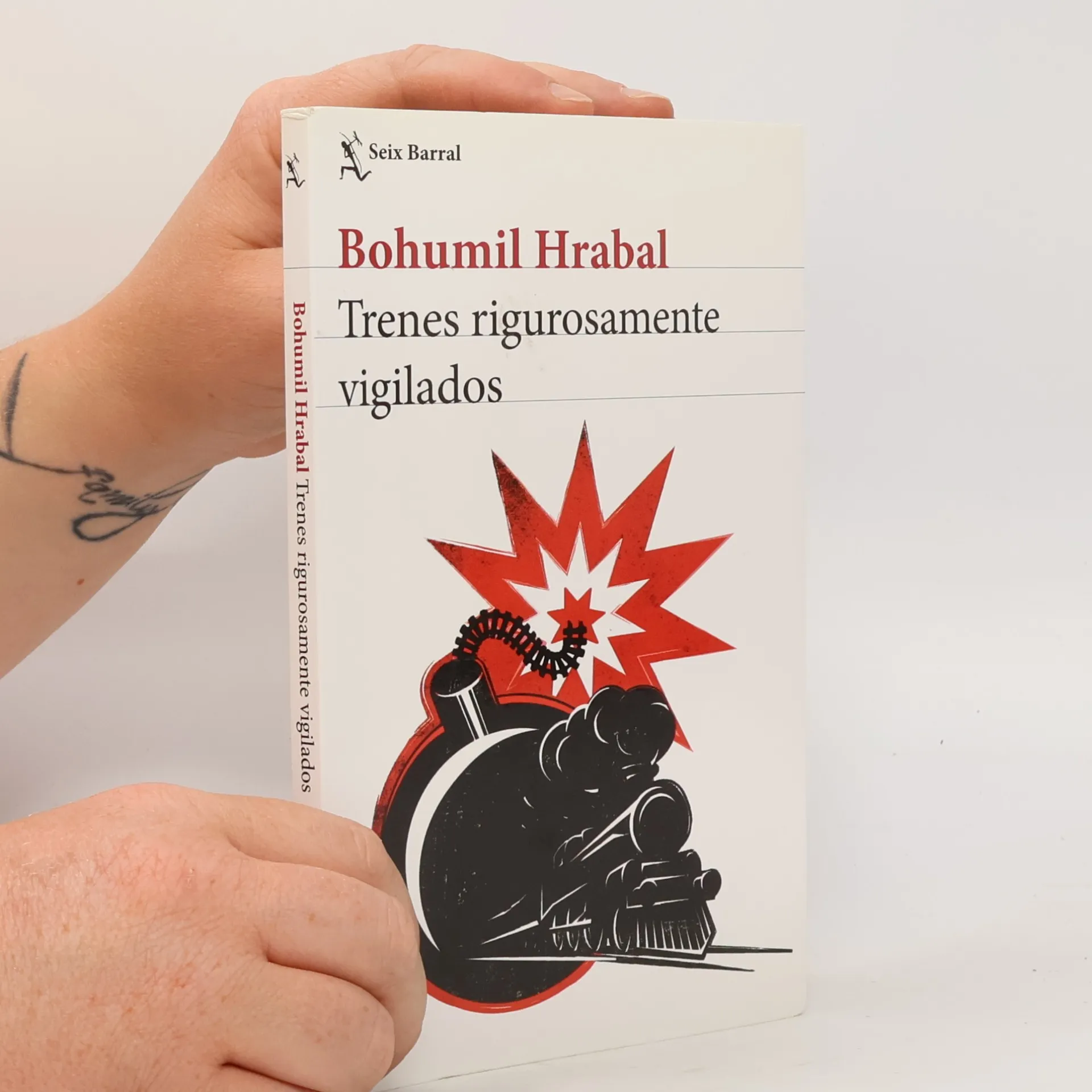
Trenes rigurosamente vigilados, la novela ms conocida de Bohumil Hrabal, es una divertida y entraable historia sobre la resistencia frente al invasor alemn durante la Segunda Guerra Mundial, protagonizada por los empleados de la estacin de tren de un pequeo pueblo checoslovaco. El descubrimiento del amor y del deseo estn presentes en la narracin del despertar al mundo adulto del aprendiz y verdadero hroe de la novela, que sigue los pasos del hedonista factor de la estacin tras la atractiva telegrafista.
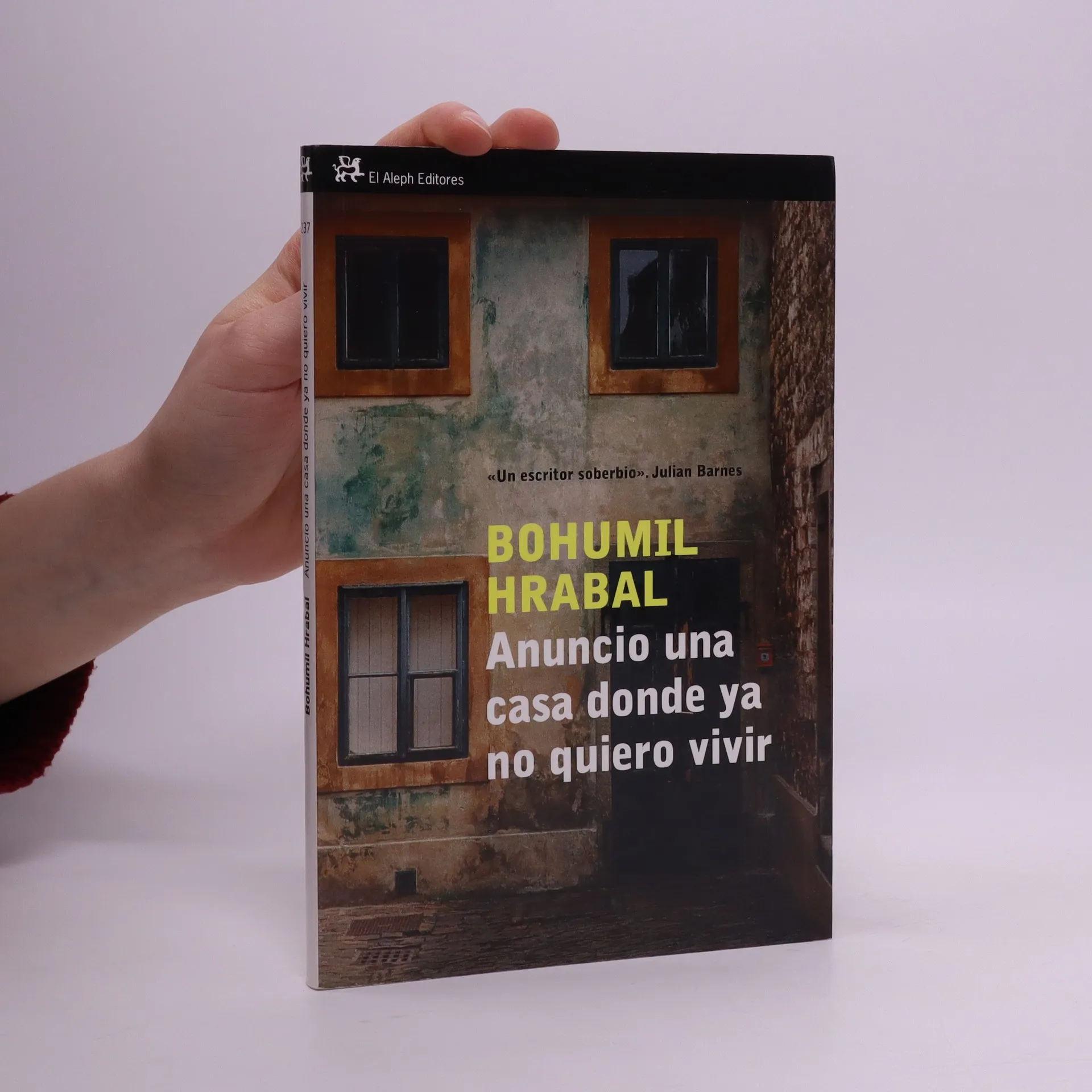
Sobre Anuncio una casa donde ya no quiero vivir, siete relatos publicados en 1965, Bohumil Hrabal dijo: "Esta obra no sólo forma parte de mi evolución personal, sino de la evolución de la sociedad en la que vivo que, como yo, desea vivir en casas donde quepa la ironía, el amor y la esperanza". Una obra en clave de humor sobre el dogmatismo y su sinsentido donde el autor a través de relatos como El tambor roto crea parábolas donde afirma la voluntad de los artistas de escaparse de la censura arbitraria para crear un arte libre, popular e inventivo, como los mismos relatos aquí recogidos.
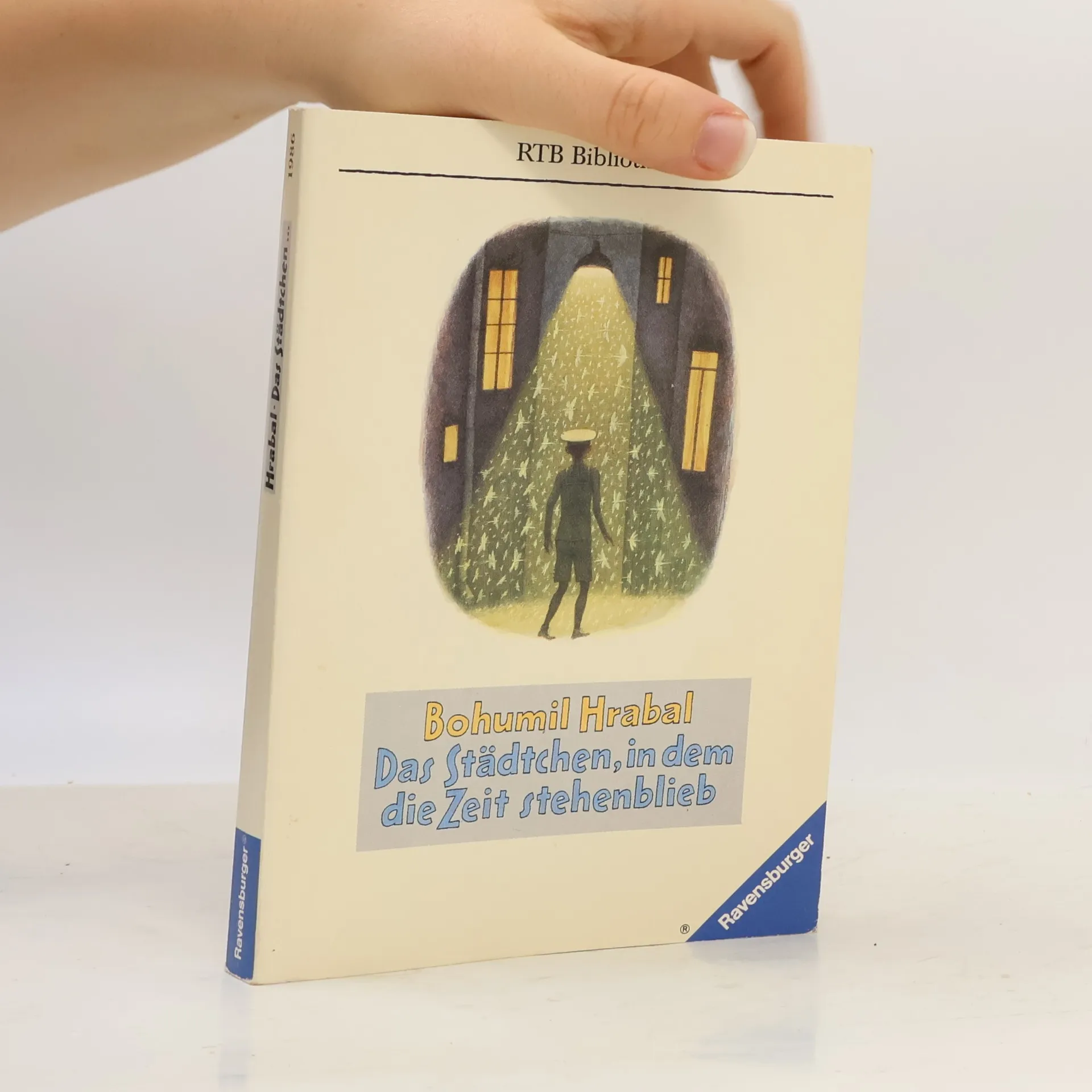
Fotografická publikace Františka Dostála - ukazuje, že každý člověk města je individualitou, lidé se potkávají, míjí, vznikají situace nenadálé, život města Prahy a jeho lidí ve fotografiích... Devět cyklů o Praze, každý předznamenaný fotografií lucerny, obsahuje fotografie jak dávné (např. rok 1968), tak i zcela nové.
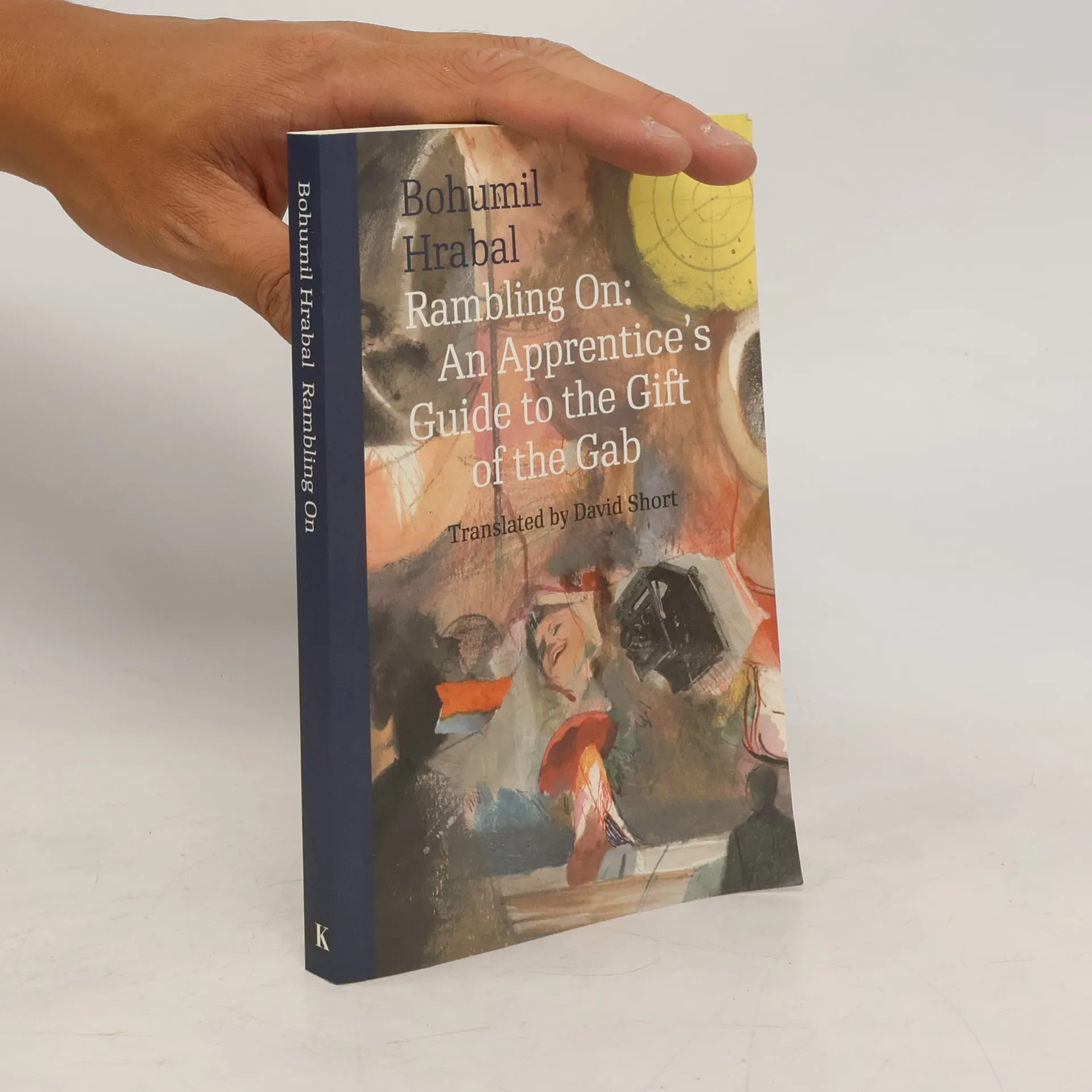
The narrative follows Hrabal as he receives the advance copy of his debut short story collection, marking the beginning of his literary career. It explores his ascent in the Czech literary scene, highlighting his connections with prominent artists and writers, while also showcasing the international acclaim he achieves with works like Closely Watched Trains. The story delves into themes of creativity, recognition, and the cultural landscape of Czechoslovakia during his rise as a writer.
This collection of the earliest prose by one of literature’s greatest stylists captures, as scholar Arnault Maréchal put it, “the moment when Hrabal discovered the magic of writing.” Taken from the period when Bohumil Hrabal shifted his focus from poetry to prose, these stories—many written in school notebooks, typed and read aloud to friends, or published in samizdat—often showcase raw experiments in style that would define his later works. Others intriguingly utilize forms the author would never pursue again. Featuring the first appearance of key figures from Hrabal’s later writings, such as his real-life Uncle Pepin, who would become a character in his later fiction and is credited here as a coauthor of one piece, the book also contains stories that Hrabal would go on to cannibalize for some of his most famous novels. All together, Why I Write? offers readers the chance to explore this liminal phase of Hrabal’s writing. Expertly interpreted by award-winning Hrabal translator David Short, this collection comprises some of the last remaining prose works by Hrabal to be translated into English. A treasure trove for Hrabal devotees, Why I Write? allows us to see clearly why this great prose master was, as described by Czech writer and publisher Josef Škvorecký, “fundamentally a lyrical poet.”
Set against the backdrop of Communist repression in Prague, the memoir offers a personal glimpse into the life of Elis.ka, Bohumil Hrabal's wife, during the tumultuous 1950s to 1970s. Through her eyes, readers experience the struggles and resilience of artists navigating a stifling regime, highlighting the intimate and often challenging dynamics of their relationship amidst societal constraints. The narrative captures both the beauty and the hardship of life during a pivotal era in Czech history.
The Gentle Barbarian is Bohumil Hrabal's homage to Vladim r Boudn k, one of the greatest Czech visual artists of the 1950s and 1960s, whose life came to a tragic end shortly after the Soviet invasion of 1968. Boudnik and Hrabal had a close and often contentious friendship. For a brief period, in the early 1950s, they both worked in the steel works in Kladno and lived in the same building in Prague. Written in the early seventies, Hrabal's anecdotal portrait of Boudnik includes another controversial member of that early group of the Czech avant-garde: the poet Egon Bondy. While Hrabal and Bondy were evolving their aesthetic of "total realism," Boudnik developed his own artistic approach that he called "Explosionalism," in which the boundaries between life and art become blurred, and everyday events take on the appearance and the substance of art. Hrabal's portrait of Boudnik captures the strange atmosphere of a time in which the traditional values and structures of everyday life in Czechoslovakia were being radically dismantled by the Communists. But as The Gentle Barbarian demonstrates, creative spirits are able to reject, ignore, or burrow beneath the superficial "revolutionary" atmosphere of the time, and find humor, inspiration, and a kind of salvation amidst its general intellectual and creative poverty.