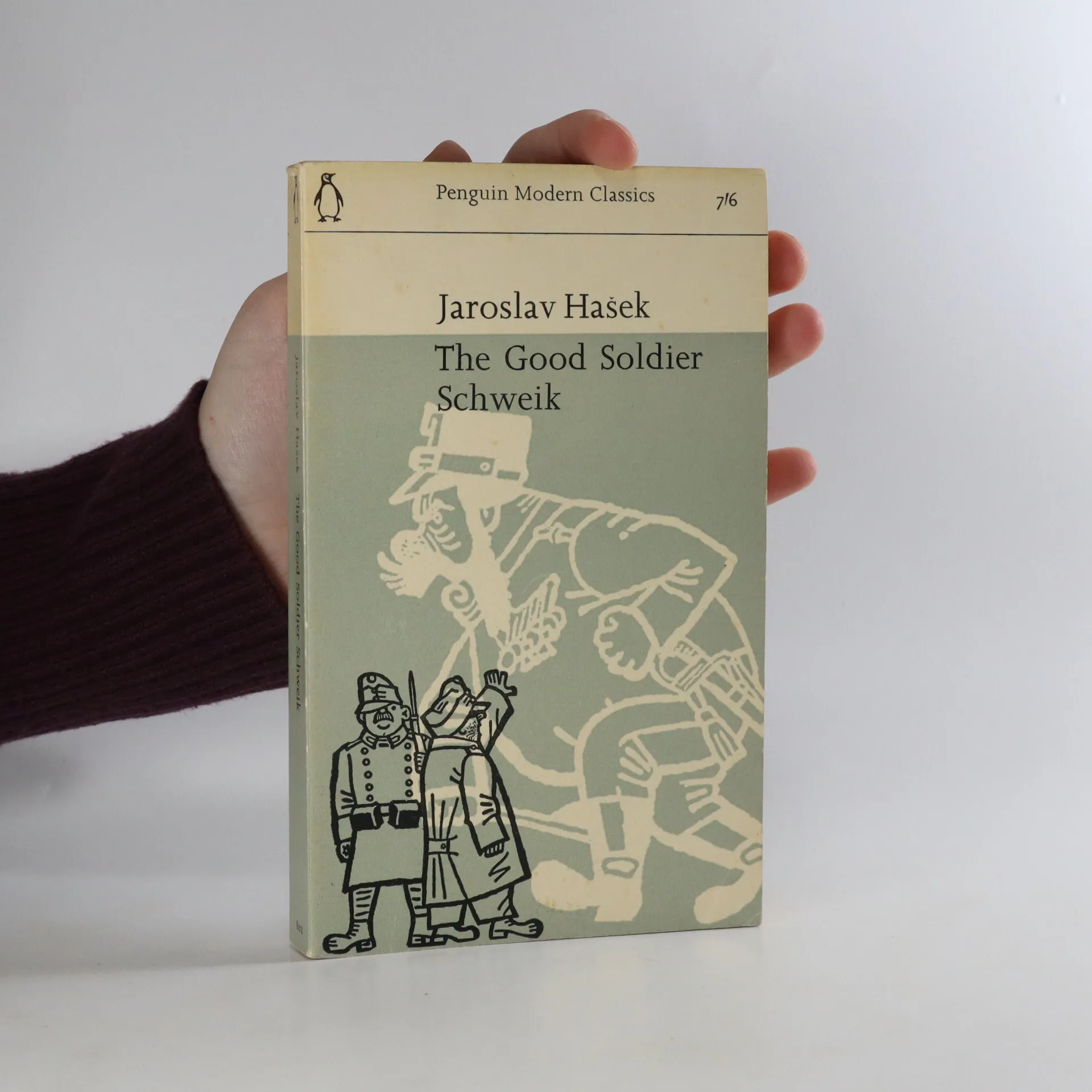
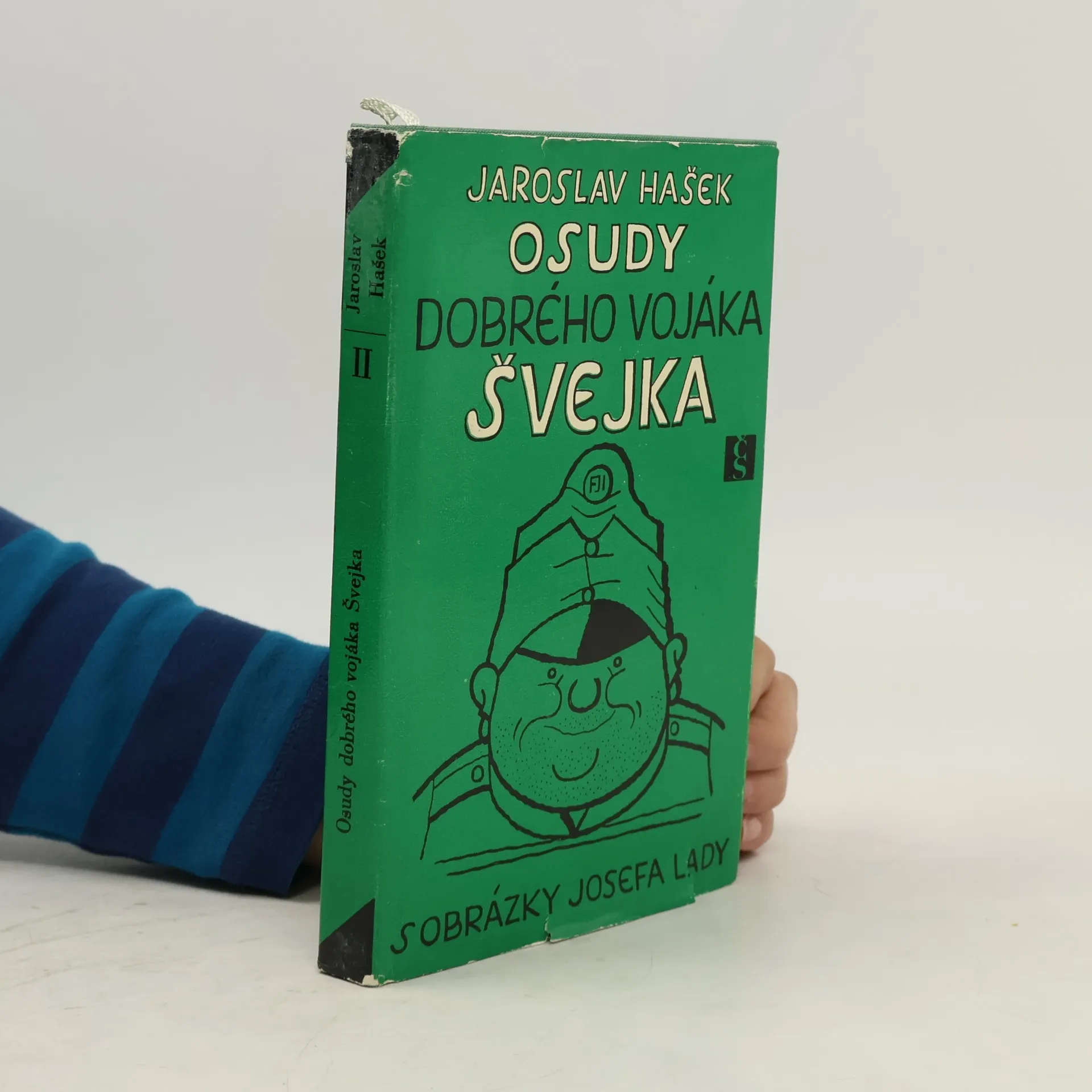
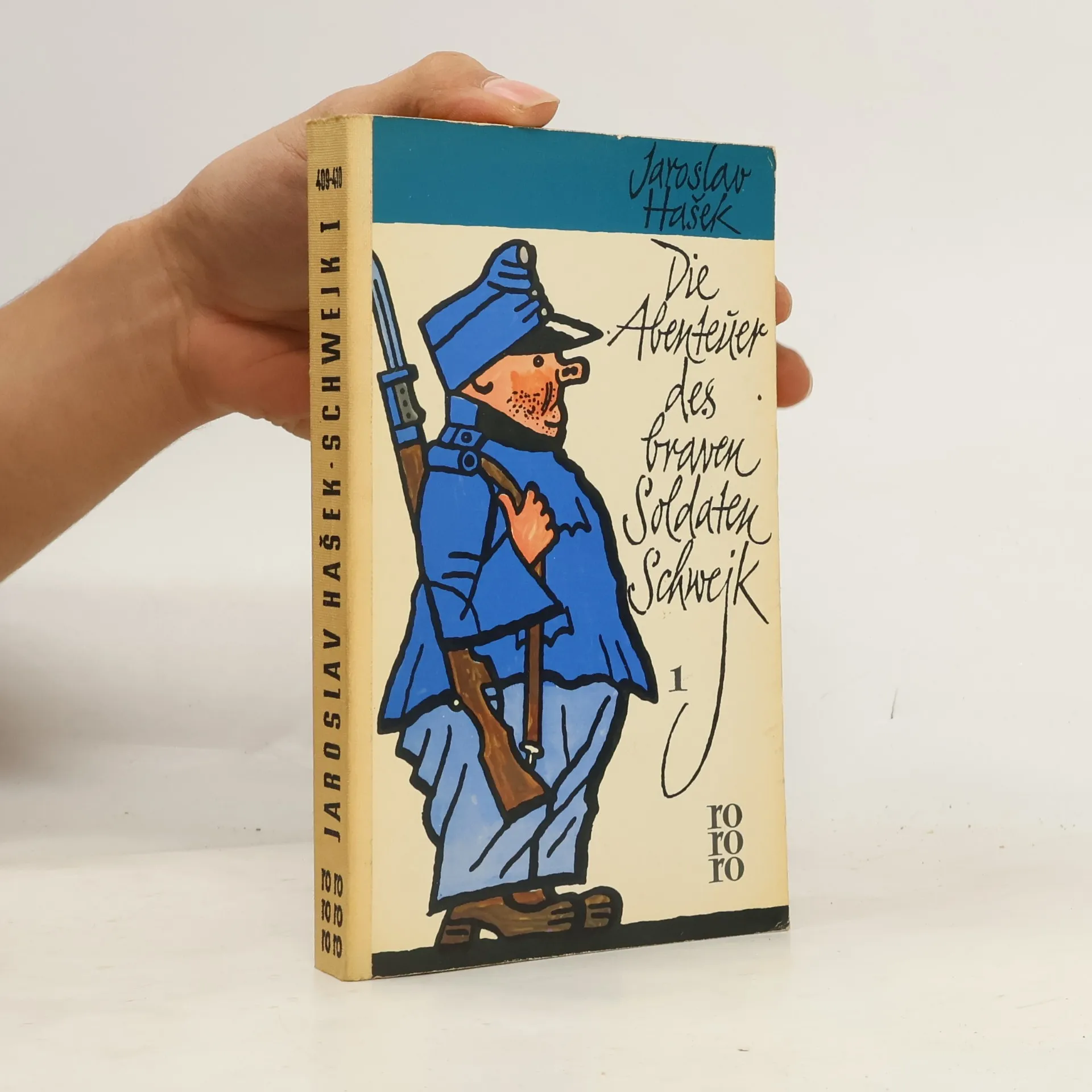
Las aventuras del valeroso soldado Schwejk es, tal vez, la obra de la literatura checa más conocida fuera del país, ya que al poco de ser publicada se tradujo a varios idiomas y fue objeto de adaptaciones teatrales y cinematográficas. Constituye una sátira mordaz y divertida contra lo absurdo de las guerras. Su protagonista, Schwejk, con astuto desamparo y ladina sandez, libra su guerra privada contra la maquinaria militar como un Sancho Panza de la Primera Guerra Mundial, y empleando la estupidez como refinamiento se transforma en un estratega capaz de desarmar a quien sea. En una serie de divertidos episodios y en el trato con sus múltiples y siempre limitados superiores, Schewejk cumple su deber de obediencia de tal manera que todas las órdenes llevan al absurdo y deja en ridículo a las autoridades reconocidas.
Jaroslav Hašek Libros
Jaroslav Hašek fue un humorista, satírico y escritor checo, célebre por su novela inacabada, 'Las desventuras del buen soldado Švejk'. Esta obra, una colección de incidentes farsescos sobre un soldado en la Primera Guerra Mundial, sirve como una aguda sátira sobre la ineptitud de las figuras de autoridad. Más allá de esta novela icónica, Hašek fue un prolífico escritor de cuentos cortos, periodista, una figura bohemia y un conocido bromista, cuyo estilo poco convencional y mordaz comentario social continúan resonando en los lectores.


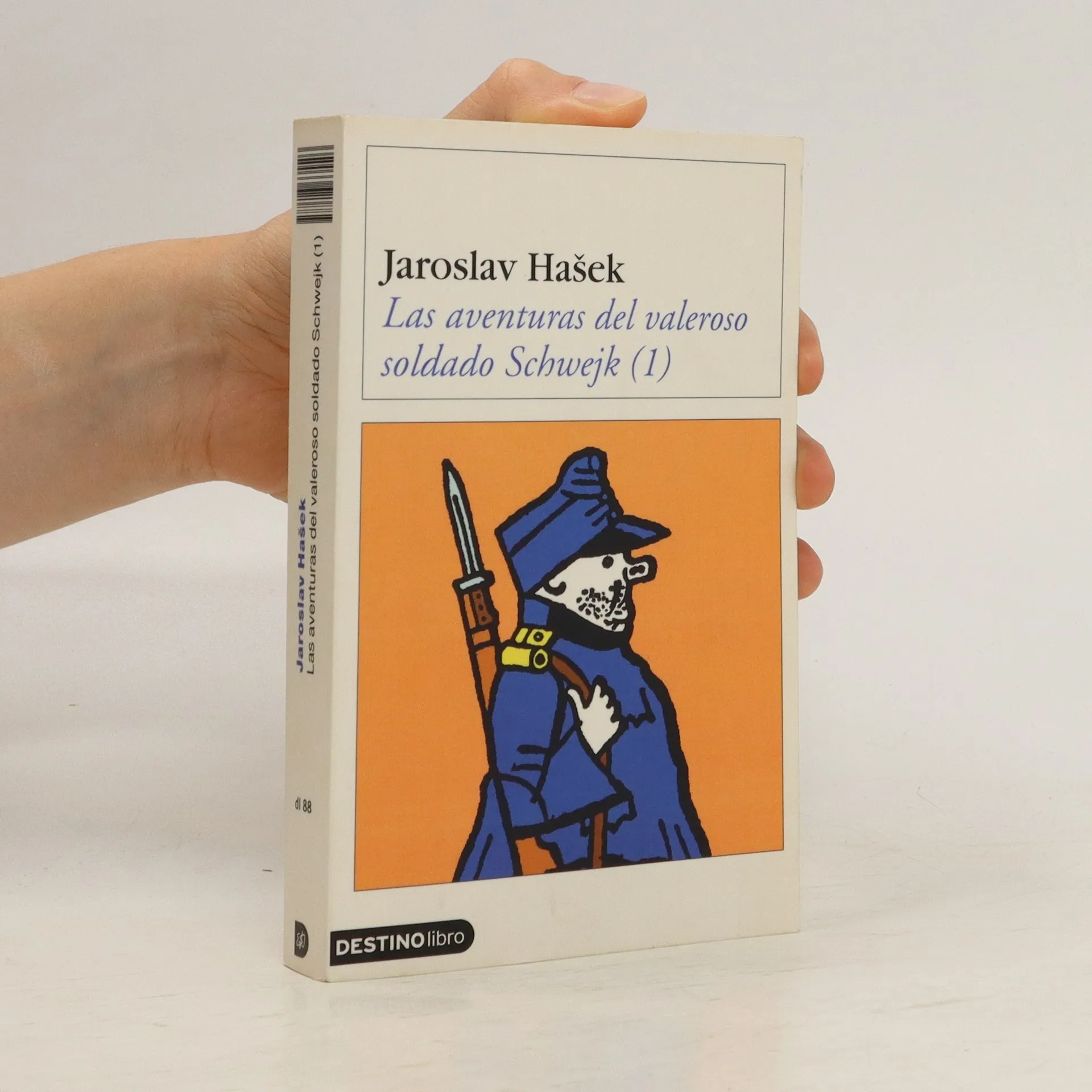


Lad Aventuras del Valeroso Soldado 2
- 326 páginas
- 12 horas de lectura
Las aventuras del valeroso soldado Schwejk es, tal vez, la obra de la literatura checa más conocida fuera del país, ya que al poco de ser publicada se tradujo a varios idiomas y fue objeto de adaptaciones teatrales y cinematográficas. Constituye una sátira mordaz y divertida contra lo absurdo de las guerras. Su protagonista, Schwejk, con astuto desamparo y ladina sandez, libra su guerra privada contra la maquinaria militar como un Sancho Panza de la Primera Guerra Mundial, y empleando la estupidez como refinamiento se transforma en un estratega capaz de desarmar a quien sea. En una serie de divertidos episodios y en el trato con sus múltiples y siempre limitados superiores, Schewejk cumple su deber de obediencia de tal manera que todas las órdenes llevan al absurdo y deja en ridículo a las autoridades reconocidas.
Las aventuras del valeroso soldado Schwejk es, tal vez, la obra de la literatura checa más conocida fuera del país, ya que al poco de ser publicada se tradujo a varios idiomas y fue objeto de adaptaciones teatrales y cinematográficas. Constituye una sátira mordaz y divertida contra lo absurdo de las guerras. Su protagonista, Schwejk, con astuto desamparo y ladina sandez, libra su guerra privada contra la maquinaria militar como un Sancho Panza de la Primera Guerra Mundial, y empleando la estupidez como refinamiento se transforma en un estratega capaz de desarmar a quien sea.
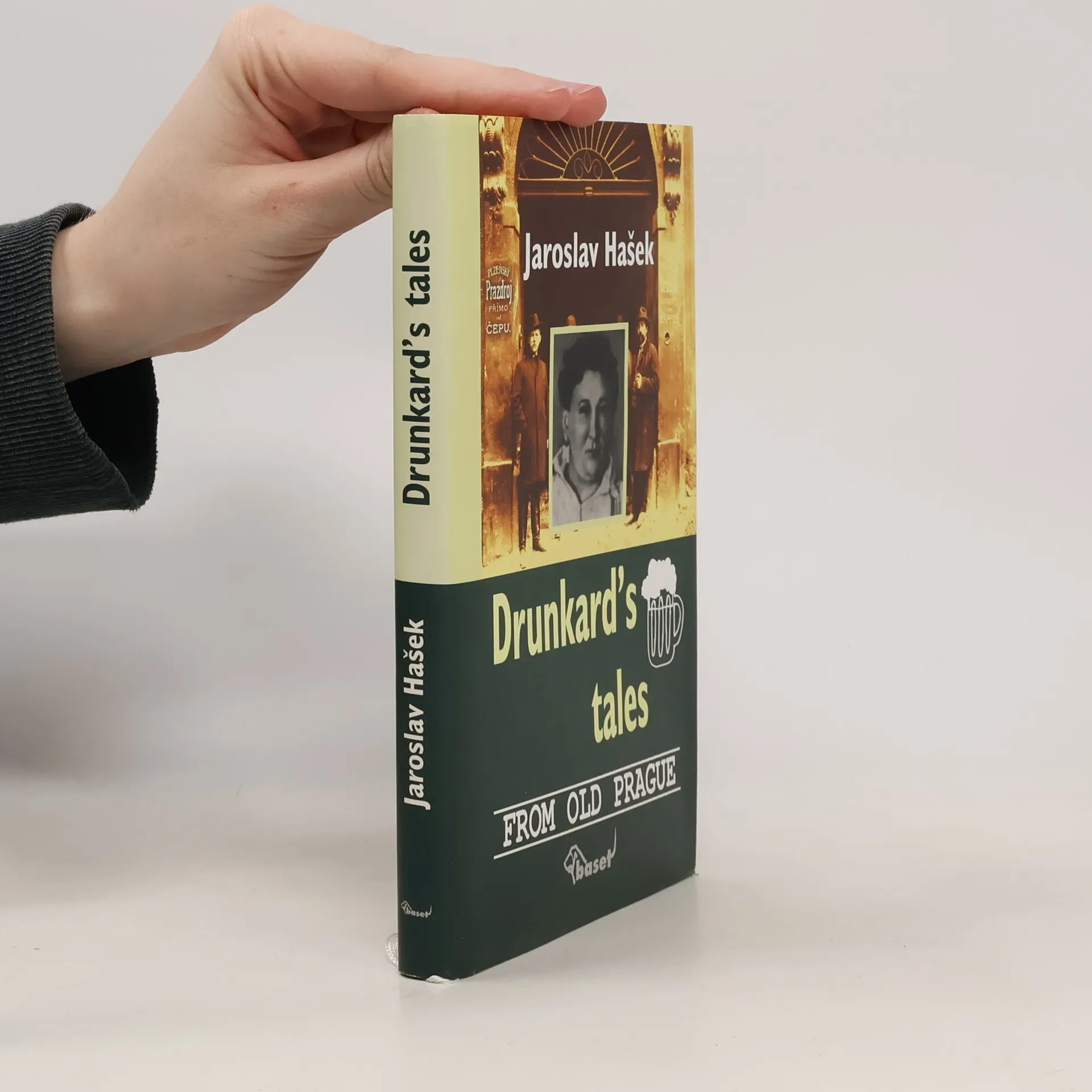
Drunkard's tales from old Prague
- 130 páginas
- 5 horas de lectura
"Here in Bohemia neither the YMCA, nor the Salvation Army can achieve much with their obsession that the Prohibition is the best gift to humanity. However, alcoholism in this country is a historical fact, supported by a number of privileges given by our kings who granted rights to towns to brew beer and their subjects to drink it."
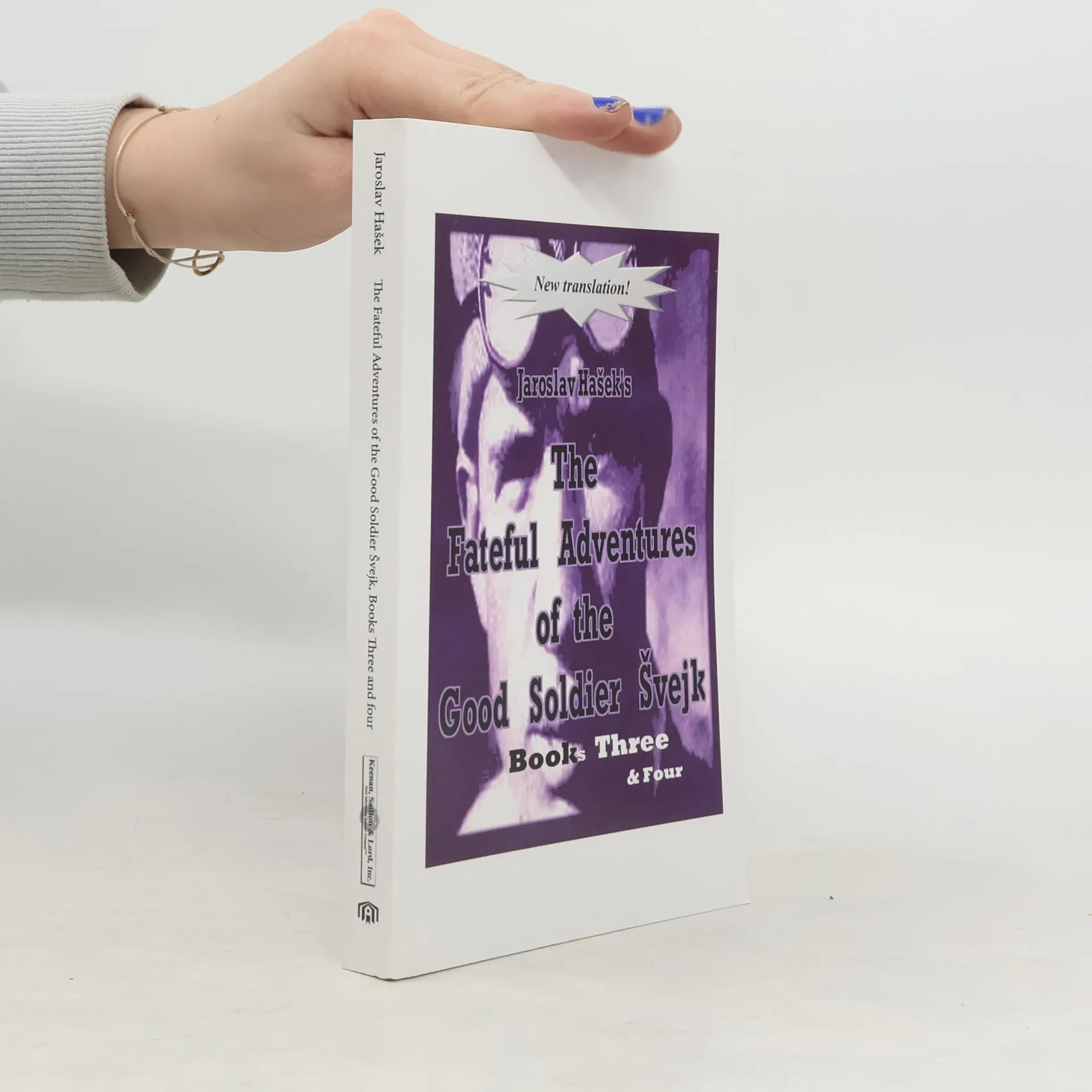
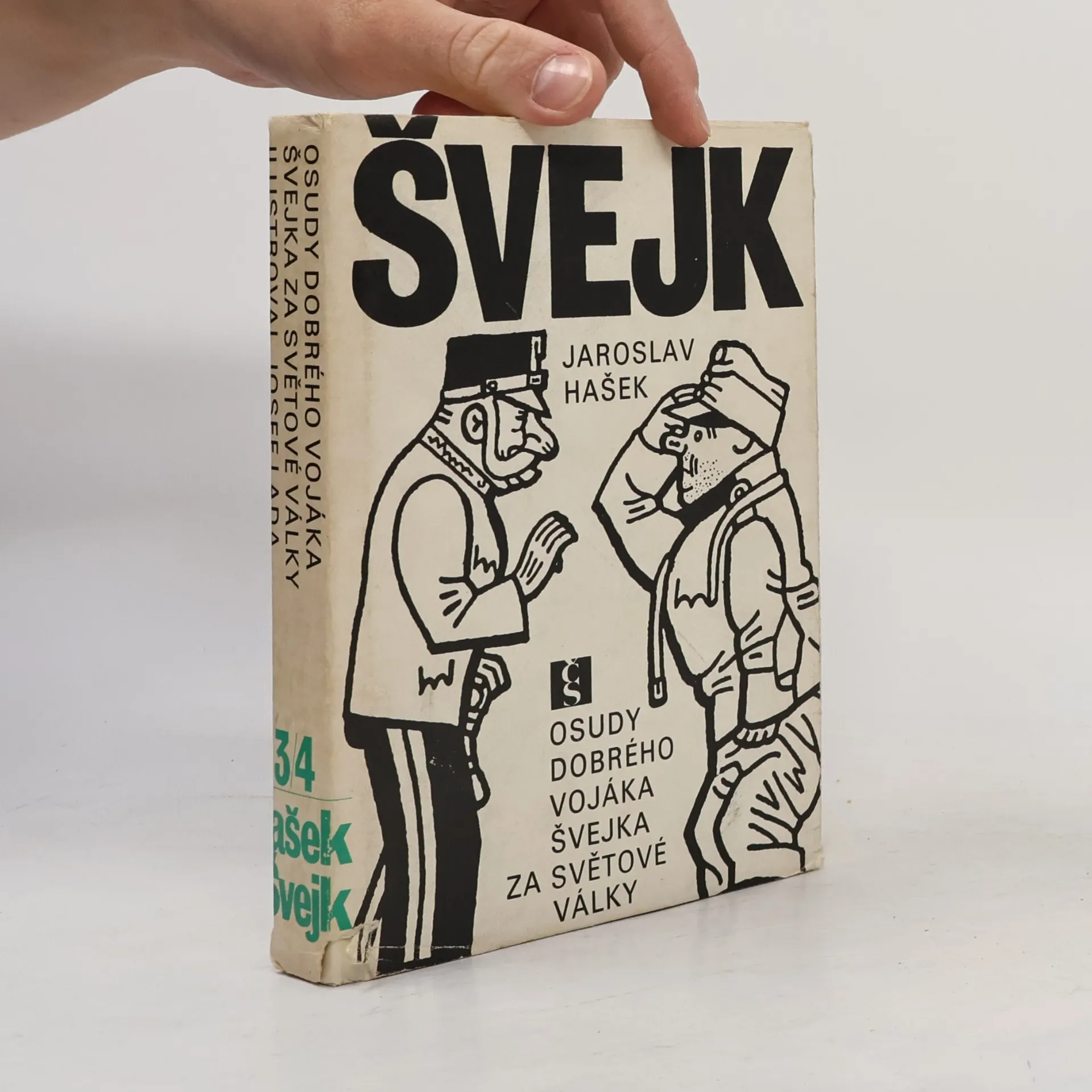
The Fateful Adventures of the Good Soldier Vejk During the World War, Book(s) Three & Four
- 296 páginas
- 11 horas de lectura
The final volume of Jaroslav Hašek's series encompasses Book Three and the incomplete Book Four, reflecting the author's struggles with health as he navigated the chaos of World War I. Although intended to consist of six books, this installment captures the essence of the protagonist's satirical and absurd adventures, showcasing Hašek's unique humor and poignant commentary on war. Despite its unfinished nature, the work is seen as a fitting conclusion to the narrative that established Hašek's literary legacy.
The Red Commissar
- 283 páginas
- 10 horas de lectura
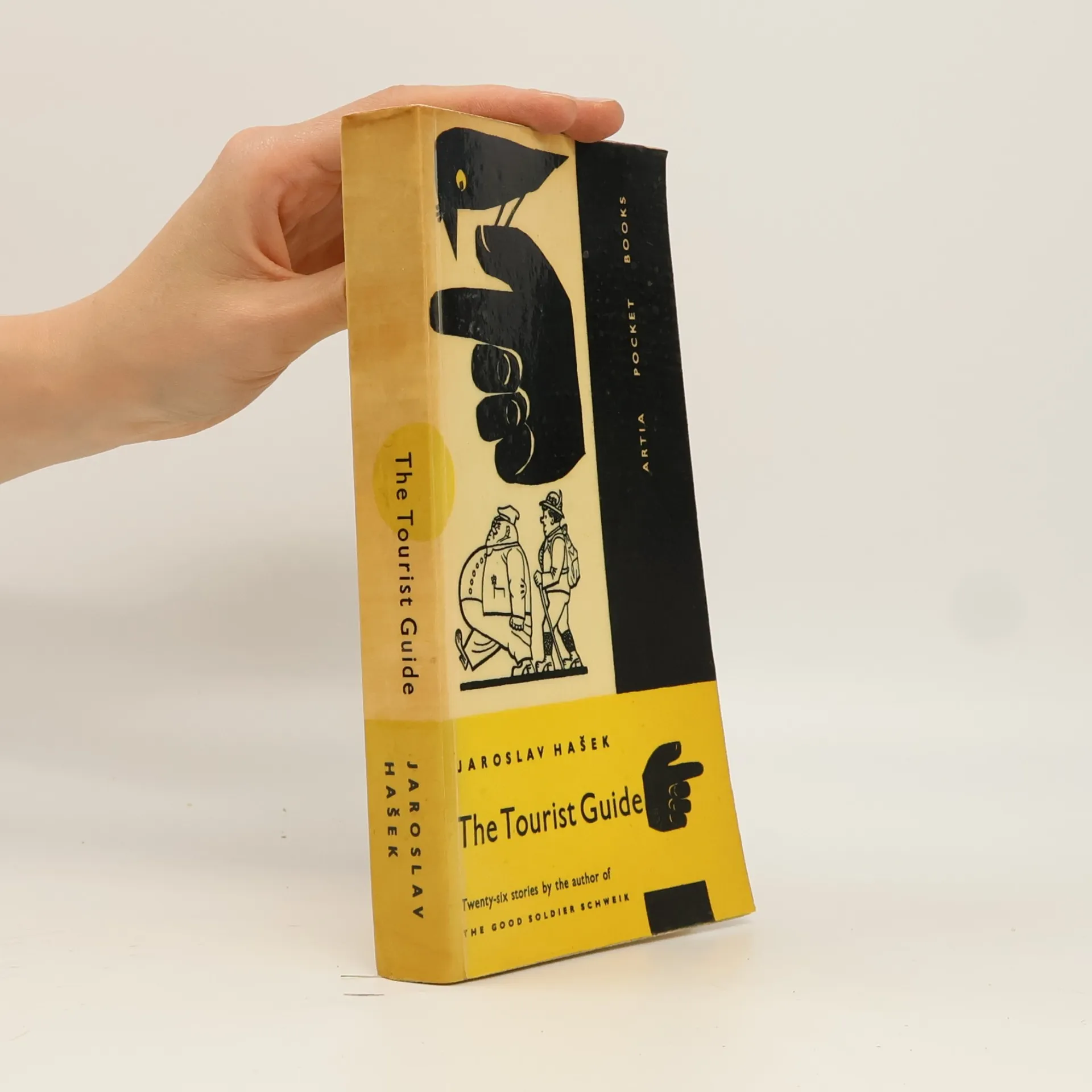
Jaroslav Hasek is best known for his satirical masterpiece "The Good Soldier Svejk." That has been described as 'Perhaps the funniest novel ever written.' Although his life was short and chaotic, Hasek did however write more as this volume tellingly reveals. In his preface, Cecil Parrott, translator and biographer of Hasek, crisply defines its purpose.. 'All the world has heard of Svejk, but few are familiar with the countless other characters Hasek created in his stories and sketches, which together with his feuilletons and articles are though to number some twelve hundred. The best of these deserve to be made available to the Western public and are included in this volume.' The range is wide. There is a selection from his Bugulma stories (Hasek as Bolshevik and Red Commissar), some early Svejk stories, reminiscences of Hasek's apprenticeship days, and the hilariously funny speeches made by Hasek when promoting his political 'Party of Moderate Progress within the bounds of the Law'.
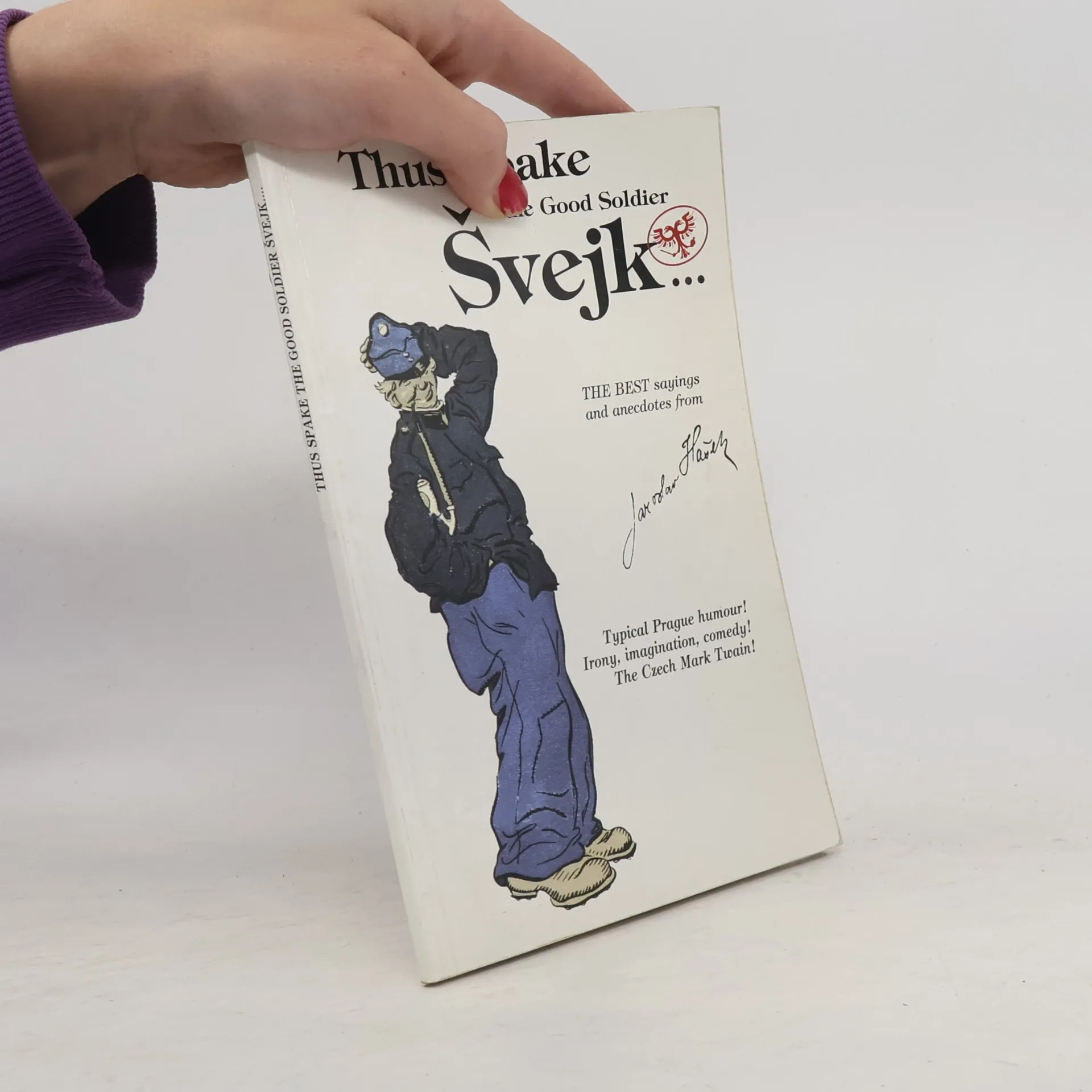
Thus spake the good soldier Švejk- : the best sayings from Hašek's Švejk
- 72 páginas
- 3 horas de lectura
Behind the Lines
- 129 páginas
- 5 horas de lectura
The collection of short stories entitled Behind the Lines: Bulguma and Other Stories draws on Hašek’s experience from revolutionary Russia. In a manner similar to that employed in his caricatures of the pre-war monarchy, he satirically captures events of the Bolshevik revolution from the perspective of a Red commissar in a combination of grotesque humor and sarcasm. Historical events serve merely as part of the historical mystification. Hašek presents them as he perceived them as a man and participant in historical events. He depicts them primarily as simple and human, pushing his critical view into the background. On the border of a comic exaggeration and a realistic depiction, an amusing story about a forgotten Tartar town of Bugulma unfolds featuring the Soviet commander of the Tver Revolutionary Regiment, drunk Yerokhimov, and Comrade Gašek, the Commanding Officer of Bugulma. Employing humor and exaggeration, Hašek demonstrates the zealotry of the revolutionary period as well as the stupidity and simple human insecurity of authoritarians. The collection of short stories, Behind the Lines, also includes other sketches by Hašek, written at the same time.
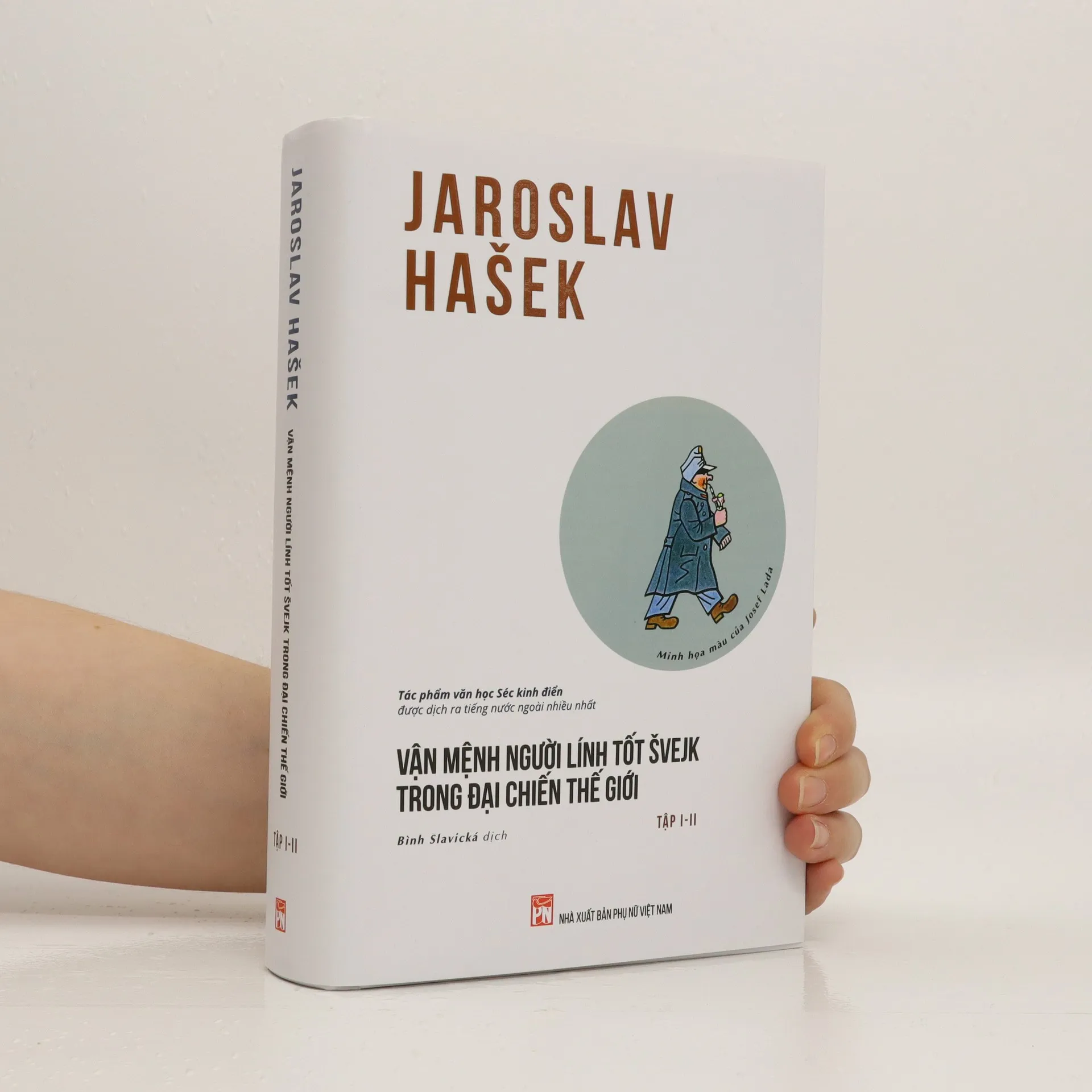
Svejk, nhân vật chính của một trong những tiểu thuyết châm biếm sắc sảo nhất từng được viết, là một người lính với khát khao mãnh liệt để bảo vệ hoàng đế của mình "đến hơi thở cuối cùng". Tuy nhiên, cuốn tiểu thuyết chủ yếu là một biên niên sử đầy châm biếm về những gì đã xảy ra trong Chiến tranh Thế giới thứ nhất ở hậu trường, nơi mà nhiều bánh răng nhỏ bé vận hành một cỗ máy chiến đấu khổng lồ, chứ không phải là một bài ca về lòng dũng cảm. Dường như tác giả của cuốn tiểu thuyết đã nhắm đến việc chỉ trích tổ chức hành chính của thời đại, châm biếm không chỉ những viên sĩ quan tầm thường hay các giáo sĩ, mà thậm chí cả hoàng đế. Mặc dù hành trình phiêu lưu của người lính dũng cảm vẫn chưa hoàn tất (tác phẩm ban đầu dự kiến có sáu tập, nhưng tác giả chỉ hoàn thành bốn tập đã được xuất bản, sau đó chia thành hai phần), các nhà phê bình coi tác phẩm này là một trong những tác phẩm quan trọng nhất của thế kỷ XX.
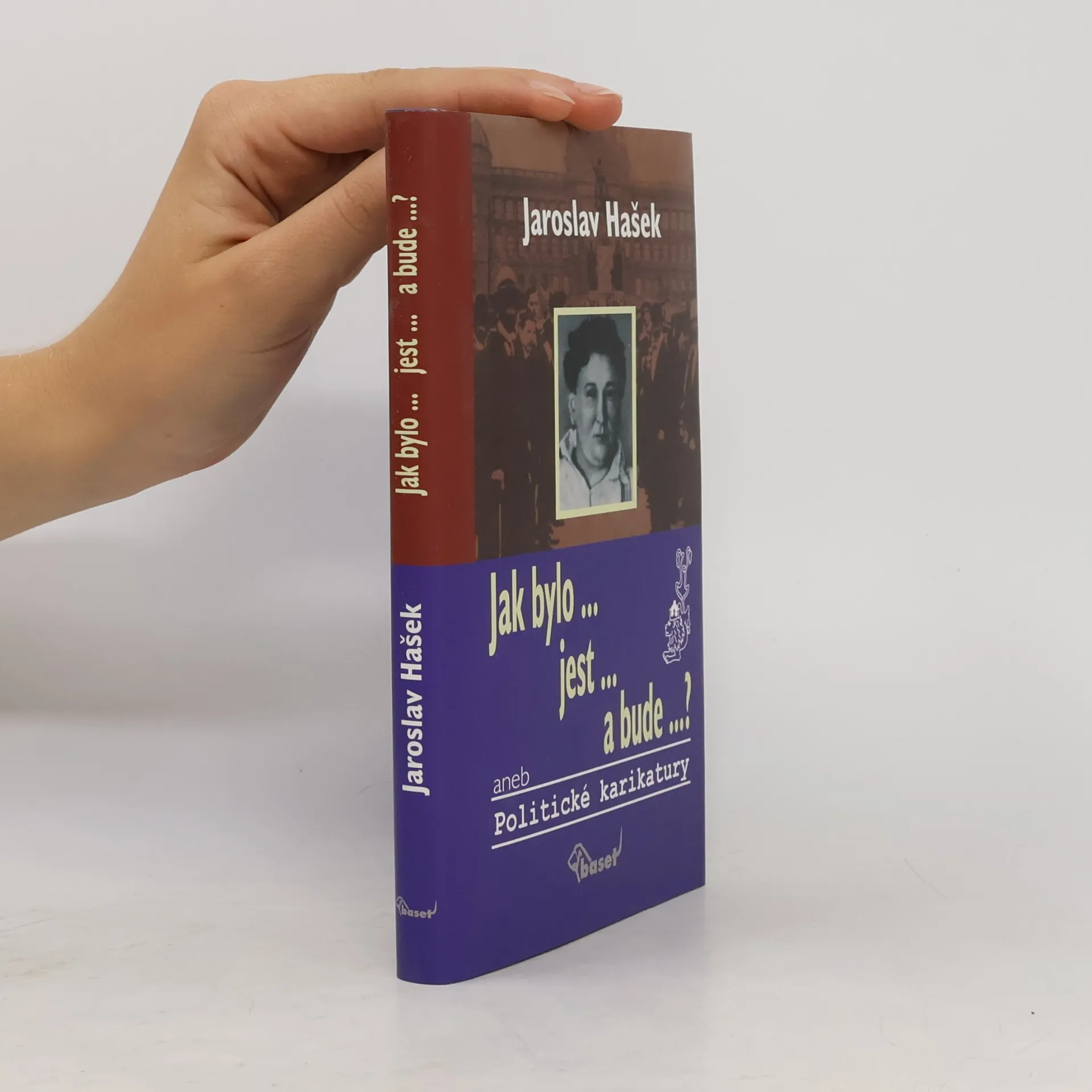
Z Dějin strany mírného pokroku v mezích zákona
- 162 páginas
- 6 horas de lectura
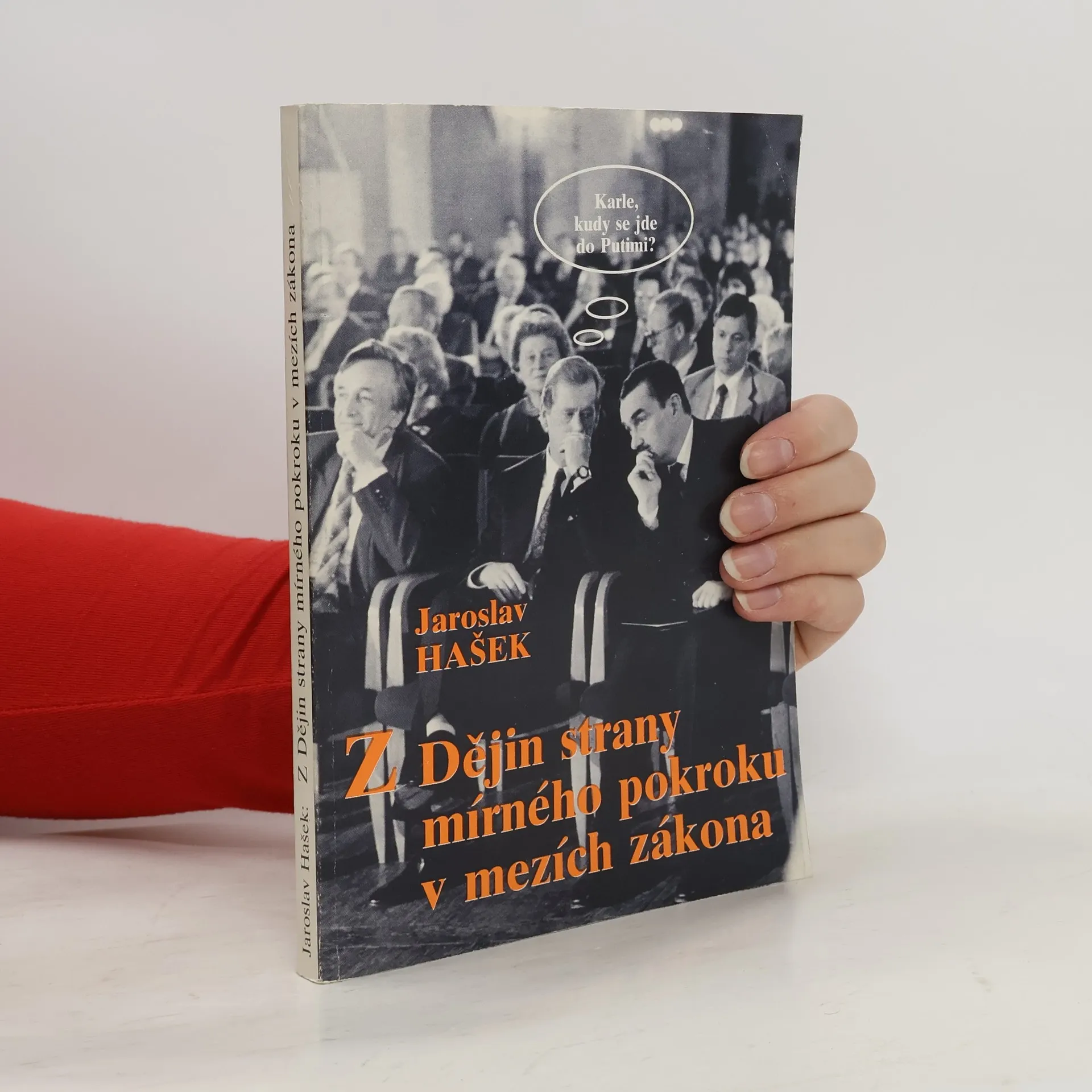
Haškův text je doplněn komentovanými fotografiemi z české politické scény 90. let 20. století.
Světově proslulý román klasika českého humoru je satirou na nespravedlivou válku, do níž byly vehnány národy zkorumpované rakousko-uherské monarchie. 3.vydání. 1. díl: V zázemí 2. díl: Na Frontě
Výbor povídek, především méně známých, hlavně z časopisů a novin za jeho dvacetiletou tvorbu.
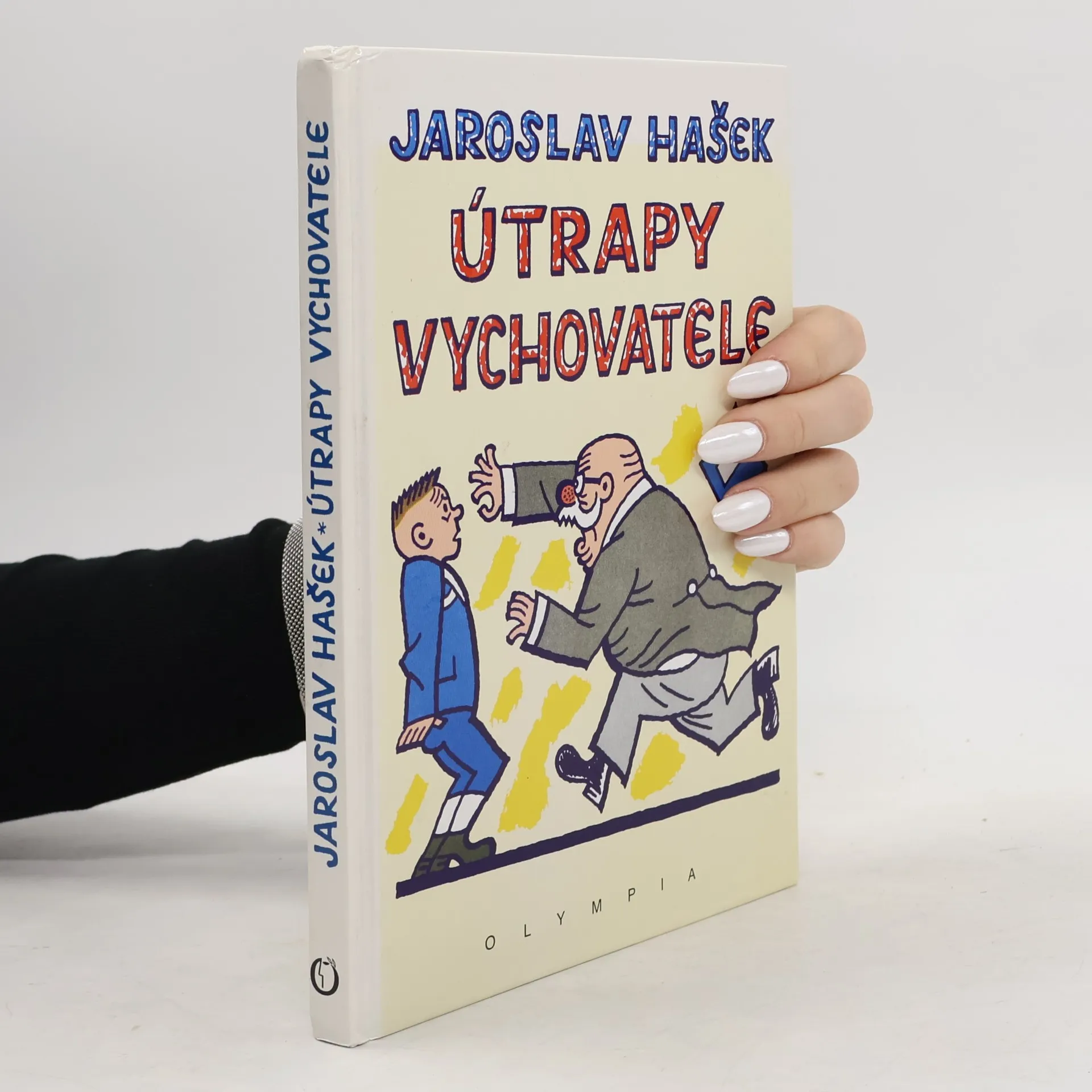
Dobrý voják Švejk je jedna z nejznámějších a nejoblíbenějších postav nejen české, ale i světové literatury. Svědčí o tom spolu s četnými vydáními doma a v zahraničí také skutečnost, že se z díla stala v pravém slova smyslu klasika, která se neustále čte a cituje. Možná bychom mohli mluvit i o součásti naší národní povahy, ať už v dobrém nebo pejorativním smyslu. Švejk, hostinský Palivec, polní kurát Katz, nadporučík Lukáš, sapér Vodička, Baloun a další postavičky nadále žijí svým životem. 22-066-80
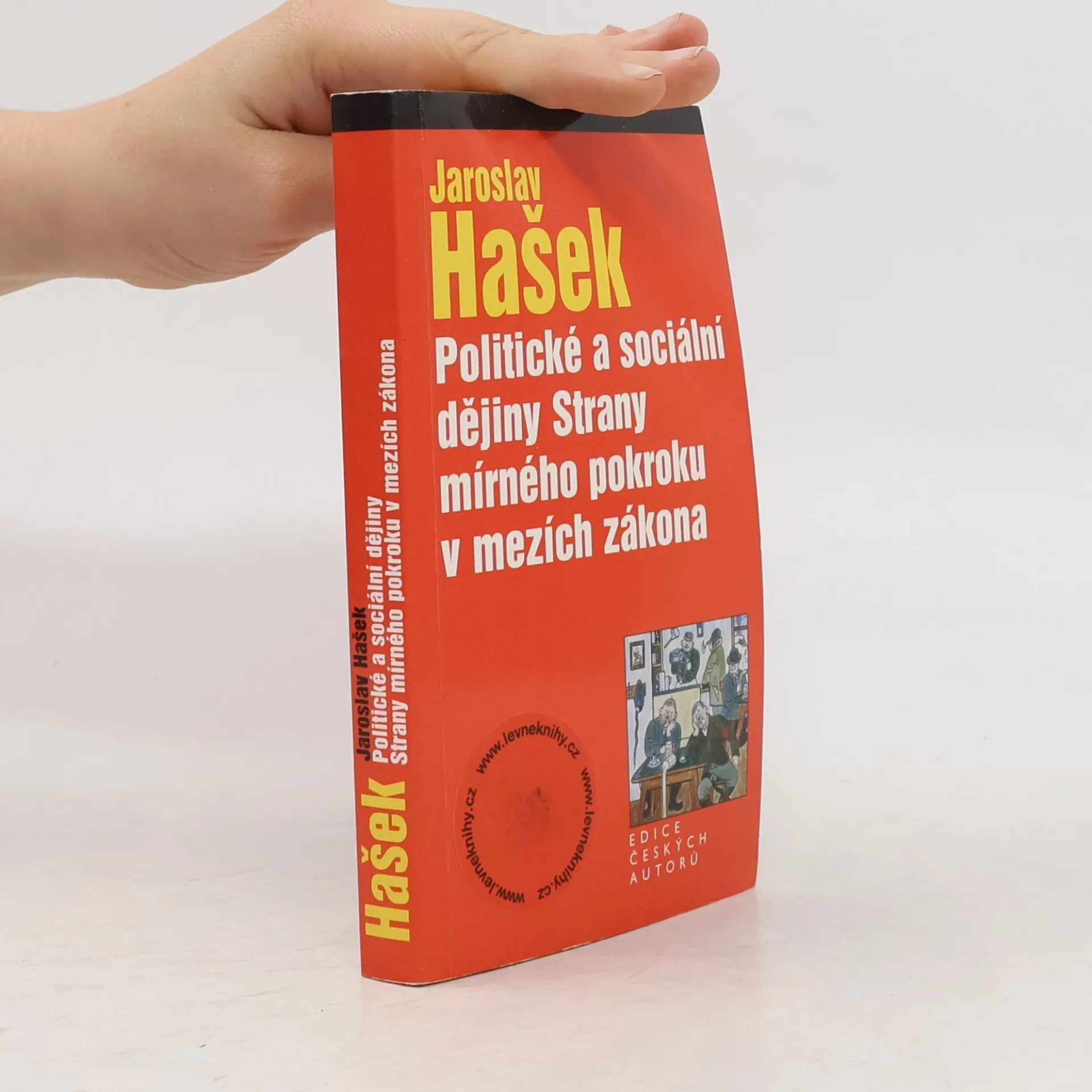
Politické a sociální dějiny Strany mírného pokroku v mezích zákona, prodchnuté duchem lehkovážné improvizace, jsou satirickým odsouzením doby jejími vlastními prostředky.
Výběr rovné stovky z humoristických povídek Jaroslava Haška.
Prvních patnáct kapitol o osudech dobrého vojáka Švejka. První kapitola - Zasáhnutí dobrého vojáka Švejka do světové války...15. kapitola - Katastrofa.
Vydáno k 100. výročí narození Jaroslava Haška. Díl první: V zázemí (1921) – Díl druhý: Na frontě (1922). Dobrý voják Švejk je jedna z nejznámějších a nejoblíbenějších postav nejen české, ale i světové literatury. Svědčí o tom spolu s četnými vydáními doma a v zahraničí také skutečnost, že se z díla stala v pravém slova smyslu klasika, která se neustále čte a cituje. Možná bychom mohli mluvit i o součásti naší národní povahy, ať už v dobrém nebo pejorativním smyslu. Švejk, hostinský Palivec, polní kurát Katz, nadporučík Lukáš, sapér Vodička, Baloun a další postavičky nadále žijí svým životem.
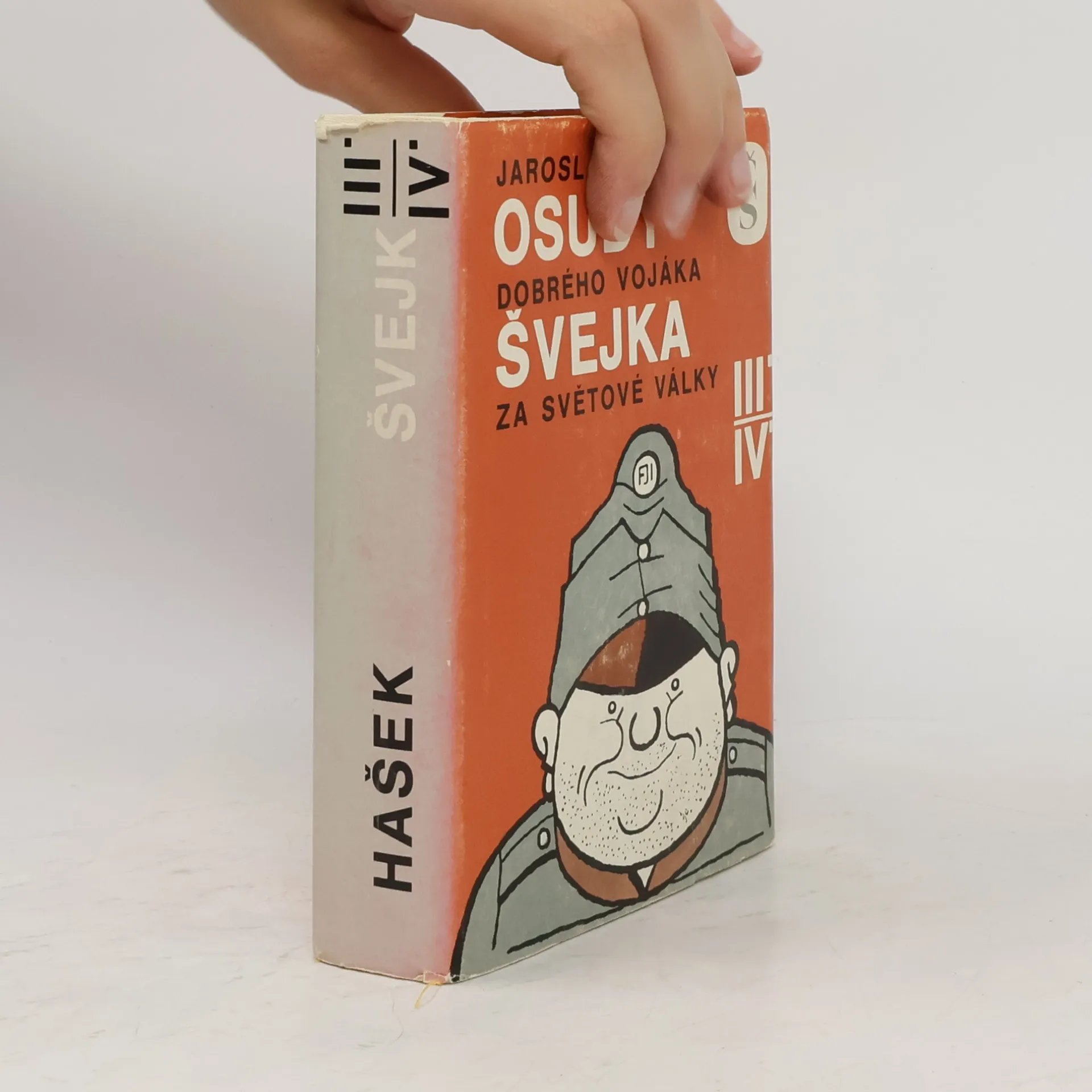
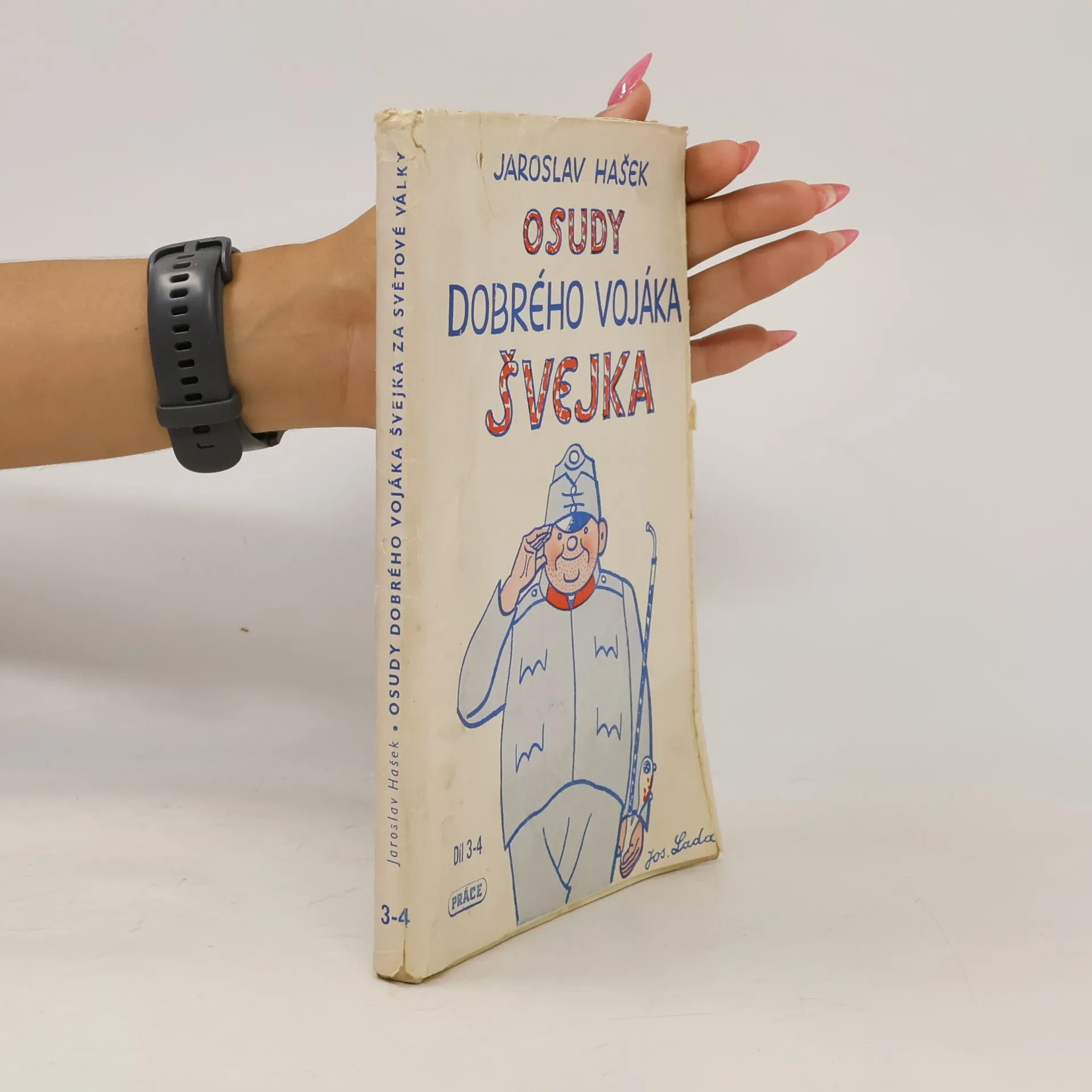
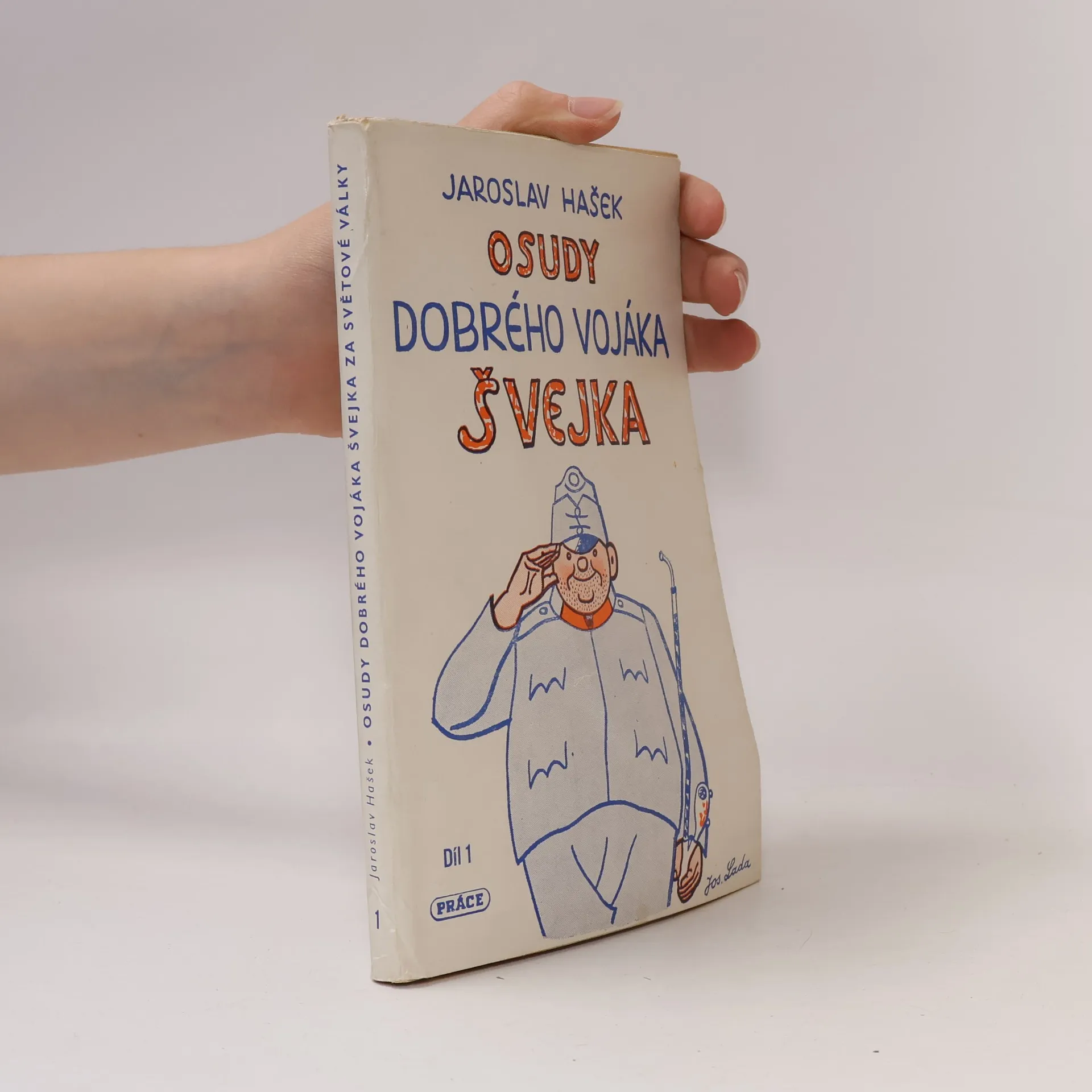
Osudy dobrého vojáka Švejka za světové války. 1.-4. díl
- 512 páginas
- 18 horas de lectura
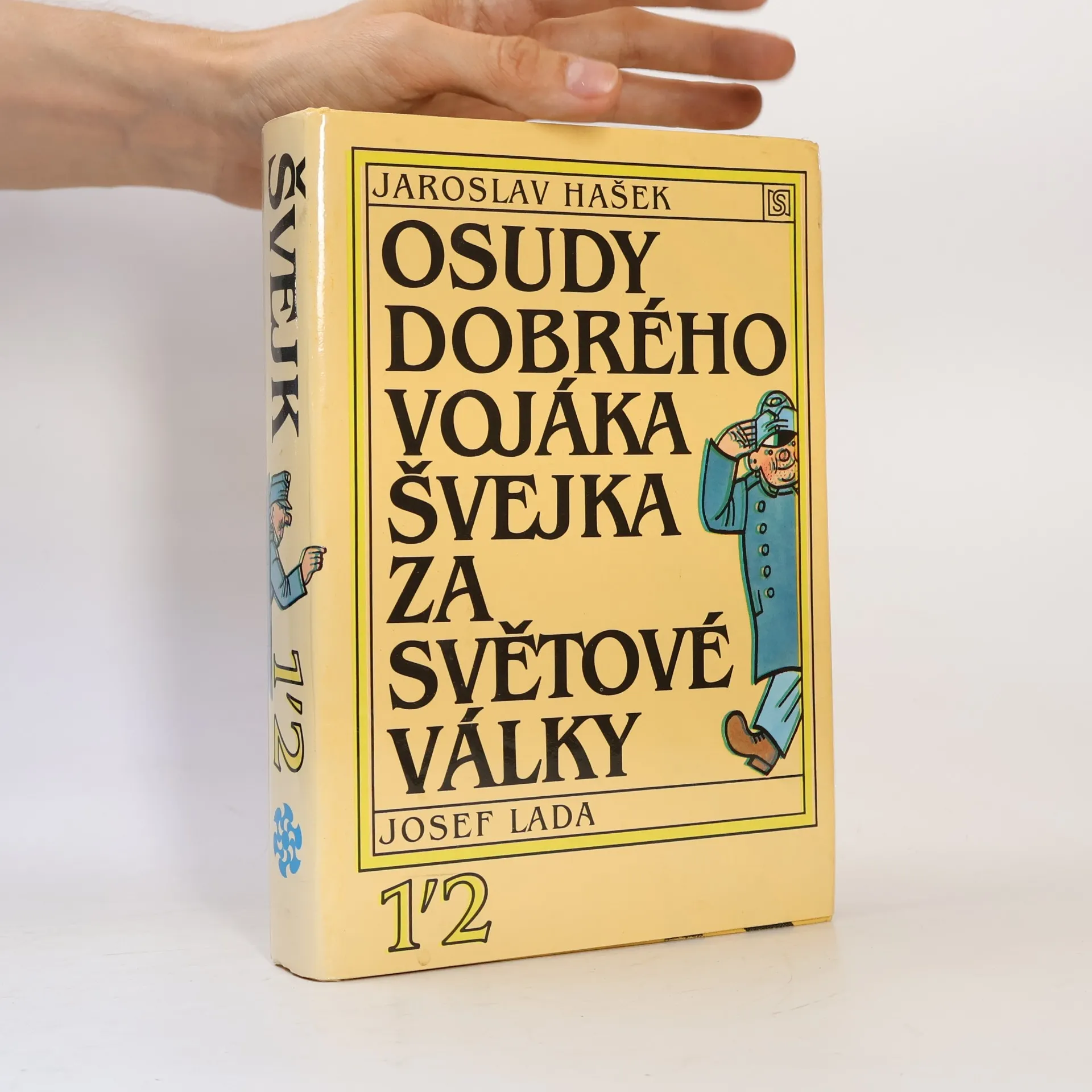
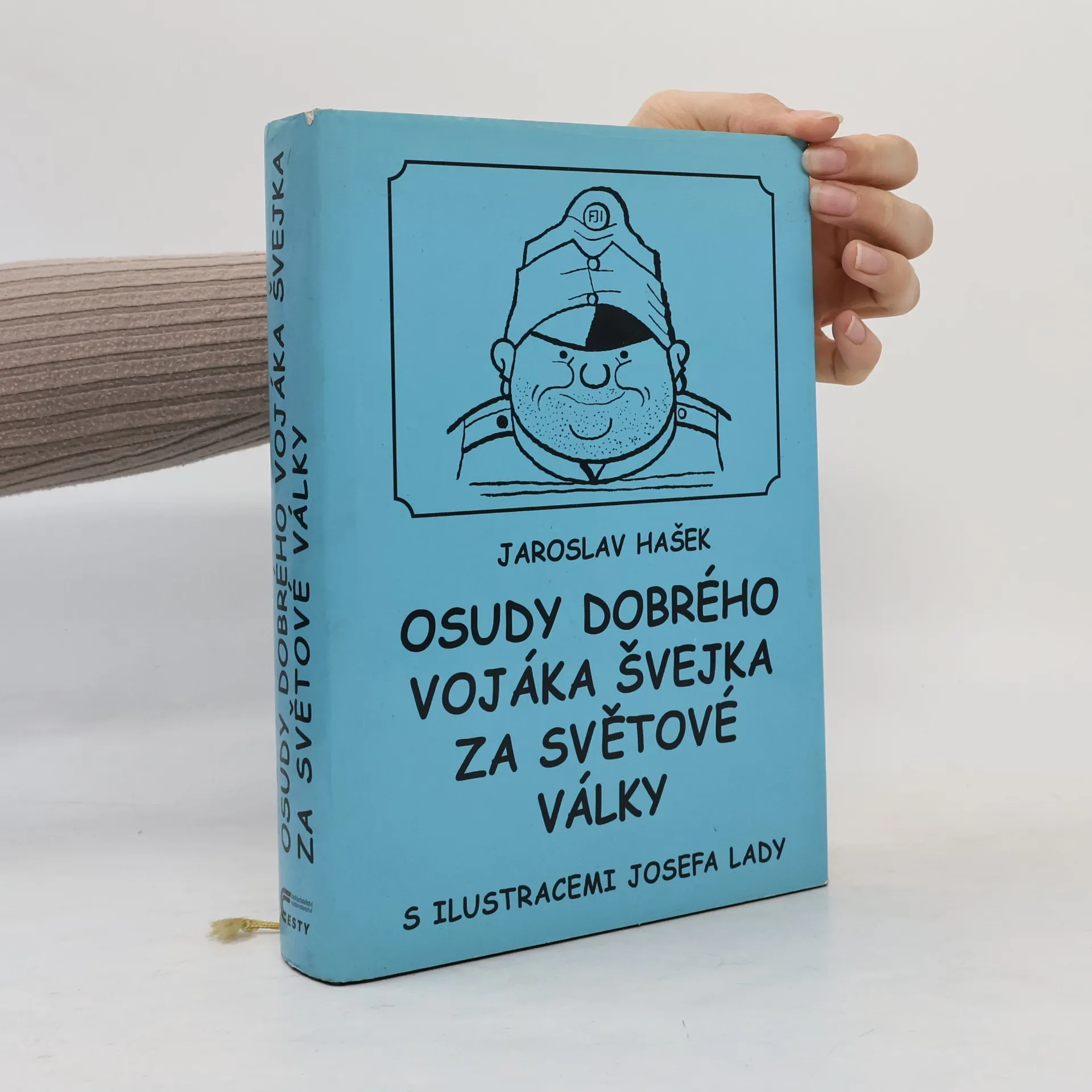
Díl první: V zázemí – Díl druhý: Na frontě – Díl třetí: Slavný výprask – Díl čtvrtý: Pokračování slavného výprasku. Humoristický román českého spisovatele Jaroslava Haška přeložený do 58 jazyků, několikrát zfilmovaný i zdramatizovaný. Jde o nejvýznamnější Haškovo dílo, mnoha lidmi spojované s kongeniálními ilustracemi Josefa Lady. Smrt bohužel nedovolila Haškovi jeho dílo dokončit.
Das Hasek Lesebuch. Ausgew. v. Daniel Keel u. Daniel Kampa. Mit e. Vorw. v. Gustav Janouch
- 352 páginas
- 13 horas de lectura
Jaroslav Hasek, bekannt für seinen unsterblichen Schwejk, hat über 1000 witzige Geschichten und Feuilletons verfasst. Dieses Lesebuch vereint seine besten Erzählungen sowie die schönsten Kapitel aus dem berühmten 'Schwejk'-Roman, in denen seine skurrilen Figuren auf humorvolle Weise durchs Leben navigieren.
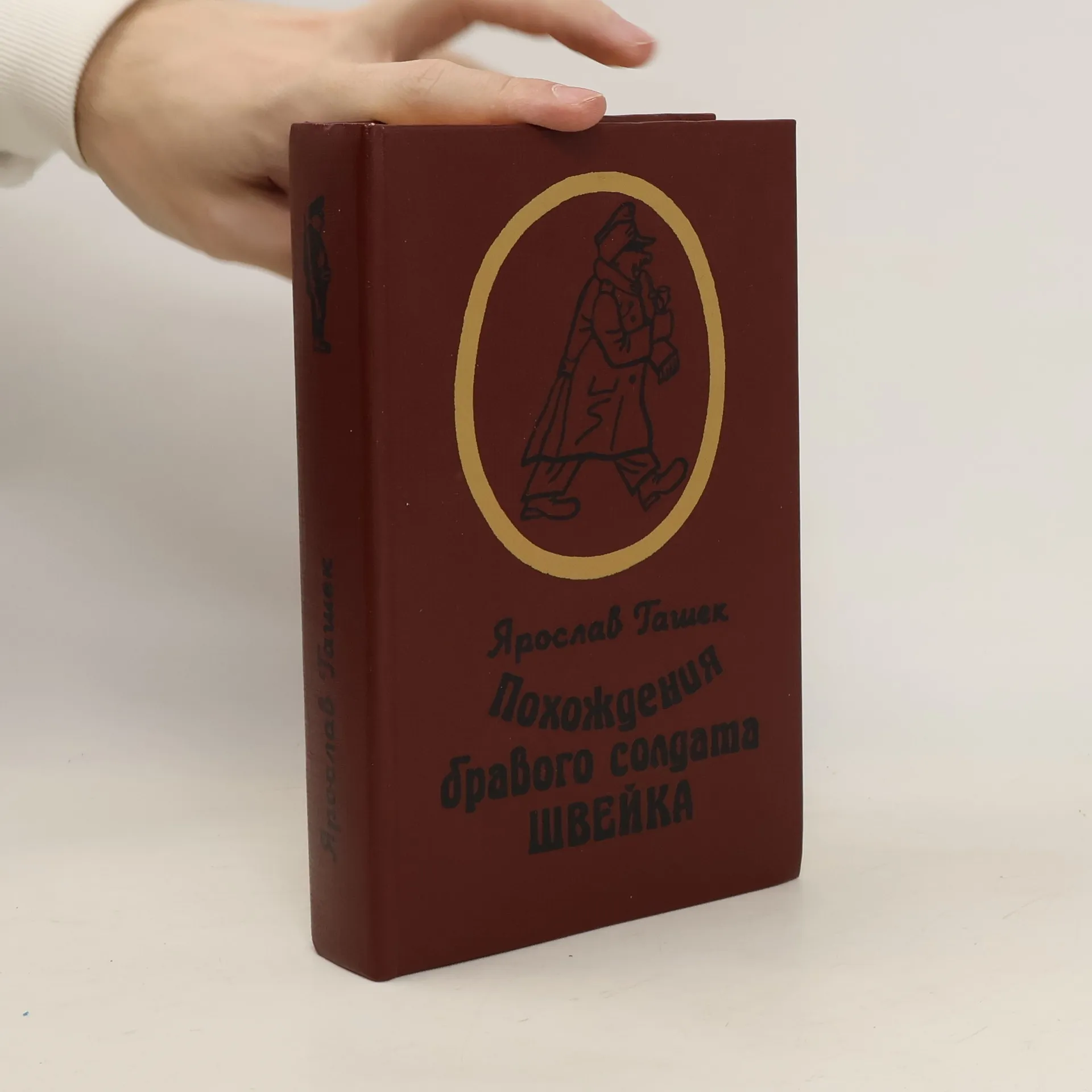
Происхождения бравого солдата Швейка. Рассказы (Proiskhozhdeniya bravogo soldata Shveyka. Rasskazy)
- 1280 páginas
- 45 horas de lectura
«Похождения бравого солдата Швейка» – самое популярное произведение чешской литературы, переведенное почти на все языки мира. Его величие и оригинальность неоспоримы. Книга, которую можно воспринять и как «солдатскую байку», и как классическое произведение, непосредственно связанное с традициями Возрождения. Это искрометный текст, над которым смеешься до слез, и мощный призыв «сложить оружие», и одно из самых объективных исторических свидетельств в сатирической литературе. В настоящее издание помимо «Швейка» включена также малая проза писателя, – недаром современниками Гашек был любим как блестящий мастер короткого рассказа, фельетона, сатирического памфлета. Острое перо, не знающее пощады, замечательное чувство юмора и внимательный взгляд роднят писателя с такими мэтрами жанра, как М. Зощенко, А. Аверченко, Ильфом и Петровым.
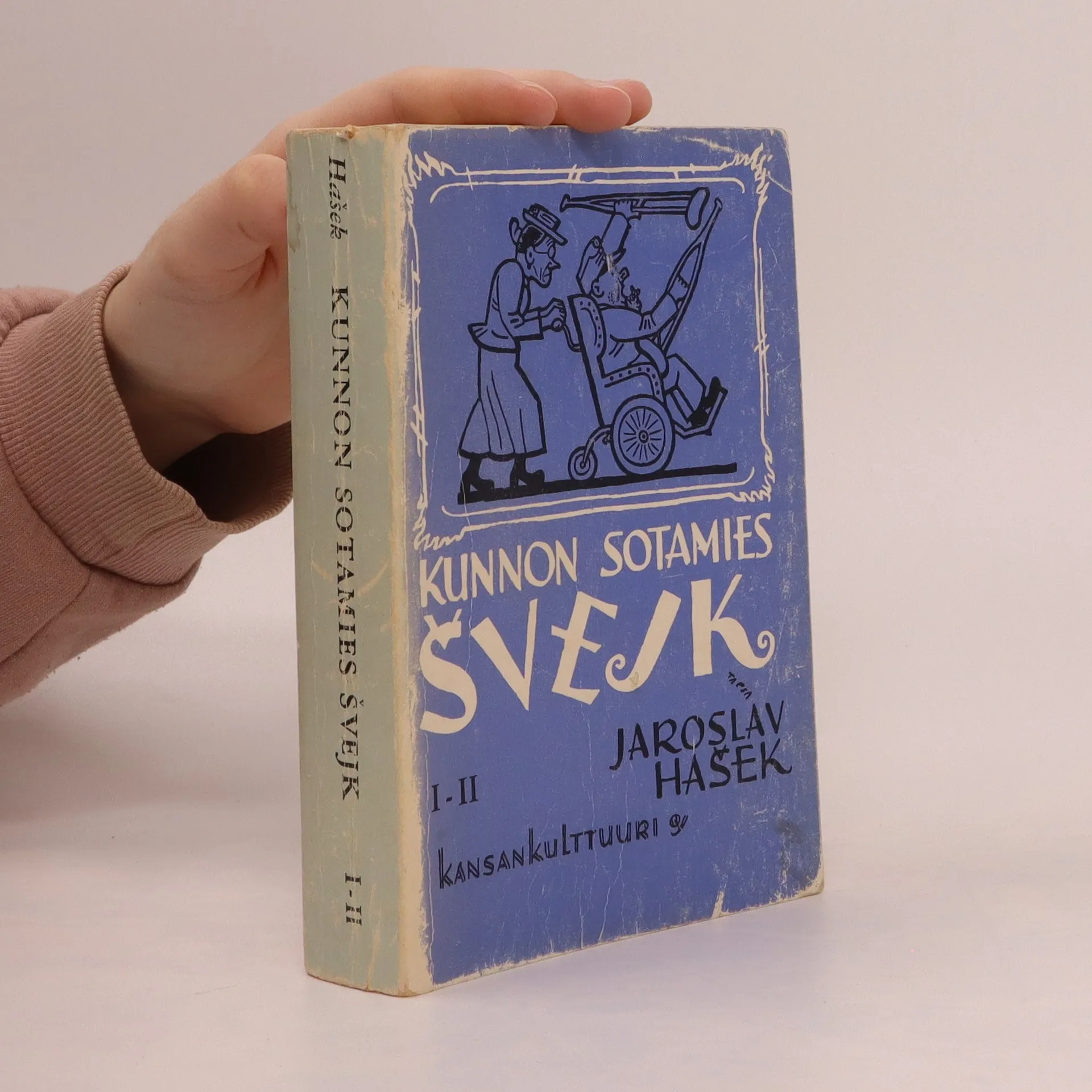
V Kunnon sotamies Švejk oslavovaný český spisovatel a anarchista Jaroslav Hašek spojil úžasné slovní hříčky a pronikavou satiru v humorně subverzivním zobrazení marnosti války. Dobromyslný a hovorný Švejk se stává nejvěrnějším českým vojákem rakouské armády, když je povolán na začátku první světové války - i když jeho nešikovné pokusy dostat se na frontu mu v tom pouze brání. Hraje karty a opíjí se, využívá veškerou svou mazanost a přívětivé úskoky, aby se vypořádal s policií, duchovenstvem a důstojníky, kteří ho ženou do boje.
"Похождения бравого солдата Швейка" - самое популярное произведение чешской литературы. Великий, оригинальный и хулиганский роман. Книга, которую можно воспринять и как "солдатскую байку", и как классическое произведение, непосредственно связанное с традициями Возрождения. Это искрометный текст, над которым смеешься до слез, и мощный призыв "сложить оружие", и одно из самых объективных исторических свидетельств во всемирной литературе.
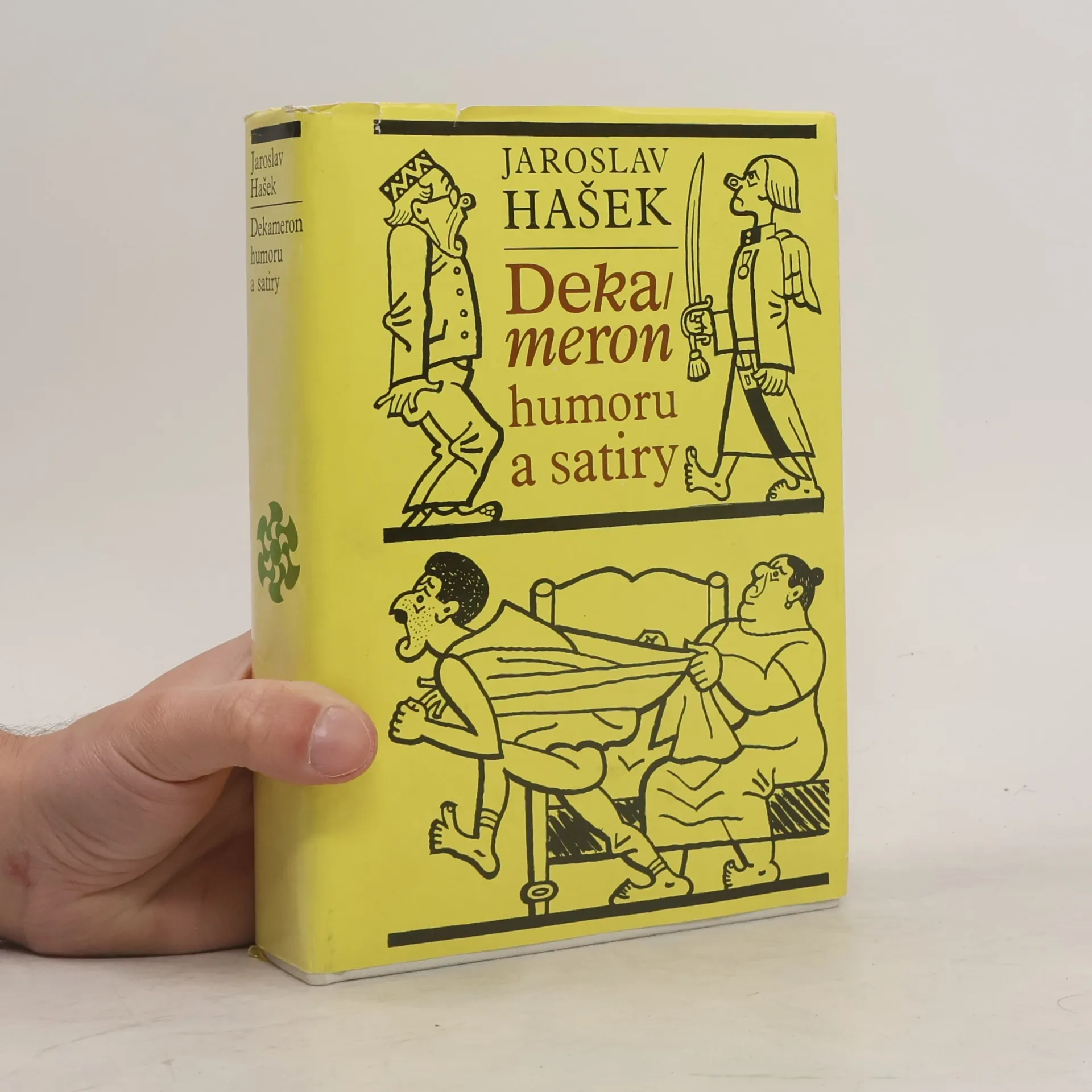
Kniha je výběrem z Haškových výborných humoresek a satir. Je zároveň ukázkou autorovy cesty ke Švejkovi, pohledem do jeho tajemné a mnohdy zahalované tvůrčí dílny. Kniha je rozdělena do dvou na sebe navazujících částí: Dobrý voják Švejk před válkou a jiné historky a Dobrý voják Švejk v zajetí. Humor těchto próz vychází z bezprostřední reakce na dobovou situaci. Je plný autoironie a mystifikace.
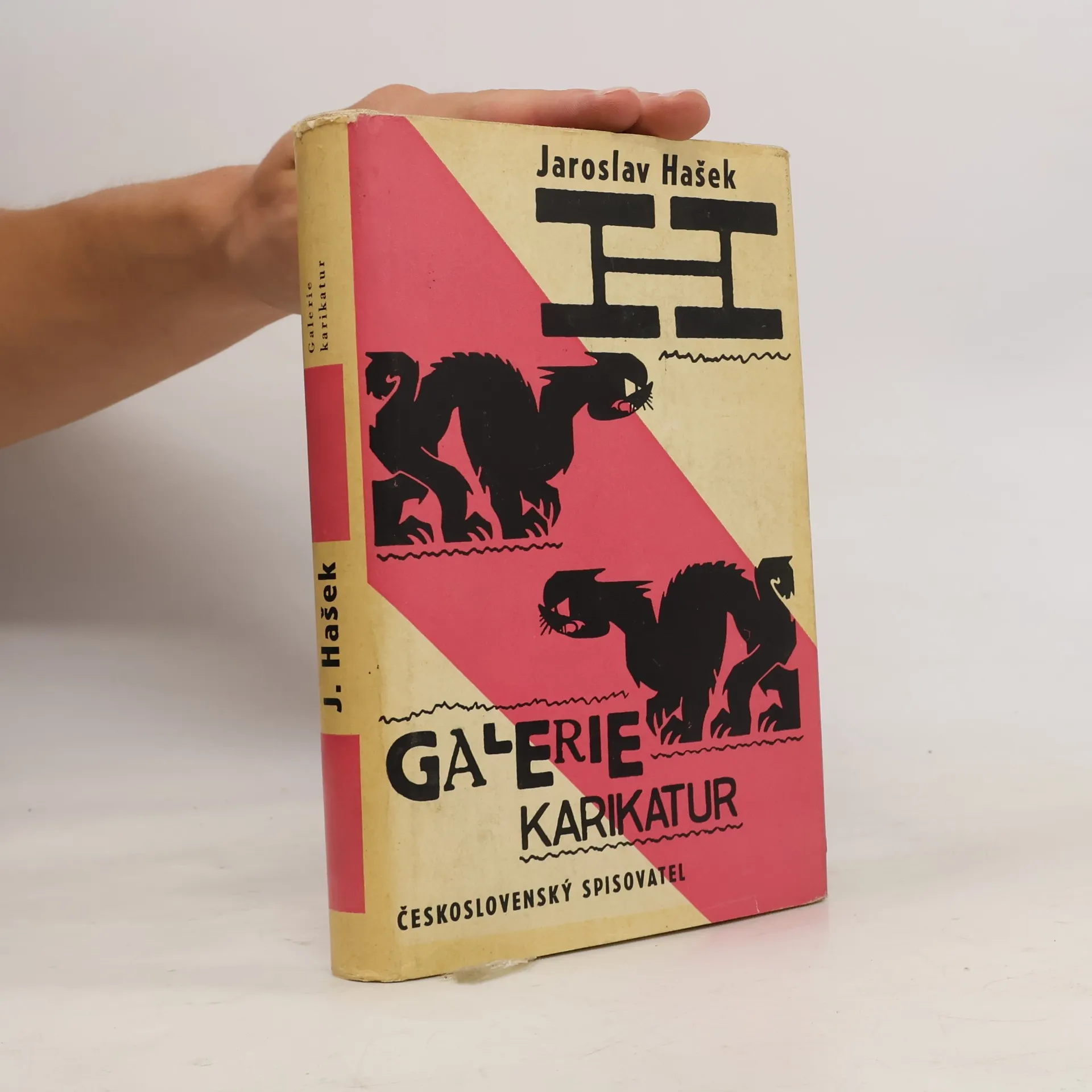
Galerie karikatur, druhý svazek Haškovy politické satiry, se od Politických a sociálních dějin strany mírného pokroku v mezích zákona v lecčems odlišuje, zároveň však s nimi má některé rysy společné.
Podtitul: Na frontě Druhá část slavné humoristické knihy Jaroslava Haška
První díl "Zázemí" ze třísvazkového vydání. Sotva máme jiného spisovatele, jehož dílo kdy získalo takové proslulosti jako Haškovy "Osudy dobrého vojáka Švejka za světové války". Není to jen pro lidový, nádherný humor vyprávění, které rozesměje největšího škarohlída - je to též proto, že nesmrtelný hrdina Švejk je symbolem člověka z lidu, který si nalezl svou taktiku proti obludnosti války, proti představitelům zahnívajícího c. k. mocnářství, zkostnatělým ouřadům, pokryteckým velebníčkům, nadutým, omezeným a hrabivým důstojníkům, krátce proti všem služebníkům těch, kteří z touhy po zisku hnaly lid na válečné jatky.
... Obyvatelstvo města pamatuje si velice dobře, že se potom počaly objevovat na záchodech hostinců nápisy: "Chaura je zloděj!" Pan Vencelídes nedal si ani tu práci, aby trochu alespoň změnil svůj rukopis, pro kterouž neopatrnost byl potrestán soudem pro urážku na cti a vyloučen jako trestaný lotr z obecního zastupitelstva a stal se odštěpencem. Z odštěpence není již daleko k založení vlastní strany...
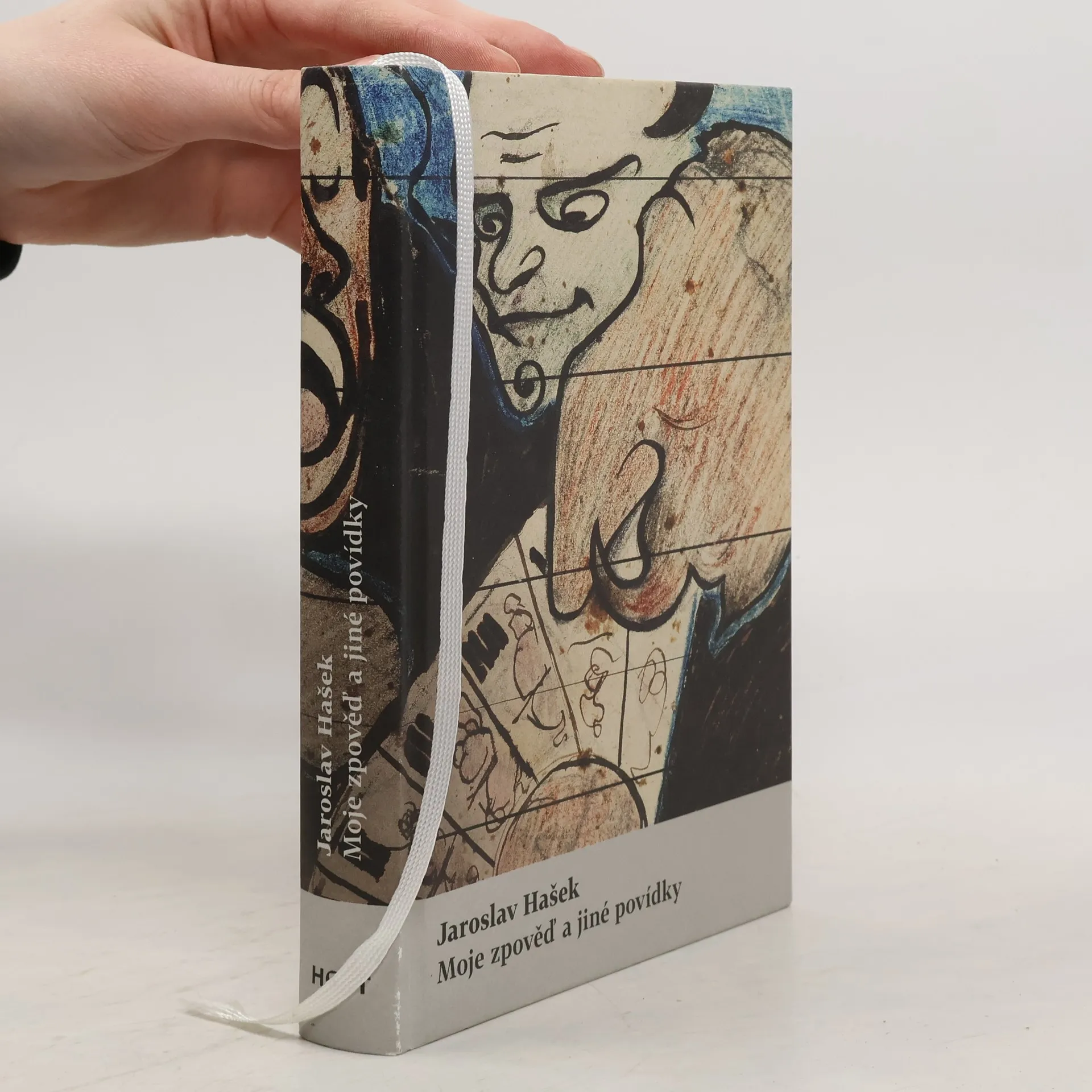
Moje zpověď a jiné povídky
- 394 páginas
- 14 horas de lectura
Povídky shrnuté v tomto svazku vznikaly před a souběžně s Osudy dobrého vojáka Švejka, některé z nich jsou odštěpkem tohoto satirického románu, některé návratem k předválečným humoreskám. Výbor obsahuje práce z let 1905-1923 a editoři se v něm snažili zdůraznit takové polohy Haškova stylu a vidění života, kterými se dostával nad rutinu konvenční dobové humoresky svými zkušenostmi ze sovětského Ruska a satirickým a téměř encyklopedickým pohledem na lidské osudy, povahy a životní situace. Většina chronologicky seřazených povídek je svědectvím o Haškově schopnosti vytěžit z jakéhokoliv prostředí komickou zápletku a na základě humorných kontrastů hodnotit skutečnost. Povídky, reflektující společenský a politický život za první republiky, doplňují dva uzavřené celky - sbírky Z dějin strany mírného pokroku v mezích zákona a Povídky z Bugulmy. Knihu uzavírá obsáhlý komentář, poznámky a bibliografie.
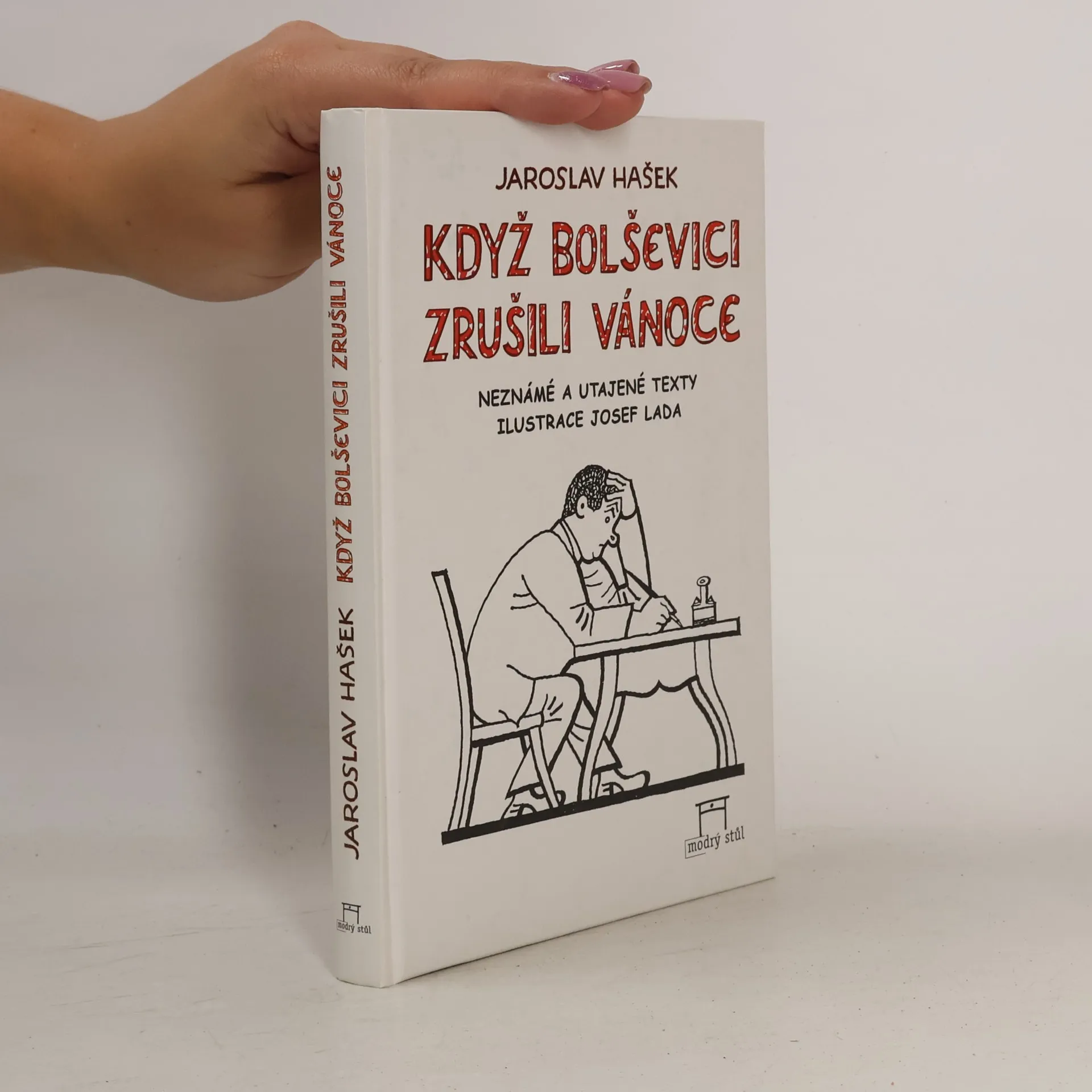
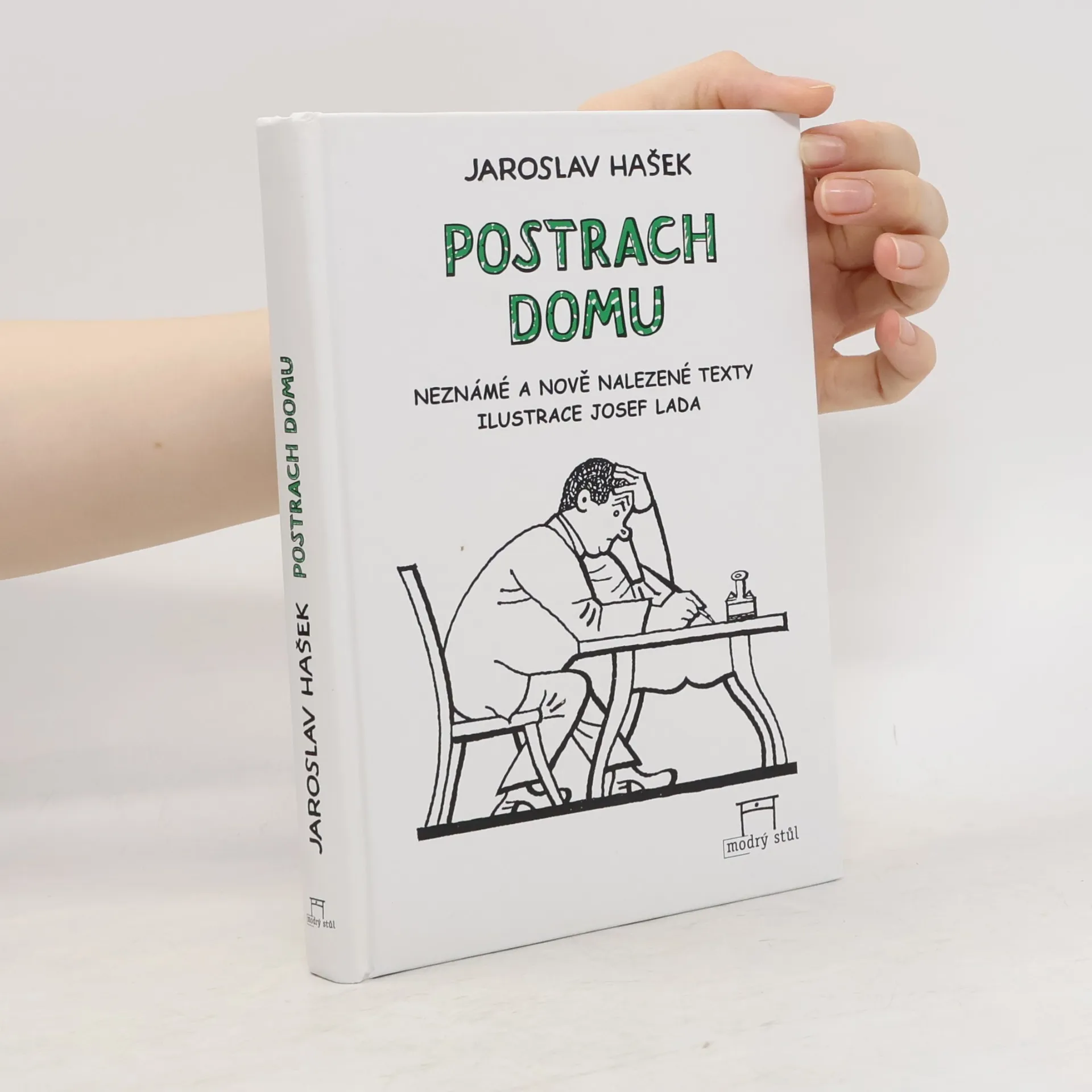
Dodnes nebyly knižně vydány všechny humoristické a satirické texty, které nejznámější český spisovatel Jaroslav Hašek napsal. Kniha Když bolševici zrušili Vánoce obsahuje nejen Haškovy texty, které nebyly knižně dosud nikdy otištěny, a také některé texty, které už kdysi (zhruba před osmdesáti lety) knižně vyšly, ale v pramenném vydání Spisů z let 1955-1973 obsaženy nejsou. Haškovo autorství je u nich nesporné. Kromě toho jsou v knize obsaženy i některé texty, u nichž je Haškovo autorství možné a pravděpodobné. Ty většinou vycházely na počátku dvacátého století v časopisu Karikatury, kde působil jako redaktor Josef Lada a kde Hašek nejednou popsal celé číslo pod různými pseudonymy, iniciálami, nebo prostě bez podpisu.
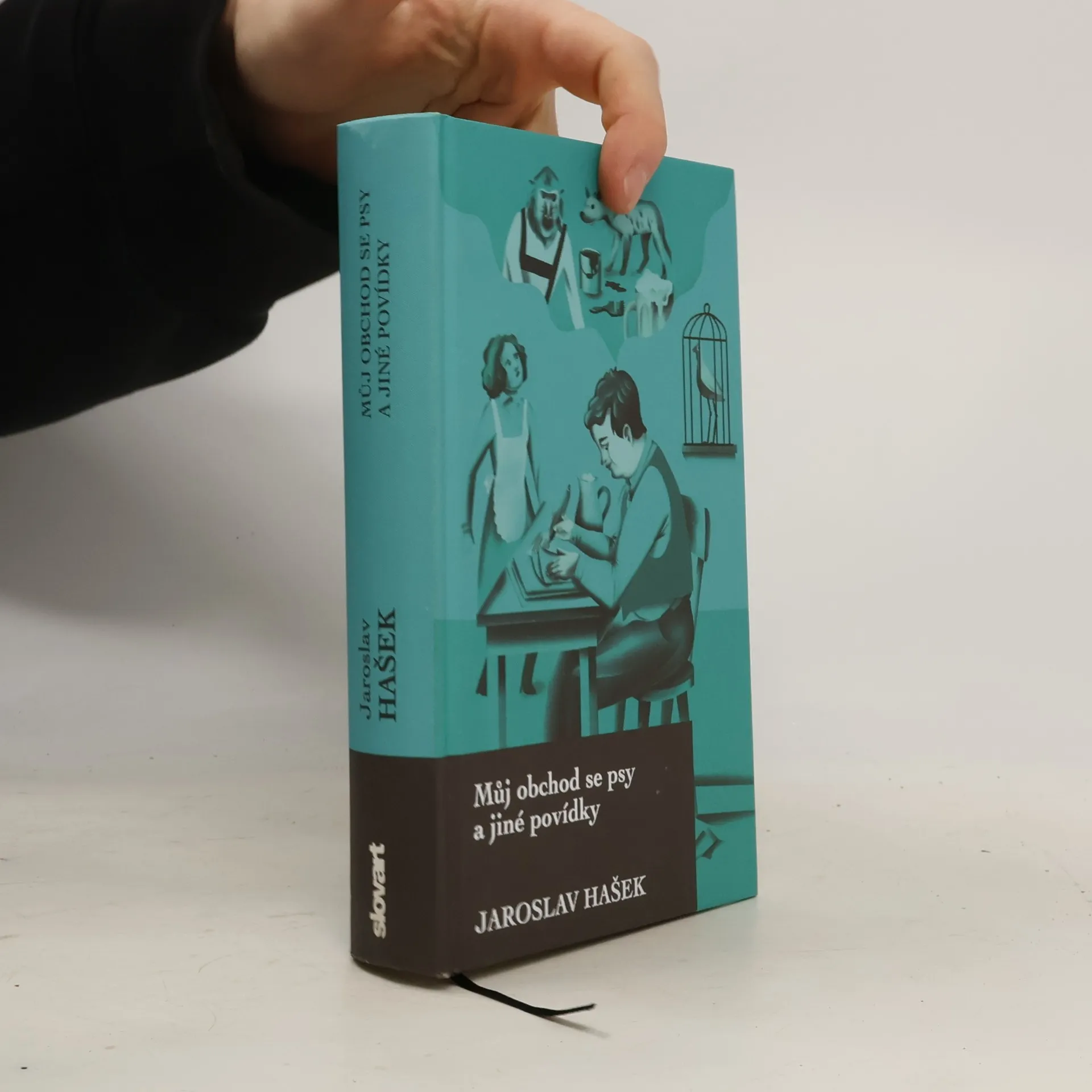
Můj obchod se psy a jiné povídky
- 376 páginas
- 14 horas de lectura
Je libo špice, boxera nebo jezevčíka? Psa na hlídání, nebo něco k dětem? V našem KYNOLOGICKÉM ÚSTAVU najdete všechny rasy i povahy, barvy i velikosti… A co nemáme, seženeme do dvou dnů! A k tomu desítky dalších povídek od bohéma a humoristy Jaroslava Haška. Mistr nad mistry zde předvádí své vrcholné kousky. Nelze nedočíst!
Světově proslulý román klasika českého humoru je satirou na nespravedlivou válku, do níž byly vehnány národy zkorumpované rakousko-uherské monarchie.
Soubor 45 povídek s nejrůznějšími náměty, které jsou vzorem společenské satiry. Výbor se pohybuje od ryze humoristických povídek až po ostrou satiru. Jsou tu ukázky z rané autorovi tvorby i z jeho nejvyzrálejšího období.
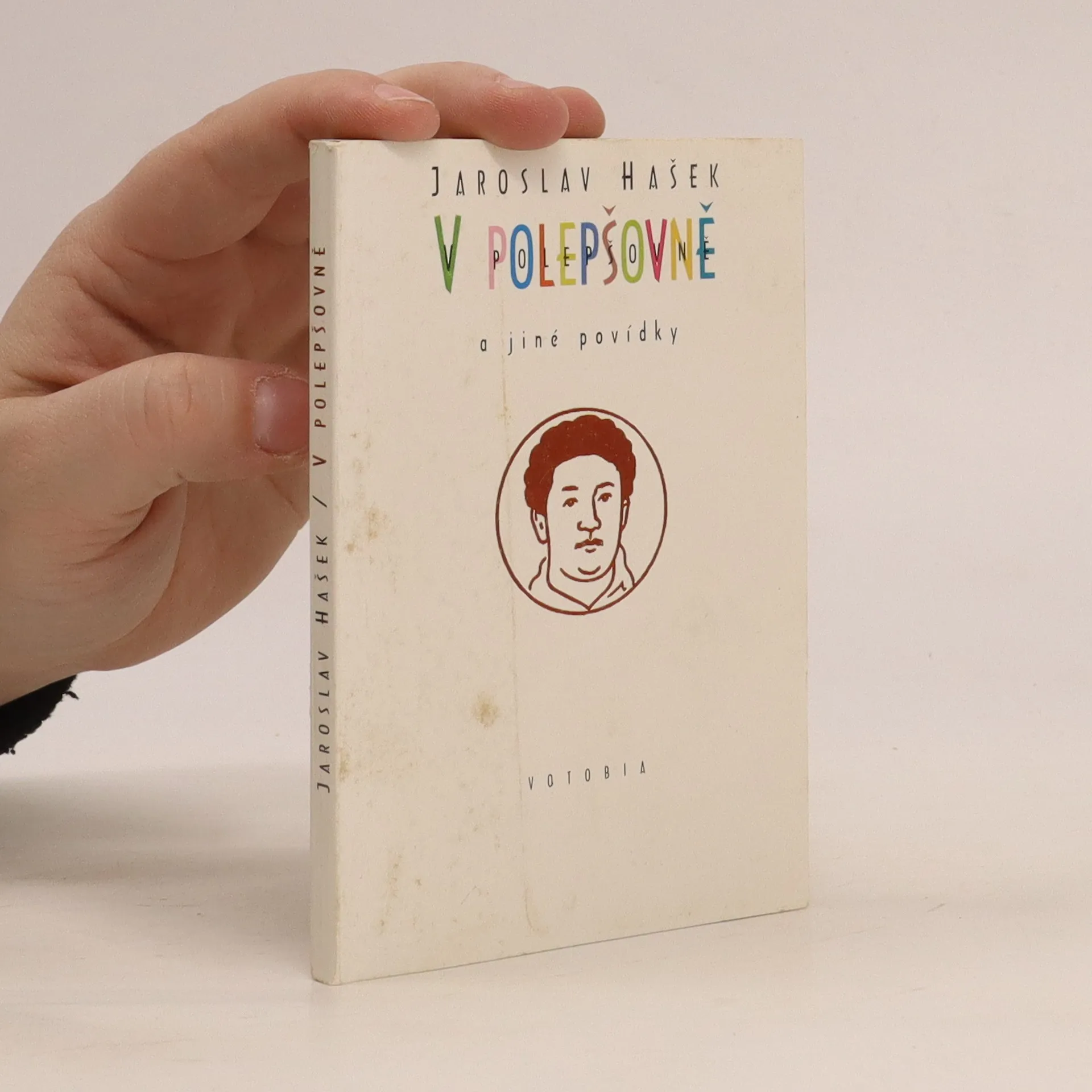
V polepšovně a jiné povídky
- 109 páginas
- 4 horas de lectura
Deset krátkých povídek z let 1908-1912, které byly otištěny v humoristických přílohách českých novin a časopisů.
Texty dosud knižně nepublikované a autorsky ověřené. Průzkum českých časopisů a listů vycházejících v letech 1901-1922 po stránce Haškova autorství prováděli pouze tři badatelé: Břetislav Hůla, Radko Pytlík a Augustin Knesl.
Povídky, ve kterých autor přehání symptomy běžného života do absurdity a černého humoru. V parodiích jsou zachyceny různé epizody ze životy drobných lidí, které zesměšňují lidskou závist, hloupost a omezenost.
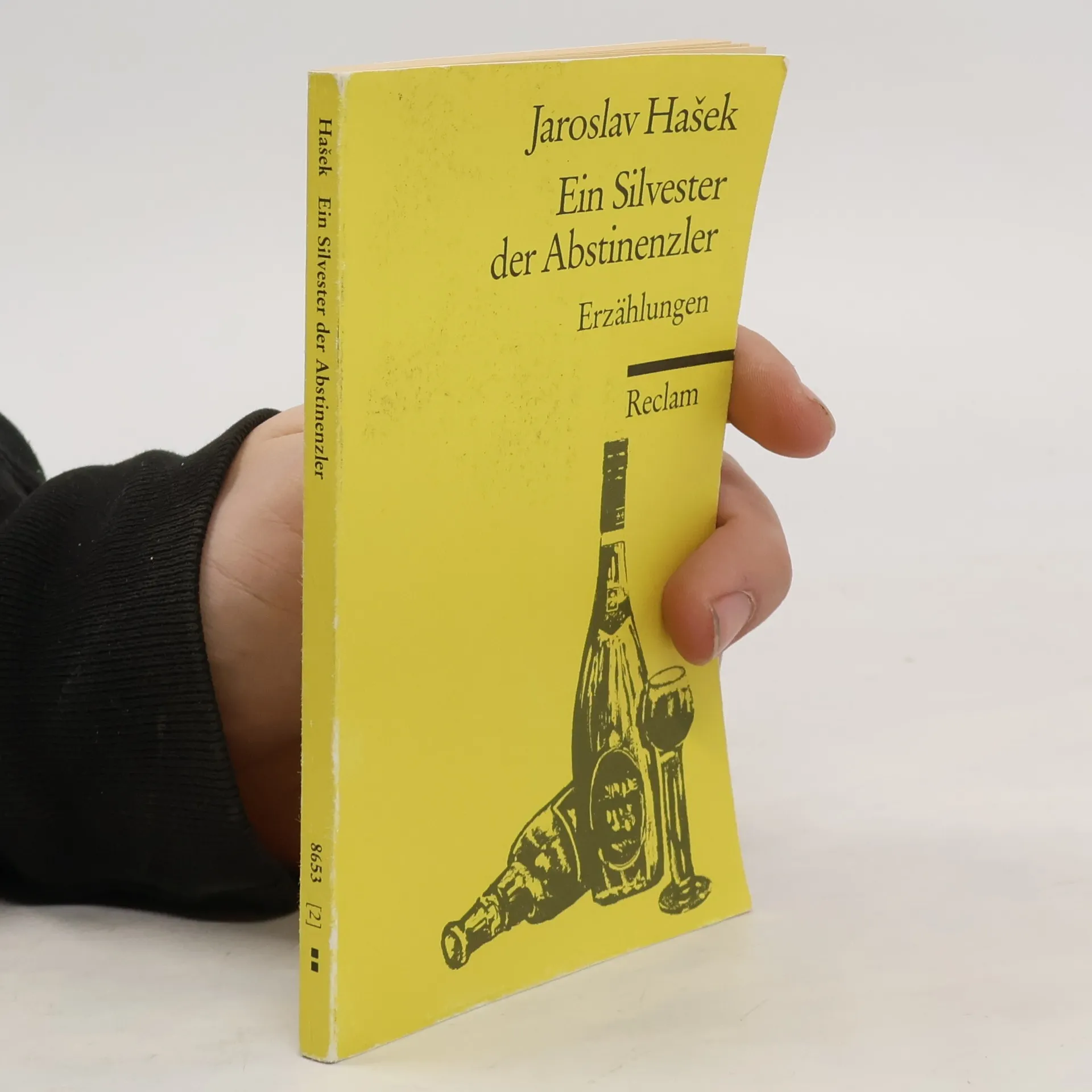
Ein Silvester der Abstinenzler
- 135 páginas
- 5 horas de lectura
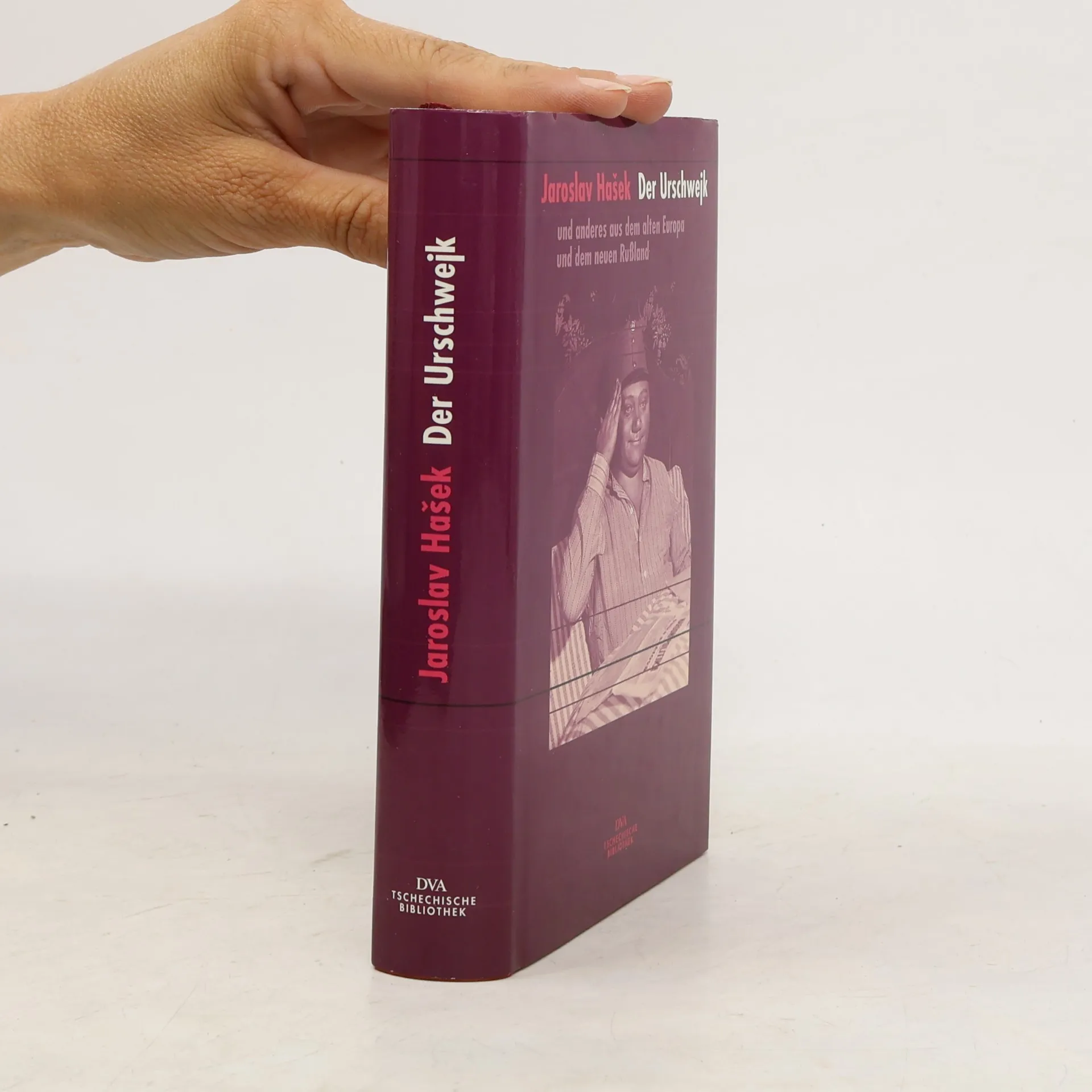
Der Urschwejk. und anderes aus dem alten Europa und dem neuen Rußland
- 393 páginas
- 14 horas de lectura
Haseks Satiren, beginnend mit den Geschichten von Schwejk, zeigen eine starke Komik und scharfe Satire. Sie thematisieren nicht nur altösterreichischen Bürokratismus, sondern auch die menschenverachtende Machtergreifung der Bolschewiken, und bieten unverwechselbare literarische Satiren von Weltrang.
"Похождения бравого солдата Швейка" - самое популярное произведение чешской литературы, переведенное почти на все языки мира. Великий, оригинальный и хулиганский роман. Книга, которую можно воспринять и как "солдатскую байку", и как классическое произведение, непосредственно связанное с традициями Возрождения. Это искрометный текст, над которым смеешься до слез, и мощный призыв "сложить оружие", и одно из самых объективных исторических свидетельств в сатирической литературе.
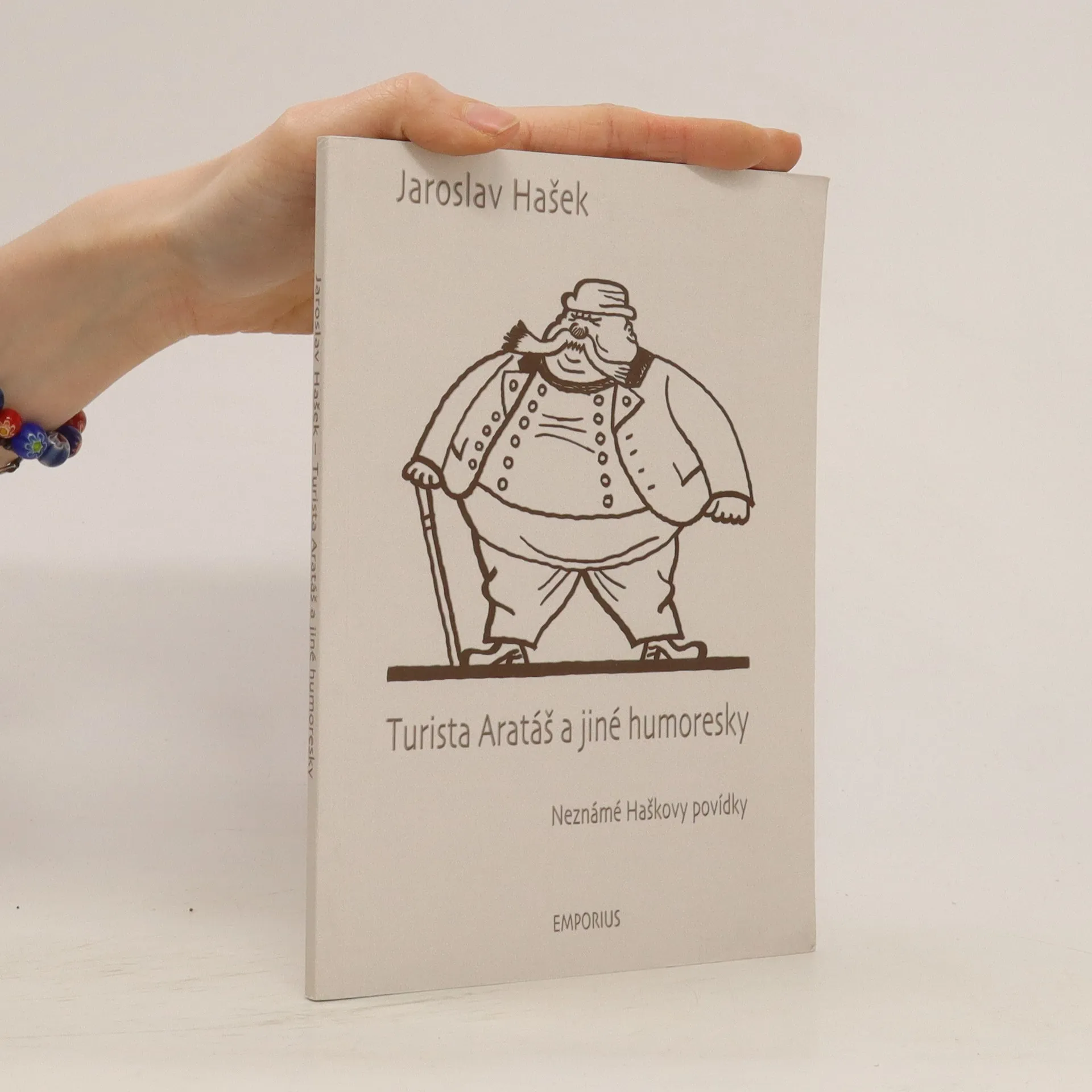
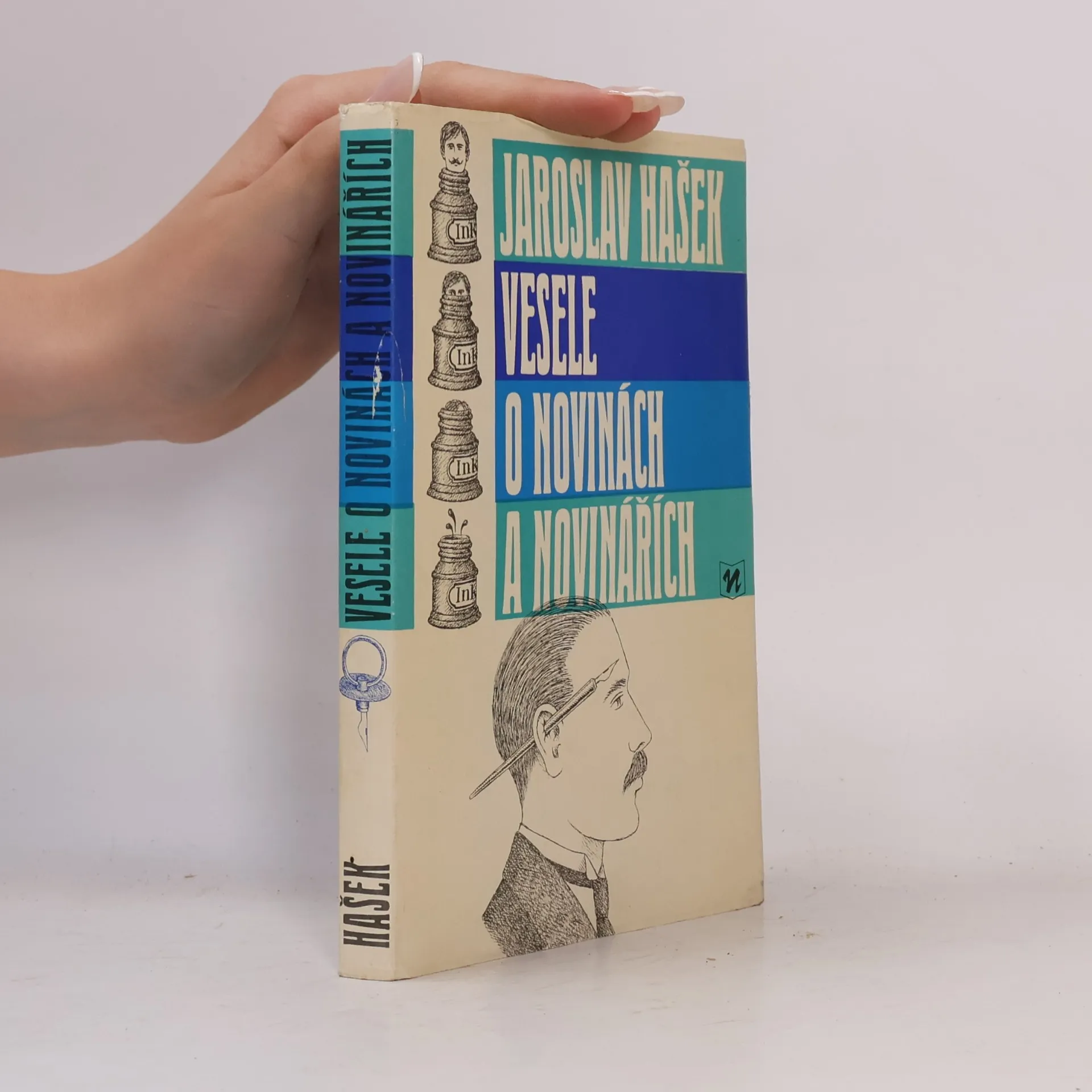
Sbírka povídek, popisujících Haškovy zkušenosti s novinářstvím z doby předválečné i meziválečné, kdy působil jako redaktor spousty periodik. Vtipnou formou popisuje tehdejší vydavatele, politiky, státníky, stejně jako novinářskou kulturu a vůbec celou společnost.
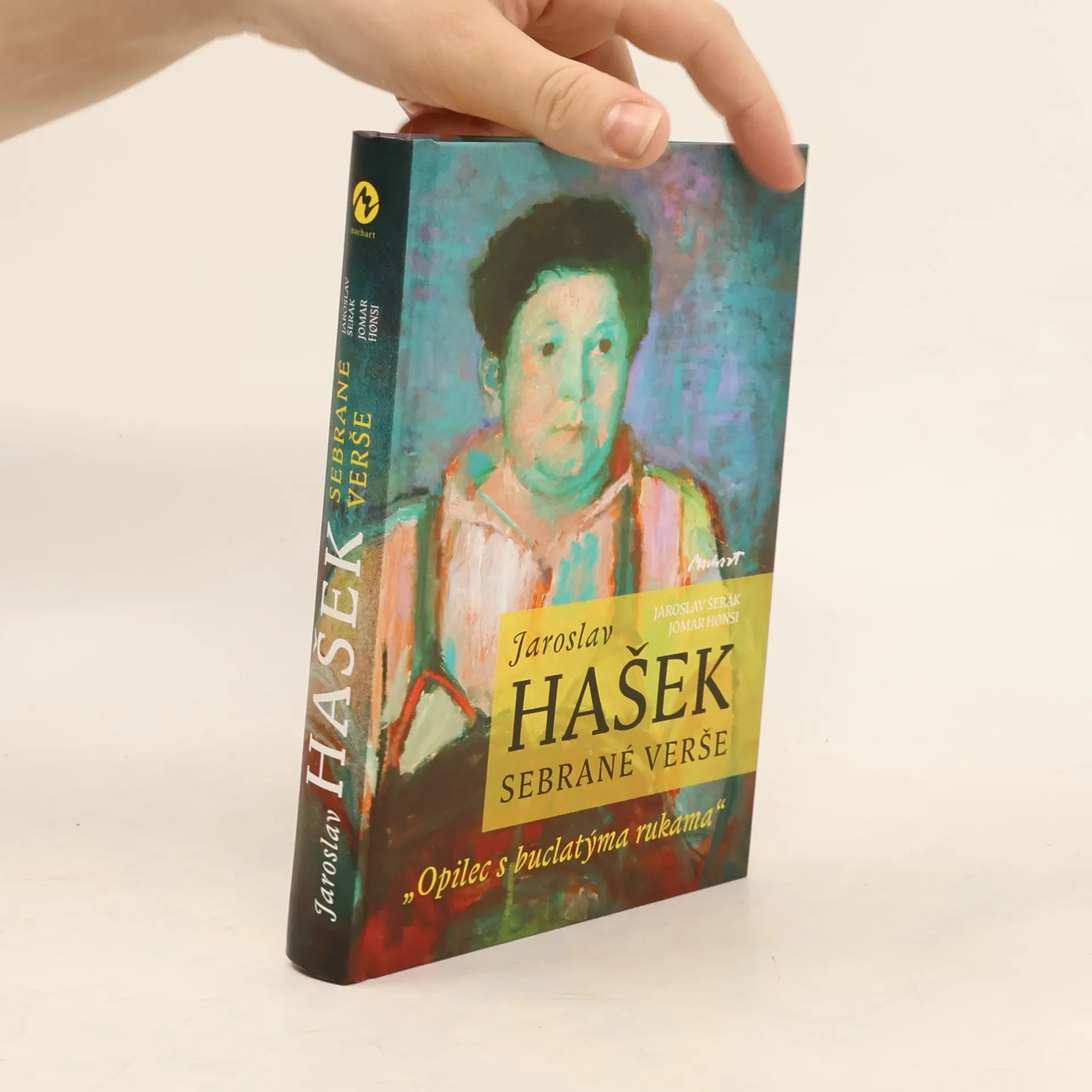
Sebrané verše: Opilec s buclatýma rukama
- 224 páginas
- 8 horas de lectura
Kniha přináší poprvé v historii ucelenou sbírku všech Haškových básní, které se dosud podařilo nalézt v různých dokumentech a publikacích. Básně vznikaly průběžně za jeho krátkého života. Odrážejí se v nich Haškovy prožitky v dané životní etapě. Seřazeny chronologicky jsou tedy obrazem spisovatelova osudu a zároveň pohledem do historie z počátku 20. století. Celá sbírka je doplněna bohatými edičními poznámkami, zajímavými črtami z Haškova života, vysvětlivkami a unikátními fotografiemi vesměs z literárních a pozůstalostních archivních fondů.
Ostrá kritika politických poměrů s převahou osvobodivého smíchu.
Jen pro dospělé muže!
- 233 páginas
- 9 horas de lectura
V dějinách celého lidstva vyskytl se jen jedinec tak všestranně dokonalý, a to jsem já, píše o sobě s notnou dávkou sebeironie Jaroslav Hašek a zároveň odkrývá svůj pohled na svět plný žertu, hry a mystifikace. A právě tento výřez z jeho novelistické a žurnalistické tvorby sestavený jeho novodobým pobratimem Eugenem Brikciem dbá na to, aby tato stránka jeho osoby vyplula na povrch.
Sotva máme jiného spisovatele, jehož dílo kdy získalo takové proslulosti jako Haškovy "Osudy dobrého vojáka Švejka za světové války". Není to jen pro lidový, nádherný humor vyprávění, které rozesměje největšího škarohlída - je to též proto, že nesmrtelný hrdina Švejk je symbolem člověka z lidu, který si nalezl svou taktiku proti obludnosti války, proti představitelům zahnívajícího c. k. mocnářství, zkostnatělým ouřadům, pokryteckým velebníčkům, nadutým, omezeným a hrabivým důstnojníkům, krátce proti všem služebníkům těch stvůr, které z touhy po zisku hnaly lid na válečné jatky. Se světem, nad nímž Švejk vyzrával mazaností, se světem kapitalistické prohnilosti a chaosu - bylo v naší lidově demokratické zemi definitivně zúčtováno. Ale ten shnilý společenský řád, proti němuž Švejk bojoval, ještě ovládá západní země. Mocipáni, kteří těžili zlato z prolité krve milionů za první světové války a kteří způsobili válku druhou - podněcují dnes k válce nové! Naše čtenáře osudy dobrého vojáka Švejka nejen rozesmějí, ale zejména těm mladým ukáží nesmyslnost toho starého zvráceného světa, který jsme pro šťastnou budoucnost naší vlasti vykořenili a zničili.
Zbierka Haškových poviedok z rôznych výberov. Vtipné, ironické, nadsadzujúce, a mohli by mať ešte veľa podobných prívlastkov – vždy sú v jadre jasne adresné, či už majú na mušku Rakúsko-Uhorskú monarchiu alebo meštiacku spoločnosť, ktorú svojimi poviedkami s neopakovateľným čarom humoru Hašek dráždil a rozčuľoval.
Die Ausrottung der Praktikanten der Speditionsfirma Kobkán
- 424 páginas
- 15 horas de lectura
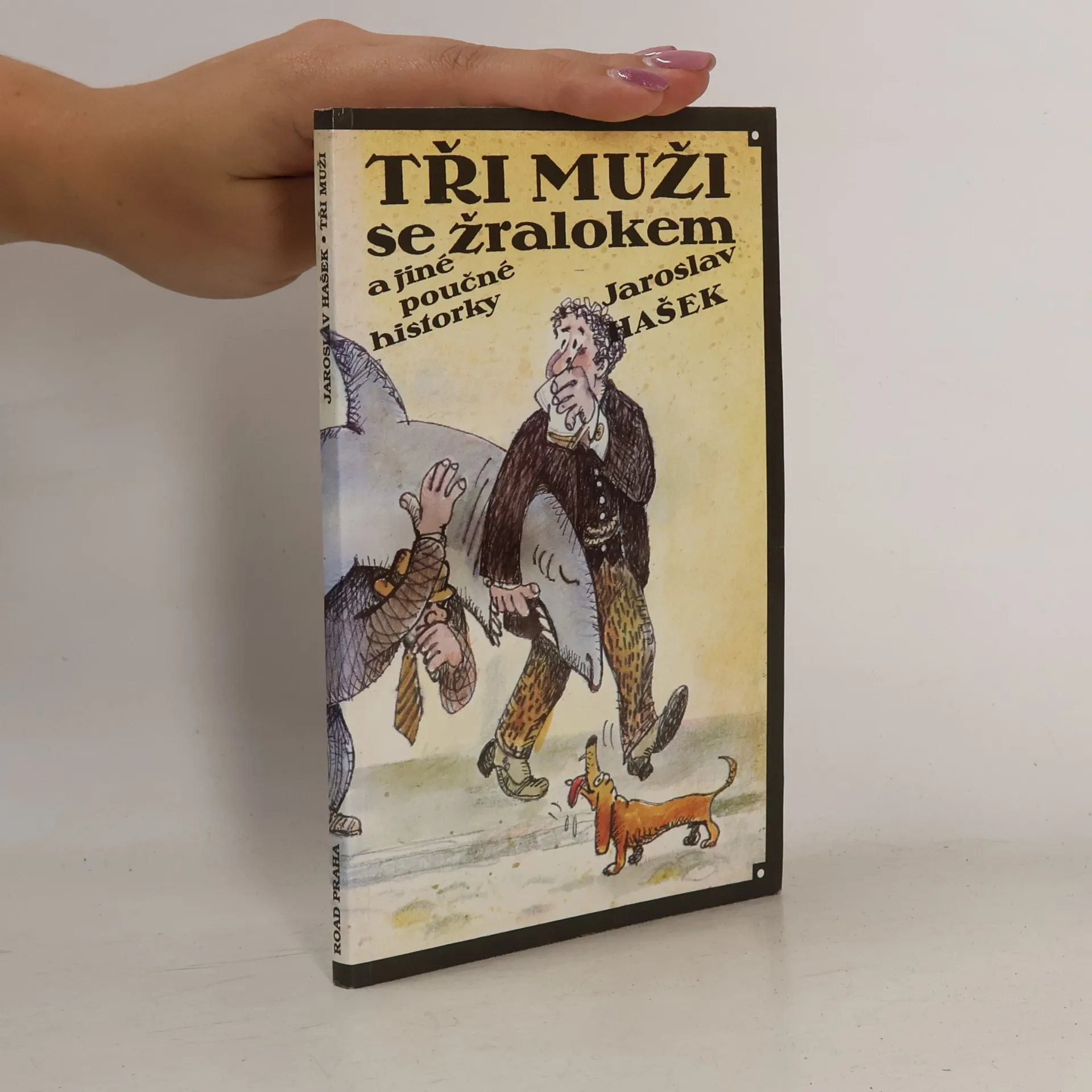
Ob er vom Herrn Ferdinand erzählt, dem Ladendiener in der alten Drogerie, oder von den Problemen, ein Sarggeschäft zu führen, ob er von einer entscheidenden halben Stunde auf dem Canale Grande berichtet oder von absurdesten Schwierigkeiten der Verwaltung im nachrevolutionären Russland, ob es um den Umgang der Eltern mit ihren Kindern geht oder um den von drei Männern mit einem Hai: Hašeks an der Wirtshausanekdote gestählte Erzählungskunst schafft es immer, aus alltäglichen Situationen ein Feuerwerk seltsamster Einfälle und Absurditäten zu zaubern, zwerchfellerschütternd komisch und tiefsinnig zugleich. In diesen 10 bis 15 Seiten langen Texten ist der eigentliche Hašek zu entdecken. Als er 1923 mit 39 Jahren starb, hinterließ er zwar seinen nicht vollendeten Roman »Die Abenteuer des guten Soldaten Švejk«, der ihn schnell weltberühmt machte. Doch hatte er, was heute kaum bekannt ist, von 1901 bis 1922 ungefähr 1.500 Texte an Kurzprosa verfasst: Feuilletons, politische Kommentare, vor allem aber hinreißende kurze Geschichten. Die allerbesten dieser Geschichten hat Antonín Brousek für diesen Band zusammengestellt und übersetzt.
Rodinná tragédie a jiné povídky
- 336 páginas
- 12 horas de lectura
Zcela nové souborné vydání povídek předního českého humoristy Jaroslava Haška, které vyjde při příležitosti výročí sto čtyřicet let od jeho narození a sto let od jeho smrti.Antologie obsahuje třicet šest nejvýznamnějších Haškových povídek seřazených chronologicky podle jejich data publikace. Ačkoliv se jedná jen o pouhý zlomek autorova povídkového díla, tento výběr čtenáři představí satirikova stěžejní témata: výsměch byrokracii a úřední (často policejní či vojenské) mašinerii či kritika autority církevní i státní.Všem známý autor Osudů dobrého vojáka Švejka se tak znovu vrací s připomínkou, jak skvělé příběhy byl schopen psát.
Výbor povídek pro mládež, ve kterém defilují typické Haškovy figurky. Školníci, domovníci, darební kluci a dobromyslní strejdové defilují v typickém haškovském světě. Povídky vystihují mentalitu našeho národa.Výbor 20 povídek, z nichž citujme aspoň jednu: Když se pán ze zámku rozhodne vařit polévku pro chudé, vesničtí kluci mu do ní hodí policajtovy holínky. Autor i zde vystihuje mentalitu svých hrdinů: proti moci a útlaku se brání vtipem, anekdotou a pověstnou švejkovinou.
Humoristické texty, které nevyšly v pramenném vydání Haškových spisů z let 1955-1973, a především další povídky a texty nově objevené. Jsou přetištěny z nalezených rukopisů a také z dobových časopiseckých otisků. Kromě toho jsou zastoupeny i texty Haškova pravděpodobného autorství, ale také povídky spjaté se jménem Haškovy ženy Jarmily, jež jsou rovněž připisovány Haškovi. Texty zahrnují období Haškových literárních počátků, dobu Haškova legionářského období a dokreslují rovněž obraz Haškova přátelství i manželství.
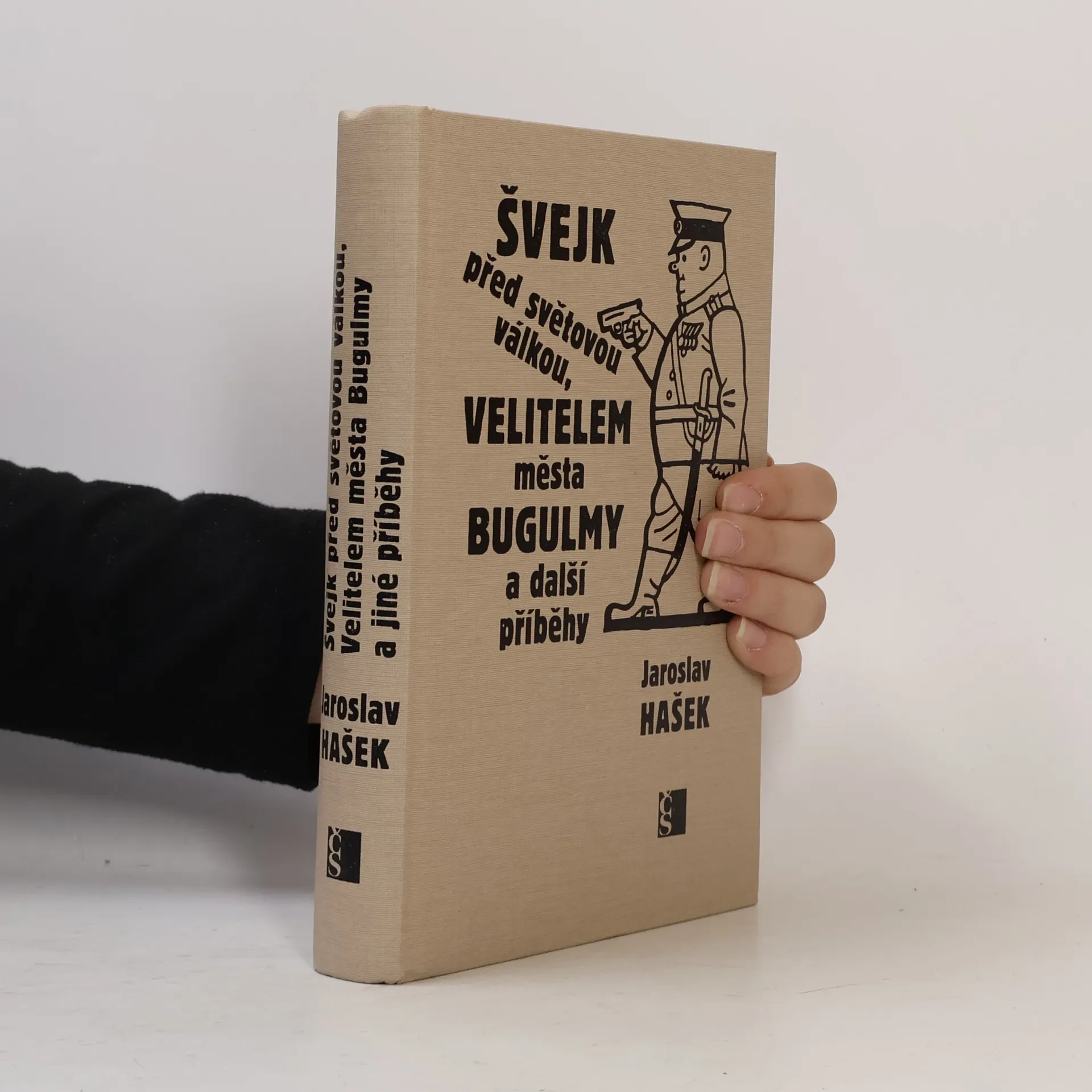
Švejk před světovou válkou, Velitelem města Bugulmy a další příběhy
- 323 páginas
- 12 horas de lectura
Řada povídek - méně známých, ale opravdu dobrých.
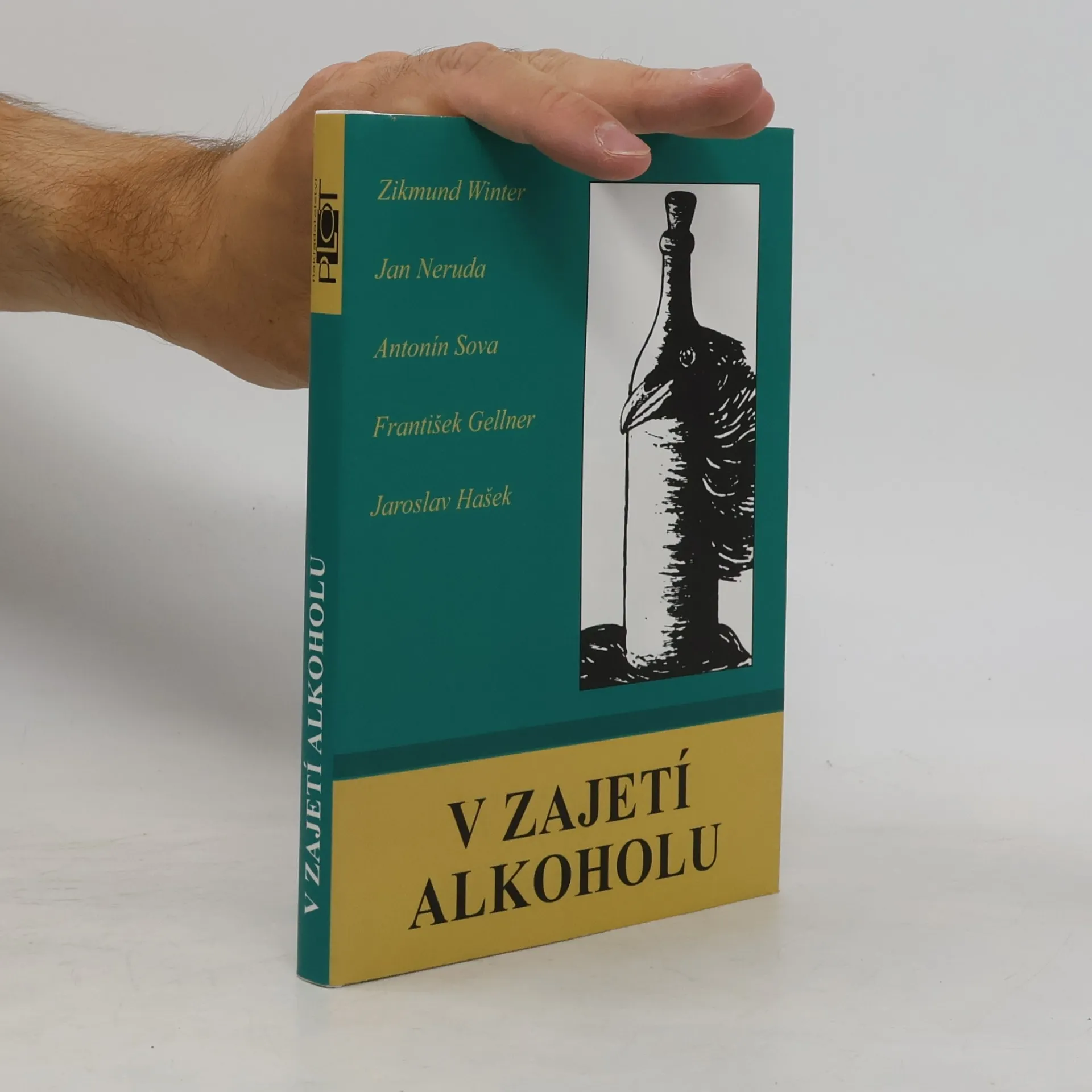
V zajetí alkoholu
- 104 páginas
- 4 horas de lectura
Alkohol od nepaměti byl, je a pravděpodobně také zůstane jedním z trvalých problémů člověka. A tak není divu, že se toto téma objevilo i v tvorbě takových českých klasiků, jakými byli Zikmund Winter, Jan Neruda, Antonín Sova, František Gellner nebo Jaroslav Hašek. Jejich povídky či novely nejsou jen sžíravou kritikou slabších jedinců, kteří upadli do osidel tohoto fenoménu, jsou především působivými obrázky doby, která pomalu upadá do zapomenutí, ale k životu českého národa neodmyslitelně patří.
Dobrý voják Švejk je jedna z nejznámějších a nejoblíbenějších postav světové literatury. Švejk, hostinský Palivec, polní kurát Katz, nadporučík Lukáš, sapér Vodička, Baloun a další postavičky nadále žijí svým životem.
Soubor povídek autora slavného Švejka trefně glosujících prostředí armády.
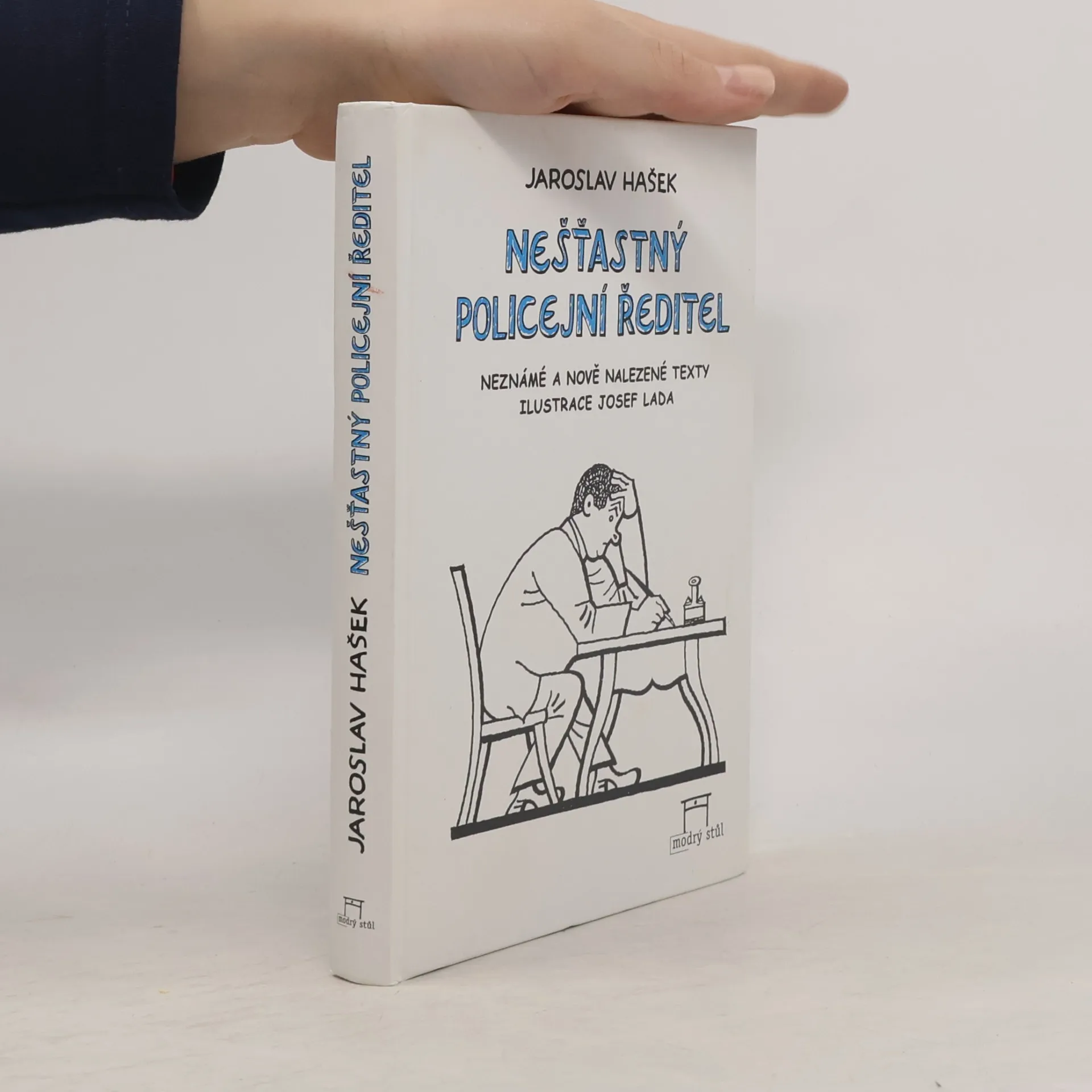
Dodnes nebyly knižně vydány všechny humoristické texty, které nejznámější český spisovatel Jaroslav Hašek napsal. Kniha Nešťastný policejní ředitel přináší některé nově objevené Haškovy povídky, otištěné podle nalezených rukopisu, další pak z časopiseckých otisku. Jedna z povídek, objevená ve starém časopise a knižně nikdy nevydaná, dala i název celému souboru. Zároveň název obsahově charakterizuje i některé další texty v knize obsažené, jež se týkají autorových zkušeností s policií a zákruty paragrafů. Kromě povídek nepochybně Haškových a podepsaných jeho jménem či známým pseudonymem jsou zde i některé texty, které byly dosud řazeny mezi texty možného a pravděpodobného Haškova autorství....
Podařený výlet a jiné povídky
- 125 páginas
- 5 horas de lectura
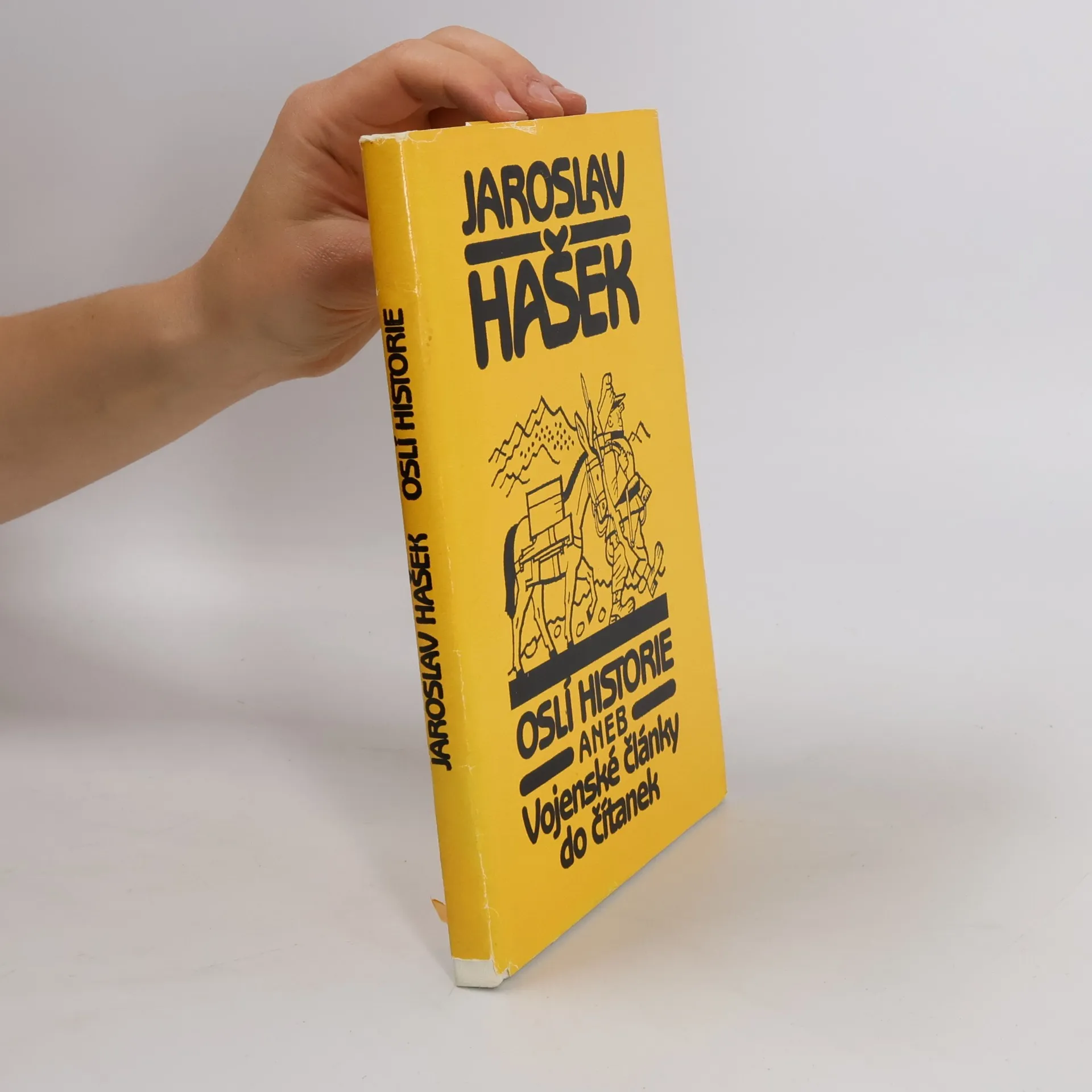
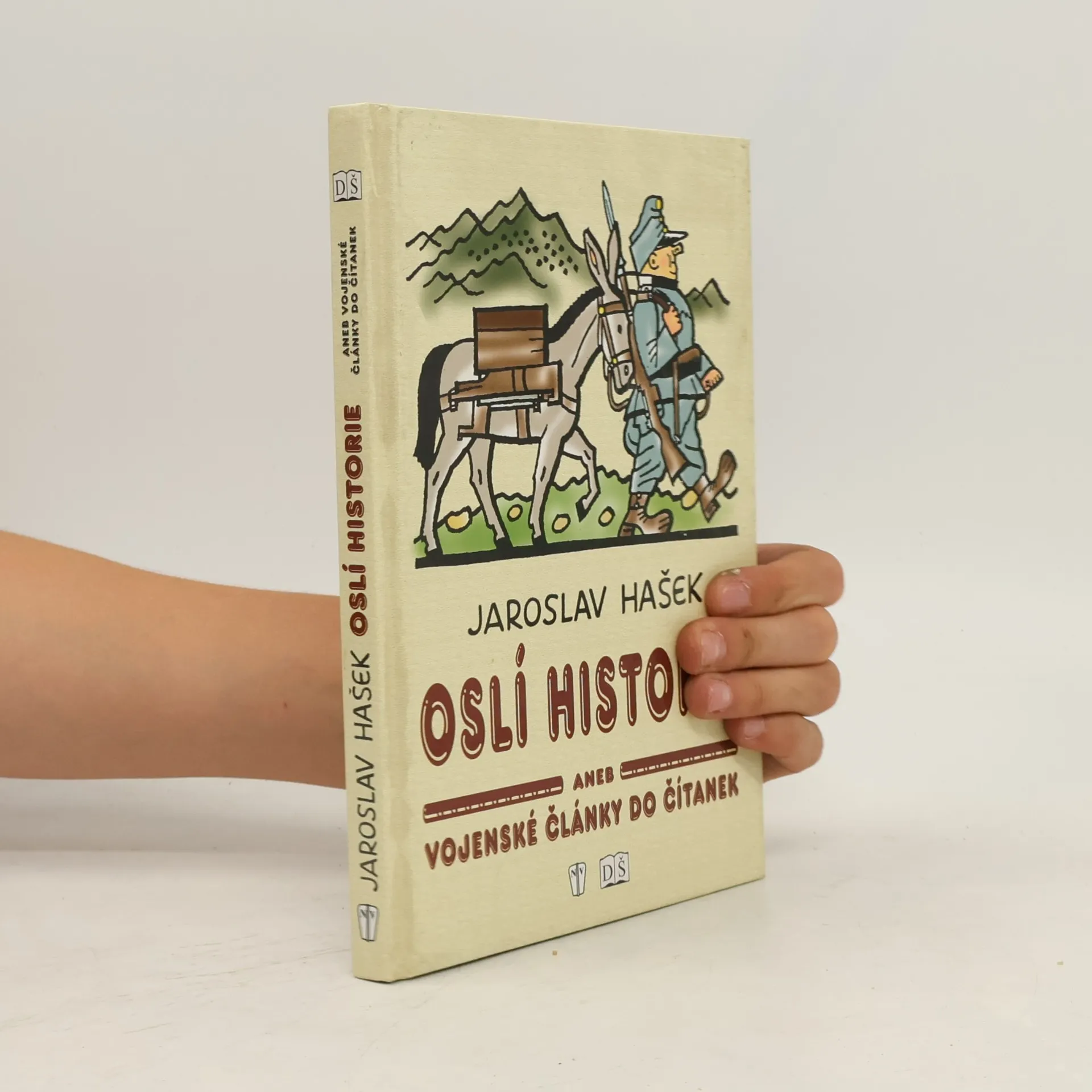
Oslí historie
- 125 páginas
- 5 horas de lectura
Své vzpomínky na vznik nejznámějšího vojína sepsala manželka Jaroslava Haška. "Nevíš, kde je ten papír, na kterém jsem včera začal psát a pak jsem nad tím usnul? A byla to taková dobrá myšlenka. Napadlo mi něco ohromného. A teď jsem to nějak zaspal." Našli jsme papír v uhláku. Byl na něm jenom nadpis: "Pitomec u kumpanie." A pod tím: "dal se superarbitrovat pro blbost ...". Hašek si s tím trochu lámal hlavu a pak mi začal diktovat Švejka. Bylo to v roce 1911 a byla z toho povídka "Dobrý voják Švejk".
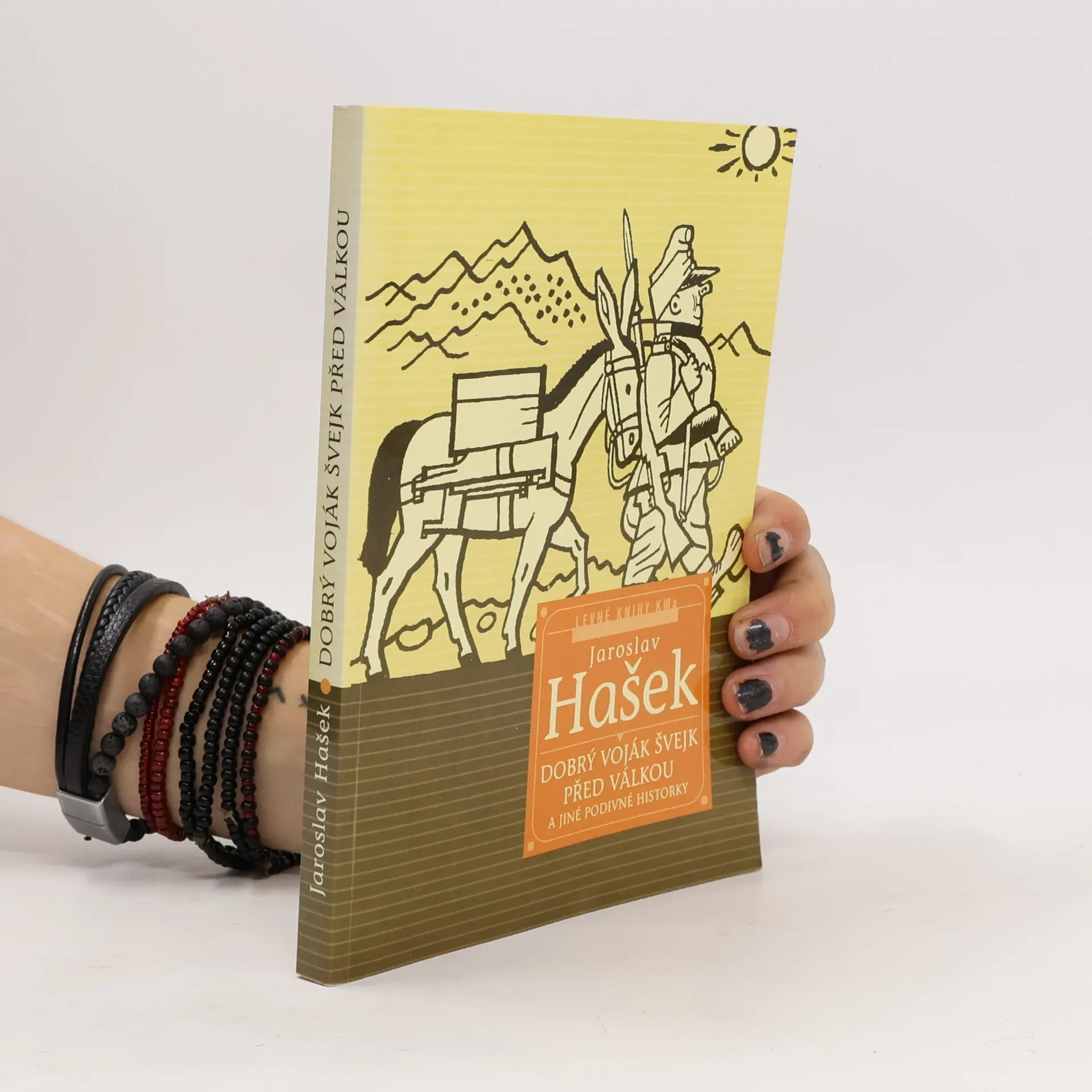
Dobrý voják Švejk před válkou a jiné podivné historky
- 206 páginas
- 8 horas de lectura
Knížka málo známých povídek, který přibližuje společenské ovzduší před 1. svět. válkou. První oddíl tvoří vojenské povídky s antimilitaristickou tématikou. Je uzavřen cyklem příhod o Švejkovi. Druhý odd. tvoří satiry na rakouskou imperialistickou zahraniční politiku a představitele vládnoucí dynastie. Třetí oddíl obsahuje satiry, v nichž se Hašek vysmívá rakouskému policejnímu aparátu a jeho příslušníkům, s nimiž za svého života přicházel často do konfliktu. Ilustroval Josef Lada.
Málo známé povídky z rakouské armády, zajateckého tábora i z čs. legií v Rusku. Pásmo Haškových dopisů z fronty svědčí o nadšení a odvaze československých legionářů. Známější povídka "Karel byl v Praze", protibolševický "Vánoční fejeton" a nakonec pásmo "I vyklepal prach z obuvisvé" o Haškově nelehkém návratu z Ruska.
Soubor 40 Haškových povídek, které jsou vzorem společenské satiry. Výbor se pohybuje od ryze humoristických povídek až po ostrou satiru. Jsou tu ukázky z rané autorovi tvorby i z jeho nejvyzrálejšího období.
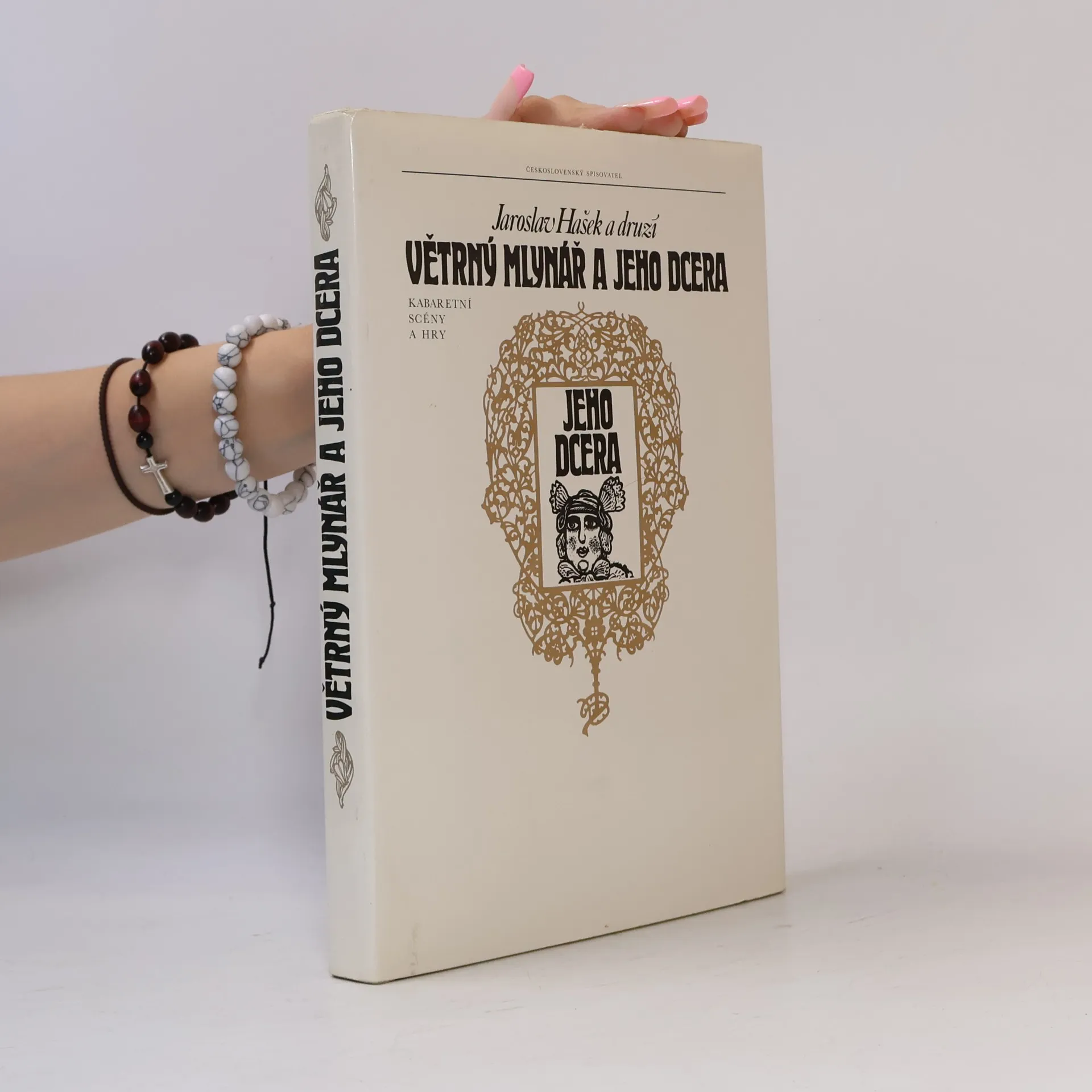
Jaroslav Hašek a druzí Své role jsme si psali každý sám, vlastně jsme je diktovali Drobílkovi, který je zapisoval. Všichni jsme ovšem mluvili do úloh svých spoluherců a svou úlohu jsme chtěli mít všichni co nejvydatnější. Hlavně Hašek. Jenom do Machovy úlohy se nikdo nemíchal, nestačilijsme na jeho verše. S jediným napsaným exemplářem naší hry v ruce dělal Drobílek režiséra i nápovědu při zkoušce i představeních. Spisovat se začalo odpoledne, asi v šest byla generálka a když většina hostů byla po večeři, provedla se premiéra. Scénu jsme měli v koutě u kamen, které jakožto skála byly důležitou rekvizitou. Byl to kout mezi dveřmi vedoucími do výčepu a mezi dveřmi na chodbu k toaletám. Přitom nám hercům nic nevadilo, že podle nás byla v obou směrech neustálá frekvence hostí, která čím byla větší, tím víc jistě těšila Drobílka i pana Zvěřinu.
Výbor 45 méně známých satirických povídek z novin, časopisů, vydaných knih.
„Chceš se zbláznit? ! Čti Šťastný domov! “ Tak by mohl znít reklamní slogan k jedné z delších povídek Jaroslava Haška. Je to příběh muže, který se ožení s půvabnou a milou dívkou, ovšem vášnivou čtenářkou časopisu Šťastný domov. „Šťastný domov přináší domovům štěstí!“ volá hlavní hrdina v závěru. Dospěl k tomu složitou cestou, lemovanou domácí strojní výrobou párátek, tácem, ukutěným jeho manželkou z klavíru, za tím účelem zakoupeného, léčením bezvědomí v sudu, neboť „výpary z kyselého zelí brání mdlobě“. Na první pohled je Haškova povídka pouze skvělou satirou (dodnes aktuální) na nejrůznější mediální Paty a Maty, kteří čtenářům dávají všelijaké praktické i „praktické“ rady. Ovšem Haškův humor ve Šťastném domově obsahuje prvky absurdity, jež se v umění programově objevují až mnohem později. A to absurdity mazaně (u Haška se nesluší říci rafinovaně) propojené s prvky zdánlivě všedního života.
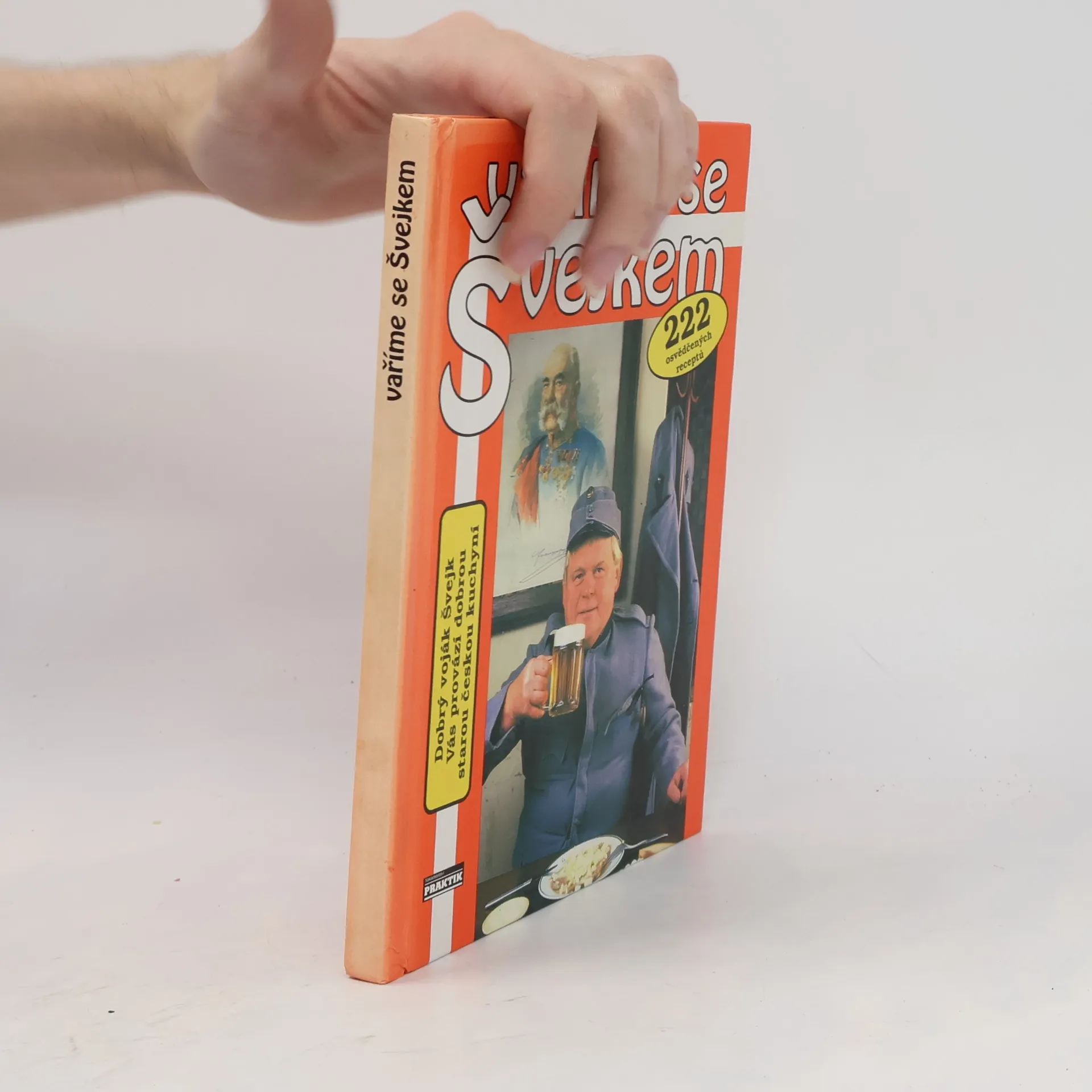
Vaříme se Švejkem: Dobrá stará česká kuchyně
- 135 páginas
- 5 horas de lectura
Jednoduchá a srozumitelná kuchařka klasických českých jídel z levných a běžně dostupných surovin.
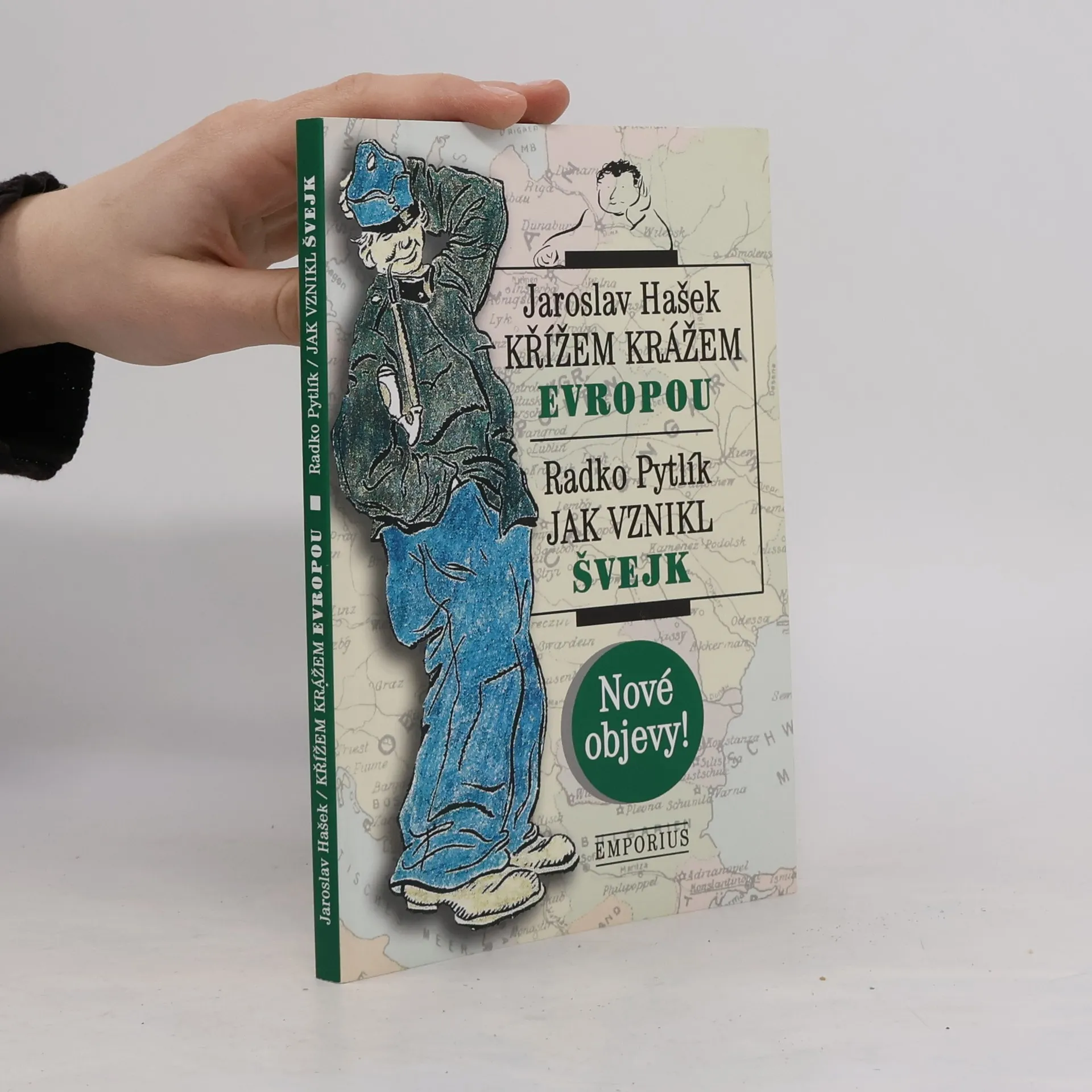
Křížem krážem Evropou / Jak vznikl Švejk
- 190 páginas
- 7 horas de lectura
Soubor Křížem krážem Evropou anebo Jak vznikl Švejk zahrnuje nejlepší cestopisné črty a fejetony mladého tuláka, jež málem upadly v zapomenutí. Jak vznikl Švejk je objevem literárního historika Radko Pytlíka, jenž věnoval celý svůj život objevování Haškova díla. Před lety upoutal pozornost veřejnosti (i cenzury) knihou Toulavé house (1970). Ve studii Křížem krážem Evropou podává přehled toulek Evropou, v eseji Zabráněná sebevražda objasňuje záhadný pokus o sebevraždu a poprvé objevuje vznikl Švejka v kabaretu Strany mírného pokroku v roce 1911! Nové objevy dokreslují humor Haškových dobrodružství ve Skelivce, v Samařš a v Bugulmě, jež křtily vznik Osudů dobrého vojáka Švejka.
Výbor z povídek J.Haška, doplněný výběrem starých inzerátů.
V šestém svazku sebraných spisů setká se čtenář opět s novou tváří Jaroslava Haška. Poznal již Haška tepajícího humorně zlořády církevní, dobírajícího si škodolibě rakouské úřady a policajty, zamýšlejícího se nad leckterým problémem sociálním i shrnujícího do veselých povídek zkušenosti ze svých cest po světě. Tentokrát seznámí se blíže s Haškem zaměřujícím svůj smysl pro humor do oblasti milostných citů. Soubor kratších i rozlehlejších humorných příběhů o lásce a ženitbě, o lidech ženatých a zamilovaných. Tématicky zde čerpá z oblastí milostných vztahů a vysmívá se lidem, kteří lásku využívají. V některých povídkách je Haškova satira hlouběji sociálně a společensky zaměřena.
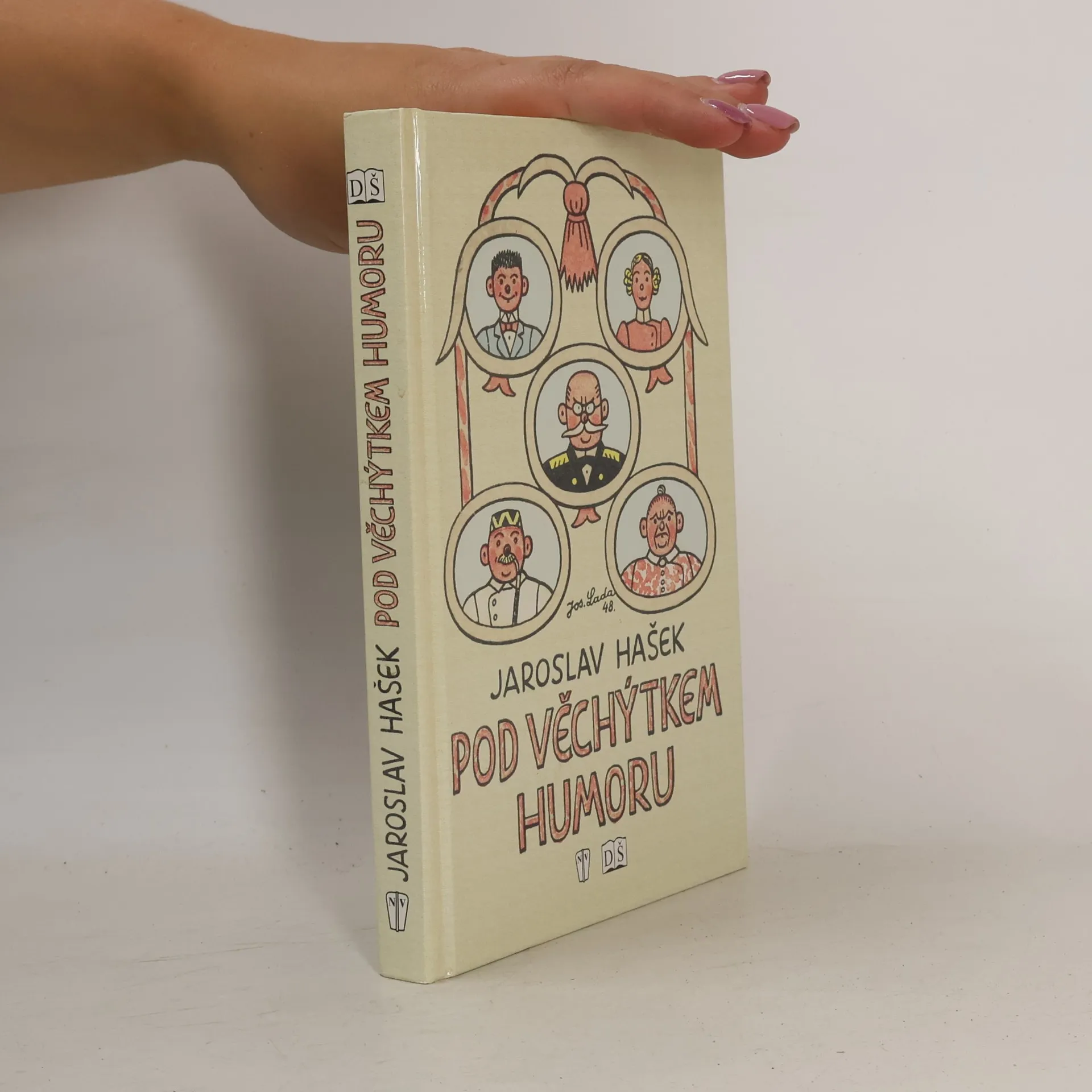
Pod věchýtkem humoru
- 168 páginas
- 6 horas de lectura
Obsah: Šťastný domov. Zrádce národa v Chotěboři. V hodině náboženství. Korupční aféra magistrát. praktikanta Bachůry. Jaké máme trápení s tetou. Stavovské rozdíly. Adele Toms z Haidy, německá učitelka. Zasnoubení v naší rodině.Tasemnice paní kněžny. Smiřovačky. Konfiskační praxe. Čáka pěšáka Trunce. Povídka o obrazu cís. Frant. Josefa I. Bilance váleč. tažení hejtmana Alserbacha. Po stopách stát. policie. Tragedie c. k. šikovatele Henry Hallera od 13. pěš. pluku. Baráčnická krev p. Potužníka. Hořický okres. hejtman. I vyklepal prach z obuvi své. Zbabělec. Dobročinnost. Klasická výchova. V benátských mučírnách. Boží sláva. Historie prasete Xavera.
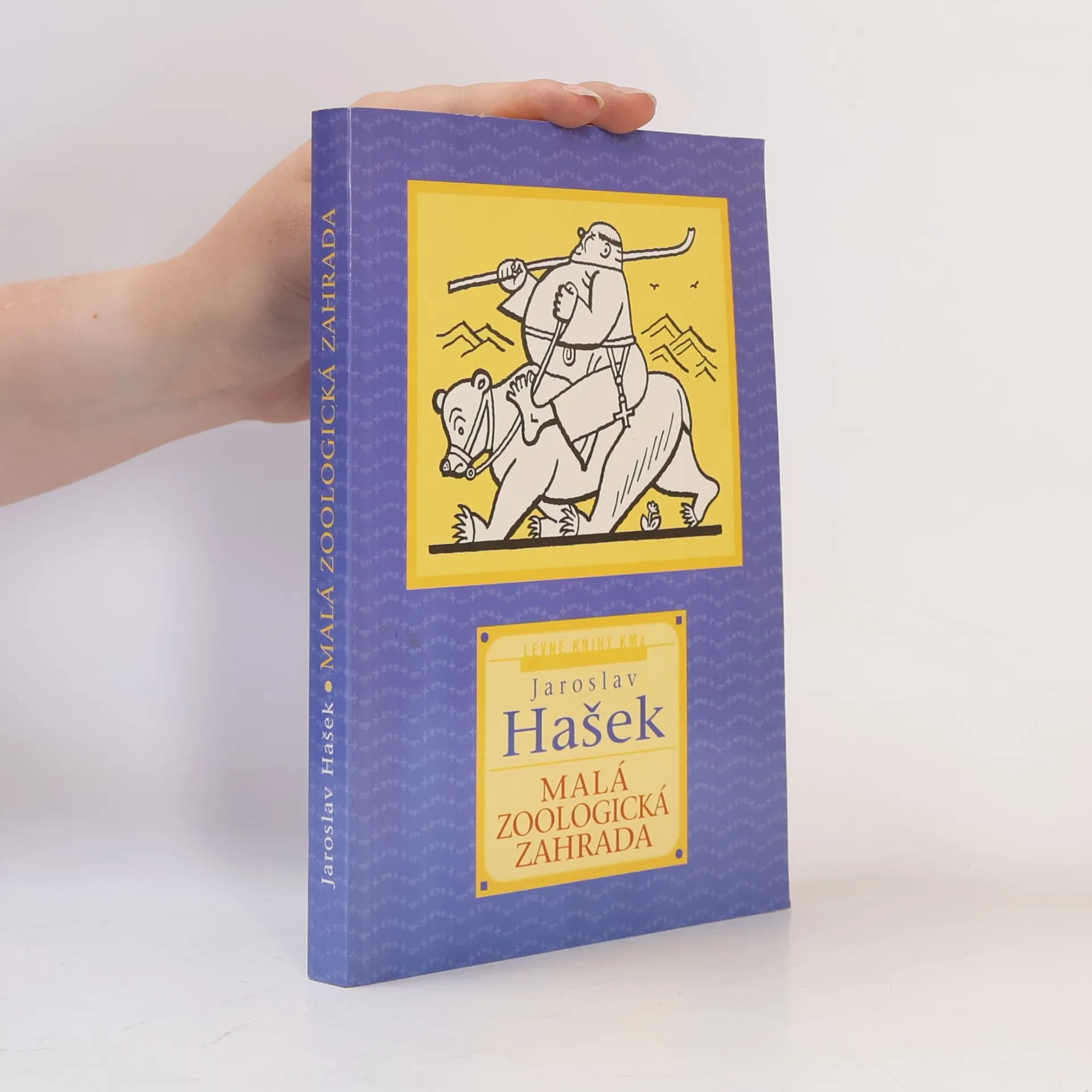
Humorné i vážné příběhy, jejímiž hrdiny jsou různá zvířátka, ukazuje klasika naší literatury z nové a přitom citlivé stránky.
Švejk - nejlepší výroky, hlášky a pasáže
- 170 páginas
- 6 horas de lectura
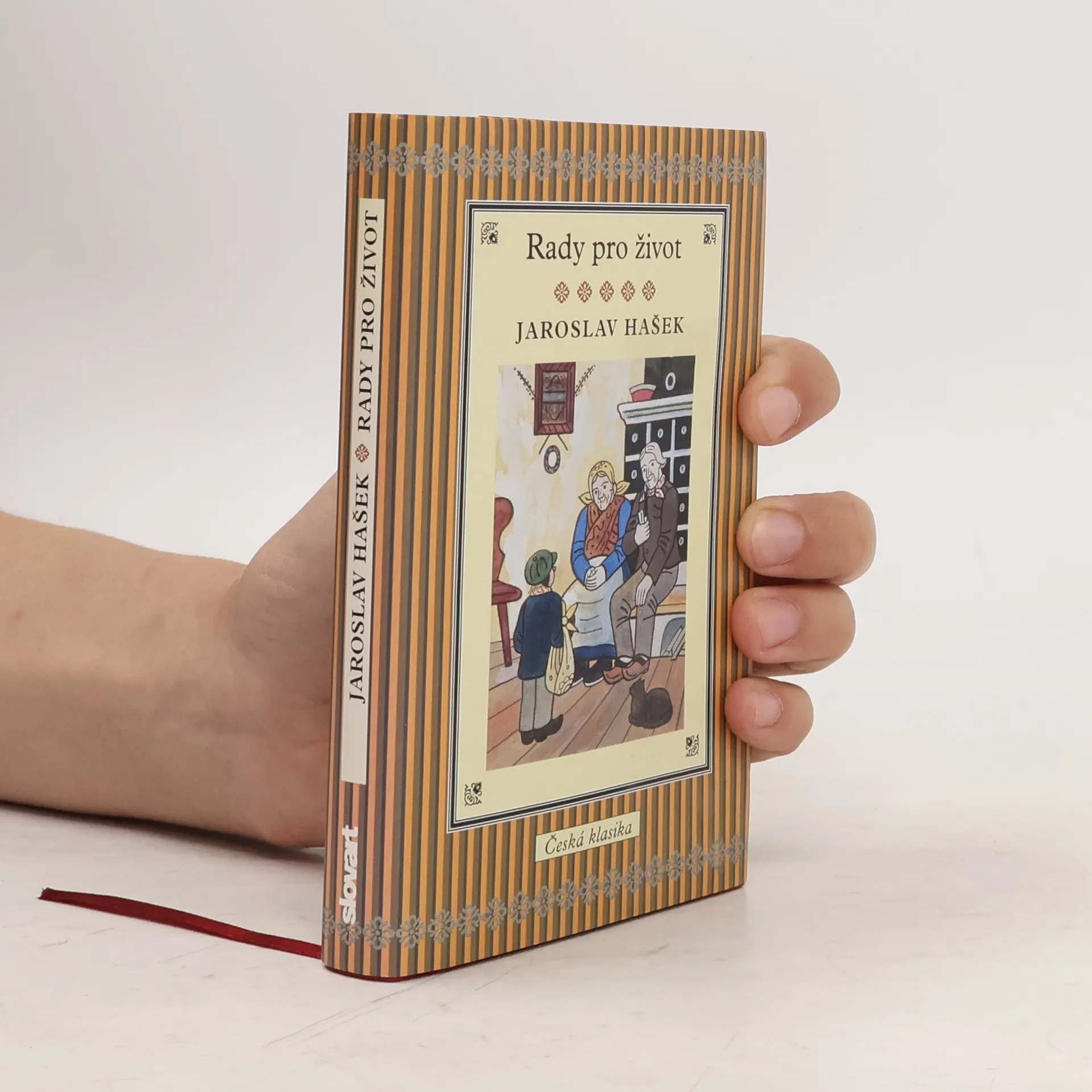
Rady pro život
- 352 páginas
- 13 horas de lectura
Nově vytvořený soubor známých i méně známých povídek nejvýznamnějšího českého humoristického autora, bohéma, mistra fabulace, ironie a absurdity. Haškovy povídky mají klasický styl i formu a čtou se velmi lehce. Výběr z jeho próz zaujme každého milovníka veselé četby o každodenním životě, který mohl existovat snad jen v autorově fantazii. Navazujeme tak na předchozí úspěšný výbor z díla Jaroslava Haška Můj obchod se psy a jiné povídky.
Mezi dvacítkou vybraných humoresek najdete takové skvosty jako Pokus o abstinenční večírek, Drobílkovo milostné dobrodružství, Malé nedorozumění či Nešťastná historie s kocourem. Všechny příběhy jsou navíc doplněny klasickými ilustracemi Josefa Lady.