Eminent Chinese novelist Yan Lianke offers insights into his views on literature and realism, the major works that inspired him, and his theories of writing.
Lianke Yan Libros
24 de agosto de 1958
Yan Lianke es un autor chino reconocido por su lente satírica sobre la China contemporánea. Sus obras, a menudo provocadoras y críticas con las lacras sociales, abordan temas sensibles, lo que ha llevado a que algunas de sus piezas más célebres sean prohibidas en China. El estilo de Lianke se caracteriza por su enfoque crudo y a veces extraño, que obliga a los lectores a enfrentarse a las absurdidades de la vida. A pesar de las controversias, su literatura ha obtenido reconocimiento mundial por su profundidad y su inquebrantable exploración de las realidades chinas.



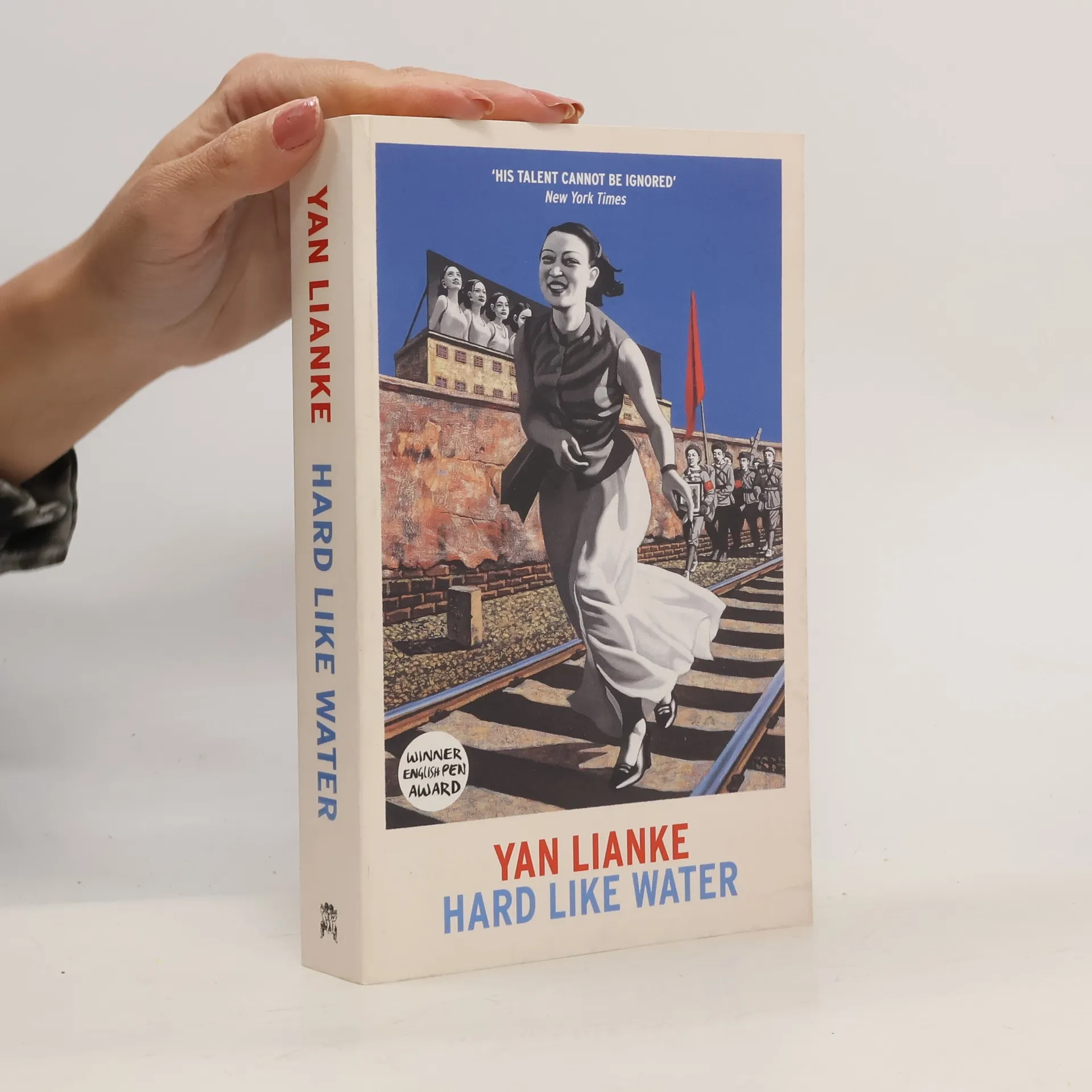
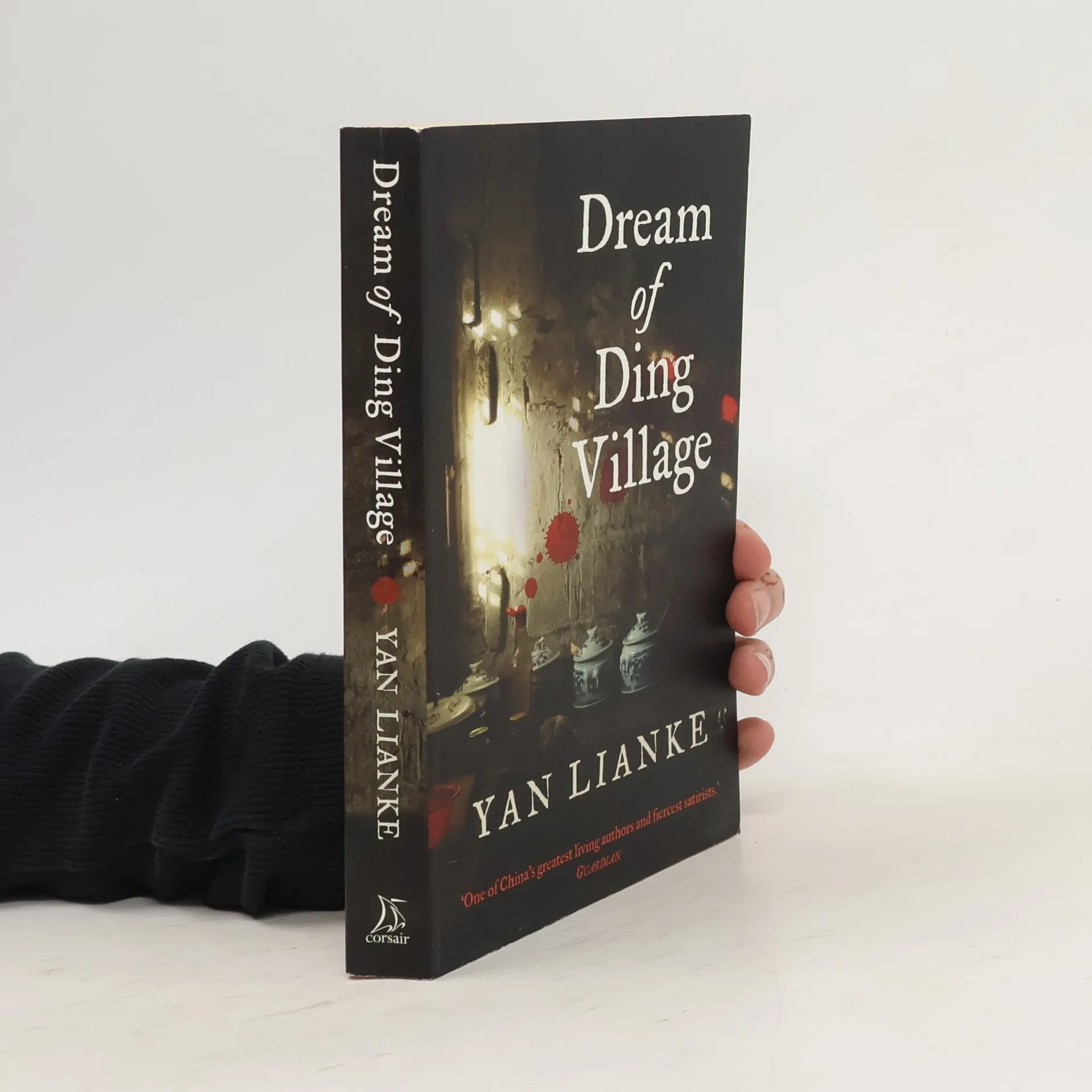
China's most controversial novelist on one of the biggest scandals in recent Chinese history - his defining work.
A breakneck adventure story following the erotic love affair of party cadres Aijun and Hongmei during China's Cultural RevolutionOn his return to his village in the Balou Mountains, soldier Gao Aijun sees a young woman wandering barefoot along the railway tracks in the warm late-afternoon sun.
Three Brothers
- 224 páginas
- 8 horas de lectura
Chronicling the extraordinary lives of his father and two uncles, as well as his own, this book is a celebration of the power of one family to hold together in the most punishing of circumstances. Sharply alive to the cyclical nature of history, and the power of familial guilt, it also shows how the pen can be a route to freedom
Serve the People!
- 240 páginas
- 9 horas de lectura
A brilliantly comic satire about a love affair from the visionary, world-class storyteller. Set in 1967, at the peak of the Mao cult, this is the tale of a forbidden love affair between Liu Lian - the bored wife of a military commander - and a young soldier, Wu Dawang. When Liu Lian establishes a rule that Wu Dawang must attend to her needs whenever the household's wooden 'Serve the People!' sign is removed from its usual place, he vows to obey. What follows is both an enthralling love story and a deliciously comic satire on the political and sexual taboos of Mao's regime. 'Drips with the kind of satire that can only come from deep within the machinery of Chinese communism' Financial Times
SHORTLISTED FOR THE MAN BOOKER INTERNATIONAL PRIZE 2016 'One of China's greatest living authors and fiercest satirists' Guardian In the ninety-ninth district of a sprawling labour camp, the Author, Musician, Scholar, Theologian and Technician - and hundreds just like them - are undergoing Re-education, to restore their revolutionary zeal and credentials. In charge of this process is the Child, who delights in draconian rules, monitoring behaviour and confiscating treasured books. But when bad weather arrives, followed by the 'three bitter years', the intellectuals are abandoned by the regime and left on their own to survive. Divided into four narratives, The Four Books tells the story of the Great Famine, one of China's most devastating and controversial periods. WINNER OF THE FRANZ KAFKA PRIZE 2014 NOMINATED FOR CZECH AWARD MAGNESIA LITERA 2014 HUA ZHONG WORLD CHINESE LITERATURE PRIZE 2013 FINALIST FOR THE MAN BOOKER INTERNATIONAL PRIZE 2013 WINNER OF THE HUA ZHONG WORLD CHINESE LITERATURE PRIZE 2013 SHORTLISTED FOR THE INDEPENDENT FOREIGN FICTION PRIZE 2012 SHORTLISTED FOR THE PRIX FEMINA ETRANGER 2012 SHORTLISTED FOR THE MAN ASIAN LITERARY PRIZE 2011 WINNER OF THE LAO SHE LITERATURE AWARD 2004 WINNER OF THE LU XUN AWARD 1997
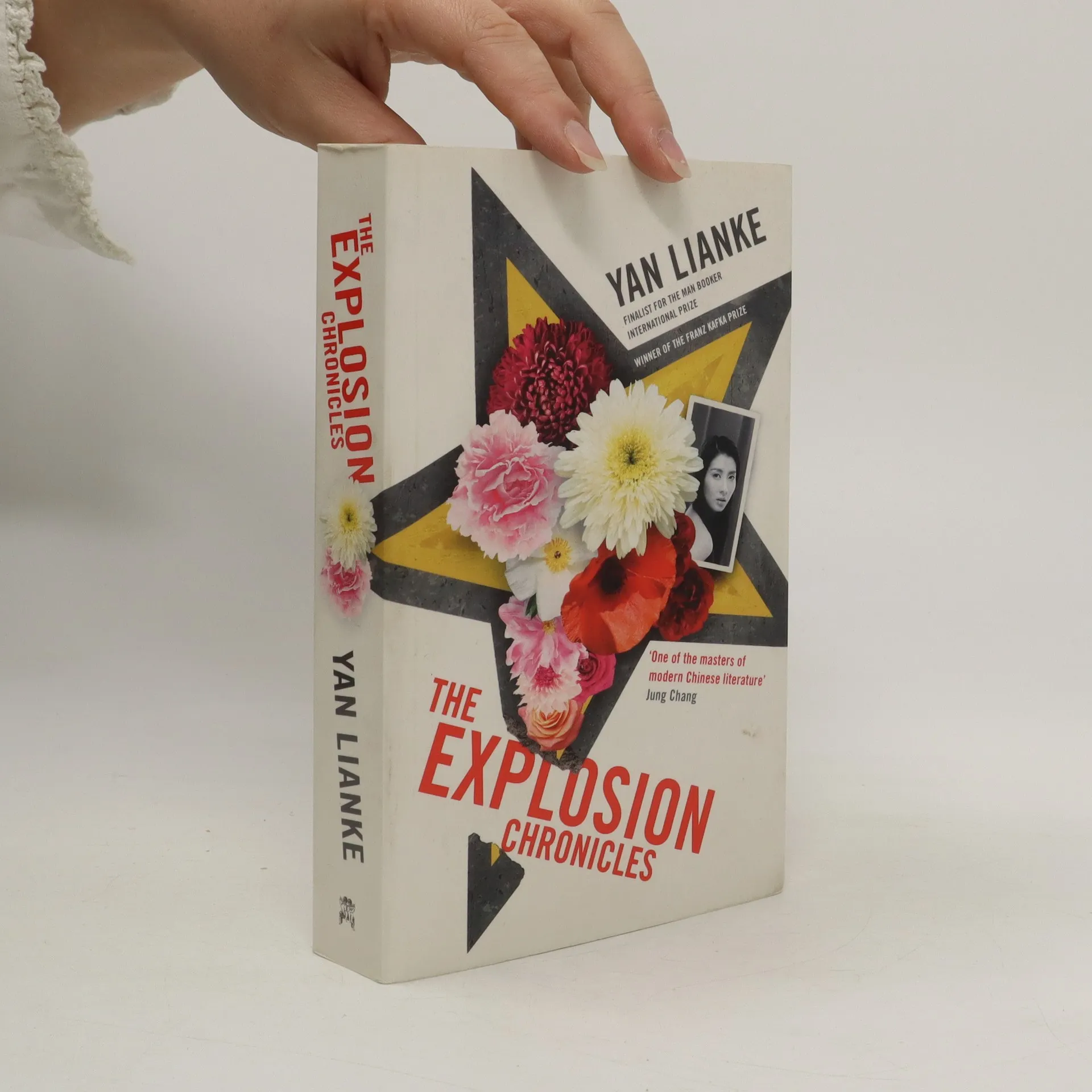
With the Yi River on one side and the Balou Mountains on the other, the village of Explosion was founded a thousand years ago by refugees fleeing a volcanic eruption. But in the post-Mao era, the name takes on a new significance as the rural community grows explosively from a small village to a town to a city to a vast megalopolis. Behind this rapid expansion are three rival families. Linked together by a web of ambition, madness and greed, the four Kong brothers; Zhu Ying, the daughter of the former village chief; and Cheng Qing, who starts out as a secretary and goes on to become a powerful political and business figure, transform their hometown into a Babylon of modern times -- an unrivalled urban superpower built on lies, sex and thievery. Brimming with absurdity, intelligence and wit, The Explosion Chronicles considers the high stakes of passion and power, the consequences of corruption and greed, the dynamics of love and hate, as well as the seemingly boundless excesses of capitalist culture. 'One of the masters of modern Chinese literature' Jung Chang 'One of Chinaâe(tm)s most successful writers . . . [Yan Lianke] writes in the spirit of the dissident writer Vladimir Voinovich, who observed that "reality and satire are the same"' Evan Osnos, New Yorker
The Day the Sun Died
- 352 páginas
- 13 horas de lectura
Poignant and unsettling Max Davidson Mail on Sunday
Heart Sutra
- 416 páginas
- 15 horas de lectura
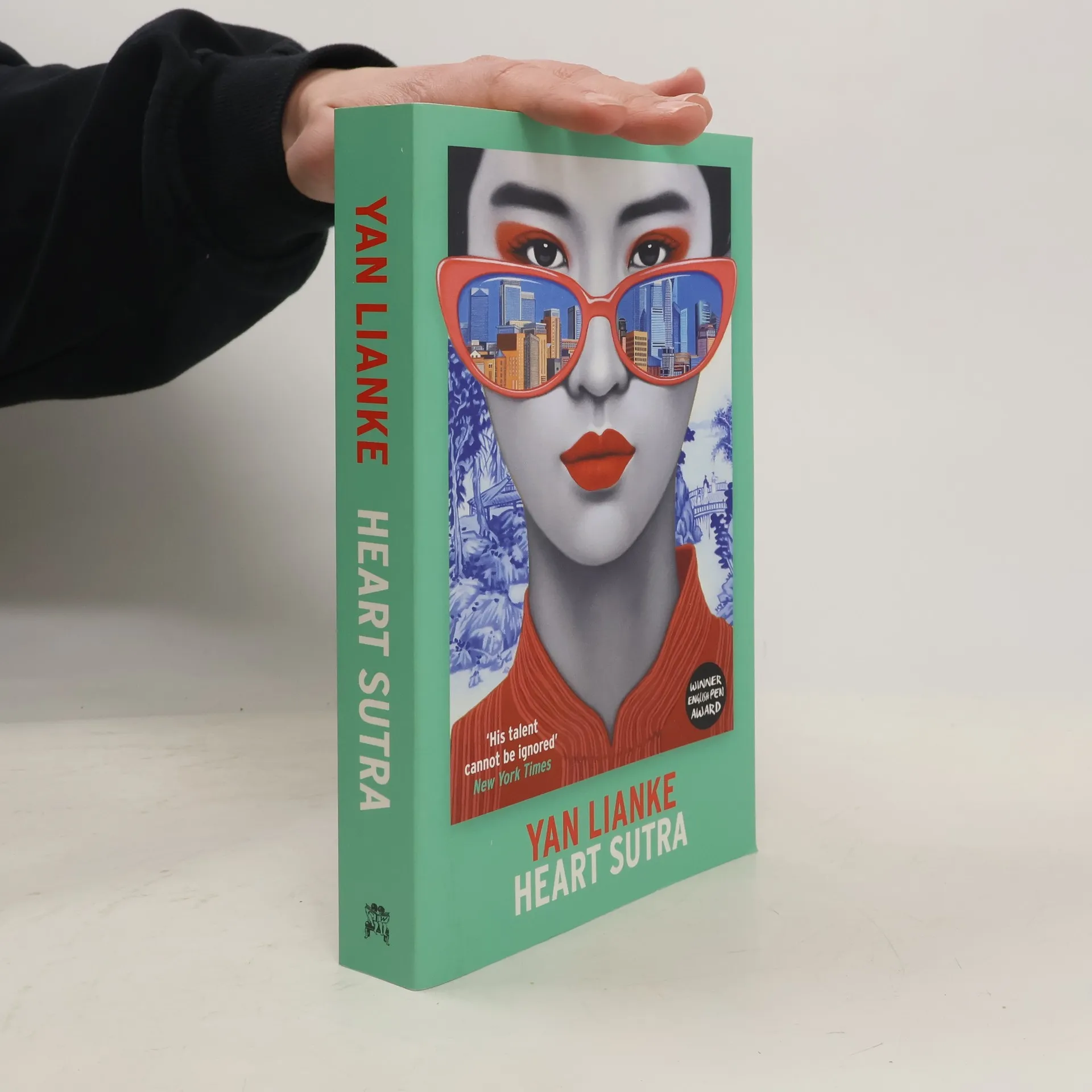
Set in a religious training center in Beijing, this novel explores the unexpected romance between a Buddhist nun and a Daoist priest. Through their relationship, the story delves into themes of spirituality, love, and the complexities of belief, all while showcasing the author's sharp satirical style. The narrative promises to blend humor and poignant moments, highlighting the characters' struggles with their faith and societal expectations.
Elles
- 336 páginas
- 12 horas de lectura
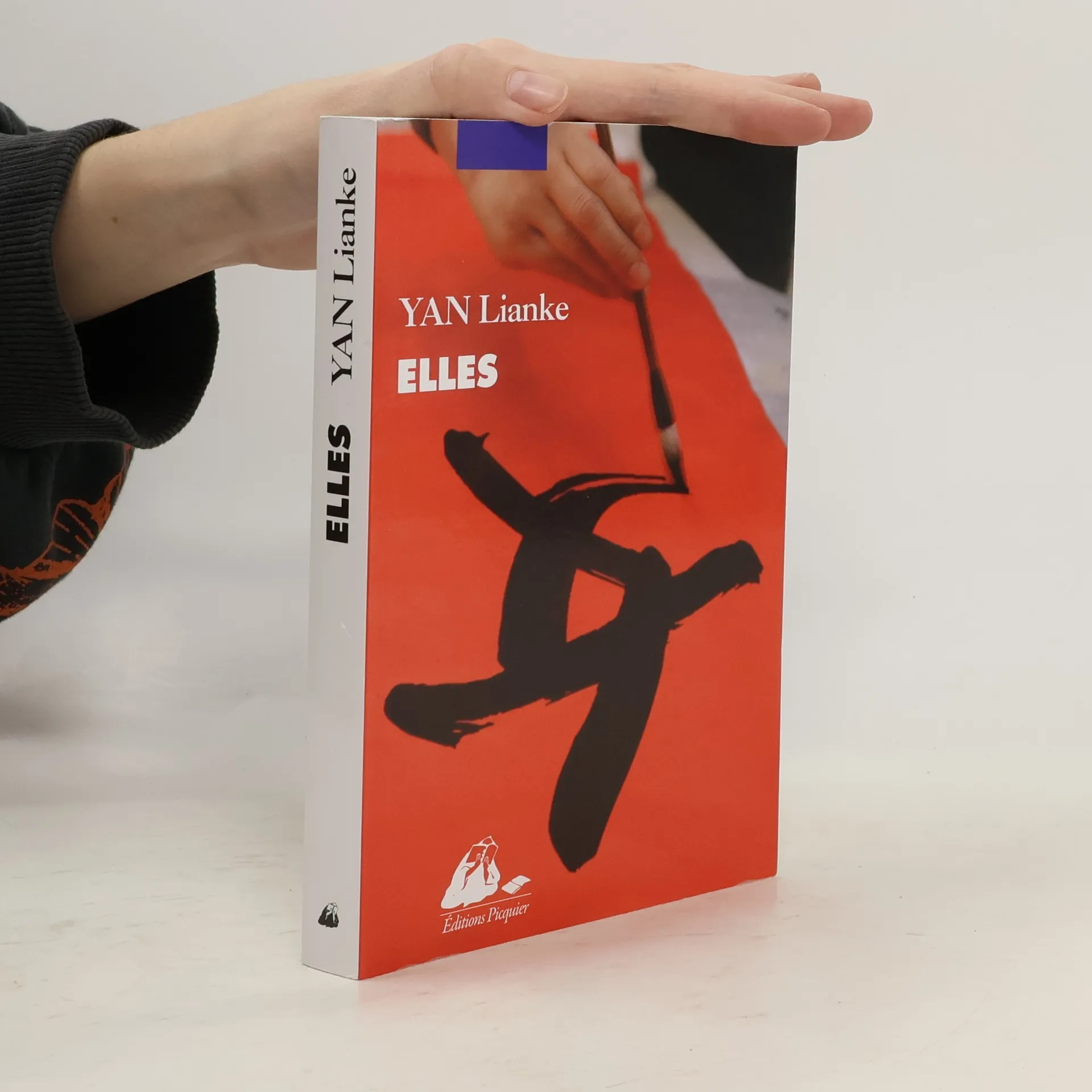
Après avoir attendu pendant dix ans, j'ai senti un jour que je pouvais écrire Elles. J'ai écrit leurs larmes, leurs rires, leurs silences et leurs fureurs. J'ai écrit leurs souffrances tues et leurs prises de conscience. Pour l'écrire, j'ai employé toutes mes forces, ma sincérité, mon amour et ma compréhension des êtres, tout le respect et l'estime que je porte à ces femmes nées êtres humains. C'est à sa mère, à ses sœurs, à ses tantes et aux femmes de son village que Yan Lianke pense en écrivant. Des femmes résistantes qui conjurent la misère en chantant, dont les magnifiques portraits se tissent de souvenirs d'enfance et d'analyses sur l'amour, le mariage et la condition des femmes dans la Chine rurale. Car ces femmes qui l'ont aimé et ont façonné son existence d'homme et d'écrivain, Yan Lianke est convaincu qu'elles ont été injustement oubliées, effacées de la mémoire des hommes. Ce livre profondément émouvant est né de sa volonté de leur rendre hommage et de leur donner une visibilité qu'elles n'ont jamais eue.
Całusy Lenina
- 600 páginas
- 21 horas de lectura
Czwarta dostępna w tłumaczeniu na język polski książka Yan Lianke nie pozostawia żadnych wątpliwości ? oto mamy kolejne dzieło jednego z najbardziej utalentowanych i bezlitosnych kronikarzy współczesnych Chin. Na pozór mamy do czynienia z komedią, lecz trudno o komedię czarniejszą ? urzędnicy są... číst celé
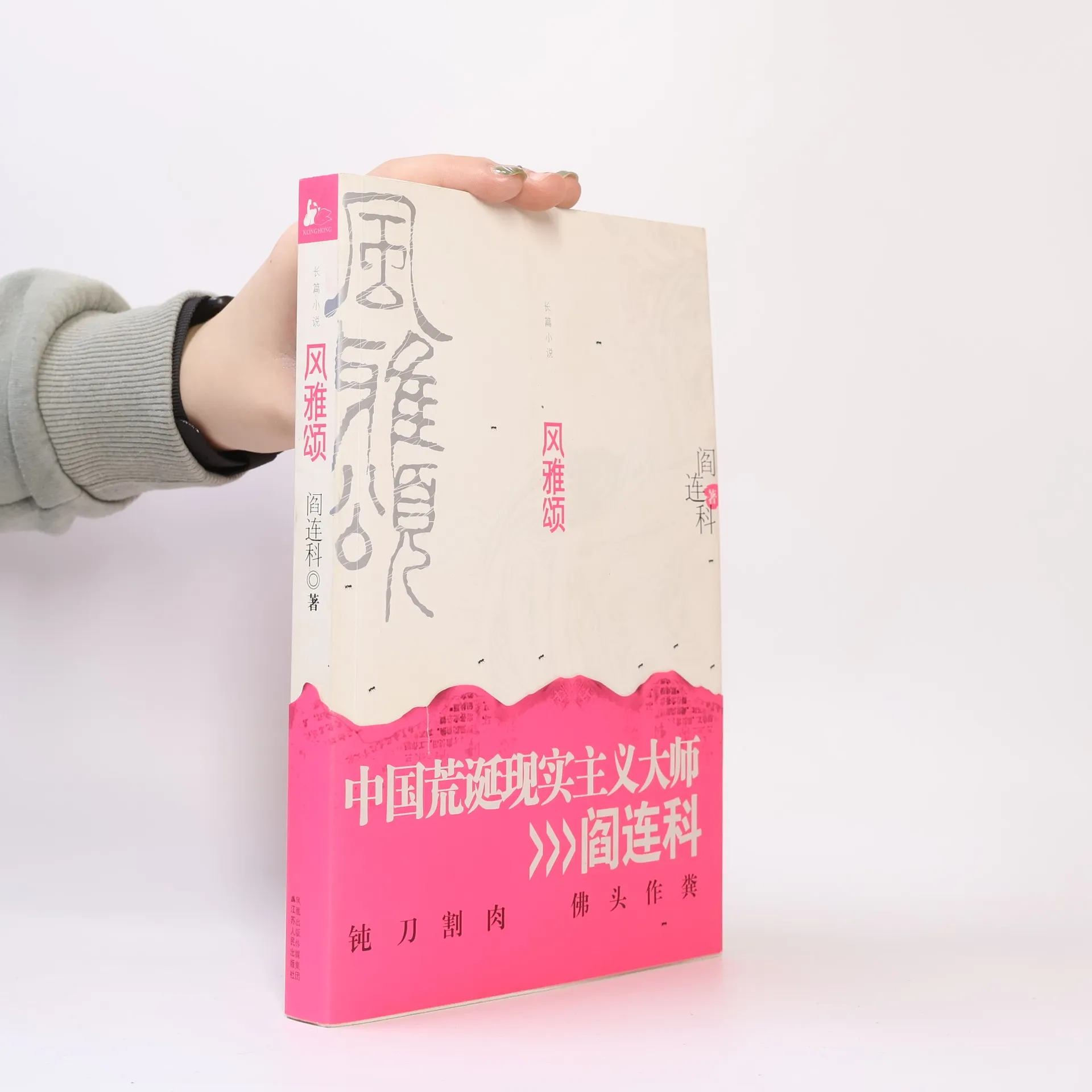
风雅颂
- 315 páginas
- 12 horas de lectura
当杨科提着耗费了五年光阴完成的研究专著《风雅之颂》的书稿回到家时,迎接他的竟然是妻子与副校长赤条条躺在床上的荤景......
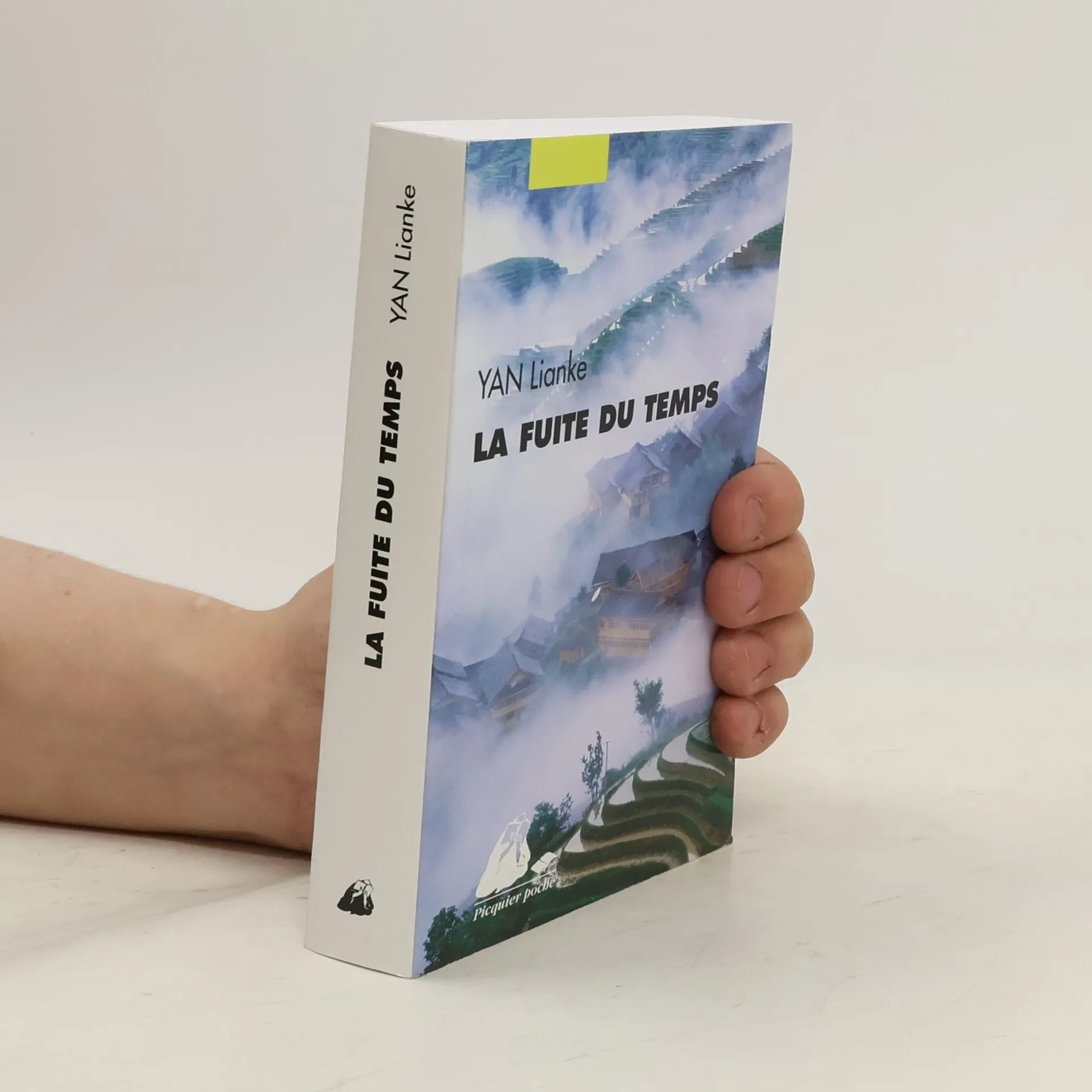
Les jours, les mois, les années
- 152 páginas
- 6 horas de lectura
Une terrible sécheresse contraint la population d'un petit village de montagne à fuir vers des contrées plus clémentes. Incapable de marcher des jours durant, un vieil homme demeure, en compagnie d'un chien aveugle, à veiller sur un unique pied de maïs. Dès lors, pour l'aïeul comme pour la bête. chaque jour vécu sera une victoire sur la mort. Ce livre est d'une force et d'une beauté à la mesure de cette plaine couronnée de montagnes dénudées où flamboie un soleil omniprésent. Le roman de Yan Lianke est un hymne à la vie. La fragilité et la puissance de la vie, et la volonté obstinée de l'homme de la faire germer, de l'entretenir, d'en assurer la transmission. C'est un acte de foi, aux confins du conte et du chant, à la langue comme jaillie de la nuit des temps ou des profondeurs les plus intimes de l'être.
Ce livre sensuel et flamboyant s’ouvre sur la mort et se clôt par la naissance. Fondé sur des faits réels de la terre natale de l’auteur, le Henan, il possède la violente beauté d’un mythe sur l’origine et la fin des temps. Depuis toujours, les habitants d’un village perdu au cœur des montages luttent pour survivre à une maladie qui les emporte avant quarante ans. Depuis toujours Sima Lan, le chef du village, aime d’un amour fou la douce Sishi. Aujourd’hui Sima Lan se meurt et le cours du temps s’inverse pour remonter vers sa source, en un cheminement qui est celui des combats opiniâtres qu’ont depuis toujours livrés les hommes pour assurer leur maîtrise sur le monde et leur propre survie. Car ce que célèbre Yan Lianke en ce livre, ce n’est pas la victoire impossible de l’homme sur la mort, mais le courage, l’obstination avec lesquels ces villageois, portés par une immense force collective, entreprennent, à chaque génération, de titanesques travaux pour conjurer le mal qui empoisonne leur terre et leur eau, leur capacité à puiser au plus profond d’eux-mêmes aux sources de la vie, et de l’amour, dans l’espoir de continuer à entendre bruire la lumière et respirer l’odeur verte de la sève au printemps.
China 1967: Die Kulturrevolution versetzt das ganze Land in Aufruhr. Der junge Gao Aijun hat soeben seinen Militärdienst abgeleistet und kehrt voller revolutionärer Ideale und hochfliegender Ambitionen zurück in sein Heimatdorf. Doch in dem verschlafenen Kaff tief in der zentralchinesischen Provinz scheint die Zeit stillzustehen. Aijun fühlt sich beruflich ohne Perspektive, privat an seine ungeliebte Frau gefesselt. Da lernt er die ebenso schöne wie kluge Xia Hongmei kennen. Zwischen beiden entbrennt eine leidenschaftliche Liebe, in der revolutionäre Inbrunst und sexuelles Begehren einander gegenseitig befeuern. Gemeinsam entfesseln sie in ihrem Dorf den vom Vorsitzenden Mao eingeforderten Klassenkampf, gemeinsam beginnen sie ihren Aufstieg auf der politischen Karriereleiter und gehen gleichzeitig immer tolldreistere Risiken ein, um ihrer hemmungslosen Lust zu frönen. Wie lange wird ihr Spiel gutgehen? Und wie weit sind Aijun und Hongmei bereit zu gehen, um ihre verbotene Liebe zu leben? Eine beißende Satire auf eines der irrwitzigsten und finstersten Kapitel der jüngeren chinesischen Geschichte, geschrieben von einem der wichtigsten chinesischen Schriftsteller. Eine Groteske, in der sich Grauen, Komik und Romantik auf einzigartige Weise vermischen.
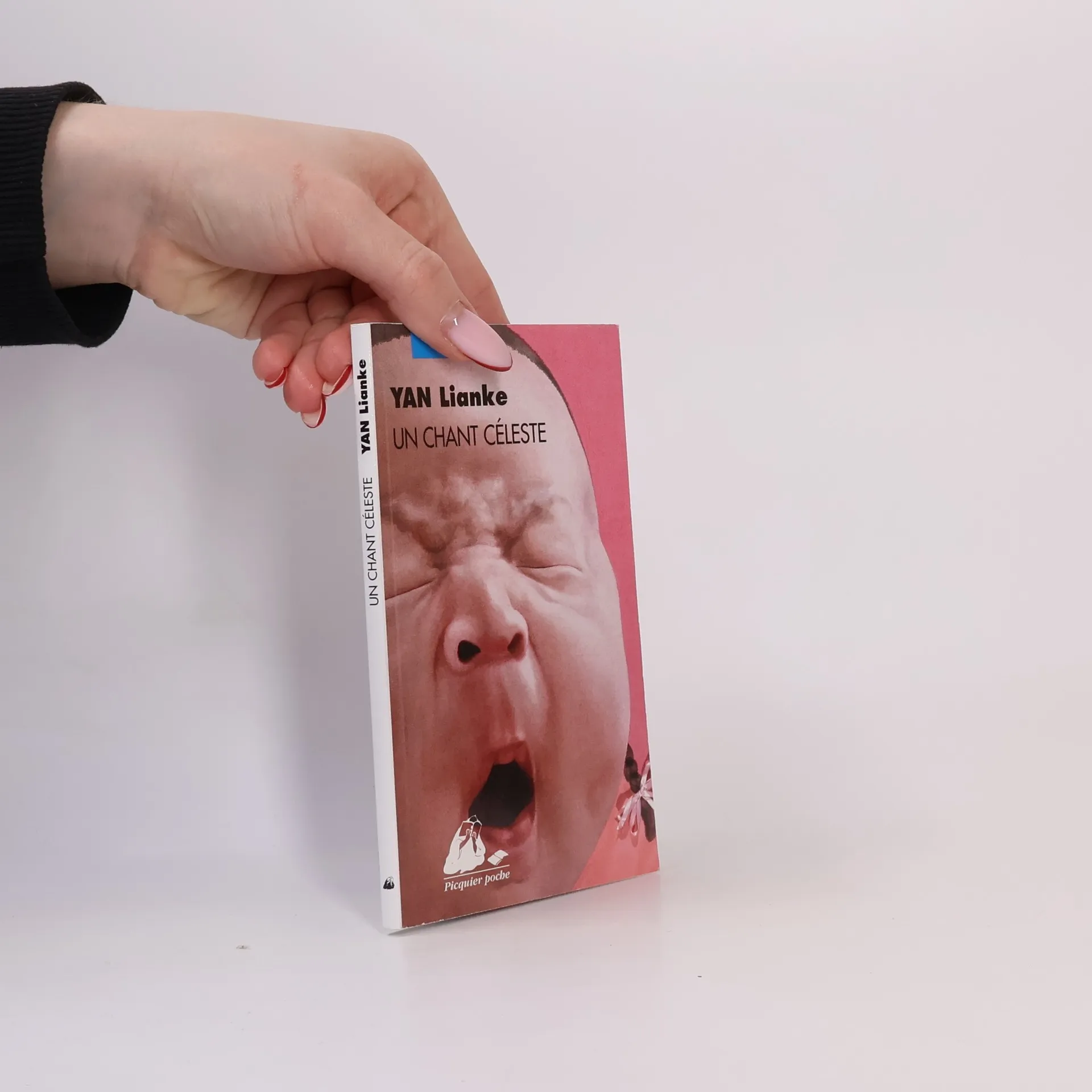
Un chant céleste
- 112 páginas
- 4 horas de lectura
You Sipo, qui était arrivée au village des monts Balou en chantant un air d’opéra, est désormais silencieuse, elle a trop à faire pour élever seule ses enfants malheureusement idiots de naissance, victimes d’un mal mystérieux. Alors qu’elle est à la recherche d’un « gens-complet » pour marier sa troisième fille, elle apprend que seule une décoction d’os humains venant d’un proche parent serait susceptible d’arracher ses enfants au malheur en les guérissant. You Sipo s’en va immédiatement fouiller la tombe de son défunt époux, le médicament est efficace, mais comment le squelette du père pourrait-il y suffire ? You Sipo se décide au sacrifice suprême. Une dernière fois elle se promène dans le village endormi et retrouve sa voix, ses chants, arrachant à leurs rêves tous ces gens qui au fil des ans l’ont tant méprisée et lui en ont tant voulu d’avoir fait de leur village celui des « quatre idiots ».