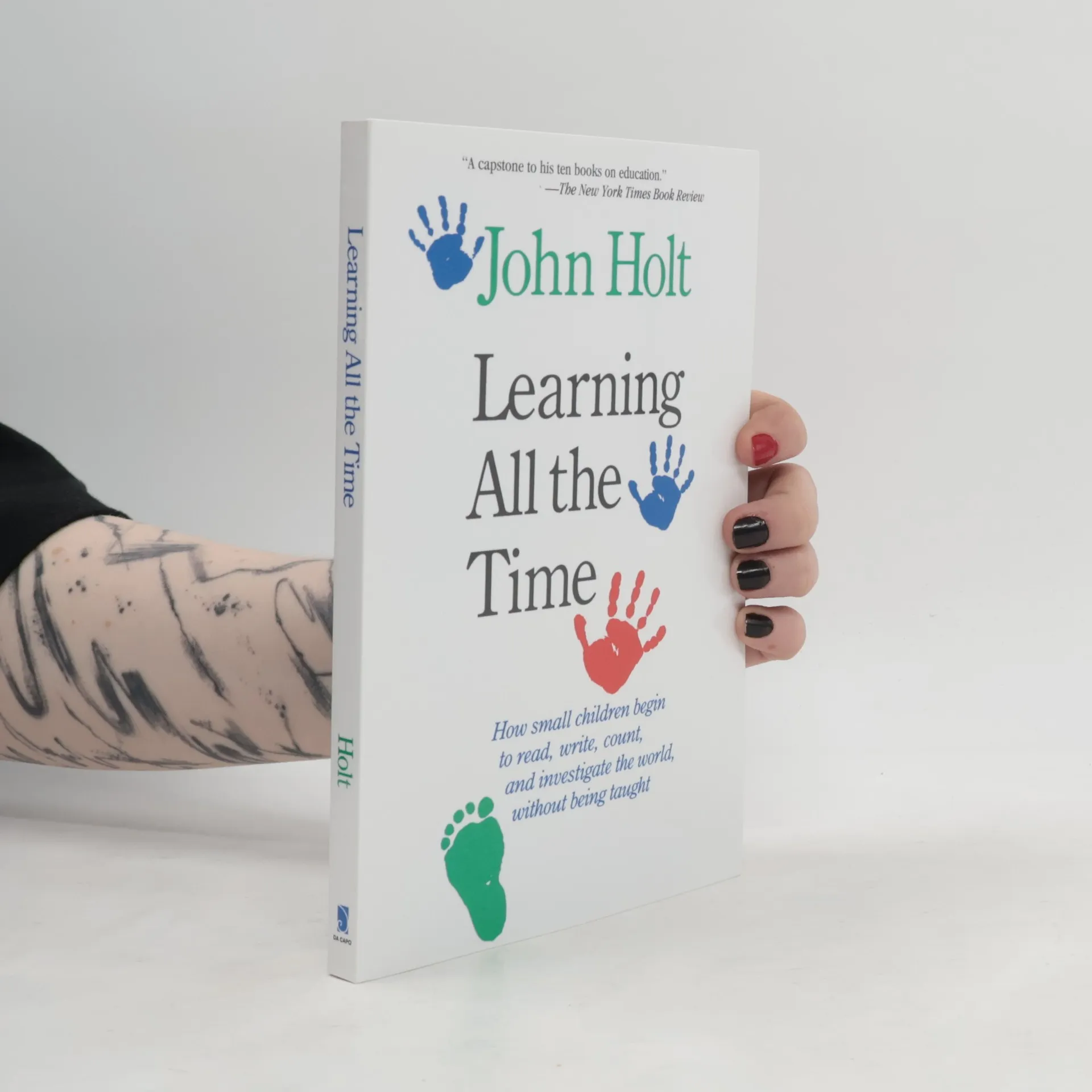
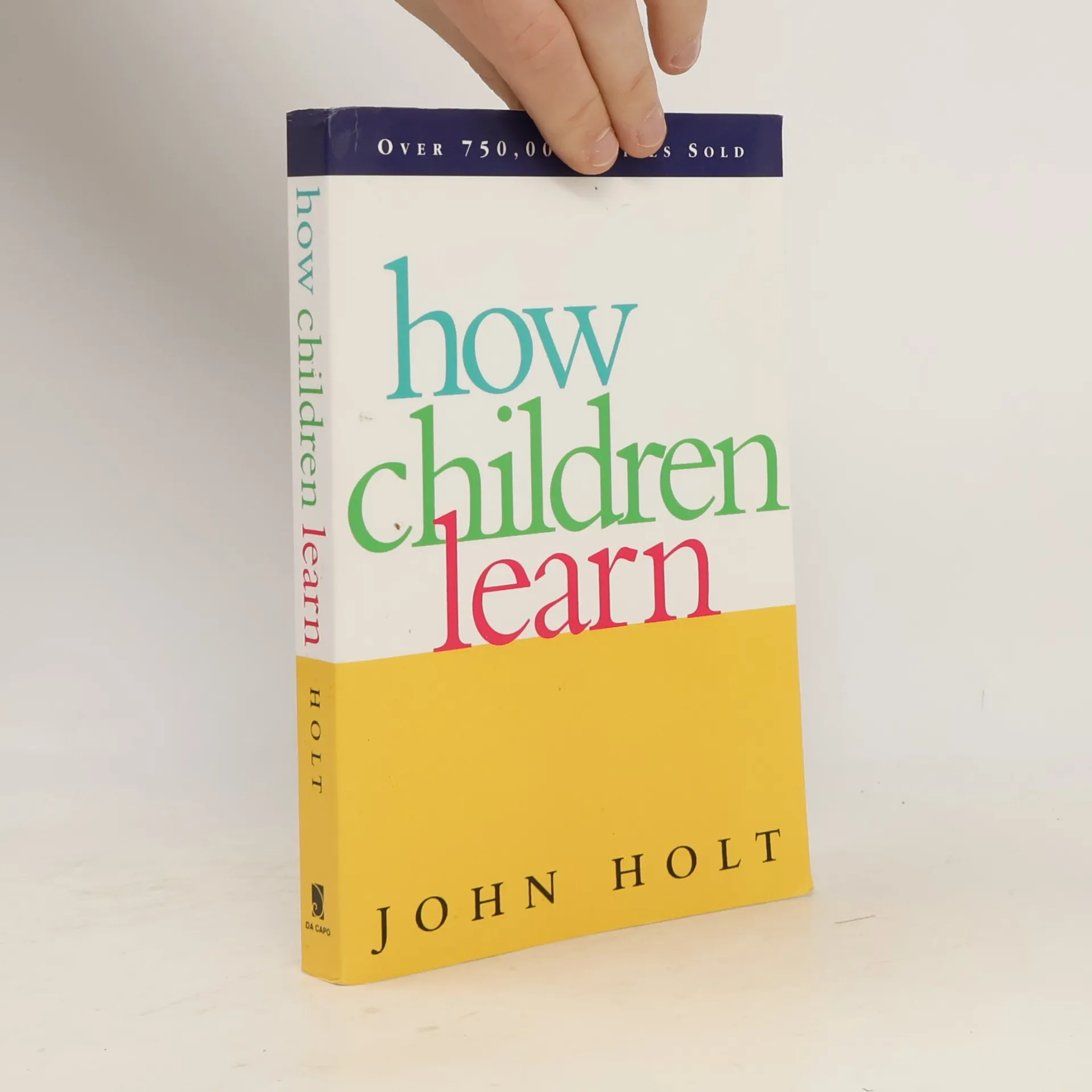
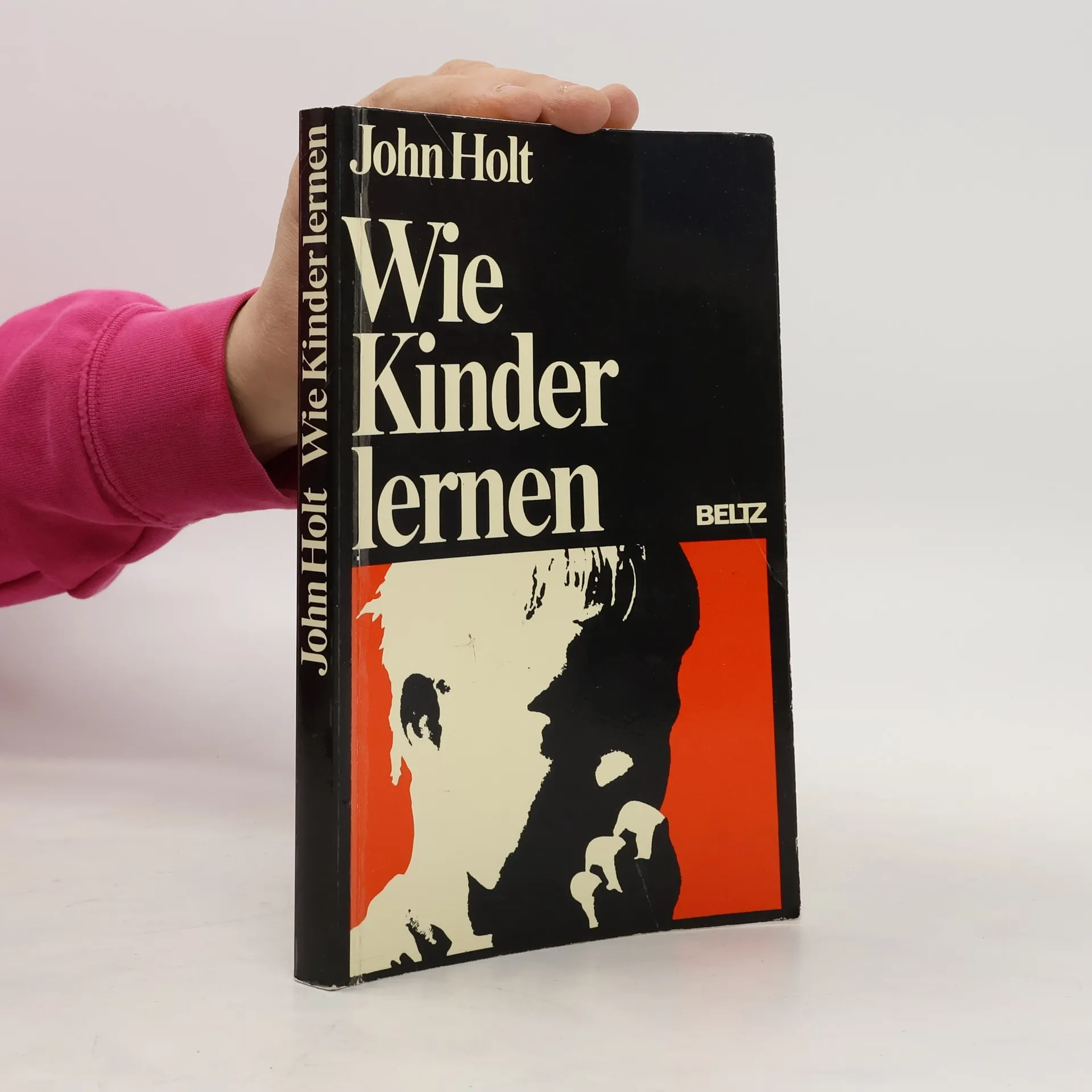
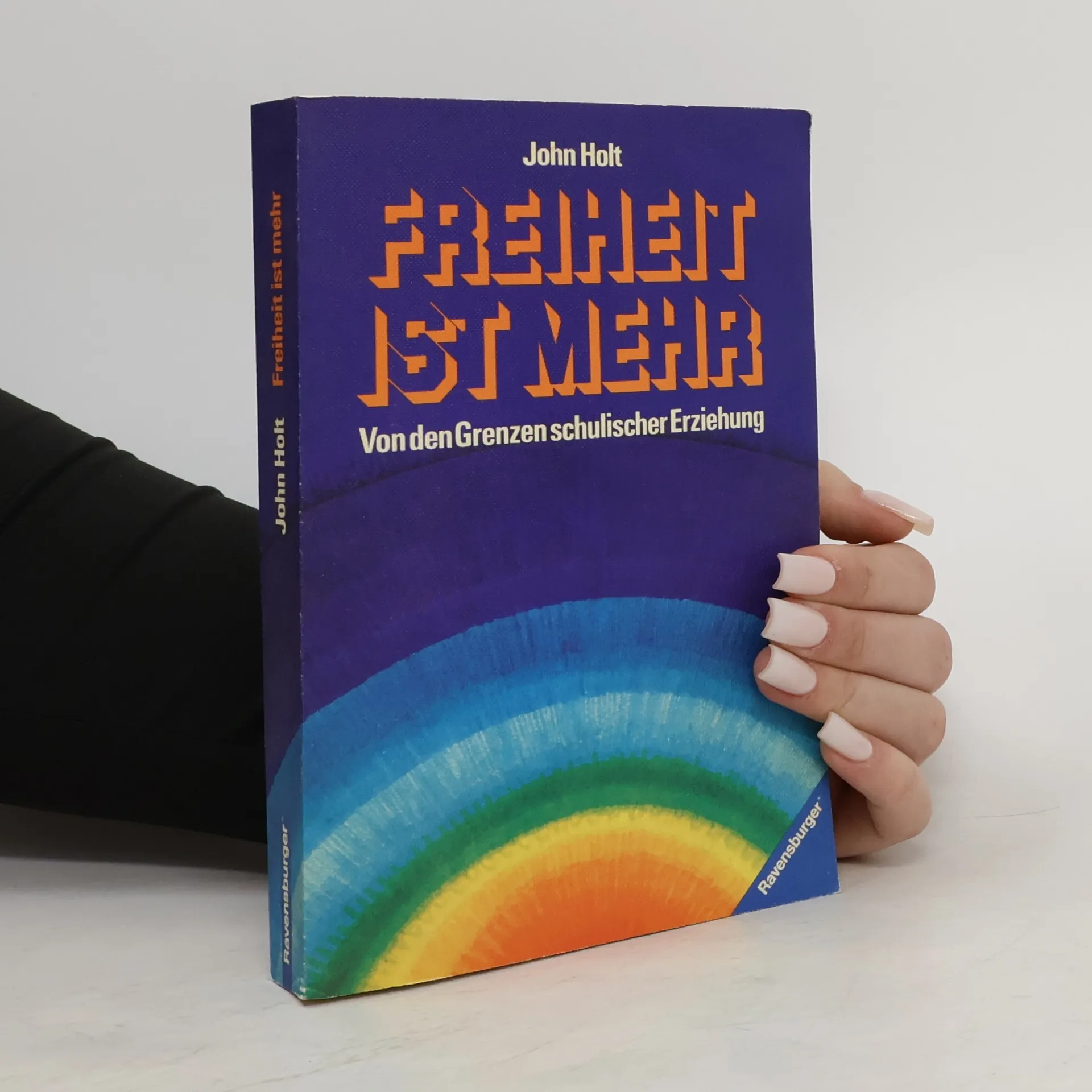
This enduring classic of educational thought offers teachers and parents deep, original insight into the nature of early learning. John Holt was the first to make clear that, for small children, “learning is as natural as breathing.” In this delightful yet profound book, he looks at how we learn to talk, to read, to count, and to reason, and how we can nurture and encourage these natural abilities in our children.”
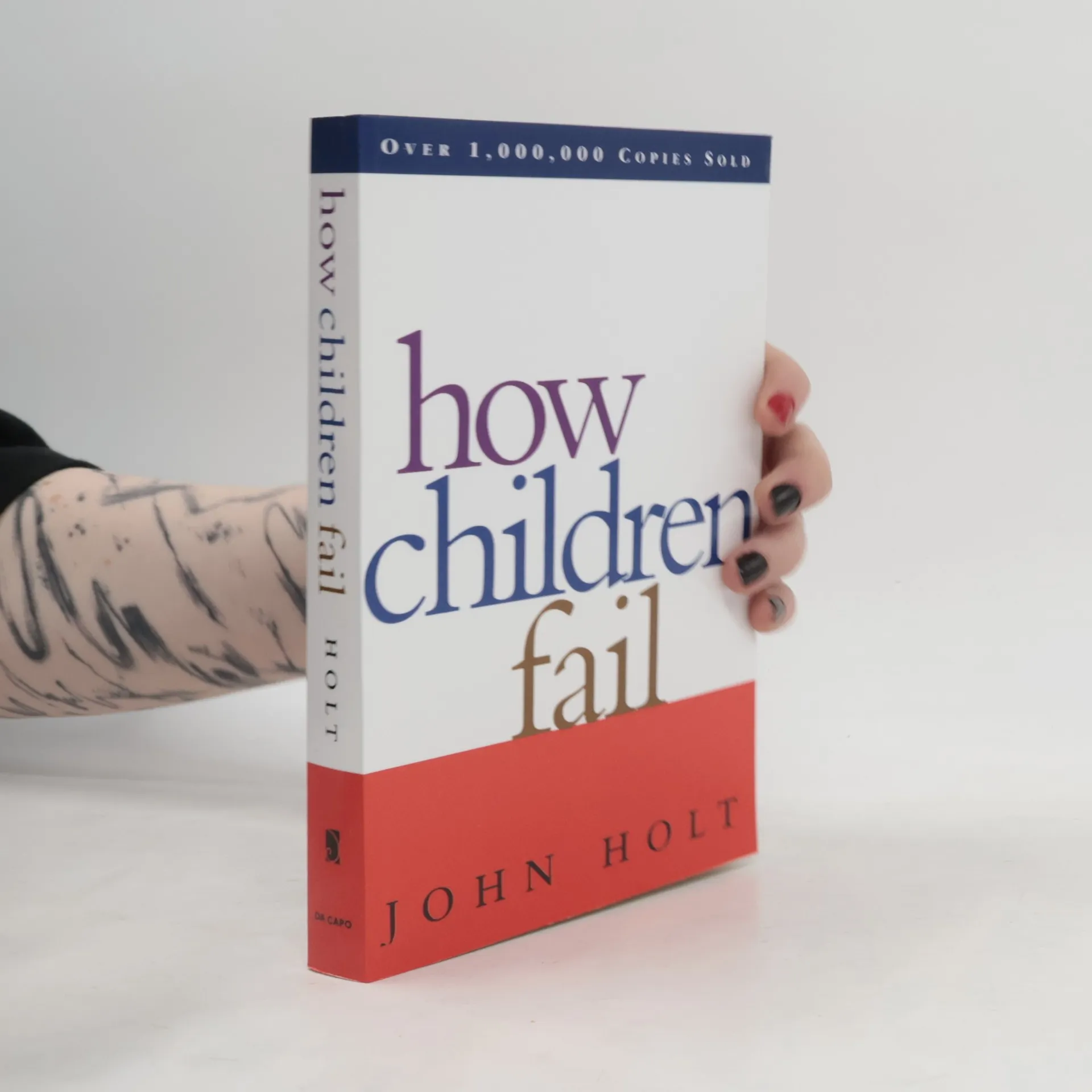
Since its first publication in 1964, this book has helped two generations of
parents and teachers understand what actually happens in the classroom. Holt's
astute observation of children, his clear simple style, and his lifelong
conviction that we can do better by our children make How Children Fail an
enduring classic.
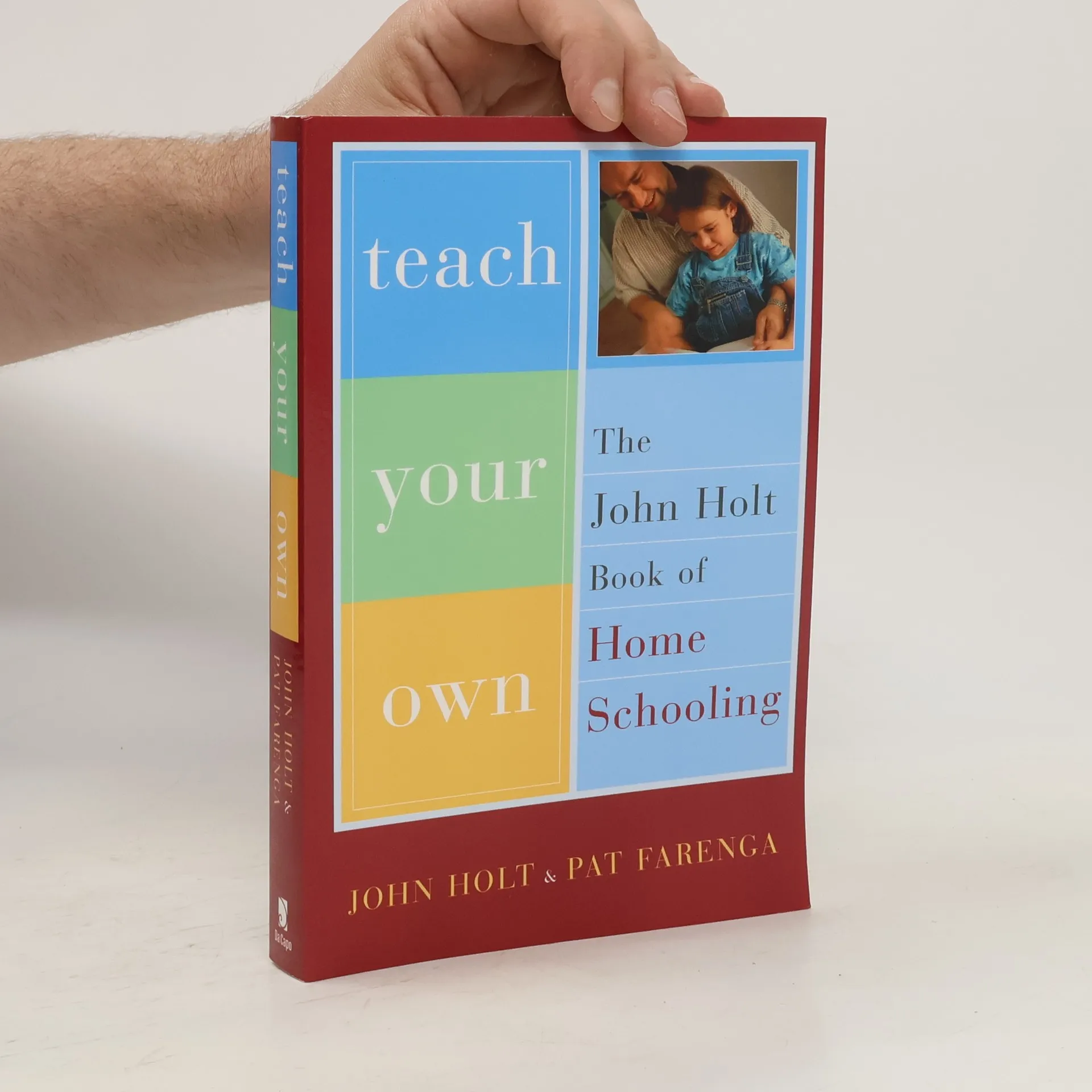
"Rather than proposing that parents turn their homes into miniature schools, Holt and Farenga demonstrate how ordinary parents can help children grow as social, active learners. Chapters on living with children, "serious play," children and work, and learning difficulties will fascinate and encourage parents and help them enjoy each "homeschool" day. John Holt's warm understanding of children and his passionate belief in every child's ability to learn have made this book the bible of homeschooling families everywhere."--Jacket
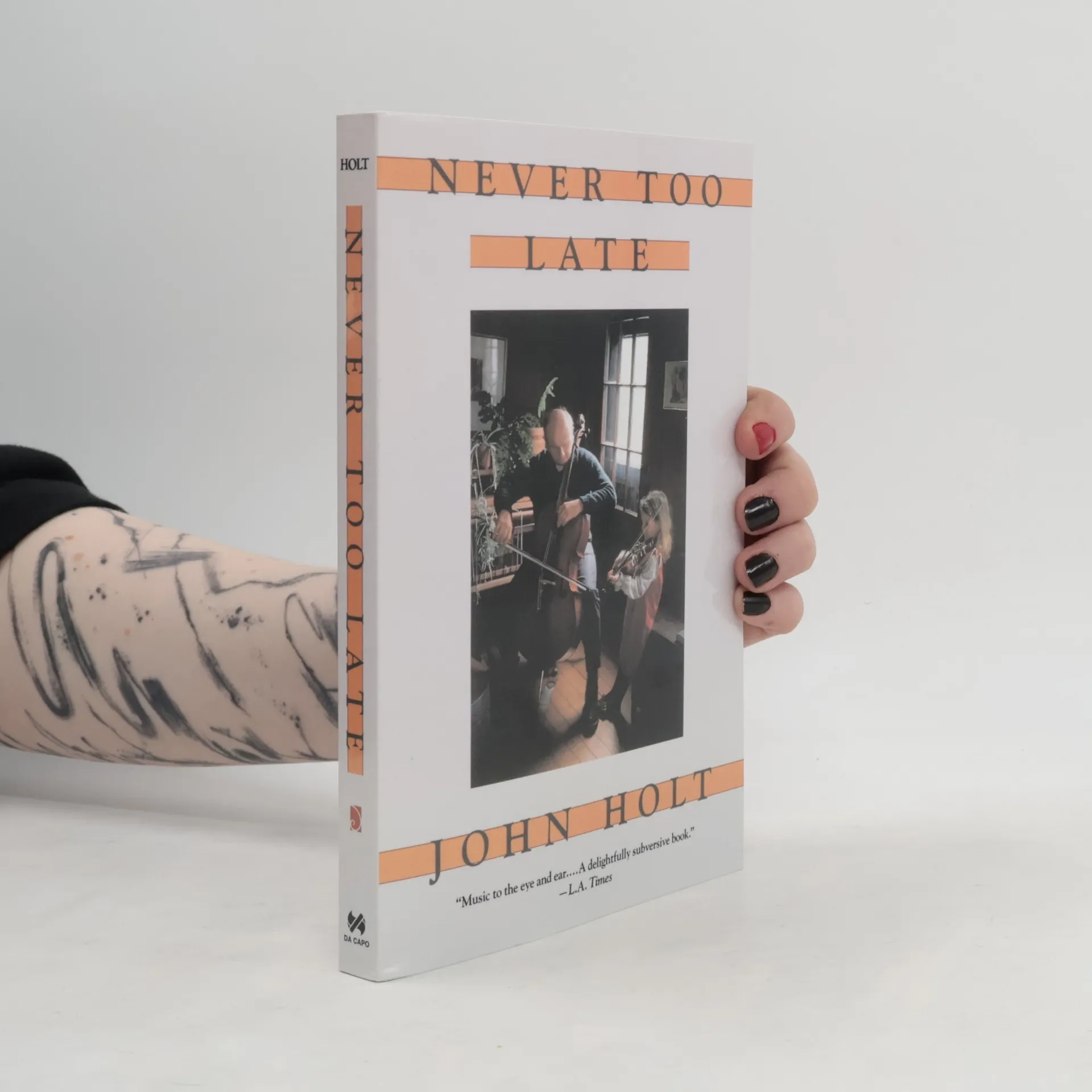
“If I could learn to play the cello well, as I thought I could, I could show by my own example that we all have greater powers than we think; that whatever we want to learn or learn to do, we probably can learn; that our lives and our possibilities are not determined and fixed by what happened to us when we were little, or by what experts say we can or cannot do.”Best known for his brilliant insight into the way children learn, John Holt was also an intrepid explorer of adult learning. At the age of forty, with no particular musical background, he took up the cello. His touching and hilarious account of his passionate second career demolished the myth that one must start an instrument (or a sport, or a language) in early childhood, and will inspire any reader who dreams of taking up a new skill.
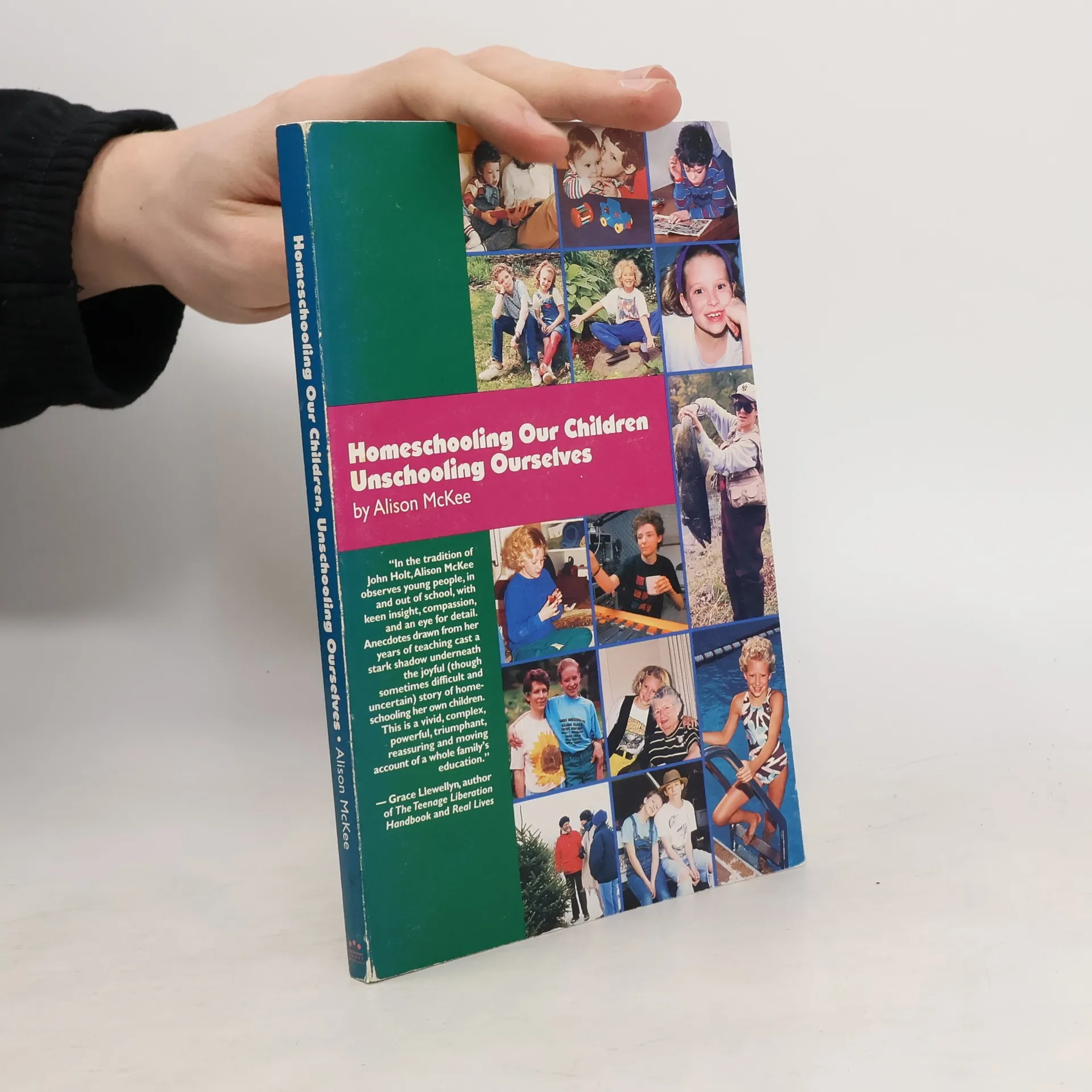
A compelling story about one family's journey into the unknown territory of homeschooling, told with skill by Alison McKee, a gifted teacher with a wide experience in traditional education and a special sensitivity to the individual needs of children. Trusting her own children to "show me the way" was a difficult challenge - but one that gave unexpected and rich rewards. Anyone familiar with the writings of John Holt will be interested to learn how things worked out for a family that decided to test his belief that children are the best directors of their own education. McKee offers the reader insights on how children learn, plenty of illustrations and practical advice about how "unschooling" works, and thoughtful commentary on the state of education today. This book will reassure parents considering homeschooling that nurturing children's natural desire to learn can empower their children to become enthusiastic life-long learners.
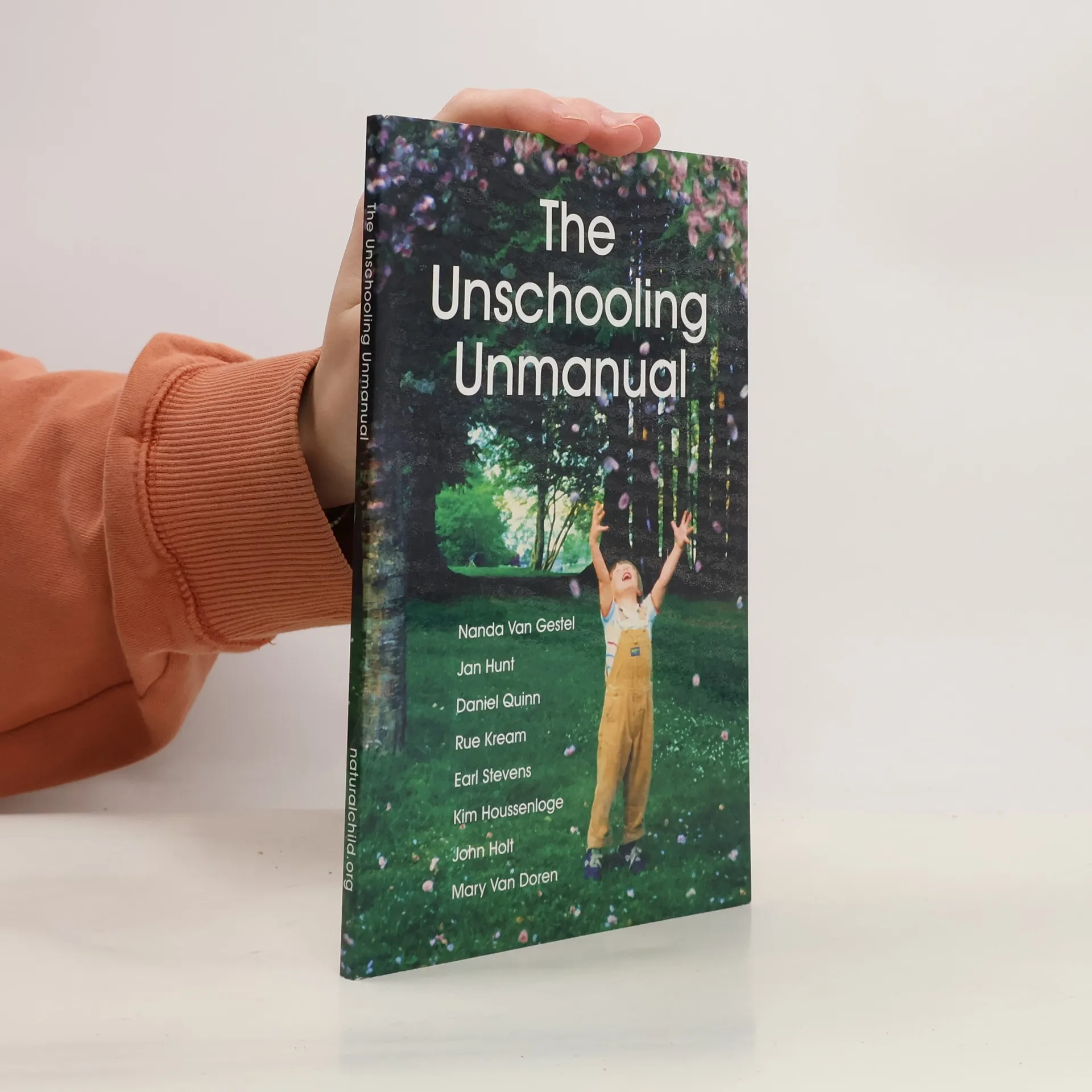
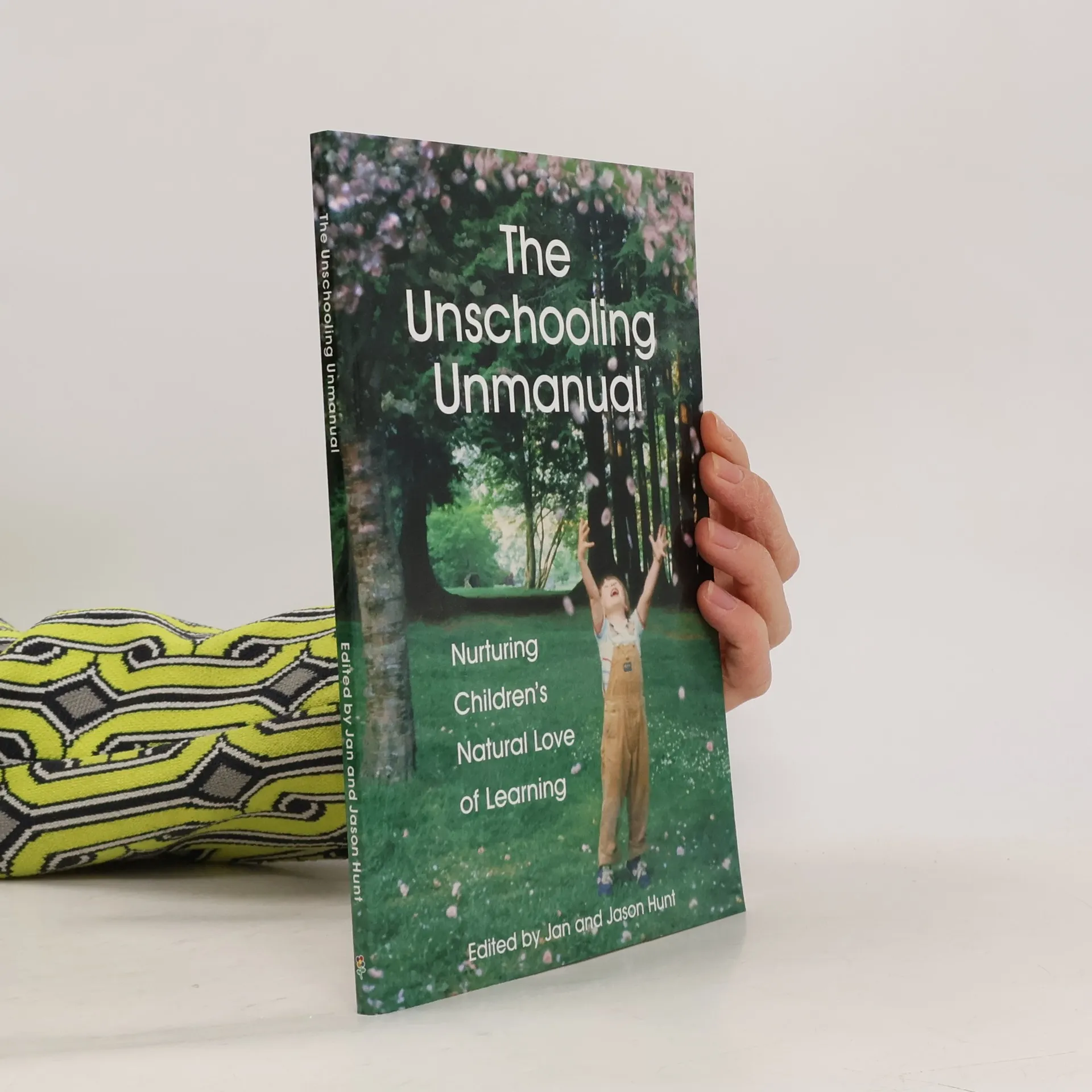
The Unschooling Unmanual features 11 essays by 8 writers: Nanda Van Gestel, Jan Hunt, Daniel Quinn, Rue Kream, Kim Houssenloge, Earl Stevens, and Mary Van Doren. Through engaging personal stories, examples, and essays, the writers offer inspiration and encouragement for seasoned and prospective unschoolers alike.
Unschooling isn't a technique - it's living and learning naturally, lovingly, and respectfully together. The Unschooling Unmanual features 11 essays by 8 Nanda Van Gestel, Jan Hunt, Daniel Quinn, Rue Kream, Kim Houssenloge, Earl Stevens, and Mary Van Doren. Through engaging personal stories, examples, and essays, the writers offer inspiration and encouragement for seasoned and prospective unschoolers alike. This 2nd edition now includes Jan Hunt's Ten Tips for New Unschooling Parents. ''A concise, readable and accessible manifesto for natural learning and trust in children, The Unschooling Unmanual brings together contributions from eight authors in eleven very readable essays. The Unmanual is a great introduction to learning and unschooling for people coming from an educational perspective... at the same time it can be an invaluable confidence booster for people already on an unschooling journey.'' - Arun Pradhan, The Parenting Pit ''The Unschooling Unmanual is a unique and empowering book about the growing trend of unschooling. It is the book to give to doubtful or fearing partners and family as well as anyone considering or interested in this life.'' - Dayna Martin, Unschooling America
John Thornton Caldwell’s landmark Specworld demonstrates how twenty-first-century media industries monetize and industrialize creative labor at all levels of production. Through illuminating case studies and rich ethnography of colliding social-media and filmmaking practices, Caldwell takes readers into the world of production workshopping and trade mentoring to show media production as an untidy social construct rather than a unified, stable practice. This messy complex system, he argues, is full of discrete yet interconnected parts that include legacy production companies, marketers and influencers, aspirant online producers, data miners, financiers, talent agencies, and more. Caldwell peels away the layers of these embedded production systems to examine the folds, fault lines, and fractures that underlie a risky, high-pressure, and often exploitative industry. With insights on the ethical and human predicament faced by industry hopefuls and crossover creators seeking professional careers, Caldwell offers new interpretive frames and research methods that allow readers to better see the hidden and multifaceted financial logics and forms of labor embedded in contemporary media production industries.
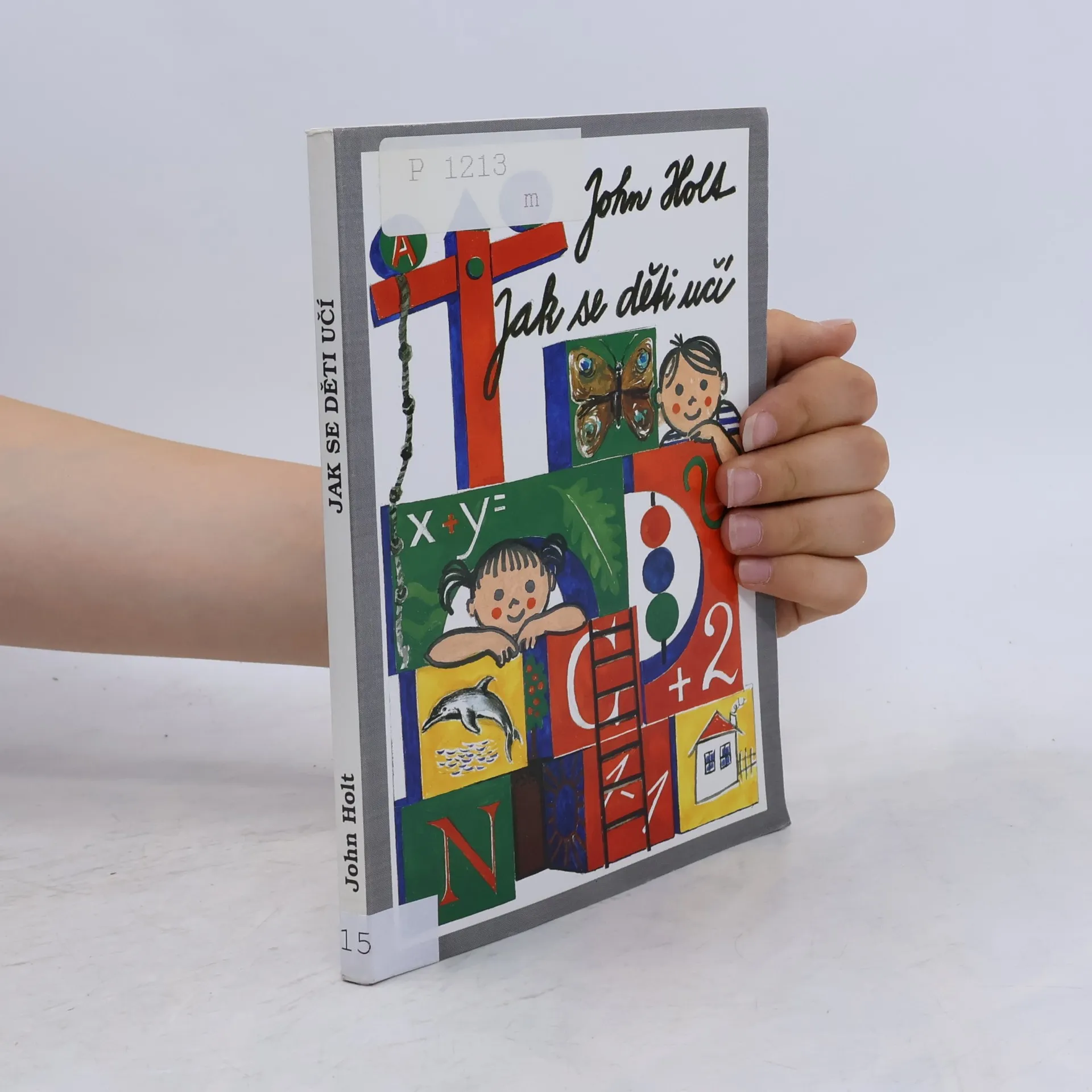
Autor zkoumá podmínky a atmosféru, ve které děti přirozeně a plně využívají nesmírnou kapacitu k učení a poznávání světa, se kterou se narodily a kterou plně využívaly během prvních let svého života. Sleduje systematicky několik dětí v mnoha různých životních podmínkách a situacích.