

Wilson Harris fue uno de los novelistas y críticos más originales del siglo XX. Sus escritos, que abarcan poesía, ensayos y novelas, defienden apasionada y singularmente la noción de coexistencia intercultural. Su obra visionaria explora la interdependencia de la historia, el paisaje y la humanidad. La prosa de Harris se caracteriza por su enfoque distintivo y su profunda implicación con las intrincadas conexiones entre cultura e identidad.
Set in British Guyana, the final two books (first published in 1962 and 1963)
of The Guyana Quartet continue the author's literary exploration of the legacy
and future of the former colony, which began with The Palace of the Peacock.
This volume, introduced by the author, brings together three novels first published separately. 'The trilogy comprises Carnival (1985), The Infinite Rehearsal (1987) and The Four Banks of the River of Space (1990), novels linked by metaphors borrowed from theatre, traditional carnival itself and literary mythology. The characters make Odyssean voyages through time and space, witnessing and re-enacting the calamitous history of mankind, sometimes assuming sacrificial roles in an attempt to save modern civilisation from self-destruction.' Independent on Sunday 'The Four Banks of the River of Space is a kind of quantum Odyssey... in which the association of ideas is not logical but... a 'magical imponderable dreaming'. The dreamer is Anselm, another of Harris's alter egos, like Everyman Masters in Carnival and Robin Redbreast Glass in The Infinite Rehearsal... Together, they represent one of the most remarkable fictional achievements in the modern canon.' Listener
The Guyana Quartet is Wilson Harris's collection of novels comprising Palace of the Peacock, The Far Journey of Oudin, The Whole Armour and The Secret Ladder. In Palace of the Peacock, a tale of a doomed crew beating their way up-river through the jungles of Guyana, can be traced the poetic vision, themes and designs of Harris's subsequent work. It was described in "The Times" as displaying 'that staggering ebullience of language we have begun to recognize in West Indian writers'.
In a richly metaphorical style, the book sets out the themes Wilson continues
to develop in his writing to this day: the ability of the imaginative
consciousness to create worlds where disparate cultures and traditions are
fused.Donne, an ambitious skipper, leads a multiracial crew up an unnamed
river in the rainforest.
The visionary masterpiece, tracing a riverboat crew's dreamlike jungle voyage
... 'An exhilarating experience ... As their journey into the interior - their
own hearts of darkness - deepens, it assumes a spiritual dimension, guiding
them towards a new destination: the Palace of the Peacock ...
This visionary novel follows the inner journey of Zechariah Stevenson, the son of a wealthy Georgetown businessman, while he works as the watchman at a timber depot deep within the interior. Isolated in the forest and having endured the suspicion of a fraud scandal, the mysterious death of his father, and the disappearance of his mistress, Zechariah begins a journey of self-discovery as he deconstructs previously held certainties about life by losing himself in nature. An immensely sensuous evocation of Guyanese flora and fauna and its potential impact on the imagination, this classic novel, first published in 1964, is a profound plea for an ecological vision of mankind's relationship to nature.
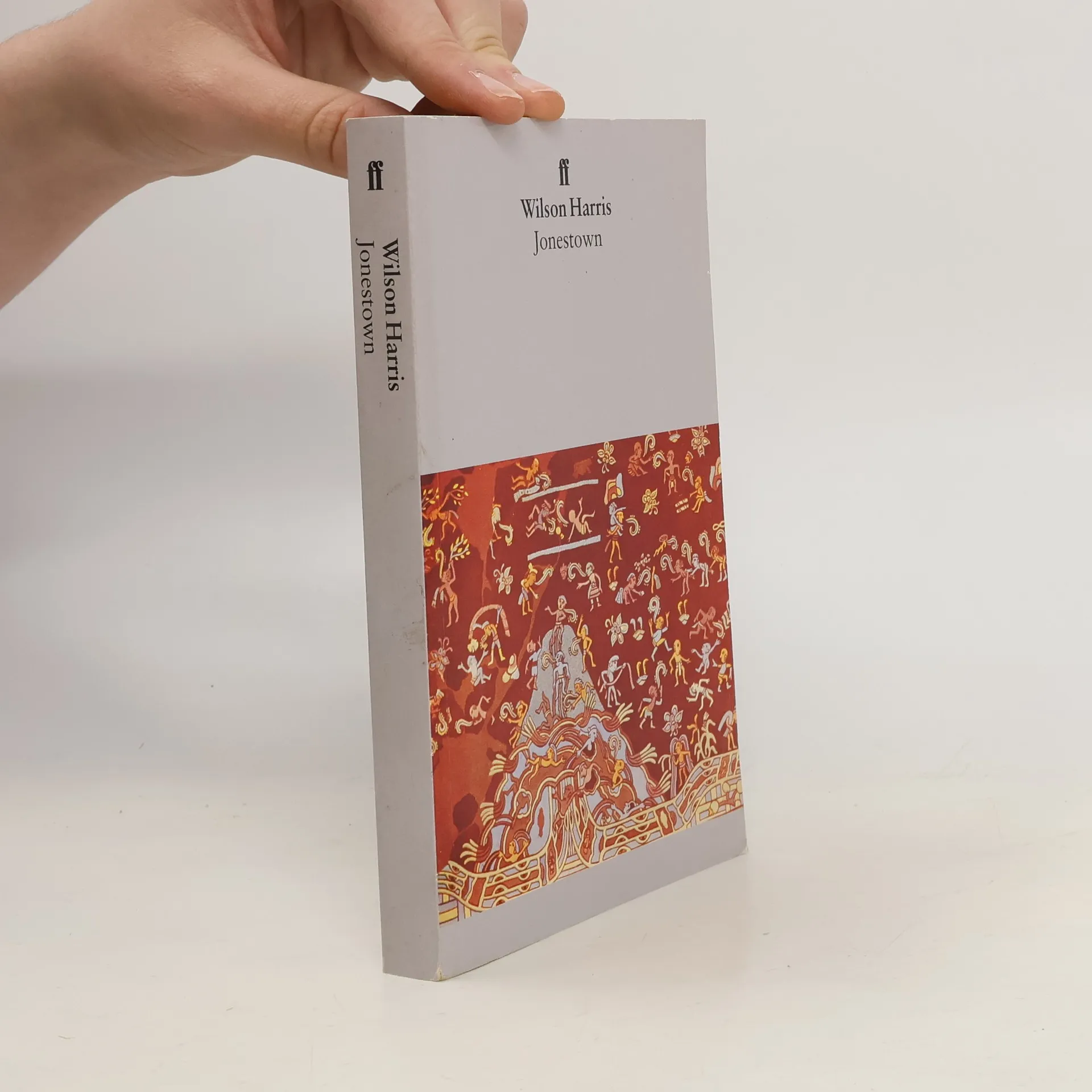
Bone is a fictional survivor of the mass-suicide in the Guyana forest in 1978. In a dream-book he tries to heal the trauma he suffered, and is drawn into the Mayan concept of time which twins past and future. The author has received a Guggenheim Award and the Guyana National Prize for Fiction.
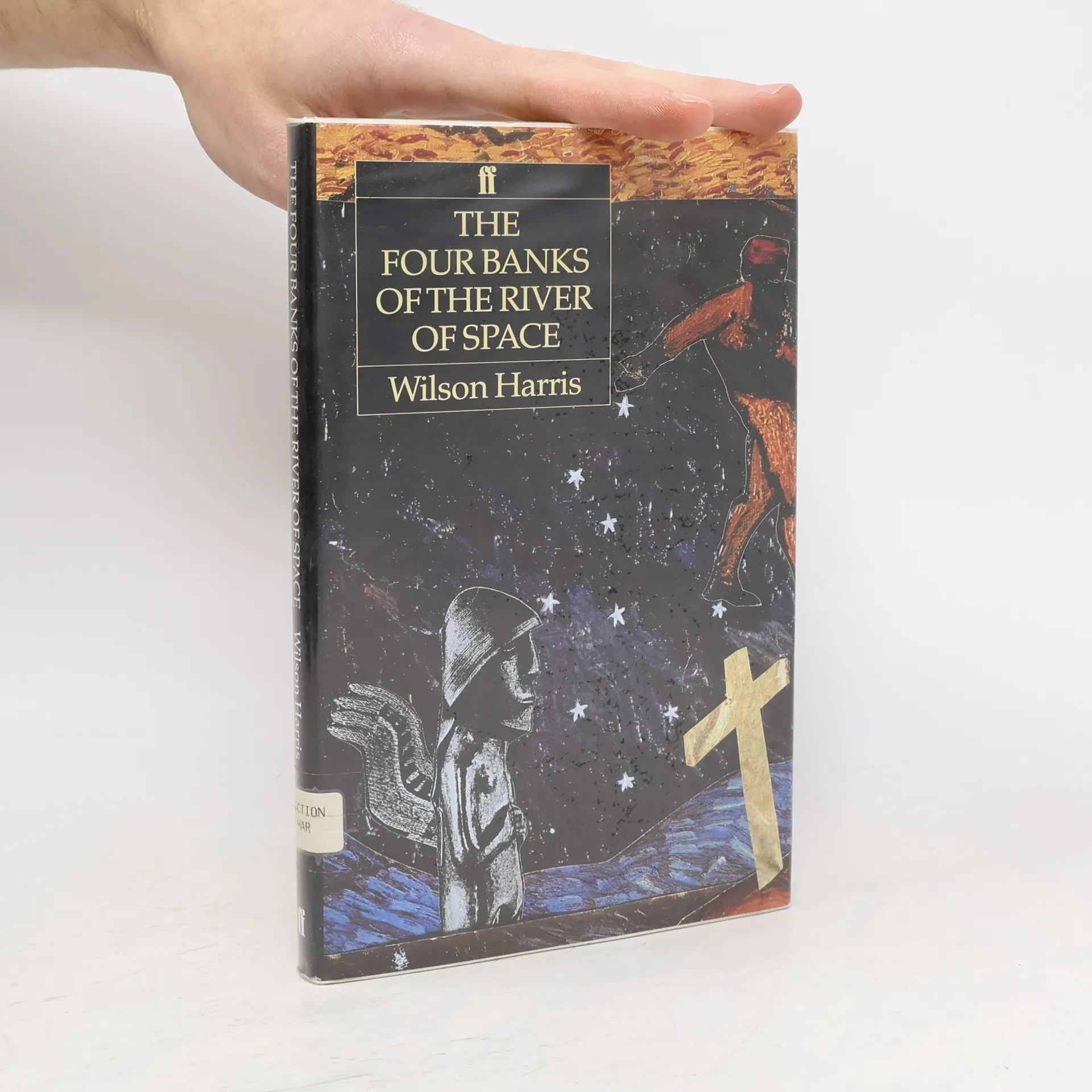
A novel about the complexities of memory, Wilson Harris's The Four Banks of the River of Space is a return to the writer's childhood haunts. Shunning what he calls sterile realism, Harris digs under the reality of perception and language to find the hidden music or pattern which gives significance to apparently desperate situations. Memory thus becomes a form of creation which follows the Odyssean metaphor of the quest naturalized here in the author's original Guyana heartland. This journey into the past does not limit itself to the reassertion of the protagonist's multiculturalism. It states that poetic language can only progress through erasure leading to the opening out of new doors or windows into essential reality, where polarities melt away.The Four Banks of the River of Space fragments the epic figure of Ulysses into several personalities who conduct self-analyses to redefine the nature and function of myth.