Joseph P. Farrell Orden de los libros (cronológico)
Este autor profundiza en perspectivas poco convencionales sobre historia y ciencia, entrelazando campos aparentemente dispares como la Alemania nazi, la física y las estructuras antiguas. Su obra explora misterios y agendas ocultas que, según él, dan forma a nuestro mundo. La extensa investigación se presenta a través de un estilo argumentativo que desafía las narrativas aceptadas. Los lectores pueden esperar teorías audaces e interpretaciones provocativas.


Tajná válka o Antarktidu, Prahu a Plzeň
- 344 páginas
- 13 horas de lectura
O čem je kniha Tajná válka o Antarktidu, Prahu a Plzeň? Proč se Spojenci v roce 1944 obávali atomového útoku Němců? Proč Hitler v roce 1945 trval na tom, že udržení Prahy může Třetí říši vyhrát válku? Proč třetí armáda amerického generála Pattona spěchala místo do Berlína směrem na Škodovy závody v Plzni? Proč uranová atomová bomba, kterou Spojenci svrhli na Hirošimu, nebyla vůbec testována? Proč pouhý jeden rok po válce považovali Američané za nutné vyslat do oblasti Antarktidy své plnohodnotné vojenské síly? Tato kniha zve čtenáře na dechberoucí vědecko-historickou výpravu, která na tyto otázky přináší provokativní odpovědi. Z historických dokumentů a souvislostí se dozvíte, že nacistické Německo koncem roku 1944 skutečně vyhrálo závod o atomovou bombu, a také se seznámíte s neuvěřitelným rozsahem supertajných výzkumů, které nacisté prováděli nejen v oblasti vývoje zbraní nové generace, ale i ve výzkumu alternativních oblastí fyziky a nových zdrojů energie. Vedle revize tzv. oficiální spojenecké legendy nabízí kniha také nový pohled na fenomén UFO, a to prostřednictvím některých odtajněných vládních materiálů, z nichž vysvítají evidentní paralely s mnoha „černými“ projekty SS. Tato bohatě odzdrojovaná publikace se postupně stala povinnou četbou pro badatele, kteří se zajímají o odpovědi na historické a vědecké otázky mimo oficiální proudy.
Juno's Aeneid
- 384 páginas
- 14 horas de lectura
This compelling book offers a new interpretation of Vergil's epic poem as a contest between two incompatible versions of the Homeric hero. While many scholars view the Aeneid as a synthesis of Homer's Iliad and Odyssey, Joseph Farrell argues that it stages a struggle to determine the nature of its story and hero, Aeneas. This contest is instigated by the goddess Juno, who seeks to reshape the narrative into an Iliad of relentless Trojan suffering rather than an Odyssey of triumphant return. Farrell highlights how ancient critics viewed the adaptable Odysseus as an ideal leader, while they criticized the steadfast Achilles as a poor one. The ongoing battle over Aeneas's leadership style throughout the poem reflects on the ethical legitimacy of Rome's emperor, Caesar Augustus. By reframing the Aeneid, Farrell reveals that the poem confronts readers with a crucial choice between conflicting possibilities, creating uncertainty about whether it serves as a celebration of Augustus or a somber commentary on the challenges of its time.
The Thrid Way
- 356 páginas
- 13 horas de lectura
While researching his other books, the author found information that shows The Nazi International is still in existence today and has become a corporate power that has fused with state power. This allows The Nazi International to continue to pursue their goal of creating a pan-European federation under their leadership. In order to realize this goal, they have turned to the American financial and corporate elite to institute financial fraud, international banking, hidden systems of finance, black budgets and breakaway civilizations, allowing them to disrupt and control global finance
What do the Fourth Crusade, the exploration of the New World, secret excavations of the Holy Land, and the pontificate of Innocent the Third, all have in common? Venice and the Templars. What do they have in common with Jesus, Gottfried Leibniz, Sir Isaac Newton, Rene Descartes, and the Earl of Oxford? Egypt and a body of doctrine known as Hermeticism. In this book, noted author and researcher Joseph P Farrell takes the reader on a journey through the hidden history of the Middle Ages, the Renaissance and early Enlightenment, connecting the dots between Venice, international banking, the Templars, and hidden knowledge, drawing out the connections between the notorious Venetian "Council of Ten," little known Venetian voyages to the New World, and the sack of Constantinople during the Fourth Crusade. That hidden role of Venice and Hermeticism reached far and wide, into the plays of Shakespeare (a.k.a. Edward DeVere), Earl of Oxford, into the quest of the three great mathematicians of the Early Enlightenment for a lost form of analysis, and back into the end of the classical era, to little known Egyptian influences at work during the time of Jesus.
Der kosmische Krieg
- 475 páginas
- 17 horas de lectura
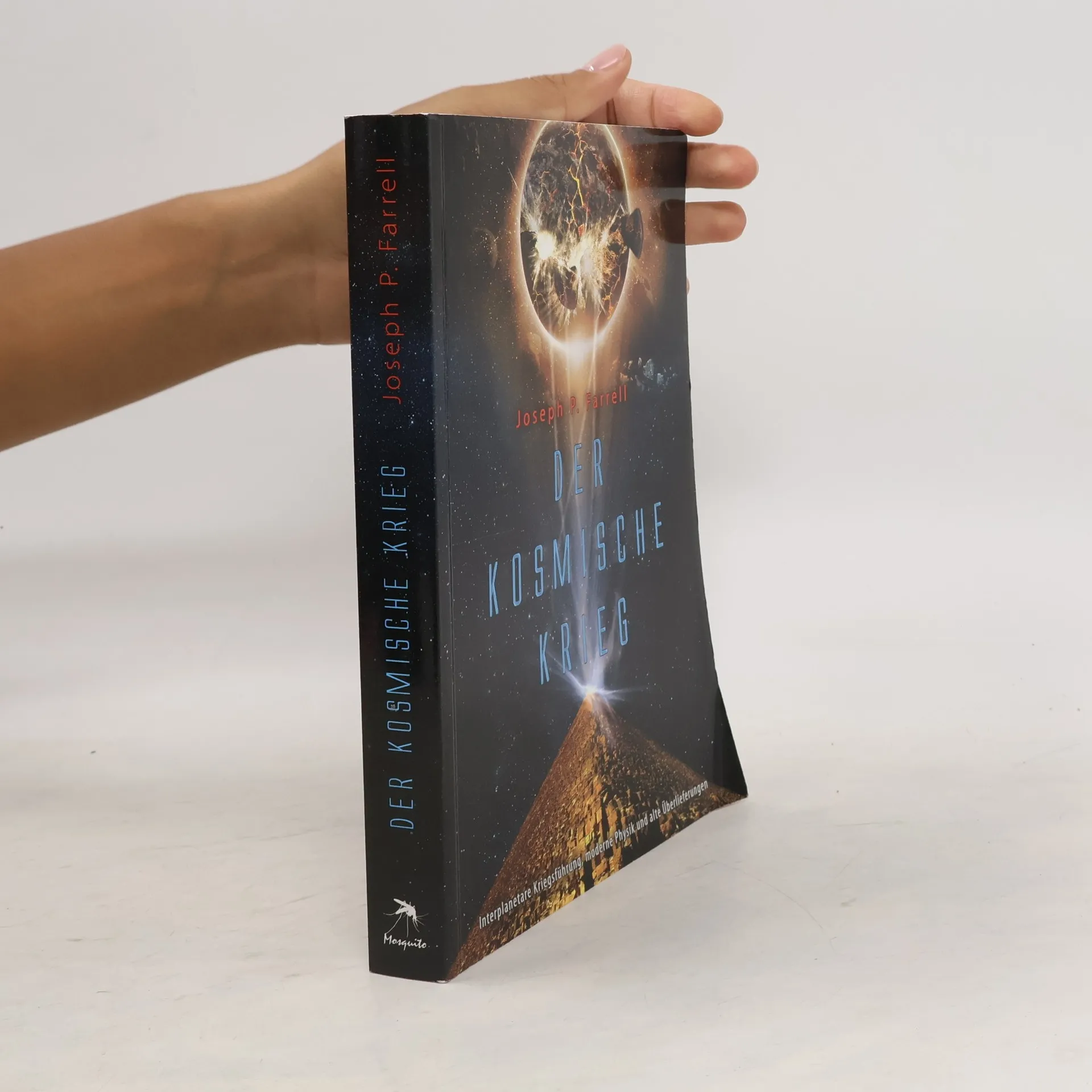
Die vollständige Geschichte der Hypothese des explodierten Planeten. Es gibt zahlreiche Beweise in unserem Sonnensystem für katastrophale Zerstörungsereignisse, und viele Planeten sind durch unglaubliche Einschläge gezeichnet und schwanken in ihren Umlaufbahnen aus unerklärlichen Gründen. Farrell weist die naturalistischen und materialistischen Annahmen des Katastrophismus anderer Forscher zurück und behauptet ernsthaft, dass die Ursachen in alten Mythen eines kosmischen Krieges im Himmel basieren. Er integriert extraterrestrische Artefakte, moderne Ideen der zeitgenössischen Physik und die Texte antiker Mythen in sein Argument und behauptet, dass ein antiker interplanetarischer Krieg in unserem eigenen Sonnensystem mit Waffen von außergewöhnlicher Macht und Raffinesse geführt wurde. Geheime Technologien hinter den alten Tafeln des Schicksals, die alten Texte, die davon aus Sumer (Tiamats Zerstörung durch Marduk), Ägypten (Edfu und die Mars-Verbindungen), Griechenland (Saturns Rolle im Krieg der Titanen) und den alten Amerikas erzählen, sowie alte und aktuelle Mechanismen, die Planeten explodieren könnten, und der wahre wissenschaftliche Grund für den Asteroidengürtel unseres Sonnensystems.
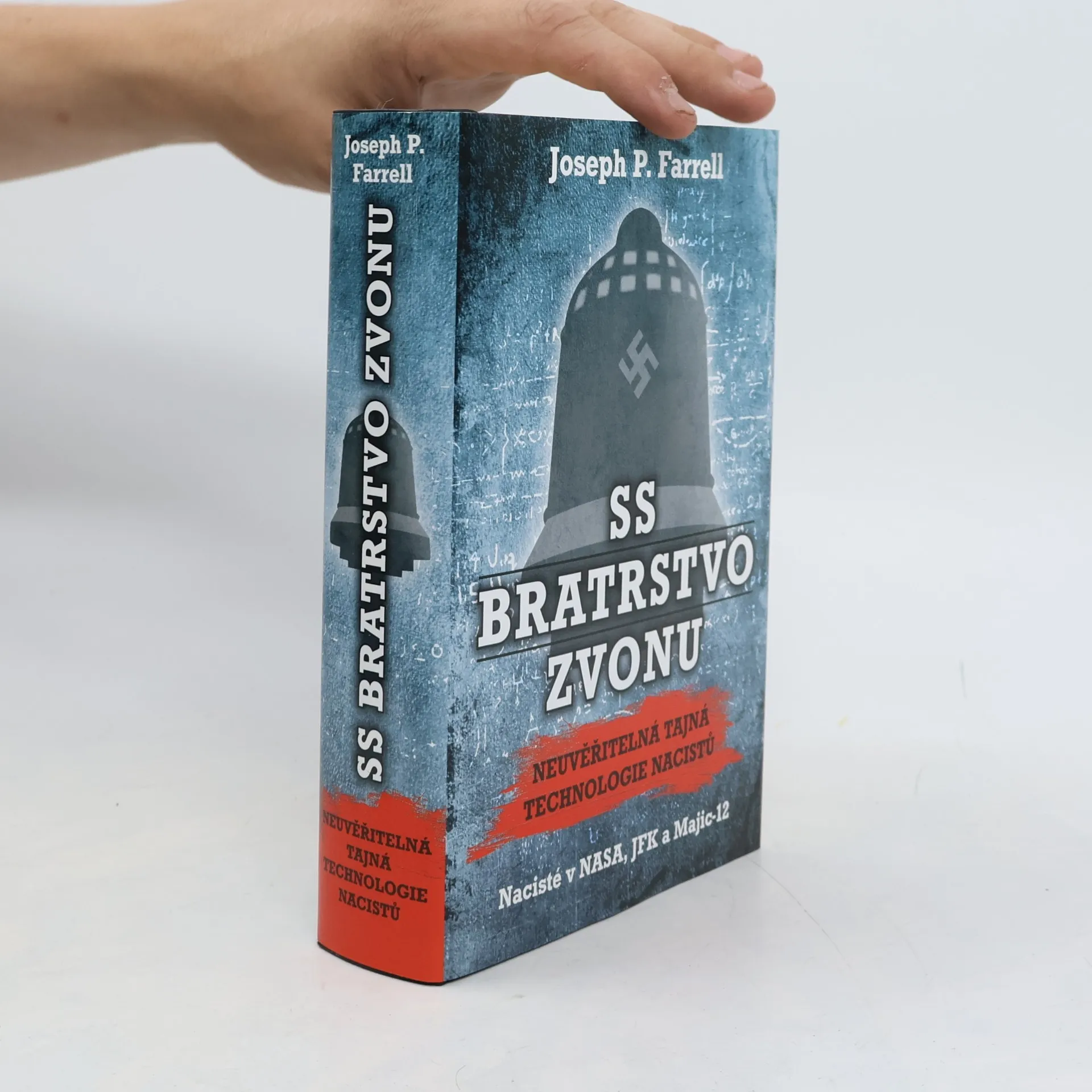
Neuvěřitelná tajná technologie nacistů: nacisté v NASA, JFK a Majic-12. V roce 1945 odsouhlasil Adolf Hitler v dolnosaském bunkru tajný projekt ničivé zbraně, která měla zvrátit nepříznivý vývoj 2. světové války. Kódový název této zbraně byl Zvon a vedením projektu byl pověřen generál Hans Kammler. V posledních dnech války příslušníci SS povraždili většinu vědeckých pracovníkůa techniků tohoto projektu. Generál Hans Kammler poté s celou dokumentací tajného projektu nastoupil na palubu letadla Junkers 390, které se pravděpodobně zřítilo u Drážďan. Všechny dokumenty zmizely. Podle některých dohadů však mělo letadlo namířeno do Argentiny. Autor se zde snaží objasnit, o jakou zbraň patrně šlo, a vše dává do souvislosti s pozdější přítomností nacistických expertů ve Spojených státech, kde se podíleli na kosmickém výzkumu, a s jejich údajným zapojením do operace MAJIC-12, což byl tajný týmodborníků, jehož úkolem bylo zkoumat zprávy o UFO.
Babylon's Banksters
- 340 páginas
- 12 horas de lectura
In this latest installment of his remarkable series of books of alternative science and history, Joseph P. Farrell outlines the consistent pattern and strategy of bankers in ancient and modern times, and their desire to suppress the public development of alternative physics and energy technologies, usurp the money creating and issuing power of the state, and substitute a facsimile of money-as-debt. Here, Farrell peels back the layers of deception to reveal the possible deep physics that the “banksters” have used to aid them in their financial policies.Feral House also published Farrell’s Philosopher’s Stone: Alchemy and the Secret Research for Exotic Matter.
Nazi International
- 413 páginas
- 15 horas de lectura
Presents an expose on secret Nazi technology, Nazi survival, and post-war Nazi manipulation of technologies. This title includes: pre-World War II Nazi partnerships in the USA, including those with the Bush family; and, Nazi Germany's penetration of the Muslim world including Wilhelm Voss and Otto Skorzeny in Gamel Abdul Nasser's Egypt.
Was hat es mit der geheimnisumwobenen „Glocke“ auf sich? 1945 verließ ein geheimes Hightech-Waffenprojekt mit dem Decknamen „die Glocke“ seinen unterirdischen Bunker in Niederschlesien – und mit ihr Hans Kammler, Viersterne-General der SS. An Bord eines riesigen sechsmotorigen Ultralangstreckenflugzeugs vom Typ Junkers 390 verschwanden die Glocke, Kammler und sämtliche Projektunterlagen für immer von der Bildfläche. Ging dieser Flug nach Amerika oder nach Argentinien? Der Großteil der Wissenschaftler und Techniker, die an diesem Projekt gearbeitet hatten, wurden von der SS ermordet. So verschwand eine Geheimwaffe, die laut einem deutschen Physik-Nobelpreisträger als „kriegsentscheidend“ galt – eine Einstufung, die höher war als die der Atombombe. Welche bahnbrechenden physikalischen Geheimnisse waren mit der Glocke verbunden? Um sie zu schützen, scheuten überlebende Nazis auch nach dem Krieg keine Mittel. Dr. Joseph P. Farrell, spezialisiert auf wenig dokumentierte Aspekte in Wissenschaft und Geschichte, enthüllt in diesem Buch eine Reihe exotischer Technologien, die im Dritten Reich erforscht wurden. Er wirft damit ein neues Licht auf die gängige Sichtweise über den Ausgang des Zweiten Weltkrieges sowie auf den Roswell-Vorfall und MAJIC-12, das mysteriöse Geheimteam der amerikanischen Regierung zur Untersuchung von UFOs.
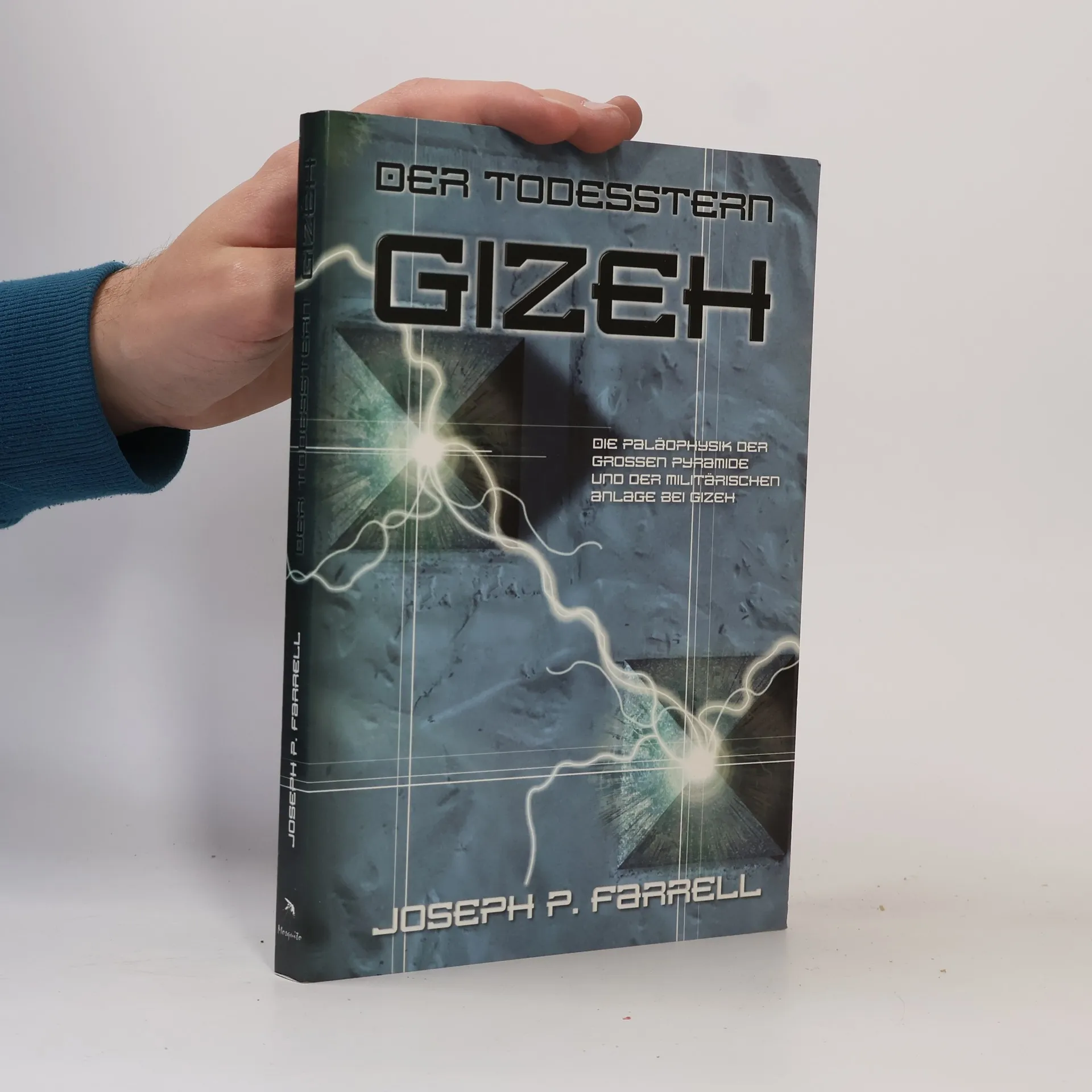
Der Todesstern Gizeh
Die Paläophysik der Großen Pyramide und der Militärischen Anlage bei Gizeh
- 251 páginas
- 9 horas de lectura
Waren die Pyramiden von Gizeh Teil eines gigantischen militärischen Experiments, bei dem eine „Todesstern-Waffe” erzeugt wurde? Und könnte es sein, dass dieses Experiment in Tod und Verwüstung endete? Der Physiker Joseph Farrell deckt in diesem bahnbrechenden Buch die Umrisse einer Physik auf, die alles übersteigt, was uns bekannt ist. Wenn er Recht hat, dann gab es vor unserer Zivilisation schon eine andere … und die Kriege, die von ihr entfacht wurden, waren möglicherweise todbringender als jede Nuklearwaffe. Dies ist keins der üblichen Esoterik-Bücher über die Pyramiden. Hier wird eine Waffentechnik beschrieben, die schaudern macht. Und möglicherweise wird diese Technologie in der heutigen Zeit gerade wieder neu erfunden. ==== Aus dem Inhalt ==== * Beweise über den Einsatz einer Massenvernichtungswaffe in Grauer Vorzeit * Hermetische Philosophie und Paläophysik * Pythagoras, Plato, Planck und die Pyramide * Die Waffen-Hypothese * Die Große Galerie und ihre Kristalle * Gravito-Akustische Resonatoren * Die Maschinen-Hypothese * Hochfrequenz-Impulstechnologie Dies ist eine aberwitzige Tour-de-Force durch die Welt einer Wissenschaft, die an die Grenzen der Phantasie stößt. Doch es gibt starke Anhaltspunkte dafür, dass sie nur allzu real ist.
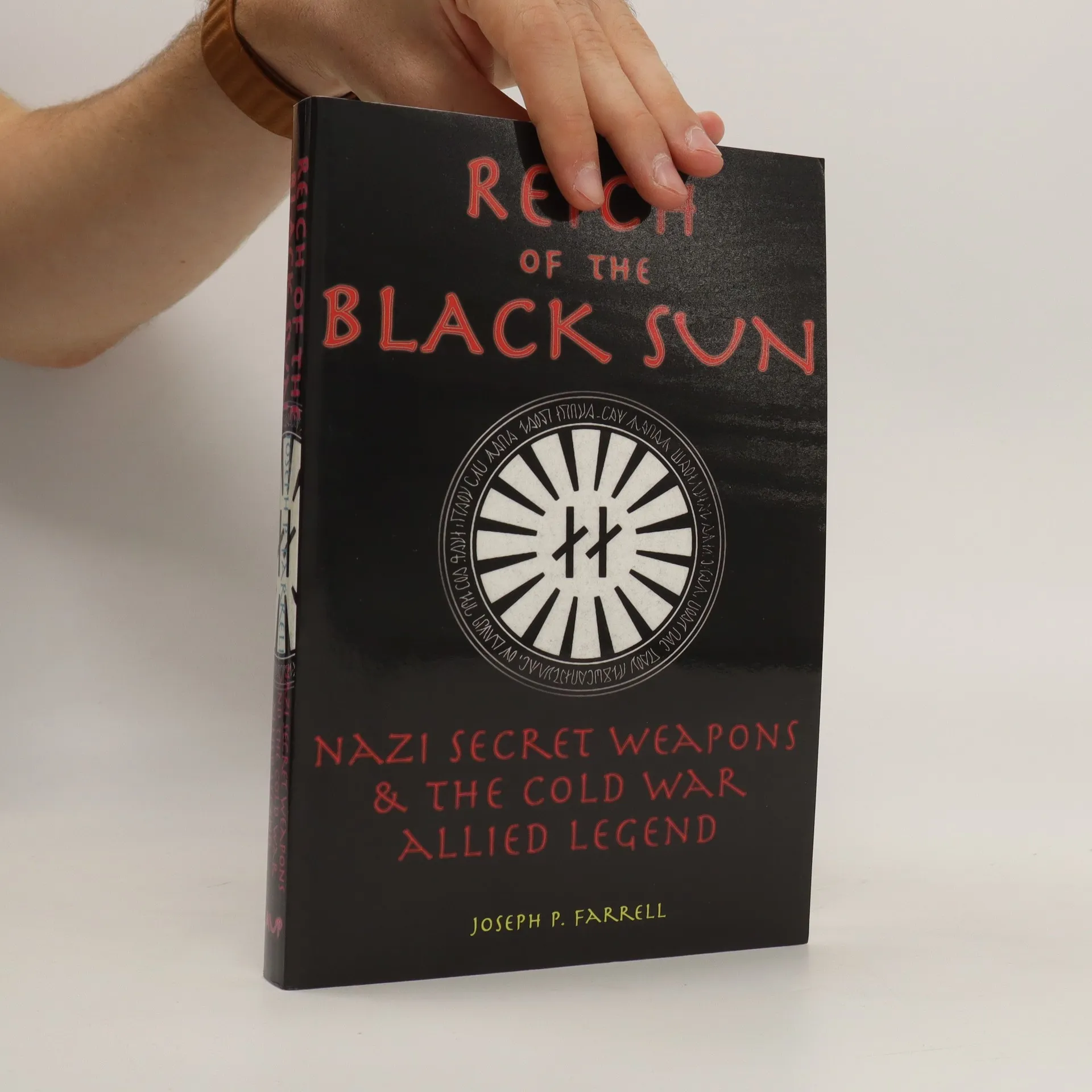
Reich of the black sun: Nazi secret weapons & the Cold War allied legend
- 352 páginas
- 13 horas de lectura
Why were the Allies worried about an atom bomb attack by the Germans in 1944? Why did the Soviets threaten to use poison gas against the Germans? Why did Hitler in 1945 insist that holding Prague could win the war for the Third Reich? Why did US General George Patton's Third Army race for the Skoda works at Pilsen in Czechoslovakia instead of Berlin? Why did the US Army not test the uranium atom bomb it dropped on Hiroshima? Why did the Luftwaffe fly a non-stop round trip mission to within twenty miles of New York City in 1944? This book takes the reader on a scientific-historical journey in order to answer these questions. Arguing that Nazi Germany actually won the race for the atom bomb in late 1944, the book then goes on to explore the even more secretive research the Nazis were conducting into the occult, alternative physics and new energy sources. The book concludes with a fresh look at the Nazi Legend of the UFO mystery by examining the Roswell Majestic-12 documents and the Kecksburg crash in the light of parallels with some of the super-secret black projects being run by the SS. This book is must-reading for the researcher interested in alternative history, science, or UFOs.