

Grade 4 social studies textbook emphasizing geographical regions of the United States.
Gary B. Nash Libros
Gary B. Nash fue un distinguido historiador especializado en la historia colonial y revolucionaria de Estados Unidos. Su erudición se centró en las transformaciones sociales y políticas que condujeron a la Revolución Americana y en las experiencias de diversas poblaciones en la América temprana. Nash exploró las complejas interacciones entre las personas y los eventos cruciales que dieron forma a la identidad nacional. Su carrera académica implicó roles de liderazgo significativos e investigación exhaustiva, enriqueciendo la comprensión de la historia estadounidense.



National Standards for World History
- 310 páginas
- 11 horas de lectura
Book by National History Standards Task Force, Crabtree, Charlotte A., Nash, Gary B.
Red, White and Black
The Peoples of Early North America - Third Edition
- 352 páginas
- 13 horas de lectura
A history text of America's colonial period, emphasizing the interaction of three cultures--colonialists, Indians, and Blacks.
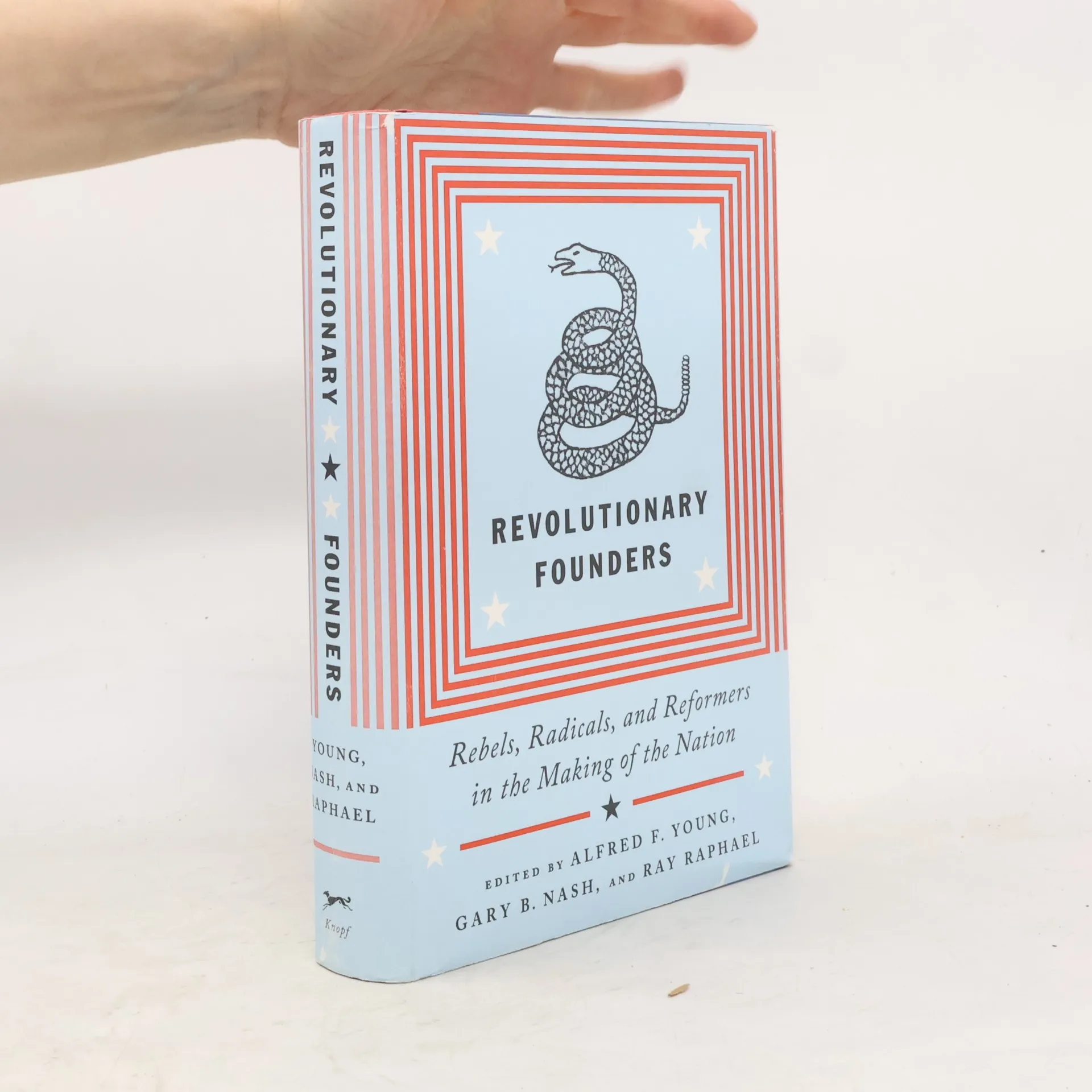
Revolutionary Founders
Rebels, Radicals, and Reformers in the Making of the Nation
- 464 páginas
- 17 horas de lectura
In twenty-two original essays, leading historians reveal the radical impulses at the founding of the American Republic. Here is a fresh new reading of the American Revolution that gives voice and recognition to a generation of radical thinkers and doers whose revolutionary ideals outstripped those of the Founding Fathers. While the Founding Fathers advocated a break from Britain and espoused ideals of republican government, none proposed significant changes to the fabric of colonial society. As privileged and propertied white males, they did not seek a revolution in the modern sense; instead, they tried to maintain the underlying social structure and political system that enabled men of wealth to rule. They firmly opposed social equality and feared popular democracy as a form of “levelling.” Yet during this “revolutionary” period some people did believe that “liberty” meant “liberty for all” and that “equality” should be applied to political, economic, and religious spheres. Here are the stories of individuals and groups who exemplified the radical ideals of the American Revolution more in keeping with our own values today. This volume helps us to understand the social conflicts unleashed by the struggle for independence, the Revolution’s achievements, and the unfinished agenda it left for future generations to confront.