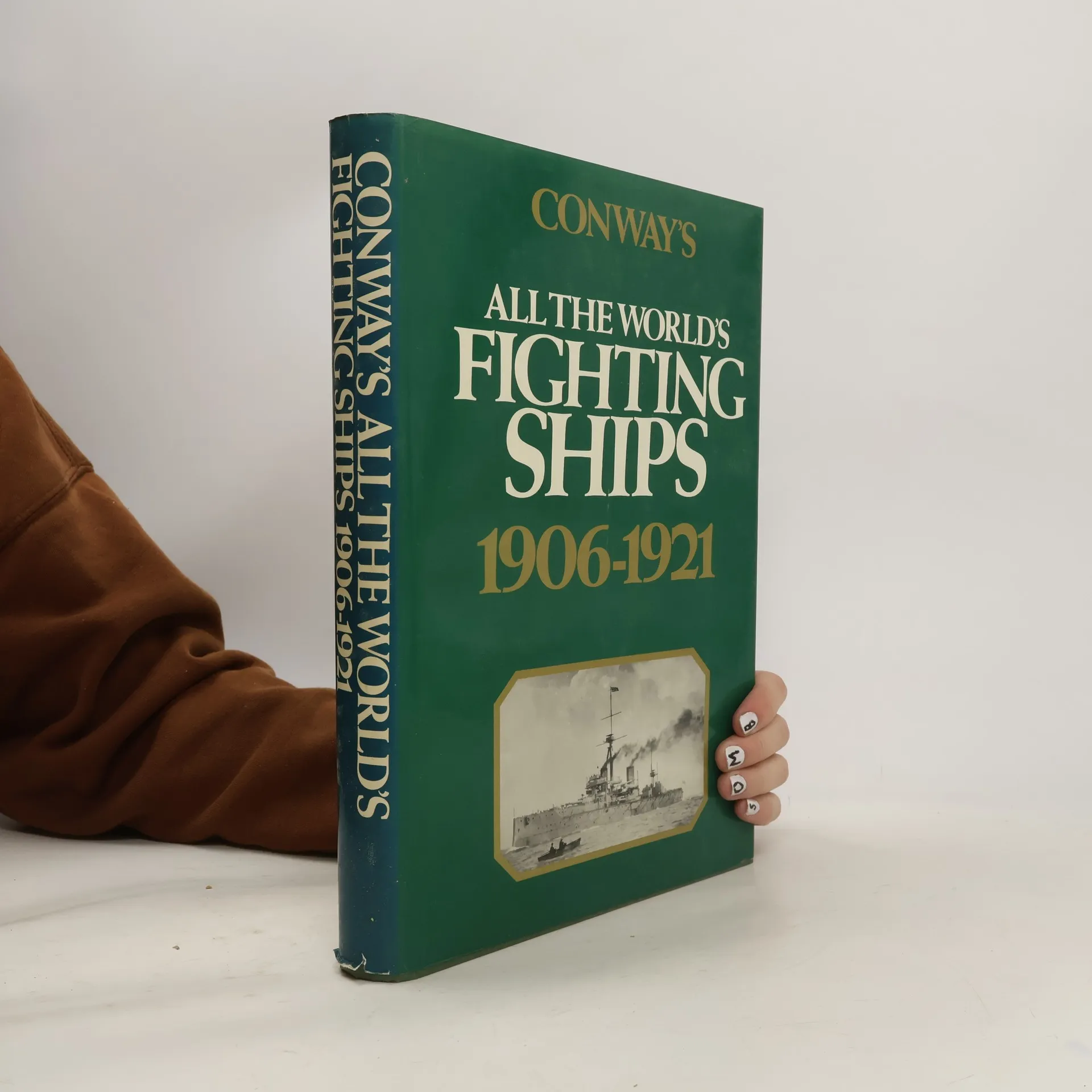
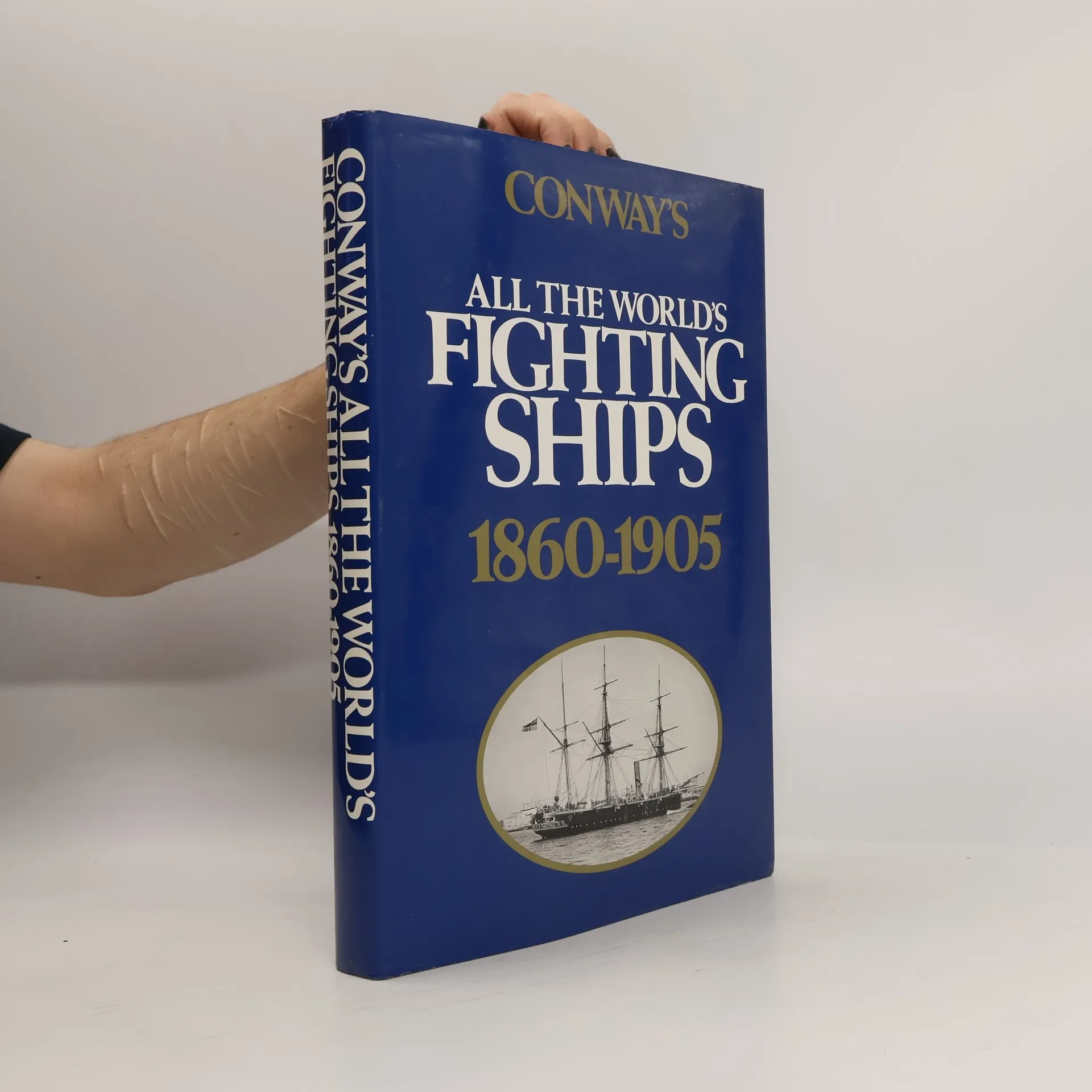
Conway's All the World's Fighting Ships 1860-1905
- 448 páginas
- 16 horas de lectura
This history of iron and steel warships is complented by illustrations, photographs and accurate standard-scale drawings for most classes.


This history of iron and steel warships is complented by illustrations, photographs and accurate standard-scale drawings for most classes.
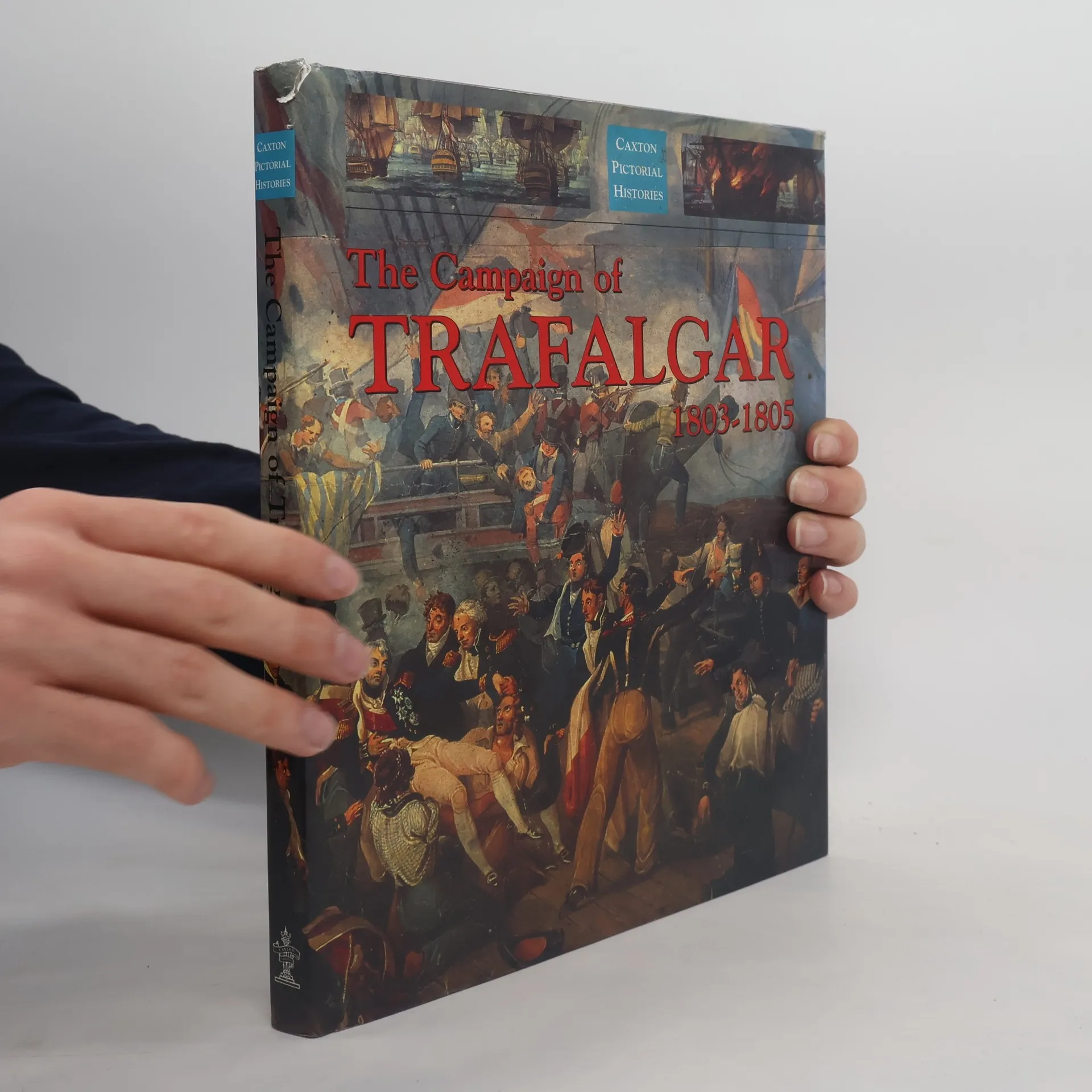
Trafalgar was the most famous and strategically significant victory in the age of sail and this volume charts all the major naval events from 1803 to 1805, as well as Nelson's heroic death at the moment of his greatest triumph. The book is one of a major series which describes the great maritime events of the pre-photographic era from contemporary paintings, prints, drawings, charts and plans, based on the incomparable collections of the National Maritime Museum at Greenwich
'Conway's All The World's Fighting Ships' series presents an international history of iron and steel warships from the first ironclad to the modern warship. The acclaimed series involved a major revaluation of published information and the wide scale use of unpublished sources.
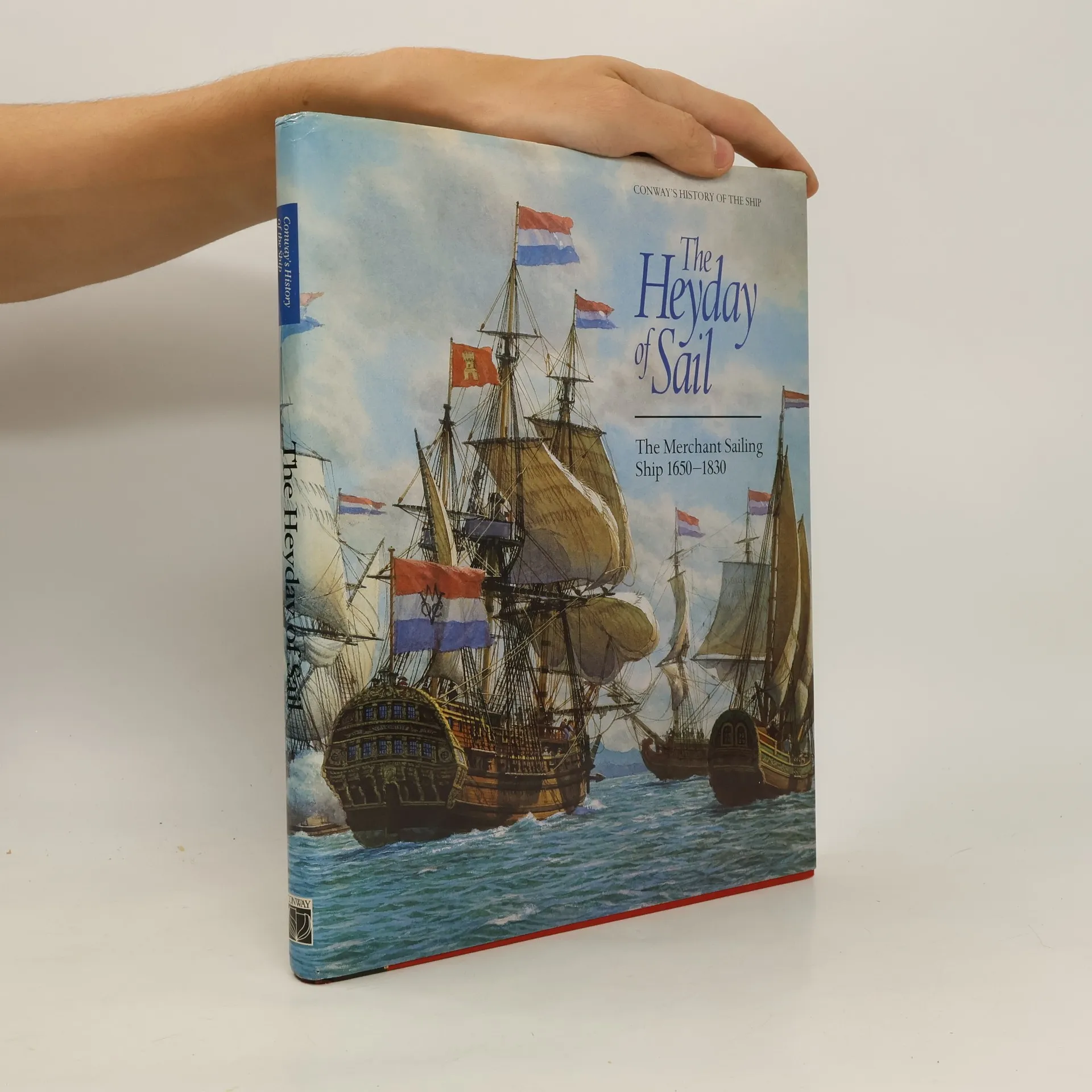
The Heyday of Sail: The Merchant Sailing Ship 1650-1830By the middle of the seventeenth century, a recognizable division had arisen between ships built for war and those intended for trade. Although many merchant vessels, like East Indiamen, continued to make useful naval auxilaries in times of conflict, this division was a highly significant step for ship design, and between this final divergence of warship and merchantman circa 1650 and the triumph of steam from 1830 onwards, there were no comparable revolutions in ship design. Nevertheless, the merchant sailing ship was subject to almost continuous improvement and diversification, in both hull form and rig, and the result was an ever expanding spectrum of local types and specialized variants.Taking this variety as its central them, The Heyday of Sail departs somewhat from the pattern of the Conway series to concentrate on developments at regional and local levels, emphasizing the influence of trading conditions on the history of each type of ship. Despite the importance of the subject - the prime vehicle of European economic and colonial expansion - this is the first book to sttempt a detailed survey of the merchant sailing vessel in its heyday.Lavishly illustrated, this informative title includes over 165 drawings, 25 black-and-white photos and over 20 tables and graphs. A must read for anyone interested in the history of shipping and ship design.
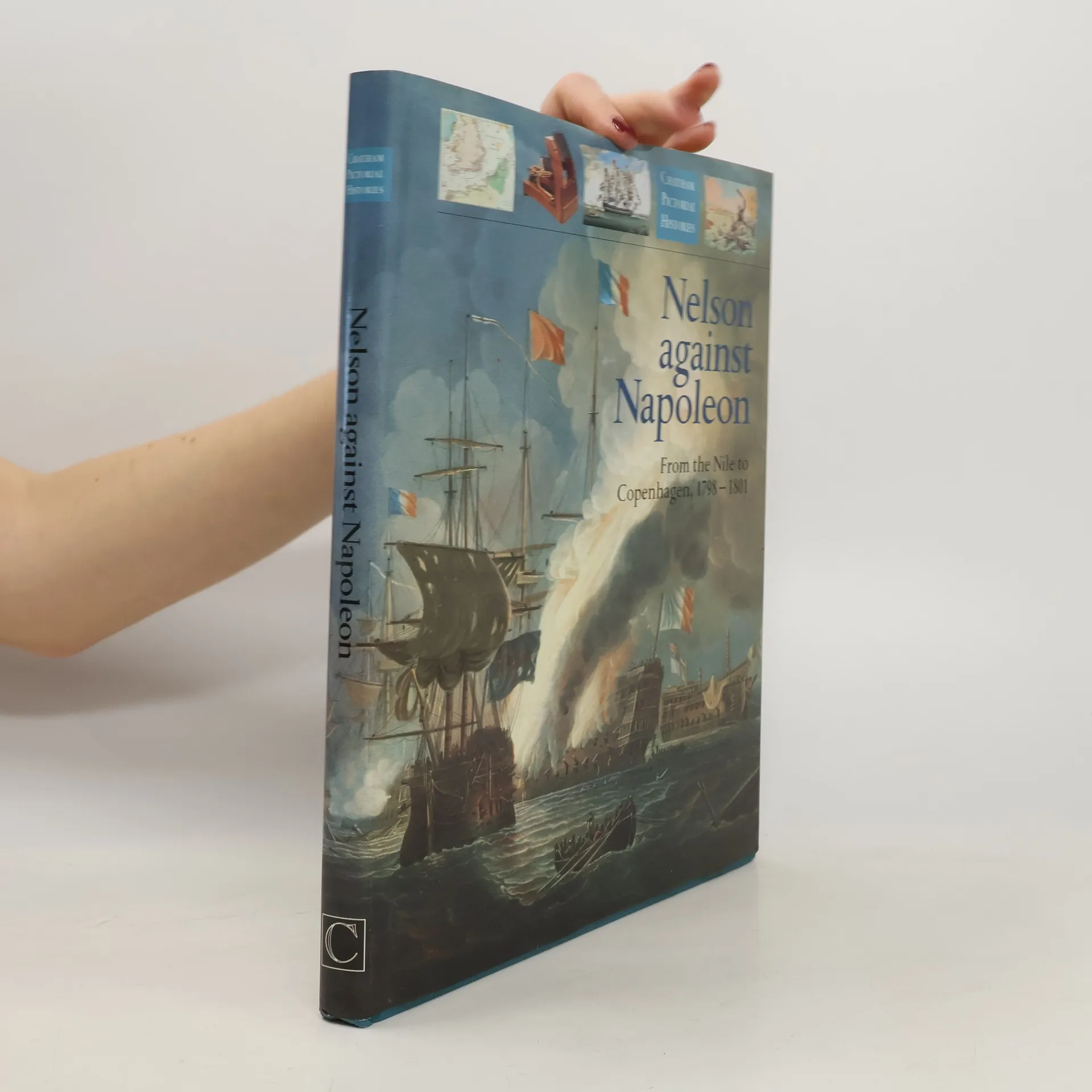
This volume is the second of five covering the whole of the French Revolution, Napoleonic and 1812 Wars based on contemporary images, a series depicting the reality of warfare under sail in a depth never previously attained. Features a stunning collection of 300 contemporary images, many illustrations previously unpublished, and introductory essays and thematic text boxes by well-known authorities.
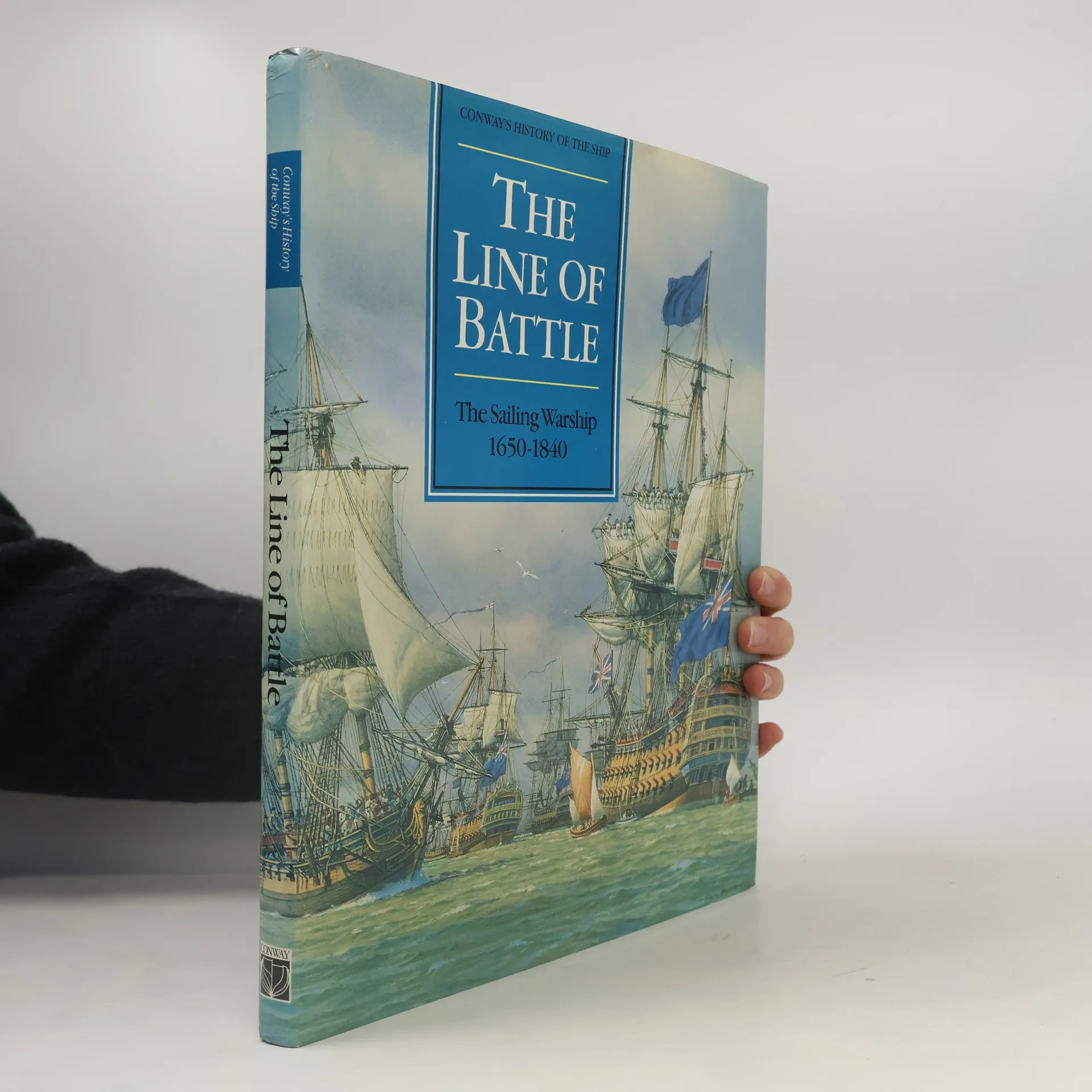
The Sailing Warship 1650-1840
Although purpose built fighting ships had existed earlier, the principal characteristics of the classic sailing warship were defined in the mid-seventeenth century, and the line of battle ship became ever more distinct. Alongside came the greater specialisation of the fleets and the evolution of the frigate and the adaptation of myriad types of craft for naval use. The story of these developments is clearly elucidated in this paperback volume.
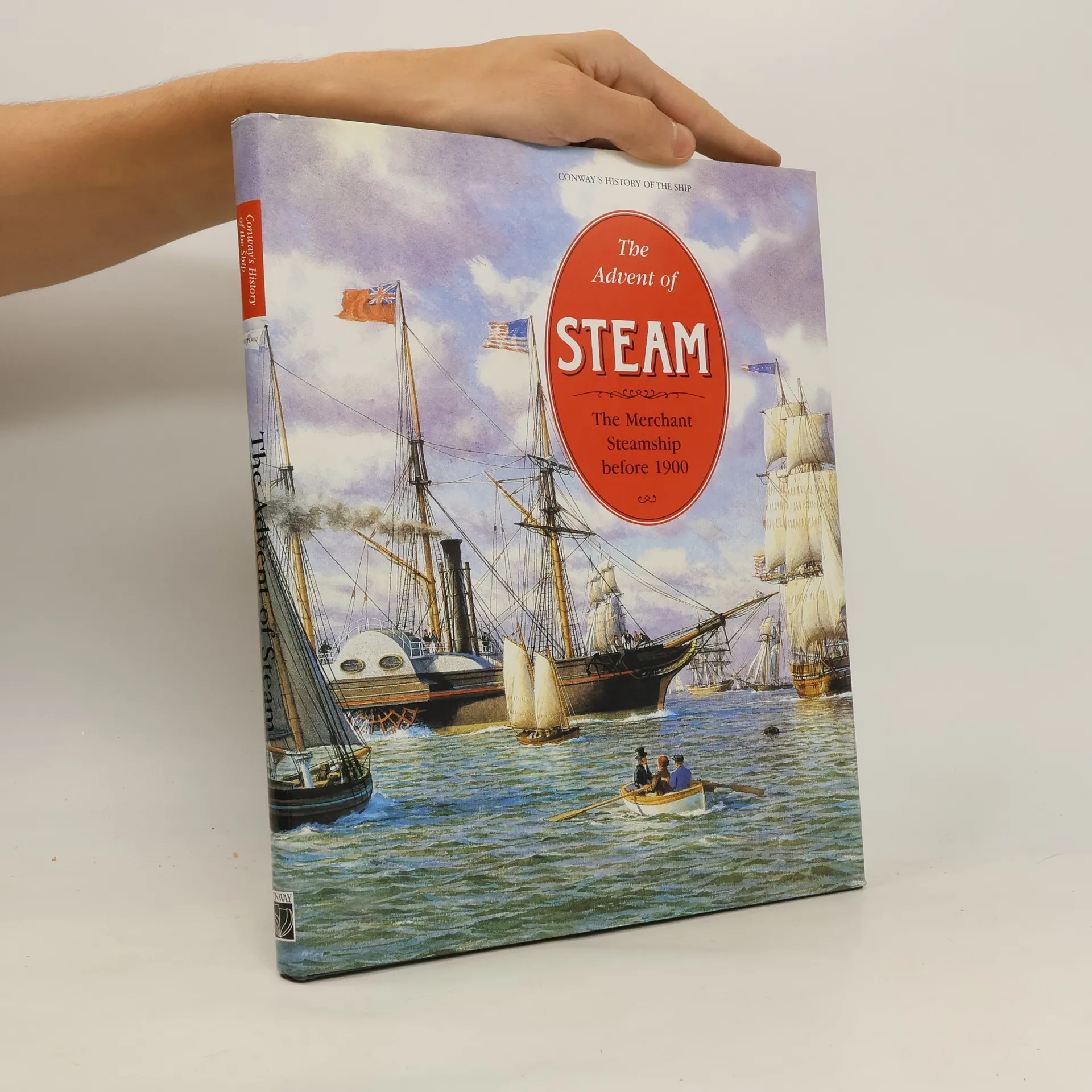
The advent of steam power was one of the greatest innovations in maritime transport since the development of the three-masted ship. This book examines the history of the merchant steamship, from the introduction of the paddle to screw propulsion and the emergence of efficient compound engines.
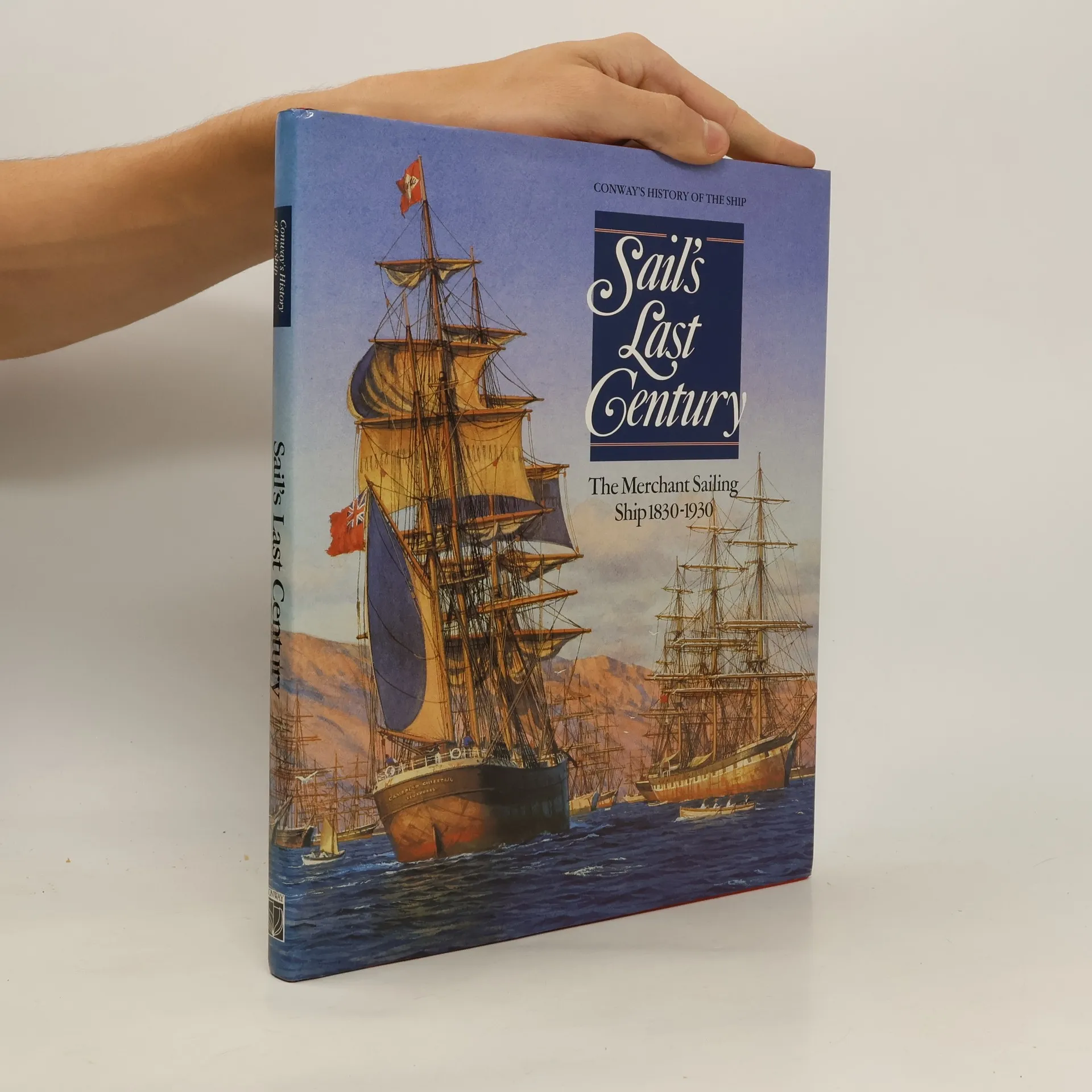
This book charts the sailing ships course, the development of the schooner, and the sailing ship's transition from wood to iron and steel construction.
Over 100 models in stunning full-colour photographs. Close-ups, details and thematic spreads for variety and visual interestIn-depth captioning, annotations and an authoritative text.
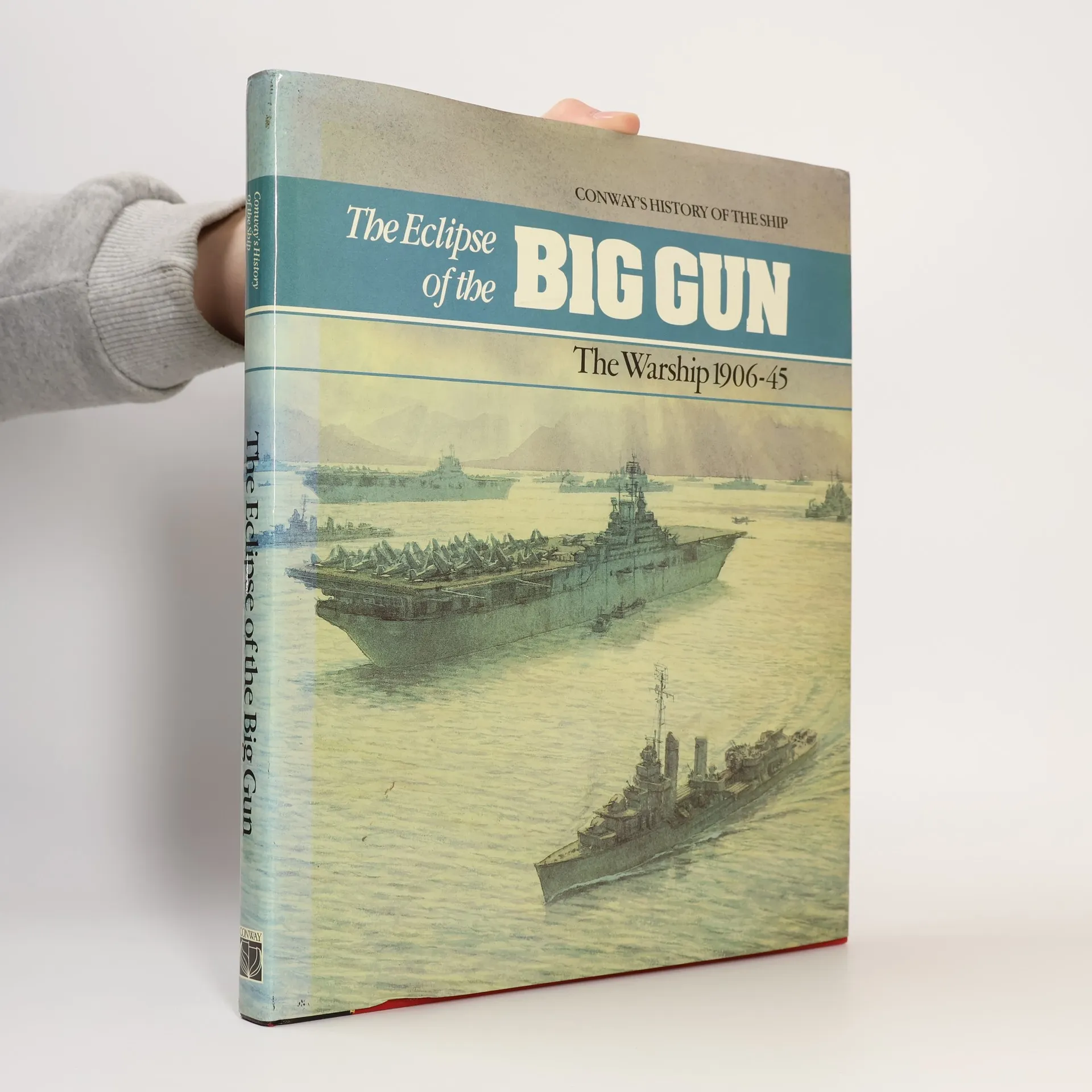
Describes how improvements in all types of naval vessels, armaments, and equipment in the early twentieth century led to the decline in importance of the big gun surface ship in naval warfare.
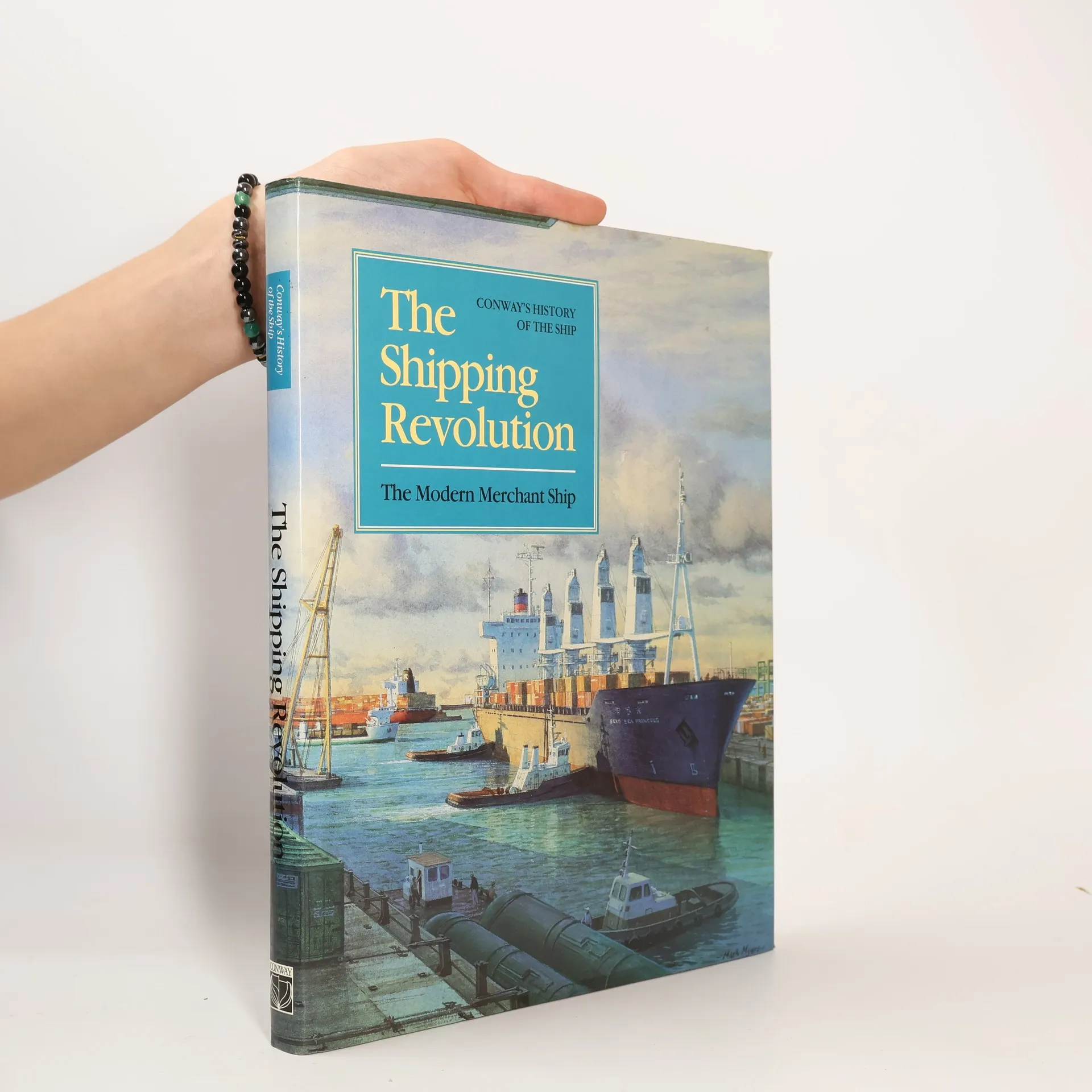
The Modern Merchant Ship
Since the end of the Second World War the pattern of international trade - and the ships in which it is carried has changed dramatically. Competition from air travel gradually displaced the liner, but with increased leisure passenger ships staged a comeback in the form of cruise ships. The burgeoning demand for oil fuel produced the supertanker, while moves to streamline cargo handling led to containerization and other forms of unitized shipment for many general trades. However, entirely new ship types were also developed to carry cargoes as diverse as cars and chemicals, livestock and nuclear waste. The postwar rehabilitation of the world's merchant fleets initially involved traditional ship types, but this volume charts the accelerating pace of change from about 1960 onwards. While primarily describing the rapid advances in maritime technology, it also points to the political, economic and social reasons for these, and looks at likely developments in the future. Lavishly illustrated, this complete and informative volume includes over 175 black-and-white photos, over 30 illustrations, and over 40 tables.
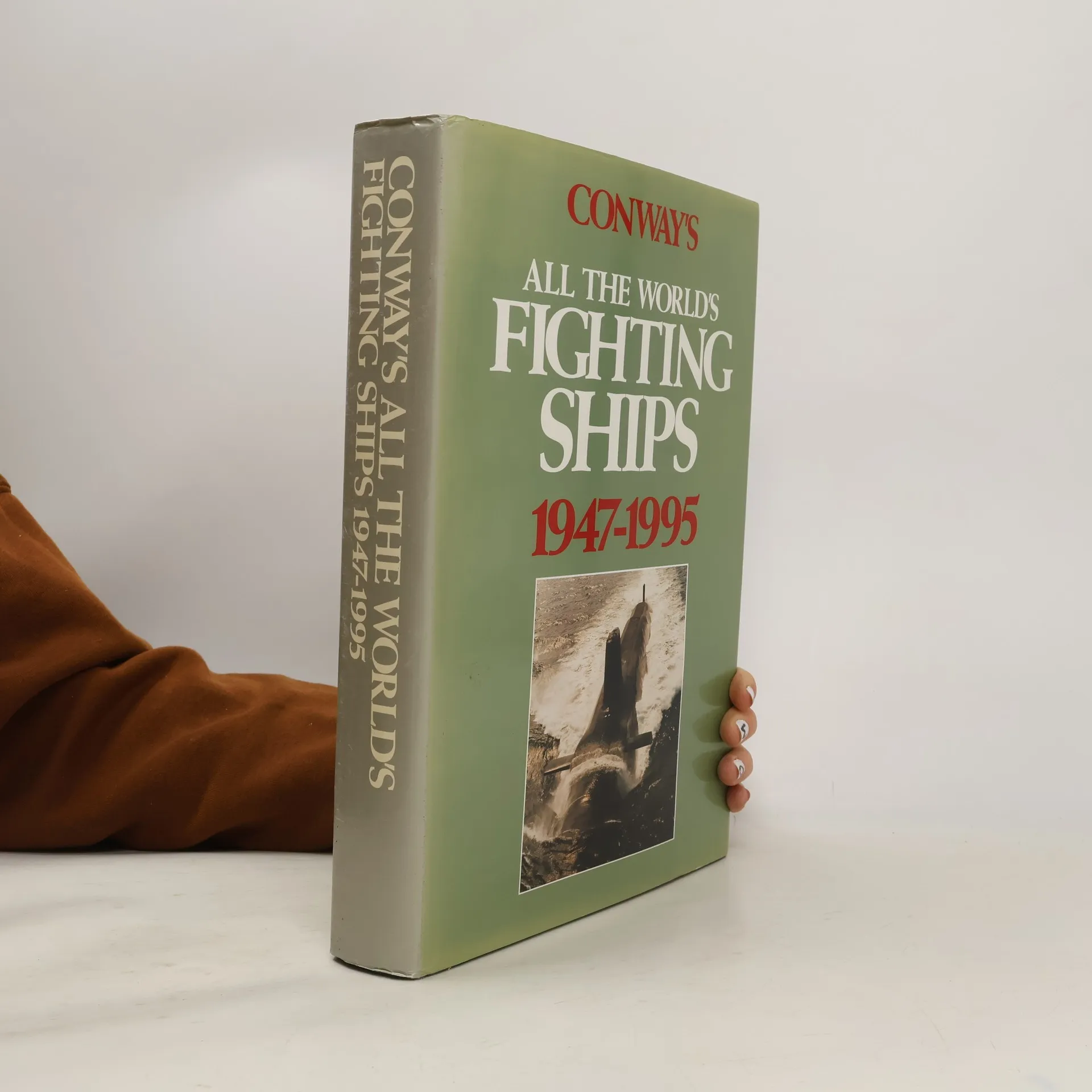
Ten years have passed since the two-volume Conway's All the World's Fighting Ships 1947-1982 was published and in that time, profound changes have occurred in the make-up of the world's navies, and the aftermath of the break up of the Warsaw Pact represents an opportune time to revise the work and bring it up to date. Particularly relevant to the updating of this volume has been the release of new information which has come about as a result of: the break-up of the Warsaw Pact; the unification of Germany and the take-over of ex-East German ships; and over all navies there now hangs the question mark over their role in the post-Cold War era and the sceptre of defence cuts.;A whole range of recent technical developments are chronicled including: the commissioning in the USSR of the first large-deck carriers; the arrival in Britain, Holland, Sweden and Japan of a new generation of high-tech conventional submarines; the revival of interest in close-in air and missile defences, and the adoption of stealth technology at sea. It covers the Gulf War which involved the biggest naval deployment since 1945. All these developments, and all associated launchings and commissionings are covered, and so bring this title up to date to make it a core reference book for all those who follow naval affairs.
Researching back into prehistory and into the earliest evidence provided by archaeology, this volume explores the varied lines of development from the most primitive watercraft to the first real seagoing ships, from Northern Europe, through the Mediterranean to the Near and Far Easts. It traces the most primitive forms of boats - rafts, skin boats and dugouts, for example - which developed ultimately into ships for trade, commerce and war. Apart from chapters on the craft themselves, there are sections on related topics, including early pilotage and seamanship, and an evaluation of what modern reconstructions can tell us about the performance of ancient ship types. The Earliest Ships not only summarises existing information but has been produced by many of those whose pioneering work was responsible for the revolution in understanding in the first place.
The French Revolutionary War, 1793-1797
After the setbacks of the American Revolutionary War, the Royal Navy had been renewed and revitalized, so in 1793 a well-prepared fleet embarked on the new conflict with France in a state of high confidence. This was rewarded immediately with a series of almost uninterrupted victories. In such an atmosphere there was a considerable appetite for pictures of every incident, large or small: a thriving trade grew up for prints, engravings and - for the more affluent - watercolours and oils by celebrated artists. Besides these "public" works, many officers and men kept personal journals and sketchbooks illustrated with drawings and watercolours, often depicting the everyday aspects of wartime life at sea that were ignored by the more celebratory artistic media. This volume is the first of five covering the whole of the French Revolutionary, Napoleonic and 1812 Wars based on comtemporary images, a series depicting the reality of warfare under sail.