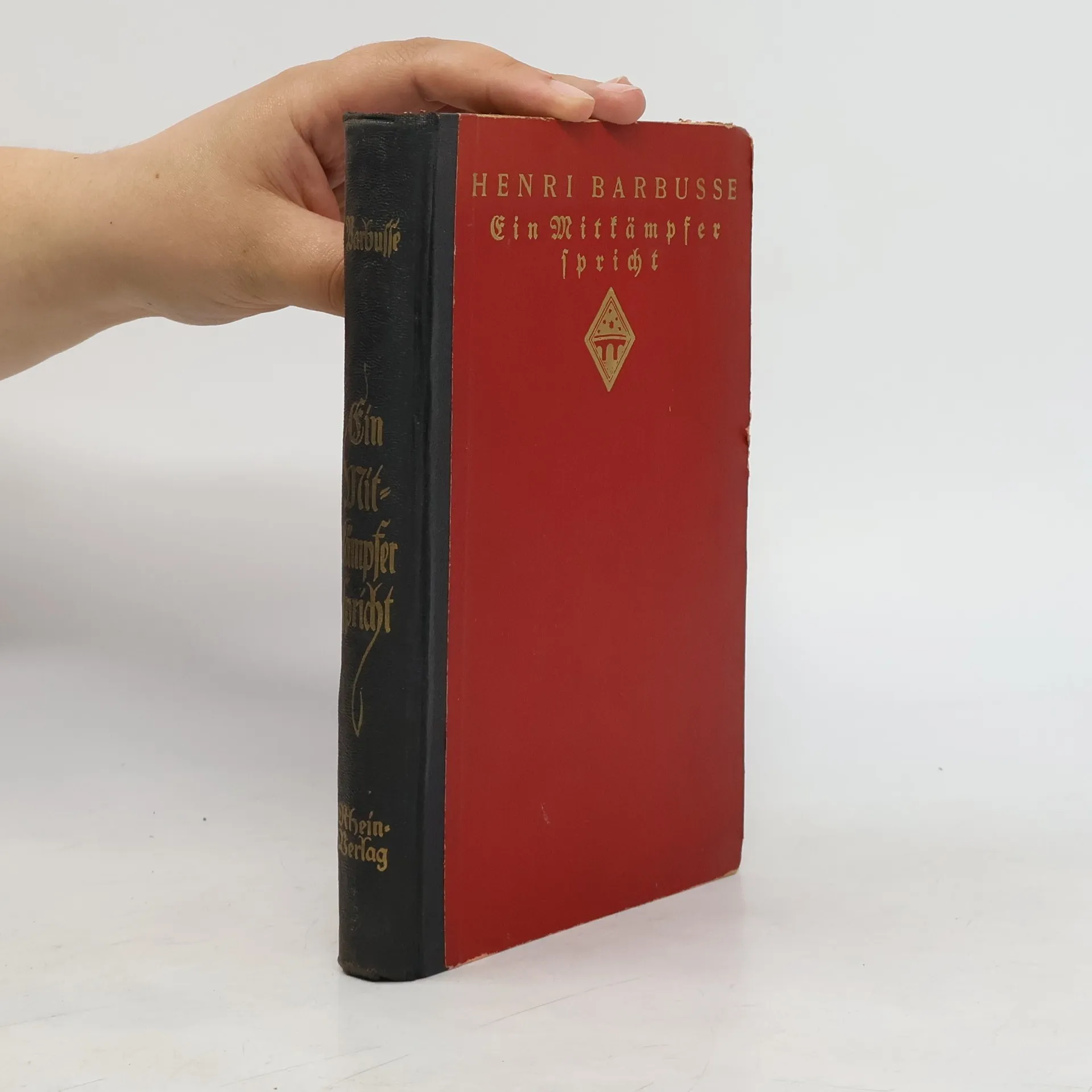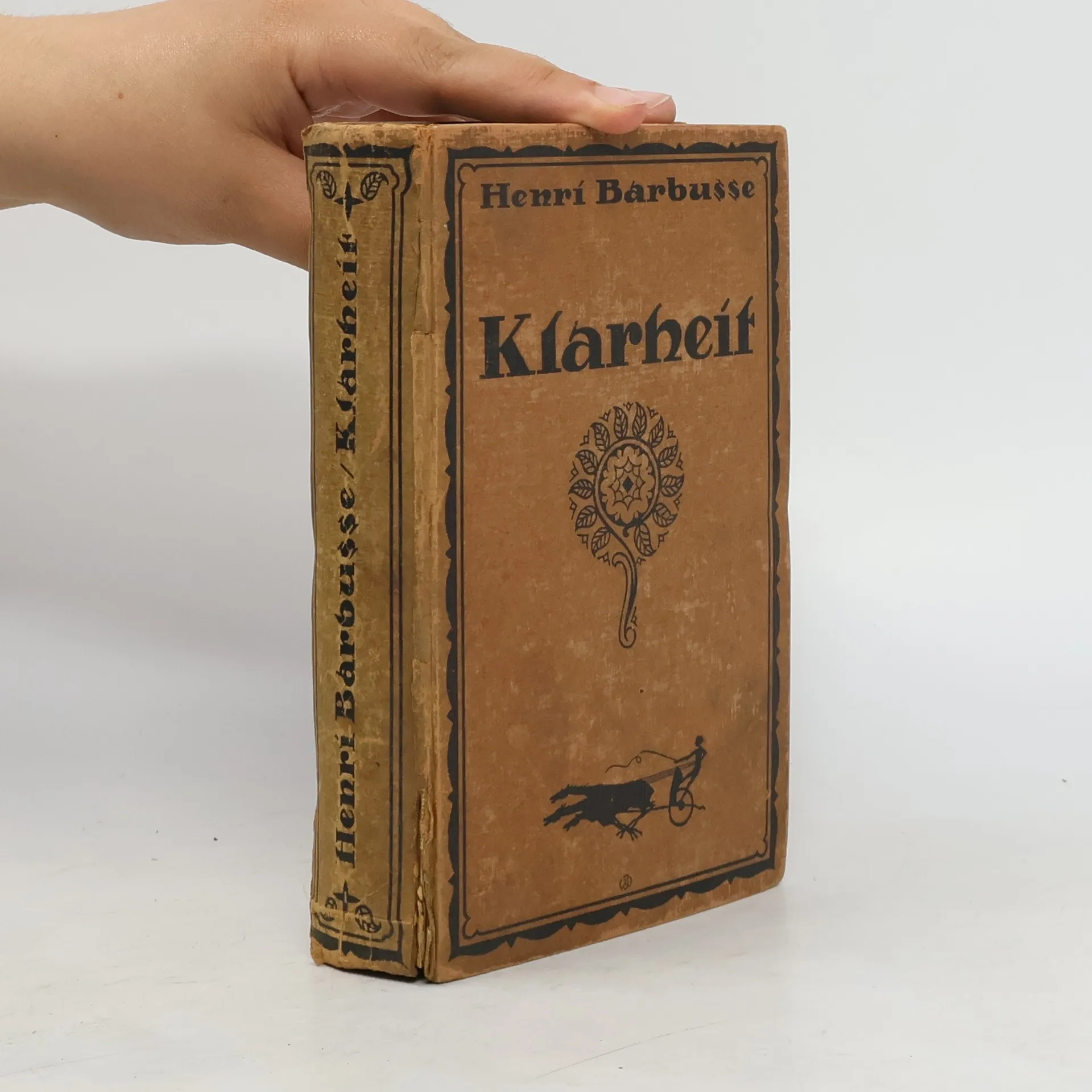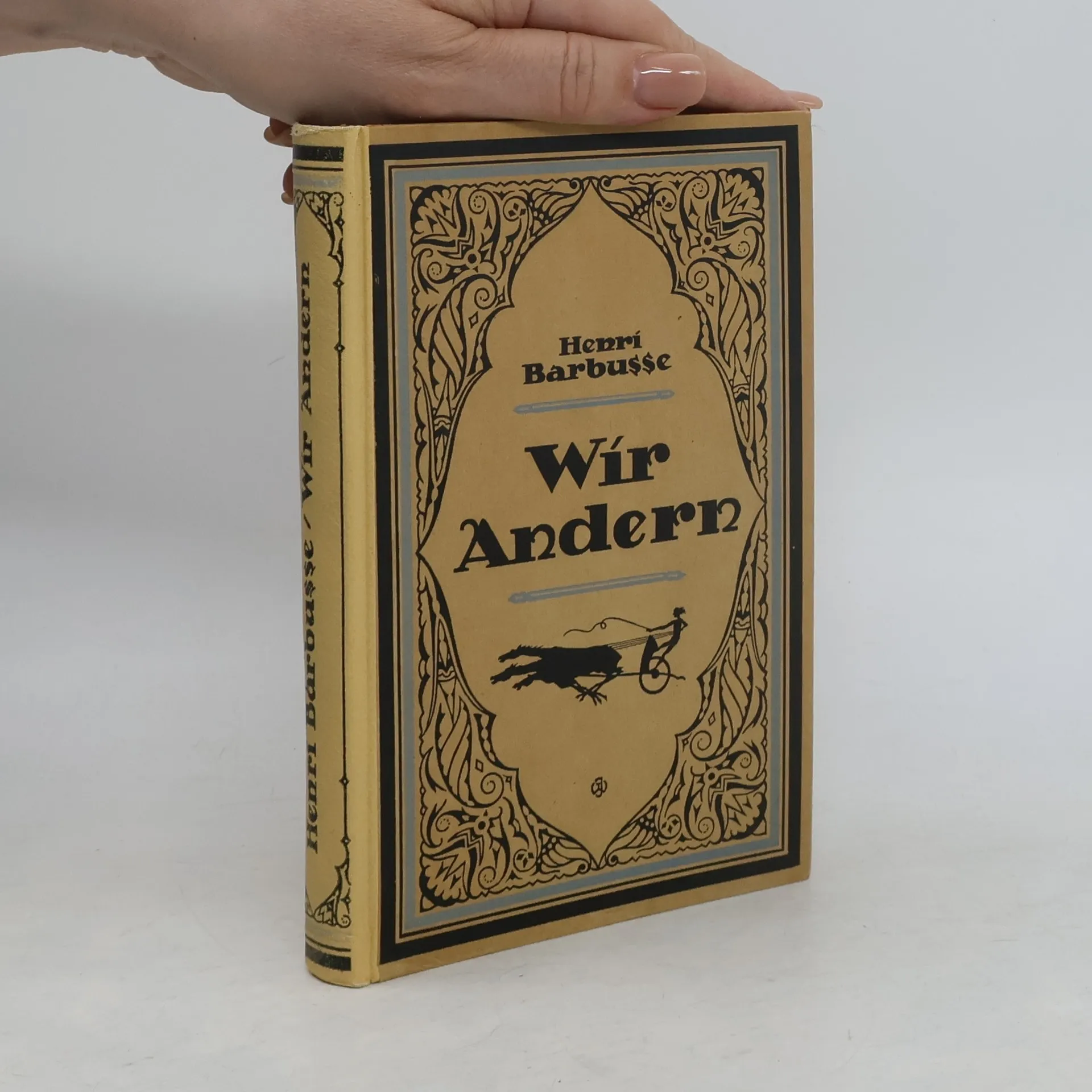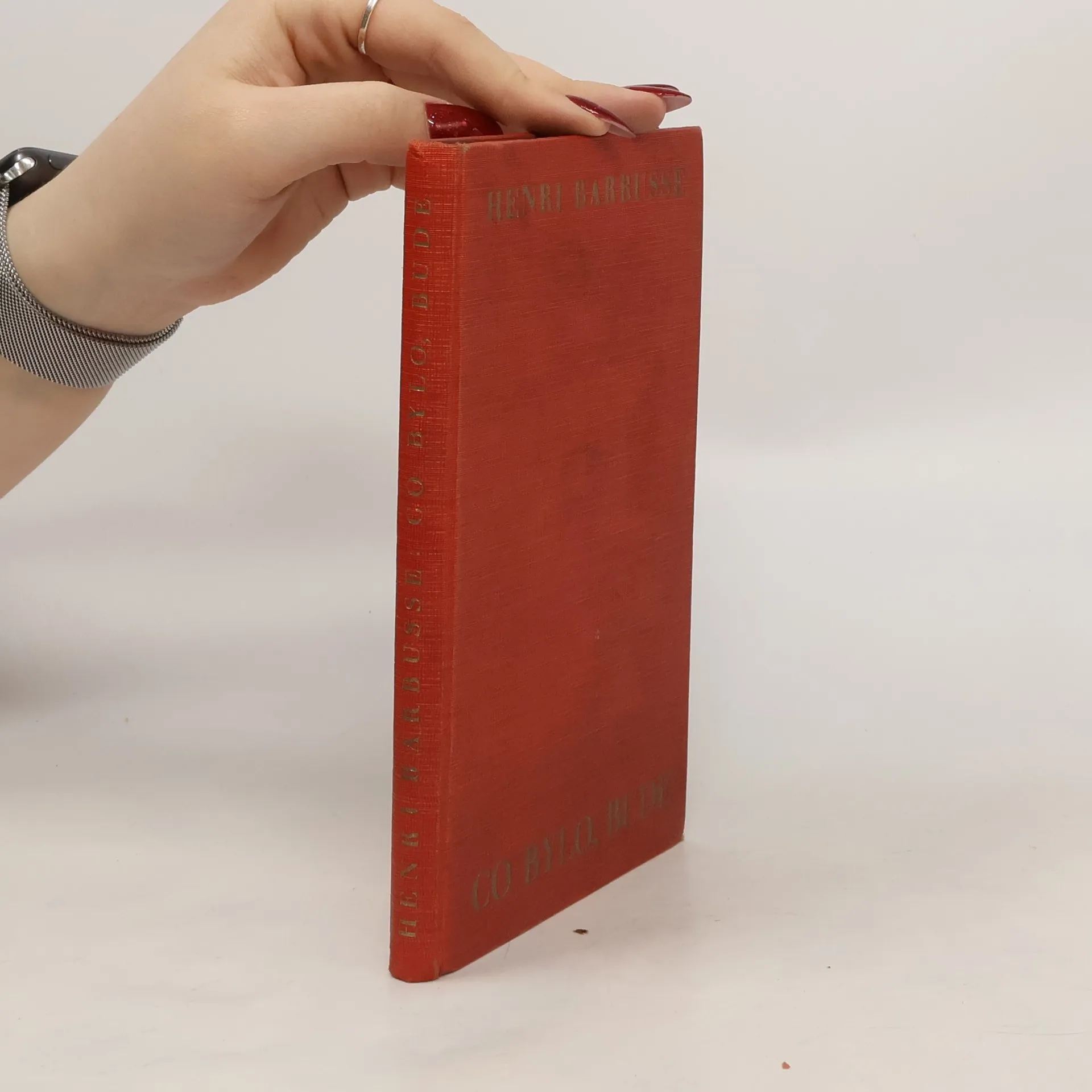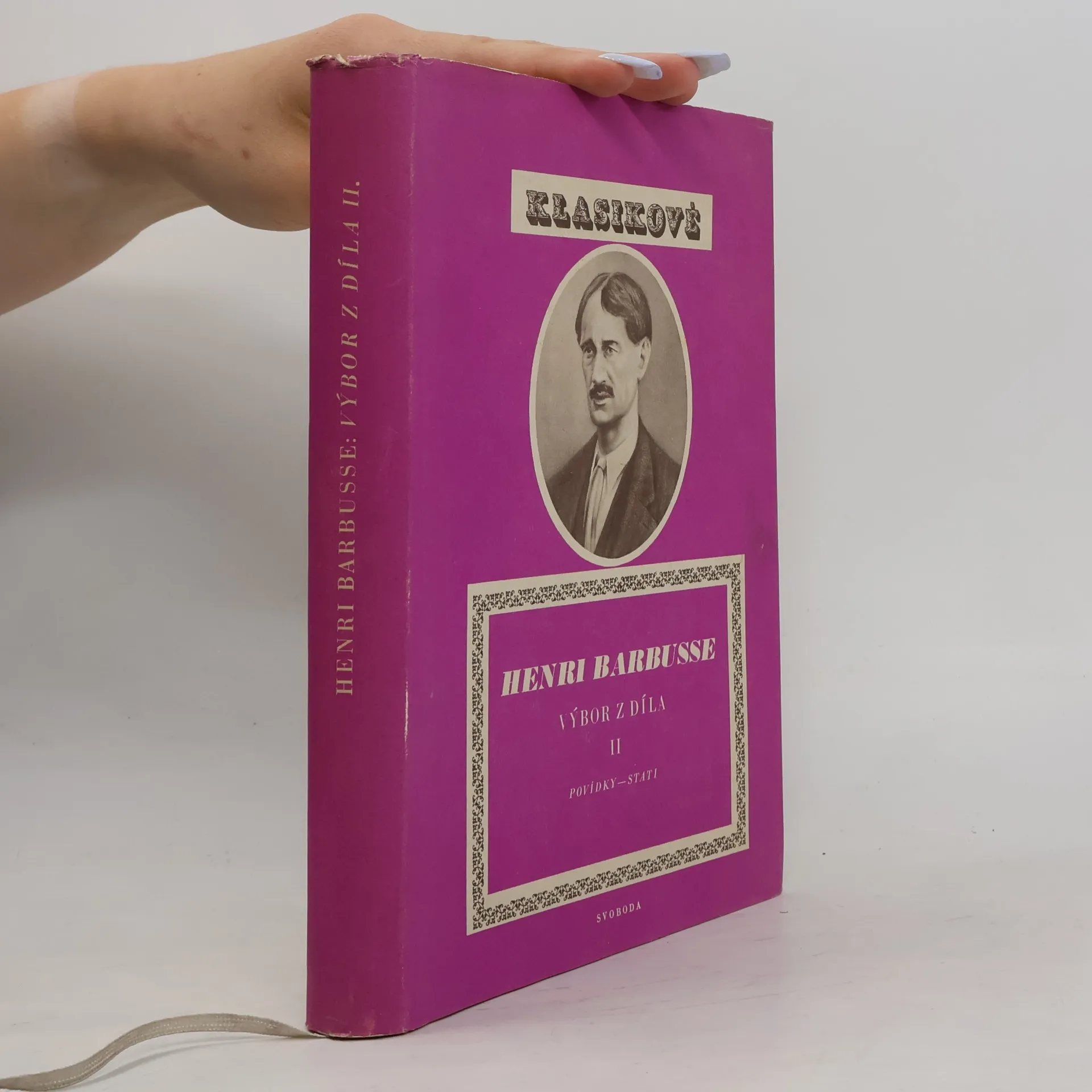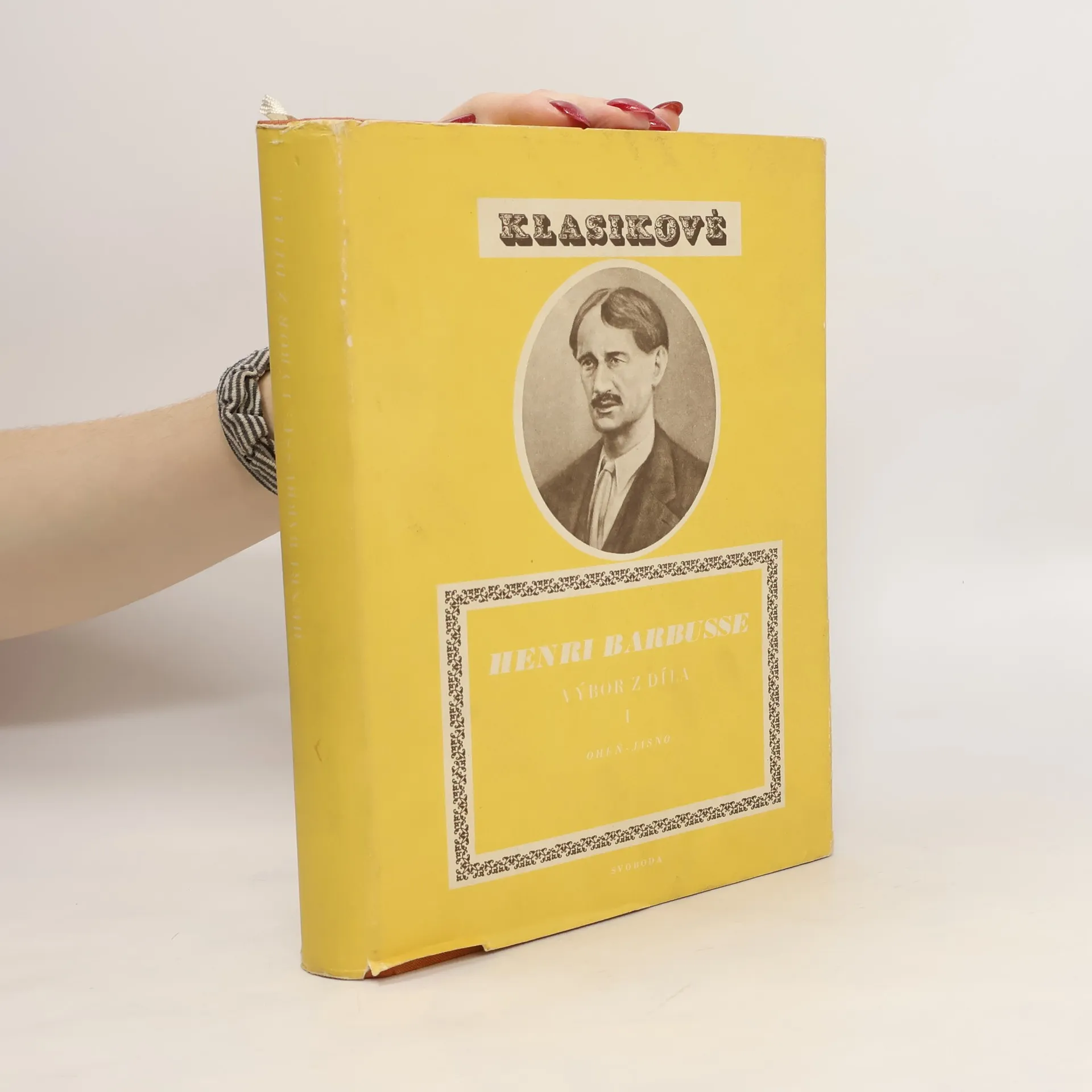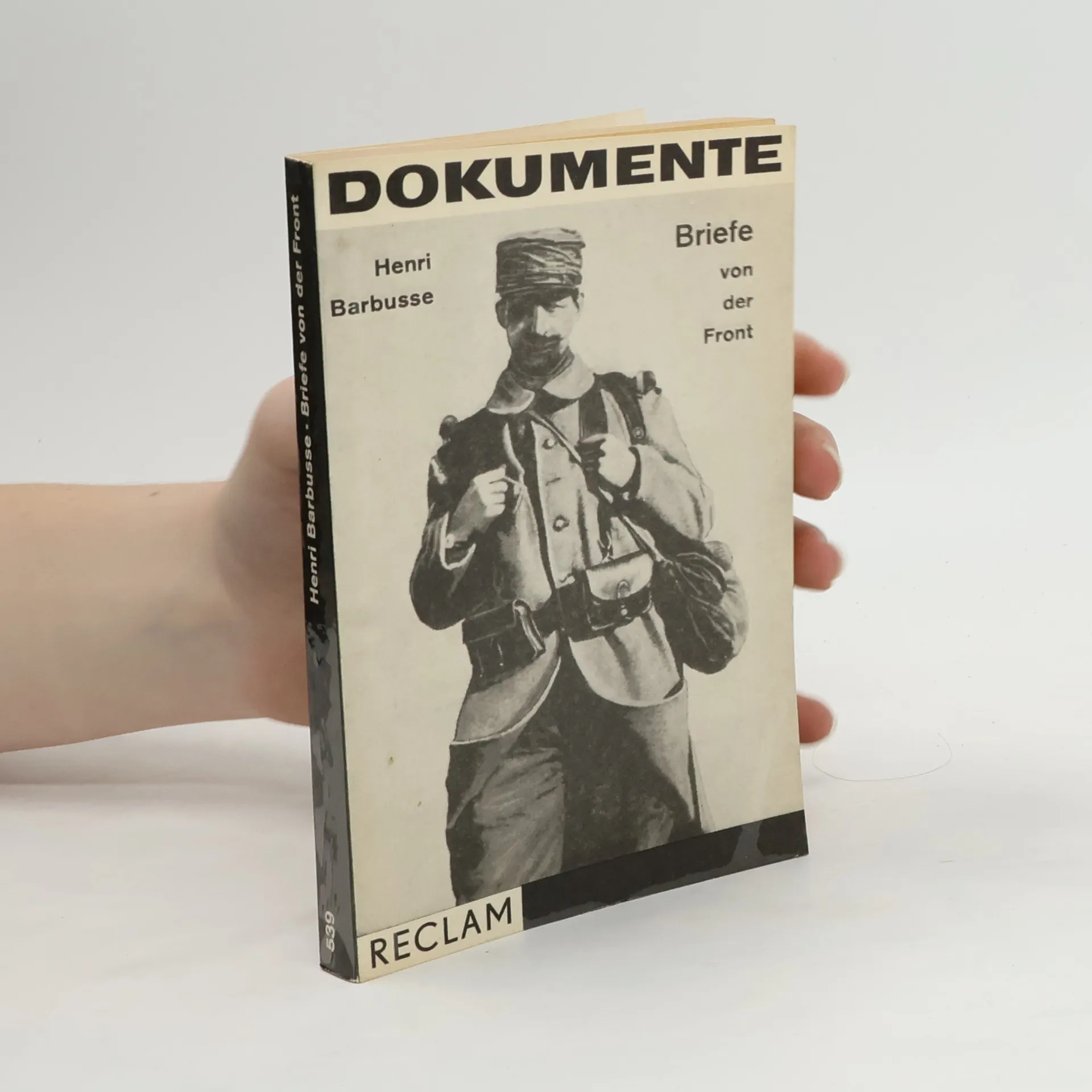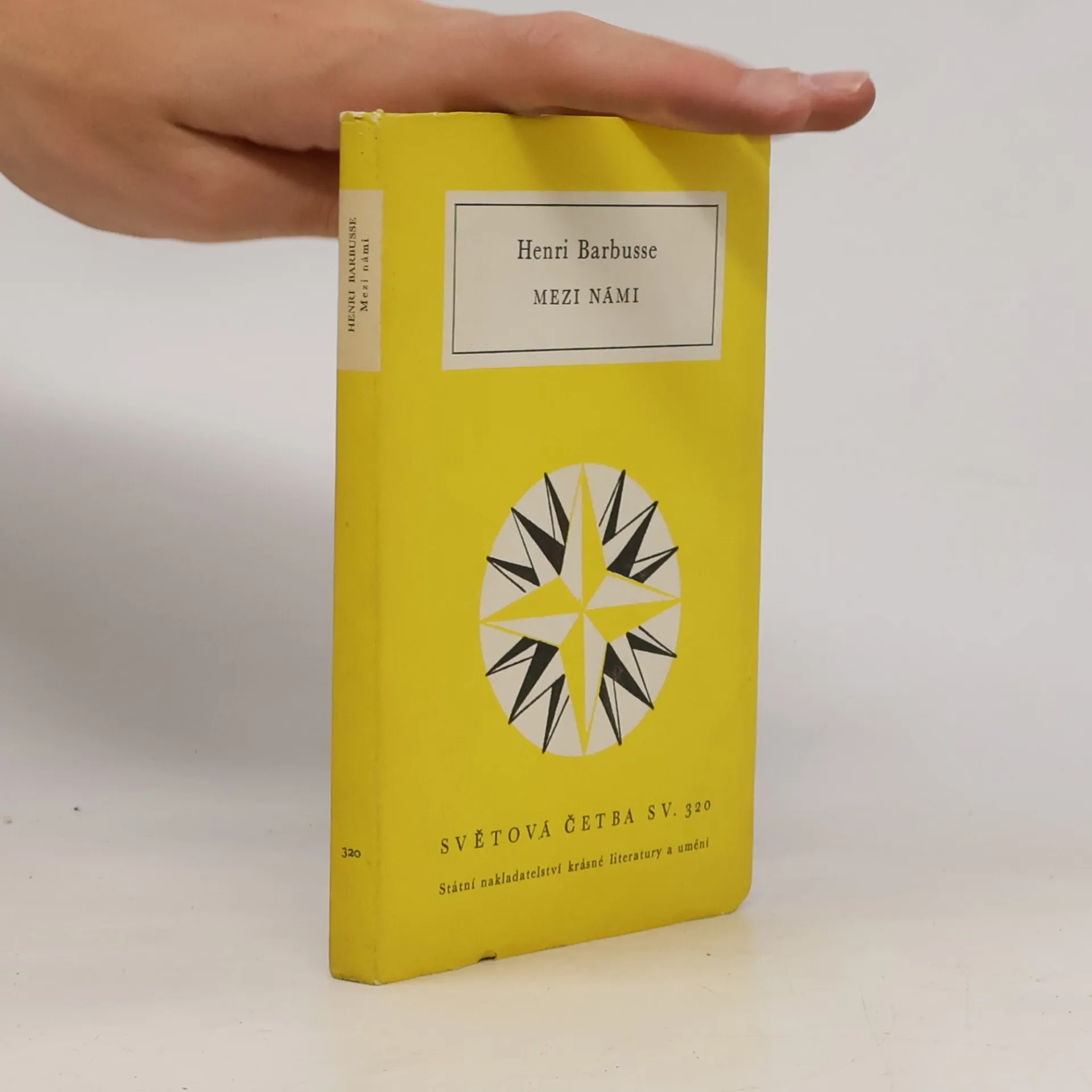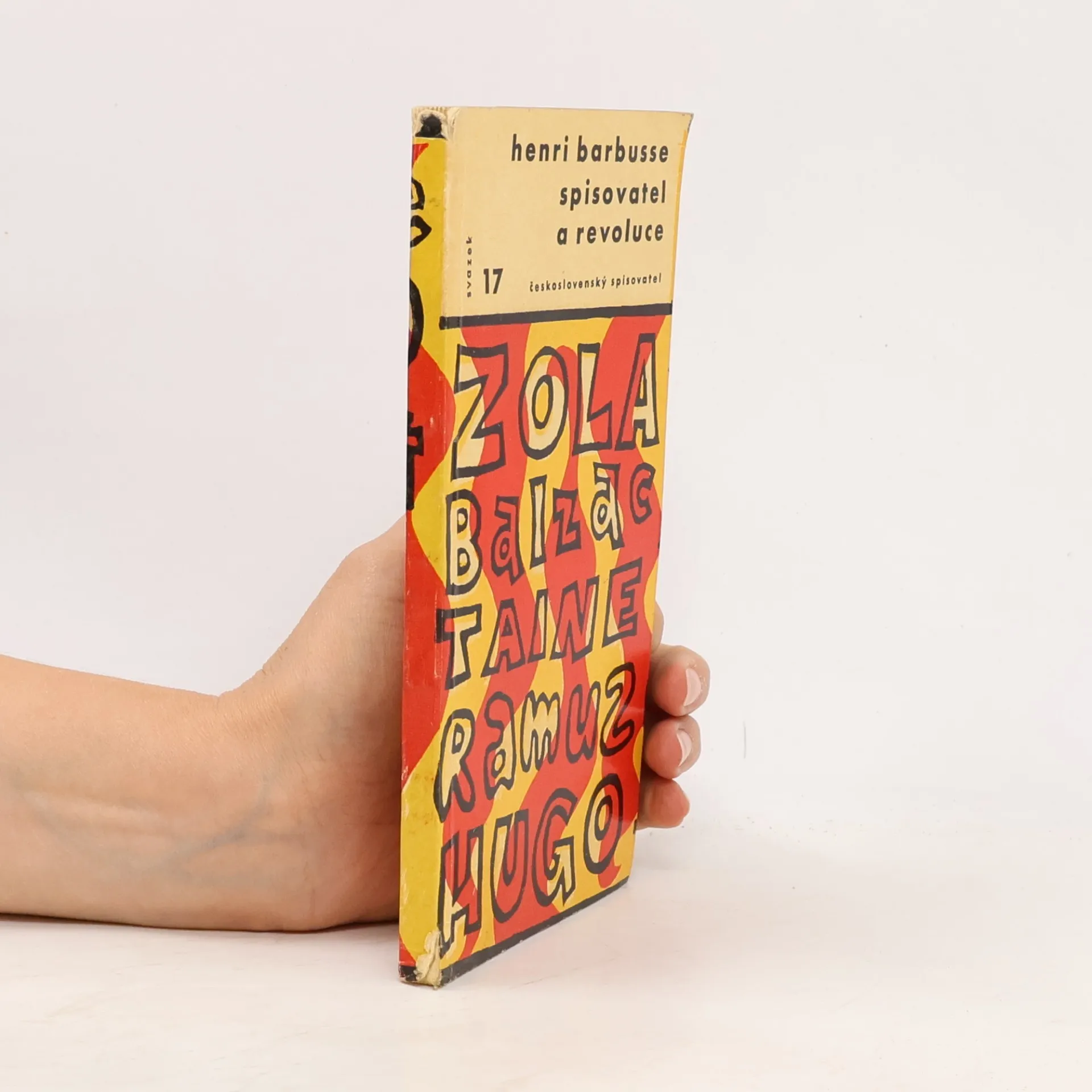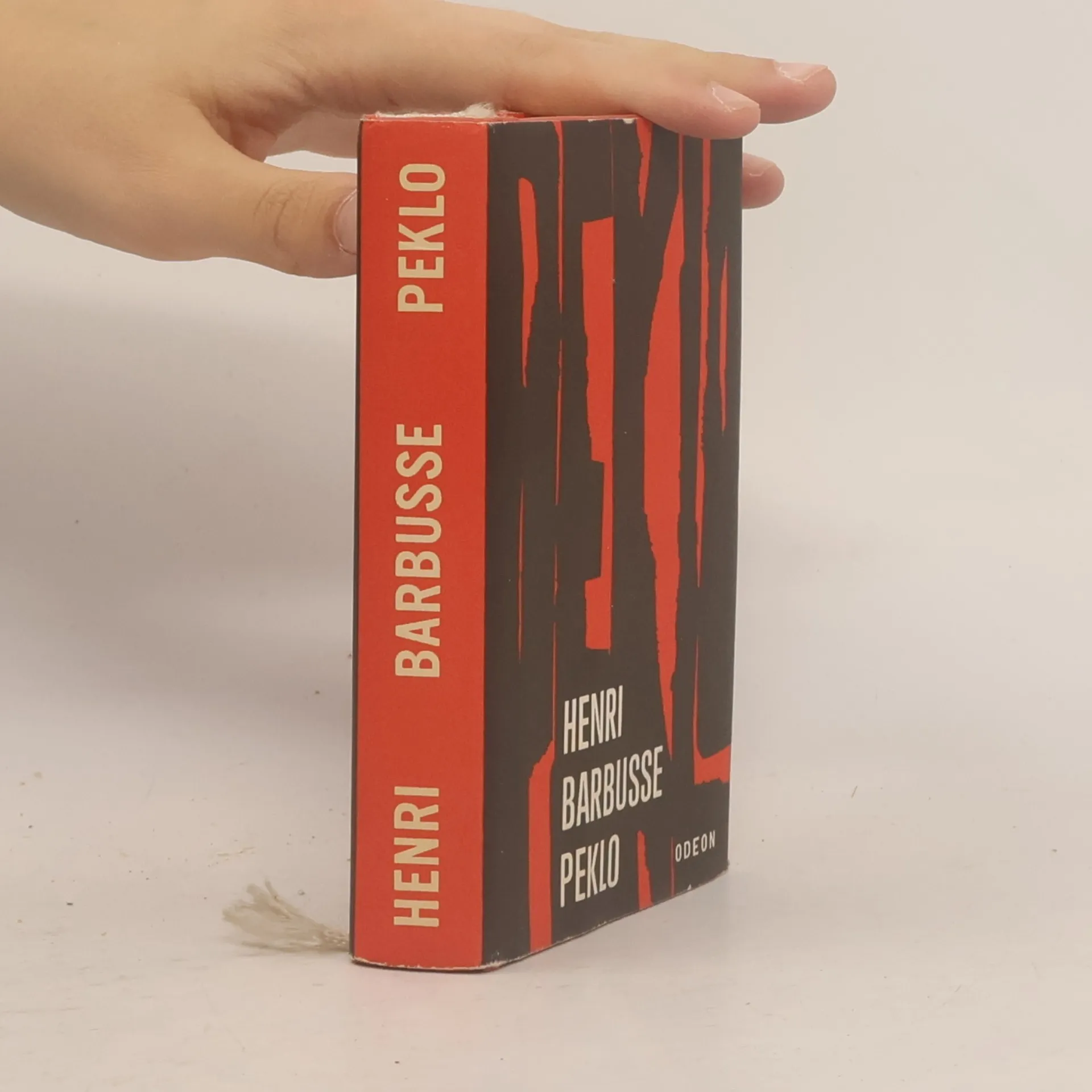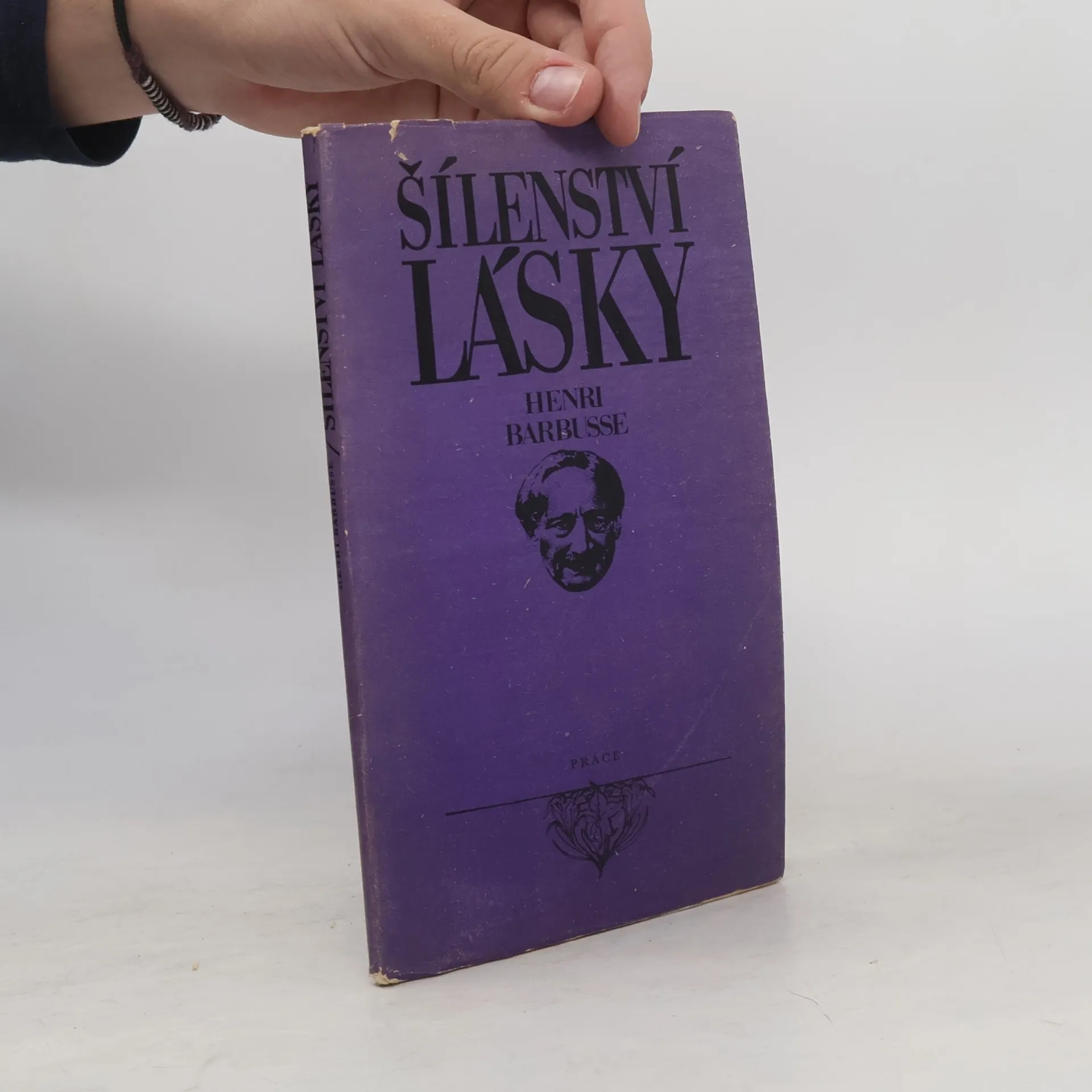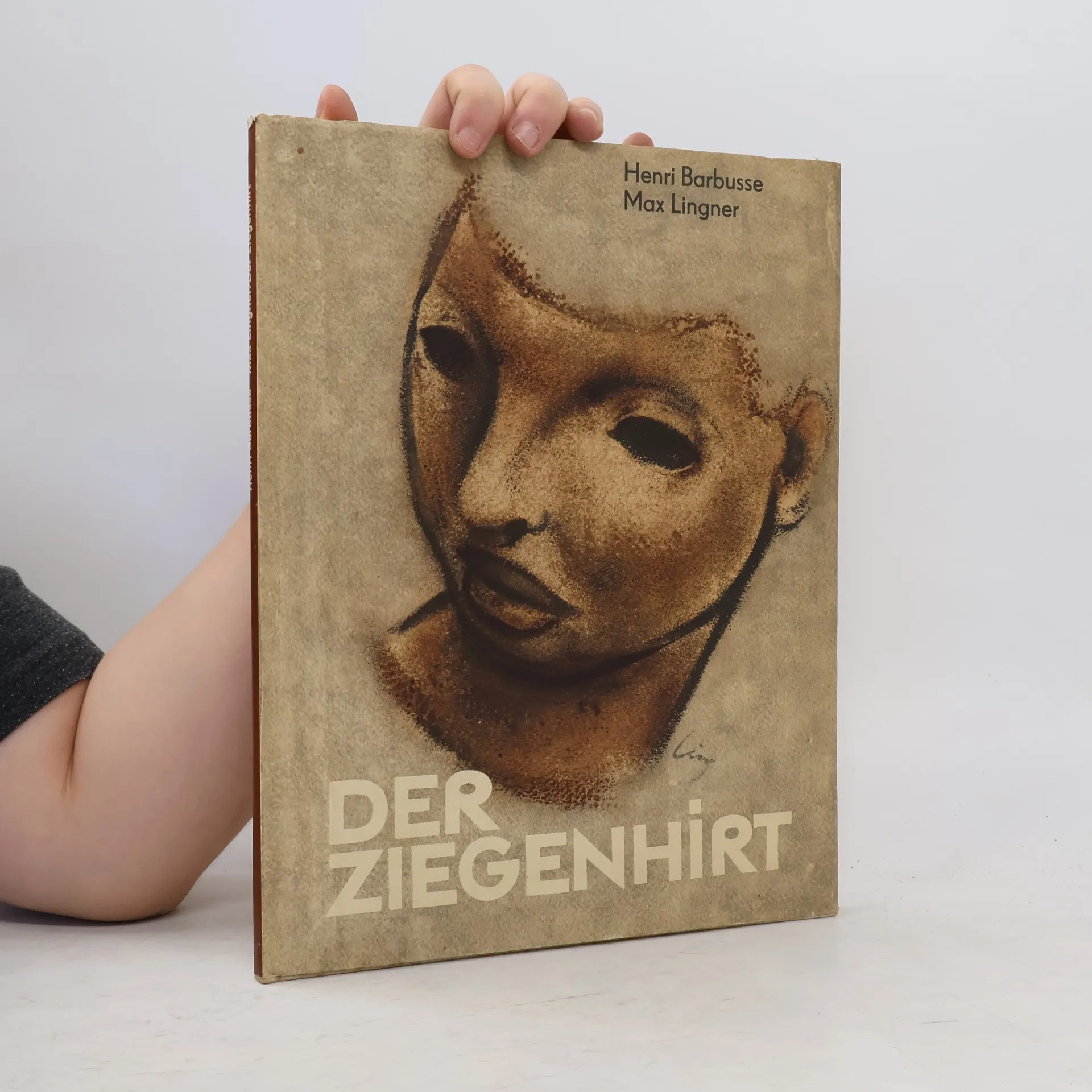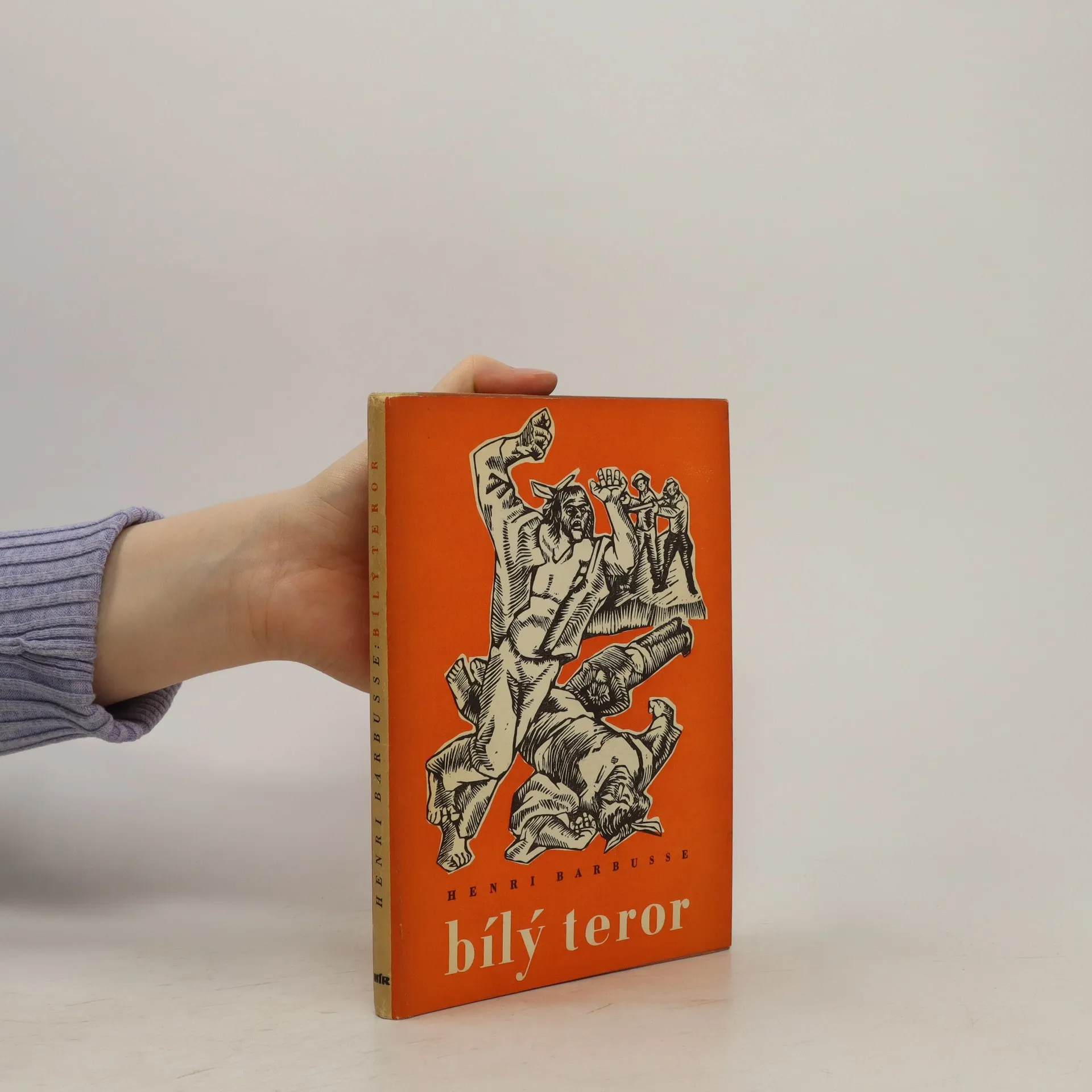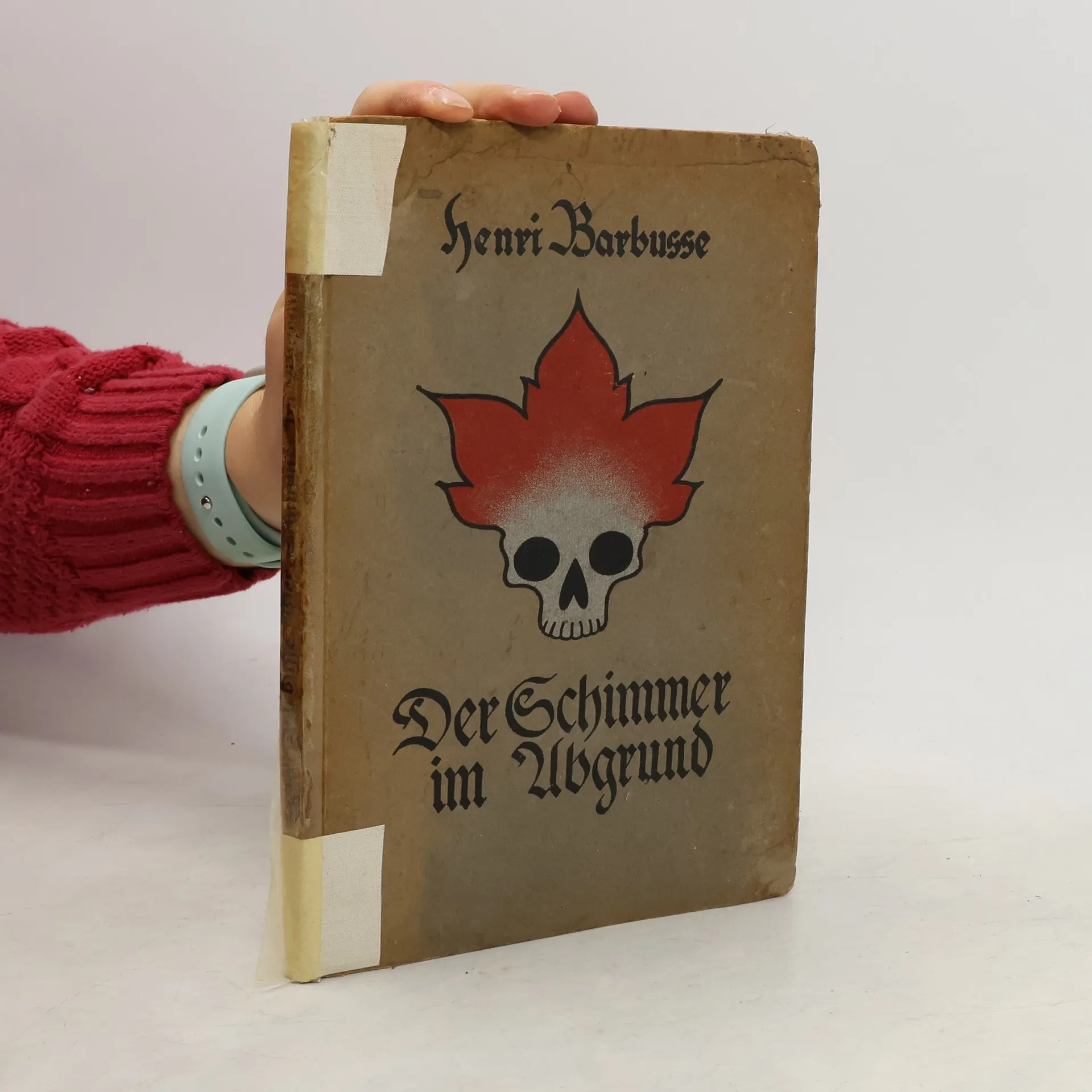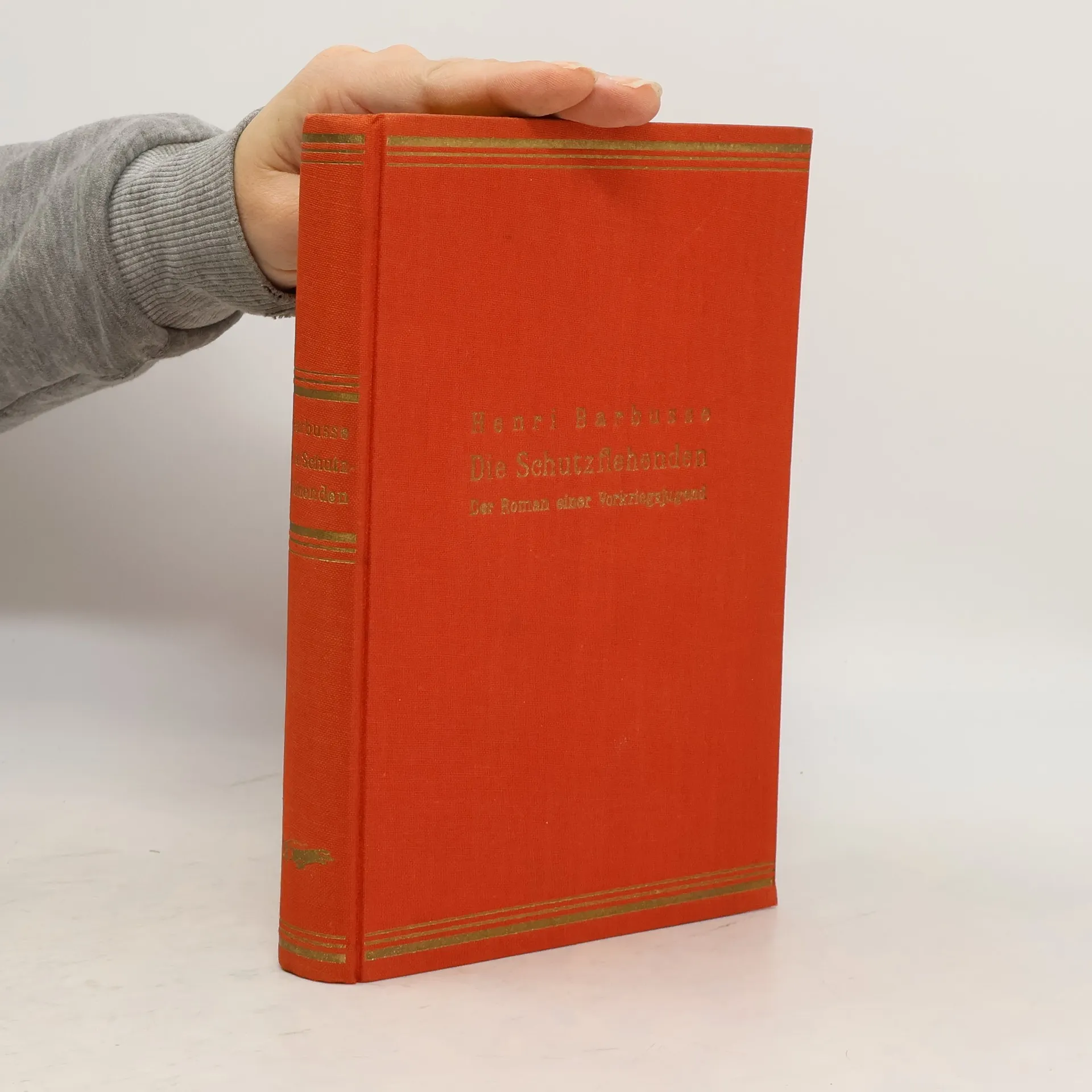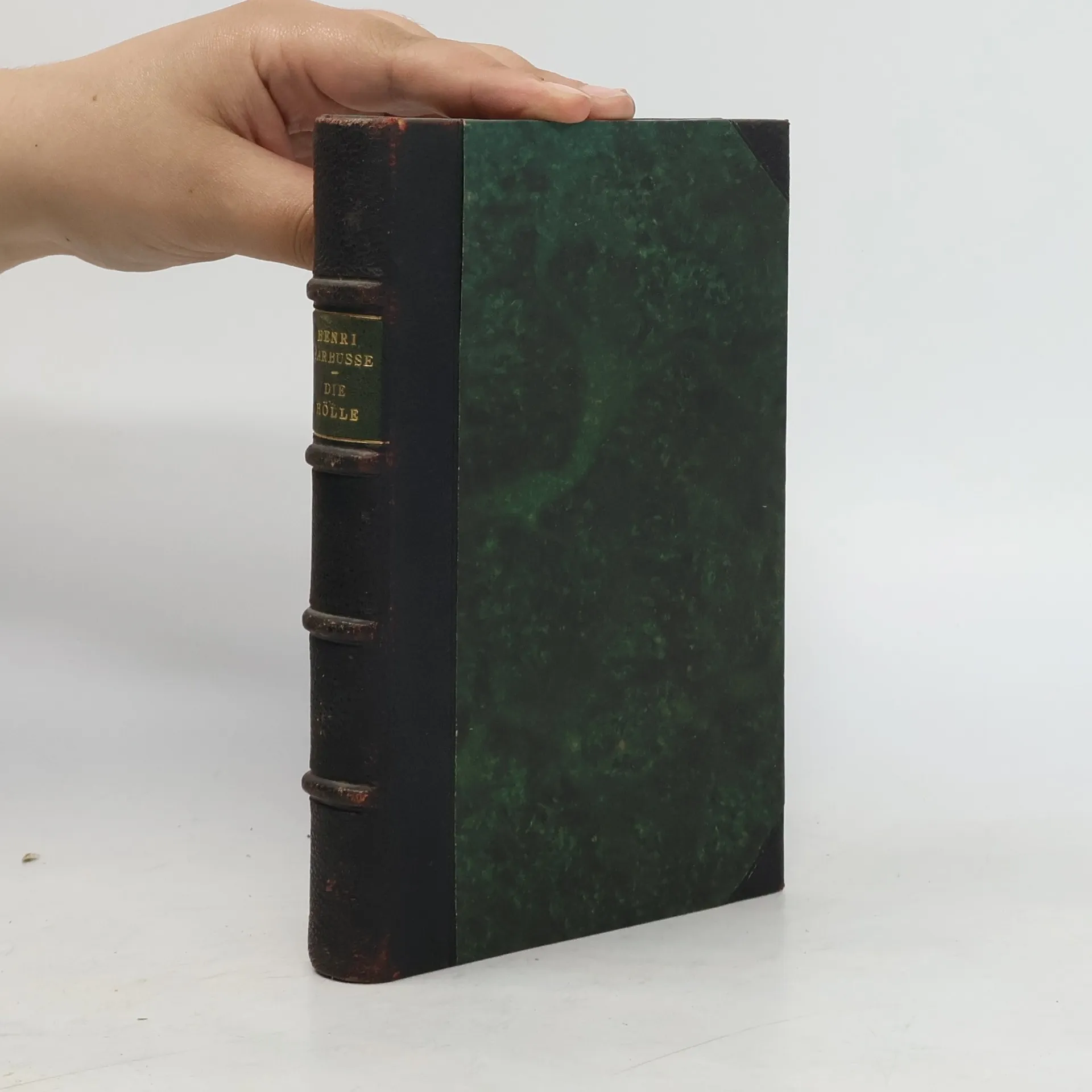
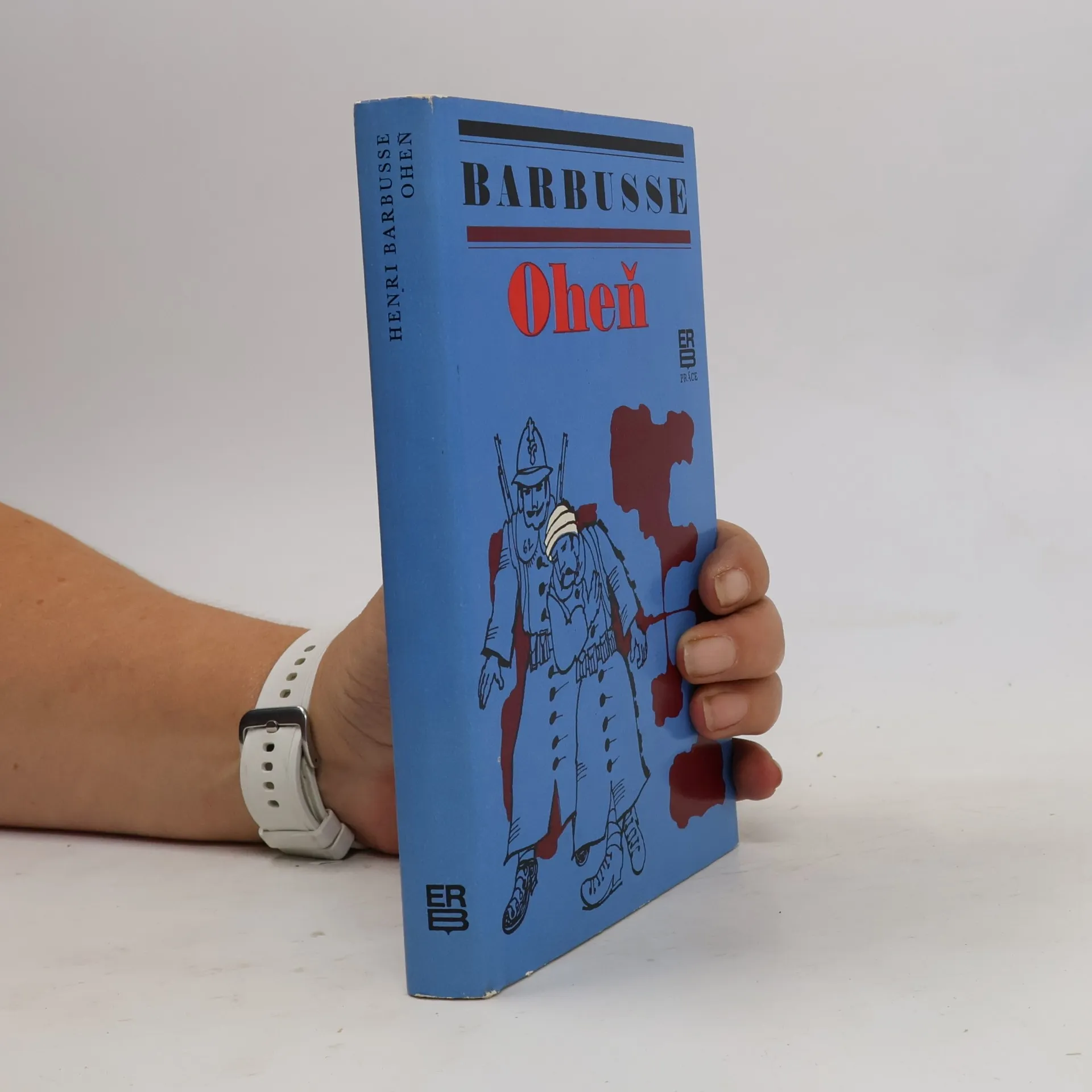

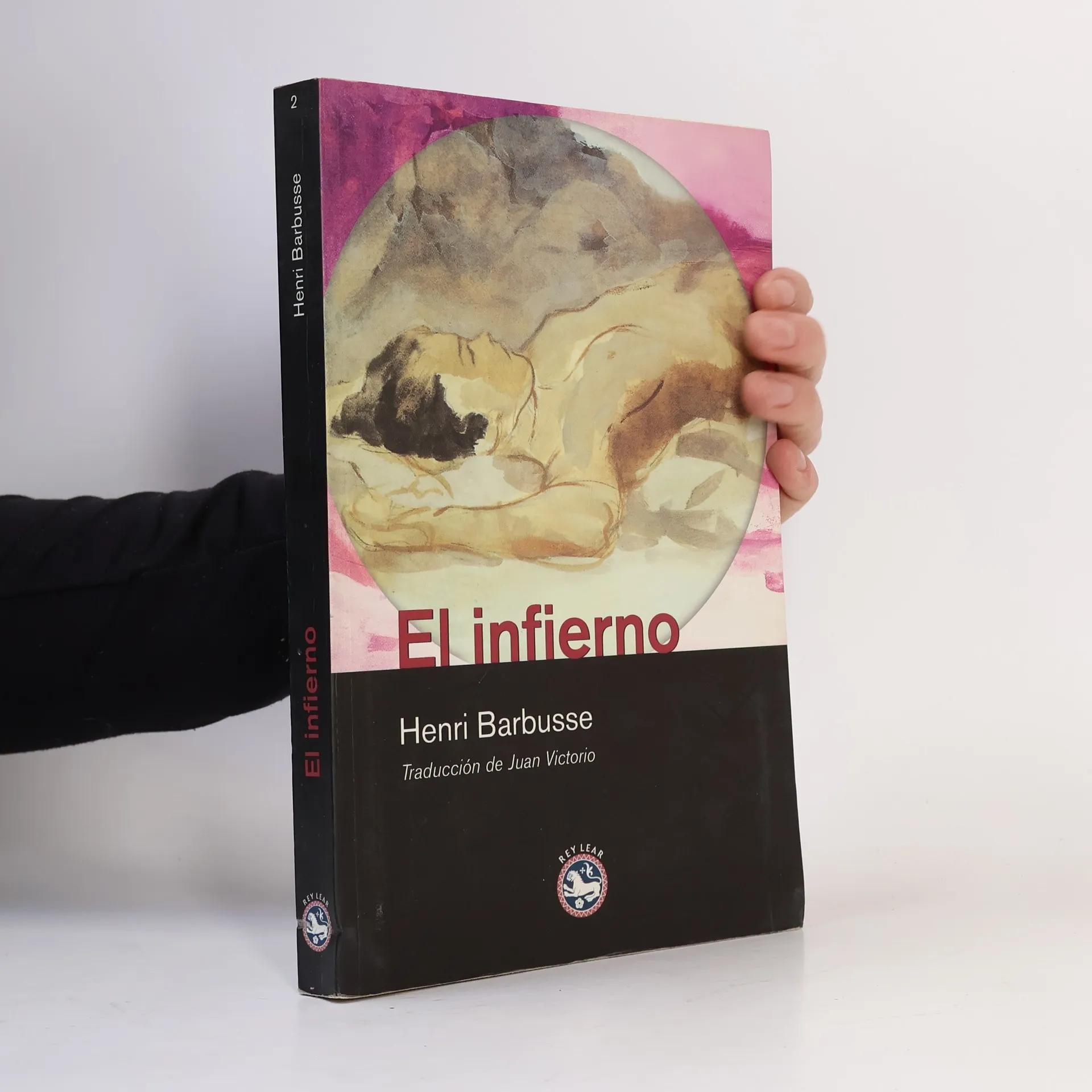
Henri Barbusse, a French novelist and member of the Communist Party, was born in 1873 to a French father and English mother. He moved to Paris at 16 and later enlisted in the French Army during World War I at age 41. His service lasted 17 months, marked by multiple invalidations due to health issues. Barbusse's experiences in the war profoundly influenced his writing, and he was recognized for his bravery with the Croix de guerre in 1915. His lifelong friendship with Albert Einstein highlights his connections beyond literature.
Henri Barbusse Libros
Henri Barbusse fue un novelista y soldado francés cuyas obras ofrecieron una dura crítica del militarismo y el imperialismo. Su novela más célebre, inspirada en sus propias experiencias bélicas, representó sin tapujos los horrores de la Primera Guerra Mundial con un crudo naturalismo, convirtiéndose en una contundente declaración antibelicista. Tras la guerra, Barbusse se convirtió en un ferviente defensor de los ideales revolucionarios, canalizando su escritura hacia una apasionada defensa de la justicia social y la resistencia contra la opresión. Buscó definir una literatura proletaria que reflejara la perspectiva de la clase trabajadora y promoviera la transformación social.


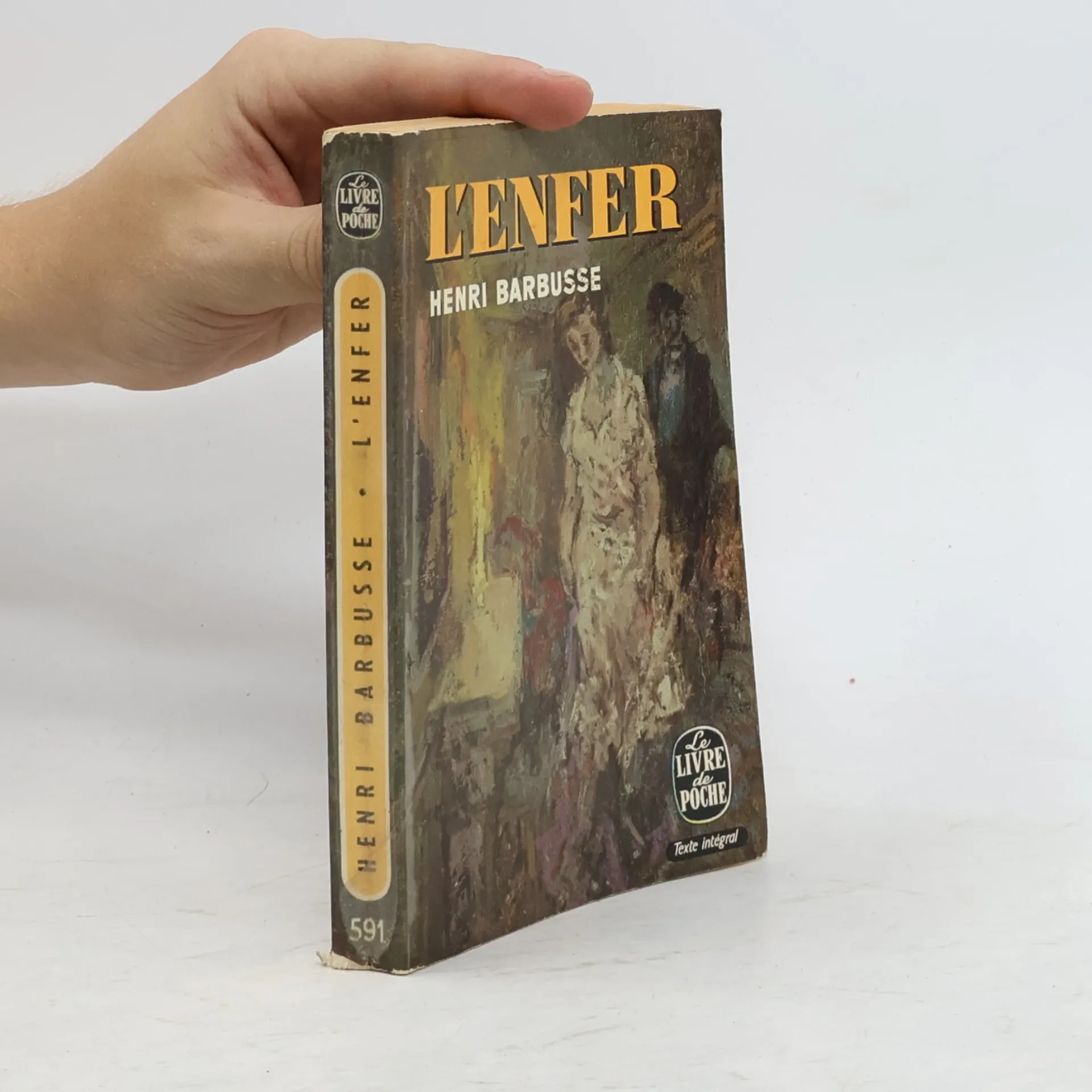
Hell
- 116 páginas
- 5 horas de lectura
Hell (1908) is a novel by Henri Barbusse. Immensely popular upon its publication in France, Hell earned Barbusse a reputation as a leading realist whose existential preoccupations predate the novels and plays of Samuel Beckett, Albert Camus, and Jean-Paul Sartre by several decades. His portrait of ennui, isolation, and urban life remains both stylistically and thematically fresh over a century after it appeared in print. "A whole world of human beings had passed here like smoke, leaving nothing white but the window. And I? I am a man like every other man, just as that evening was like every other evening." In this claustrophobic, lyric novel, an unnamed narrator moves into a rundown apartment in Paris. There, he grows increasingly isolated from the world outside, turning instead to the lives of his many neighbors. Through the thin walls, which contain a hidden peephole, he listens and watches as strangers conduct the secret dramas of their daily lives. Witnessing acts of adultery, lesbianism, incest, theft, and abuse, he grows increasingly dependent on the adrenaline rush of voyeurism, withdrawing further and further from the life of the bustling city. With a beautifully designed cover and professionally typeset manuscript, this edition of Henri Barbusse's Hell is a classic work of French literature reimagined for modern readers.
Meissonier
MASTERPIECES IN COLOR
Henri Barbusse, a French novelist and Communist Party member, had a diverse background with a French father and English mother. He moved to Paris at 16 and later enlisted in the French Army during World War I at age 41. Serving on the western front for 17 months, he faced multiple health issues that led to his reassignment to a clerical role. His bravery was recognized with the Croix de guerre in 1915. Barbusse's experiences in the war deeply influenced his literary work and political views.
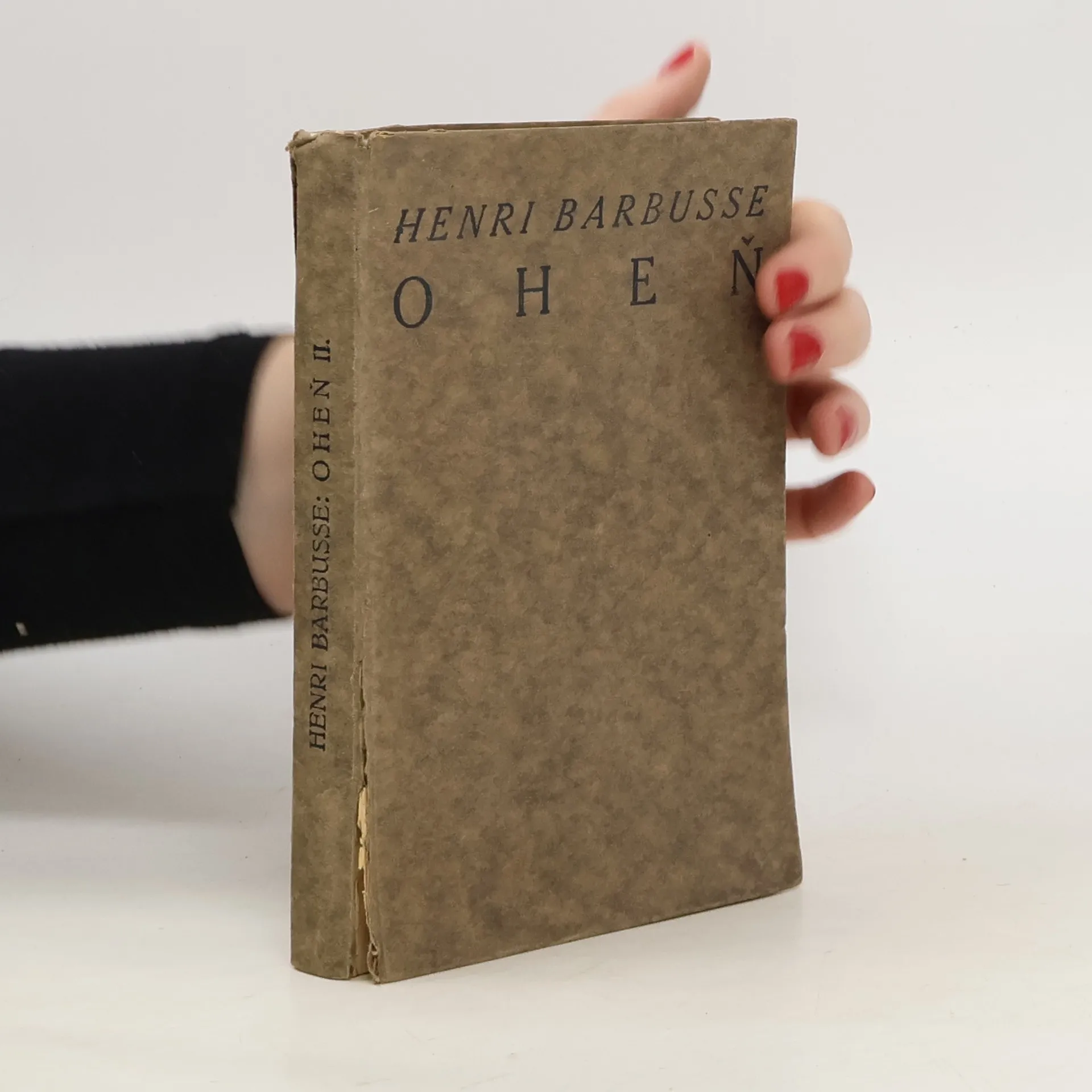
dopsáno na konci války. Jsou zde vylíčené nesmyslné hrůzy války a pozvolné uvědomování vojáků její nemorálnosti. Román je aktuální bojem proti válce.
Děj tohoto válečného románu se odehrává na francouzsko-německé frontě během první světové války. Není zde žádný hlavní hrdina, všichni vojáci jsou vlastně hrdiny. Kniha má 24 kapitol, které na sebe nijak nenavazují a popisují každá jinou situaci. Barbusse tímto dílem naturalisticky popsal události první světové války a hrdinské činy vojáků, děj tu není nijak důležitý.
Le Feu
- 475 páginas
- 17 horas de lectura
Les années 1915 et 1916 ont été, pour Henri Barbusse, décisives.C’est en 1915 qu’il a vécu Le Feu dans les tranchées du Soissonnais, de l’Argonne et de l’Artois, comme soldat d’escouade, puis comme brancardier au 231e régiment d’infanterie où il s’était engagé. C’est en 1916, au cours de son évacuation dans les hôpitaux, qu’il a écrit son livre. Celui-ci, publié par les Éditions Flammarion à la fin de novembre, remporta aussitôt après le prix Goncourt. Considéré dans le monde entier comme un des chefs-d’œuvre de la littérature de guerre, c’est un des témoignagesles plus vrais et les plus pathétiques des combattants de première ligne.Le Feu est suivi du Carnet de guerre qui permet de remonter aux sources mêmes de la création du roman épique d’Henri Barbusse.