

There is no more haunting, compelling period in Britain's history than the later middle ages. This account brings the reader a long lost world, a strange, Catholic, rural country of monks, peasants, knights and merchants, almost perpetually at war, but continues to define so much of England's national myth.
Miri Rubin Orden de los libros (cronológico)
1 de enero de 1956
Miri Rubin es una historiadora medieval cuyo trabajo profundiza en la historia social y religiosa de Europa entre los años 1100 y 1500. Su erudición explora intrincadamente las relaciones entre los rituales públicos, el poder y el tejido de la vida comunitaria. Rubin ofrece profundas perspectivas sobre la configuración y la influencia de las sociedades europeas durante el período medieval tardío. Sus análisis brindan a los lectores una mirada cautivadora a la dinámica del pasado.
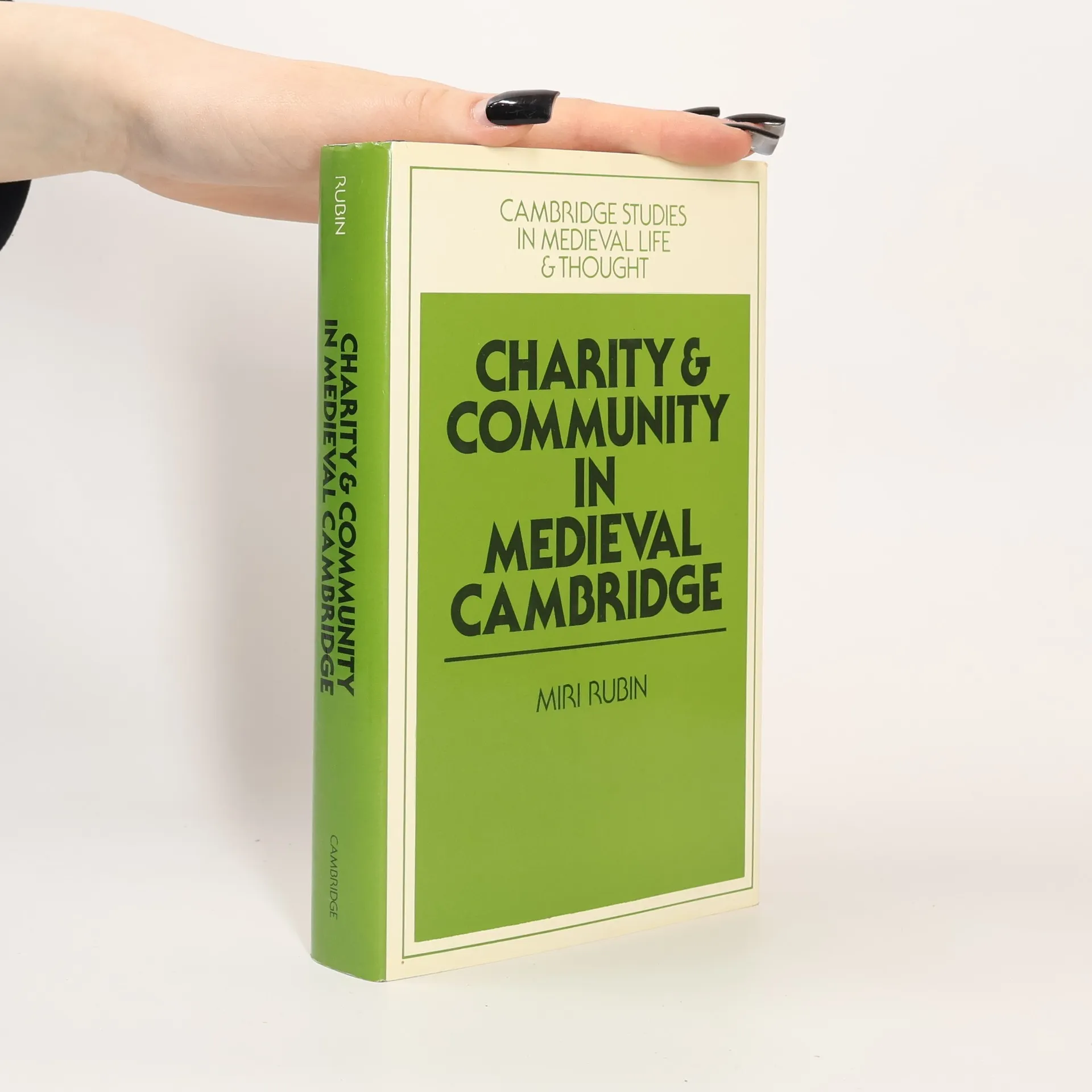

Cambridge Studies in Medieval Life and Thought Fourth Series: Charity and Community in Medieval Cambridge
- 379 páginas
- 14 horas de lectura
This study develops our understanding of medieval society through an examination of its charitable activities. In a detailed study of the forms in which relief was organised in medieval Cambridge and Cambridgeshire, the book unravels the economic and demographic factors which created the need for relief as well as the forms in which the community offered it. With continual reference to the religious teachings of priests and friars and the changing ideas of lay piety, Dr Rubin relates the changing forms of charitable giving to the shift in attitudes towards community and social order, towards relations between laity and clergy, and towards the poor. A local study is thus set in a wide comparative context, drawing together contributions in the fields of social, religious, economic and urban history.