Compra 10 libros por 10 € aquí!
Bookbot

Anton Pavlovič Čechov

    17 de enero de 1860 – 2 de julio de 1904

    Este es un registro de grafía variante.

    Anton Pavlovič Čechov
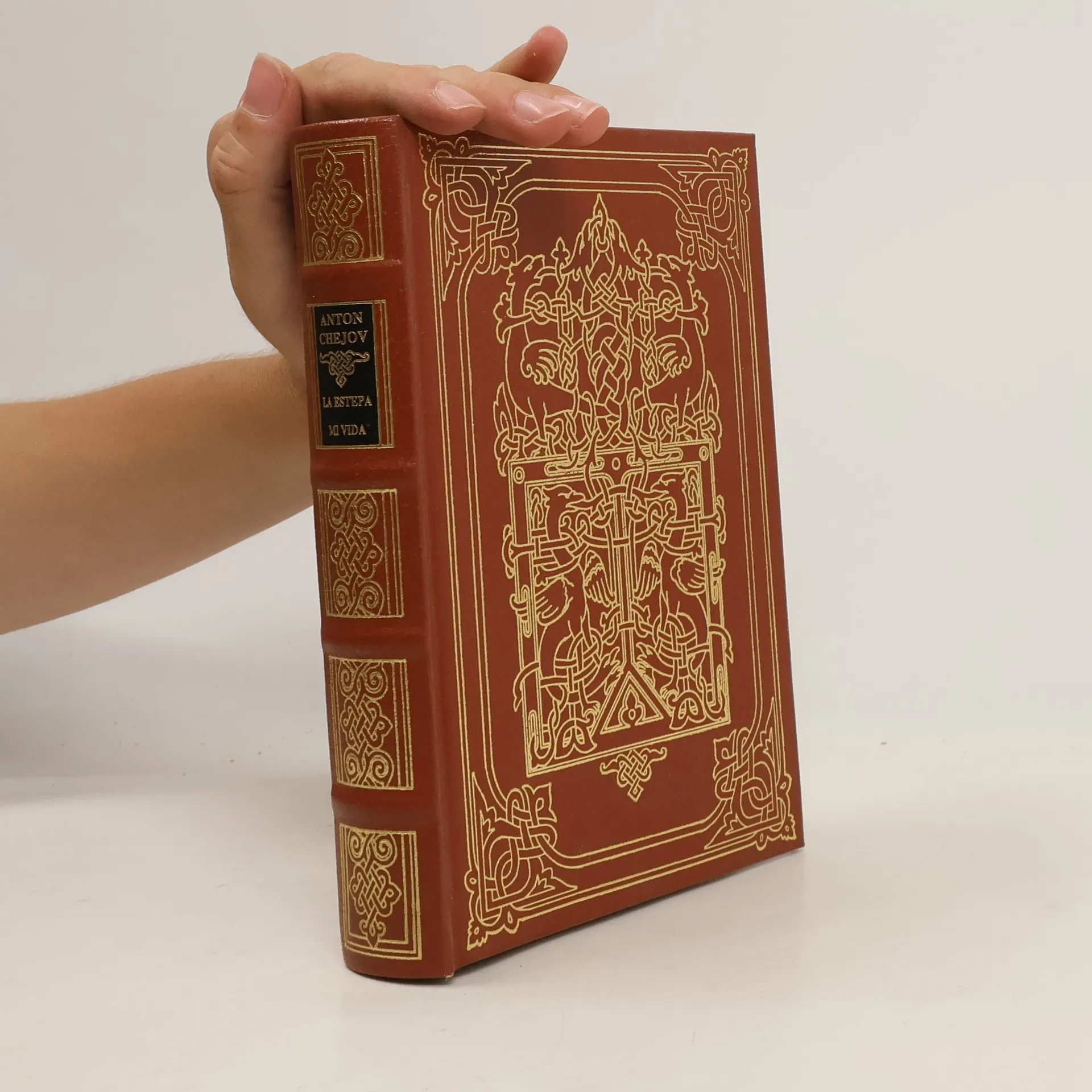
    La Estepa. Mi vida
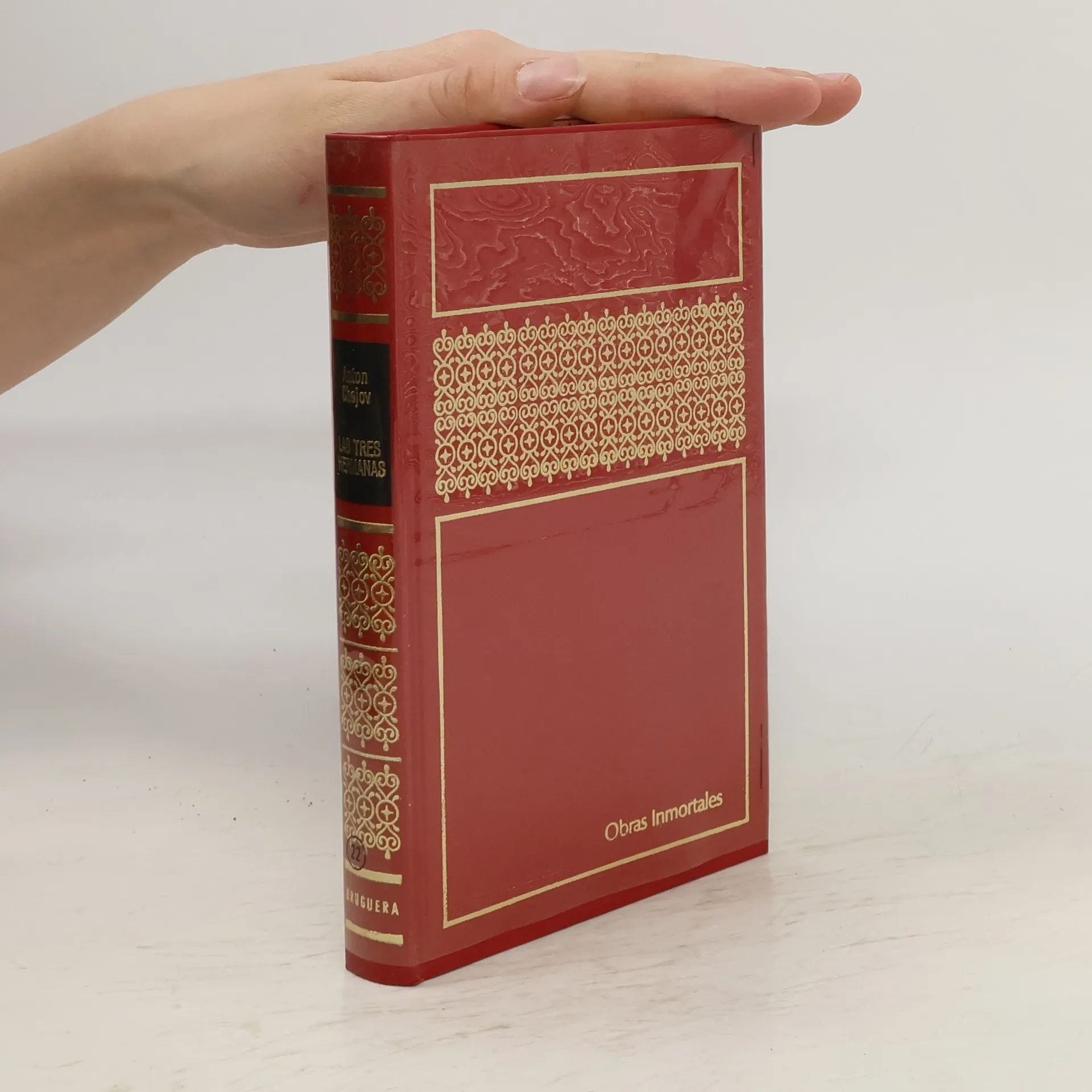
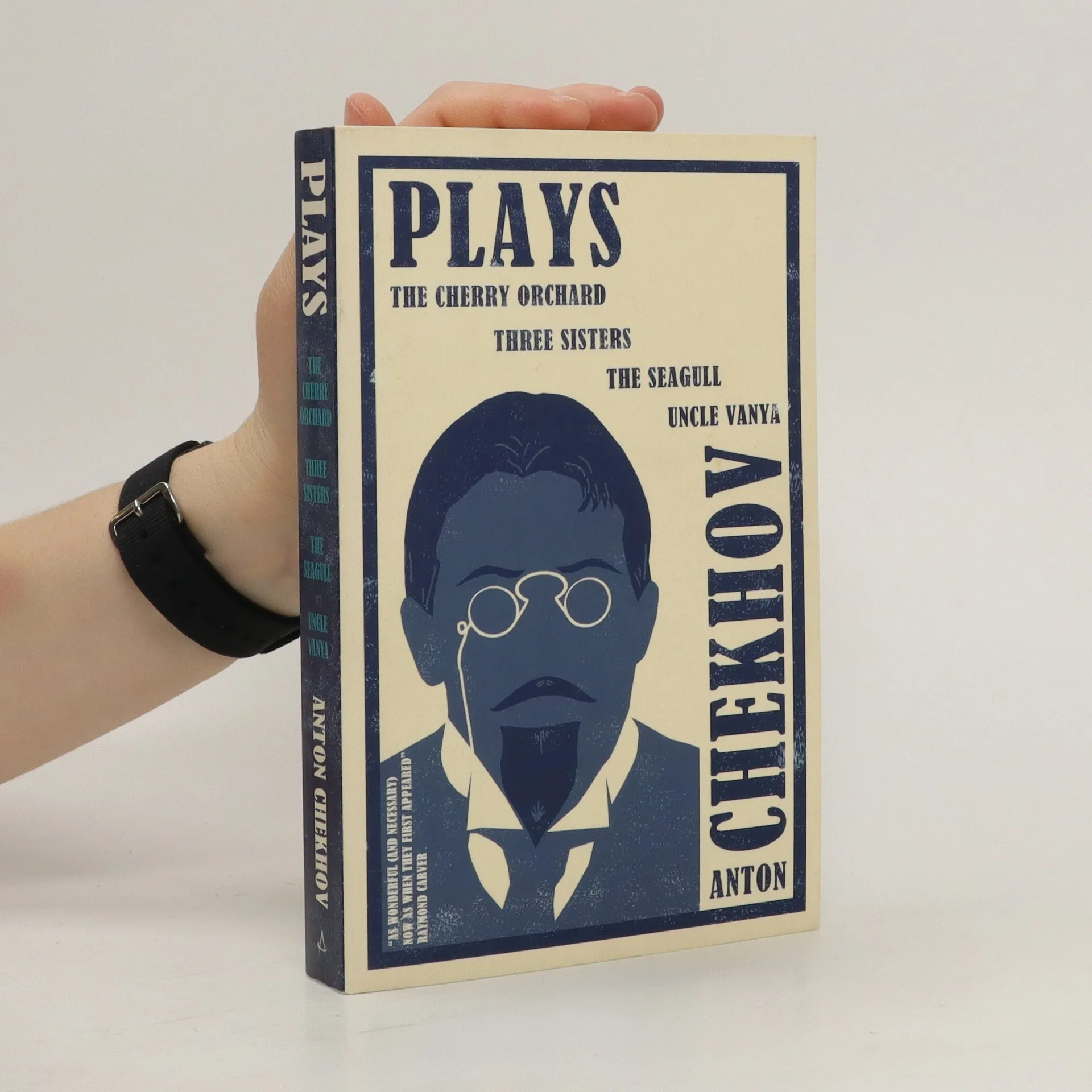
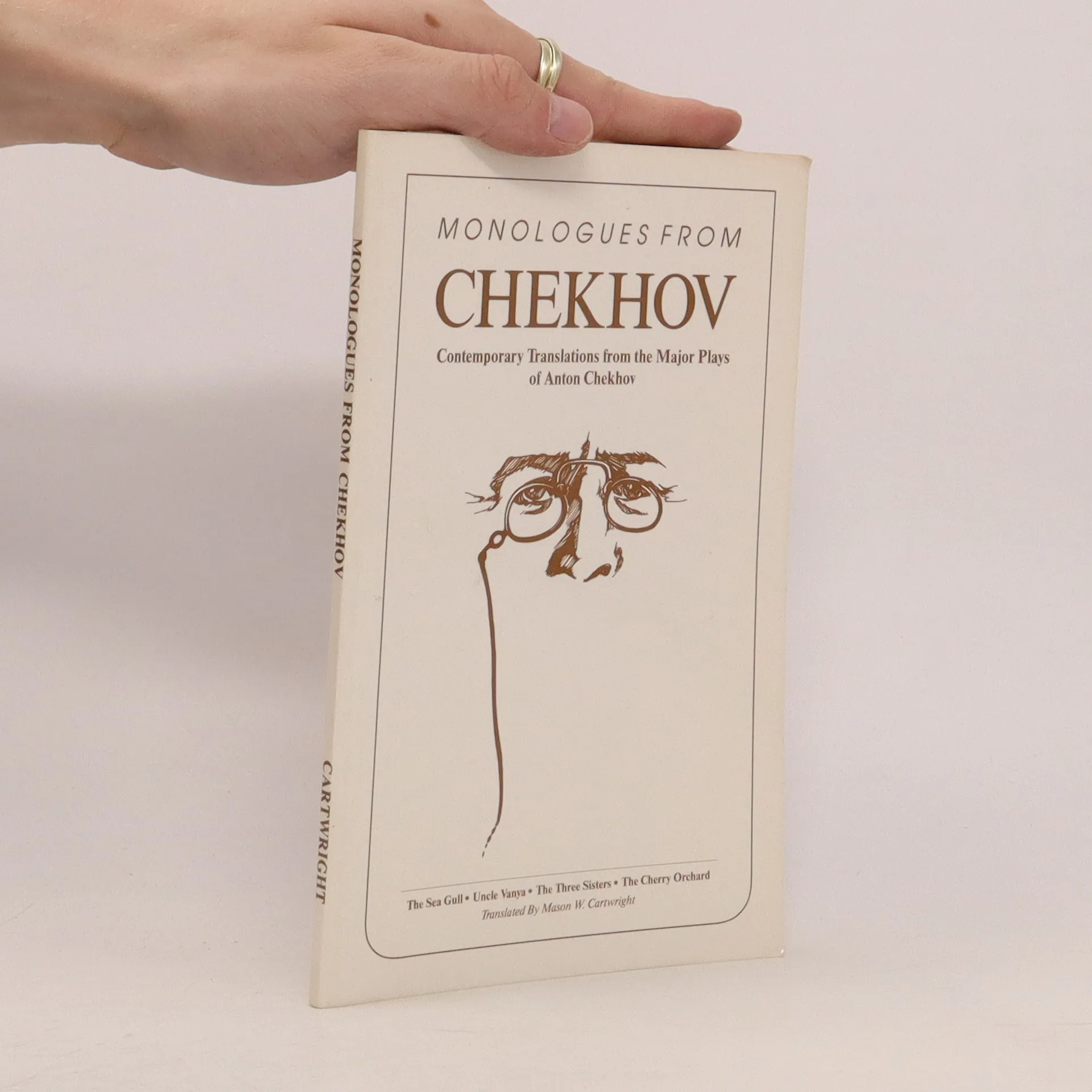
    Las tres hermanas. El jardin de los ceroz. Tio Vania
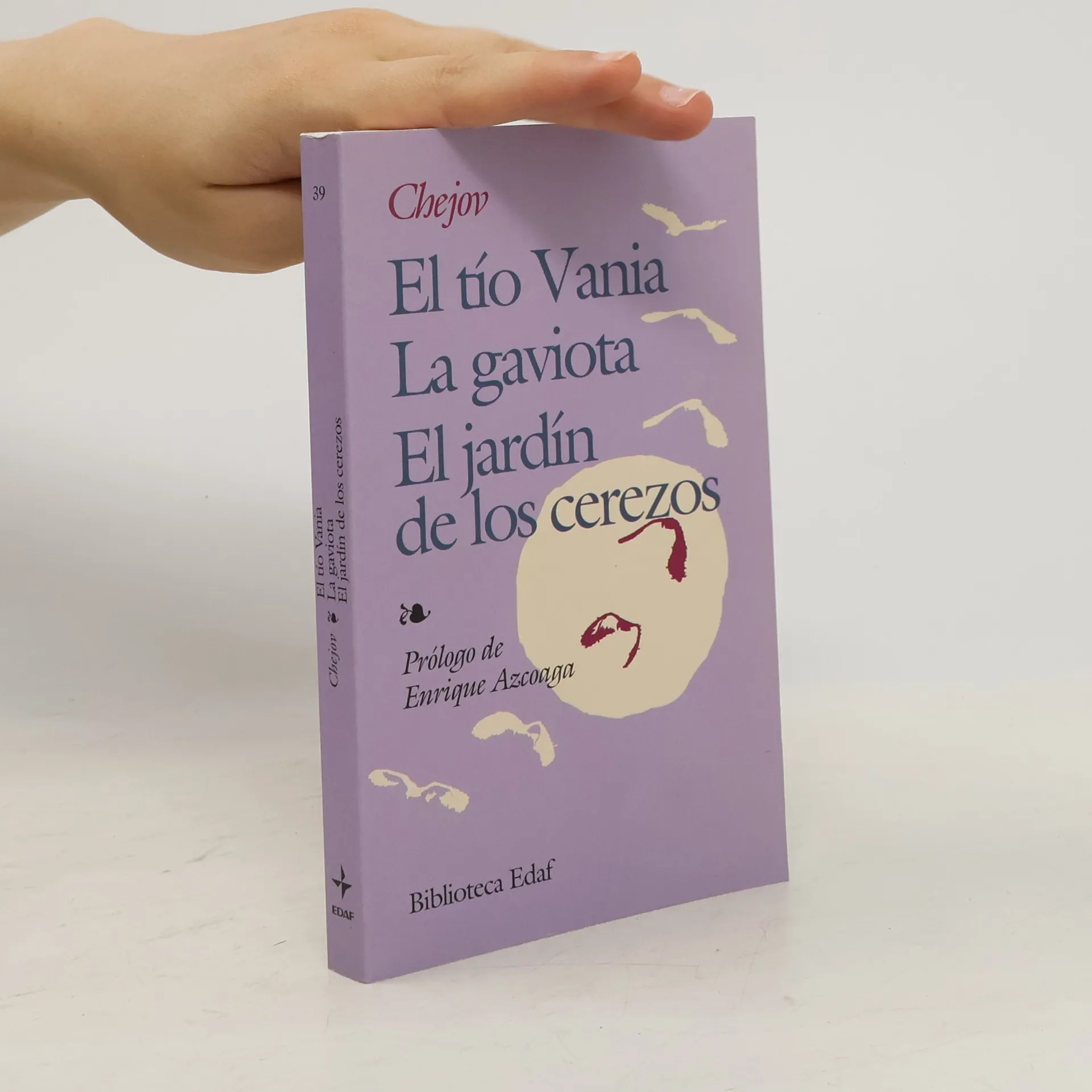
    Biblioteca Edaf - 39: El tío Vania, La gaviota, El jardín de los cerezos
    Ivánov / La gaviota / Tío Ványa
    Obras completas, tomo II. Cuentos
    La Gaviota
    • La Gaviota

      • 95 páginas
      • 4 horas de lectura

      La gaviota (en ruso: "Чайка", Chayka) es una pieza teatral en cuatro actos de Antón Chéjov escrita en 1896; es la primera de las que son generalmente consideradas las cuatro obras maestras del dramaturgo y escritor ruso. Se centra en los conflictos románticos y artísticos entre cuatro personajes: La ingenua Nina, la anteriormente gloriosa actriz Irina Arkádina, el dramaturgo experimental Konstantín Tréplev, hijo de Arkádina, y el famoso escritor Trigorin.

      La Gaviota
    • Obras completas, tomo II. Cuentos

      • 546 páginas
      • 20 horas de lectura

      Antón Chéjov is one of the most outstanding playwrights in the history of literature, and an unparalleled master of the short story form. The stories in this collection captivate with their ingenious plots and technical dexterity, while also providing a good picture of the evolution in Chéjov’s mastery and thematic focus.

      Obras completas, tomo II. Cuentos
    • Ivánov / La gaviota / Tío Ványa

      • 327 páginas
      • 12 horas de lectura

      Rechazando las convenciones y efectismos propios del teatro del momento, Antón Chéjov (1860-1904) aspiró a crear obras más contenidas y sutiles, exentas de didactismo y enjuiciamientos morales, en las que la vida se mostrara objetivamente tal y como es, con la complejidad y sencillez que reviste la cotidiana realidad. El presente volumen reúne tres de sus obras más representativas: “Ivánov” tiene como protagonista a un activo representante del liberalismo ruso dominado ahora por la indolencia y la abulia; “La gaviota” condensa las reflexiones del autor acerca del arte y su función social, y “Tío Ványa” ofrece el contraste entre el hombre útil, activo y sensible a los problemas de la humanidad, y la vida rutinaria y soñolienta del hacendado de la época.

      Ivánov / La gaviota / Tío Ványa
    • Antón Paulovich Chejov (1860-1914), hijo de un tendero, quien a su vez lo fue de un siervo que compro la libertad de la familia, es el gran analista de la vida social y política rusa en las últimas décadas del siglo XIX. Por sus más conocidas comedias: El tío Vania, La gaviota y El jardín de los cerezos, constantemente representadas en los teatros del mundo, no es exagerado asegurar que puede clasificársele como creador del teatro contemporáneo.

      Biblioteca Edaf - 39: El tío Vania, La gaviota, El jardín de los cerezos
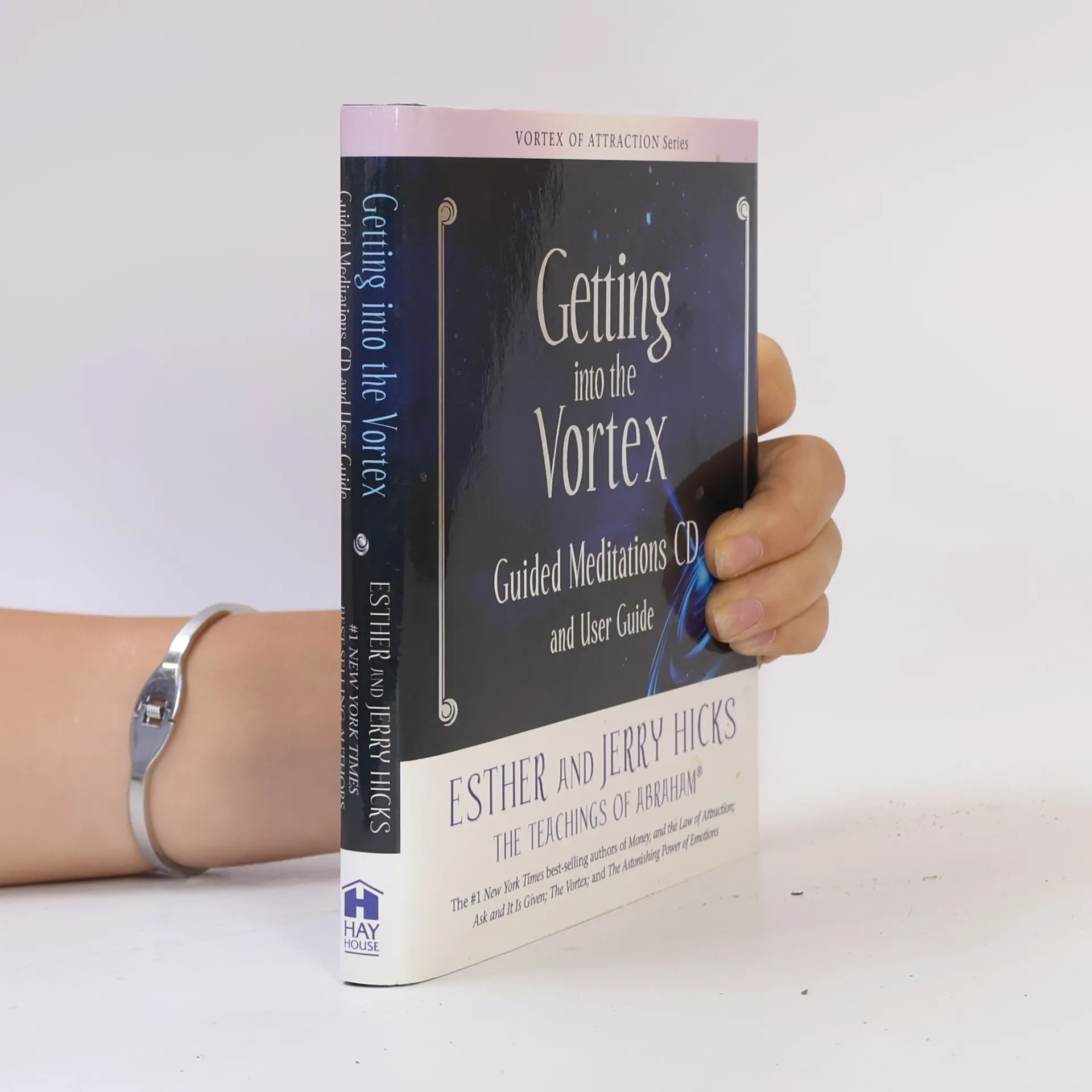
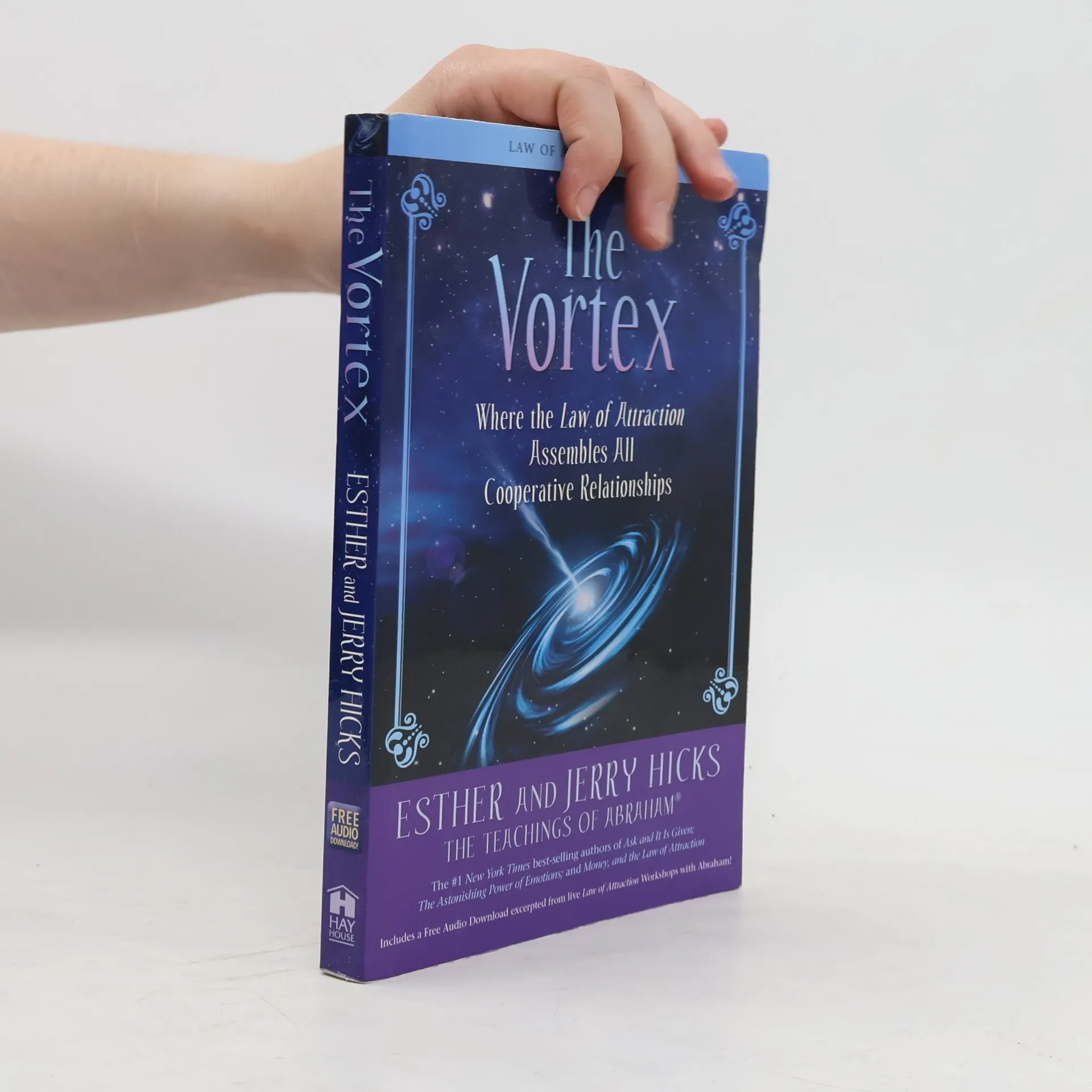
    • Getting into the Vortex

      • 160 páginas
      • 6 horas de lectura

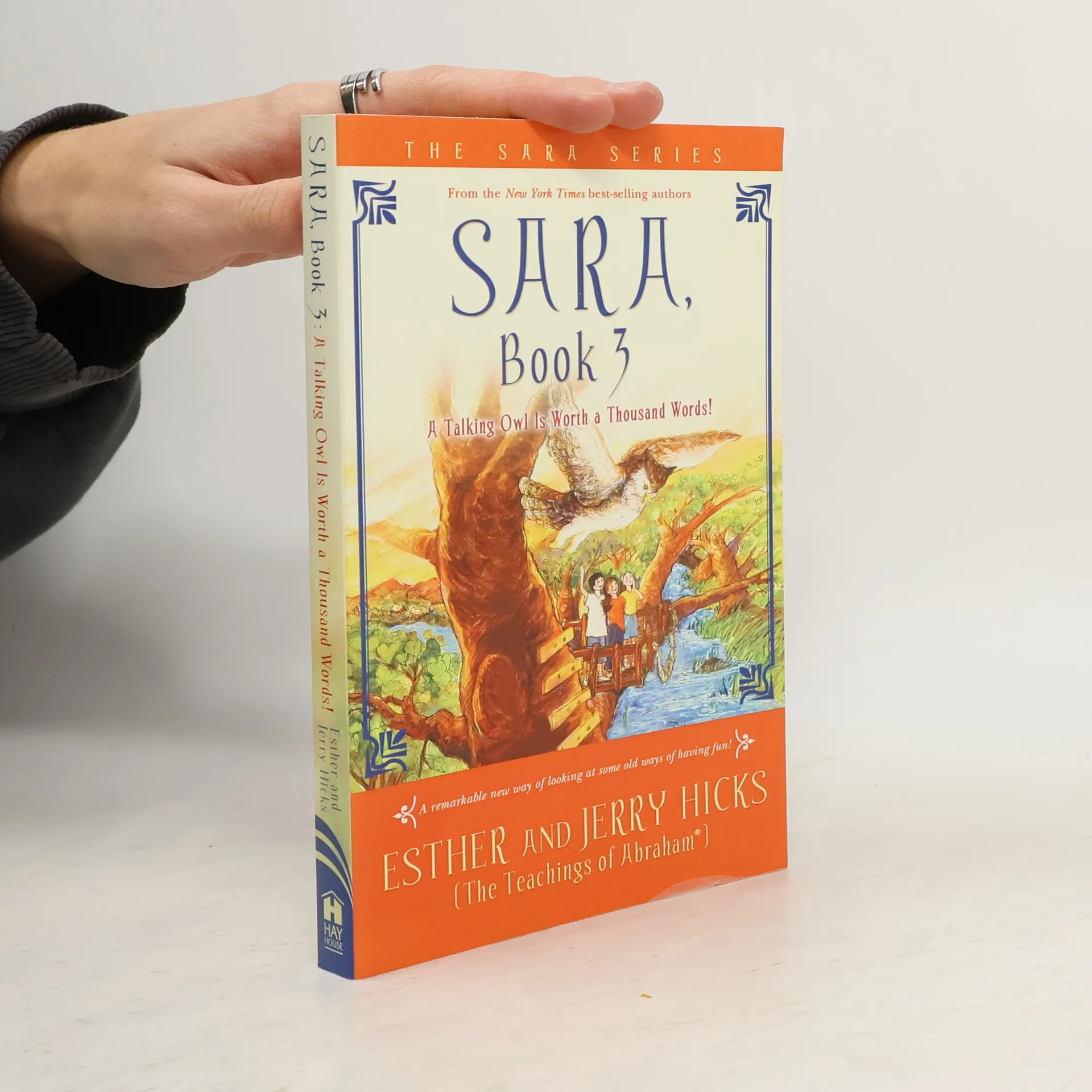
      This book emphasizes the importance of our conscious alignment with the Source within us. Everything-the well-being of our bodies, the clarity of our minds, and the satisfaction in relationships-is impacted by our relationship with our Vortex. Jerry and Esther Hicks have created a 70-minute audio download that promises to get us into the Vortex.

      Getting into the Vortex
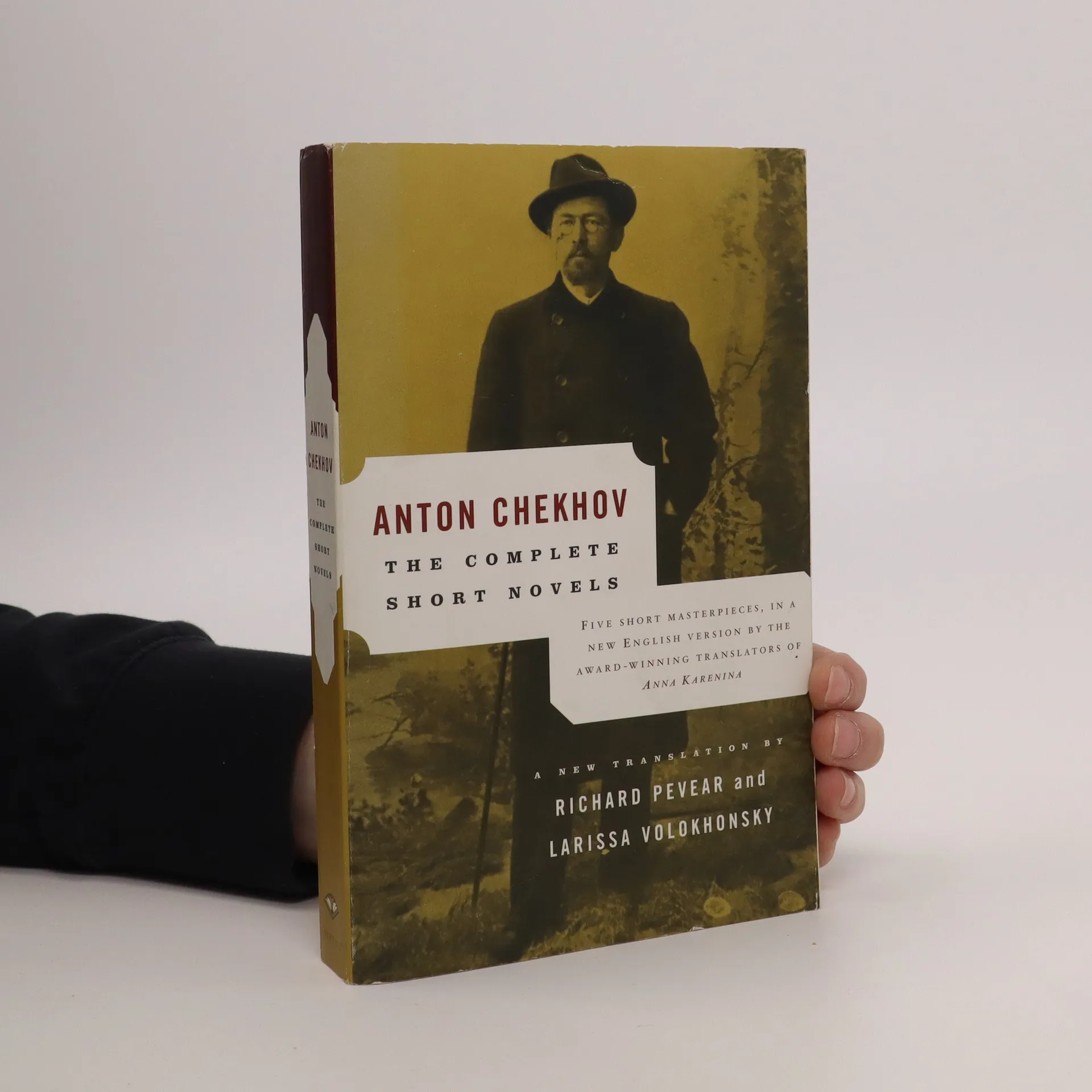
    • Anton Chekhov, widely hailed as the supreme master of the short story, also wrote five works long enough to be called short novels. Here, brought together in one volume for the first time, in a masterly new translation by the award-winning translators Richard Pevear and Larissa Volokhonsky.The Steppe—the most lyrical of the five—is an account of a nine-year-old boy’s frightening journey by wagon train across the steppe of southern Russia. The Duel sets two decadent figures—a fanatical rationalist and a man of literary sensibility—on a collision course that ends in a series of surprising reversals. In The Story of an Unknown Man, a political radical spying on an important official by serving as valet to his son gradually discovers that his own terminal illness has changed his long-held priorities in startling ways. Three Years recounts a complex series of ironies in the personal life of a rich but passive Moscow merchant. In My Life, a man renounces wealth and social position for a life of manual labor.The resulting conflict between the moral simplicity of his ideals and the complex realities of human nature culminates in a brief apocalyptic vision that is unique in Chekhov’s work.(Book Jacket Status: Jacketed) From the Hardcover edition.

      The Complete Short Novels