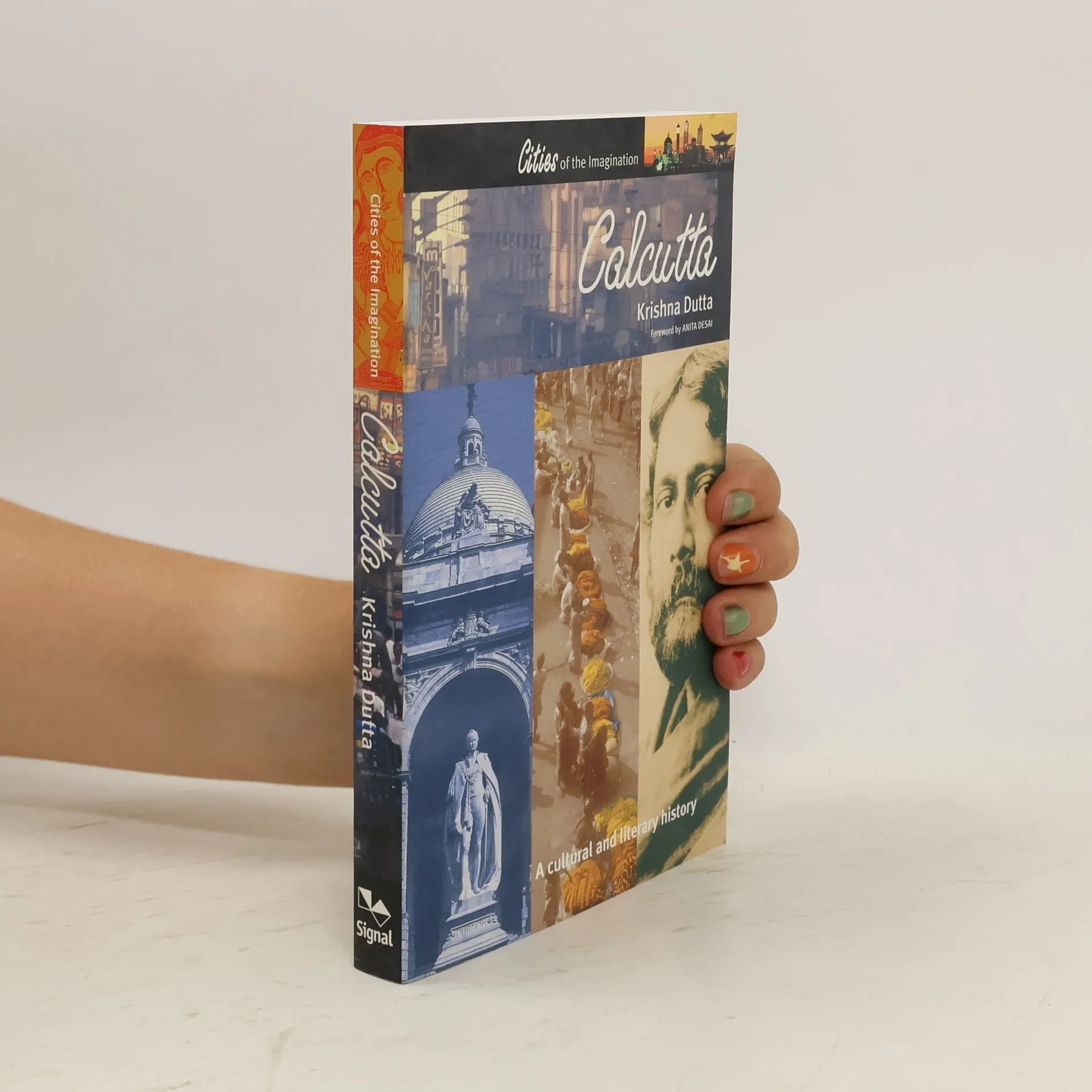
Calcutta (renamed Kolkata in 2001) is a city of extremes, where exquisite refinement rubs shoulder with coarse commercialism and political violence. Krishna Dutta explores these multiple paradoxes, giving personal insight into Calcutta's unique history and modern identity as reflected in its architecture, literature, cinema, and music.
Anita Desai Libros
Anita Desai es una aclamada novelista india cuyas obras profundizan en el panorama psicológico de la experiencia humana. Su prosa se caracteriza por una delicada observación y una aguda perspicacia sobre las emociones y las vidas interiores de sus personajes. Desai explora magistralmente temas como la alienación, la búsqueda de identidad y las complejas relaciones que dan forma a nuestras vidas. Su estilo, tanto poético como penetrante, ofrece a los lectores un viaje literario profundamente resonante y que invita a la reflexión.


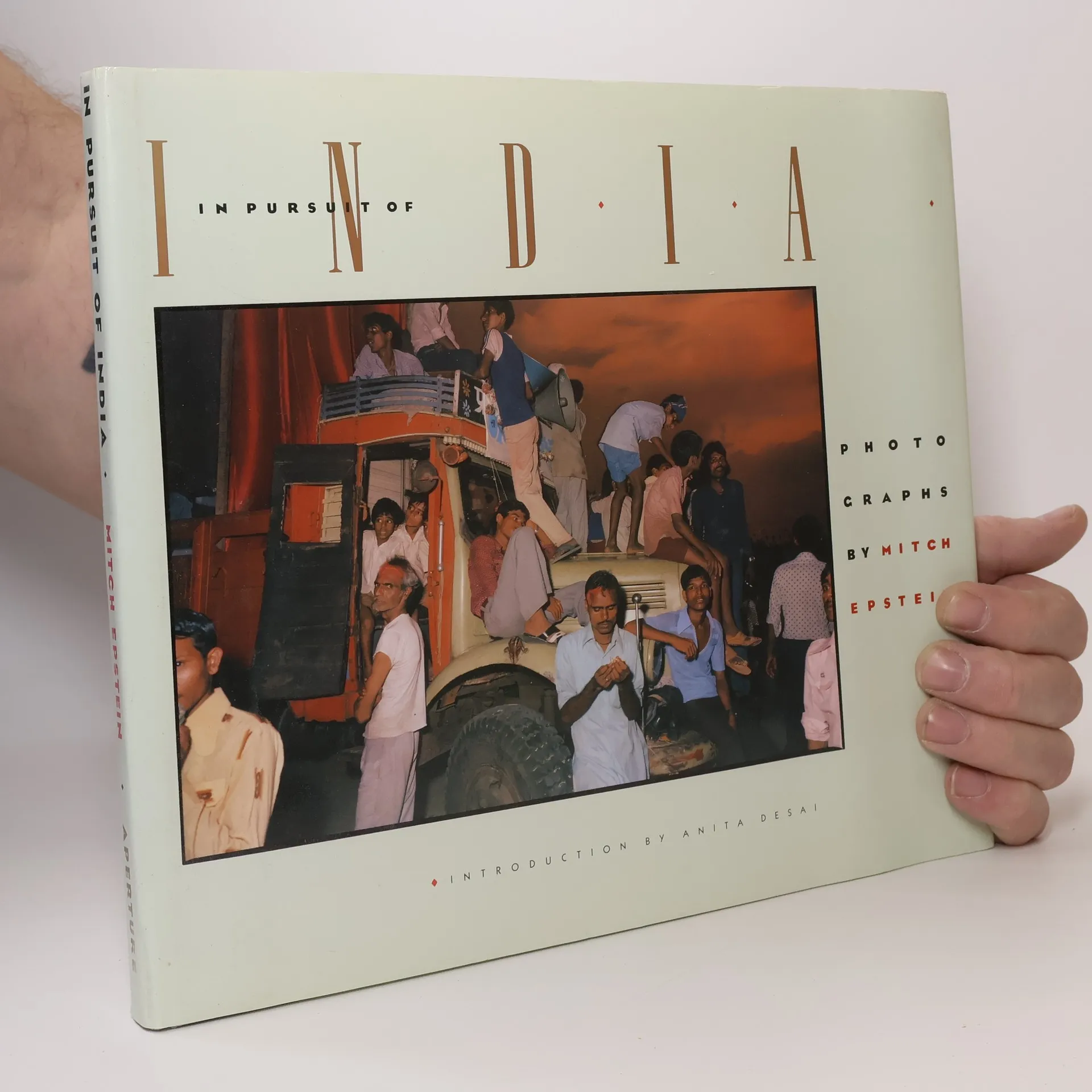
In Pursuit of India
- 67 páginas
- 3 horas de lectura
Gathers photographs of the Indian people and their daily life
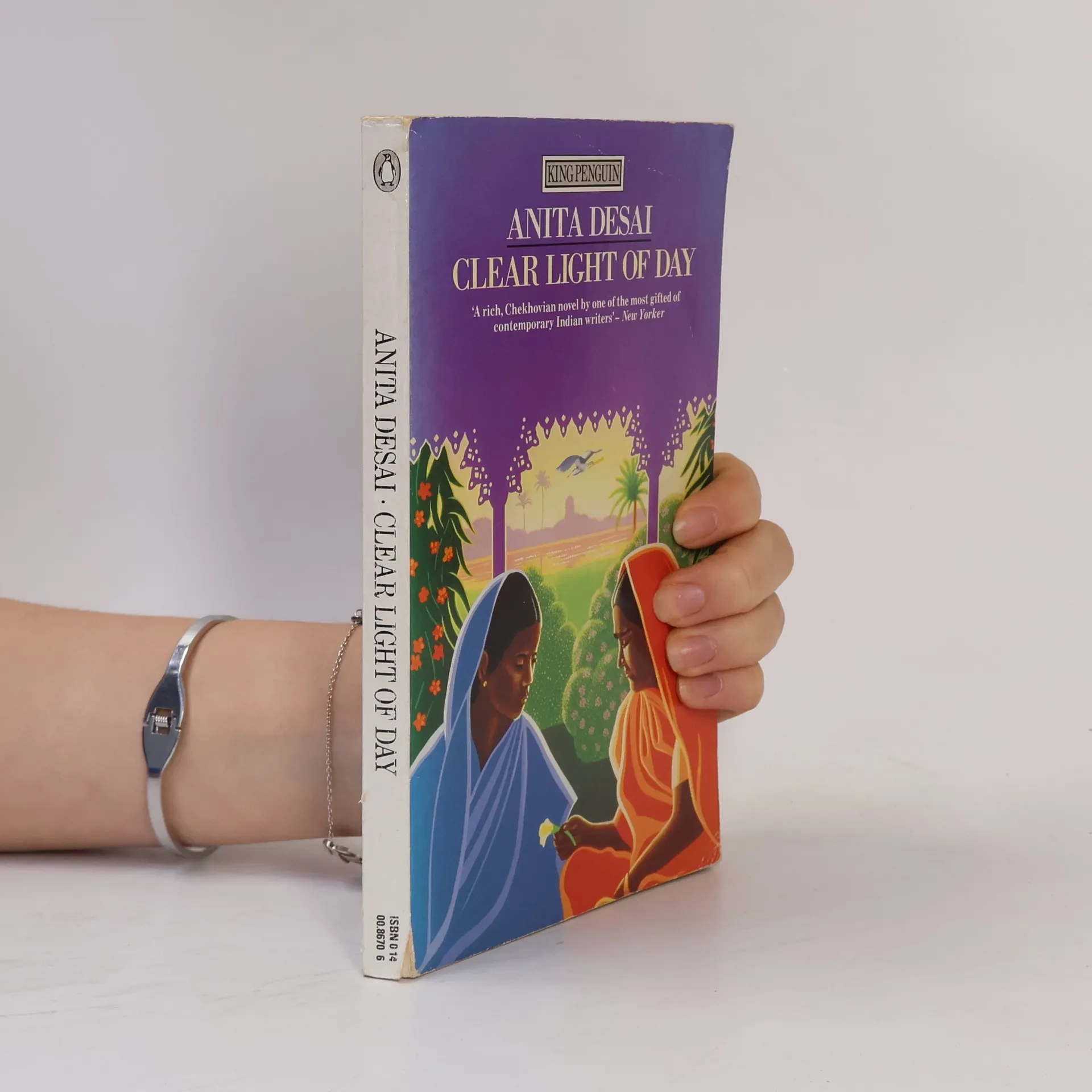
To the family living in a shabby, dusty house in Delhi, Tara's visit brings a sharp reminder of life outside tradition. For Bim coping endlessly with their problems, there is renewal of the old jealousies for, unlike her sister, she has failed to escape.
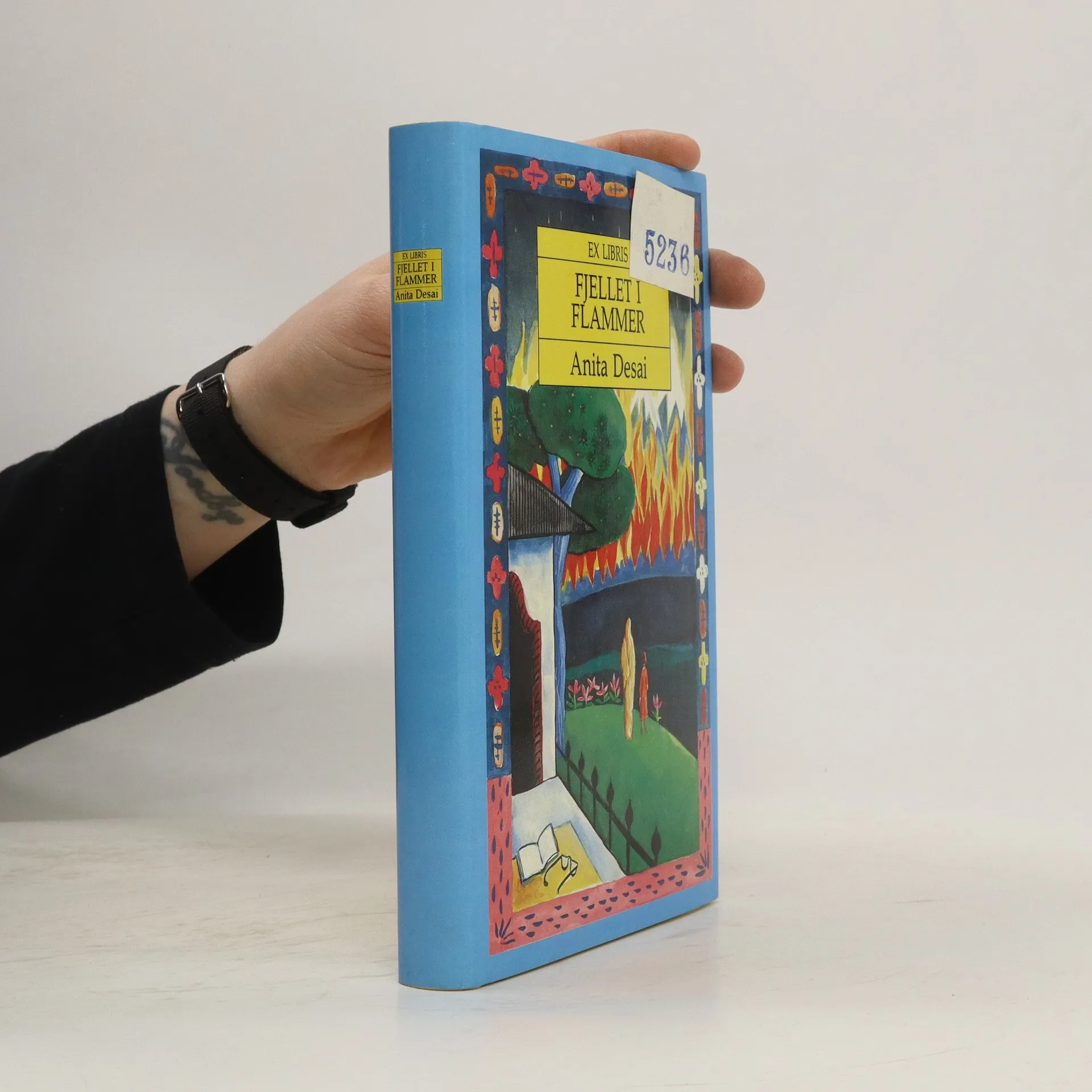
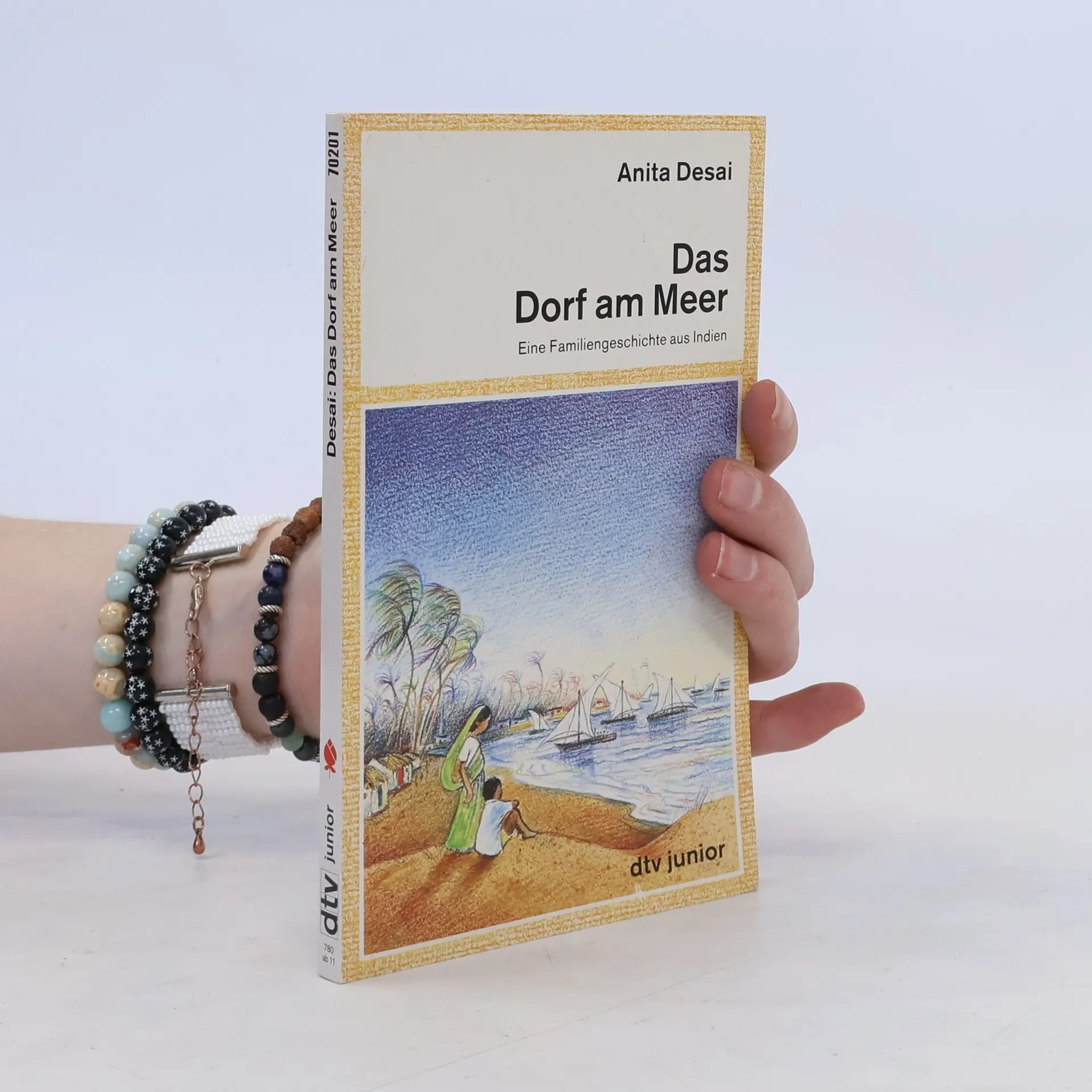
The Village by the Sea
- 157 páginas
- 6 horas de lectura
A classic of our time Untouched by the twentieth century, Thul, the small fishing village near Bombay, is still ruled by the age-old seasonal rhythms. Hari and Lila have lived in the village all their lives, but their family is now desperately down on its luck. Their father drinks; their mother is seriously ill; and there is no money to keep them fed and clothed. Delicately and exquisitely executed, Anita Desaiýs gentle and probing story traces the evolution of Hari and Lila into adults as each of them faces the familyýs predicamentýjust as the first signs of industrial India creep into their villages.
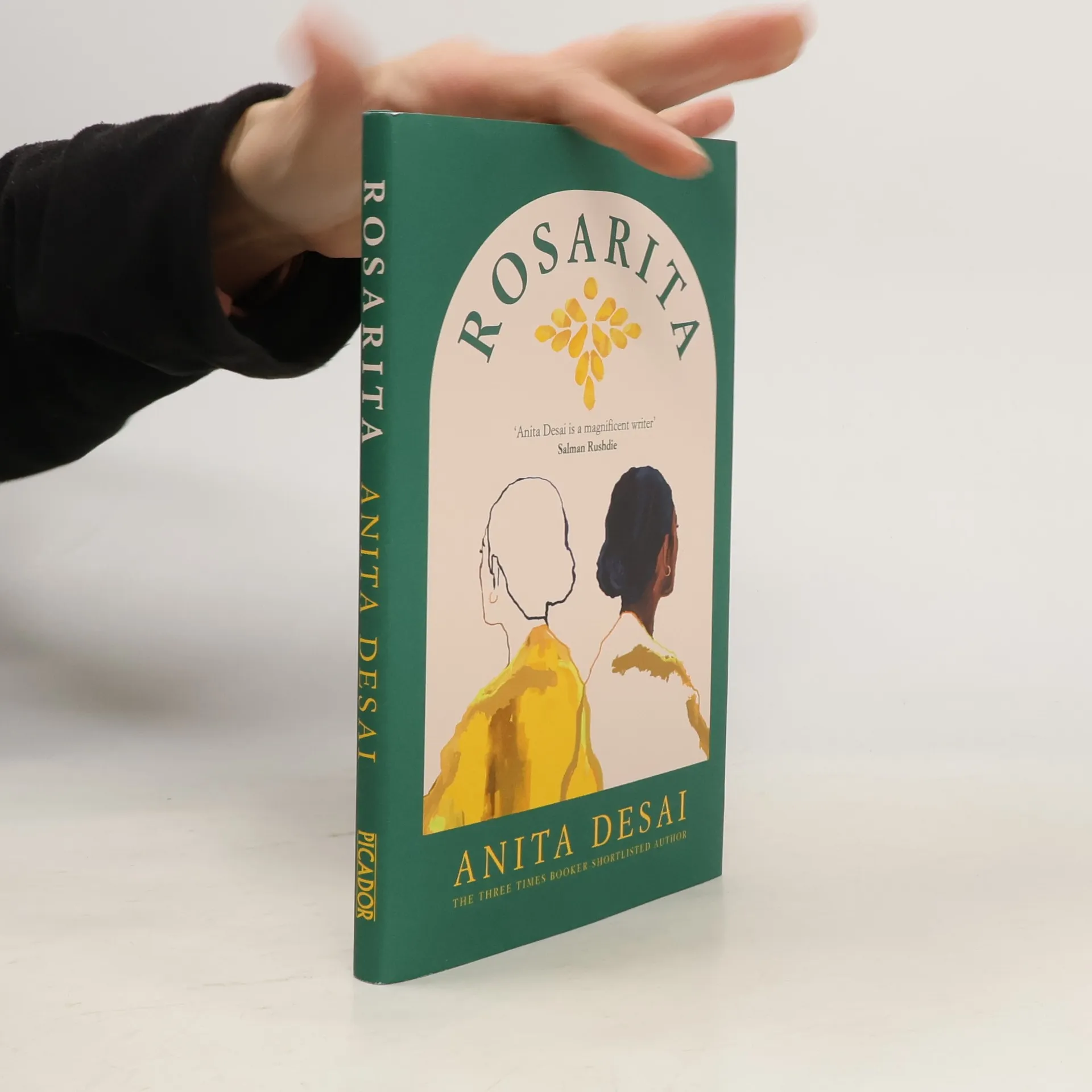
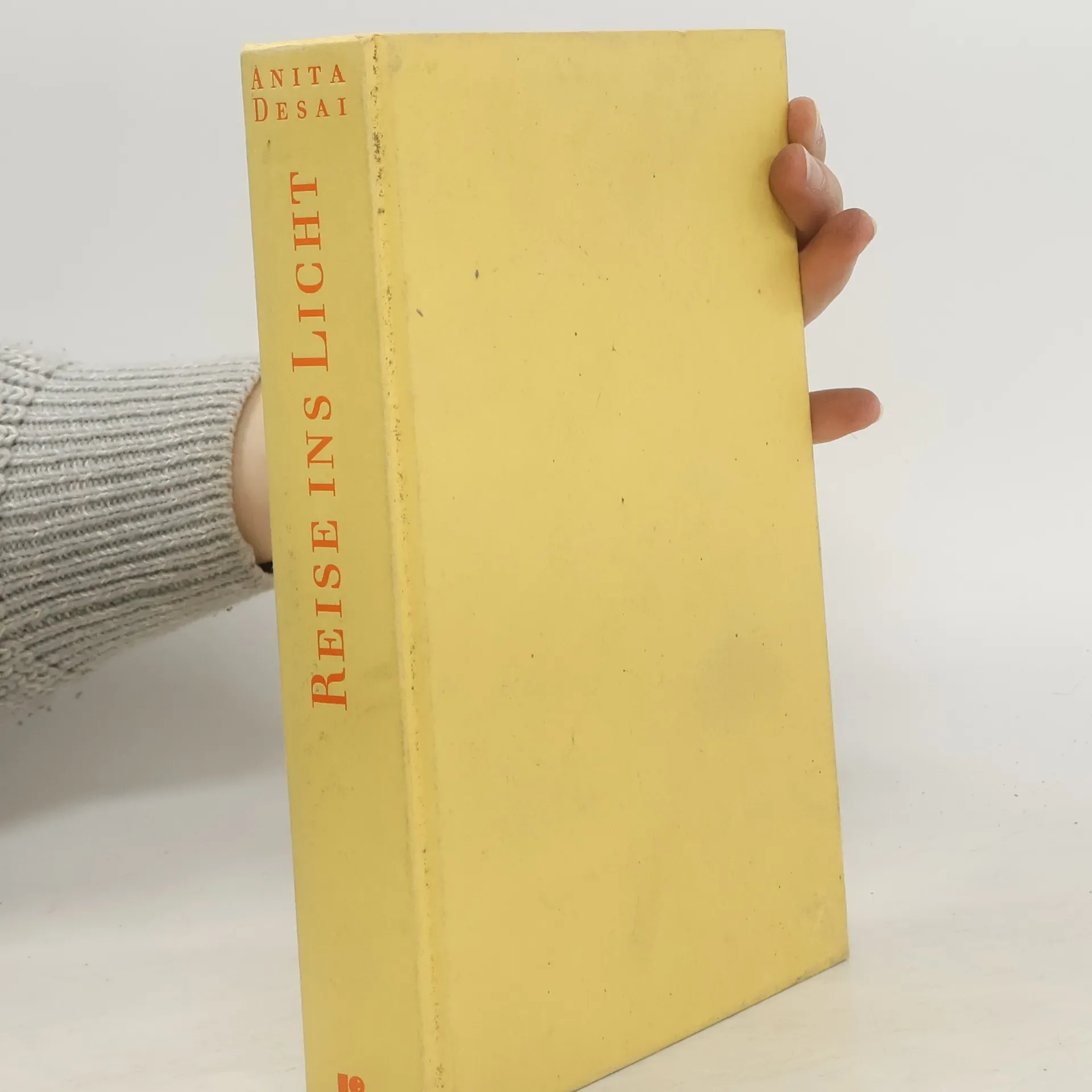
Matteo and Sophie join the 1970s flight of young Europeans to India. Matteo - Italian, raised in the luscious countryside around Lake Como, restless since childhood - has been introduced by a tutor to Hermann Hesse's The Journey to the East, and it opens in him a desperate longing. Sophie - German, practical, worldly - is willing to follow him to the ends of the earth. In India, together they visit swamis, gurus, ashrams - always searching. Matteo is seeking spiritual enlightenment, but for Sophie fulfillment lies in earthly love. And when they meet a holy woman known as the Mother, the differences between them seem to explode. When we learn the Mother's story, we see it as an earlier version of their own - the story of a young girl growing up in Cairo and finding her way East by joining a troupe of Indian dancers she has met in Europe. Her journey, a young woman's daring progress through Paris and Venice and New York, until she finds her moment of transcendence in India, comments on, and gives added breadth to, the young couple's quest.
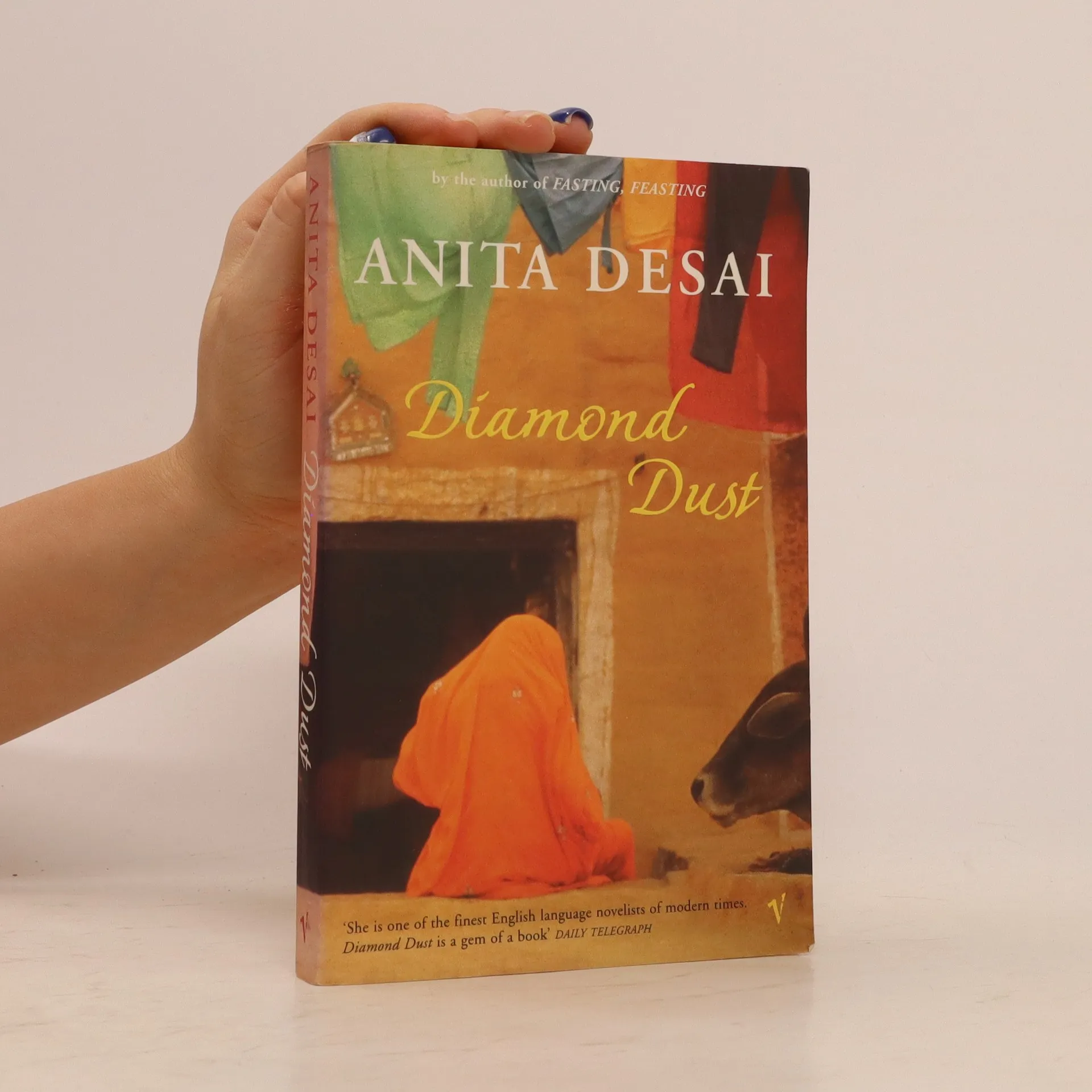
Diamond Dust and Other Stories
- 224 páginas
- 8 horas de lectura
This is a collection of stories where the protagonists set out on journeys and find themselves suddenly beyond the pale, or back where they started from. A beloved dog brings chaos, and a businessman sees his own death.
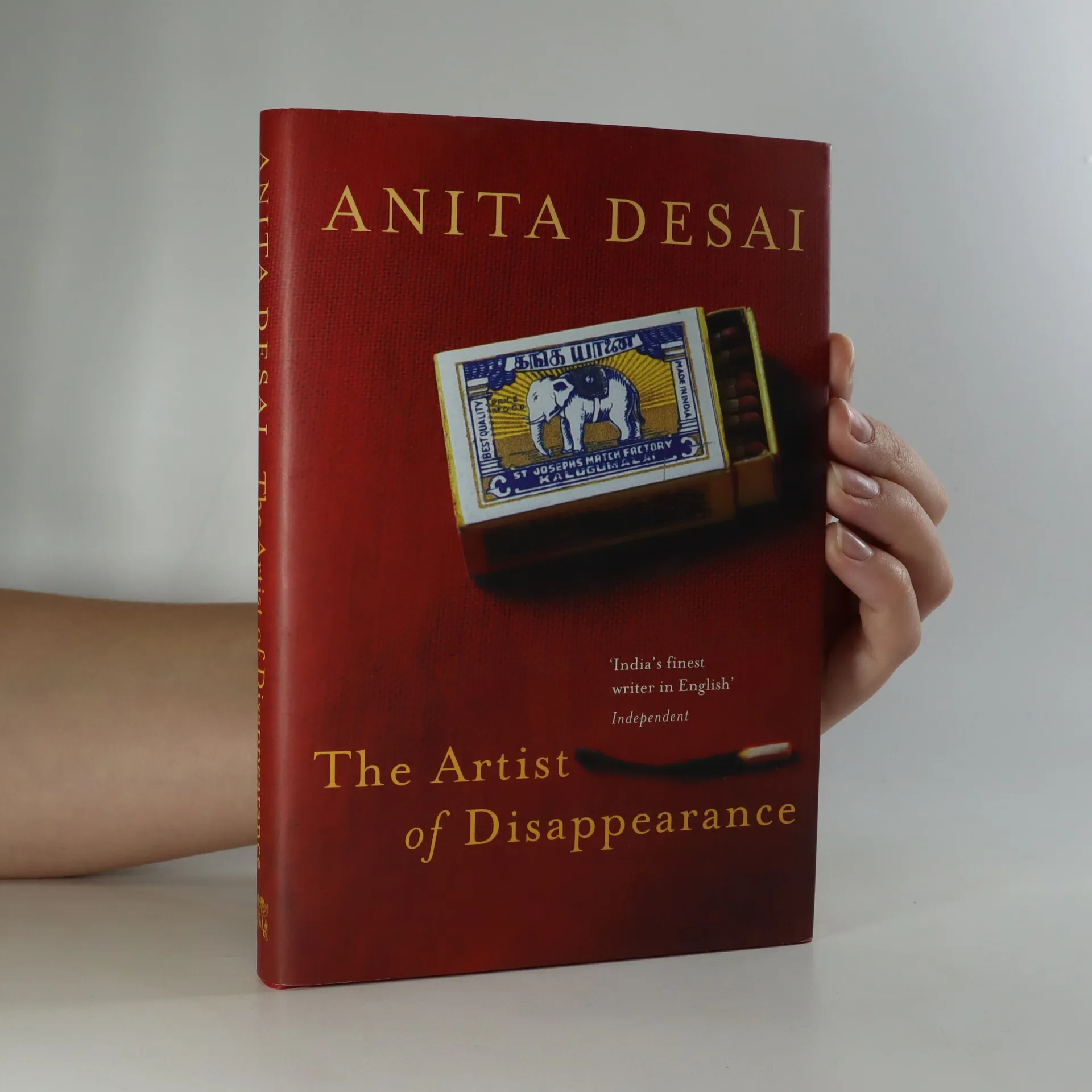
The Artist of Disappearance
- 156 páginas
- 6 horas de lectura
Features such novellas as "The Museum of Final Journeys" and "Translator, Translated". In "The Museum of Final Journeys", an unnamed government official is called upon to inspect a faded mansion of forgotten treasures, each sent home by the absent, itinerant master. As he is taken through the estate, he reaches the final - greatest - gift of all.
Phoenix 60p Paperbacks: Scholar and Gypsy
- 64 páginas
- 3 horas de lectura
Perceptive and humorous, these three stories capture the essence of life in India.
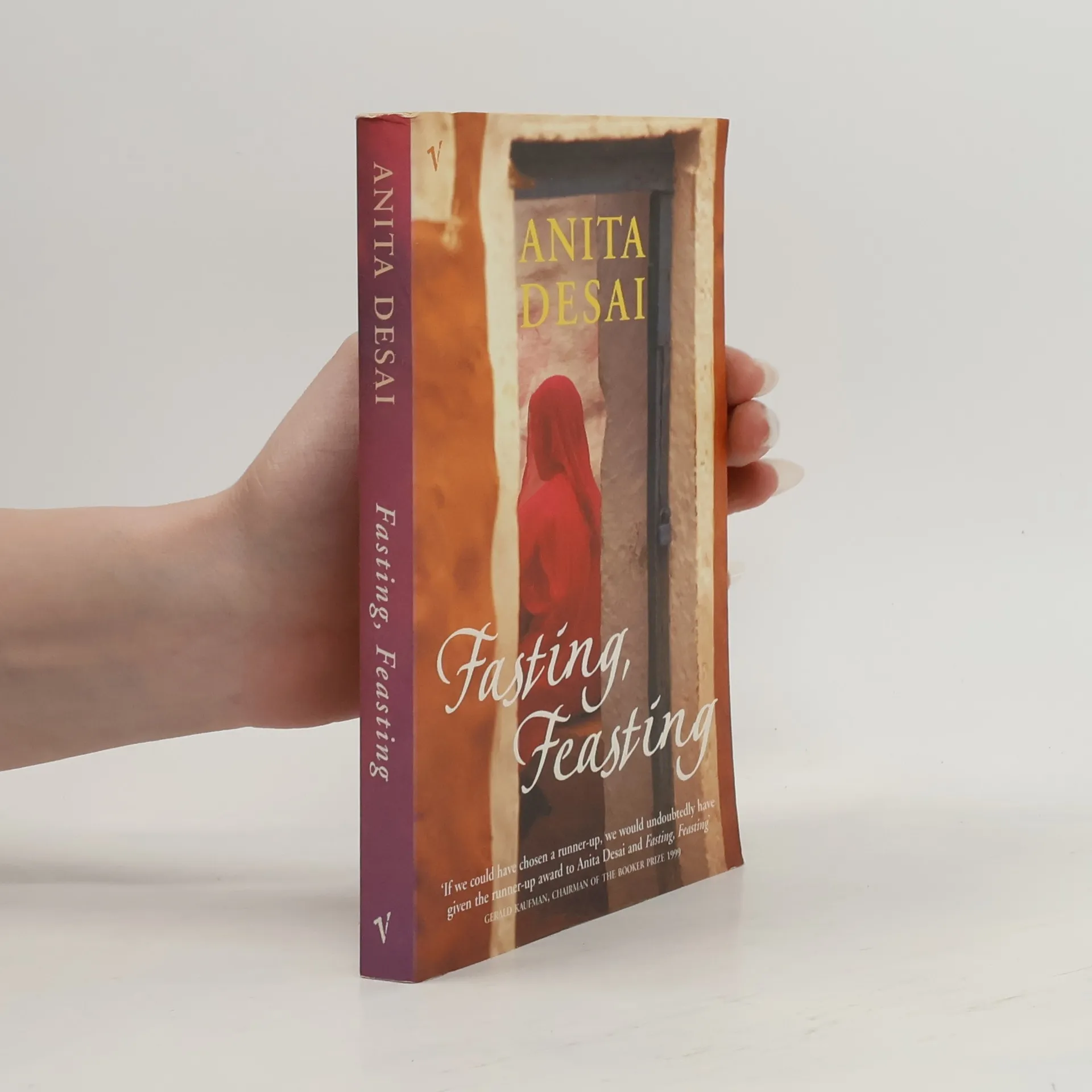
Fasting, Feasting
- 228 páginas
- 8 horas de lectura
A wonderful novel in two parts, moving from the heart of a close-knit Indian household, with its restrictions and prejuices, its noisy warmth and sensual appreciation of food, to the cool centre of an American family, with its freedom and strangely self-denying attitudes to eating. In both it is ultimately the women who suffer, whether, paradoxically, from a surfeit of feasting and family life in India, or from self-denial and starvation in the US. or both. Uma, the plain, older daughter still lives at home, frustrated in her attempts to escape and make a life for herself. Her Indian family is difficult , demanding but mostly, good hearted. Despite her disappointments, Uma comes through as the survivor, avoiding an unfulfilling marriage, liek her sister's or a suicidal one, like that arranged for her pretty cousin. And in America, where young Arun goes as a student, men in the suburbs char hunks of bleeding meat while the women don't appear to cook or eat at all - seems bewildering and terriying to the young Indian adolescent far from home.
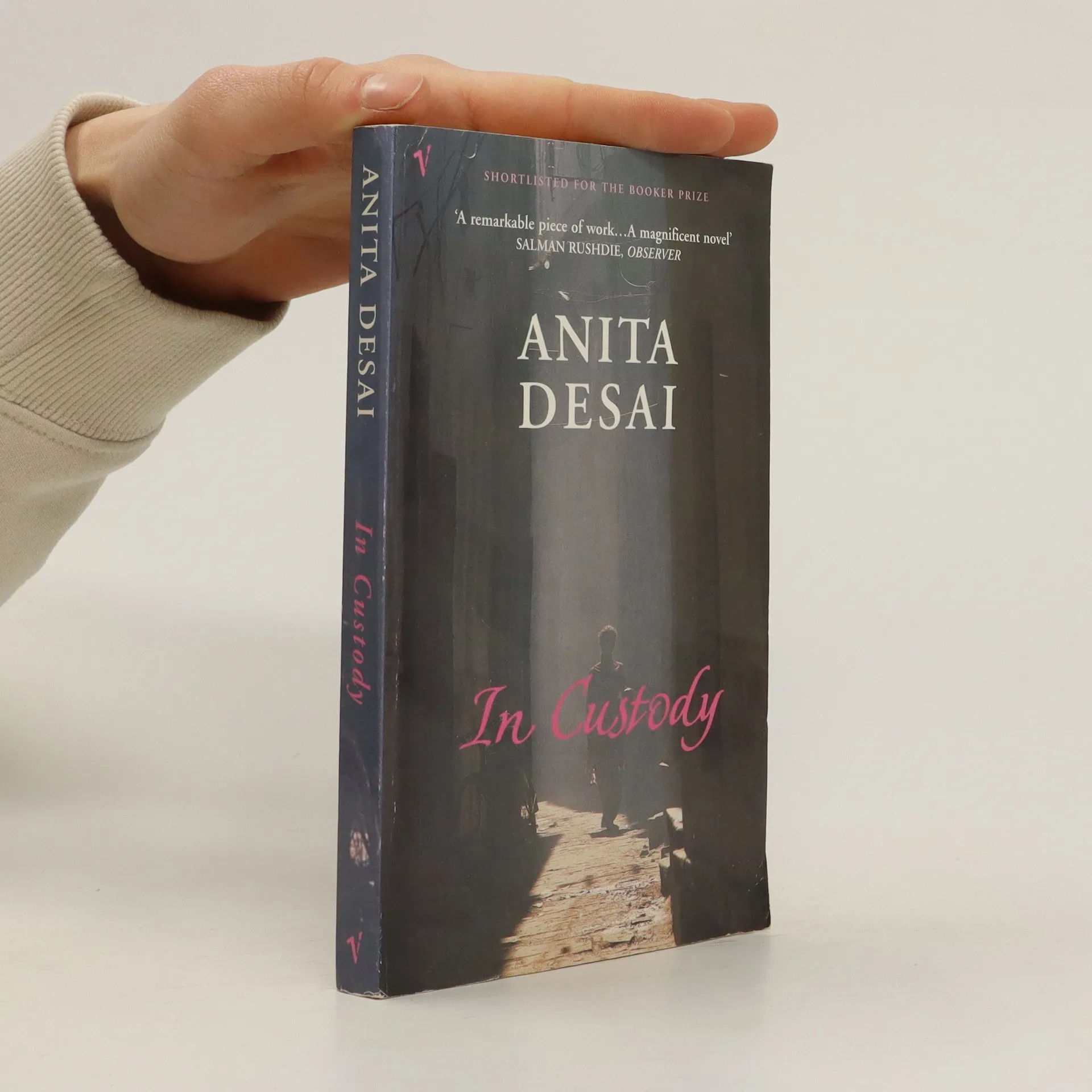
Asked to interview India's greatest poet, Nur, Deven sees a way to escape the miseries of life as a small-town scholar. But the old man he finds deep in the bazaars of Old Delhi bears no resemblance to the idol of his youth. Deven is fooled, bullied and cheated, and drawn into a new captivity.