

Compra 10 libros por 10 € aquí!
Bookbot

Rüdiger Zuck

    1 de enero de 1932 – 25 de febrero de 2023
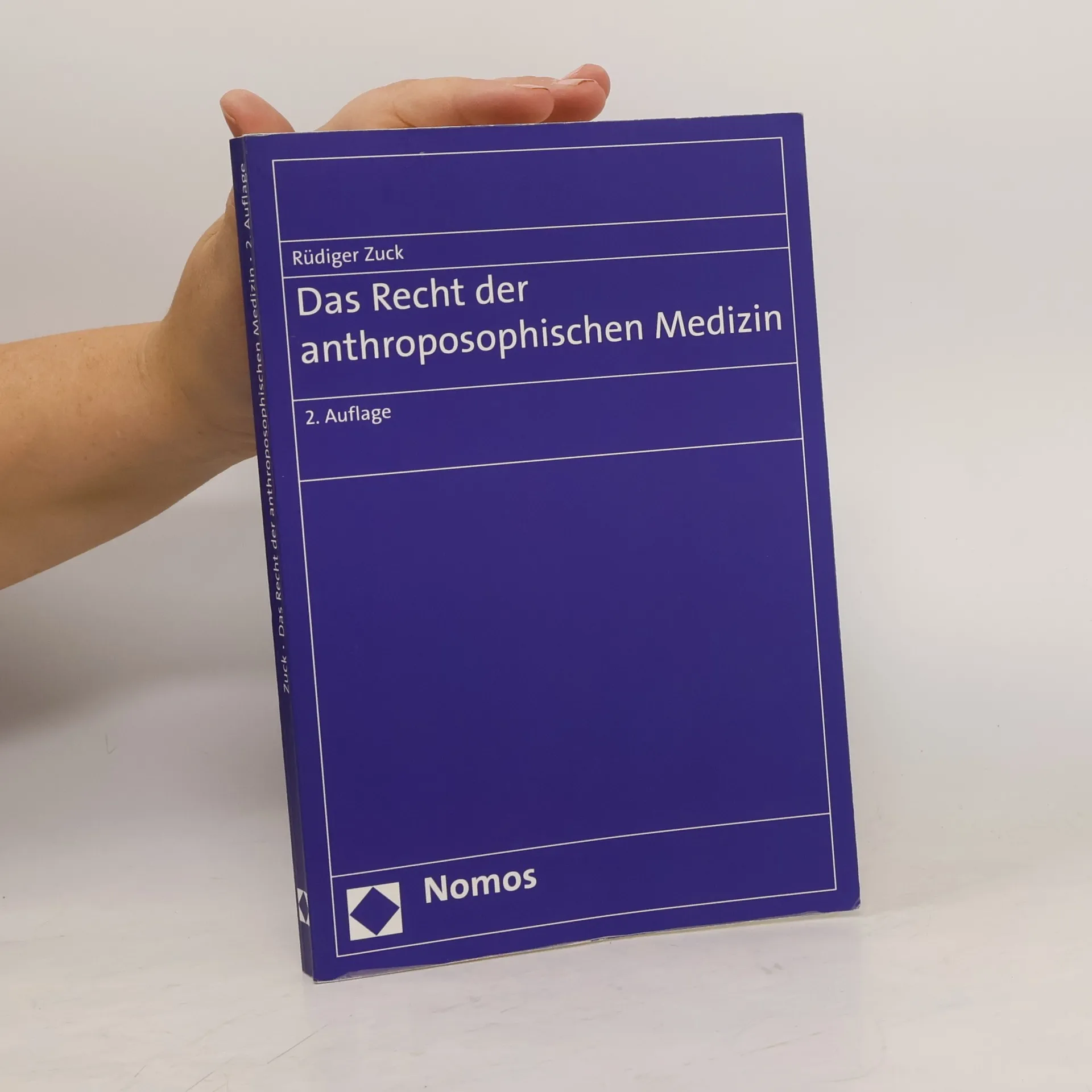
    Das Recht der anthroposophischen Medizin
    Meisterwerke naiver Malerei
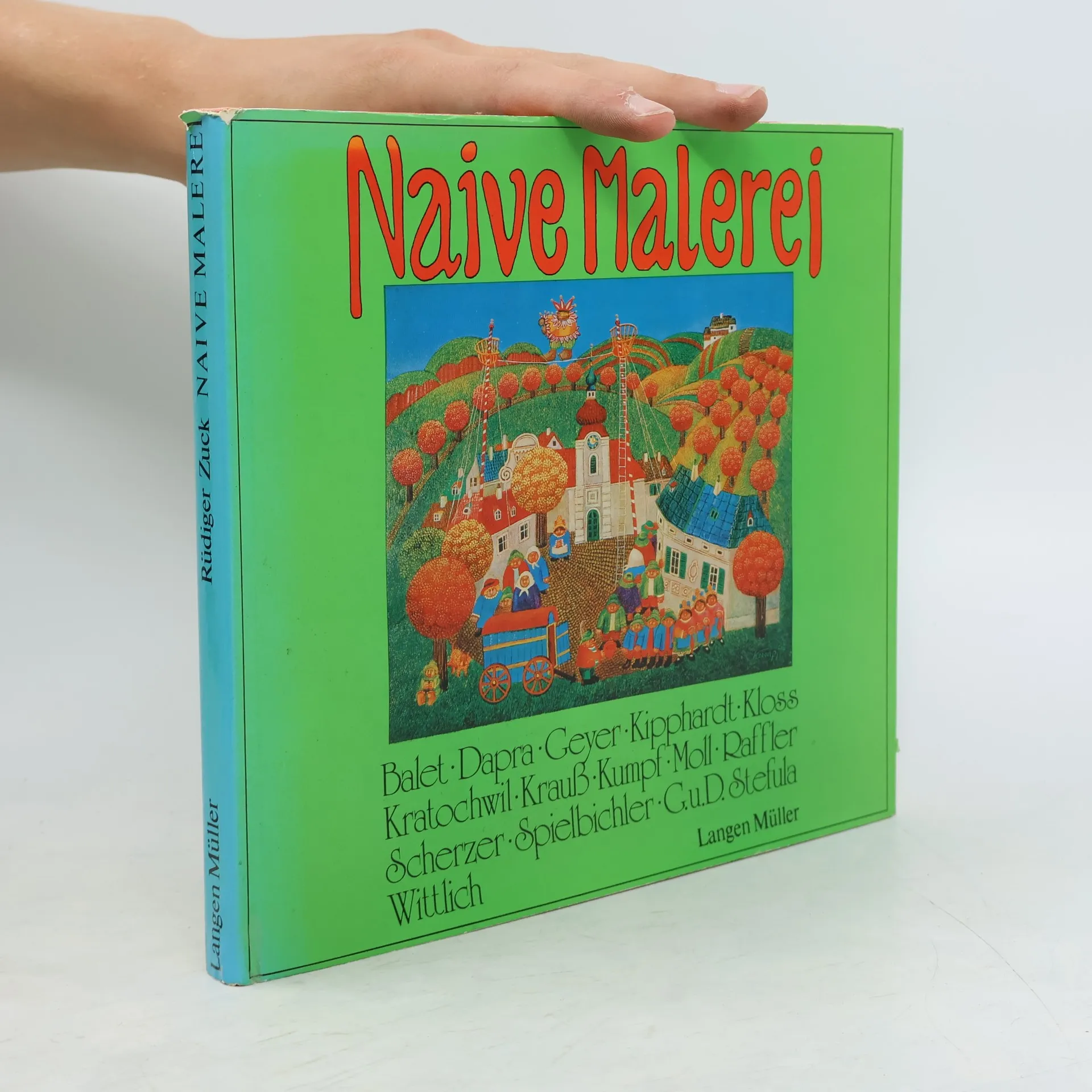
    Naive Malerei
    The right of anthroposophic medicine
    • The right of anthroposophic medicine

      • 206 páginas
      • 8 horas de lectura

      The second edition of The Right of Anthroposophic Medicine addresses the ongoing interest in therapeutic approaches that differ from orthodox medicine. It is grounded in the human image developed by Rudolf Steiner, articulated in the “Declaration on the rights of anthroposophic medicine” from 2011, which includes a legal commentary. This study aims to outline the legal context surrounding anthroposophic medicine while asserting its validity as a distinct therapeutic approach. It posits that the understanding of the human body in natural science is enhanced by three additional components: the etheric body, the astral body, and the I-organisation. The publication emphasizes the dual meaning of the German term “Recht,” which encompasses both “law” and “rights.” It explores the current legal framework while asserting the rights that anthroposophic medicine seeks to secure for its practice. The author, a constitutional law expert, examines anthroposophic medicine from an external perspective, employing a pluralistic approach that aims to foster and promote a diversity of viewpoints.

      The right of anthroposophic medicine
    • Das Recht der anthroposophischen Medizin

      • 267 páginas
      • 10 horas de lectura

      Die 2. Auflage der Studie adressiert das anhaltende Interesse der Patienten an alternativen Therapierichtungen, insbesondere der anthroposophischen Medizin, die auf Rudolf Steiners Menschenbild basiert. In dieser Auflage wird die „Deklaration zum Recht der anthroposophischen Medizin“ der Medizinischen Sektion am Goetheanum von 2011 detailliert dargestellt und rechtlich kommentiert. Das Ziel des Bandes ist es, die rechtlichen Rahmenbedingungen der anthroposophischen Medizin zu erläutern und ihren Anspruch auf die Durchsetzung eines besonderen Therapiekonzepts zu verdeutlichen. Diese Medizin betrachtet den Menschen als ein Wesen, das aus vier Komponenten besteht: dem physischen Leib, dem Ätherleib, dem Astralleib und der Ich-Organisation, die zu den naturwissenschaftlichen Erkenntnissen über den menschlichen Körper hinzukommen. Der Autor hebt die Doppelfunktion des „Rechts“ hervor, indem er sowohl den aktuellen Rechtsstand beschreibt als auch einen Rechtsanspruch formuliert, der die Eigenständigkeit der anthroposophischen Medizin sichern soll. Als Verfassungsrechtler diskutiert er die Thematik im Kontext des Pluralismus in demokratischen Systemen, wobei er betont, dass es für anerkannte Therapierichtungen neben der Schulmedizin einen angemessenen Platz geben muss.

      Das Recht der anthroposophischen Medizin