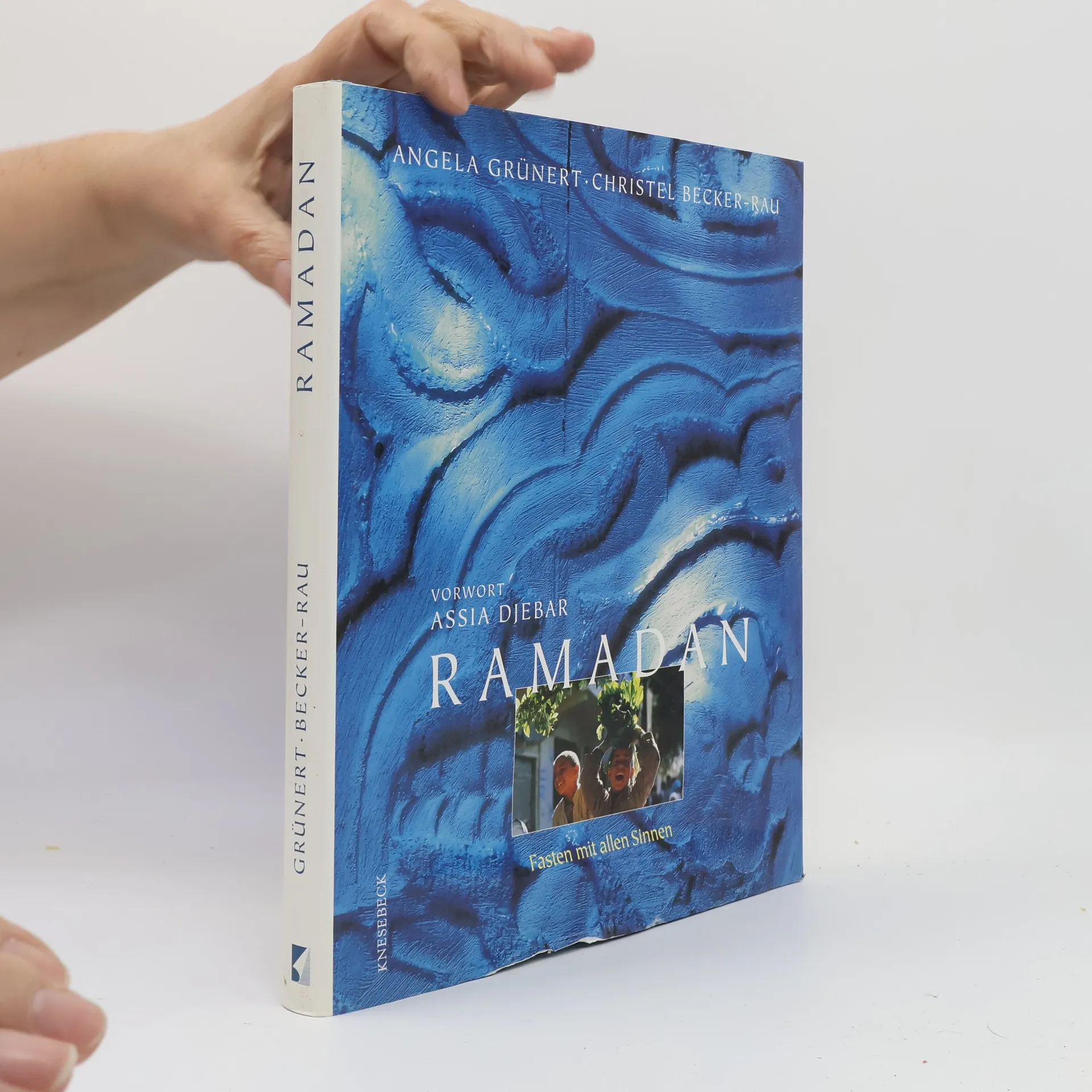
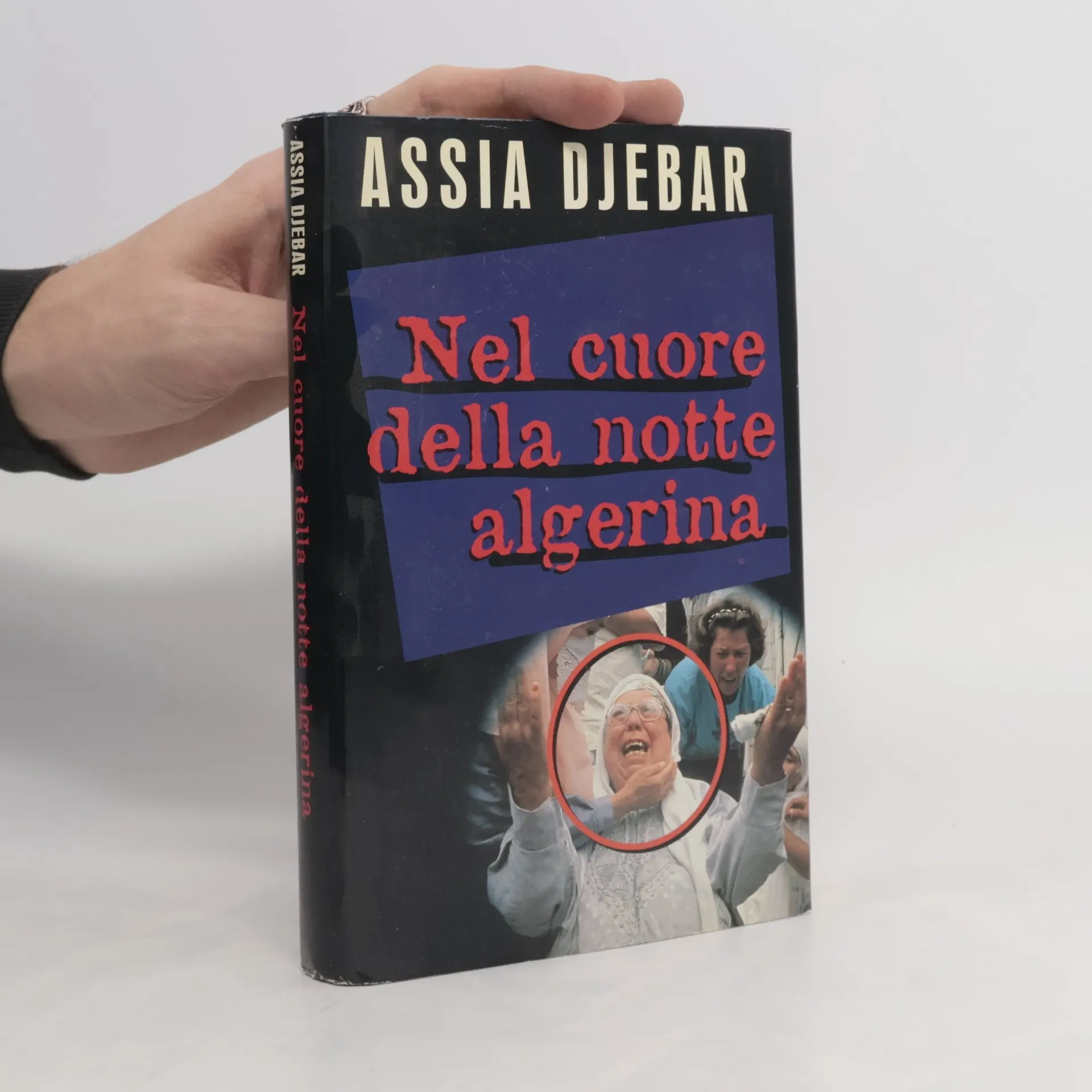
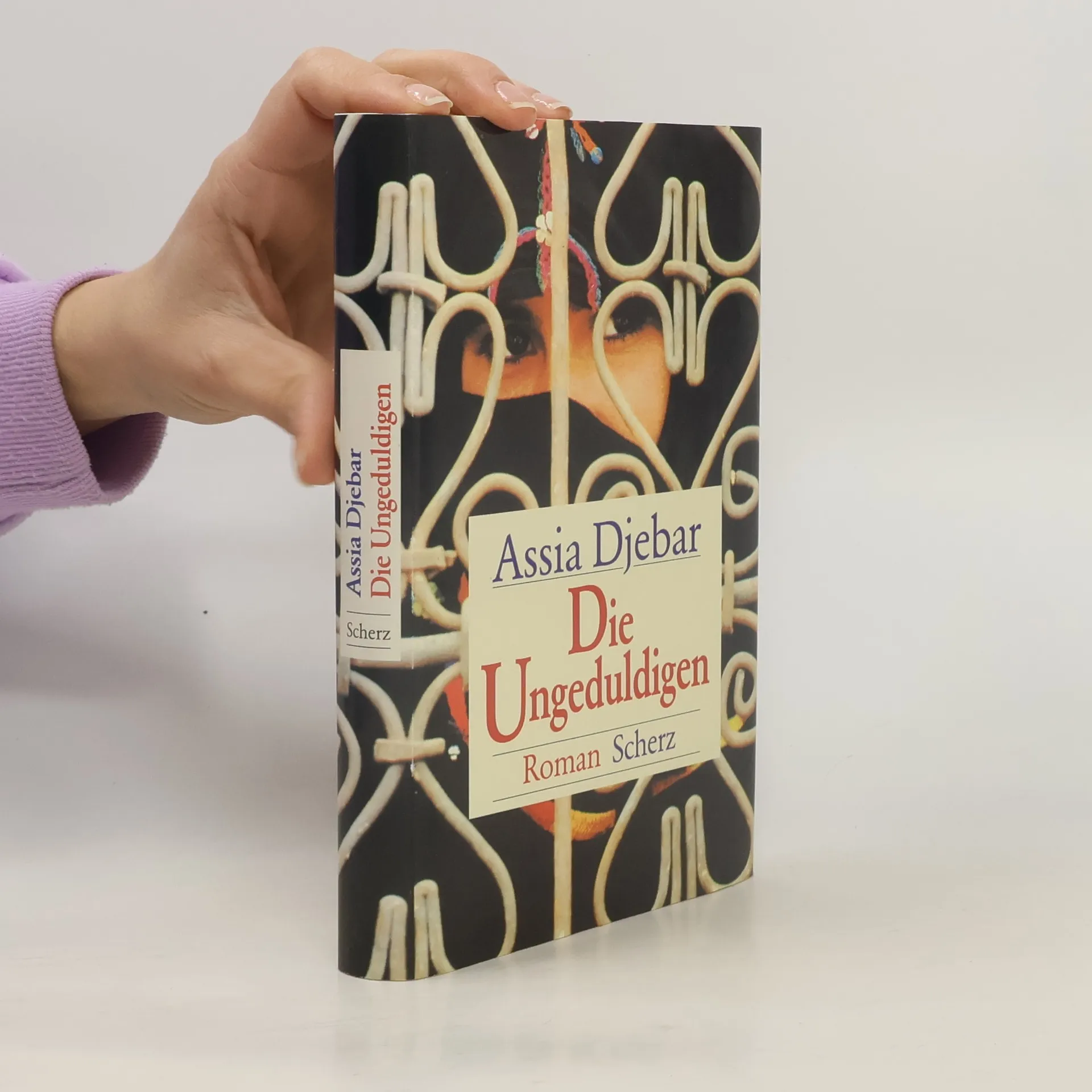
Assia Djebar fue una autora argelina cuya obra explora profundamente las experiencias femeninas y la historia argelina. Al lanzar su carrera literaria en la década de 1950, sus novelas, cuentos y ensayos se adentraron en temas como el colonialismo, el exilio y la identidad. Djebar escribía en francés, y su escritura se caracteriza por su lenguaje poético y un fuerte sentido de comentario social. A través de su literatura, pretendía dar voz a los marginados y transmitir el complejo pasado de su país.
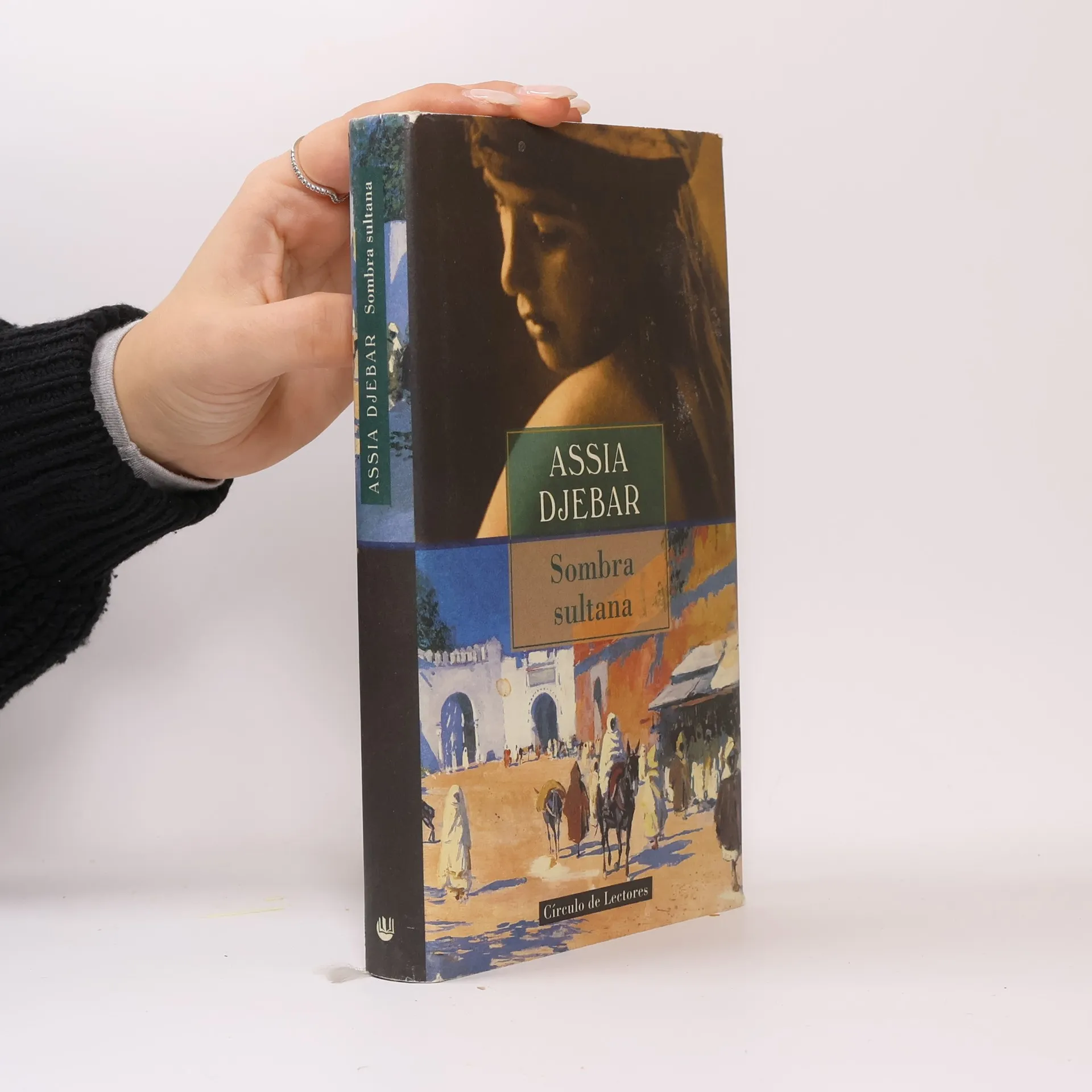
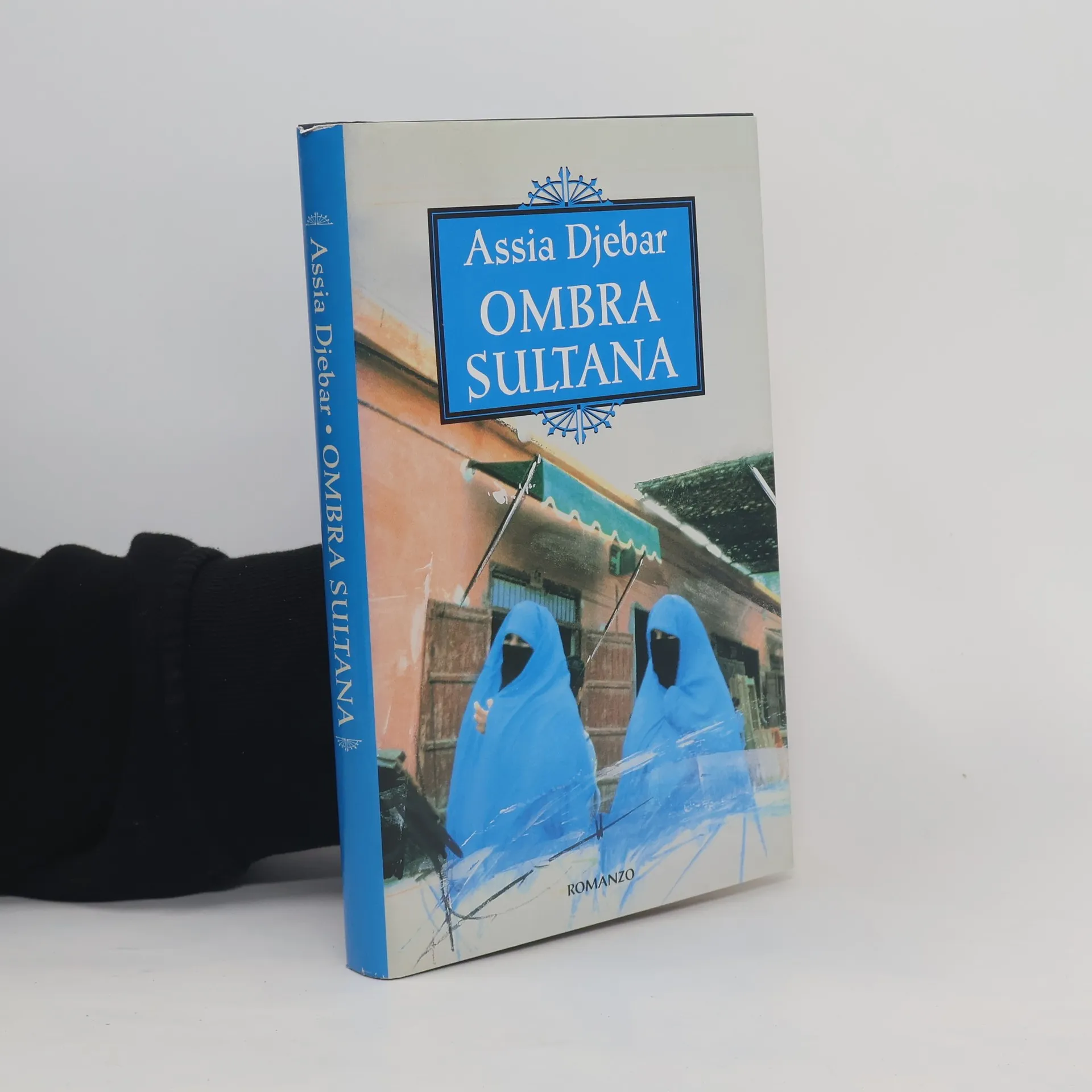
Barcelona. 22 cm. 215 p. Encuadernación en tapa dura de editorial con sobrecubierta ilustrada. Djebar, Assia 1936-2015. Traducción de Inmaculada Jiménez Morell ; prólogo de Clara Janés. Traducción de: Ombre sultane .. Este libro es de segunda mano y tiene o puede tener marcas y señales de su anterior propietario. ISBN: 8422699060
The narrative weaves together the experiences of a modern, educated Algerian woman navigating a male-dominated society filled with contradictions. It explores cross-cultural themes through the author's choice to write in French, highlighting the tension between written and oral traditions in Arab culture. The story reflects on the complexities of life in a post-colonial Algeria, examining the impact of revolution and the challenges faced by an Algerian woman in exile.
What happens when catastrophe becomes an everyday occurrence? Each of the seven stories in Assia Djebar’s The Tongue’s Blood Does Not Run Dry reaches into the void where normal and impossible realities coexist. All the stories were written in 1995 and 1996—a time when, by official accounts, some two hundred thousand Algerians were killed in Islamist assassinations and government army reprisals. Each story grew from a real conversation on the streets of Paris between the author and fellow Algerians about what was happening in their native land. Contemporary events are joined on the page by classical themes in Arab literature, whether in the form of Berber texts sung by the women of the Mzab or the tales from The Book of One Thousand and One Nights. The Tongue’s Blood Does Not Run Dry beautifully explores the conflicting realities of the role of women in the Arab world. With renowned and unparalleled skill, Assia Djebar gives voice to her longing for a world she has put behind her.
In Algerian White, Assia Djebar weaves a tapestry of the epic and bloody ongoing struggle in her country between Islamic fundamentalism and the post-colonial civil society. Many Algerian writers and intellectuals have died tragically and violently since the 1956 struggle for independence. They include three beloved friends of Djebar: Mahfoud Boucebi, a psychiatrist; M'Hamed Boukhobza, a sociologist; and Abdelkader Alloula, a dramatist; as well as Albert Camus. In Algerian White, Djebar finds a way to meld the personal and the political by describing in intimate detail the final days and hours of these and other Algerian men and women, many of whom were murdered merely because they were teachers, or writers, or students. Yet, for Djebar, they cannot be silenced. They continue to tell stories, smile, and endure through her defiant pen. Both fiction and memoir, Algerian White describes with unerring accuracy the lives and deaths of those whose contributions were cut short, and then probes even deeper into the meaning of friendship through imagined conversations and ghostly visitations.
Frühling 1989. Thelja fährt nach Straßburg, um neun Nächte mit François zu verbringen. Neun Liebesnächte voll sinnlicher Trunkenheit, aber auch geteilter Erinnerungen. In den frühen Morgenstunden flaniert sie durch die Gassen und an den Ufern entlang, wo der Nebel sich langsam lichtet. Stets ist das Straßburger Münster im Zentrum ihrer Gedanken, ihrer Spaziergänge, während sie in die Geschichte dieser Stadt und ihrer Menschen eintaucht. Unter der Oberfläche erkennt sie beklemmende Schatten der Vergangenheit. Sogar in den lustvollen Stunden der Leidenschaft können sie aufbrechen wie schlecht verheilte Wunden.
Ce magnifique roman de guerre et d'amour a pour toile de fond le grand combat pour l'indépendance algérienne. À travers les personnages d'Omar, l'intellectuel, de Rachid, le révolté, de Nfissa, la femme émancipée mais toujours sensible au charme des anciennes coutumes, c'est le drame d'une génération sacrifiée, idéaliste et lucide qu'Assia Djebar met en scène. La question de l'engagement est posée là avec violence, sincérité et poésie, et c'est à une véritable plongée dans un monde entre deux civilisations, chatoyant de couleurs et lourd de révolte, que ce livre invite.
Nous glissons du passé lointain au passé proche, de la troisième personne, à la première ; extraordinaire évocation du père, instituteur de français, de la mère, des cousines, des femmes cloîtrées vives et dont le cri et l'amour nous poursuivent. Assia Djebar, sans conteste la plus grande romancière du Maghreb, nous donne ici son œuvre la plus aboutie.
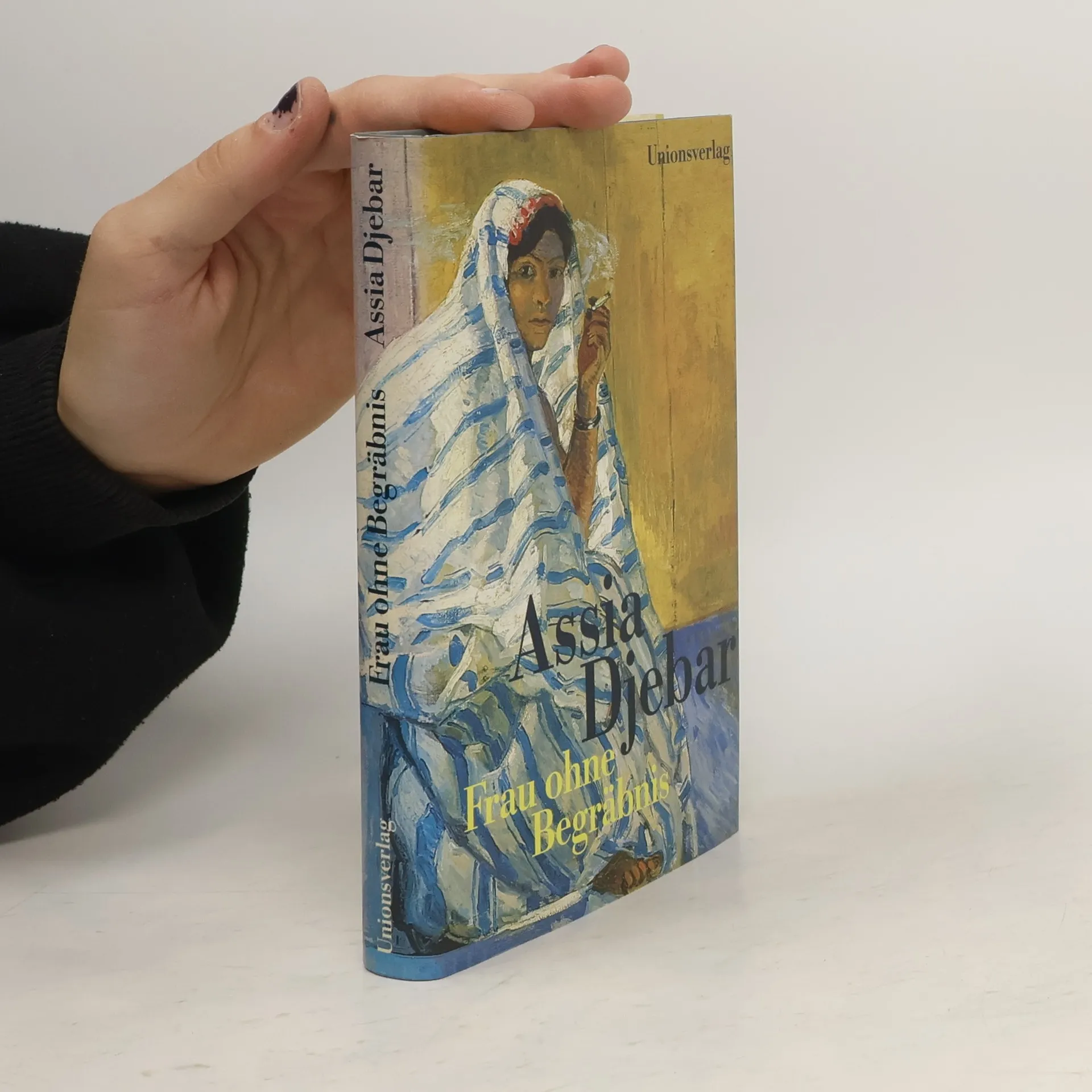
Die »Frau ohne Begräbnis«, das ist Zoulikha, die einst Wand an Wand mit Assia Djebars Familie wohnte. In aller Stille knüpfte sie unter den Frauen der Stadt ein Netz des Widerstands gegen die französische Herrschaft, floh 1957 in die Berge, wurde von der Kolonialarmee gefasst und verschwand spurlos. Diese außergewöhnliche, freimütige, lebenslustige und gebildete Frau ist in ihrer sprühenden Lebenskraft gegenwärtig geblieben bei allen, die um sie waren. Ihre beiden Töchter, Madame Lionne, die Wahrsagerin, Nachbarinnen und Weggefährten lassen sie mit ihren Stimmen wieder aufleben, gewinnen dadurch selbst neue Kraft und treten aus dem Schatten. Und die Erzählerin selbst - sie findet endlich den Mut, sich dieser Gestalt zu nähern und den Raum ihrer Kindheit wieder zu entdecken.
Nous glissons du passé lointain au passé proche, de la troisième personne à la première ; extraordinaire évocation du père, instituteur de français, de la mère, des cousines, des femmes cloîtrées vives et dont le cri et l'amour nous poursuivent. Assia Djebar, sans conteste la plus grande romancière du Maghreb, nous donne ici son oeuvre la plus aboutie.
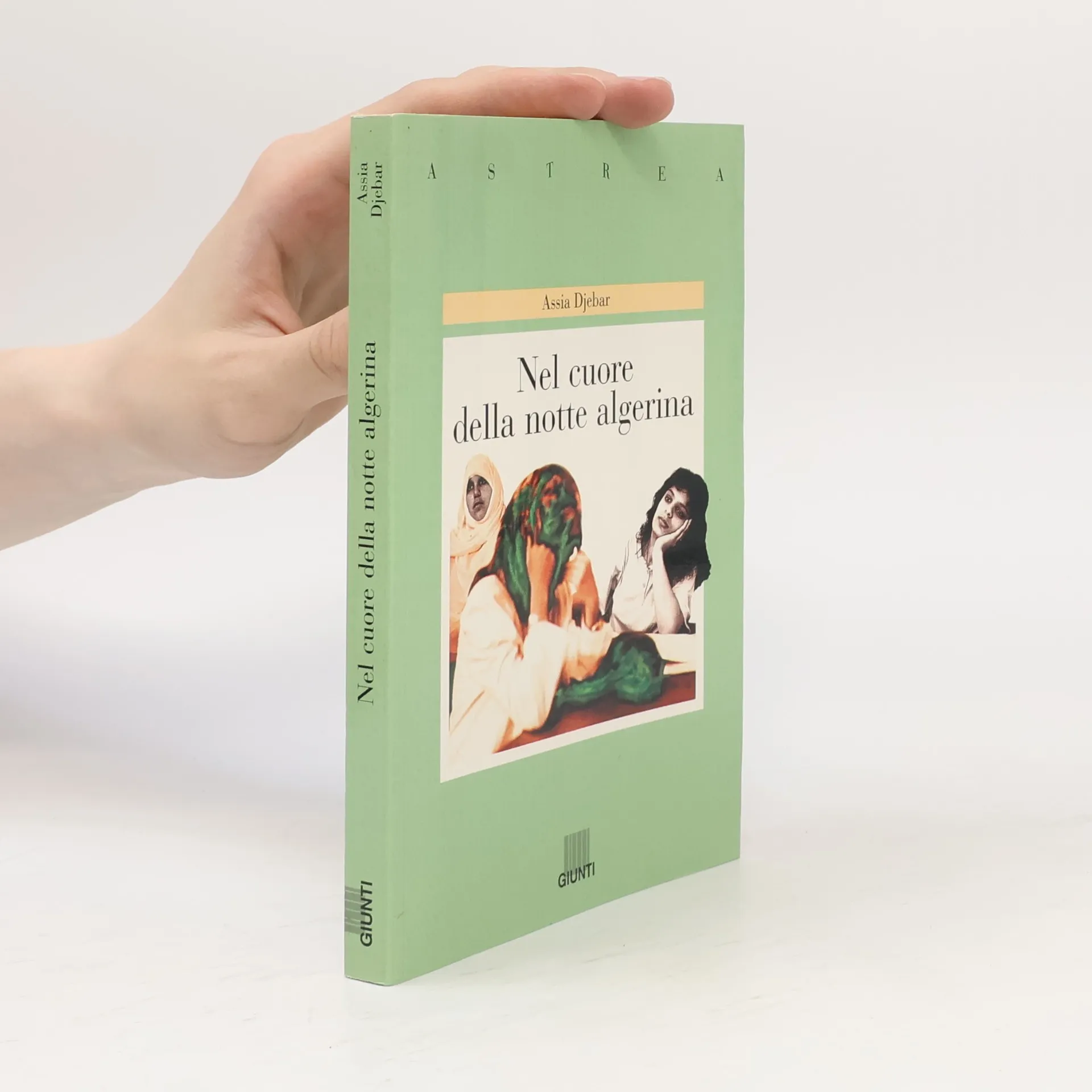
Frammenti di vita che le donne si scambiano mentre viaggiano, in una sosta, in un rifugio, quando possono respirare e ricordare. Sono tappe di una libertà di movimento, non di fuga. Conversazioni tra algerine, qui e altrove. Con un colpo, pezzi di vita vengono illuminati e crollano su se stessi. Immagini di inseguimenti, fughe e morte, ma anche di speranza in questa lunga notte. Episodi si susseguono come perle grigie o nere. Le parole sono il raggio di luce che si riesce ancora a percepire nell'orrore dell'oscurità.
Après 20 ans d'exil en France, un Algérien revient chez lui et se retrouve déchiré entre son éducation française et la réalité quotidienne algérienne. Cette dualité enrichit son expérience et soulève des questions sur l'identité et l'appartenance.
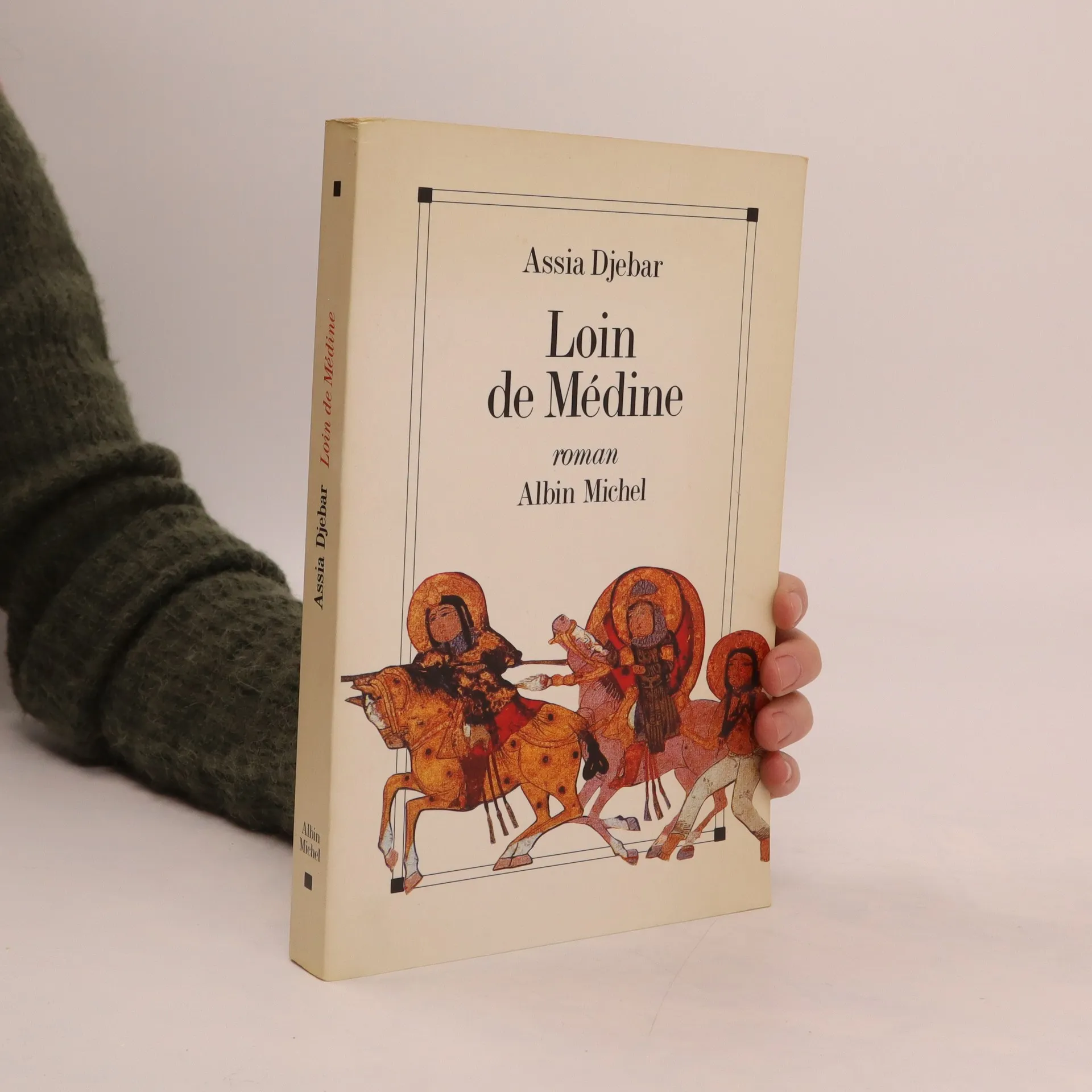
En 1988, suite aux violentes manifestations de la jeunesse algérienne contre le pouvoir en place et la montée du fondamentalisme, Assia Djebar écrit 'Loin de Médine' ou les origines de l'Islam vécues du côté des femmes, intimes ou contemporaines du Prophète
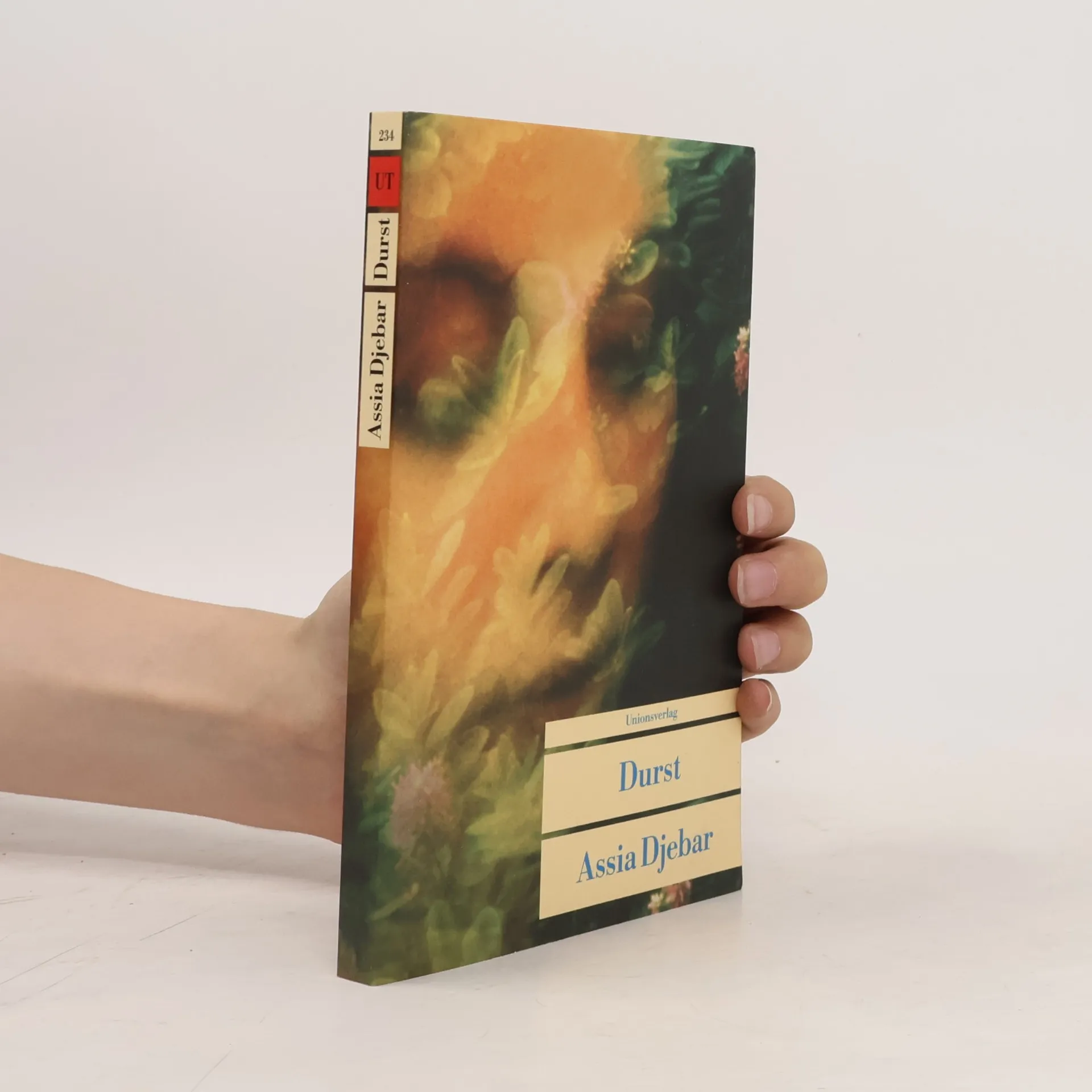
»An einem milden Frühlingstag des Jahres 1957 nahm eine junge Algerierin - sie war noch keine einundzwanzig - in Paris ein Taxi zu Julliard, dem bekannten Verlag, der gerade ihren ersten Roman ›Durst‹ angenommen hatte. Der Vertrag, den sie unterzeichnen sollte, war im Grunde wertlos, weil sie noch nicht volljährig war. Sie machte sich Sorgen, wie ihre Familie wohl auf ein Buch reagieren würde, in dem von Erotik die Rede war und das sie zu einer Zeit geschrieben hatte, als sie eigentlich für ihr Examen hätte lernen müssen. Sie beschloss impulsiv, ihre Haare abzuschneiden, ihr Geburtsdatum zu verändern und ein Pseudonym zu verwenden.« Aus dem Nachwort von Clarisse Zimra
Assia Djebar: Die größte Gegenwartsautorin aus Algerien hat mit 'Nirgendwo im Haus meines Vaters' ihr persönlichstes Buch geschrieben. Fatima liebt ihren Vater abgöttisch. Er befolgt streng die arabischen Bräuche und hat Sorge, dass die Röcke seiner Tochter zu kurz geraten. Die Mutter ist eine selbstbewusste Frau von europäischer Eleganz. Zwei Welten, die gegensätzlicher nicht sein könnten. Dazwischen bahnt sich das kleine Mädchen seinen eigenen Weg zur jungen Frau, der manchmal schmerzhaft ist und dann wieder voller Glück. 'Nirgendwo im Haus meines Vaters' ist Assia Djebars persönlichstes Buch. Mal mit kühler Prägnanz, mal in poetischen Bildern erzählt sie ihre eigene Geschichte, die zugleich die Algeriens ist.
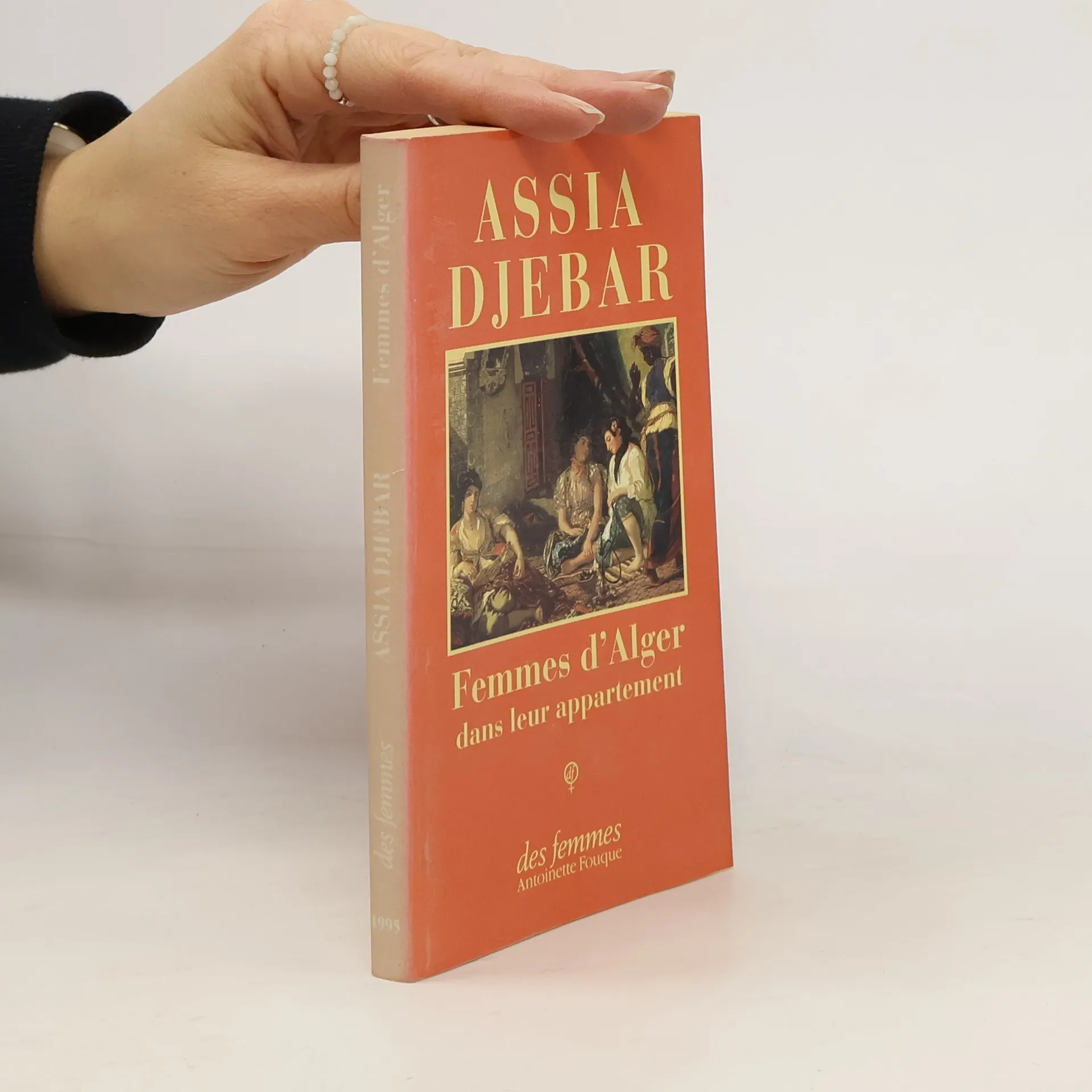
1832, dans Alger récemment conquise, Delacroix s'introduit quelques heures dans un harem. Il en rapporte un chef d'œuvre, Femmes d'Alger qui demeure toujours "un regard volé". 1955, au début de la guerre d'Algérie, Picasso réinvente Femmes d'Alger, dénude les femmes de Delacroix, libère l'espace, préfigurant celles qui sont appelées ici " les porteuses de feu", héroïnes de la "bataille d'Alger" qui se feront connaître du monde entier. La presse algérienne, en 1990, évoquait, à propos de ces textes, "une parole proprement inouïe" et saluait ainsi l'auteur : "Faisant fi des anathèmes et des suspicions, Assia Djebar continue vaille que vaille son chemin... Violant les tabous, repoussant les frontières de l'interdit, elle décrit la femme dans sa mémoire et dans son corps". Les récentes traductions, en Italie, en Allemagne et aux Etats-Unis, ont reçu un accueil exceptionnel. Village Voice, en 1993, a défini Femmes d'Alger comme un texte de résistance. D'autres critiques américaines ont ajouté "La voie de Djebar, exprimant la diversité historique et sociale des femmes algériennes, dans la fiction postcoloniale, est exemplaire". En regard de la lutte actuelle des Algériennes, ces nouvelles, parues en 1980, nous restituent "un langage de l'ombre" et, en cela, restent prémonitoires.
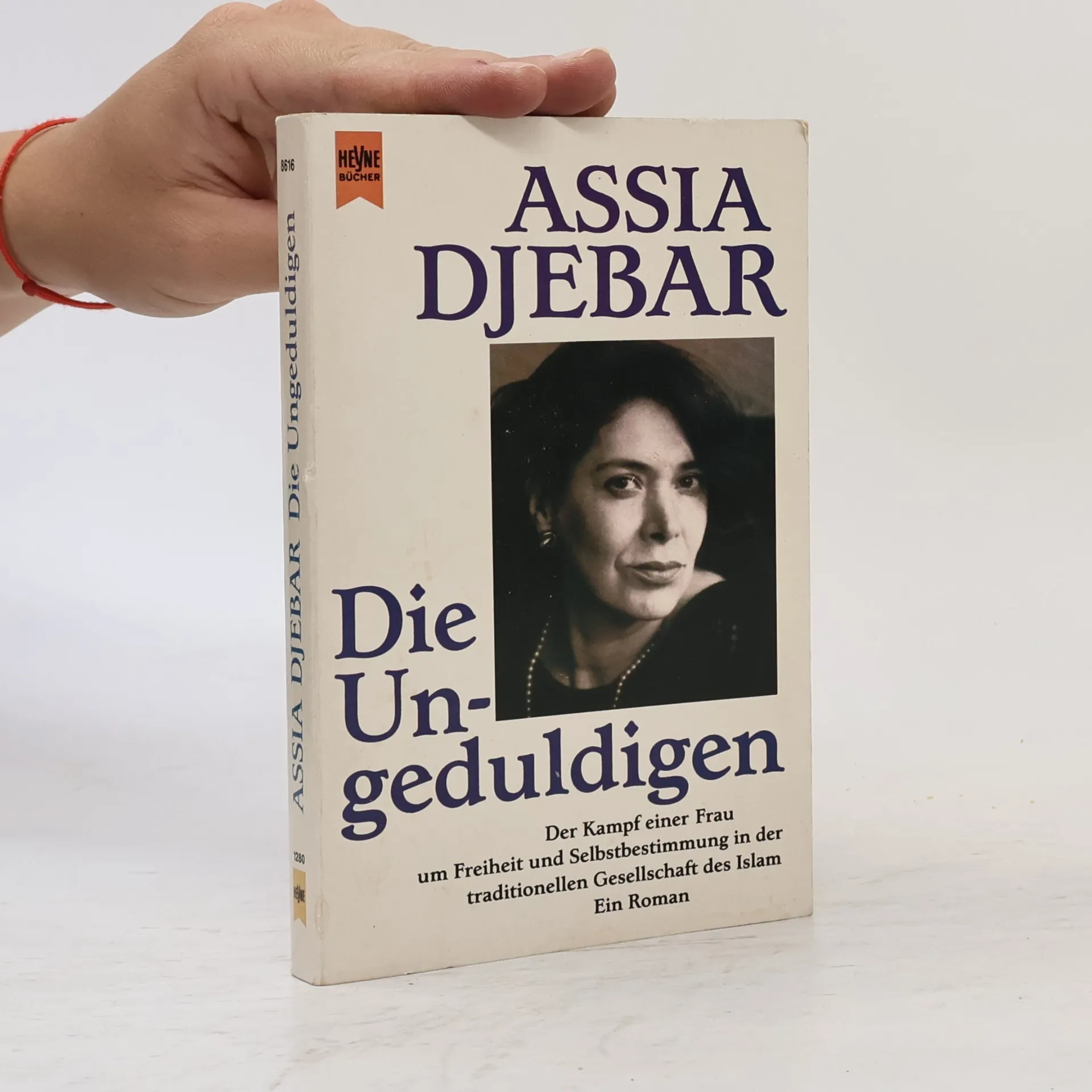
Assia Djebar zählt zu den bedeutendsten Gegenwartsschriftstellerinnen des Maghreb. In diesem Roman schildert sie am Beispiel Dalilas, einer arabischen Studentin aus bürgerlichem Haus, den Ausbruch islamischer Frauen aus der traditionellen Gesellschaft. Dalila drängt es mit aller Macht ins Leben. Sie lehnt sich gegen Familie und Tradition auf. Auch in ihrer Beziehung zu Selim, ihrer ersten Liebe, kämpft sie für ihr Recht auf Selbstbestimmung.Sabine Kebir nutzt das Porträt der algerischen Autorin, die den diesjährigen Friedenspreis verliehen bekommen hat, um ihren Roman aus dem Jahre 1958, der jetzt auf Deutsch erschienen ist, vorzustellen. Während heute Romane von islamischen Frauen verbreiteter sind, meint die Rezensentin, hat die Autorin mit ihrem Jugendwerk möglicherweise das Genre begründet. Nicht nur in der Atmosphäre der Geschichte fühlt sich die Rezensentin an Camus erinnert. Die Nähe zum französischen Schriftsteller sei auch durch die Konflikte gegeben, die sich durch den "Wahrheitsegoismus" der Protagonistin entwickelten und die den eigentlichen "Spannungsbogen" des Romans ausmachten. Die Geschichte der "erotischen Selbstfindung" einer jungen Frau habe allerdings auch eine politische Dimension, denn die Autorin baue immer wieder Passagen ein, die das Recht der kolonisierten Algerier auf "Emanzipation" einklagen.