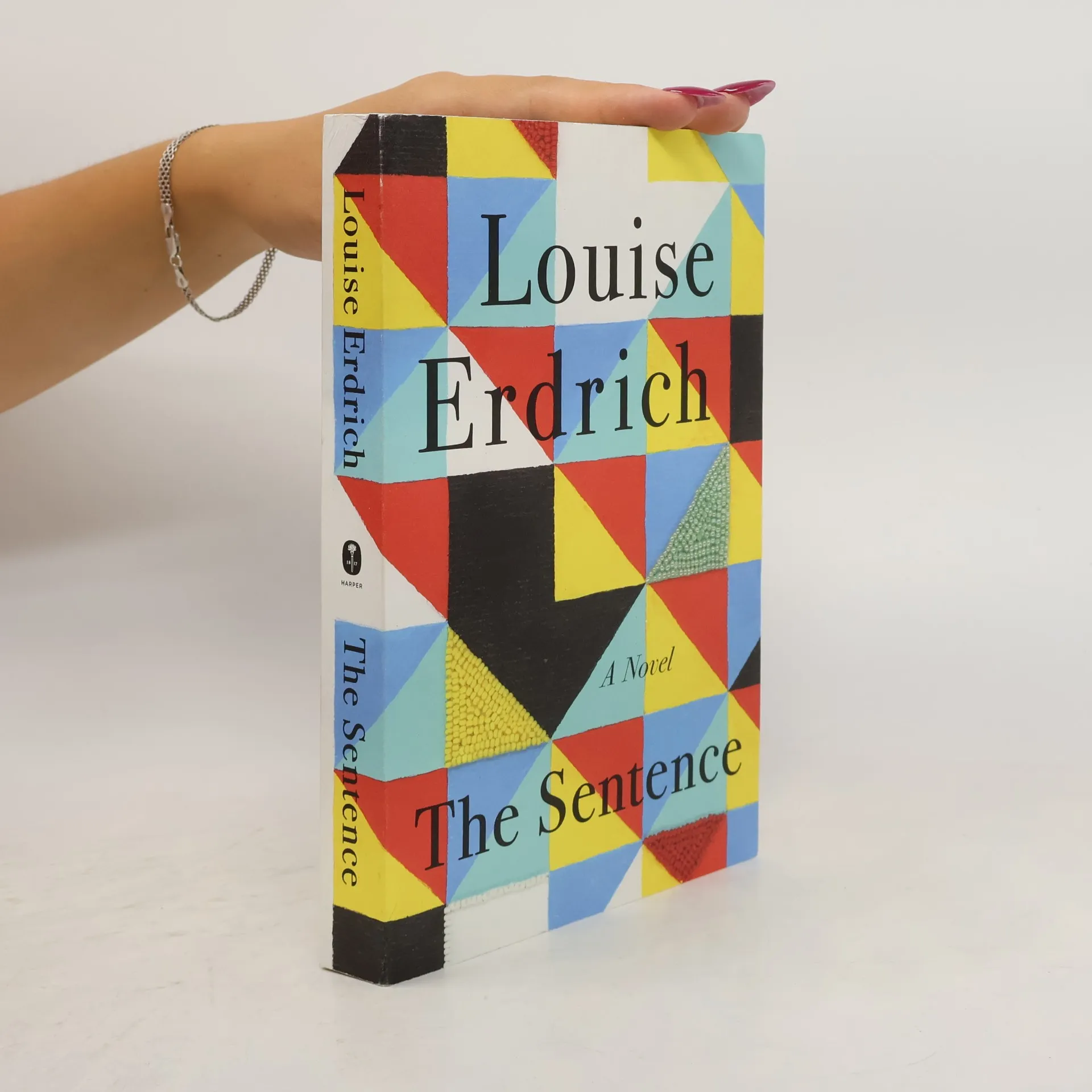
From Pulitzer Prize and National Book Award-winning author Louise Erdrich comes a richly layered novel that explores identity, exploitation, and how the burdens of history still shape our lives today.
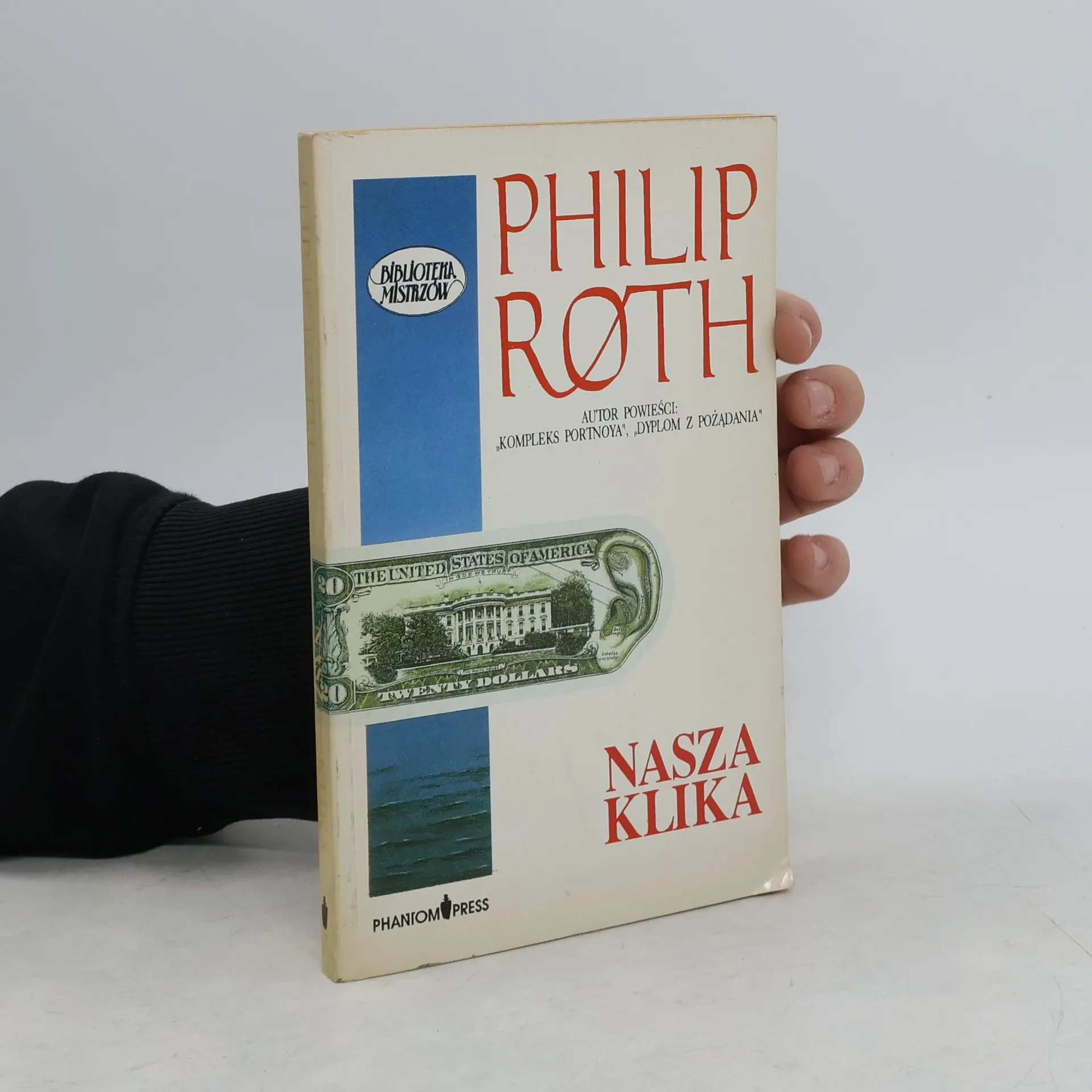
Philip Roth Orden de los libros (cronológico)
19 de marzo de 1933 – 22 de mayo de 2018
Philip Roth fue un novelista estadounidense cuyas obras a menudo profundizan en temas de identidad judía, el sueño americano y las complejidades de la sexualidad humana. Su estilo es conocido por su penetrante introspección, su prosa enérgica y su uso ocasional de la ironía. Roth exploraba frecuentemente los dilemas y conflictos de sus personajes con una curiosidad incansable. Muchas de sus novelas, incluidas aquellas que presentan a su alter ego ficticio Nathan Zuckerman, ofrecen profundas perspectivas sobre la experiencia estadounidense.



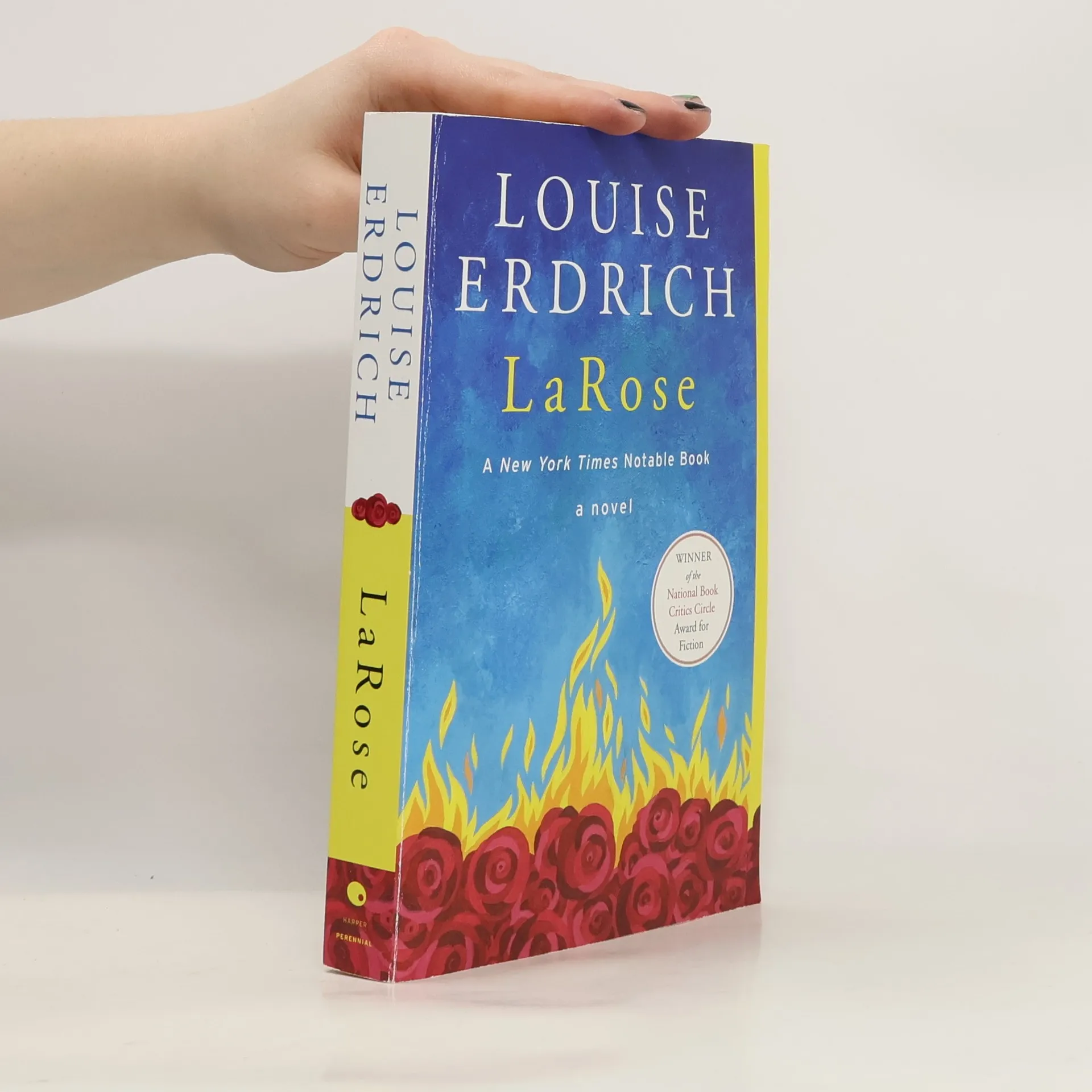
LaRose
- 373 páginas
- 14 horas de lectura
A masterly tale of grief and love...Erdrich never missteps...The recurring miracle of Erdrich's fiction is that nothing feels miraculous in her novels. She gently insists that there are abiding spirits in this land and alternative ways of living and forgiving that have somehow survived the West's best efforts to snuff them out. Washington Post
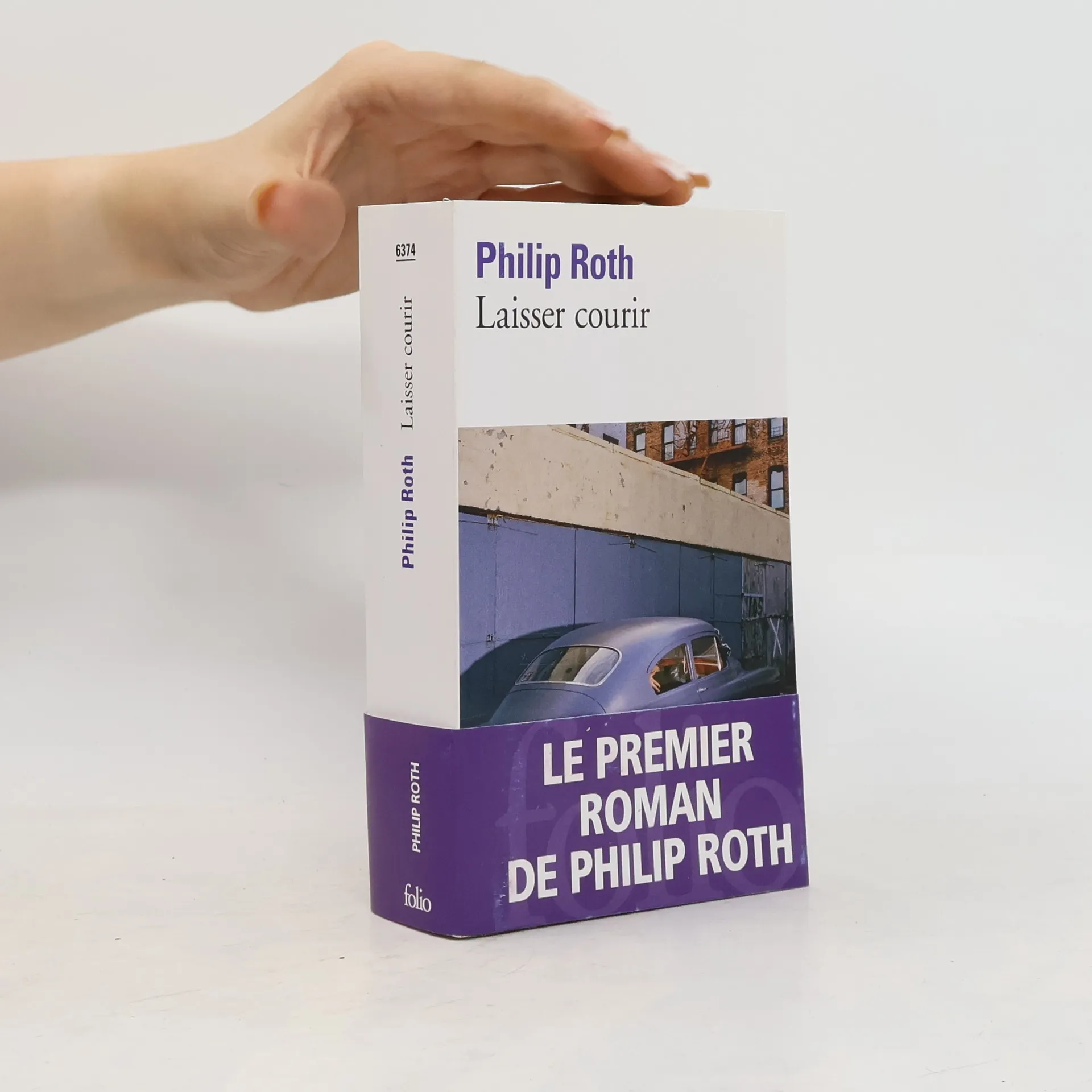
Folio: Laisser courir
- 899 páginas
- 32 horas de lectura
"Franchement, j'en ai assez des ennuis des autres... J'ai vraiment trop de mal à être à la hauteur de ce que certains exigent de moi". Ainsi s'exprime Gabe Wallach, un charmant jeune homme, fils d'un riche dentiste new-yorkais, qui, au moyen d'efforts souvent maladroits, cherche à concilier sa vie facile et les sacrifices qu'il devrait faire pour aider son prochain. Autour de lui des alliés volontaires ou forcés participent à cette lutte frénétique : Martha Reganhart, une divorcée au grand coeur et à l'esprit très pratique ; Paul Jerz, un jeune et mélancolique collègue de Gabe à l'Université de Chicago ; Libby Herz, sa jeune épouse envoûtante et capricieuse. Attiré par chacun des trois personnages, Gabe passe par des péripéties comiques et tragiques pour venir au secours des autres sans trop donner de sa personne. A la fin seulement il apprend à "laisser courir" et à accepter la confusion de la vie.
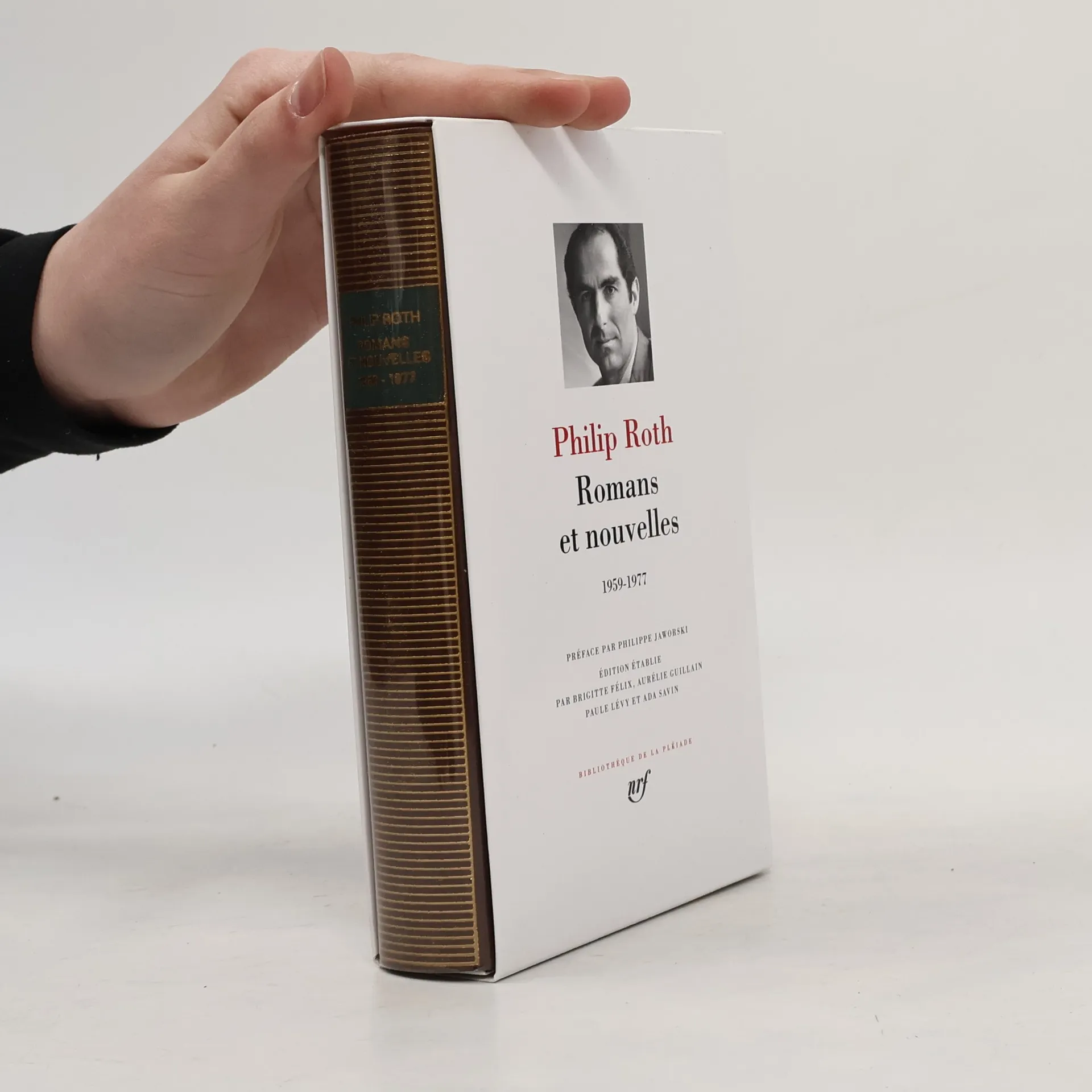
Romans et nouvelles
- 1280 páginas
- 45 horas de lectura
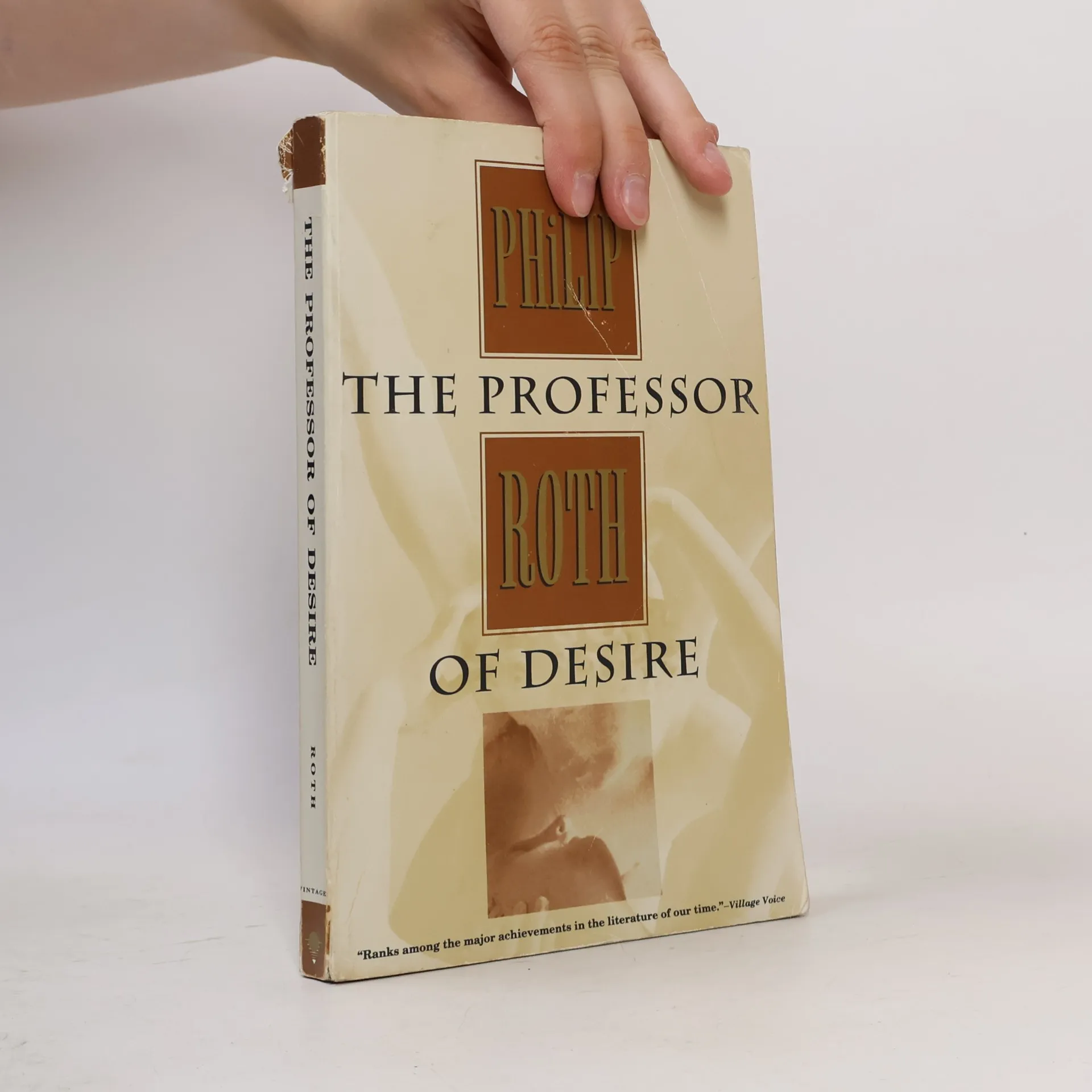
Ce volume réunit plusieurs œuvres emblématiques de Philip Roth, qui s'est progressivement imposé comme l'un des grands auteurs américains. Les cinq livres présentés illustrent sa signature littéraire : une imagination foisonnante, une ironie mordante, et un mélange unique d'oralité et d'élégance. Avec Goodbye, Columbus, publié à vingt-six ans, et la provocante Plainte de Portnoy, Roth provoque des scandales, notamment au sein de la communauté juive. Ce dernier, à travers une chronique familiale et sociale acerbe, mêle un langage audacieux et cru. Le protagoniste, en proie à des voix contradictoires, dialogue avec des figures de son passé, notamment sa mère castratrice et ses maîtresses. Roth introduit ensuite David Kepesh, un professeur dont la transformation en glande mammaire dans Le Sein offre une fable à la fois fantastique et burlesque. Professeur de désir explore sa quête de liberté sexuelle, tandis que Ma vie d'homme suit Nathan Zuckerman, personnage récurrent, tentant de se libérer d'un mariage malheureux. La structure narrative complexe de cette œuvre a été qualifiée de « chef-d'œuvre de baroque », soulignant la relation entre l'auteur et ses personnages. Roth joue habilement avec la fiction, où la réalité de l'écrivain se mêle à celle de ses créations.
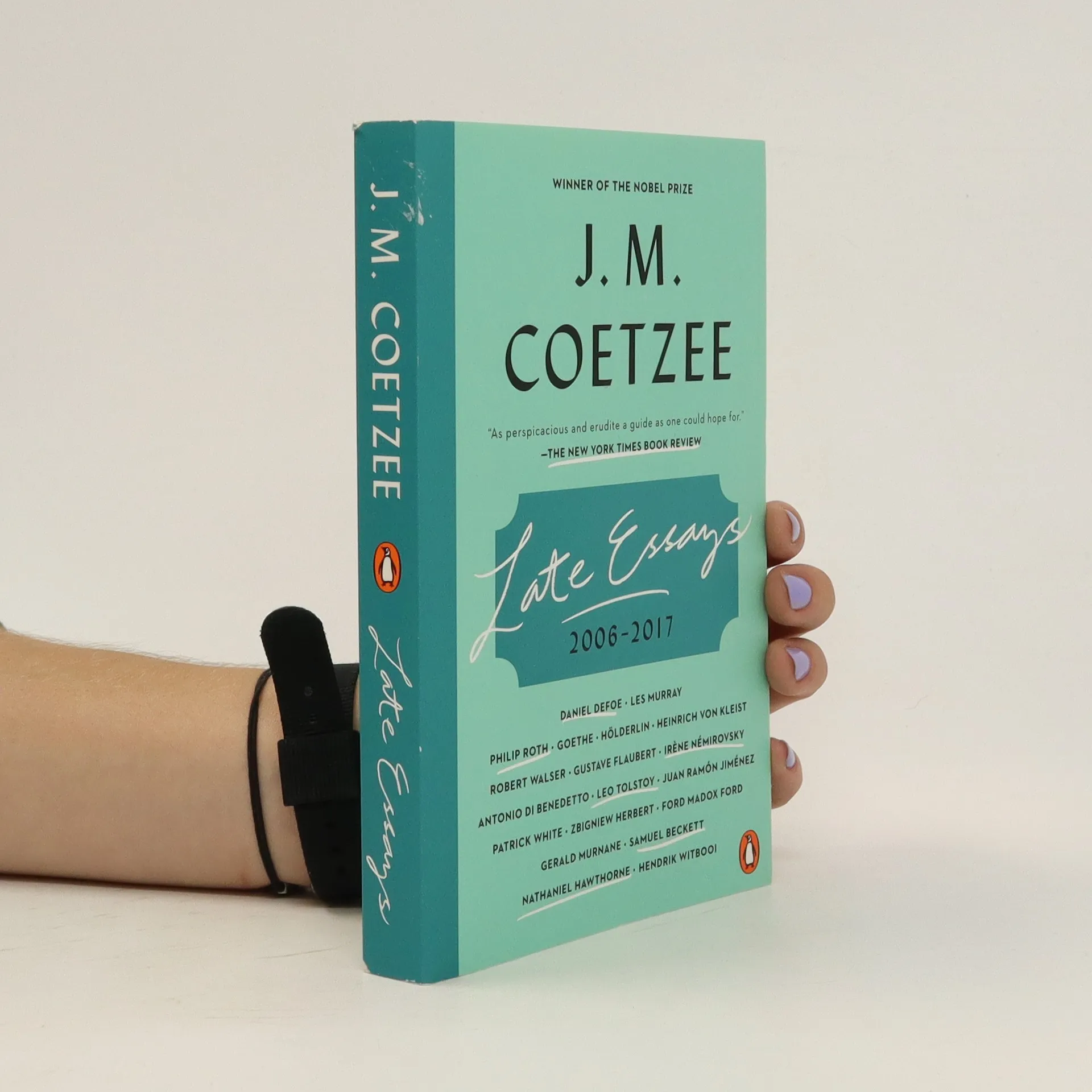
Late Essays, 2006-2017
- 304 páginas
- 11 horas de lectura
A new collection of twenty-three literary essays from the Nobel Prize–winning author. J. M. Coetzee’s latest novel, The Schooldays of Jesus, is now available from Viking. J. M. Coetzee is not only one of the most acclaimed fiction writers in the world, he is also an accomplished and insightful literary critic. In Late Essays: 2006–2016, a thought-provoking collection of twenty-three pieces, he examines the work of some of the world’s greatest writers, from Daniel Defoe in the early eighteenth century to Goethe and Irène Némirovsky to Coetzee’s contemporary Philip Roth. Challenging yet accessible, literary master Coetzee writes these essays with great clarity and precision, offering readers an illuminating and wise analysis of a remarkable list of works of international literature that span three centuries.
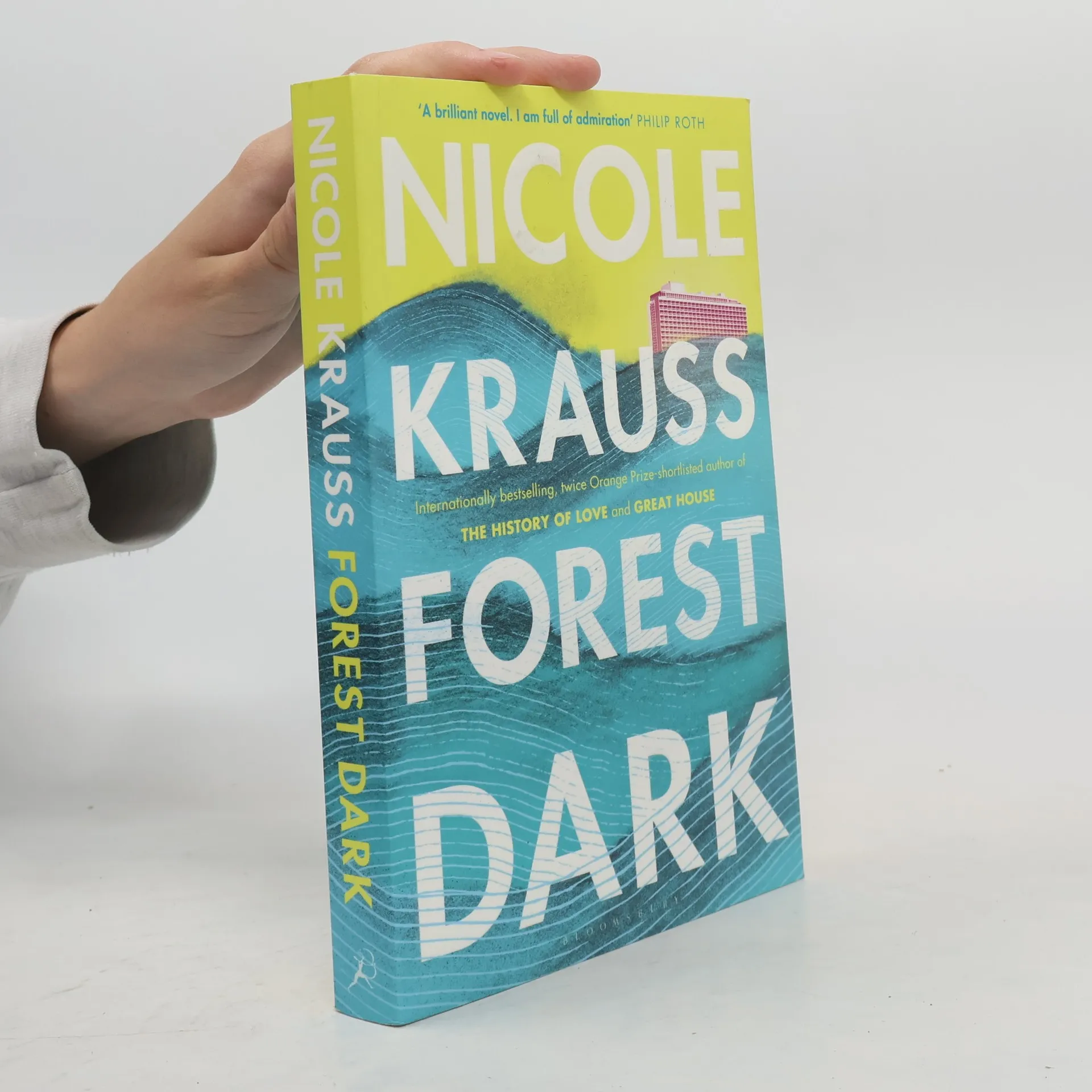
Forest dark
- 290 páginas
- 11 horas de lectura
JULES EPSTEIN IS UNDERGOING A TRANSFORMATION It began in the wake of his parents' death, when he divorced his wife of over thirty-five years, retired from his legal firm, and started rapidly shedding the possessions he'd spent a lifetime accumulating. With the last of his wealth and a nebulous plan, he departs New York for the Tel Aviv Hilton. Meanwhile, a novelist leaves her husband and children behind in Brooklyn and checks in to the same hotel, hoping that the view of the pool she used to swim in on childhood holidays will unlock her writer's block. But when a man claiming to be a retired professor of literature recruits her for a project involving Kafka, she is drwan in to a mystery that will change her life in ways she could never have imagined. Bursting with life and humour, this is a novel of metamorphosis and self-realisation - of looking beyond all that is visible towards the infinite.
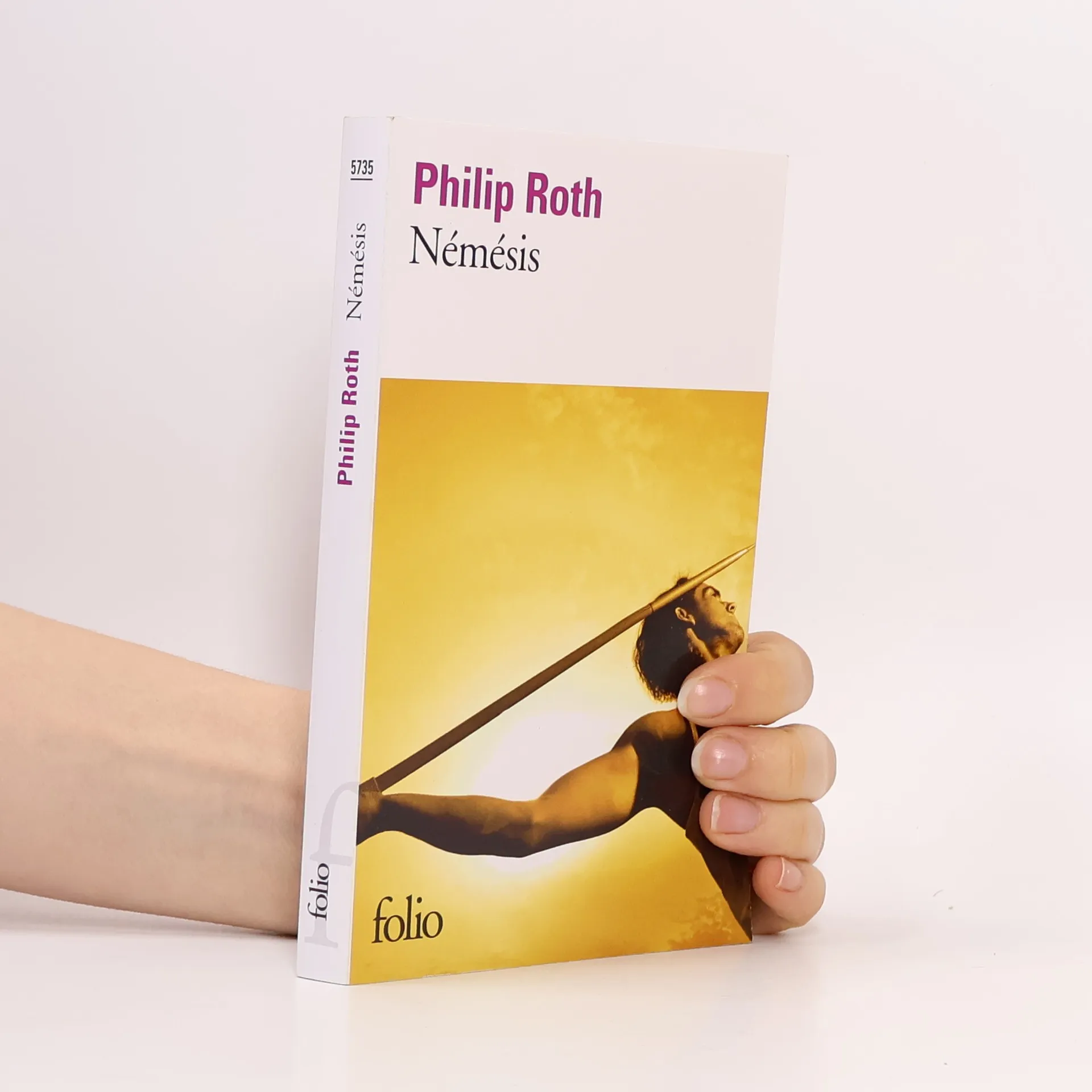
folio: Némésis
- 272 páginas
- 10 horas de lectura
Situé dans les environs de Newark, à l'époque où éclate une terrible épidémie de polio, Némésis décrit avec précision le jeu des circonstances sur nos vies. Pendant l'été 1944, Bucky Cantor, un jeune homme de vingt-trois ans, vigoureux, doté d'un grand sens du devoir, anime et dirige un terrain de jeu. Lanceur de javelot, haltérophile, il a honte de ne pas avoir pris part à la guerre aux côtés de ses contemporains en raison de sa mauvaise vue. Tandis que la maladie provoque des ravages parmi les enfants qui jouent sur le terrain, Roth nous fait sentir chaque parcelle d'émotion que peut susciter une telle calamité : peur, panique, colère, perplexité, souffrance et peine. Des rues de Newark au camp de vacances rudimentaire, haut dans les Poconos, Némésis dépeint avec tendresse le sort réservé aux enfants, le glissement de Cantor dans la tragédie personnelle et les effets terribles que produit une épidémie de polio sur la vie d'une communauté de Newark, étroitement organisée autour de la famille.
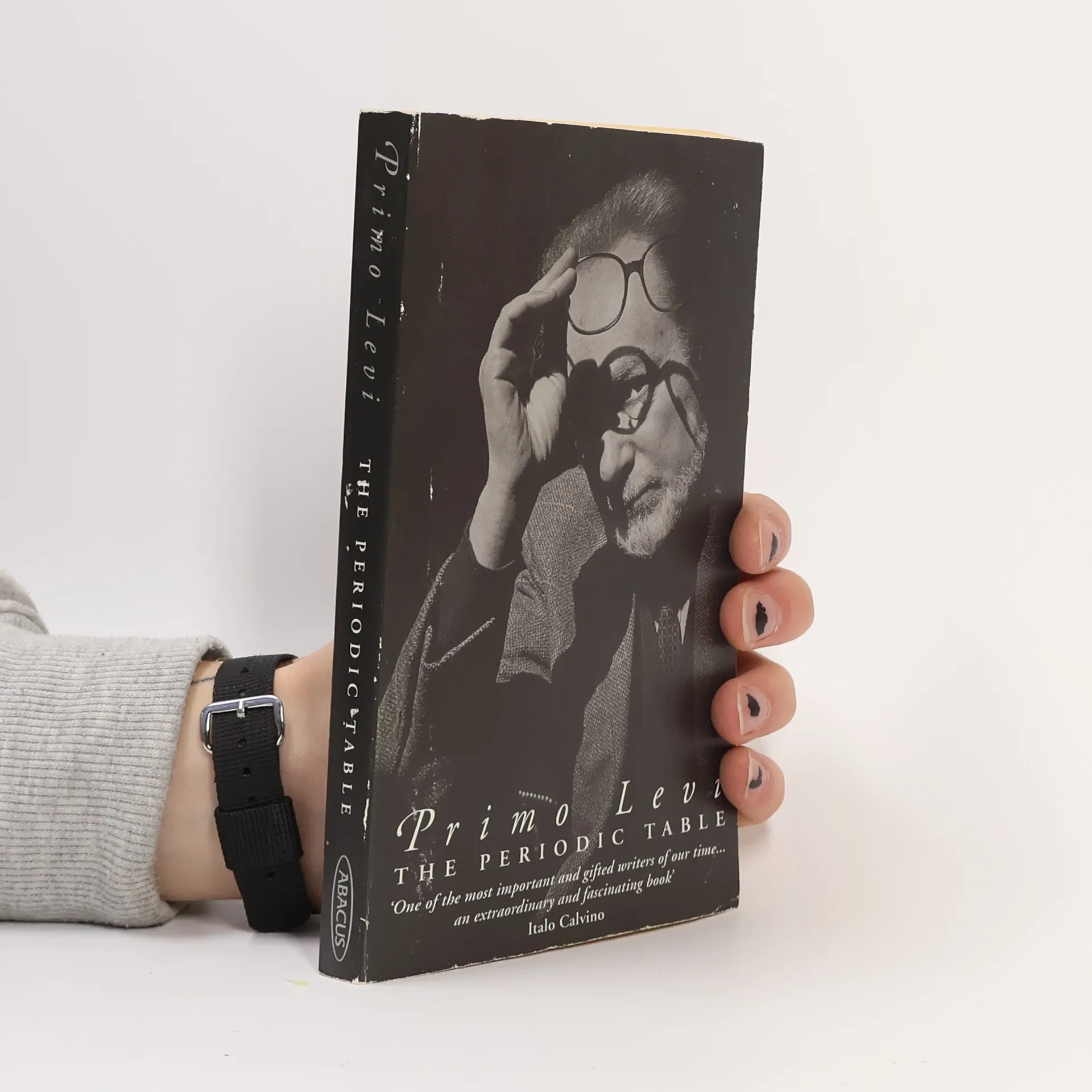
An extraordinary work in which each of the 21 chapters takes its title and starting point from one of the elements in the periodic table. Mingling fact and fiction, history and anecdote, Levi uses his training as a chemist and his experiences as a prisoner in Auschwitz to illuminate the human condition.
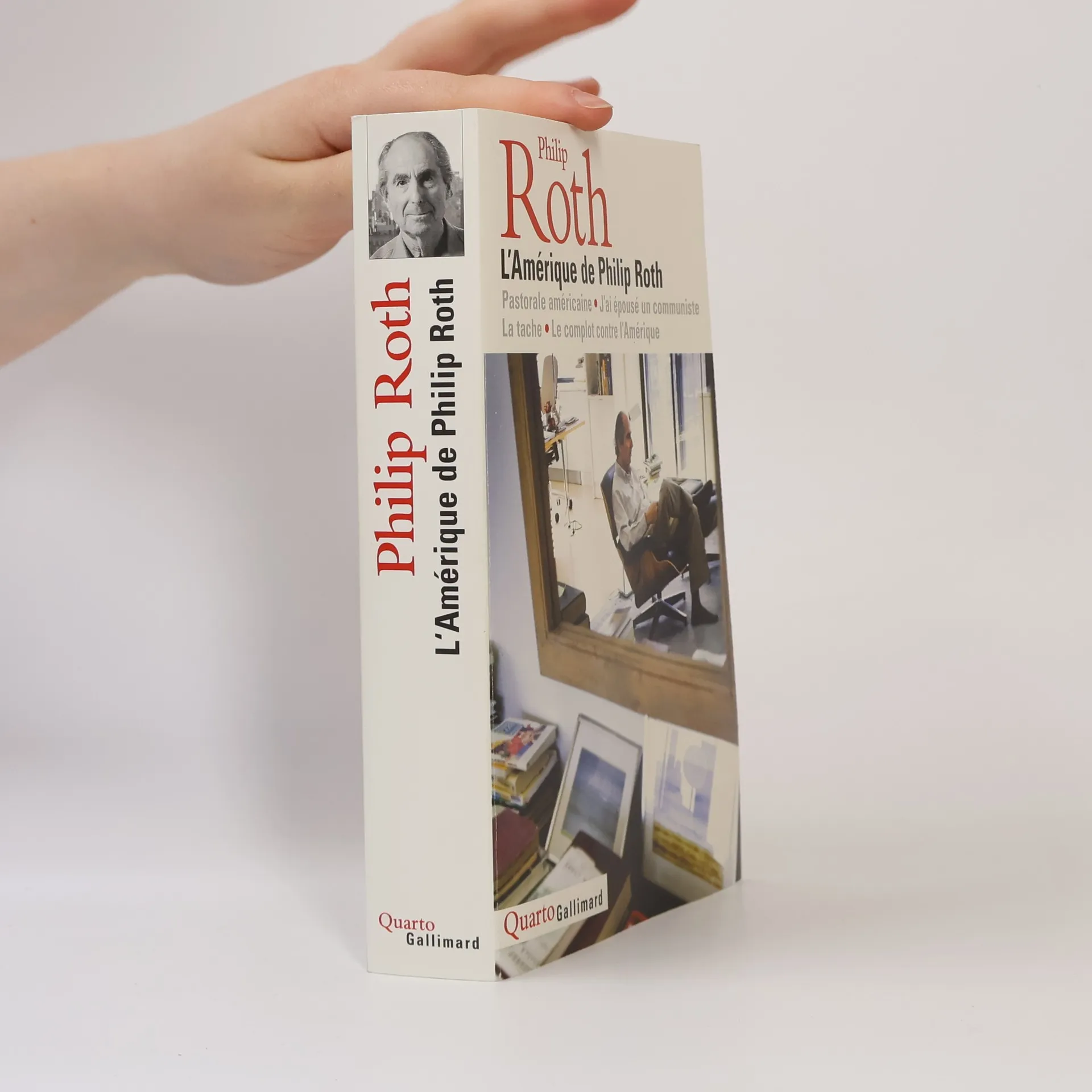
L'Amérique de Philip Roth
- 1152 páginas
- 41 horas de lectura
Ce volume explore cinquante ans d'histoire américaine au sein de la communauté juive de Newark, de l'avant-guerre aux années 1980, à travers une approche non chronologique. L'auteur aborde le mouvement de la contre-culture des années 1960, la guerre froide et la croisade anticommuniste des années 1950, ainsi que le politiquement correct des années 1970-1980. Il imagine également des années 1940 hypothétiques, marquées par la montée du fascisme et de l'antisémitisme aux États-Unis. À travers une critique acerbe de la société américaine, l'auteur analyse les mécanismes d'un individu confronté à l'imprévisible. Les personnages, face à des bouleversements majeurs, voient leurs destins se briser sous l'effondrement des illusions et des certitudes qui soutenaient leurs vies idéales, symboles du rêve américain. Quatre œuvres illustrent l'identité de l'individu pris dans la tyrannie des mythes américains, évoquant un avenir prometteur qui semblait découler d'un passé solide. Chaque génération, en dépassant les limitations des aînés, aspire à jouir pleinement des droits conférés par l'Amérique, à s'émanciper des anciennes obsessions et à vivre sans complexes parmi ses pairs.
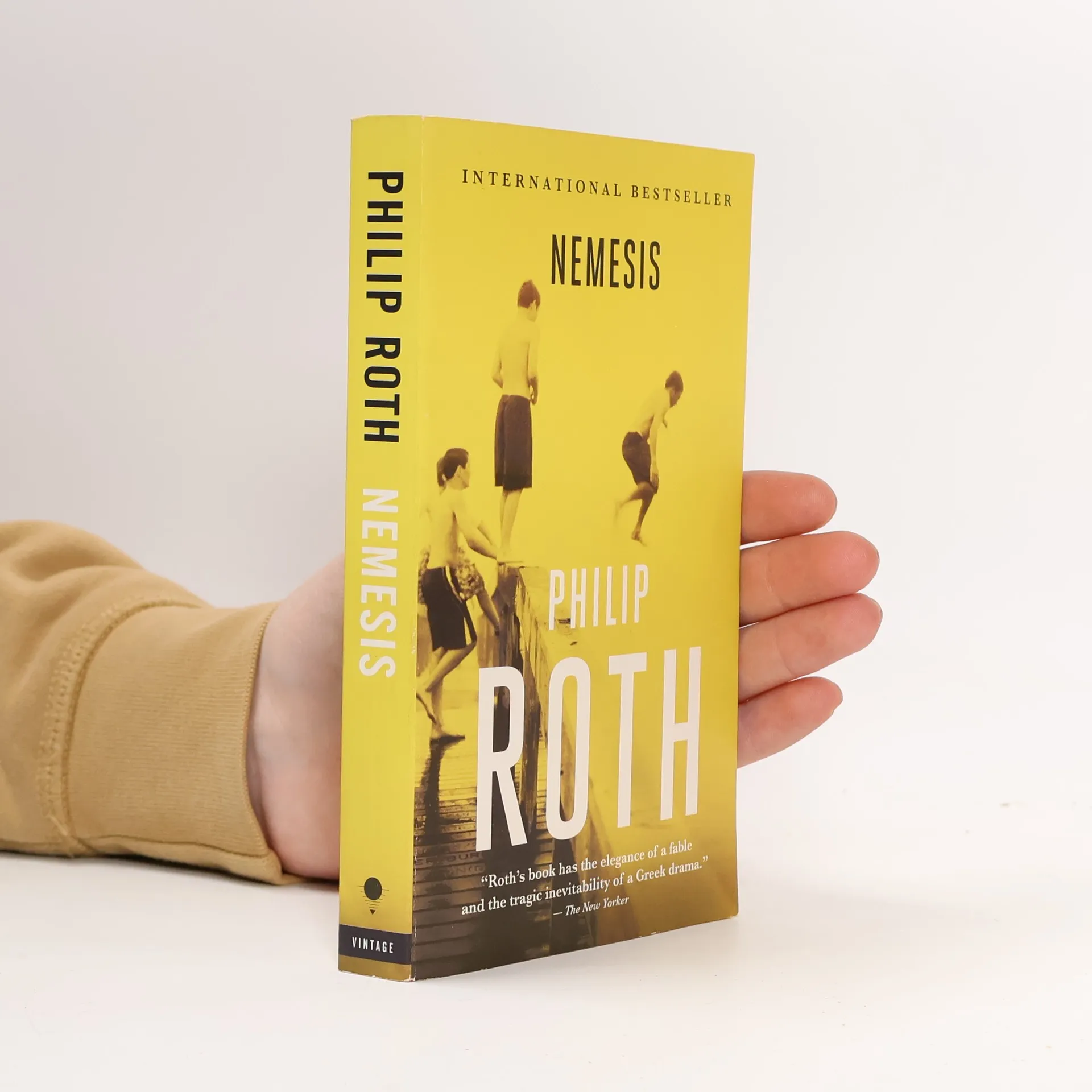
Nemesis, English edition
- 288 páginas
- 11 horas de lectura
Focusing on Cantor's dilemmas as polio begins to ravage his playground - and on the everyday realities he faces - this title leads us through various emotions such a pestilence can breed: the fear, the panic, the anger, the bewilderment, the suffering, and the pain.
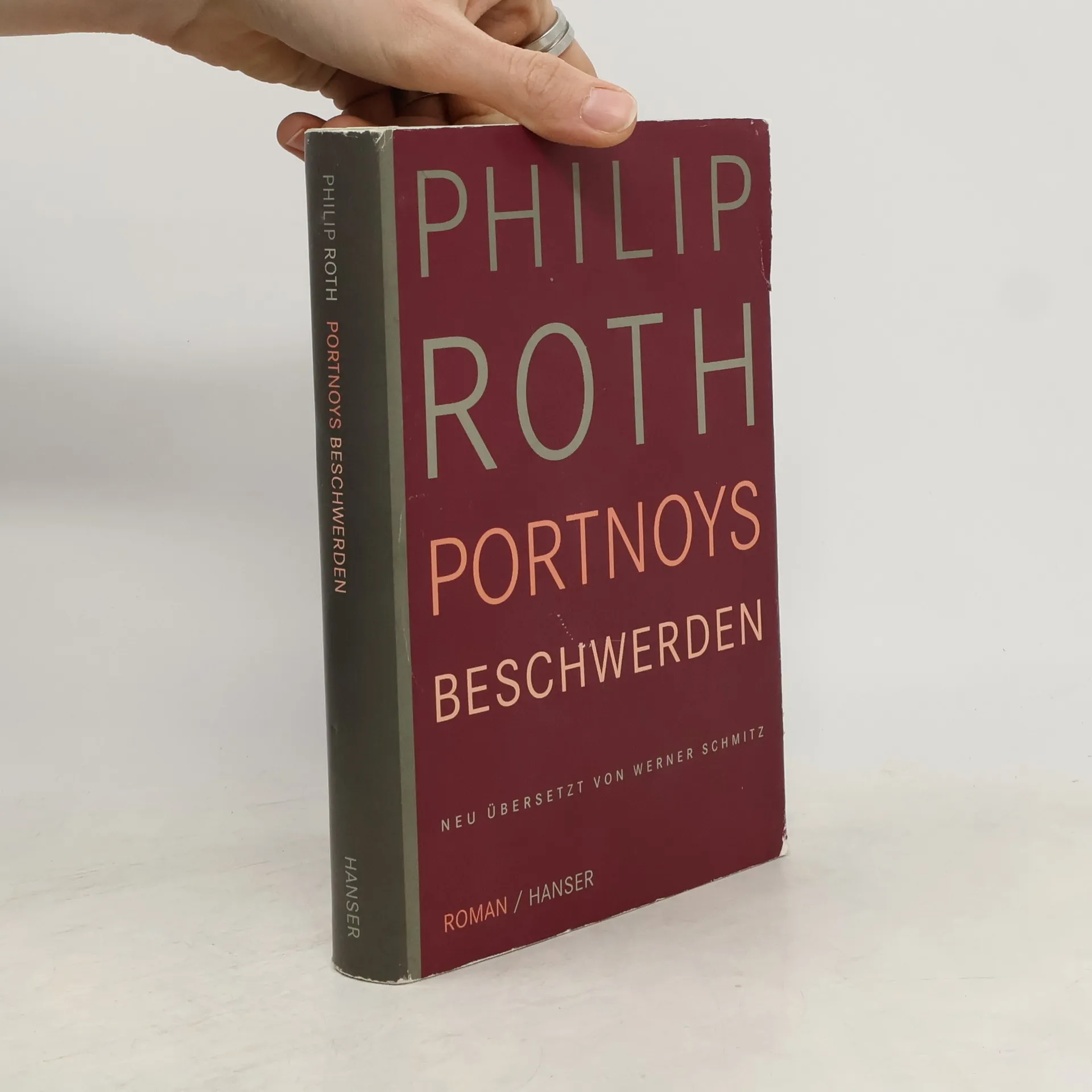
Portnoys Beschwerden: Neu übersetzt von Werner Schmitz
- 285 páginas
- 10 horas de lectura
Er ist Anwalt, 33 und hat nur eines im Kopf: Sex. Ob Alexander Portnoy in der Öffentlichkeit onaniert, es mit einem Stück Leber treibt oder seine Freundin zu einem Dreier nötigt - stets ist er hin- und hergerissen zwischen Begierden, die mit seinem Gewissen unvereinbar sind, und einem Gewissen, das mit seinen Begierden unvereinbar ist. Beim Psychiater lässt er sein verwirrtes Leben Revue passieren. Mit „Portnoys Beschwerden“ hat Philip Roth eine brillante Satire geschrieben und zugleich den Prototyp des Sexualneurotikers erfunden. Vierzig Jahre nach der Erstveröffentlichung hat der Weltbestseller in einer Neuübersetzung nichts von seiner überschäumenden Komik eingebüßt.
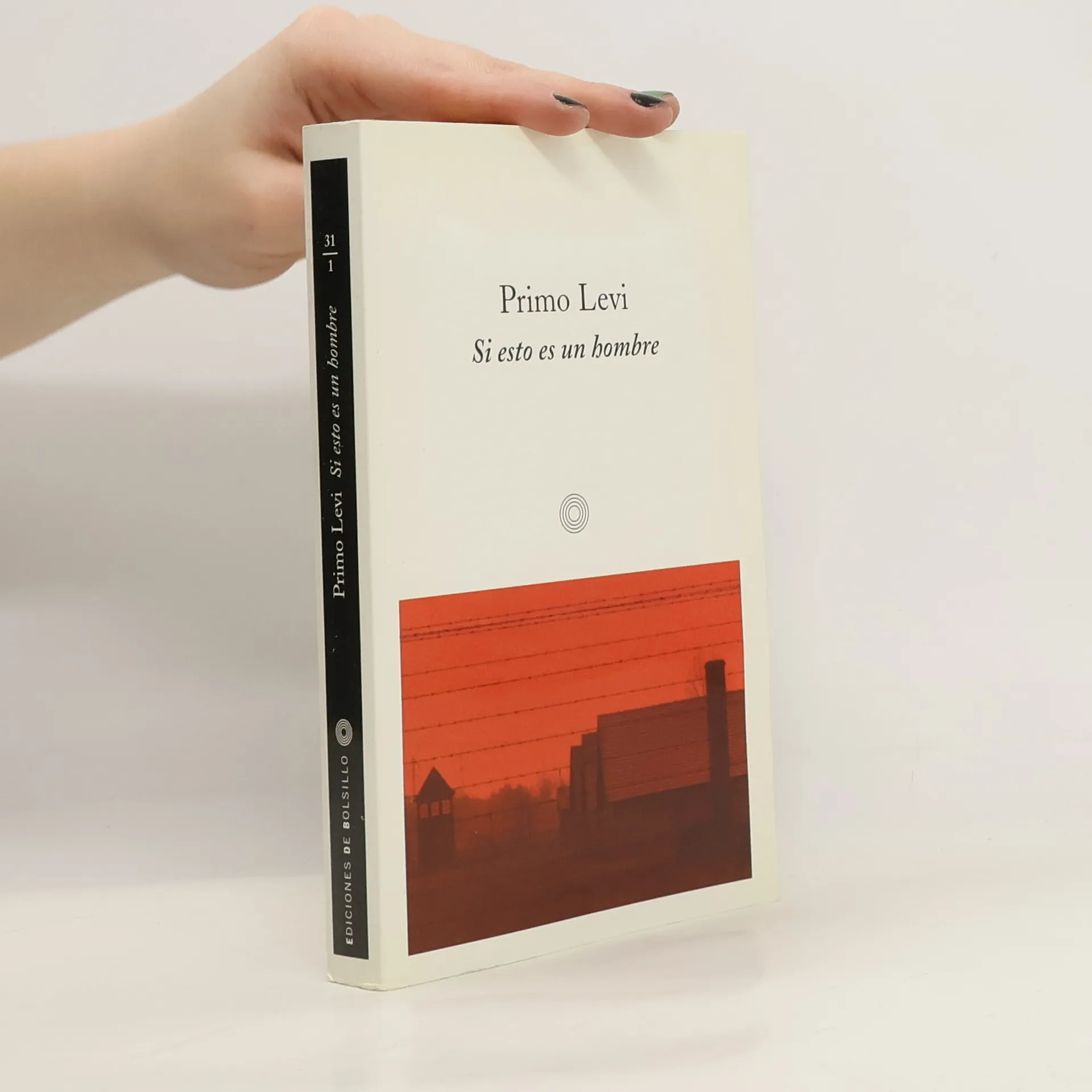
«Tuve la suerte de no ser deportado a Auschwitz hasta 1944, y después de que el gobierno alemán hubiera decidido, a causa de la escasez creciente de mano de obra, prolongar la vida media de los prisioneros que iba a eliminar». Así comienza 'Si esto es un hombre', libro que inaugura la trilogía que Primo Levi dedicó a los campos de exterminio. Crónica del horror cotidiano, el libro describe en el lenguaje mesurado y sobrio del testigo la espera de la nada, la privación cotidiana, el olvido de la condición humana de los prisioneros. Completan la Trilogía de Auschwitz dos obras posteriores: 'La tregua' (1963), relato picaresco de las tribulaciones de un grupo de italianos, liberados de los campos nazis, que recorren durante meses los caminos de Europa central en compañía del Ejército Rojo, y 'Los hundidos y los salvados' (1986), un ensayo en el que Primo Levi trata de comprender, a partir del ejemplo de los campos nazis, las condiciones y circunstancias que permiten la degradación del ser humano.
The Humbling
- 140 páginas
- 5 horas de lectura
Everything is over for Simon Axler, the protagonist of Philip Roth's startling new book. One of the leading American stage actors of his generation, now in his 60s, he has lost his magic, his talent, and his assurance. His Falstaff and Peer Gynt and Vanya, all his great roles, "are melted into air, into thin air". When he goes on stage he feels like a lunatic and looks like an idiot. His confidence in his powers has drained away; he imagines people laughing at him; he can no longer pretend to be someone else. "Something fundamental has vanished." His wife has gone, his audience has left him, his agent can't persuade him to make a comeback. Into this shattering account of inexplicable and terrifying self-evacuation bursts a counterplot of unusual erotic desire, a consolation for the bereft life so risky and aberrant that it points not toward comfort and gratification but to a yet darker and more shocking end. In this long day's journey into night, told with Roth's inimitable urgency, bravura, and gravity, all the ways that we persuade ourselves of our solidity, all our life's performances - talent, love, sex, hope, energy, reputation - are stripped off. Following the dark meditations on mortality and endings in Everyman and Exit Ghost, and the bitterly ironic retrospective on youth and chance in Indignation, Roth has written another in his haunting group of late novels.
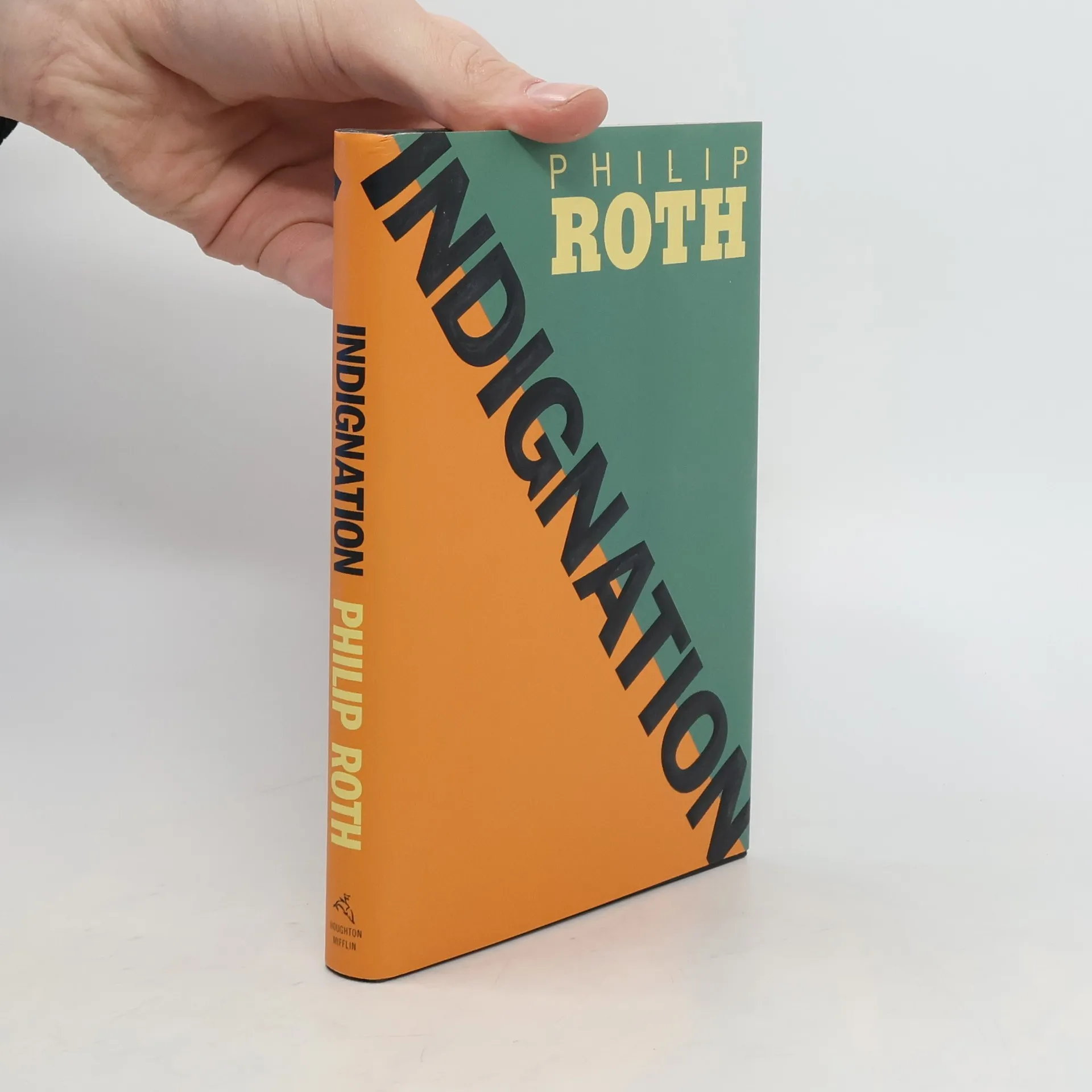
Indignation
- 233 páginas
- 9 horas de lectura
What impact can American history have on the life of the vulnerable individual? It is 1951 in America, the second year of the Korean War. A studious, law-abiding, intense youngster from Newark, New Jersey, Marcus Messner, is beginning his sophomore year on the pastoral, conservative campus of Ohio's Winesburg College. And why is he there and not at the local college in Newark where he originally enrolled? Because his father, the sturdy, hard-working neighborhood butcher, seems to have gone mad--mad with fear and apprehension of the dangers of adult life, the dangers of the world, the dangers he sees in every corner for his beloved boy. As the long-suffering, desperately harassed mother tells her son, the father's fear arises from love and pride. Perhaps, but it produces too much anger in Marcus for him to endure living with his parents any longer. He leaves them and, far from Newark, in the midwestern college, has to find his way amid the customs and constrictions of another American world.--From publisher's description.
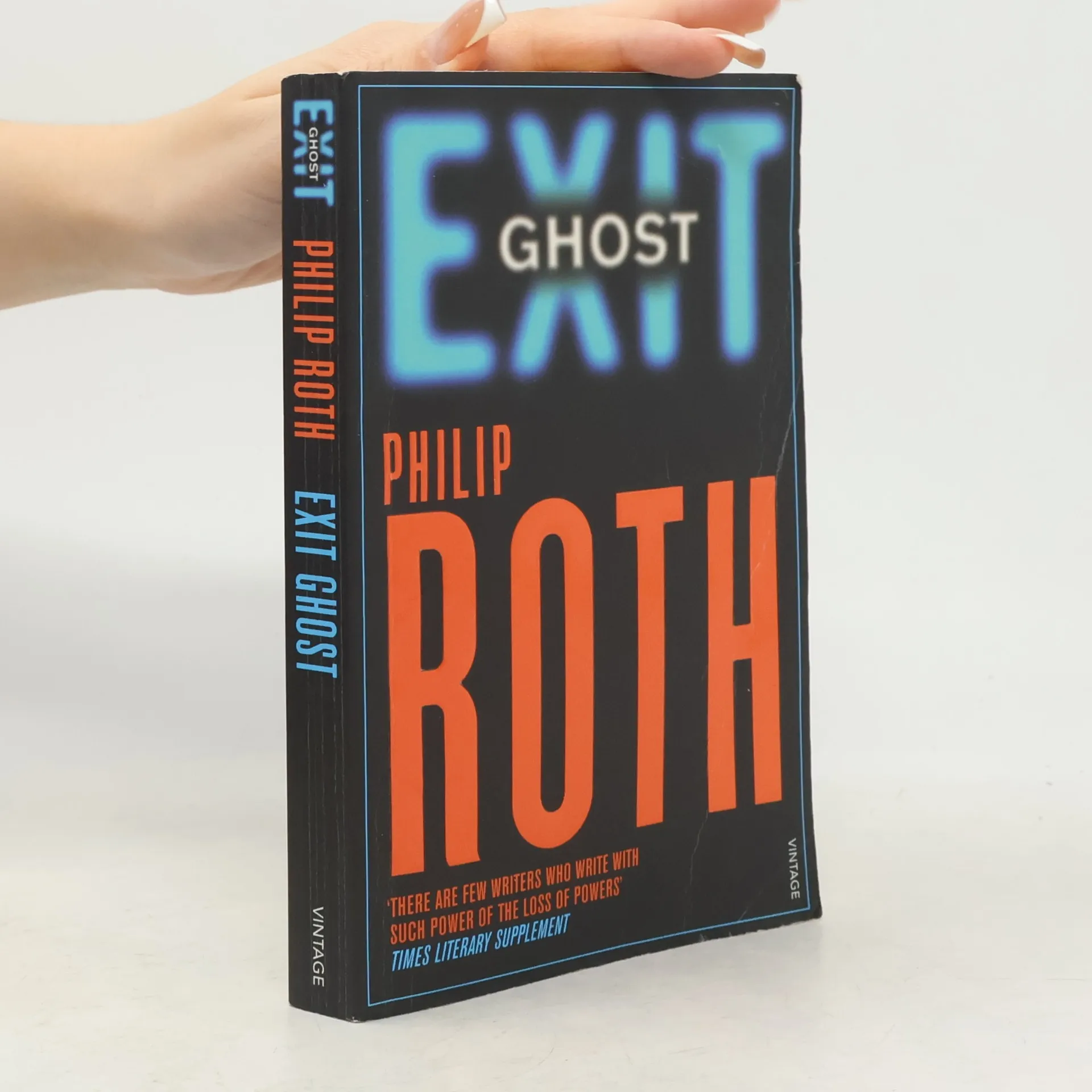
Exit Ghost
- 304 páginas
- 11 horas de lectura
Returning to his hometown to find that all has changed, Nathan Zuckerman - incontinent and impotent - comes back to New York, the city he left eleven years before.
Two rival businessmen meet in the Warsaw train station. "Where are you going?" says the first man."To Minsk," says the second."To Minsk, eh? What a nerve you have! I know you're telling me you're going to Minsk because you want me to think that you're really going to Pinsk. But it so happens that I know you really are going to Minsk. So why are you lying to me?"Four men are walking in the desert.The German says, "I'm tired and thirsty. I must have a beer."The Italian says, "I'm tired and thirsty. I must have wine."The Mexican says, "I'm tired and thirsty.I must have tequila."The Jew says, "I'm tired and thirsty. I must have diabetes."
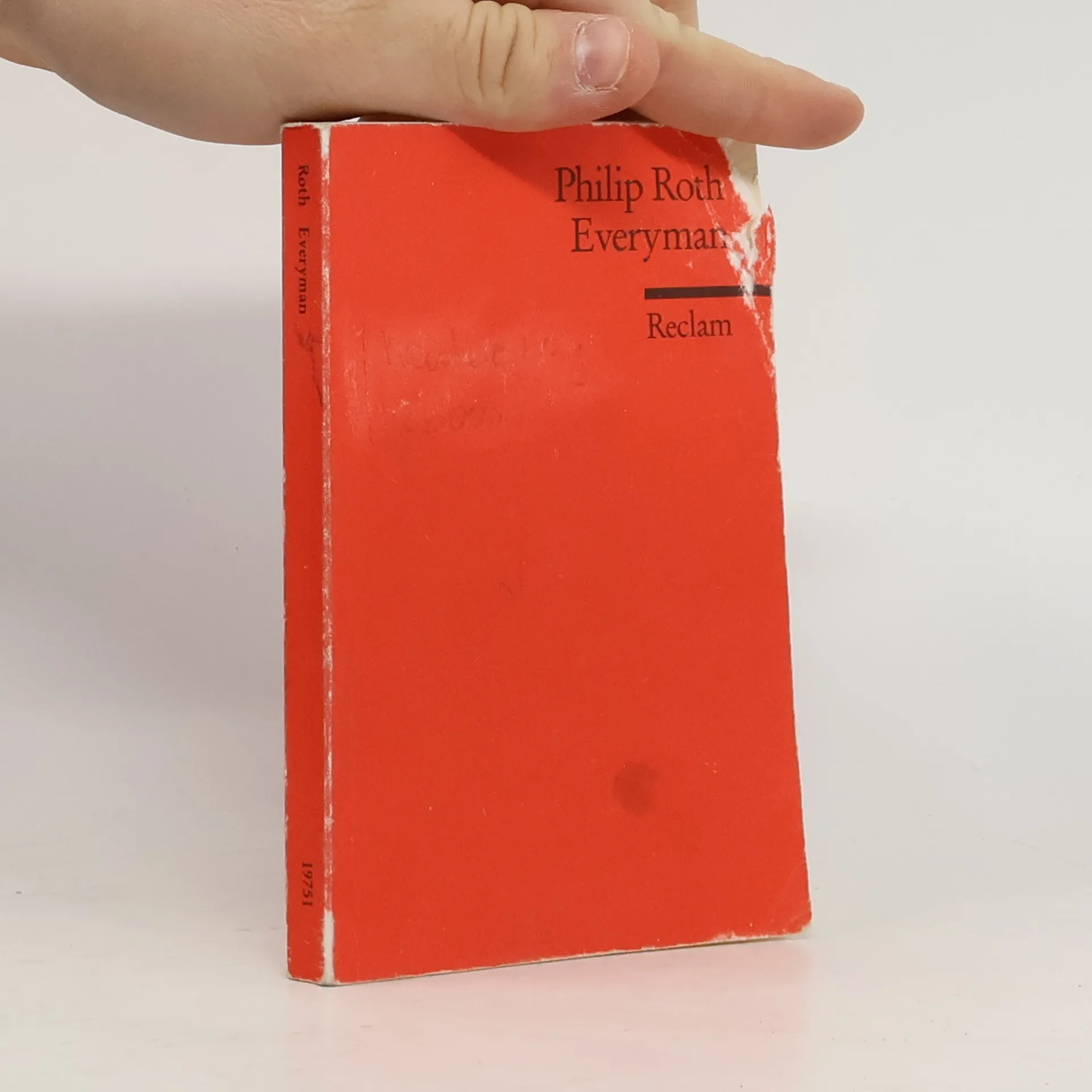
Everyman
- 205 páginas
- 8 horas de lectura
There is no more decorated American writer living today than Philip Roth, the New York Times best-selling author of American Pastoral, The Human Stain, and The Plot Against America. He has won a Pulitzer Prize, two National Book Awards, two National Book Critics Circle Awards, two PEN/Faulkner Awards, and numerous other distinctions. The hero of Everyman is obsessed with mortality. As he reminds himself at one point, "I'm 34! Worry about oblivion when you're 75." But he cannot help himself. He is the ex-husband in three marriages gone wrong. He is the father of two sons who detest him, despite a daughter who adores him. And as his health worsens, he is the envious brother of a much fitter man. A masterful portrait of one man's inner struggles, Everyman is a brilliant showcase for one of the world's most distinguished novelists.
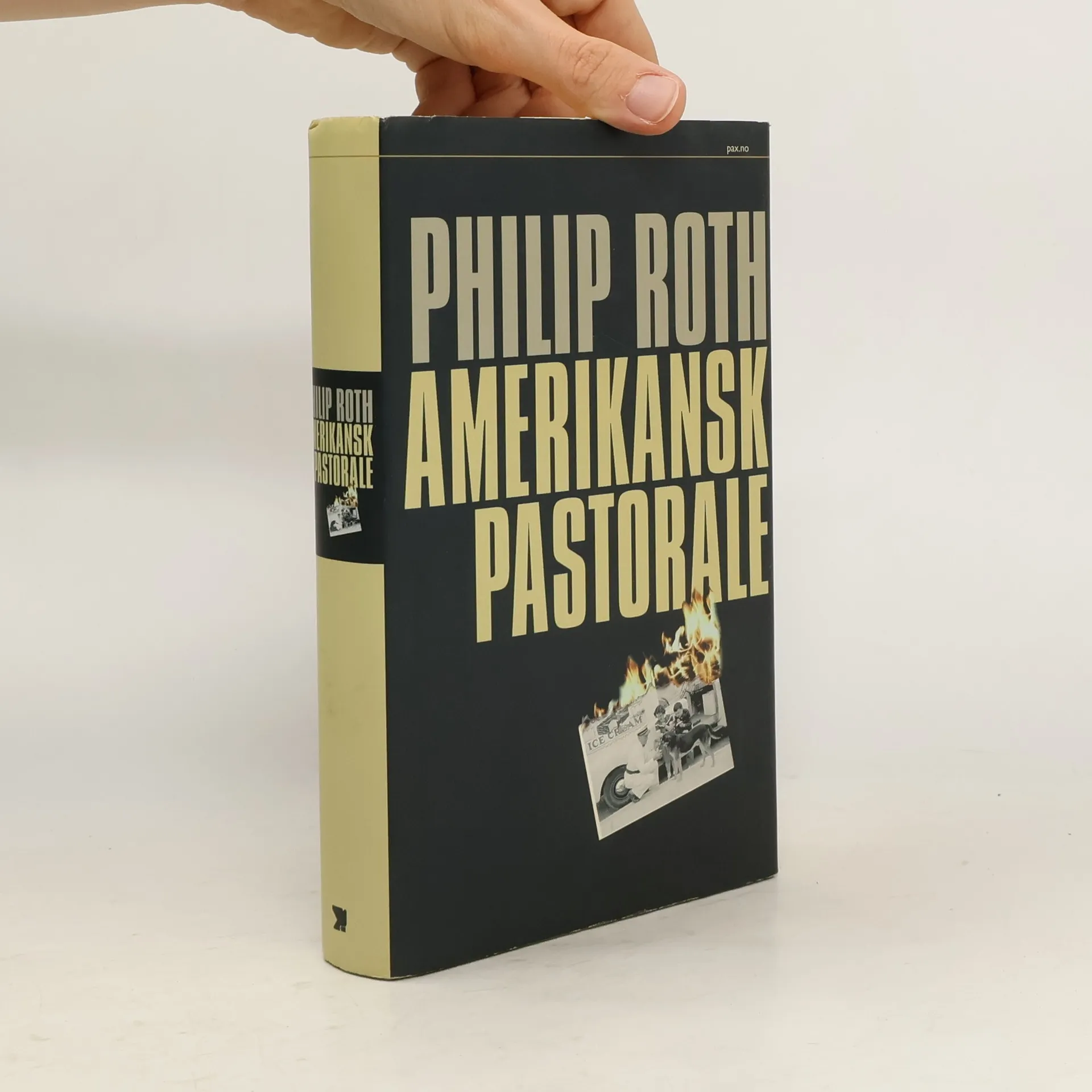
Amerikansk pastorale
- 421 páginas
- 15 horas de lectura
Philip Roth forteller her historien til Seymore Levov. Ved første øyekast framstår han som en ekte amerikansk suksesshistorie. Han var berømt idrettshelt som ung, giftet seg med en tidligere Miss New Jersey, overtar farens hanskefabrikk, og kjøper seg et stort, idyllisk hus på landet. I 1968 tar Seymores amerikanske drøm brått slutt. Datteren Merry utløser en bombe som tar livet av en uskyldig mann. Seymore er revet mellom farens moralske absolutter og datterens sinte avvisninger, og framstår som en ganske alminnelig mann som helt uventet befinner seg i en vanskelig situasjon. "Amerikansk pastorale" inngår i samme trilogi som "Menneskemerket" (2005).
Volume 2 in what will be the definitive 8-volume collector's edition of Philip Roth's fiction includes Portnoy's Complaint, Our Gang, When She Was Good, and The Breast
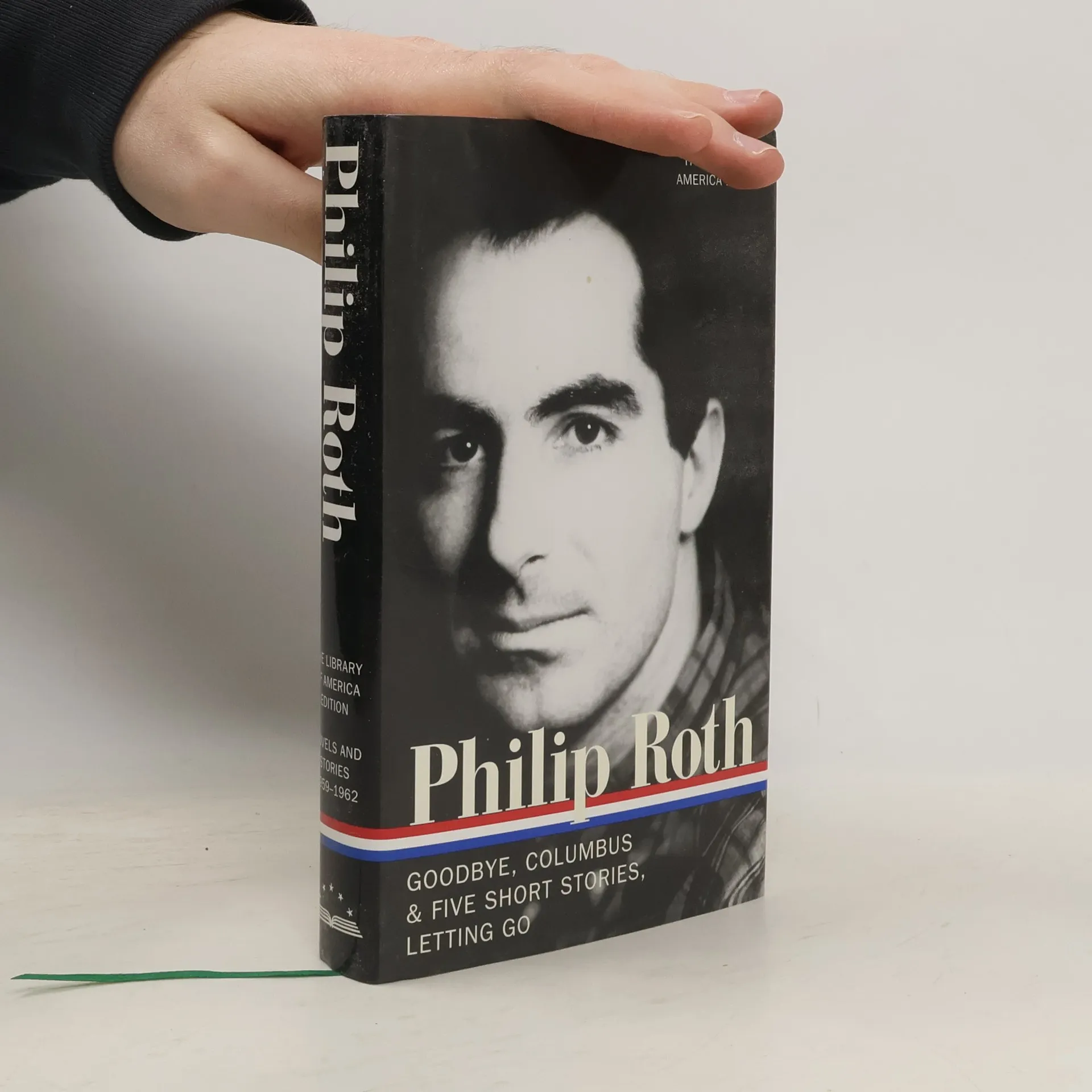
Novels & stories, 1959-1962. Goodbye, Columbus & Five Short Stories, Letting Go
- 913 páginas
- 32 horas de lectura
"The title novella, Goodbye, Columbus, the story of a summer romance between a poor young man from Newark and a rich Radcliffe co-ed, is both a tightly wrought tale of youthful desire and a satiric gem that takes aim at the comfortable affluence of the postwar boom. Here and in the stories that accompany it, including "The Conversion of the Jews" and "Defender of the Faith," Roth depicts Jewish lives in 1950s America with an unflinching sharpness of observation." In Letting Go, a sprawling novel set largely against the backdrop of Chicago in the 1950s, Roth portrays the moral dilemmas of young people cast precipitously into adulthood, and in the process describes a skein of social and family responsibilities as they are brought into focus by issues of marriage, abortion, adoption, friendship, and career. The novel's expansiveness provides a wide scope for Roth's gift for vivid characterization, and in his protagonist Gabe Wallach he creates a nuanced portrait of a responsive young academic whose sense of morality draws him into the ordeals of others with unforeseen consequences.Library of America #157
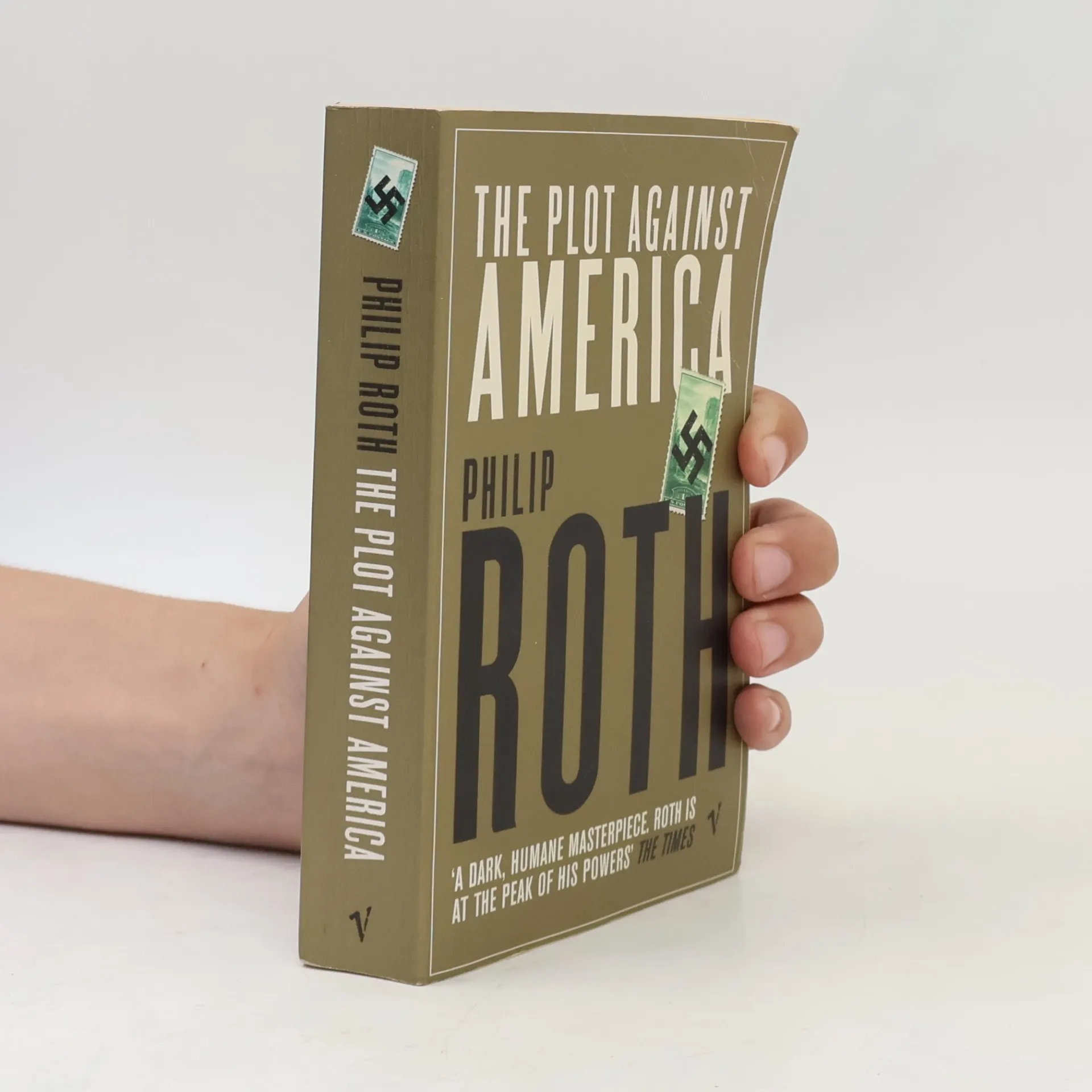
When The Renowned Aviation Hero And Rabid Isolationist Charles A. Lindbergh Defeated Franklin Roosevelt By A Landslide In The 1940 Presidential Election, Fear Invaded Every Jewish Household In America. Not Only Had Lindbergh Publicly Blamed The Jews For Pushing America Toward A Pointless War With Nazi Germany, But Upon Taking Office As The Thirty-Third President Of The United States, He Negotiated A Cordial 'Understanding' With Adolf Hitler. What Then Followed In America Is The Historical Setting For This Startling New Book By Pulitzer Prize-Winner Philip Roth, Who Recounts What It Was Like For His Newark Family - And For A Million Such Families All Over The Country - During The Menacing Years Of The Lindbergh Presidency, When American Citizens Who Happened To Be Jews Had Every Reason To Expect The Worst.
Verslag van de ziektegeschiedenis en het aftakelingsproces van de 86-jarige vader van de auteur.
Short cuts
- 174 páginas
- 7 horas de lectura
Het leven van een bejaard universitair docent wordt door een onterechte beschuldiging van racisme verwoest, wat des te pijnlijker is omdat hijzelf altijd heeft gezwegen over het feit dat hij een neger is.
In Philip Roth's intimate intellectual encounters with an international and diverse cast of writers, they explore the importance of region, politics and history in their work and trace the imaginative path by which a writer's highly individualized art is informed by the wider conditions of life. With Primo Levi, Roth discusses the stubborn core of rationality that helped the Italian chemist-writer survive the demented laboratory of Auschwitz. With Milan Kundera, he analyzes the mix of politics and sexuality that made him the most subversive writer in communist Czechoslovakia. With Edna O'Brien, he explores the circumstances that have forced generations of Irish writers into exile. Elsewhere Roth offers appreciative portraits of two friends--the writer Bernard Malamud and the painter Philip Guston--at the end of their careers, and gives us a masterful assessment of the work of Saul Bellow. Intimate, charming, and crackling with ideas about the interplay between imagination and the writer's historical situation, Shop Talk is a literary symposium of the highest level, presided over by America's foremost novelist.
El animal moribundo
- 176 páginas
- 7 horas de lectura
Desde que la revolución de los sesenta lo liberó de sus ataduras familiares, David Kepesh, profesor universitario, un hombre seductor, inteligente y culto, ha vivido sin compromisos. Y tiene una rica fuente para sus conquistas dentro de sus propias clases. A sus setenta años, confiesa una de sus últimas experiencias sentimentales: la que mantuvo con Consuelo Castillo, una joven cubana, casi cincuenta años más joven que él, que le enfrentó con las claves de su vida. Philip Roth, sin duda uno de los más importantes narradores de la literatura norteamericana actual, ha escrito una novela en la que brillan el talento, la sensibilidad y la agudeza.
Set in 1998, with the backdrop of the impeachment of a president, this book shows us an America where conflicting moralities and ideological divisions result in public denunciations and houndings, and where innocence is not always a good enough excuse.
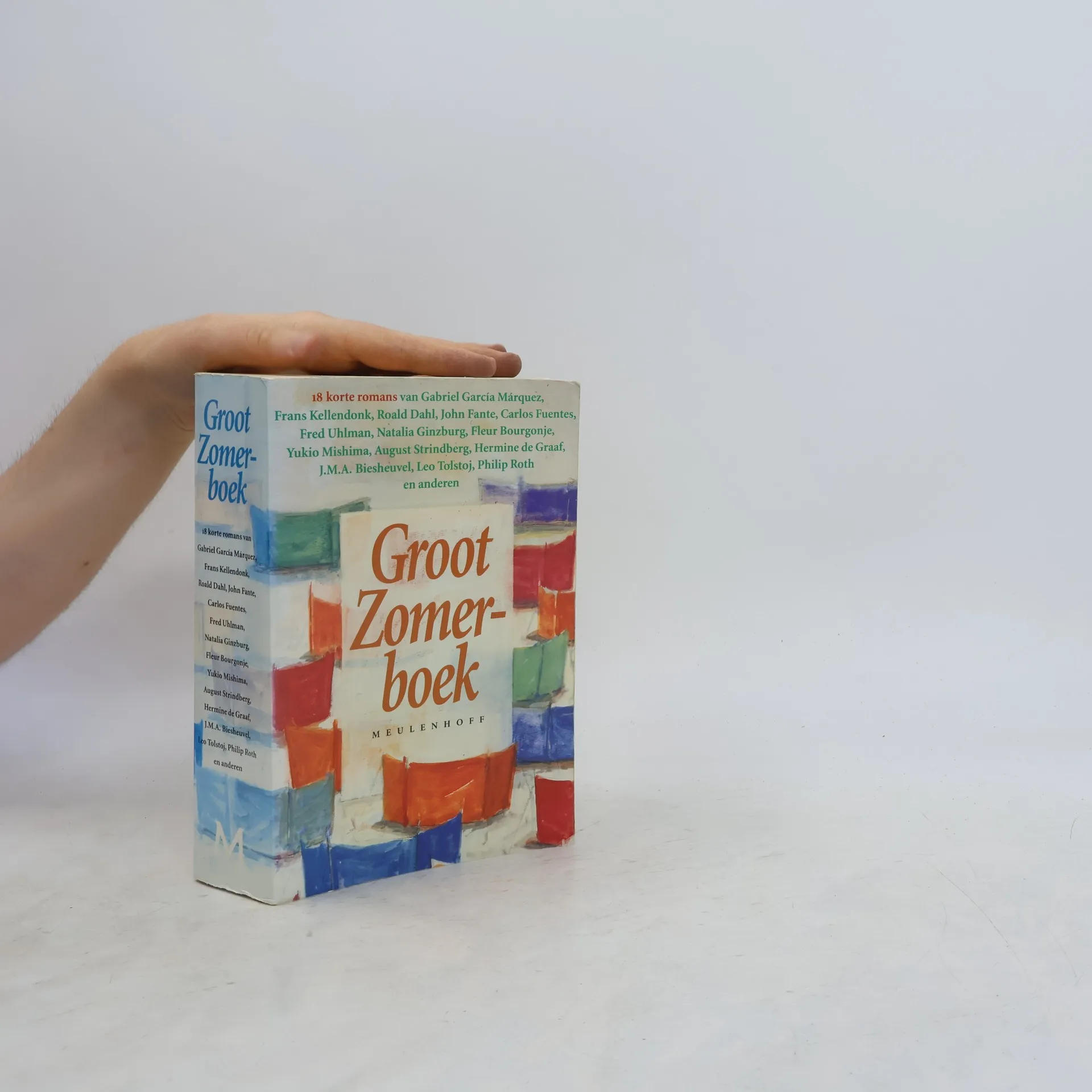
Groot zomerboek
18 korte romans van Gabriel Garcia Márquez, Frans Kellendonk, Roald Dahl, John Fante, Carlos Fuentes, Fred Uhlman, Natalia Ginzburg, Fleur Bourgonje, Yukio Mishima, August Strindberg, Hermine de Graaf, J.M.A. Biesheuvel, Leo Tolstoj, Philip Roth en anderen
- 1229 páginas
- 44 horas de lectura
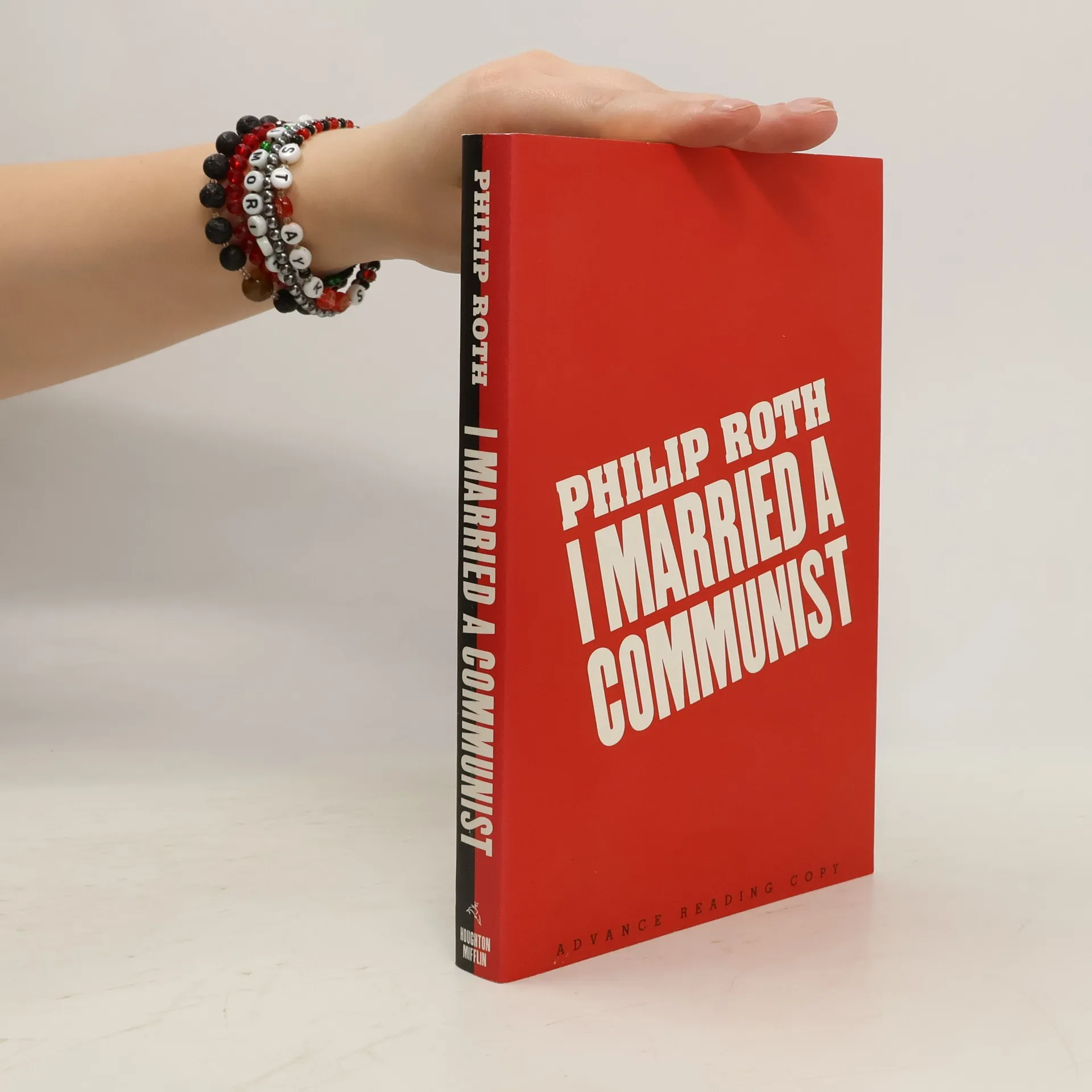
Radio actor Iron Rinn (born Ira Ringold) is a big Newark roughneck blighted by a brutal personal secret from which he is perpetually in flight. An idealistic Communist, a self-educated ditchdigger turned popular performer, a six-foot six-inch Abe Lincoln look-alike, he marries the nation's reigning radio actress and beloved silent-film star, the exquisite Eve Frame (born Chava Fromkin). Their marriage evolves from a glamorous, romantic idyll into a dispiriting soap opera of tears and treachery. And with Eve's dramatic revelation to the gossip columnist Bryden Grant of her husband's life of "espionage" for the Soviet Union, the relationship enlarges from private drama into national scandal. Set in the heart of the McCarthy era, the story of Iron Rinn's denunciation and disgrace brings to harrowing life the human drama that was central to the nation's political tribulations in the dark years of betrayal, the blacklist, and naming names. I Married a Communist is an American tragedy as only Philip Roth could write it.
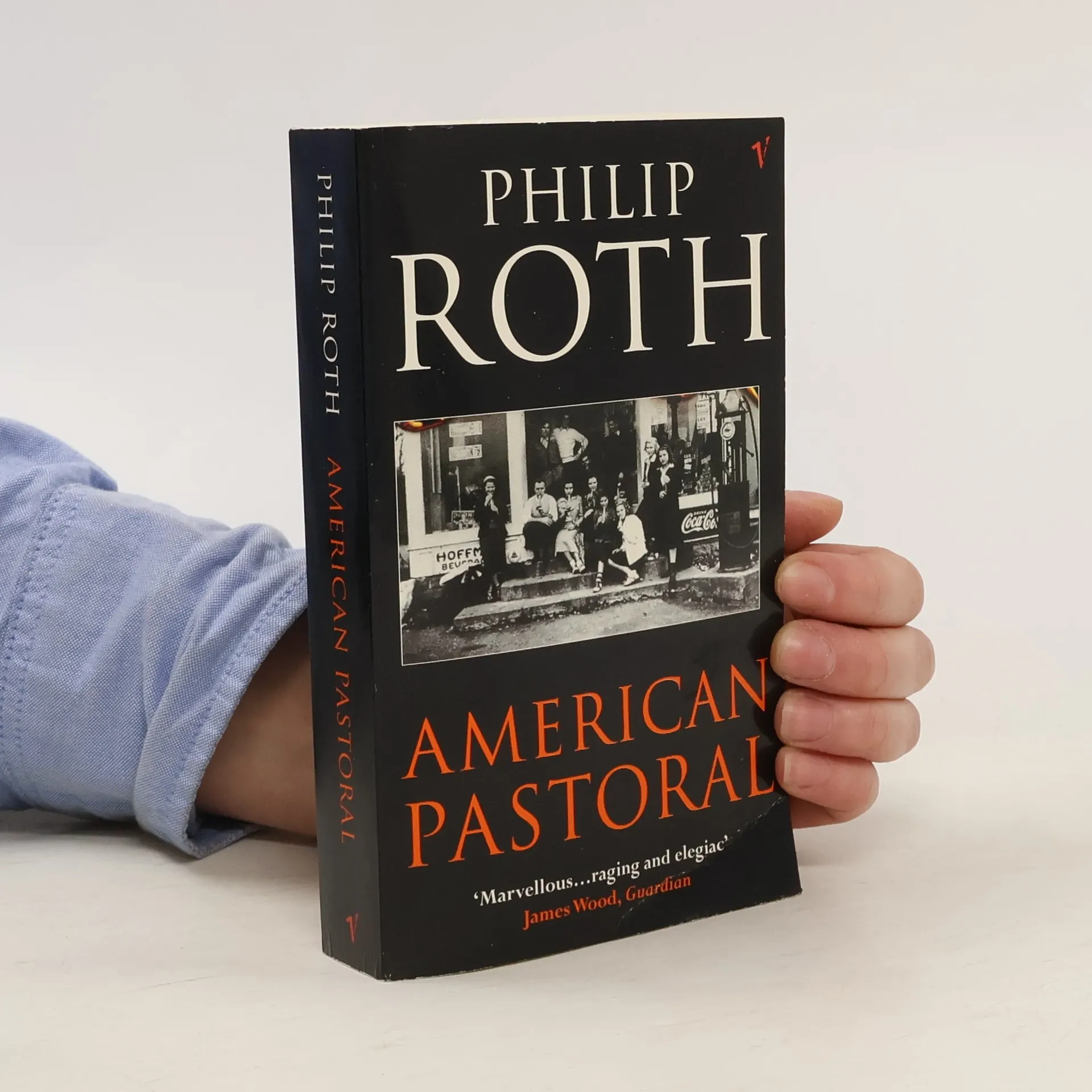
American pastoral
- 500 páginas
- 18 horas de lectura
The tragic impact of the Vietnam War on a relationship between father and daughter. The father is an upstanding individual who believes in the American Dream, but his daughter has a different dream, to get America out of Vietnam and she kills innocent people to achieve it. For the father it is the end of the world, he has lost his daughter. By the author of Sabbath's Theater
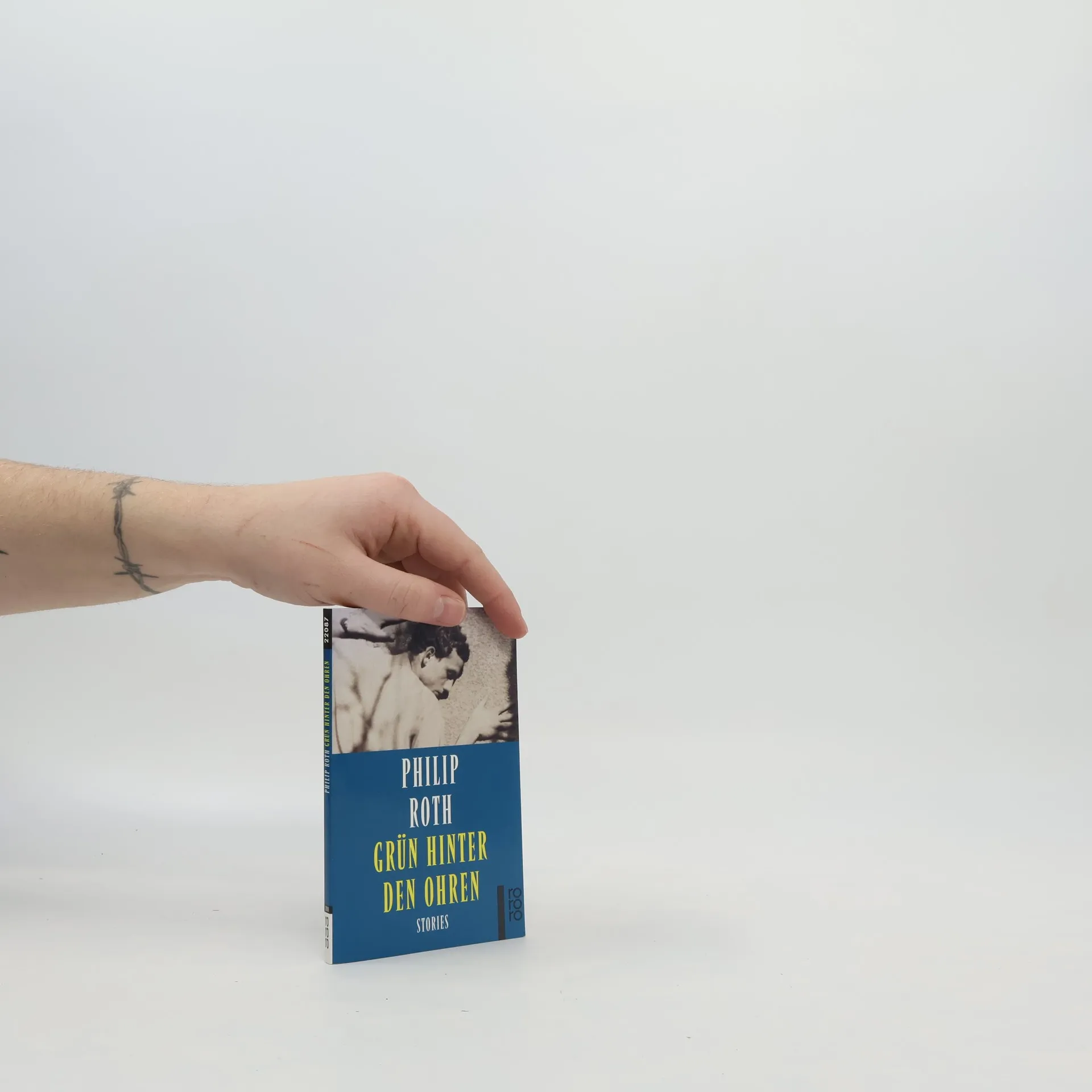
Grün hinter den Ohren
- 123 páginas
- 5 horas de lectura
Ein kleiner Band mit zwei Erzählungen und einer kurzen Rede Philip Roths anläßlich eines Preises, den er erhielt, entnommen sind die Erzählungen anderen Büchern, herausgegeben wurde diese Zusammenstellung im Rahmen der Reihe "50 Jahre Rowohlt Rotations Romane".
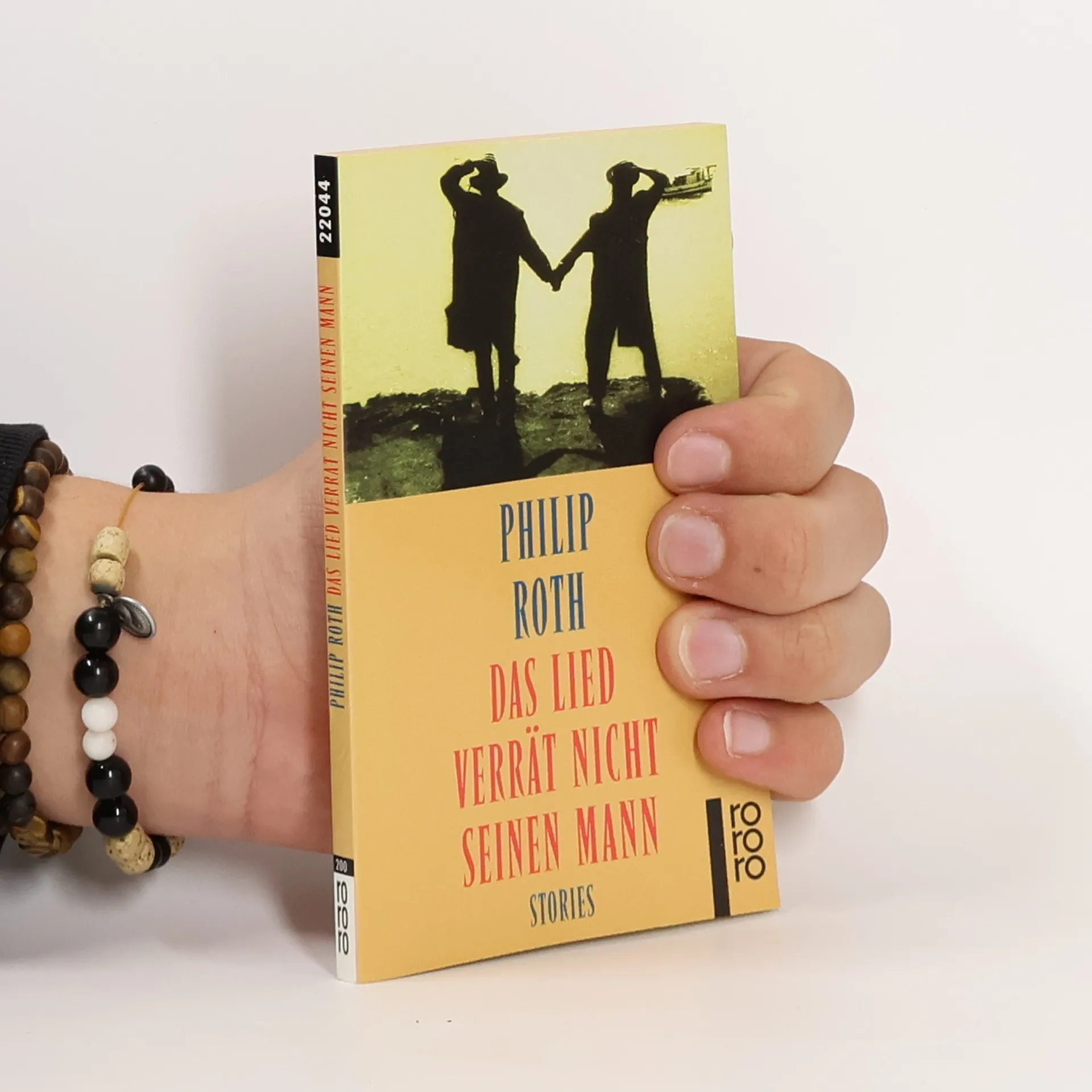
Das Lied verrät nicht seinen Mann
- 126 páginas
- 5 horas de lectura
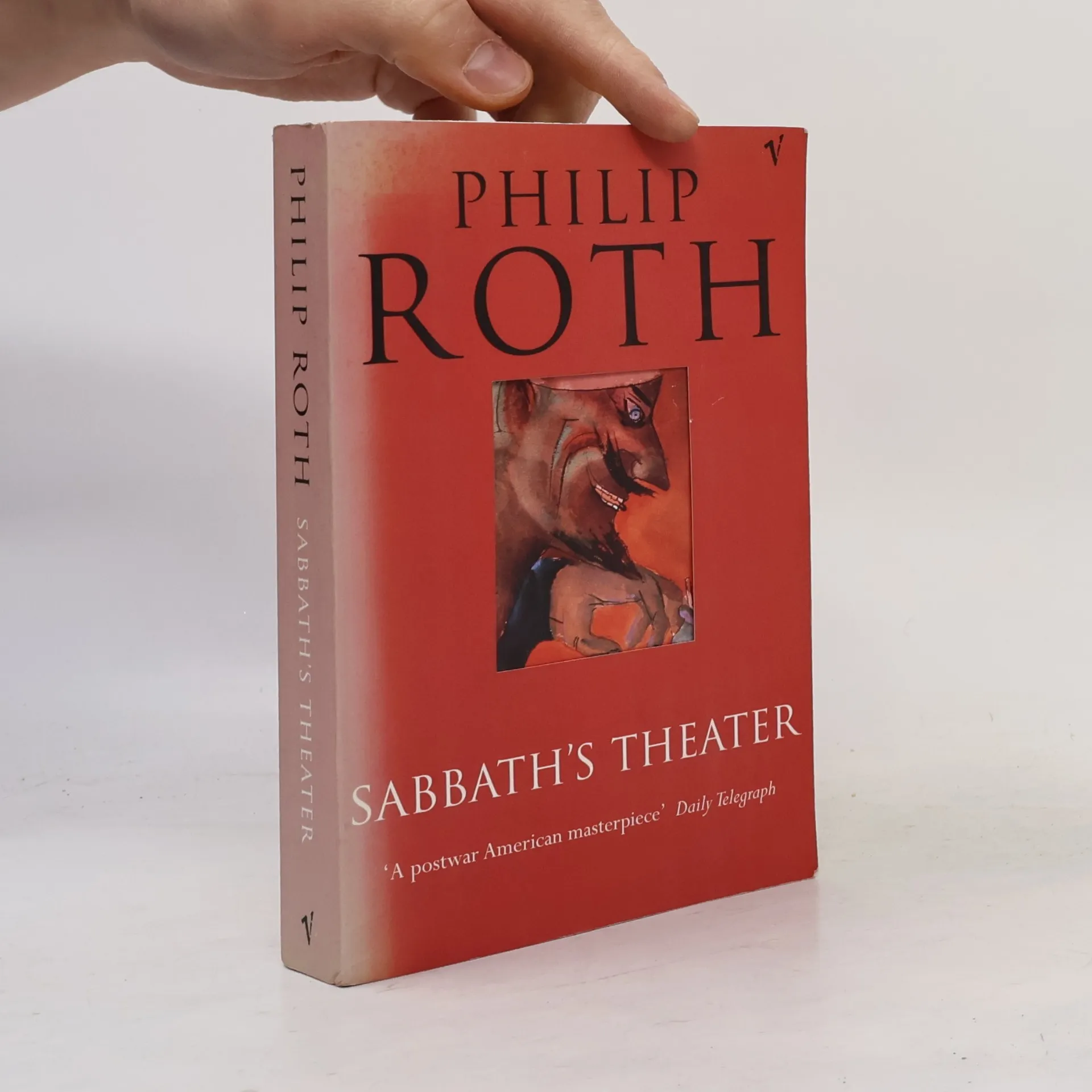
Sabbath's theater
- 464 páginas
- 17 horas de lectura
This is the story of Mickey Sabbath, a disgraced puppeteer who, after the death of his long-time mistress, embarks on a raging journey into dionysian extremism, madness and bitter understanding. Philip Roth won the 1995 National Book Award.
Libro incluido en Biblioteca Selecta Forum de Barcelona 2004 «Algunos de mis amigos, amigos muy queridos, no hablan nunca de Auschwitz [...] Otras personas, en cambio, hablan de Auschwitz incesantemente, y yo soy una de ellas [...] después empecé a escribir a máquina por la noche... escribía todas las noches lo cual era considerado algo todavía más insensato». Primo Levi «escribe aquello que no sabría decir a nadie», y el texto, inicialmente esbozado durante el cautiverio -cuya misma conservación hacía peligrar la vida del autor de ser descubierto- plasma la existencia en los Lager con una concisión estremecedora. Estructurado en 17 capítulos, el libro es la crónica del horror cotidiano, de las privaciones como estado habitual, de la triste espera de la nada arraigada en una iniquidad sin estridencias. Más allá de las propias reflexiones, Levi presta especial atención al comportamiento de los otros prisioneros, ocupados también en sobrevivir un día más, y otro y otro. Todos conviven en una inercia dolorosa y absurda con la tentación de la inactividad como antesala de la muerte; la muerte es una presencia constante, a menudo indiferente, corolario de una cotidianidad regida por un sistema de irracionales normas no escritas. Como advierte Levi , muy pronto los prisioneros son convertidos en «peleles miserables y sórdidos», y más bajo no se podía llegar.
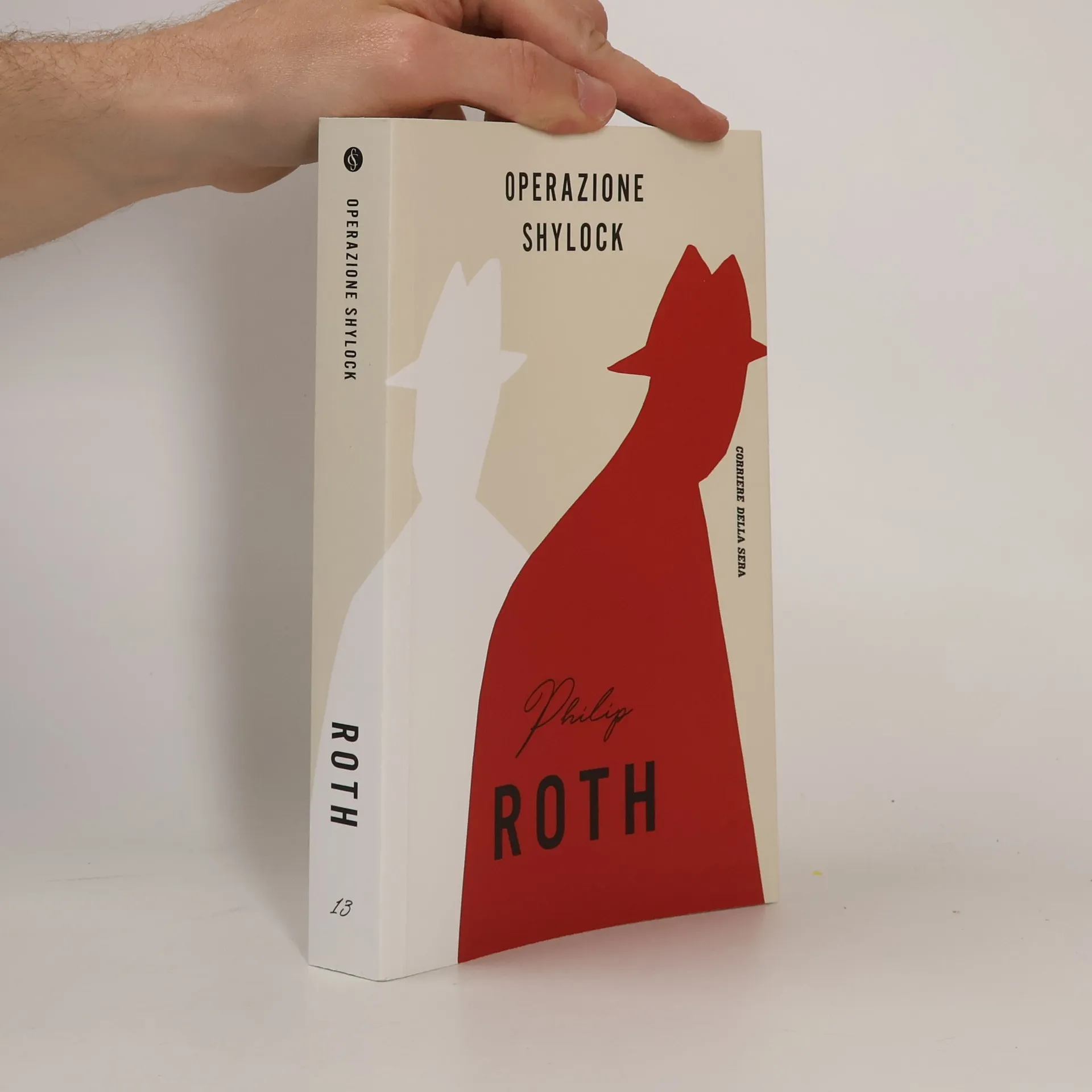
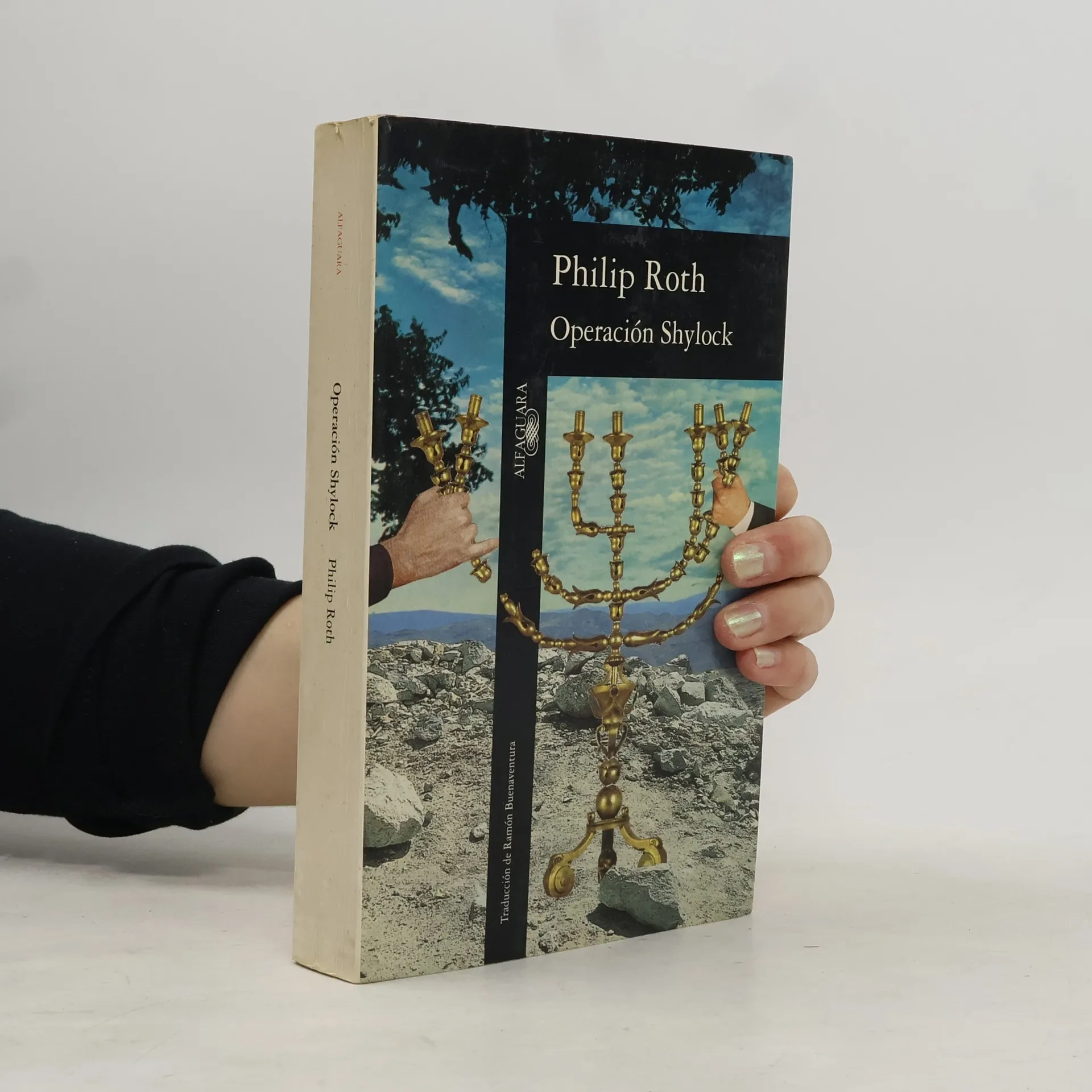
Operación Shylock
- 464 páginas
- 17 horas de lectura
What if a look-alike stranger stole your name, usurped your biography, and went about the world pretending to be you? In Operation Shylock, master novelist Philip Roth confronts his double, an impostor whose self-appointed task is to lead the Jews back to Europe from Israel. The "fake" Philip Roth becomes a monstrous nemesis to the "real" Philip Roth, who must take a frightening and mysterious journey through the volatile Middle East. Suspenseful, hilarious, and impassioned, Operation Shylock is at once a spy story, a political thriller, and a confession, pulsing with intelligence and intense narrative energy.
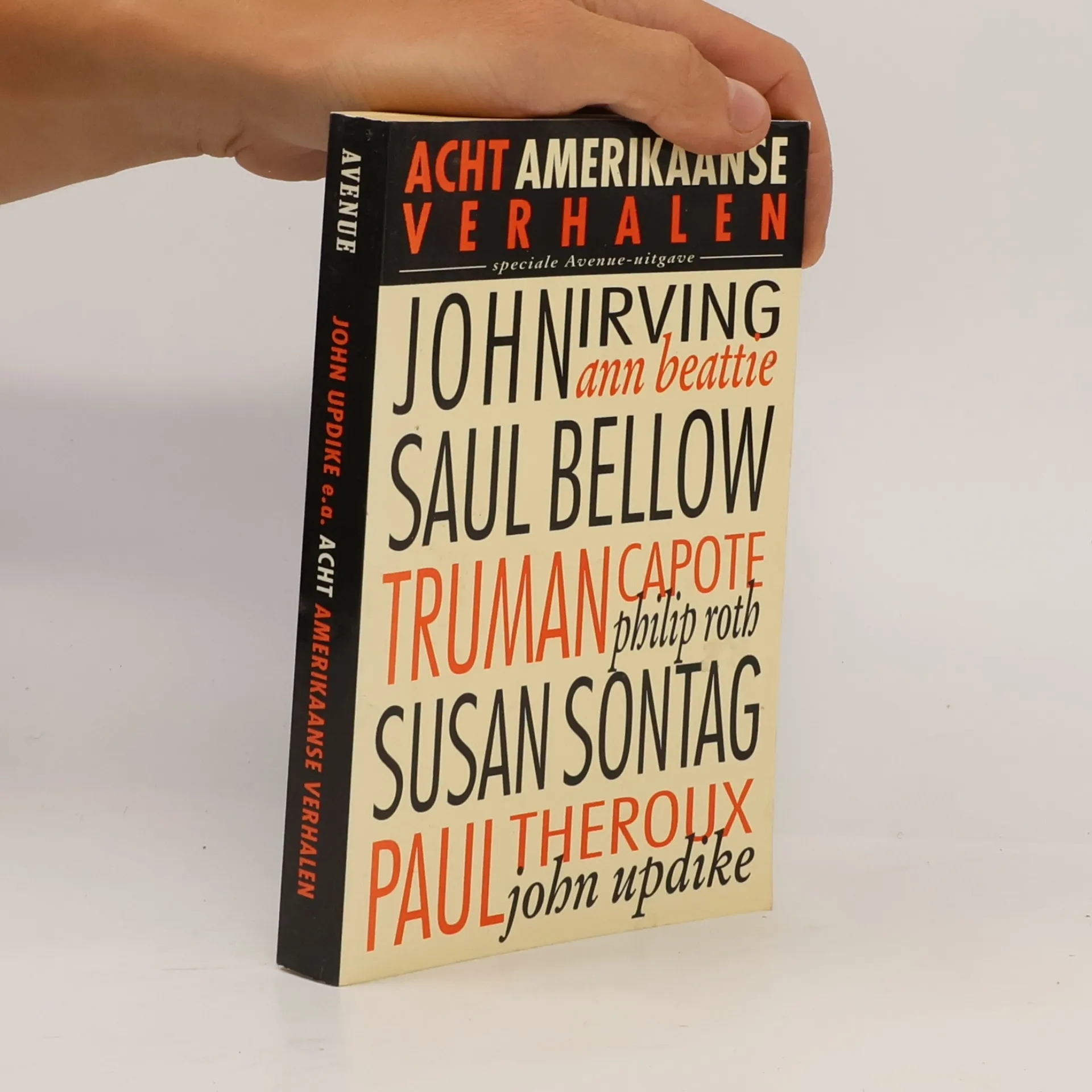
Acht Amerikaanse Verhalen
- 225 páginas
- 8 horas de lectura
Speciale Avenue-uitgave
rororo Sachbuch: Für den Spiegel geschrieben
Eine kleine Literaturgeschichte
- 149 páginas
- 6 horas de lectura
A Portnoy-kór
- 260 páginas
- 10 horas de lectura
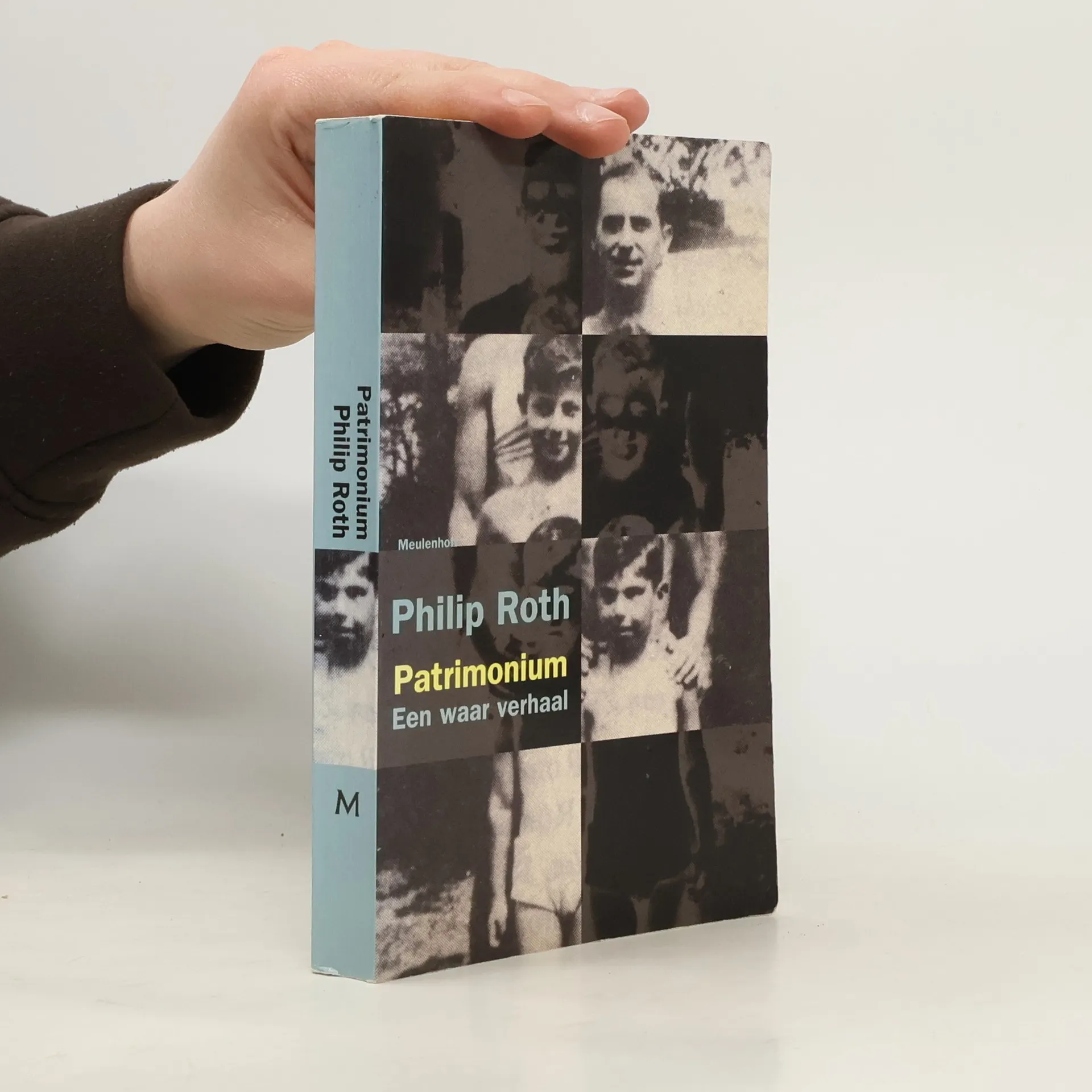
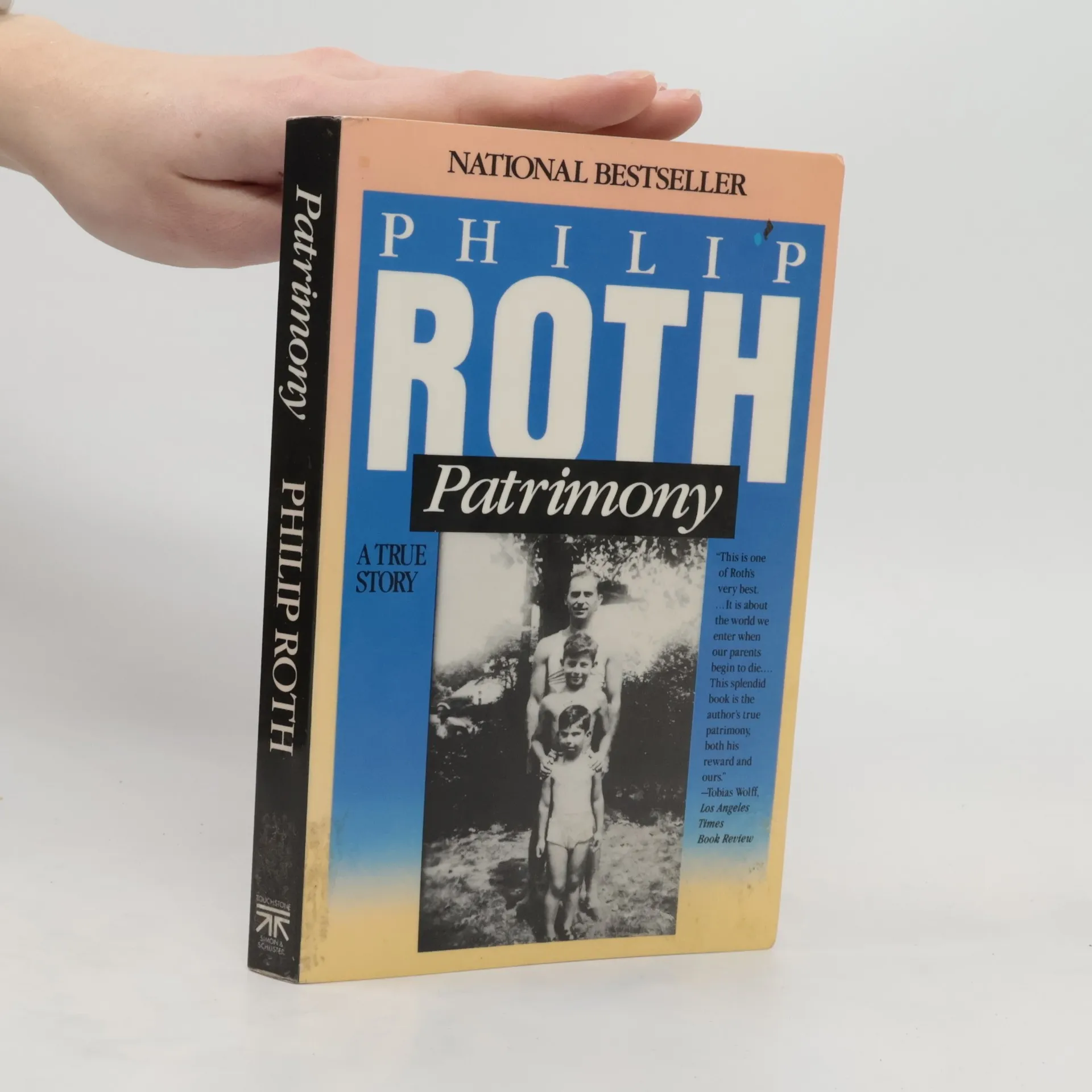
Patrimony
- 238 páginas
- 9 horas de lectura
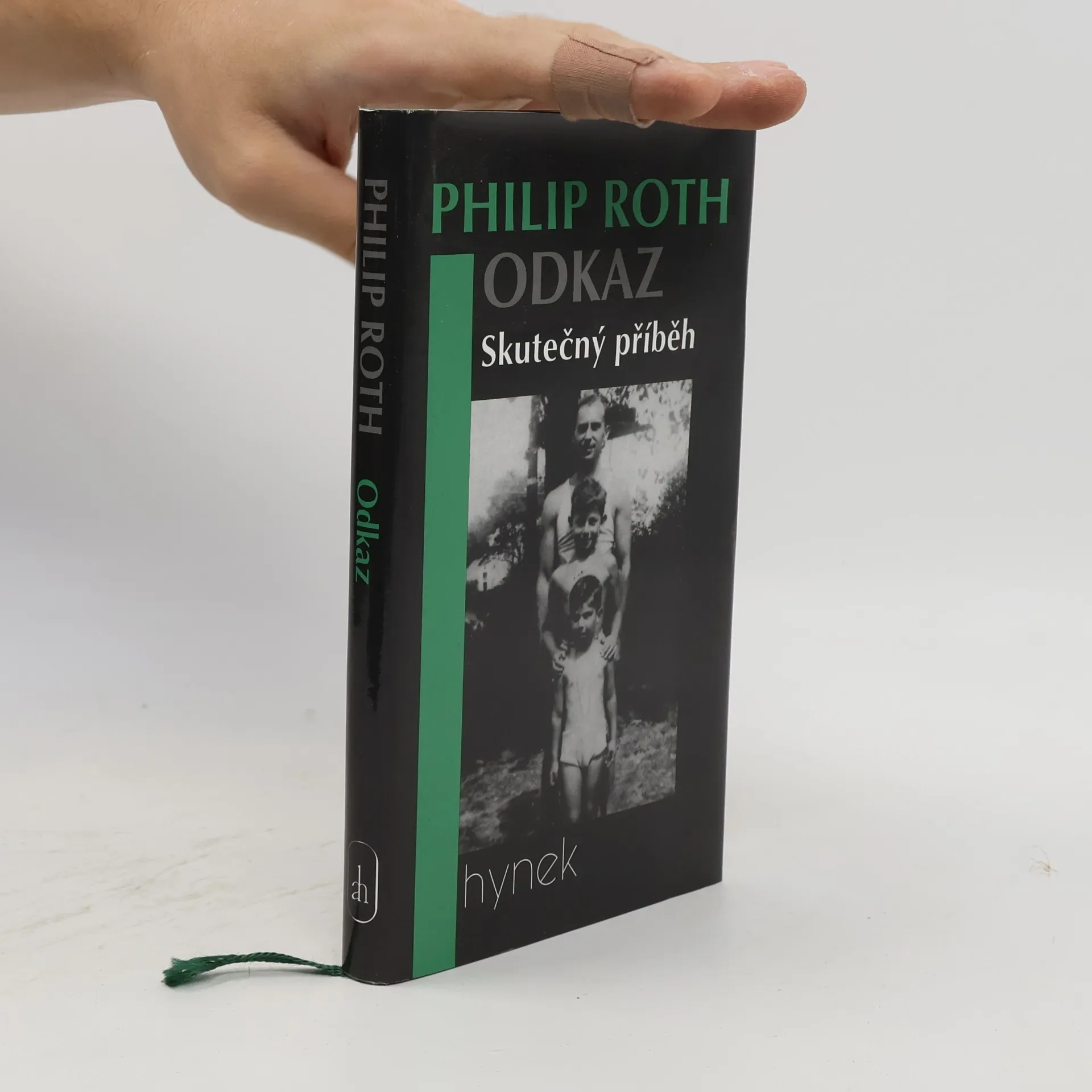
The best-selling author offers his observations of the physical decline and death of his own father, in a memoir of the love between father and son
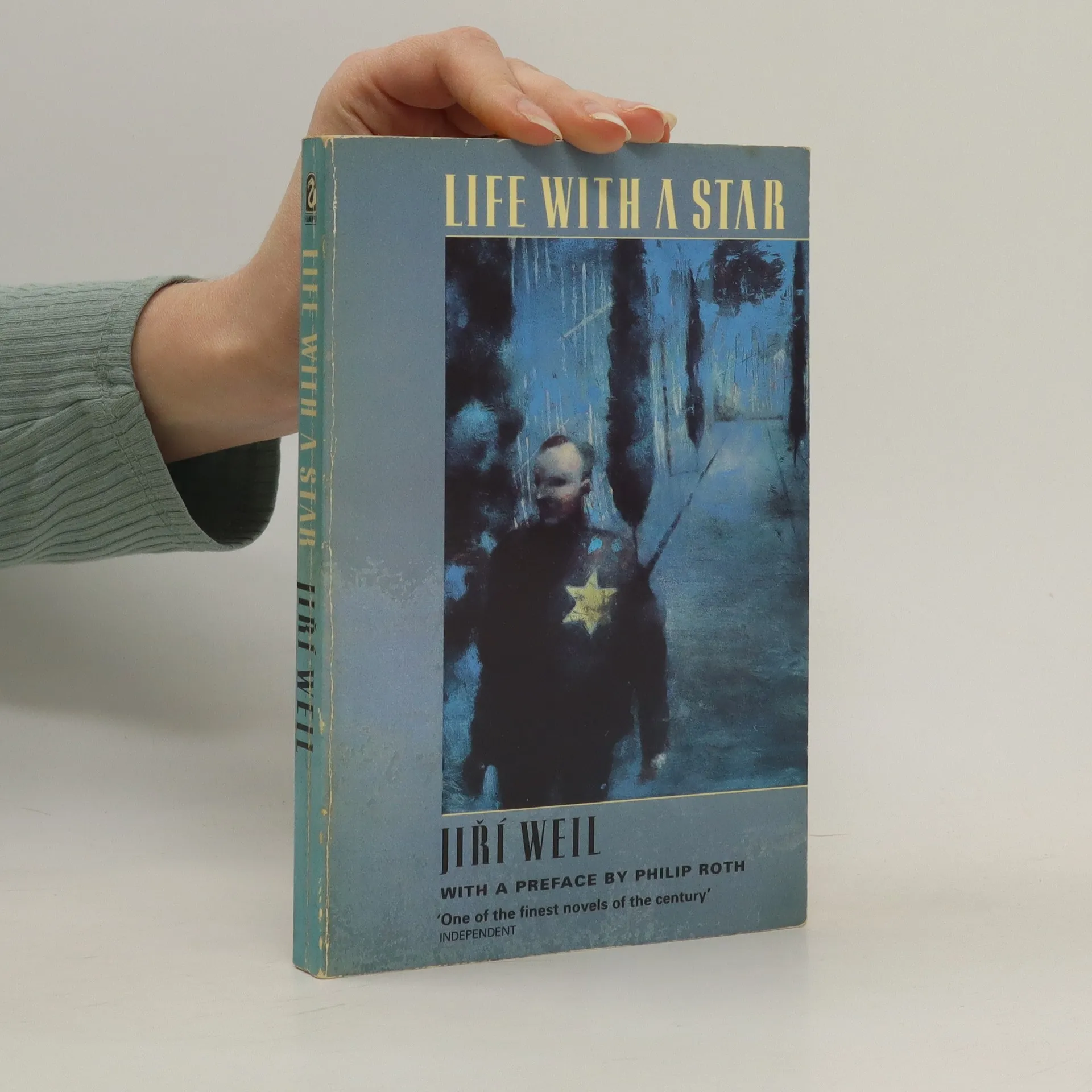
A fictional account of the persecution and suffering of the Jews. It is simple in style and full of dark humour, irony and lyricism. The author served in Moscow as a member of the Czech section of the Comintern but was later expelled from the Communist party. This is his best-known novel.
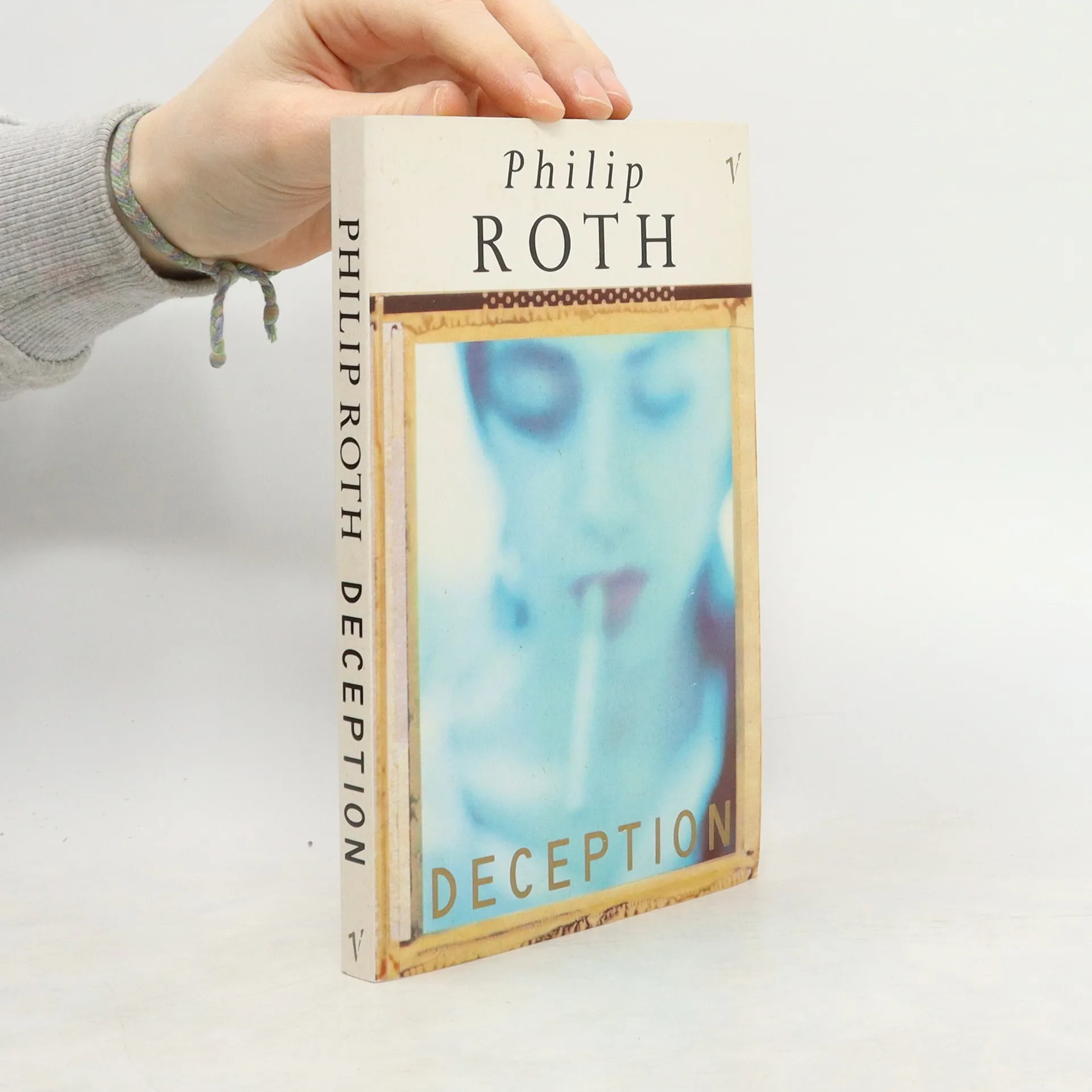
Deception
- 208 páginas
- 8 horas de lectura
He is a middle-aged American writer called Philip; she is an articulate, well- educated Englishwoman trapped in a loveless and humiliating marriage. In Philip's London studio, this play of voices - sharp, tender and inquiring - reveals both their past lives with startling clarity. Deception is fiendishly clever, as it dances with the conventions of the novel, and redefines the boundaries between fiction and reality.
Rozhovor v Praze
- 29 páginas
- 2 horas de lectura
Rozhovor Ivana Klímy s americkým spisovatelem Philipem Rothem o české disidentské a emigrantské literatuře, o jejím poslání a lidech, kteří ji tvořili. Rozhovor původně vyšel v The New York Review 12. 4. 1990, česky pak knižně vyšel jako katalog k výstavě Kde domov můj?.
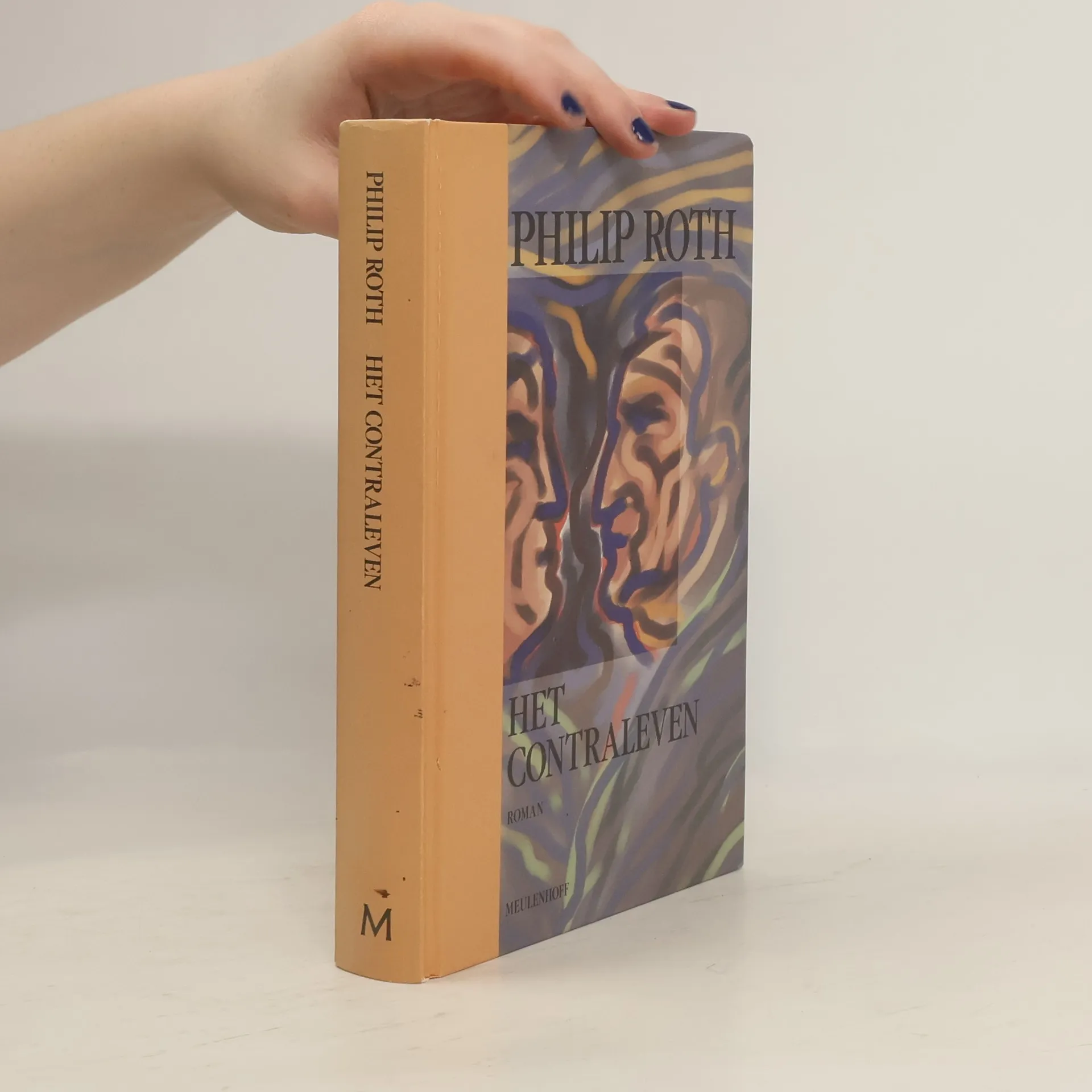
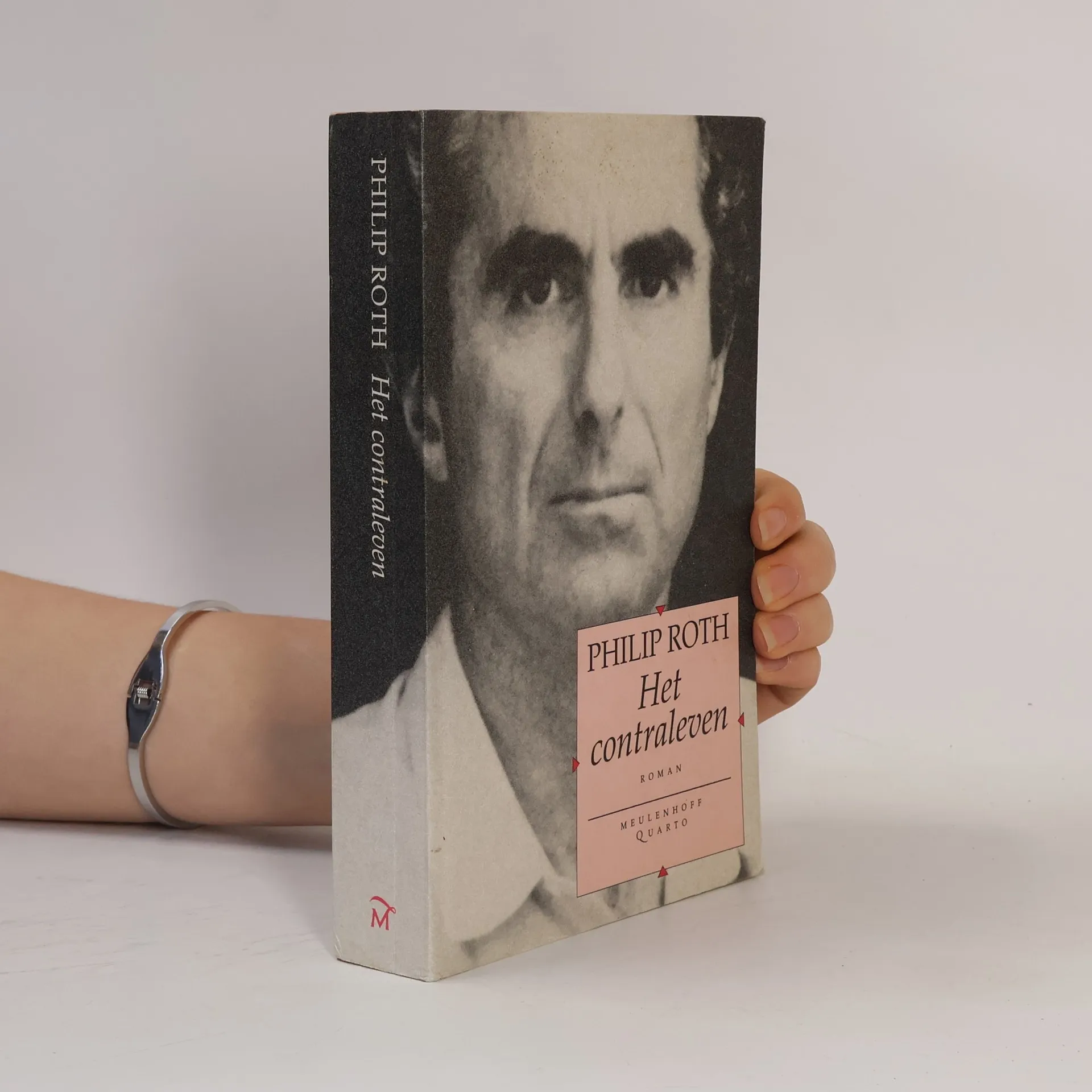
Het Contraleven
- 368 páginas
- 13 horas de lectura
Ideeënroman over militant nationalisme in Israël, verhuld antisemitisme in de Britse middenklasse en het belang van een religieuze en politieke identiteit.
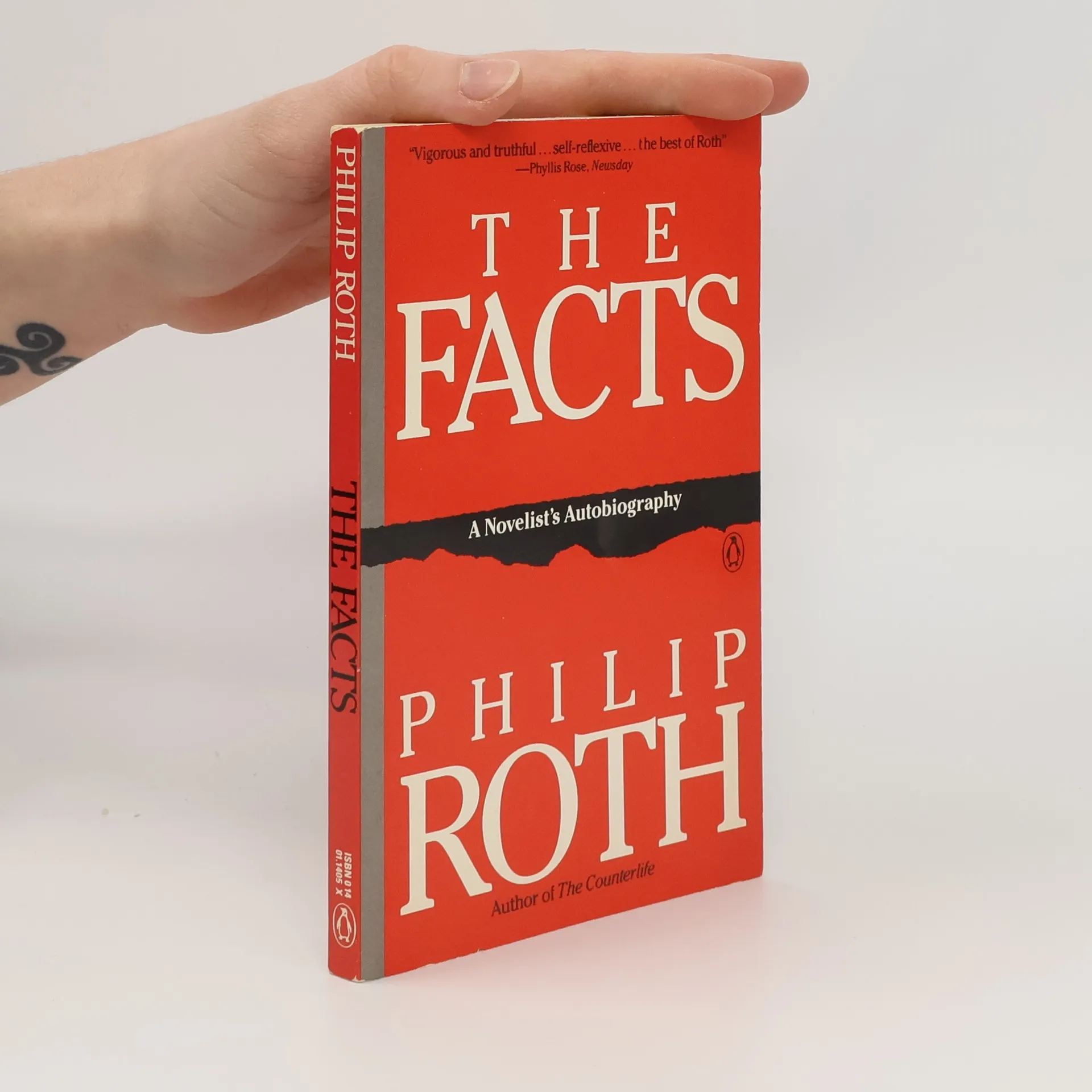
In his autobiography, Philip Roth reveals the facts about his life, his education, his work on various university faculties, his membership of the National Institute of Arts and Letters and his writings. His first book, "Goodbye Columbus" won the US National Book Award for Fiction.
Los hechos
- 256 páginas
- 9 horas de lectura
The Facts is the unconventional autobiography of a writer who has reshaped our idea of fiction—a work of compelling candor and inventiveness, instructive particularly in its revelation of the interplay between life and art.
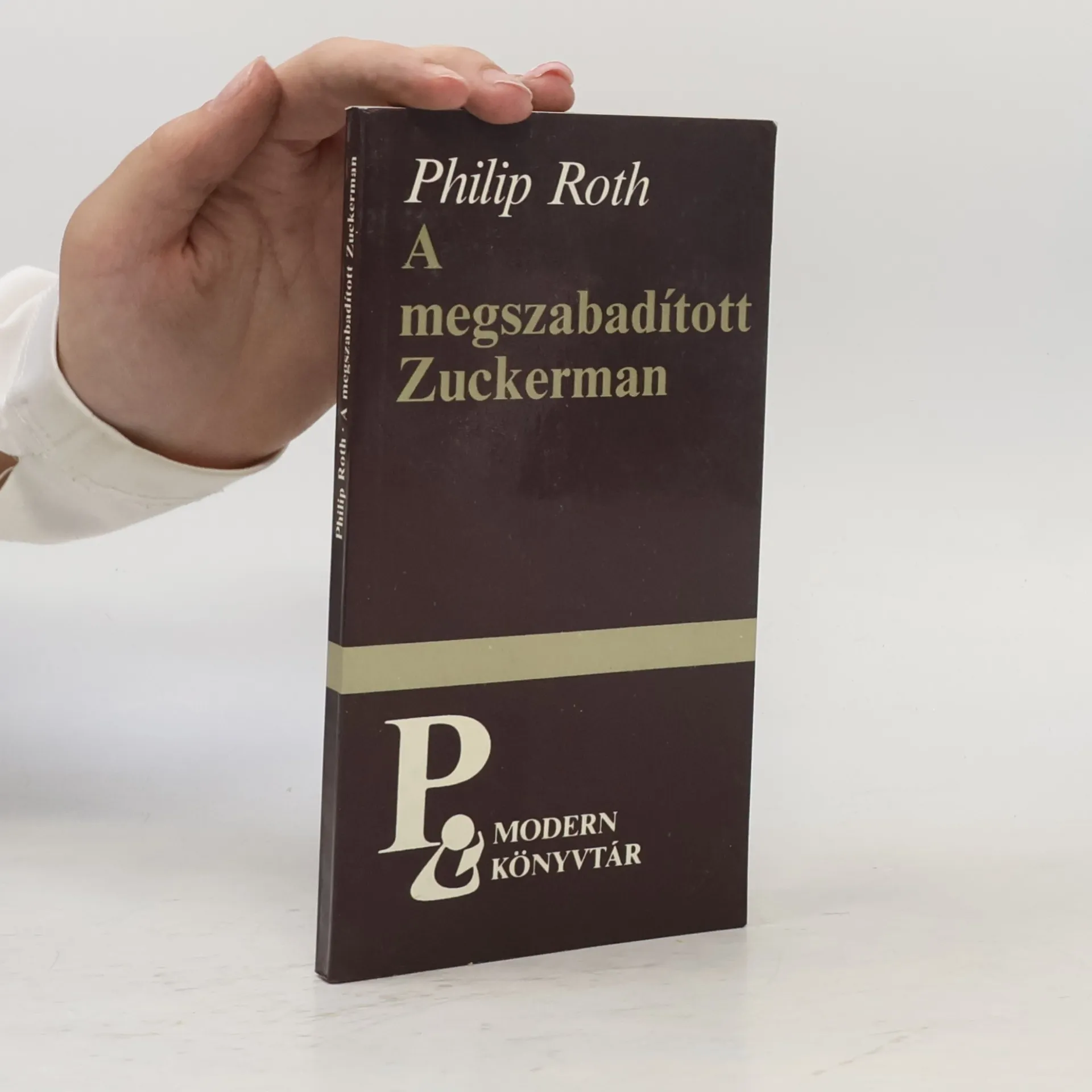
A megszabadított Zuckerman
- 194 páginas
- 7 horas de lectura
Ideeënroman over militant nationalisme in het hedendaagse Israël, verhuld antisemitisme in de Britse middenklasse en het belang van een religieuze en politieke identiteit.
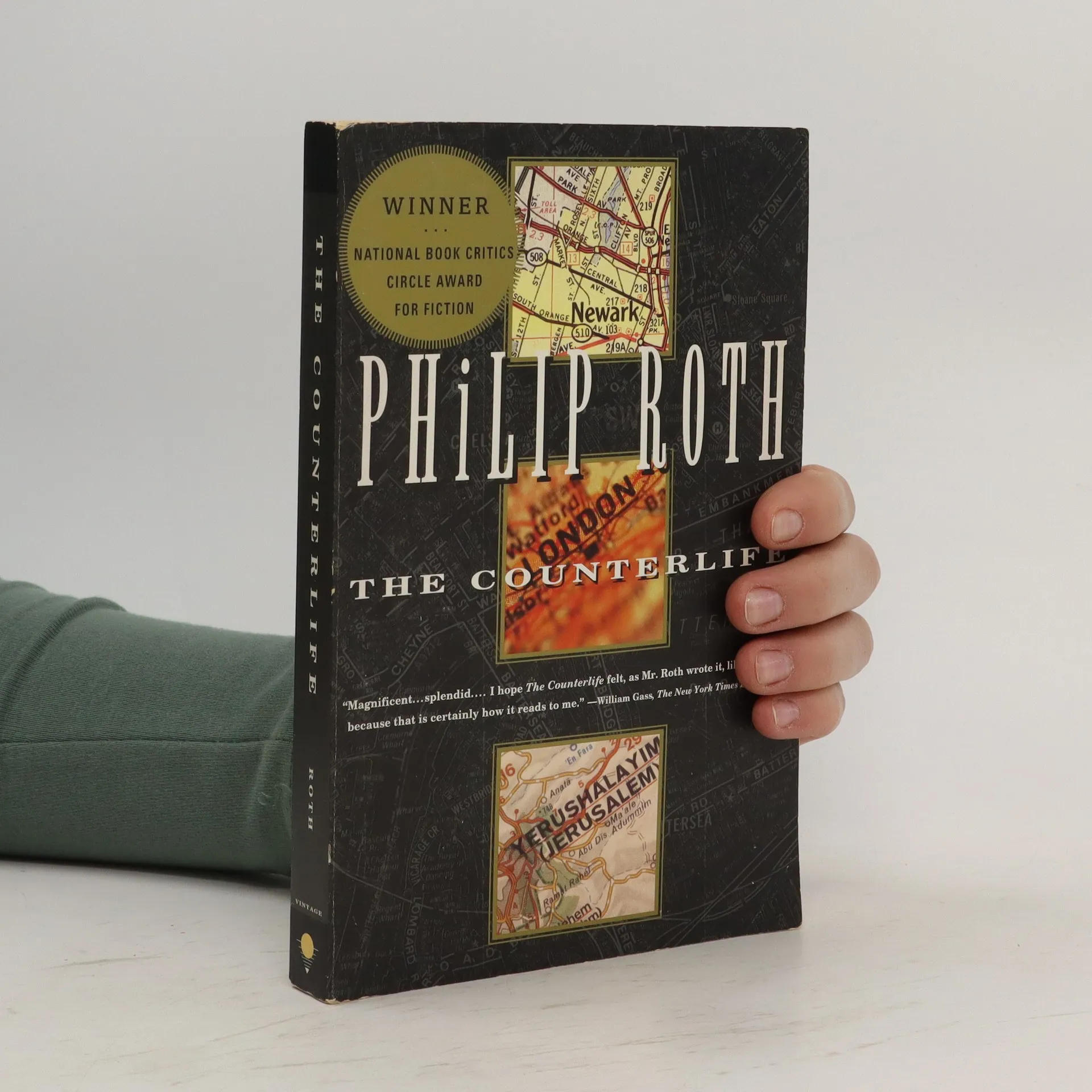
NATIONAL BOOK CRITICS CIRCLE AWARD WINNER • A “magnificent…splendid” novel (The New York Times Book Review) from the Pulitzer Prize–winning author of American Pastoral about people living out their dreams of renewal and escape, some of them even risking their lives to change their seemingly irreversible fates. Illuminating these lives in transition and guiding us through the book's evocative landscapes, familiar and foreign, is the mind of the novelist Nathan Zuckerman. His is the skeptical, enveloping intelligence that calculates the price that's paid in the struggle to change personal fortune and reshape history, whether in a dentist's office in suburban New Jersey, or in a tradition-bound English Village in Gloucestershire, or in a church in London's West End, or in a tiny desert settlement in Israel's occupied West Bank.
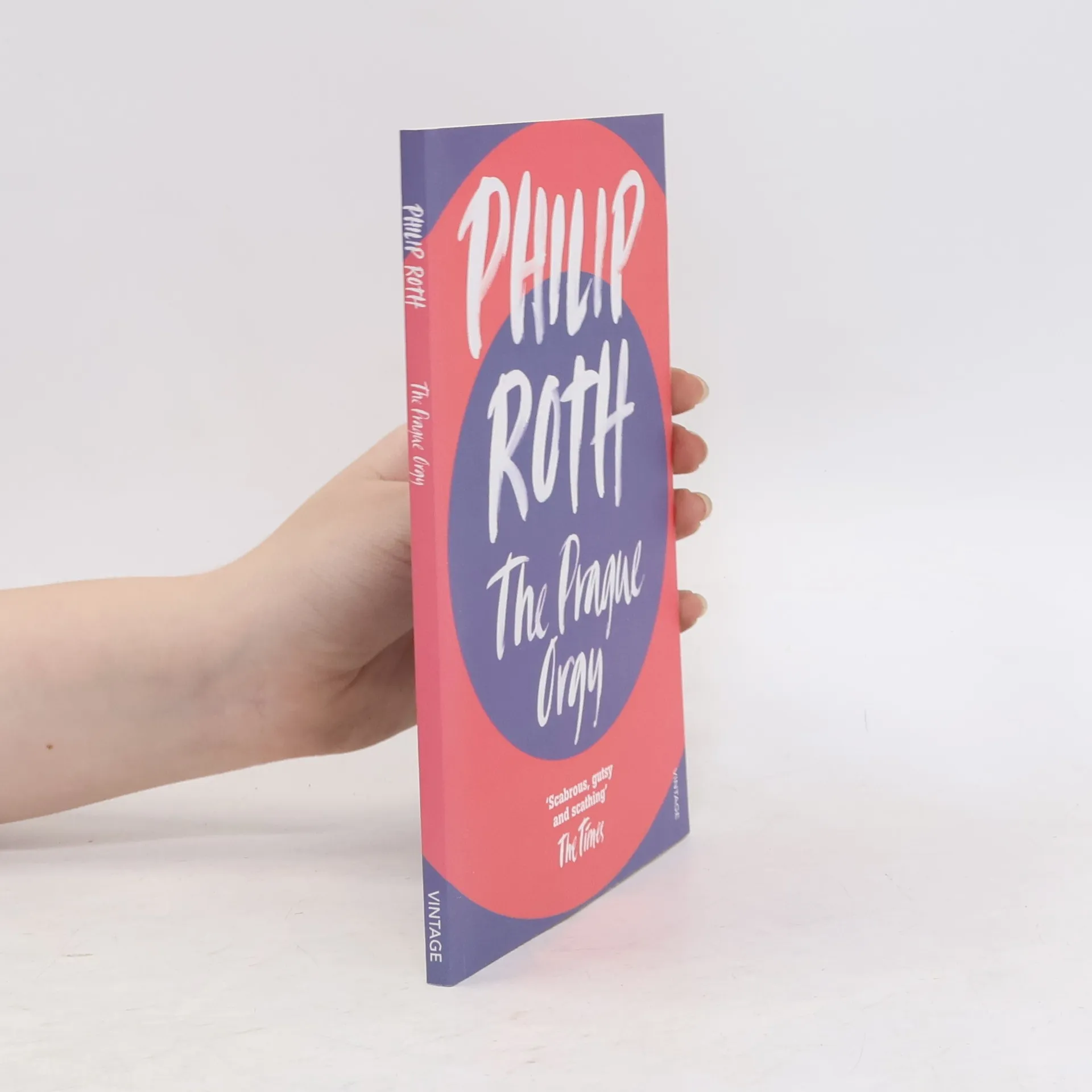
Nathan Zuckerman is visiting Prague, where intellectuals come searching for Kafta, where misfits who don't submit decently to their misfortunes act out a comedy of manners in decadence. Here Zuckerman meets Olga, and brings home lessons for the American writer - lessons about oppression and resilience, laughter and Kafta, and more.
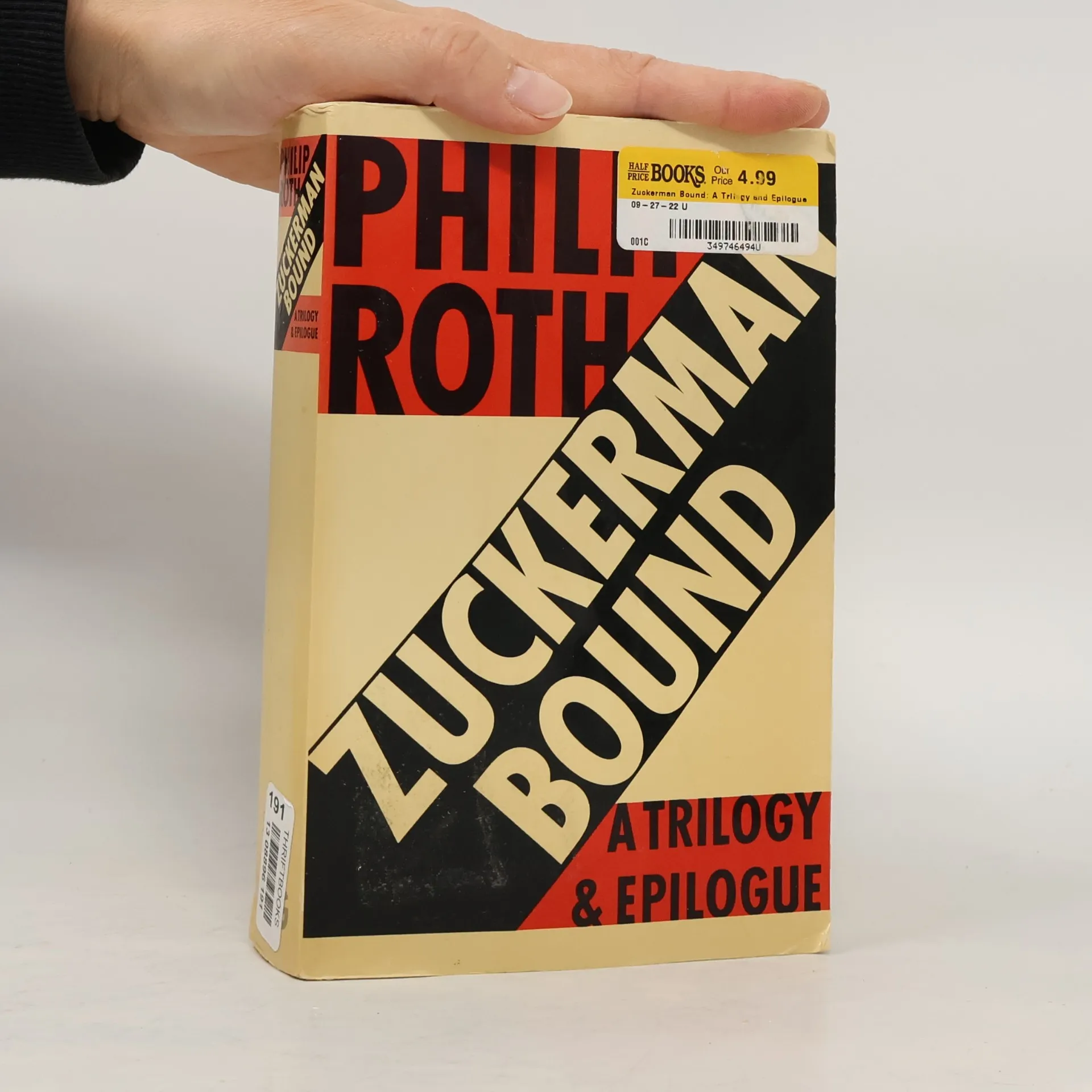
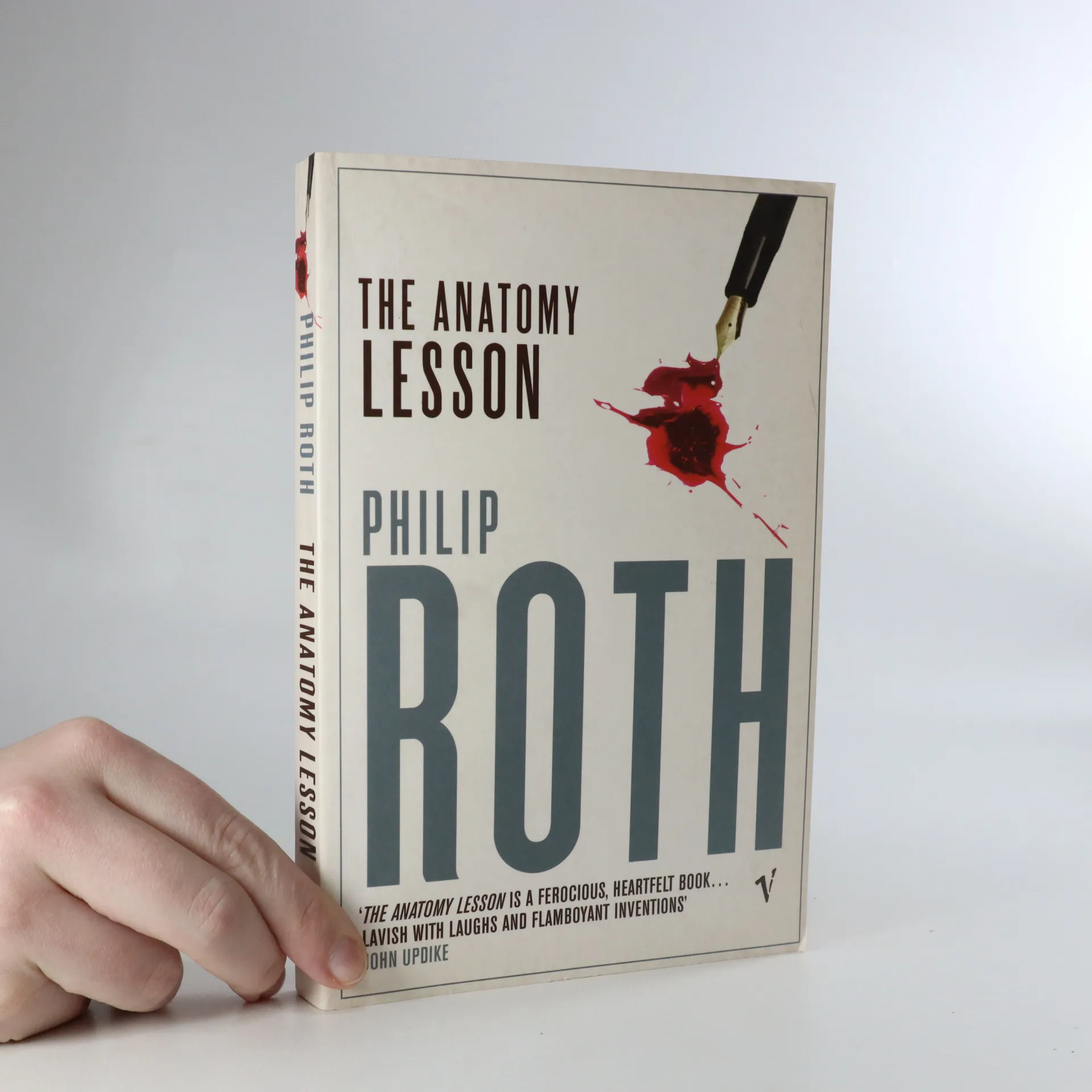
Four complete works by Philip Roth in one volume. The complete comic saga of Nathan Zuckerman, his ordeals of conscience, from Manhattan, to Miami Beach, to Czechoslovakia!"Roth has transcended himself . . . . A comic genius . . . Certainly Philip Roth's finest achievement to date, eclipsing even his best single fictions . . . ZUCKERMAN BOUND binds together THE GHOST WRITER, ZUCKERMAN UNBOUND, and THE ANATOMY LESSON, adding to them as epilogue a wild short novel, THE PRAGUE ORGY, which is at once the bleakest and the funniest writing Roth has done."-- The New York Times Book Review"ZUCKERMAN BOUND proves that no one now writing can be funnier and, at the same time, more passionately serious than Philip Roth." -- Time"ZUCKERMAN BOUND shows the author's always ebullient invention and artful prose at their most polished and concentrated." -- The New Yorker
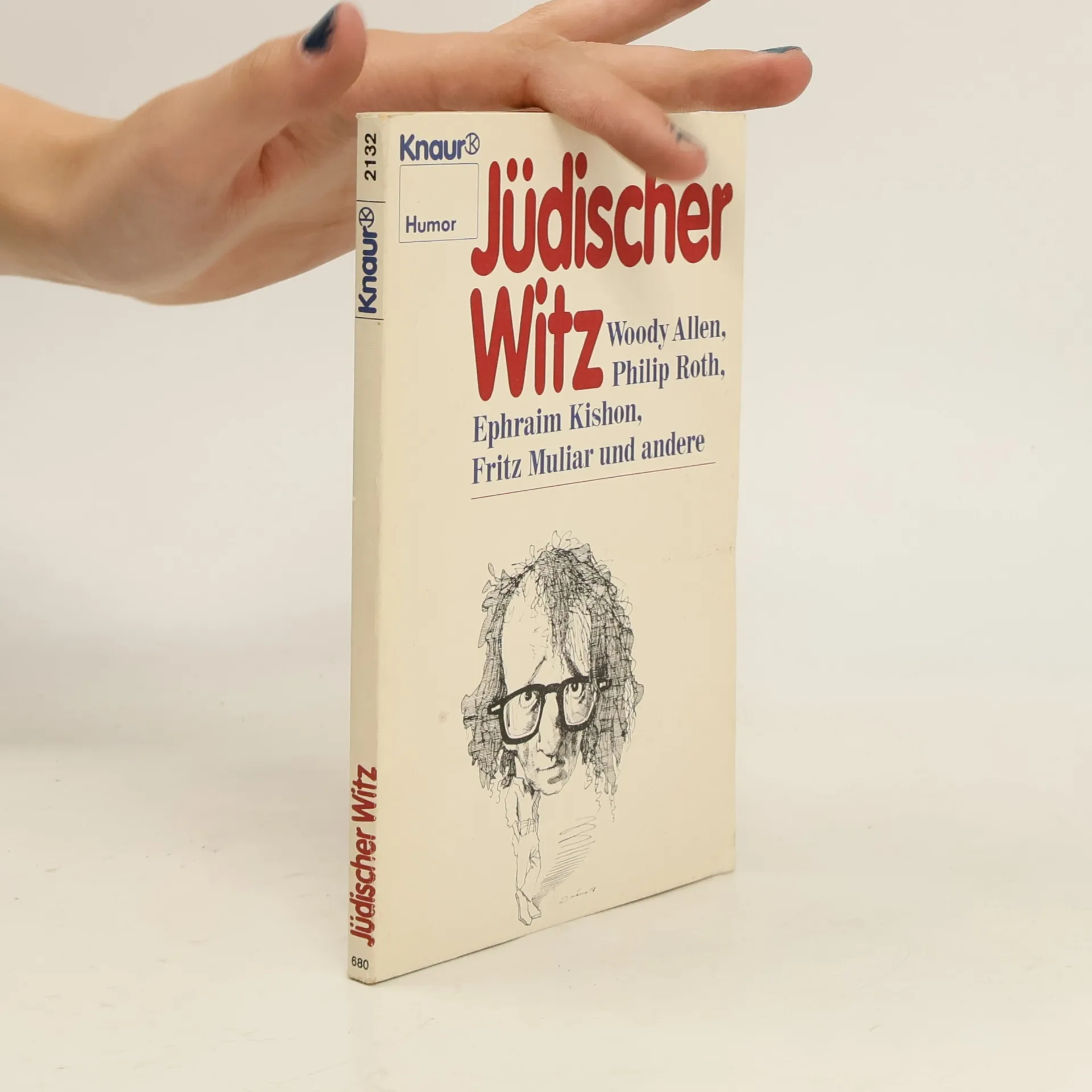
Humor: Jüdischer Witz - Knaur Taschenbücher
- 109 páginas
- 4 horas de lectura
With his fortieth birthday receding into the distance, along with his hairline and his most successful novel, the writer Nathan Zuckerman comes down with a mysterious affliction - pure pain, beginning in his neck and shoulders, invading his torso, and taking possession of his spirit. What will it take for the pain to finally leave him alone?
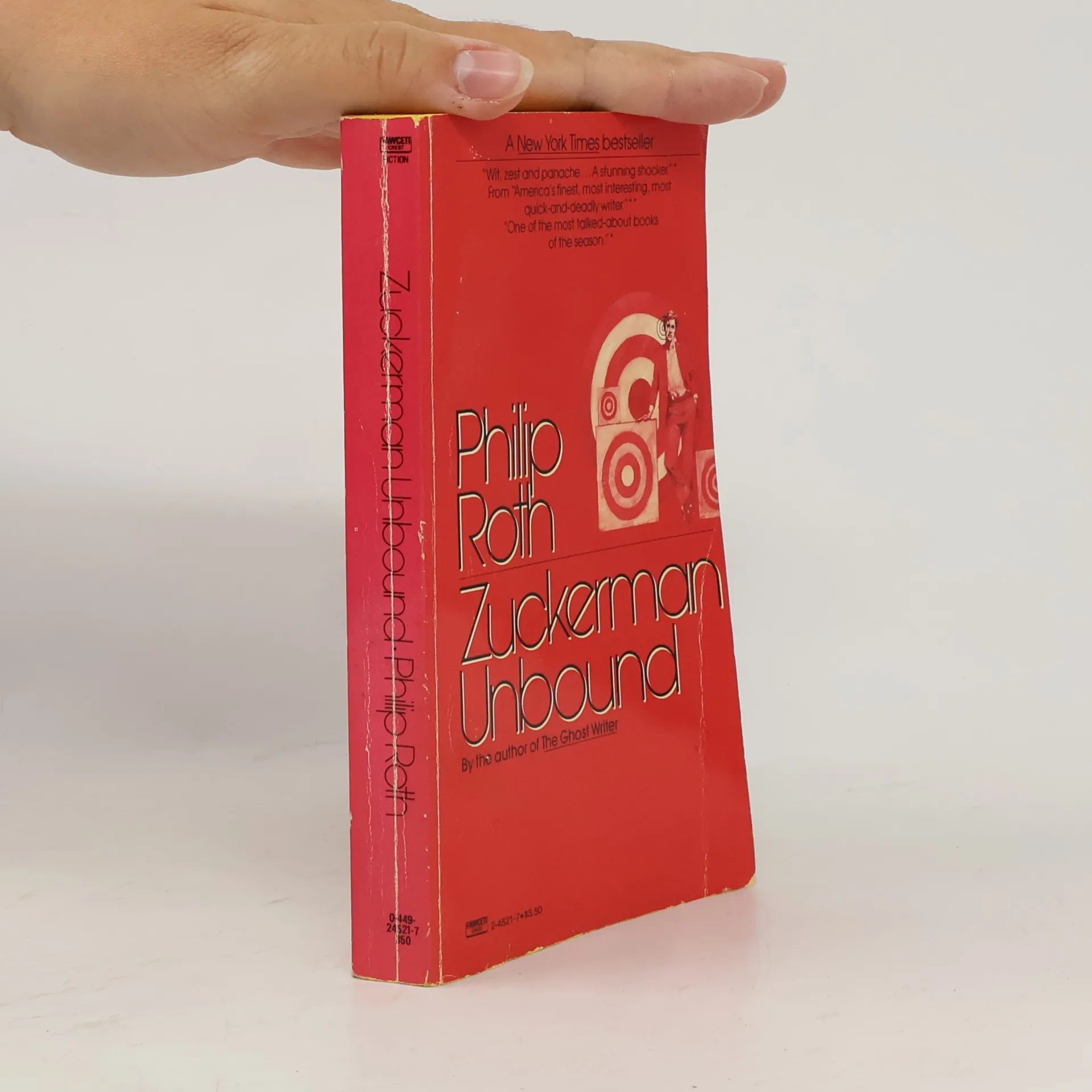
Zuckerman Unbound
- 285 páginas
- 10 horas de lectura
Now in his mid-thirties, Nathan Zuckerman, a would-be recluse despite his newfound fame as a best-selling author, ventures onto the streets of Manhattan in the final year of the turbulent 60s. Not only is he assumed by his fans to be his own fictional satyr, Gilbert Carnovsky ("Hey, you do all that stuff in that book?"), he also finds himself the target of admonishers, advisors, and sidewalk literary critics. The recent murders of Robert Kennedy and Martin Luther King Jr. lead an unsettled Zuckerman to wonder if "target" may be more than a figure of speech. In Zuckerman Unbound, the second volume in a trilogy, the notorious novelist Nathan Zuckerman retreats from his oldest friends, breaks his marriage to a virtuous woman, and damages his affectionate connection to his younger brother - all because of his recent good fortune.
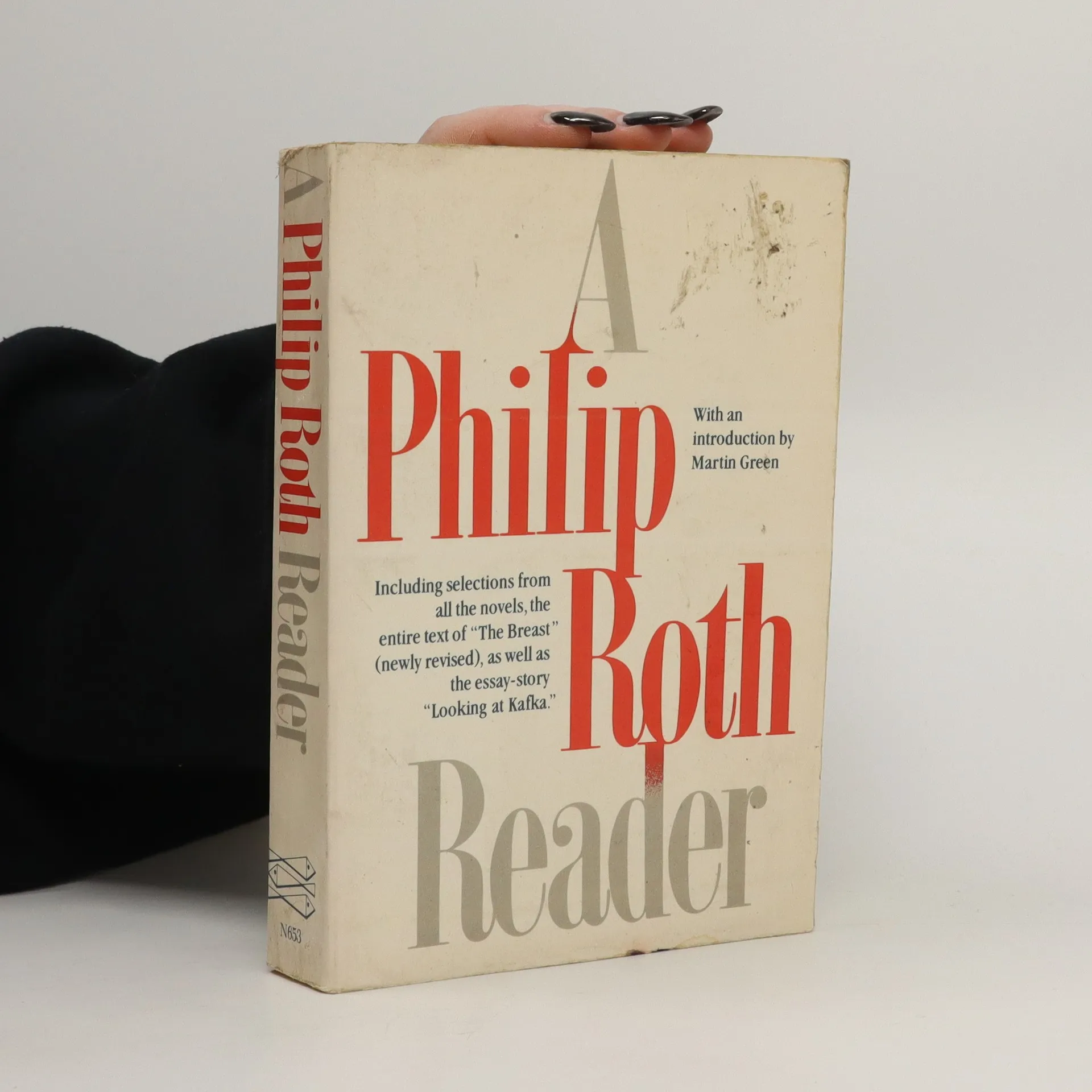
A Philip Roth Reader
- 483 páginas
- 17 horas de lectura
Selections from nine novels following Goodbye Columbus, Roth's first book, including Letting Go, Portnoy's Complaint, and The Ghost Writer, chronicle Roth's satiric and sensitive examination of art, life, and personal crisis
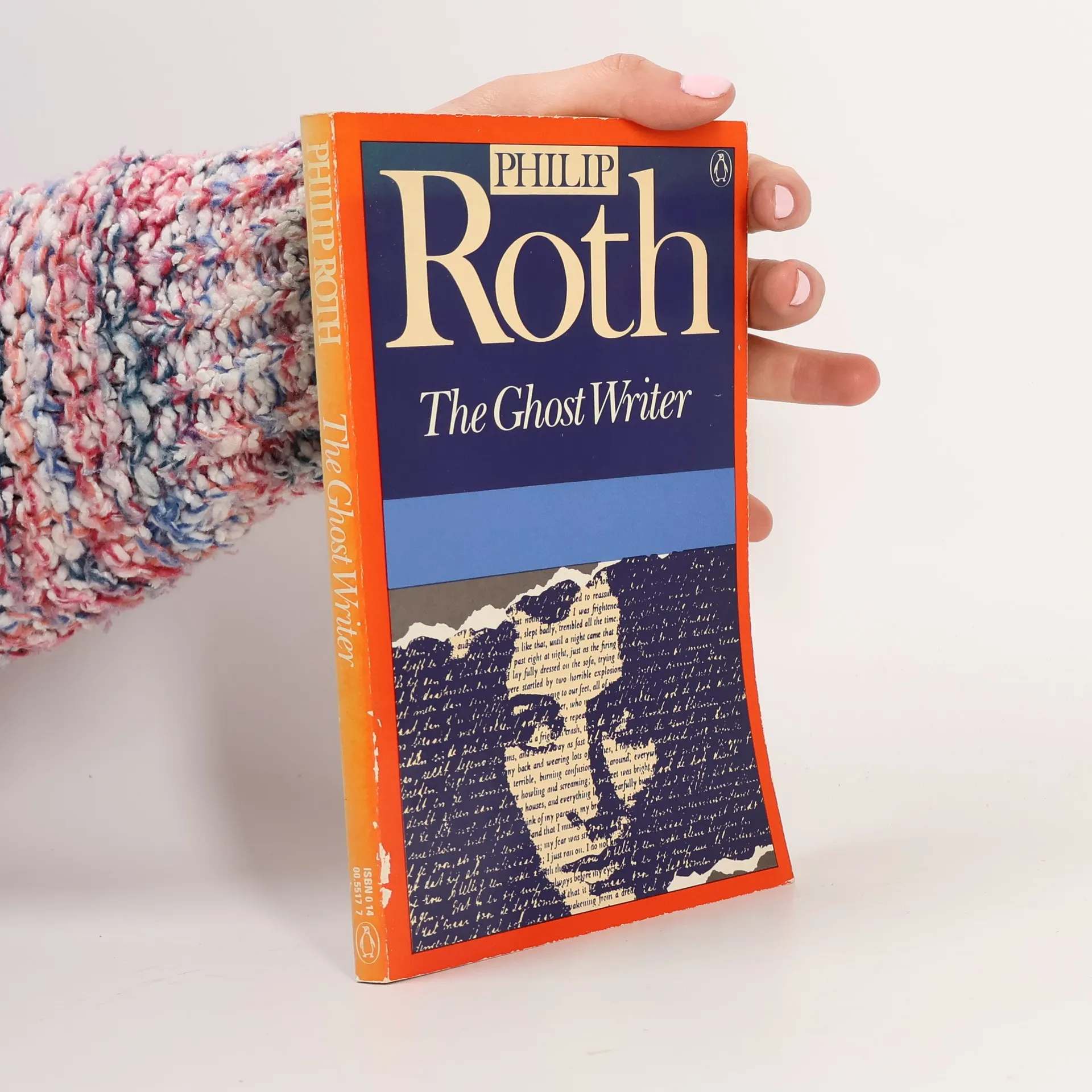
The Ghost Writer
- 156 páginas
- 6 horas de lectura
When talented young writer Nathan Zuckerman makes his pilgrimage to sit at the feet of his hero, the reclusive master of American Literature, E. I. Lonoff, he soon finds himself enmeshed in the great Jewish writer's domestic life, with all its complexity, artifice and drive for artistic truth. As Nathan sits in breathlessly awkward conversation with his idol, a glimpse of a dark-haired beauty through a closing doorway leaves him reeling. He soon learns that the entrancing vision is Amy Bellette, but her position in the Lonoff household - student? mistress? - remains tantalisingly unclear. Over a disturbed and confusing dinner, Nathan gleans snippets of Amy's haunting Jewish background, and begins to draw his own fantastical conclusions...
As a student in college, David Kepesh styles himself a rake among scholars, a scholar among rakes. Little does he realize how prophetic this motto will be -- or how damning. For as Philip Roth follows Kepesh from the domesticity of childhood into the vast wilderness of erotic possibility, from a ménage á trois in London to the throes of loneliness in New York, he creates a supremely intelligent, affecting, and often hilarious novel about the dilemma of pleasure: where we seek it; why we flee it; and how we struggle to make a truce between dignity and desire
Fascinating interviews, essays, and articles spanning a quarter century on writing, baseball, American fiction, and American Jews—from the Pulitzer Prize-winning author of American Pastoral and one of the greatest writers of the 20th century."An illuminating...glimpse of the theory and practice that have made Roth a major figure in American fiction." — Chicago Daily NewsHere is Philip Roth on himself and his work and the controversies it's engendered. Here too are Roth's writings on the Eastern European writers he has always championed, and so much more. The essential collection of nonfiction by a true American master, Reading Myself and Others features his famed long interview with the Paris Review .
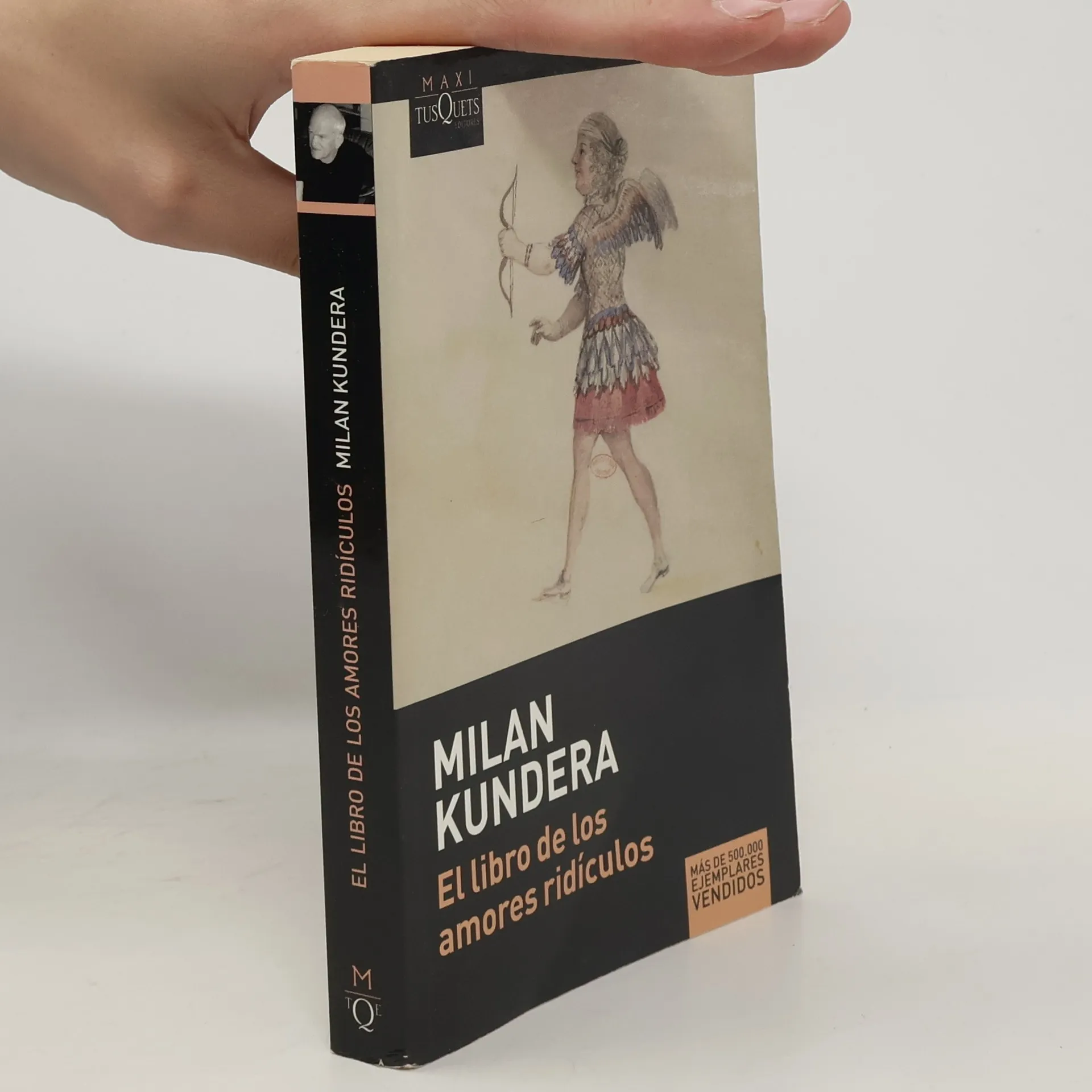
El libro de los amores ridículos
- 318 páginas
- 12 horas de lectura
Tal vez por haber sido escritas en el periodo (entre 1959 y 1968) mas feliz de la vida de Milan Kundera, segun sus propias palabras, estas narraciones son las mas alegres, las mas seriamente desvergonzadas y las mas reflexivamente divertidas de su obra. La farandula de personajes hedonistas que desfila aqui ante nosotros en busca de los juegos multiples y contradictorios de la amistad, el amor y el sexo no puede sino incitar a la risa, atrapados como estan en el mundo loco de severidad, hermetismo e inquisicion que les rodea. Una risa autentica, traviesa; un humor sabio, sagaz y gozador, al que ya nos tiene acostumbrados el autor de La insoportable levedad del ser.
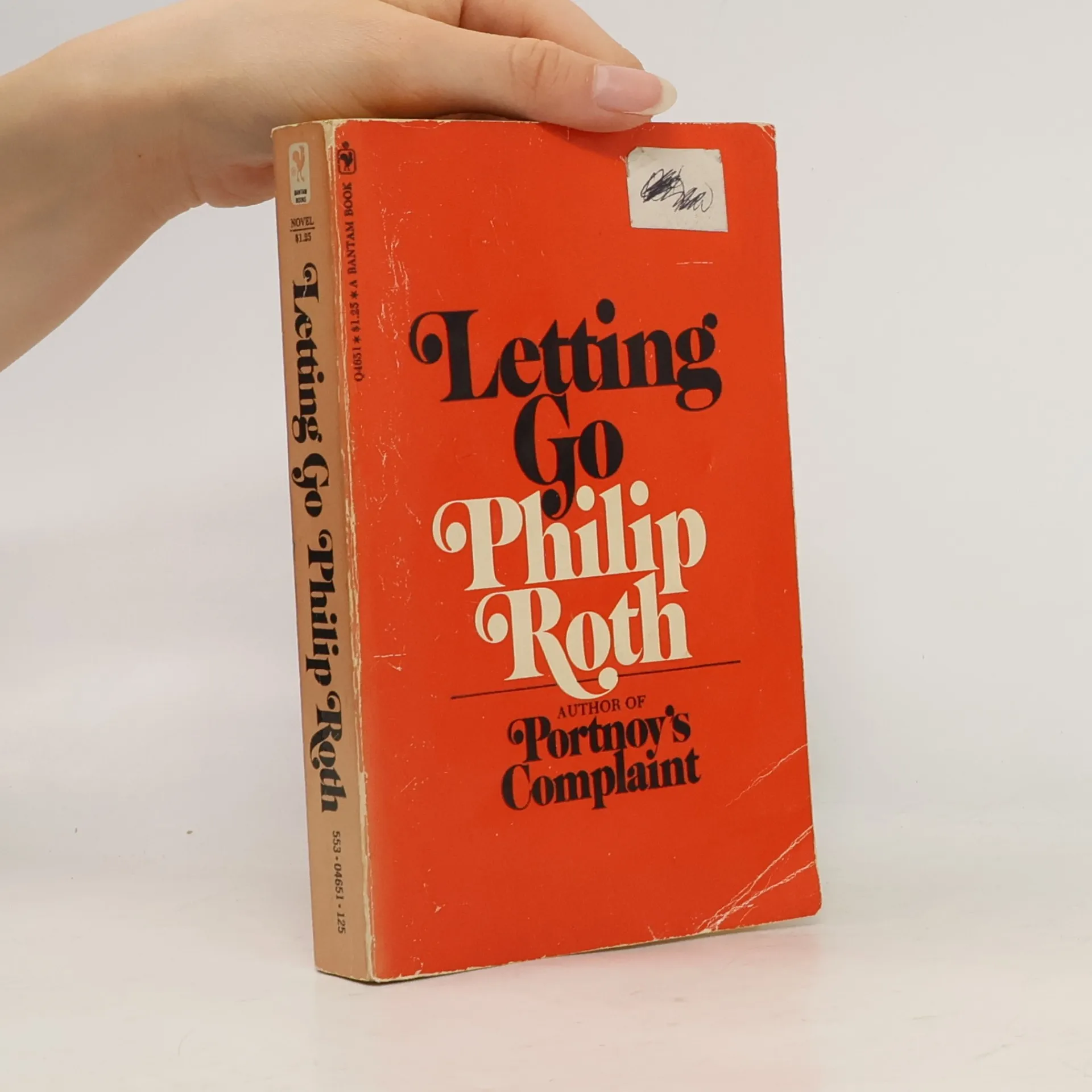
Letting Go is Roth's first full-length novel, published just after Goodbye, Columbus, when he was twenty-nine. Set in 1950s Chicago, New York, and Iowa city, Letting Go presents as brilliant a fictional portrait as we have of a mid-century America defined by social and ethical constraints and by moral compulsions conspicuously different from those of today.Newly discharged from the Korean War army, reeling from his mother's recent death, freed from old attachments and hungrily seeking others, Gabe Wallach is drawn to Paul Herz, a fellow graduate student in literature, and to Libby, Paul's moody, intense wife. Gabe's desire to be connected to the ordered "world of feeling" that he finds in books is first tested vicariously by the anarchy of the Herzes' struggles with responsible adulthood and then by his own eager love affairs. Driven by the desire to live seriously and act generously, Gabe meets an impassable test in the person of Martha Reganhart, a spirited, outspoken, divorced mother of two, a formidable woman who, according to critic James Atlas, is masterfully portrayed with "depth and resonance."The complex liason between Gabe and Martha and Gabe's moral enthusiasm for the trials of others are at the heart of this tragically comic work.
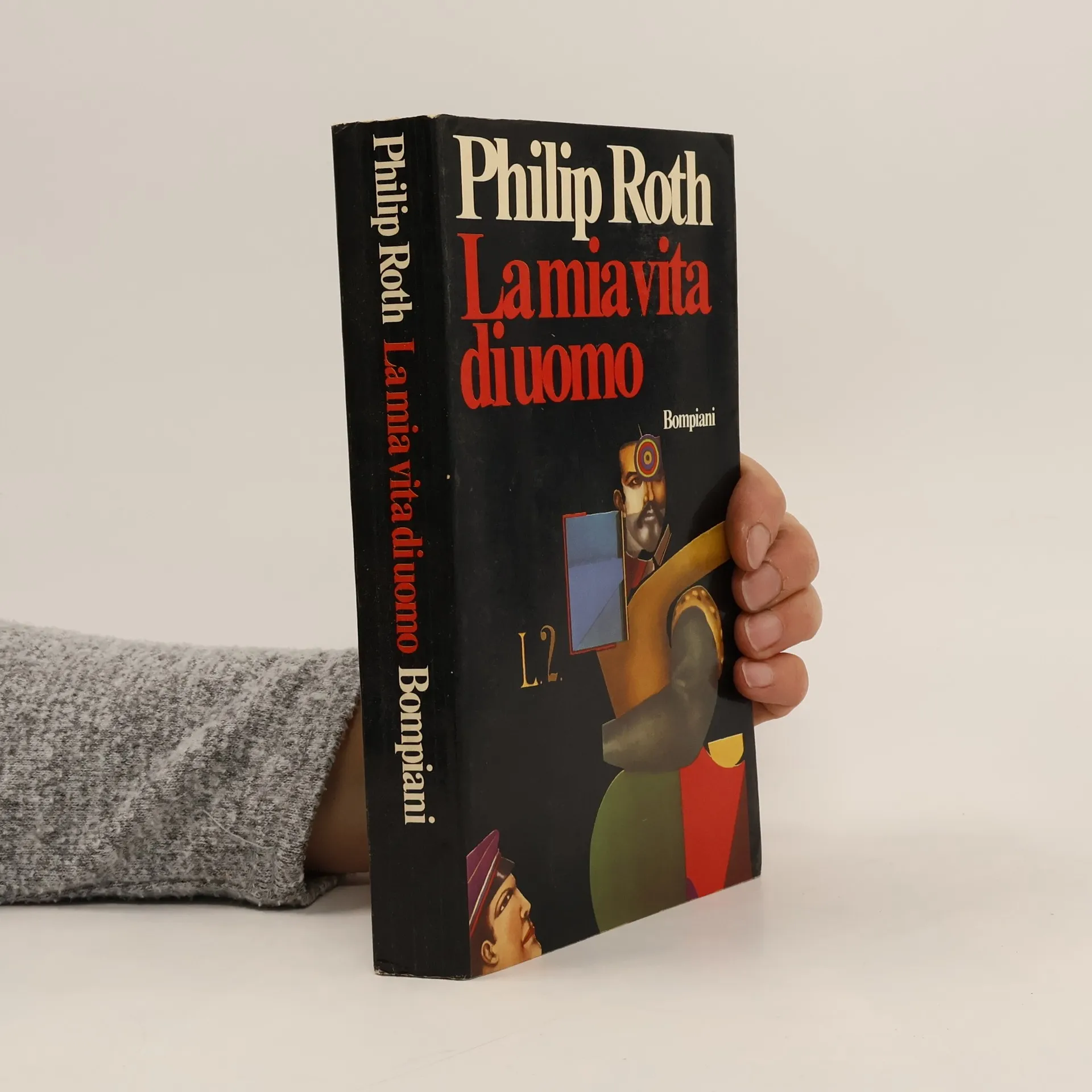
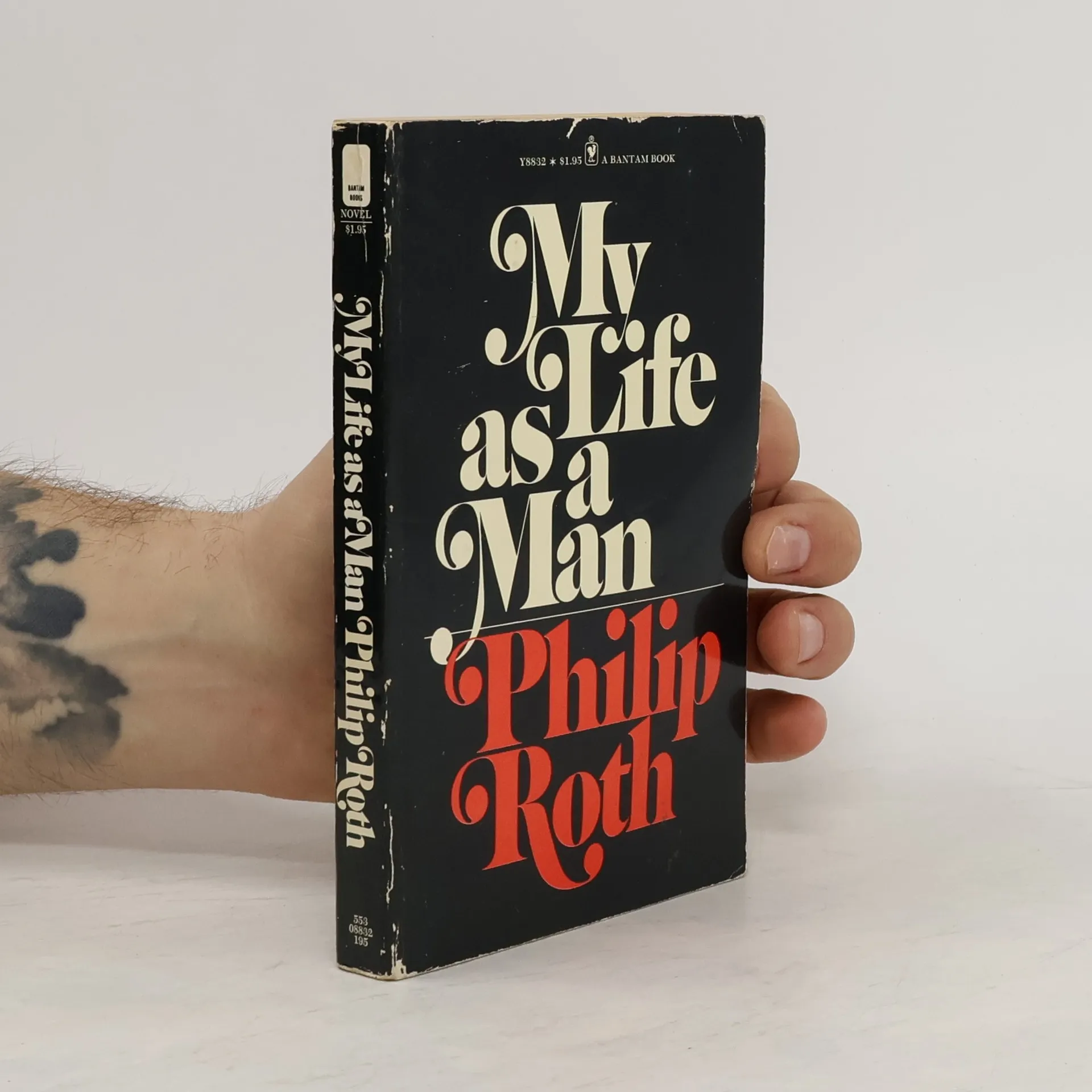
The Pulitzer Prize–winning, internationally acclaimed author of American Pastoral delivers a fierce tragedy of sexual need and blindness. • "Roth's best.” —Newsweek A fiction-within-a-fiction, a labyrinthine edifice of funny, mournful, and harrowing meditations on the fatal impasse between a man and a woman, My Life as a Man is Roth's most blistering novel. At its heart lies the marriage of Peter and Maureen Tarnopol, a gifted young writer and the woman who wants to be his muse but who instead is his nemesis. Their union is based on fraud and shored up by moral blackmail, but it is so perversely durable that, long after Maureen's death, Peter is still trying—and failing—to write his way free of it. Out of desperate inventions and cauterizing truths, acts of weakness, tenderheartedness, and shocking cruelty, Philip Roth creates a work worthy of Strindberg.
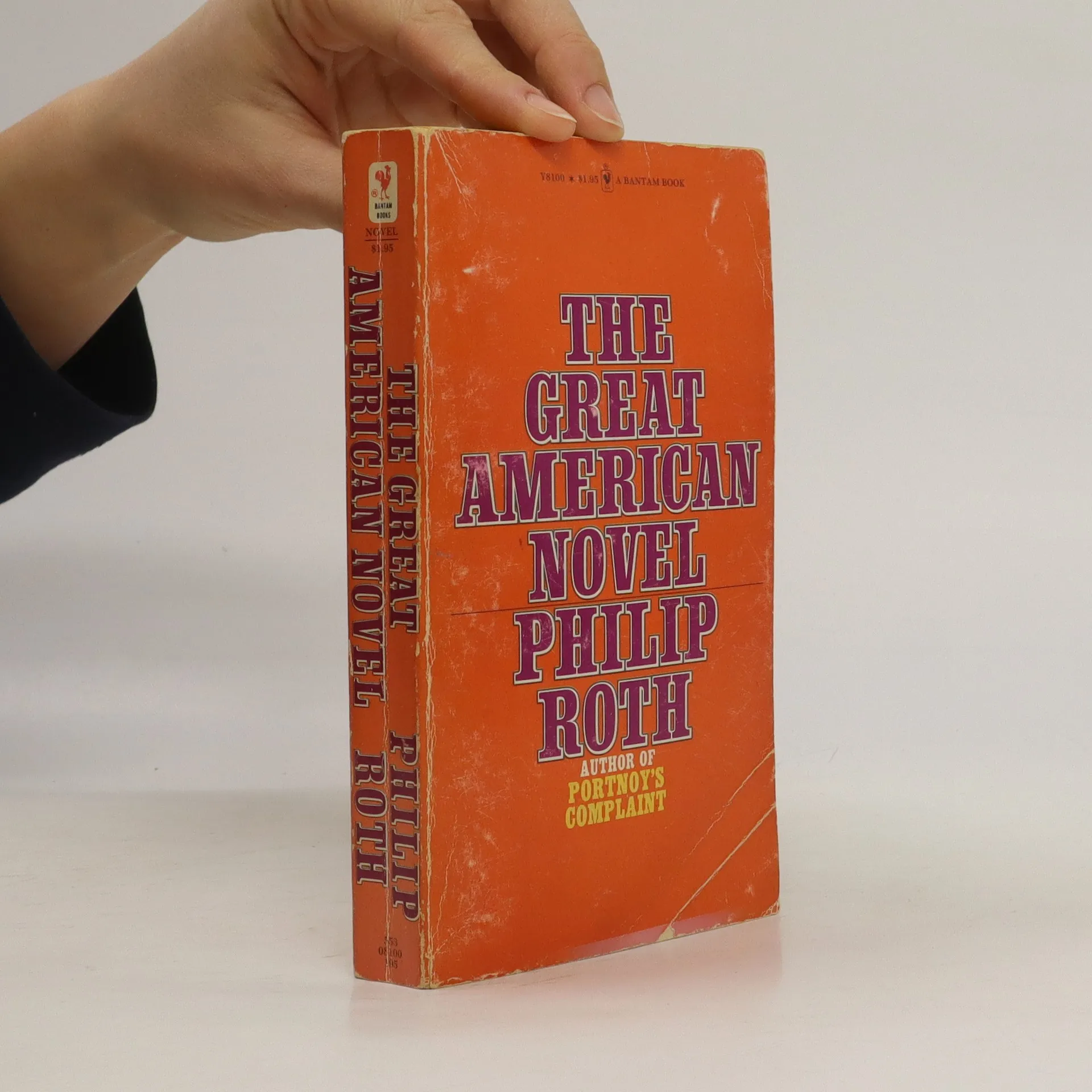
Gill Gamesh, John Baal, Rupert Mundys: If you've never heard of them, it's because of the Communist plot, and the capitalist scandal, that expunged the entire Patriot League from baseball memory. This novel turns baseball's status as national passtime and myth into an occasion for unfettered picturesque heroism and perfidy, and ebullient wordplay.
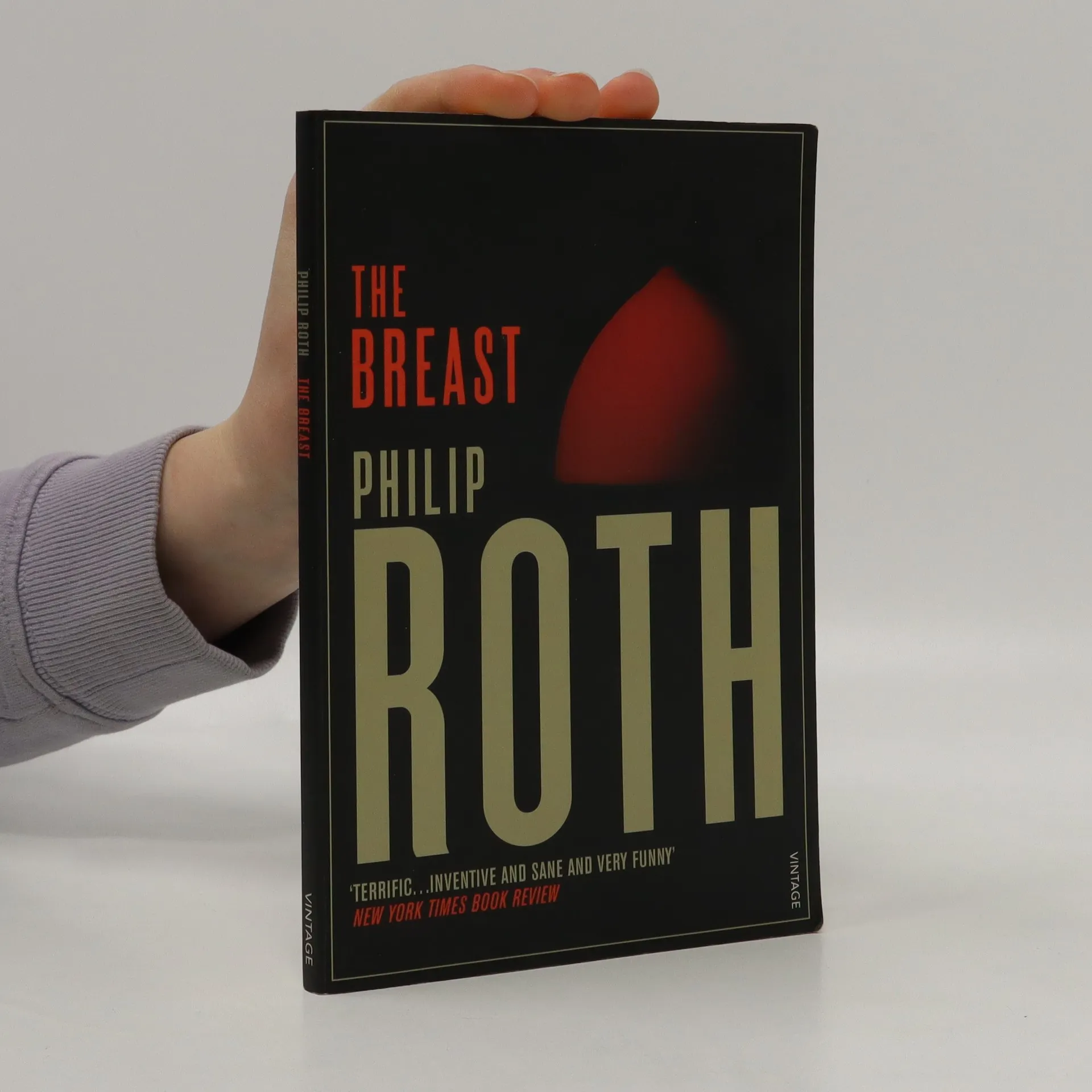
Like a latter-day Gregor Samsa, Professor David Kepesh wakes up one morning to find that he has been transformed. But where Kafka's protagonist turned into a giant beetle, the narrator of this fantasy has become a 155-pound female breast. What follows is a funny exploration of the implications of metamorphosis.
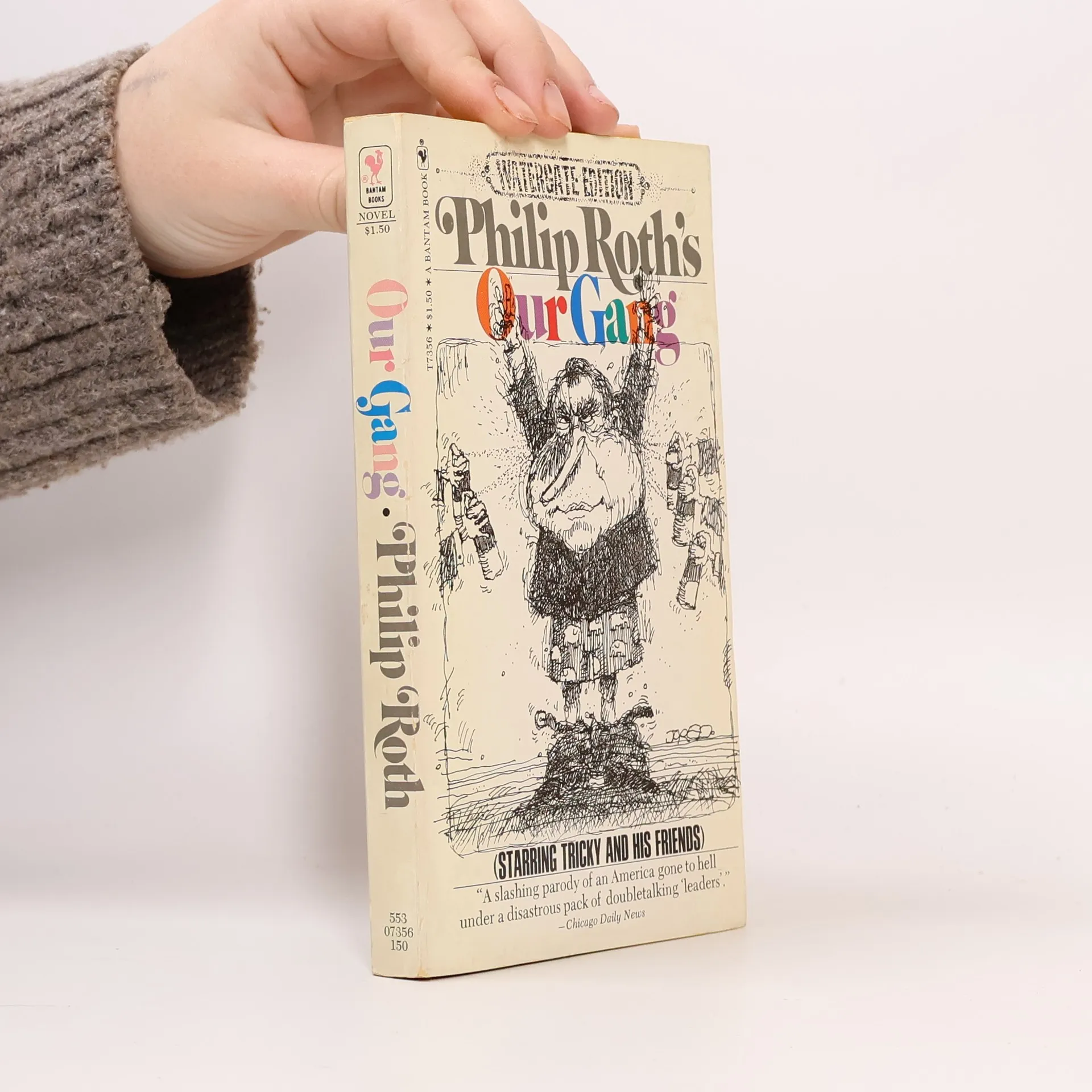
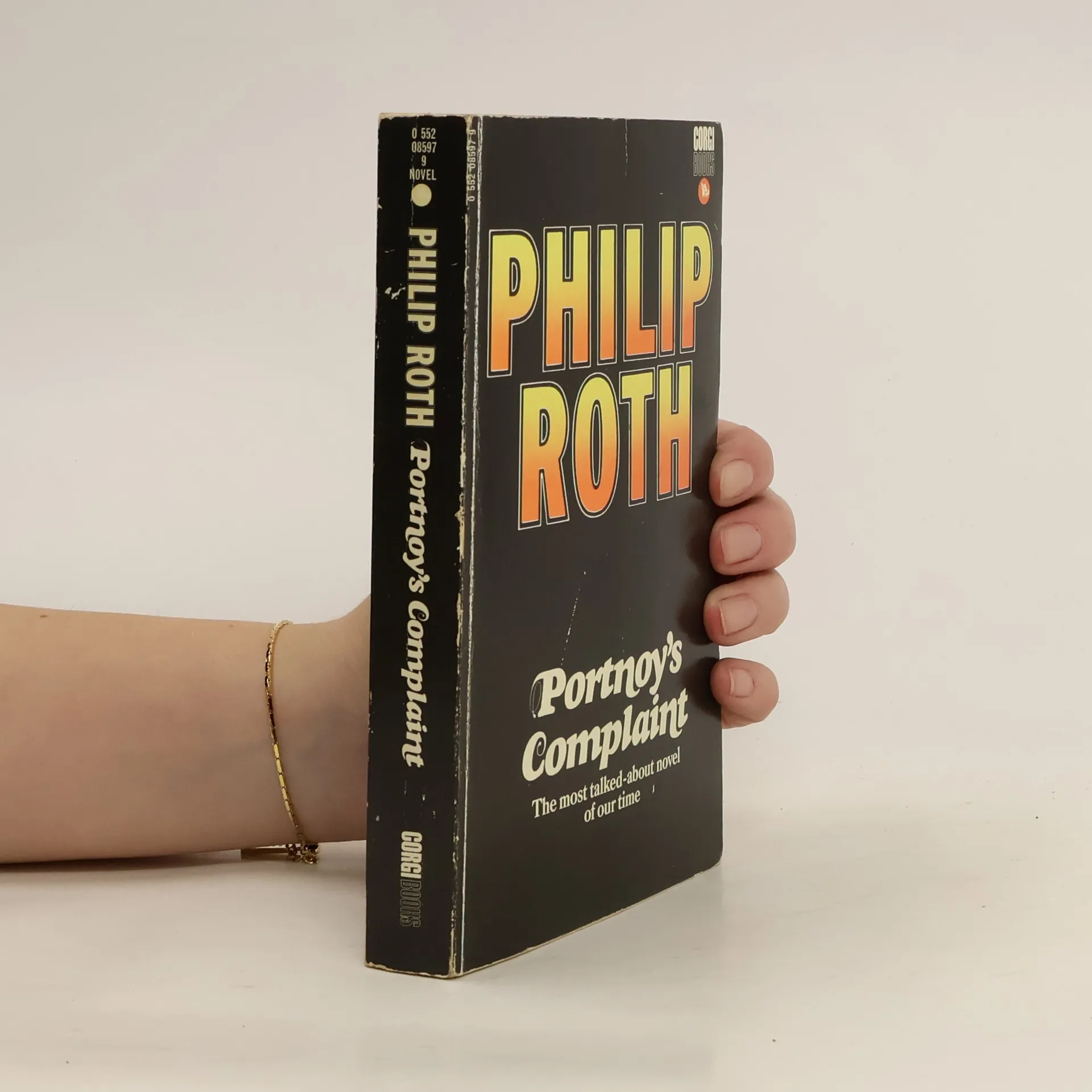
The groundbreaking novel from the Pulitzer Prize–winning author of American Pastoral that originally propelled its author to literary stardom: told in a continuous monologue from patient to psychoanalyst, this masterpiece draws us into the turbulent mind of one lust-ridden young Jewish bachelor named Alexander Portnoy. "Deliciously funny...absurd and exuberant, wild and uproarious...a brilliantly vivid reading experience." —The New York Times Book Review "Touching as well as hilariously lewd.... Roth is vibrantly talented." —New York Review of Books Portnoy's Complaint n. [after Alexander Portnoy (1933- )] A disorder in which strongly-felt ethical and altruistic impulses are perpetually warring with extreme sexual longings, often of a perverse nature. Spielvogel says: 'Acts of exhibitionism, voyeurism, fetishism, auto-eroticism and oral coitus are plentiful; as a consequence of the patient's "morality," however, neither fantasy nor act issues in genuine sexual gratification, but rather in overriding feelings of shame and the dread of retribution, particularly in the form of castration.' (Spielvogel, O. "The Puzzled Penis," Internationale Zeitschrift für Psychoanalyse, Vol. XXIV, p. 909.) It is believed by Spielvogel that many of the symptoms can be traced to the bonds obtaining in the mother-child relationship.
Jde o výsek z rodinného a osobního života dvou hlavních hrdinů, mladých učitelů na vysoké škole v Chicagu. Jejich společným znakem je zájem a pochopení hraničící až se slabostí pro ostatní lidské bytosti. První román jednoho z nejuznávanějších talentů současné americké prózy (nar.1933), zachycující osobní a rodinný život dvou mladých židovských učitelů na vysoké škole v Chicagu a demonstrující tak na jejich stycích s americkými ženami situaci nesčetných „smíšených“ manželství a „smíšených“ milostných vztahů. Příběh, ve kterém se pod humorným tónem předvádí mnoho žalu a trápení, vyplývajících z neschopnosti řešit složité a vzájemně se křížícícitové vztahy.Přestože se zde autor vyhýbá sociální tematice a zaměřuje se na konflikty osobní, přesto si nelze nepovšimnout, že pozadím jeho děje je Amerika nejsnadnějších kariér a nejpřístupnějšího blahobytu.
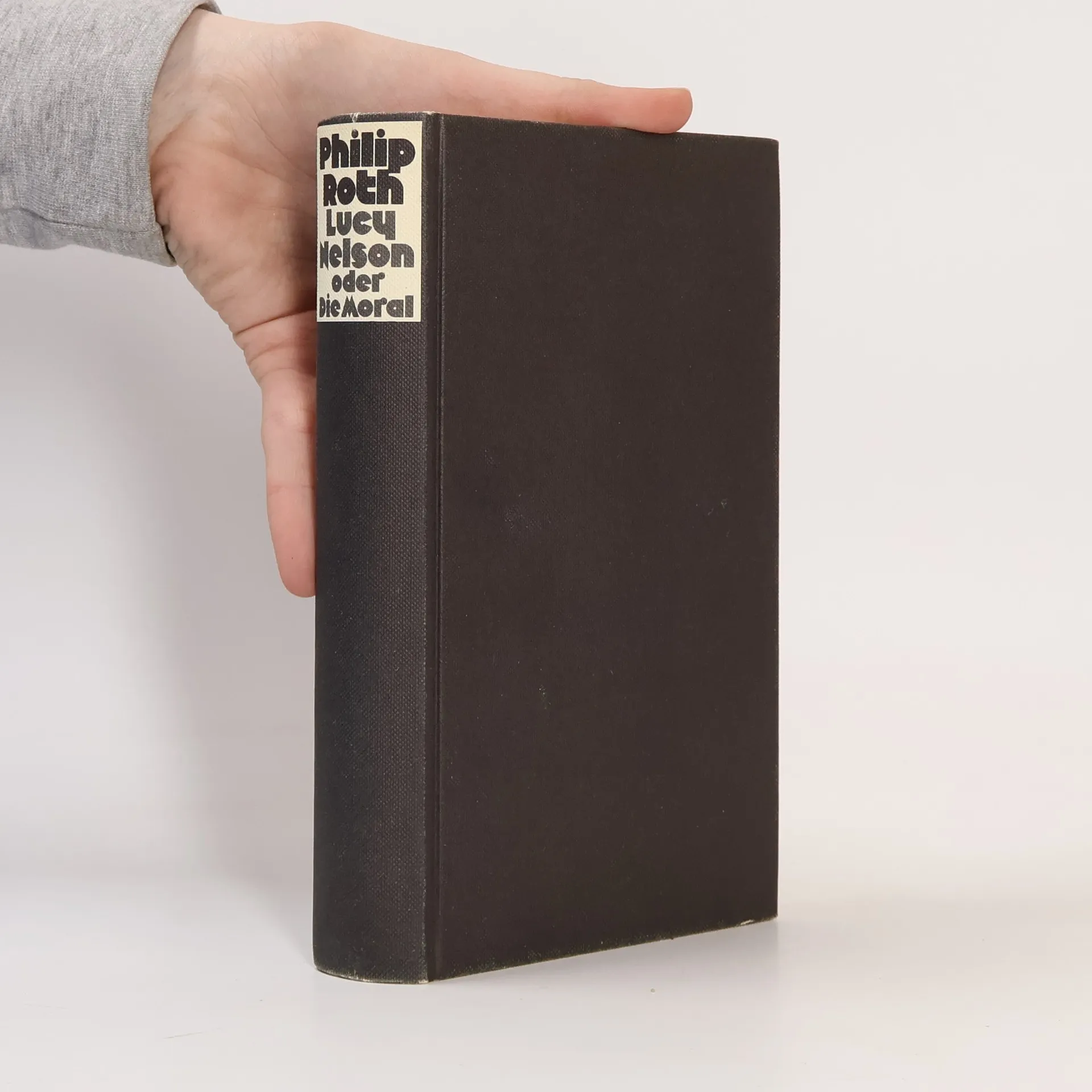
When She Was Good
- 352 páginas
- 13 horas de lectura
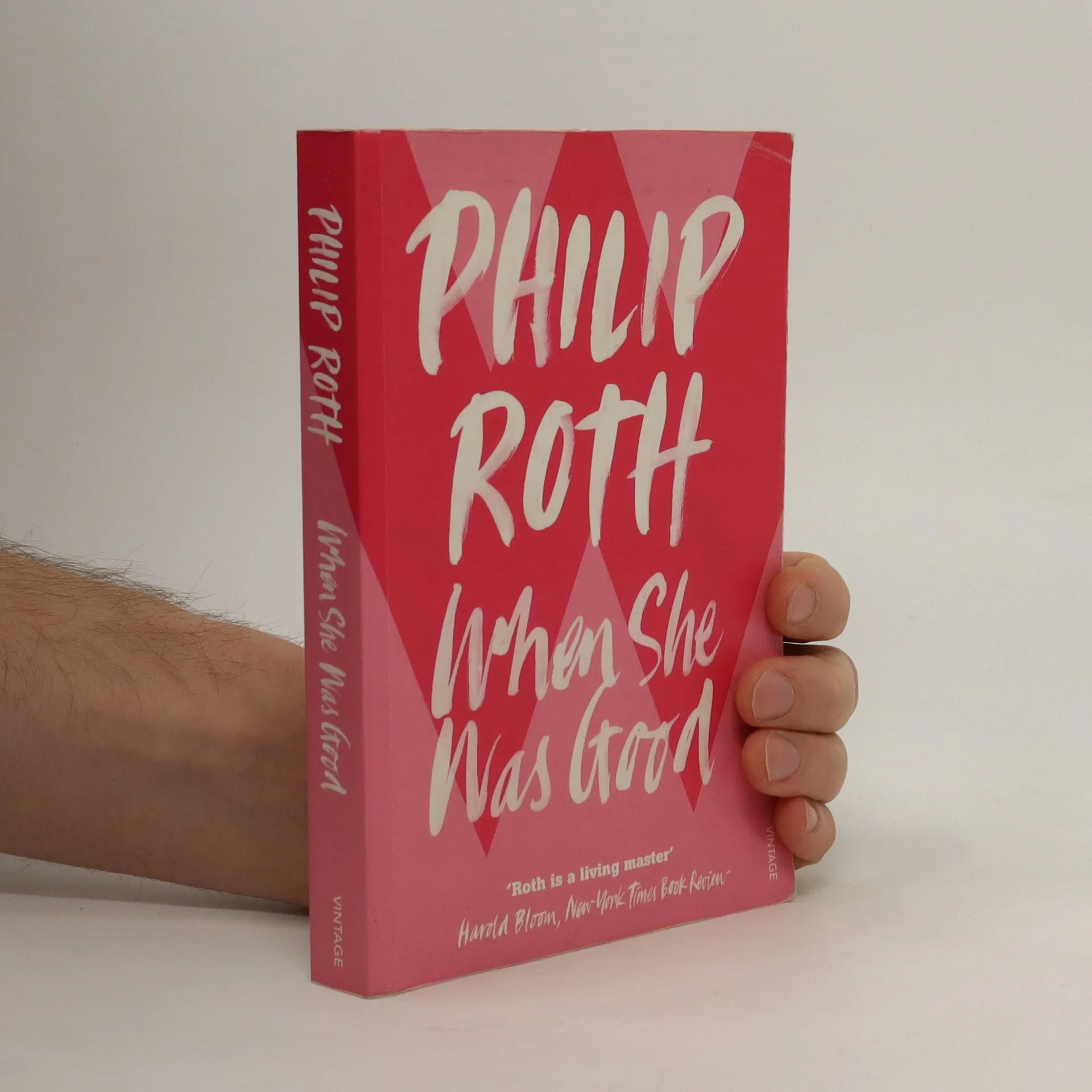
When she was still a child, Lucy Nelson had her alcoholic failure of a father thrown in jail. Ever since then she has been trying to reform the men around her, even if that ultimately means destroying herself in the process