

Based on the comprehensive collection and interpretation of available data, IOM s second World Migration Report presents one of the most complete records of reference data and background analysis on population movements. Published in June 2003, this report is organized around the core theme of migration management. Policy responses to specific migration issues are discussed in a series of essays with varying geographical and thematic focus. Preceding the thematic section, a general section introduces the reader to the basics of international migration issues and provides regional updates on trends that have occurred since the publication of the previous report. Maps and graphs and a separate statistics section support the updates on migration trends and policies. With contributions from internationally renowned practitioners and scholars in the area of migration, the report provides a critical analysis of the current state and policy implications of international migration.
Institute of Medicine Orden de los libros (cronológico)
La Academia Nacional de Medicina es una organización no gubernamental y sin fines de lucro que ofrece asesoramiento independiente en temas relacionados con la biomedicina, la medicina y la salud. Opera como consejera de la nación para mejorar la salud, con el objetivo de proporcionar información y orientación imparcial, basada en evidencia y autorizada sobre políticas de salud y ciencia. Trabajando fuera del marco del gobierno federal, se basa en una fuerza laboral voluntaria de expertos. Los nuevos miembros son elegidos anualmente por los miembros actuales en función de logros distinguidos y la voluntad de participar activamente.
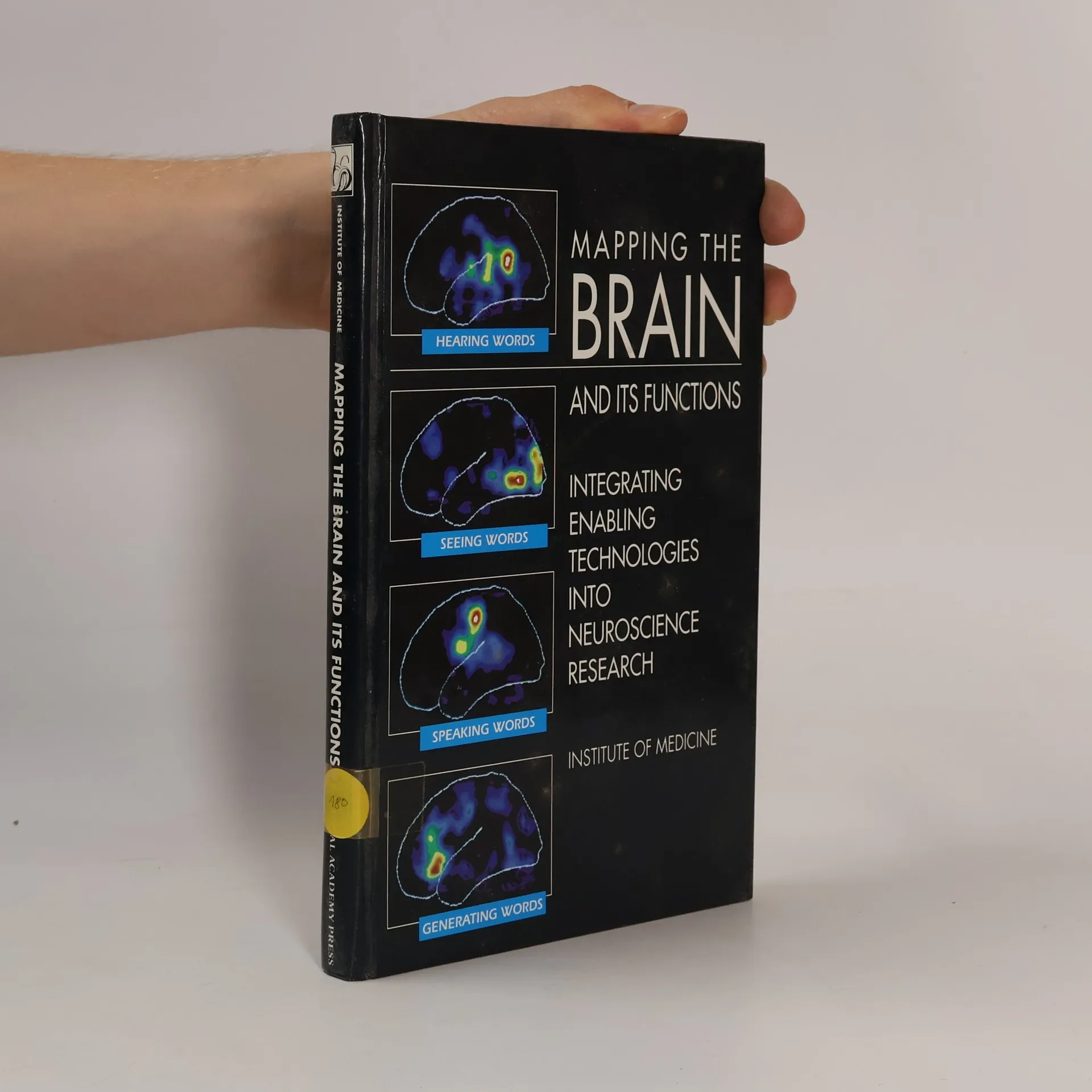

Mapping the Brain and Its Functions
Integrating Enabling Technologies into Neuroscience Research
- 180 páginas
- 7 horas de lectura
Significant advances in brain research have been made, but investigators who face the resulting explosion of data need new methods to integrate the pieces of the "brain puzzle." Based on the expertise of more than 100 neuroscientists and computer specialists, this new volume examines how computer technology can meet that need. Featuring outstanding color photography, the book presents an overview of the complexity of brain research, which covers the spectrum from human behavior to genetic mechanisms. Advances in vision, substance abuse, pain, and schizophrenia are highlighted. The committee explores the potential benefits of computer graphics, database systems, and communications networks in neuroscience and reviews the available technology. Recommendations center on a proposed Brain Mapping Initiative, with an agenda for implementation and a look at issues such as privacy and accessibility.