Robert DiYanni es profesor adjunto de humanidades y consultor de instrucción en el Center for the Advancement of Teaching de la Universidad de Nueva York. En estas funciones, imparte cursos sobre pensamiento crítico, humanidades interdisciplinarias, comercio y cultura, y negocios y sus públicos, y lleva a cabo talleres y consultas con profesores de toda la universidad sobre aspectos de la práctica pedagógica. Antes de llegar a la NYU, el Dr. DiYanni impartió clases en el Queens College y la Pace University, y como profesor visitante en Harvard. También se desempeñó, durante diez años, como Director de Servicios Internacionales en The College Board.
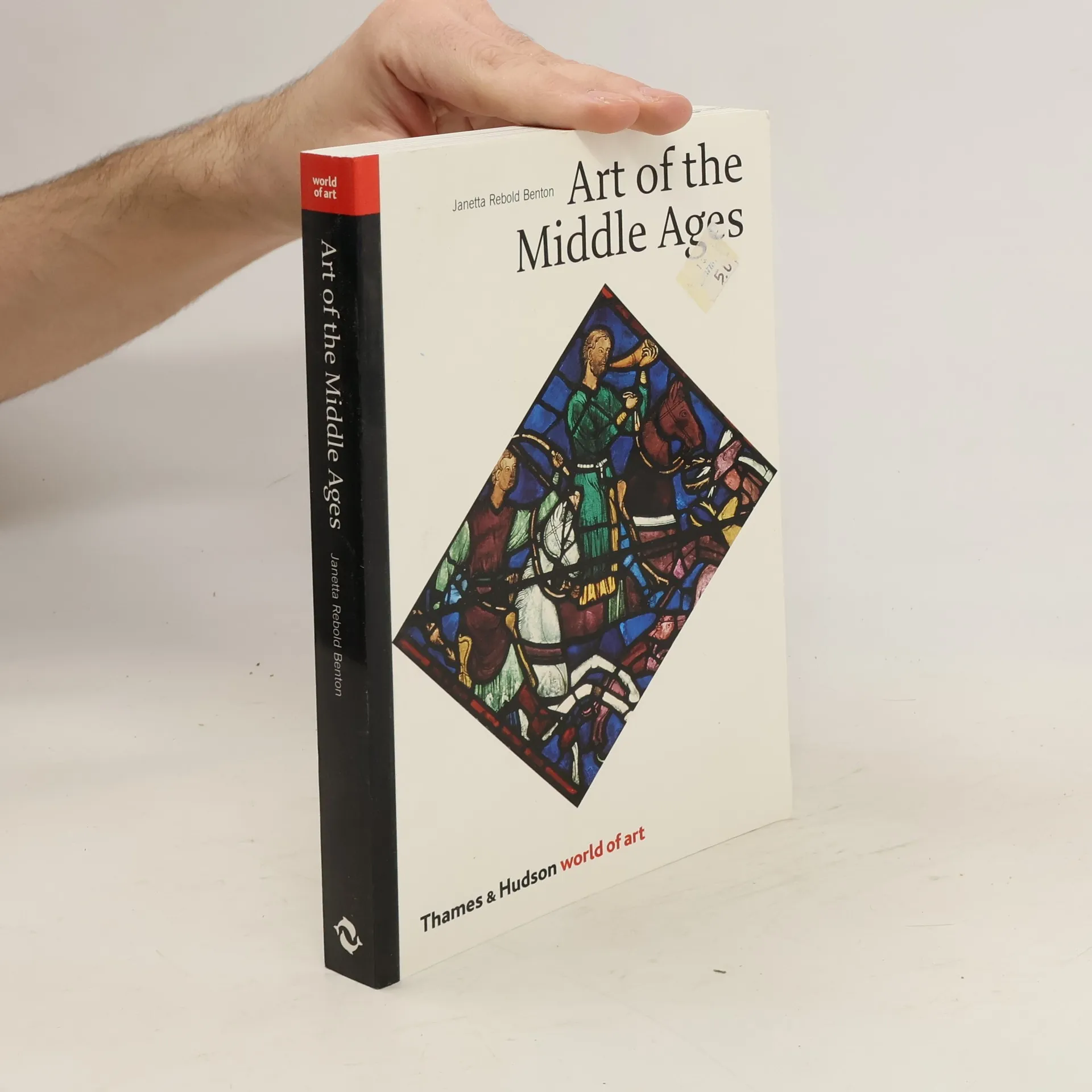
A comprehensive and authoritative study of medieval visual arts in Europe,
forming the ideal guide for students to all facets of art and architecture in
the Middle Ages. Topics covered include tapestries, armour, stained glass,
enamel and ivory work, and illuminated manuscripts.
Critical and Creative Thinking: A Guide for Teachers reveals ways to develop a
capacity to think both critically and creatively in practical and productive
ways.
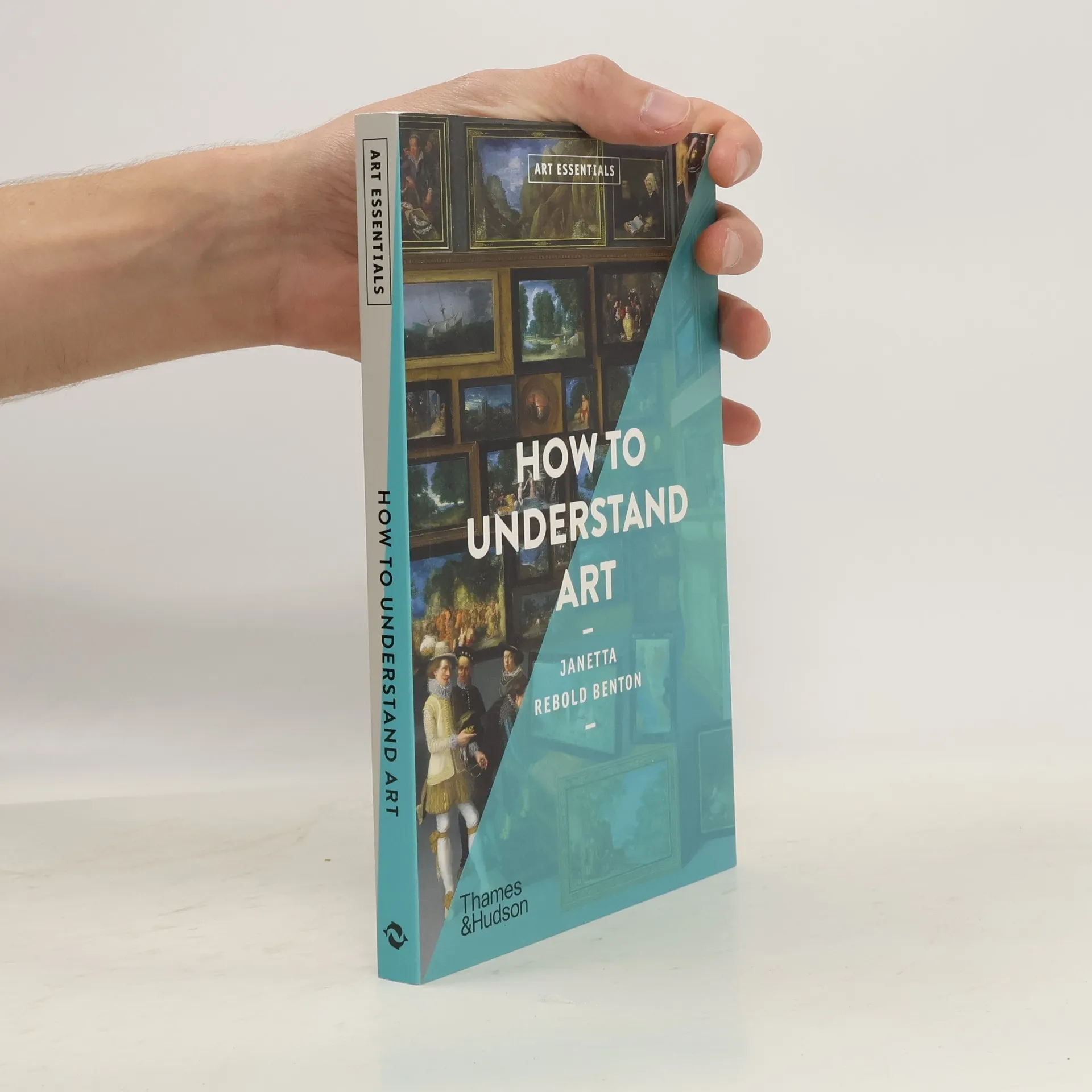
The visual arts enrich our lives in many ways: bringing innovative ideas and the pleasures of beauty and emotion, but they can also confound. How To Understand Art sets out to enhance the viewer's experience by breaking down the elements of art and sculpture to provide a firm basis for simple enjoyment as well as further investigation. 0With 100 visual examples drawn from across the globe, the stress is on how to assess art objectively - a key skill for any art student, museum visitor or cultural enthusiast. Janetta Rebold Benton guides the reader to re-evaluate their experiences of looking at art by learning to move beyond 'I don't know much about art, but I know what I like, ' and shift towards an understanding of 'why I like it'. 0Materials and techniques are discussed - drawing, painting, printing, photography, sculpture and decorative art - making it possible to assess what can (and cannot) be done in certain media. The book also features a section devoted to six key artists who have had a particularly notable and innovative influence on the history of art: Leonardo da Vinci, Rembrandt van Rijn, Vincent van Gogh, Frida Kahlo, Pablo Picasso and Andy Warhol. Perfectly aimed at students and the general reader, this indispensable guide to the subject is well-placed to encourage questions and discussion, especially in the light of current debates surrounding class, ethnicity, gender and race