

A magisterial overview of the history of economic thought from the seventeenth century to the present day, one that emphasizes a diversity of economic argument that it sometime suppressed in more conventional textbooks, which tend to organize their histories into sequences fo schools of thought.
Professor Roger E Backhouse Libros
19 de enero de 1951


Capitalist Revolutionary
- 208 páginas
- 8 horas de lectura
The 2008 recession restored Keynes to prominence. This account elaborates the misinformation that led to his repeated resurrection and interment since his death in 1946. Keynes was more open-minded about capitalism than is commonly believed, and his nuanced views offer an alternative to the polarized rhetoric evoked by the word capitalism today.
The Ordinary Business of Life
A History of Economics from the Ancient World to the Twenty-First Century
- 384 páginas
- 14 horas de lectura
In early Western writings, Hesiod identified the economic problem of scarce resources, a perspective still embraced by economists today. Diocletian attempted to stabilize the declining Roman Empire through wage and price controls, a strategy that retains relevance. The late twentieth century saw physicists influencing economic thought, similar to trends in the late nineteenth century. This work offers a captivating exploration of economics, which Alfred Marshall described as "the study of mankind in the ordinary business of life." While often viewed as a modern discipline, Roger Backhouse illustrates that economic ideas have roots in antiquity, tracing contemporary thought back to ancient influences. He uncovers the origins of economic theory and the intricate interplay between economics, natural science, and philosophy. The narrative introduces a diverse array of thinkers— theologians, philosophers, politicians, lawyers, poets, and economists—who shaped ideas about money and markets. Key concepts emerged from historical contexts, from the Stoic idea of natural law to the rise of mercantilism with nation-states, and from postwar development economics to modern experimental and statistical methods enabled by technology. Vividly written, this work stands out for its integration of ancient and modern economic history, asserting that economics has been far from "the dismal science."
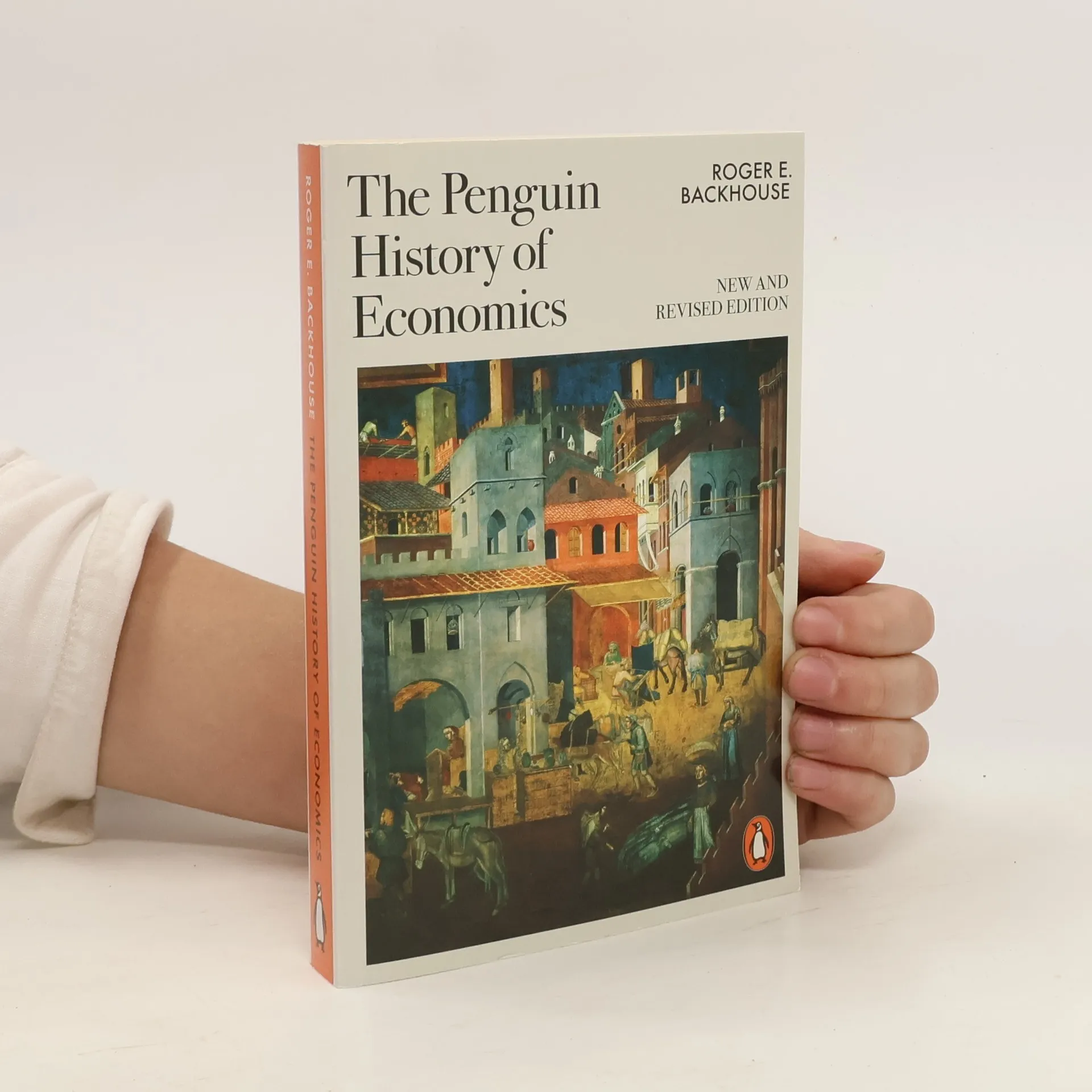
The Penguin History of Economics
- 496 páginas
- 18 horas de lectura
The definitive guide to the history of economic thought, fully revised twenty years after first publication Roger Backhouse's definitive guide takes the story of economic thinking from the ancient world to the present day, with a brand-new chapter on the twenty-first century and updates throughout to reflect the latest scholarship. Covering topics including globalisation, inequality, financial crises and the environment, Backhouse brings his breadth of expertise and a contemporary lens to this original and insightful exploration of economics, revealing how we got to where we are today.
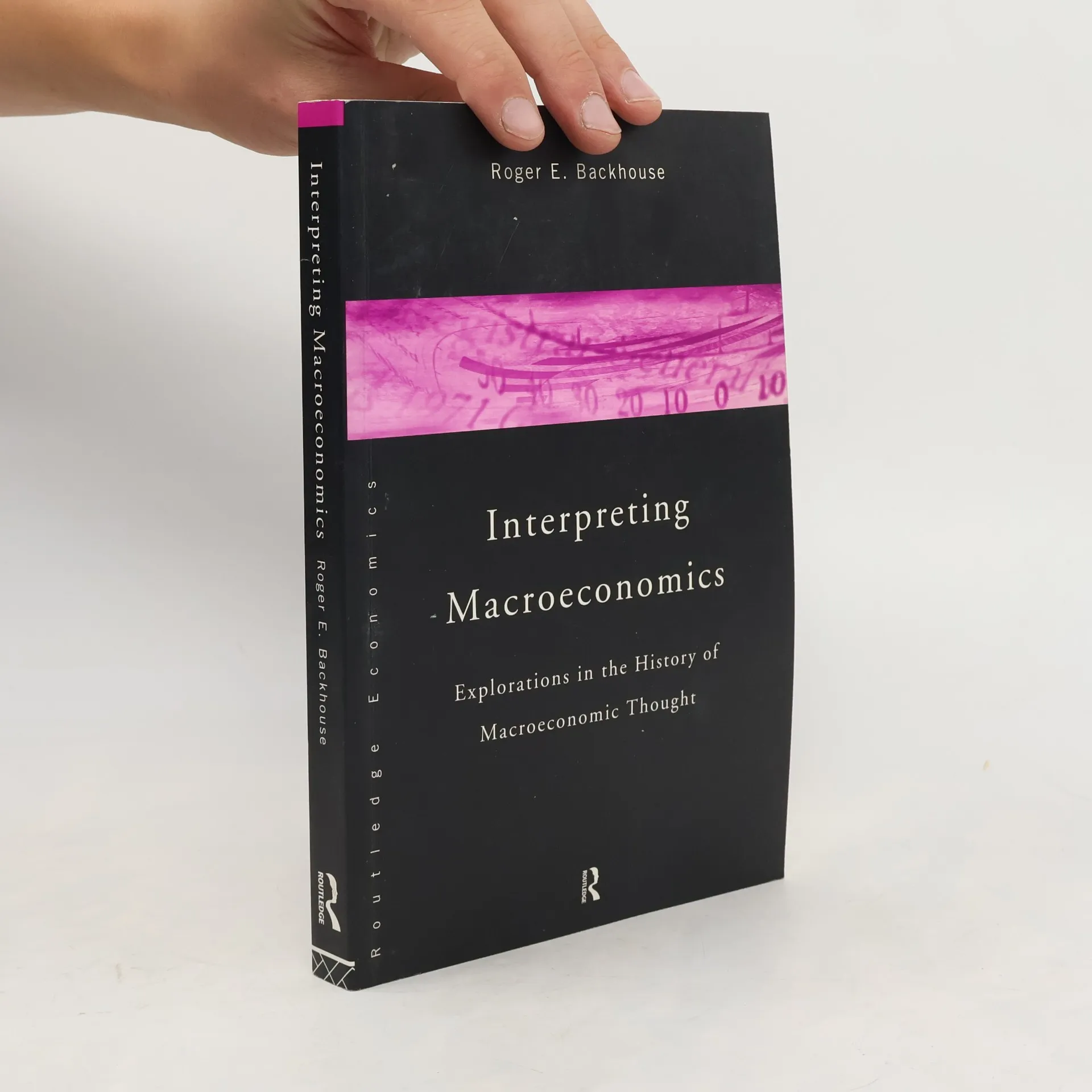
Interpreting Macroeconomics
Explorations in the History of Macroeconomic Thought
- 252 páginas
- 9 horas de lectura
Interpreting Macroeconomics explores a variety of different approaches to macroeconomic thought. The book considers a number of historiographical and methodological positions, as well as analyzing various important episodes in the development of macroeconomics, before during and after the Keynesian revolution. Roger Backhouse shows that the full richness of these developments can only by brought out by approaches which blend both relativism and absolutism, and historical and rational reconstructions. Examples discussed include Hobson, Keynes and Friedman.
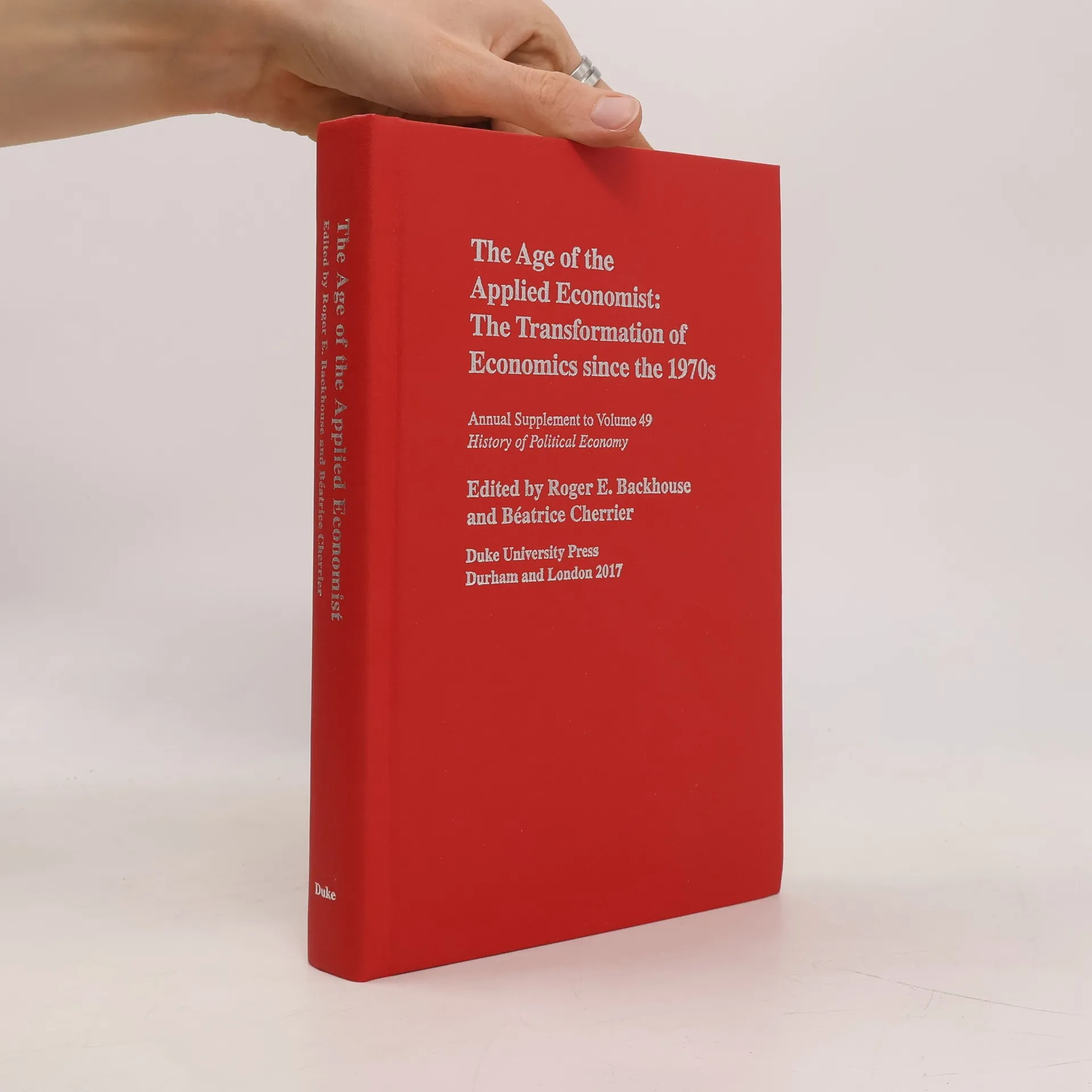
The Age of the Applied Economist
The Transformation of Economics Since the 1970s - Annual Supplement to Volume 49 History of Political Economy
- 304 páginas
- 11 horas de lectura