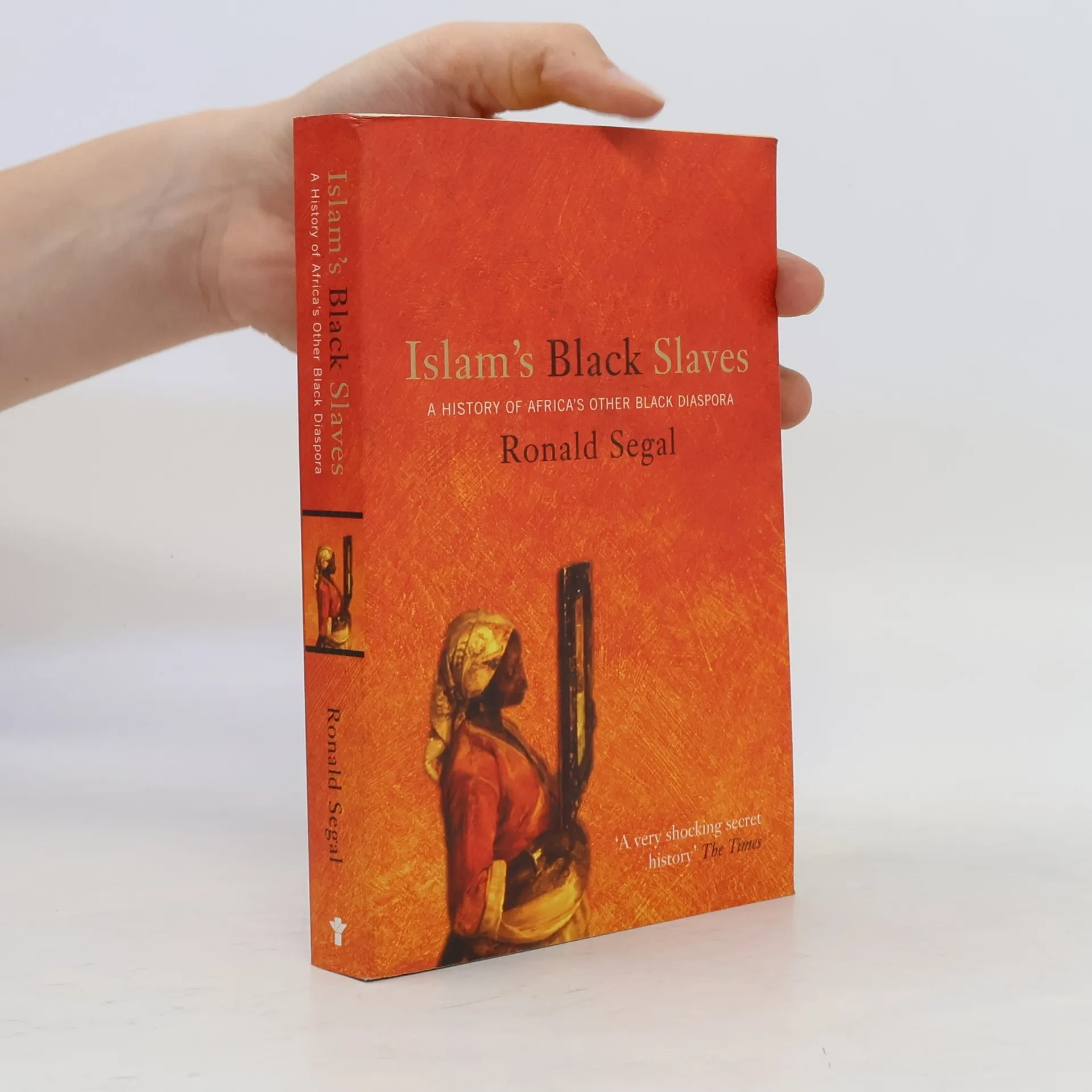
In Islam's Back Slaves, Ronald Segal traces the business of slavery from the birth of Islam in seventh-century Arabia to the present, where, in Sudan and Mauritania, Africans continue to be bought and sold. It is the first book for a general readership to describe in detail the Islamic slave trade. It is also a valuable corrective to the view that the enslavement of Africans was a purely European question.
Ronald Segal Libros
Ronald Segal fue un destacado autor y editor sudafricano cuya obra se involucró frecuentemente con cuestiones políticas y sociales. Su educación temprana y sus experiencias en Sudáfrica moldearon profundamente su escritura posterior. Segal también fue el fundador y editor de la revista *Africa South*, que sirvió como una plataforma crucial para el discurso político y cultural. Sus escritos a menudo exploraron temas de raza, colonialismo y la lucha por la liberación, tanto dentro de África como a nivel mundial. La vida de Segal en el exilio y su continua actividad política informaron su perspectiva distintiva sobre los asuntos mundiales.

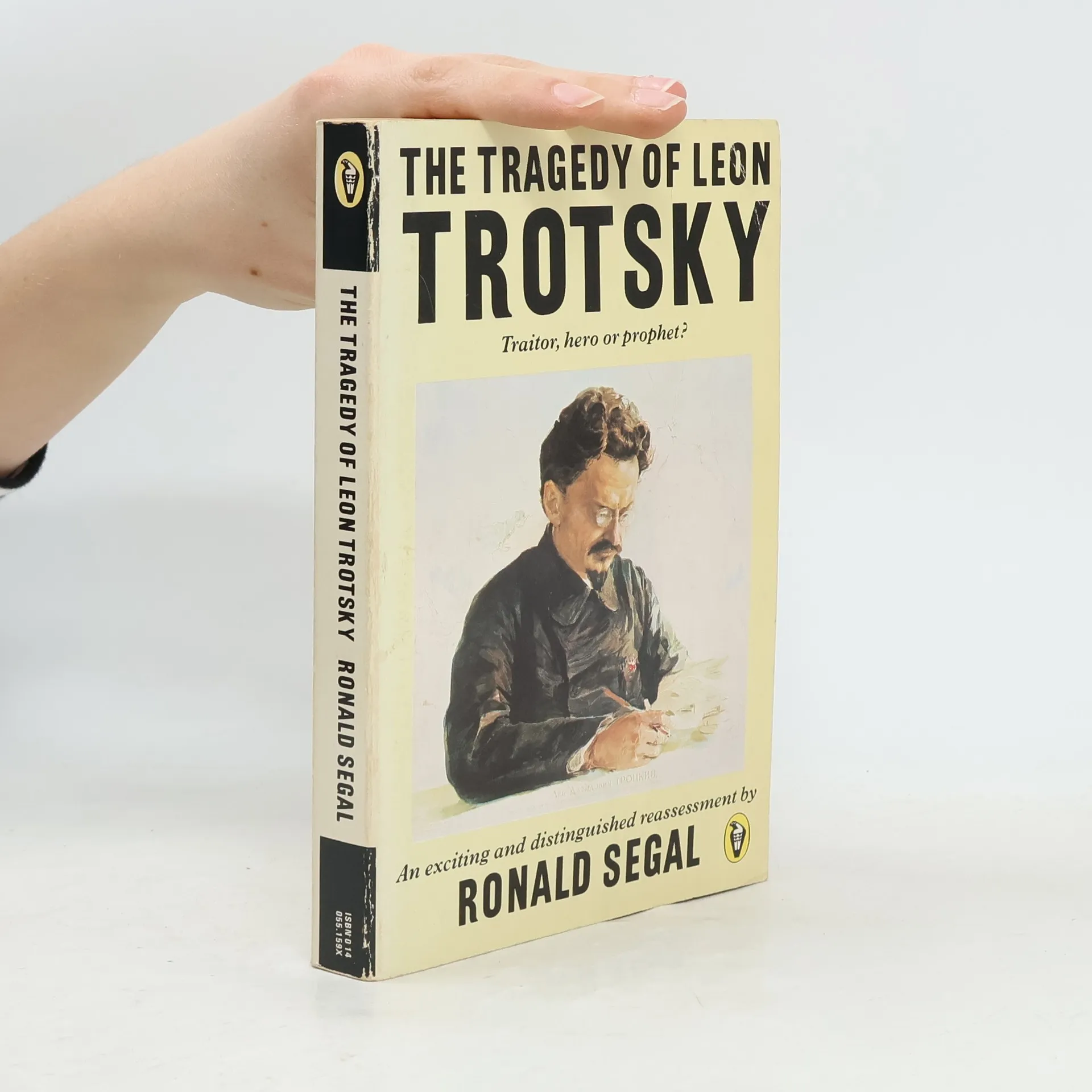
The Tragedy of Leon Trotsky
- 445 páginas
- 16 horas de lectura
The New State of the World Atlas
- 167 páginas
- 6 horas de lectura
The New State of the World Atlas depicts the political, economic, social, and geographical issues that have created today's world. With 50 full-color maps, this comprehensive resource makes sense of our rapidly changing world.
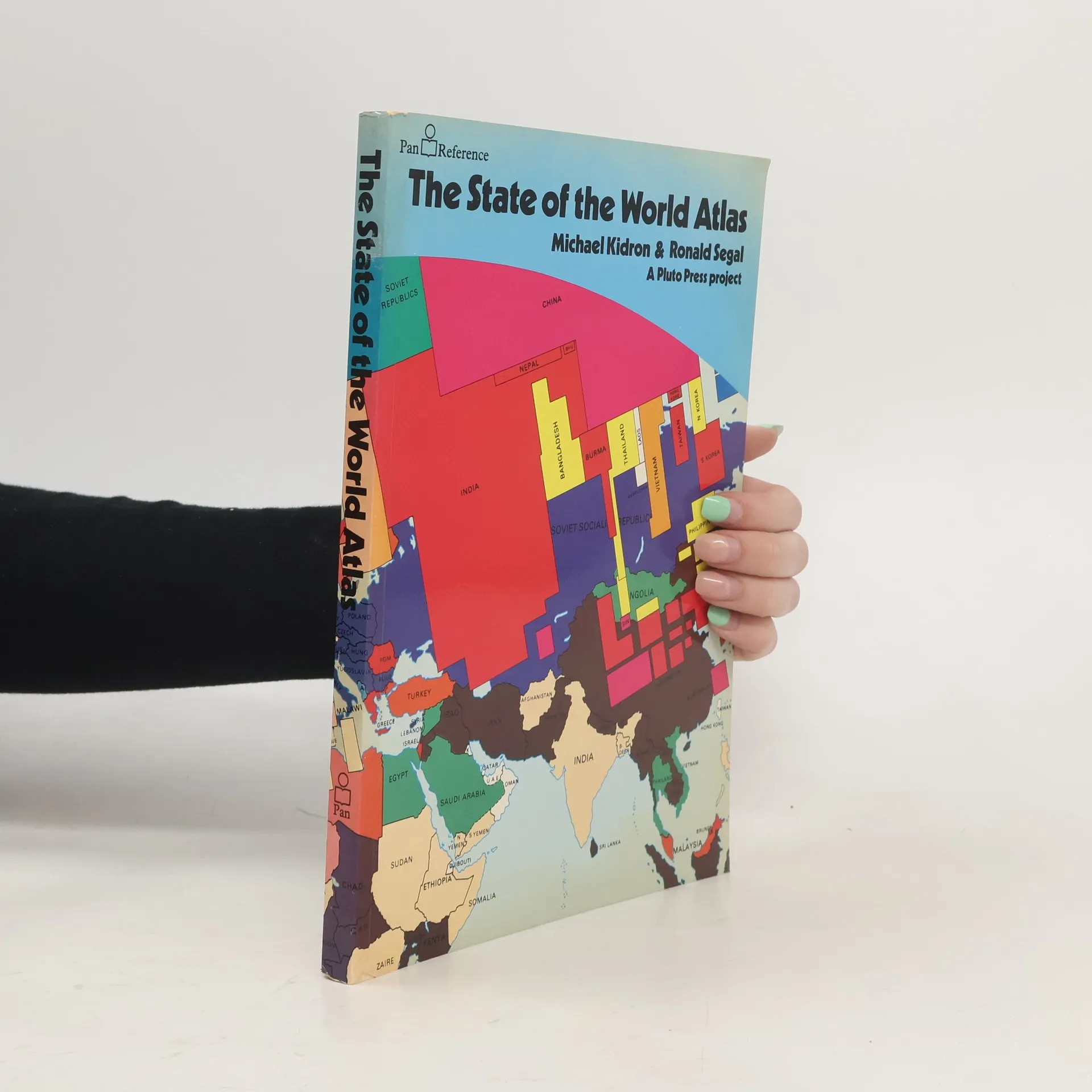
The State of the World Atlas
- 176 páginas
- 7 horas de lectura
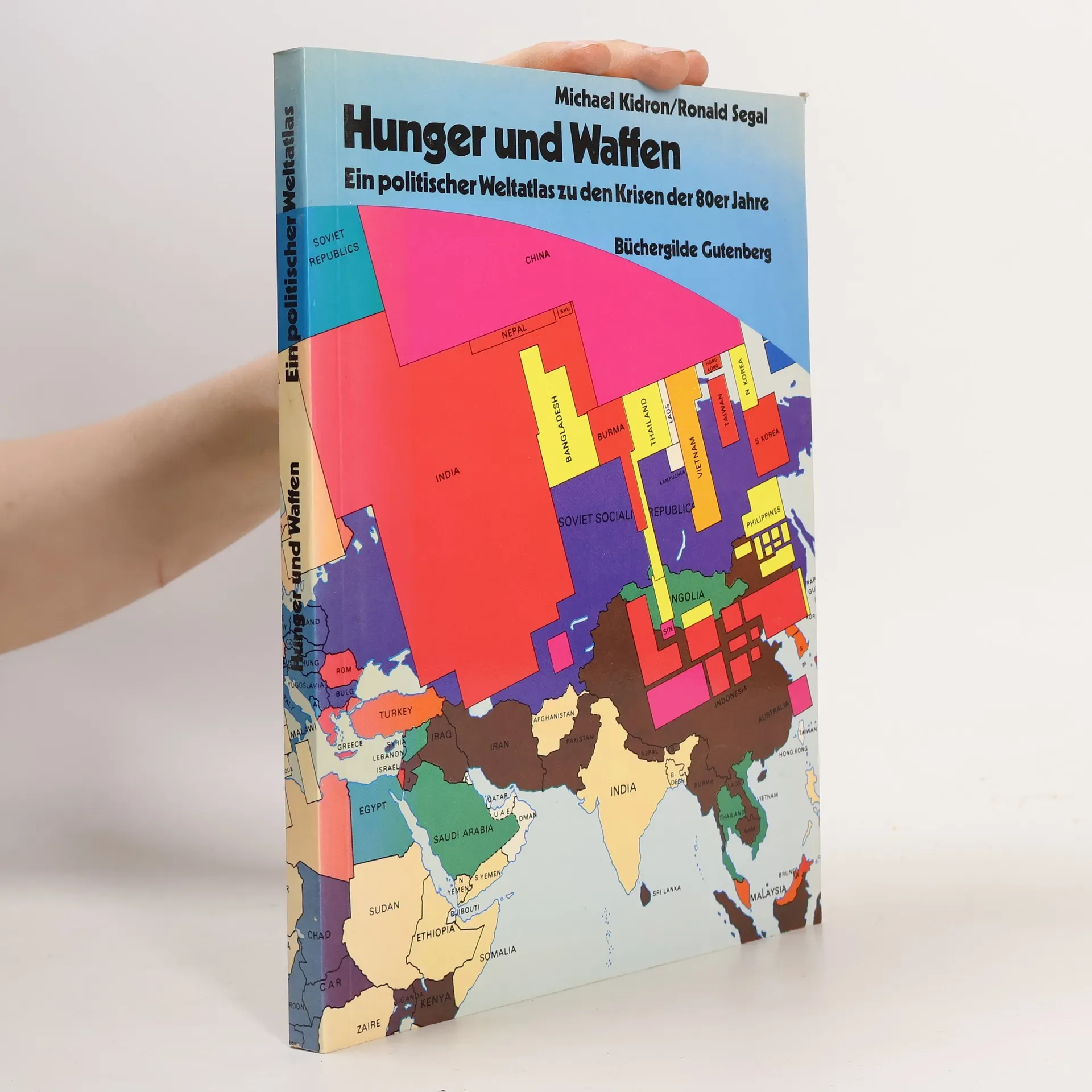
Distinctive yet accessible, these full-color maps & graphics afford readers a unique view of current international affairs by translating key political, economic & social indicators into readily grasped visual form. "Unique & uniquely beautiful," previous editions of this atlas have told us "more about the world today than a dozen statistical abstracts or scholarly tomes" (Los Angeles Times). Topics covered in this edition include population growth, migrations, pressures on the environment, military spending, the arms trade, racism & gender politics. For a concise yet comprehensive survey of the world today, The State of the World Atlas is unmatched.
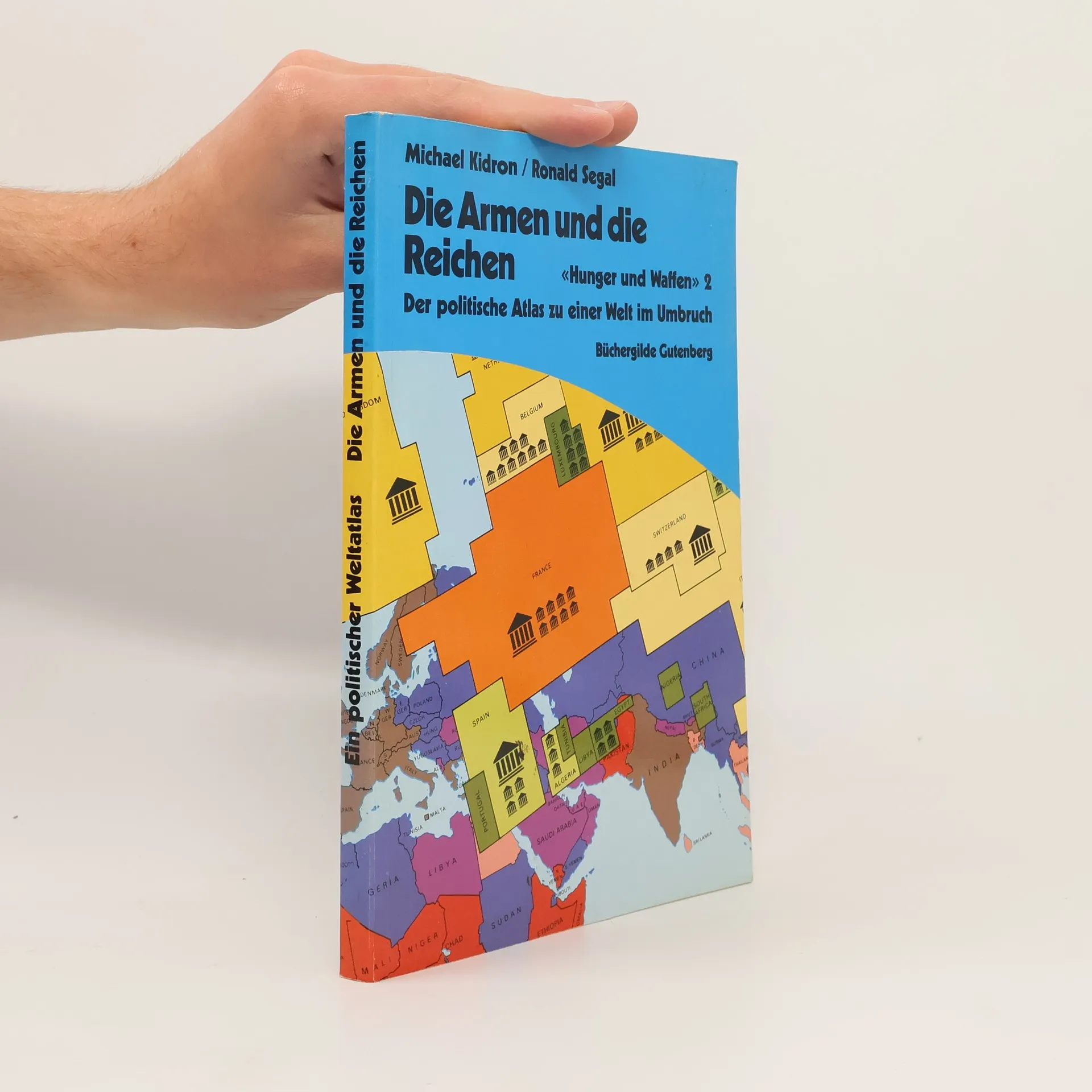
Hunger und Waffen - 2: Die Armen und die Reichen
Der politische Atlas zu einer Welt im Umbruch
- 174 páginas
- 7 horas de lectura