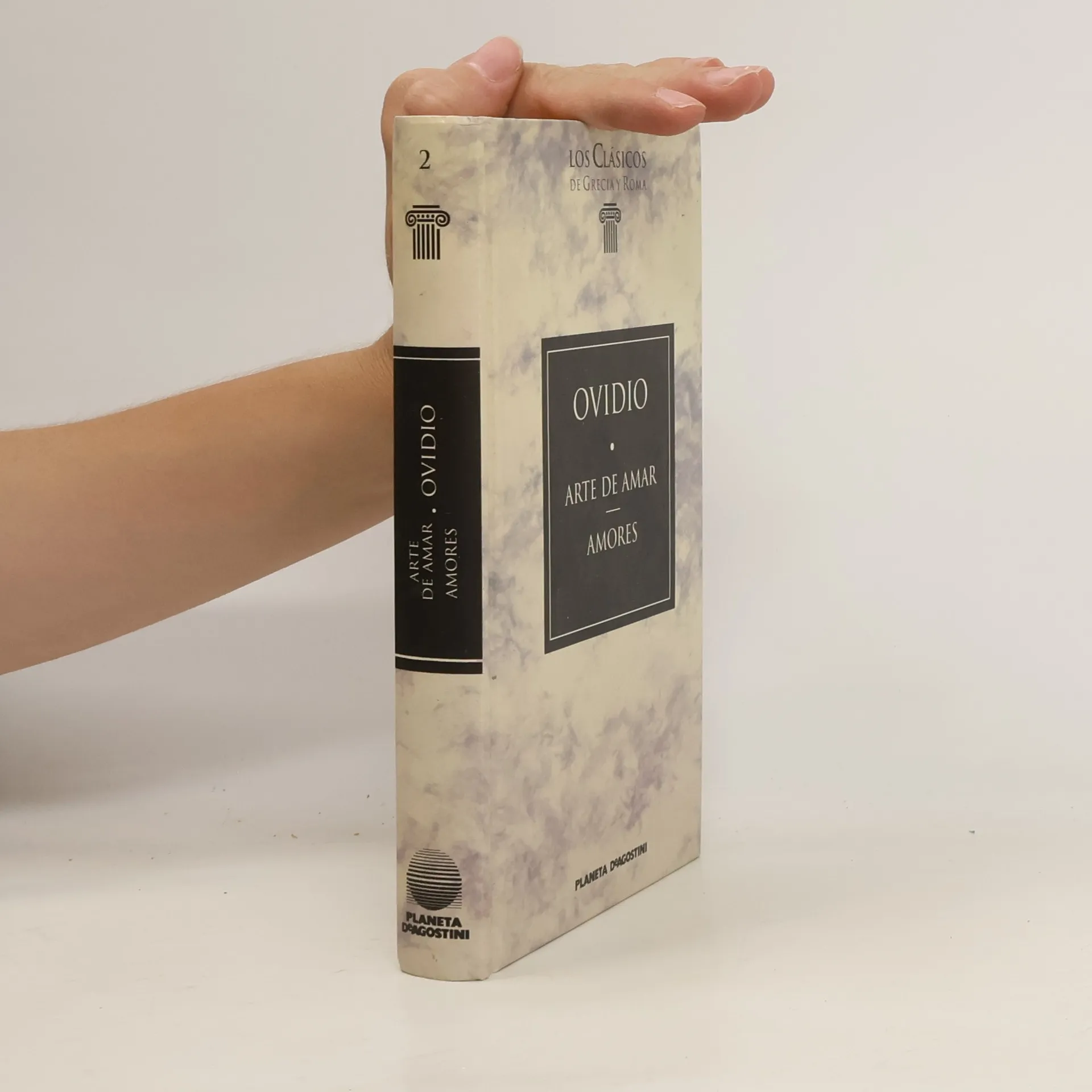
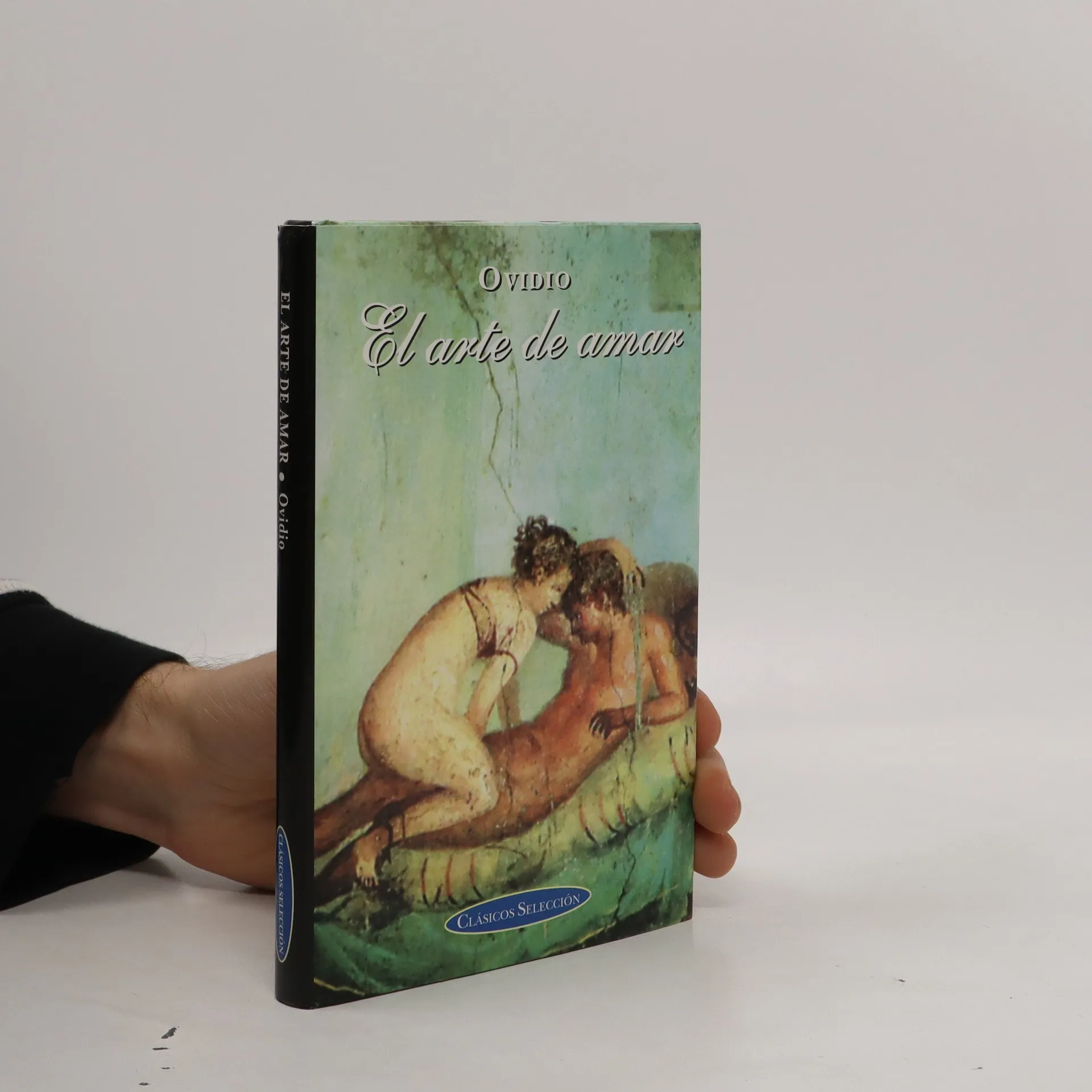
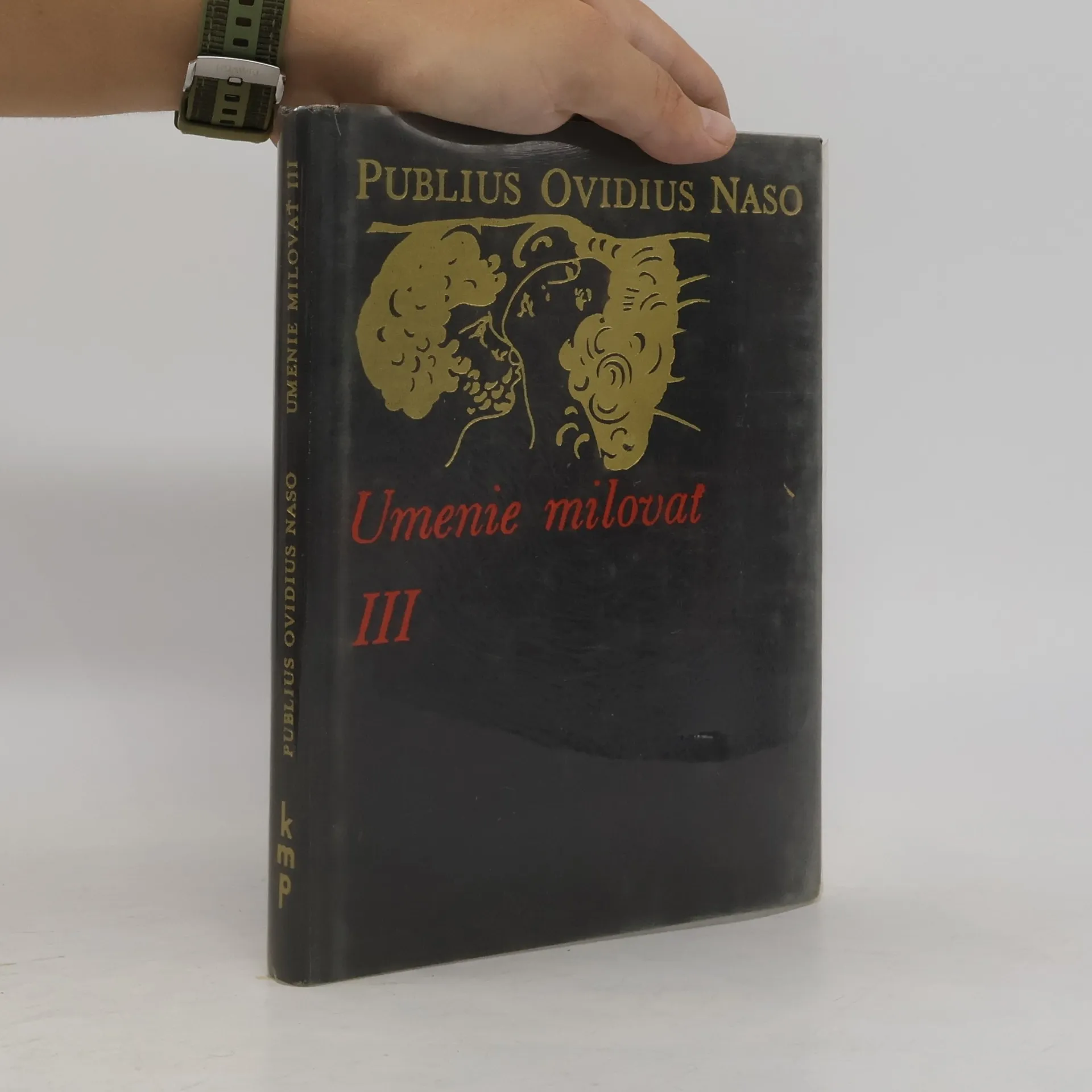
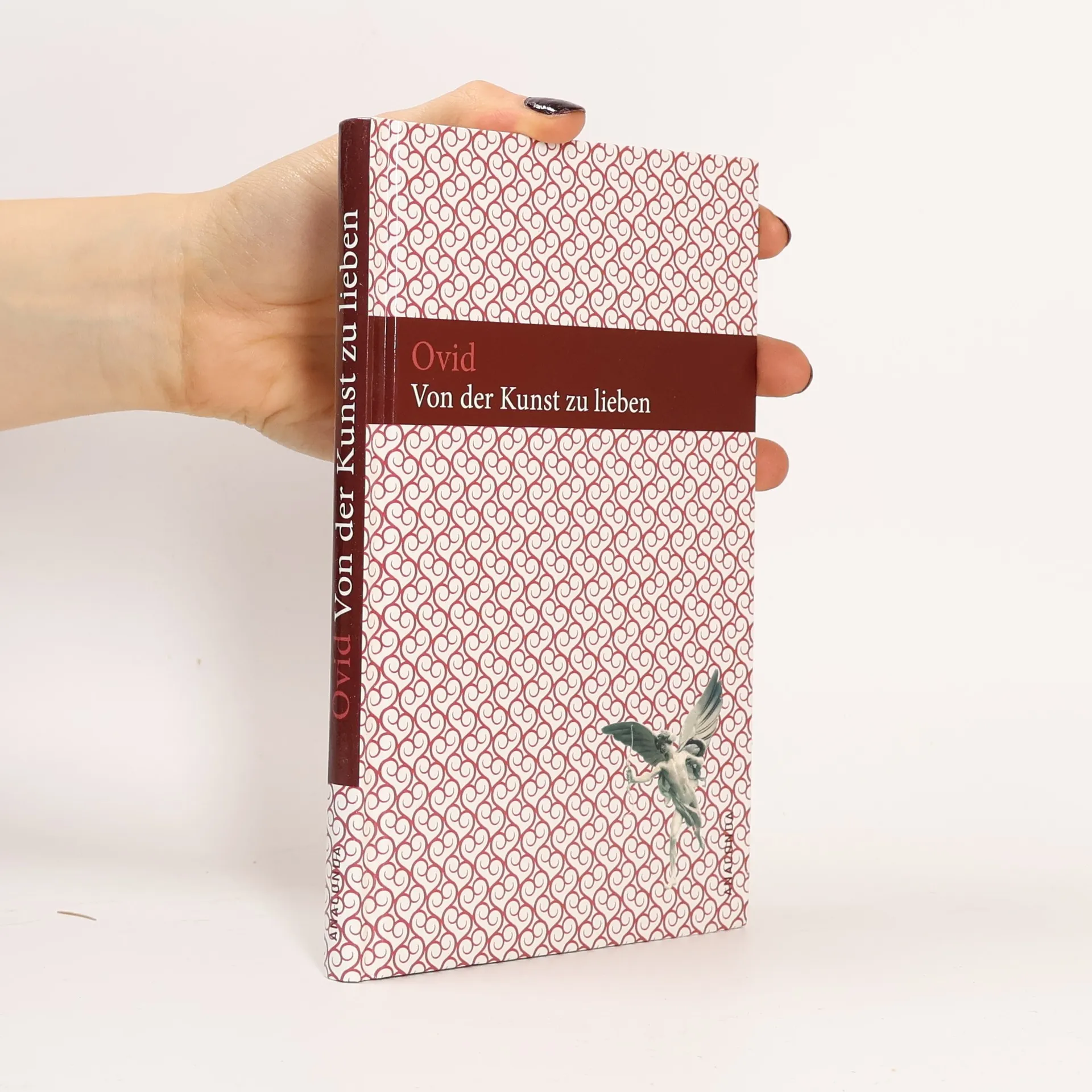
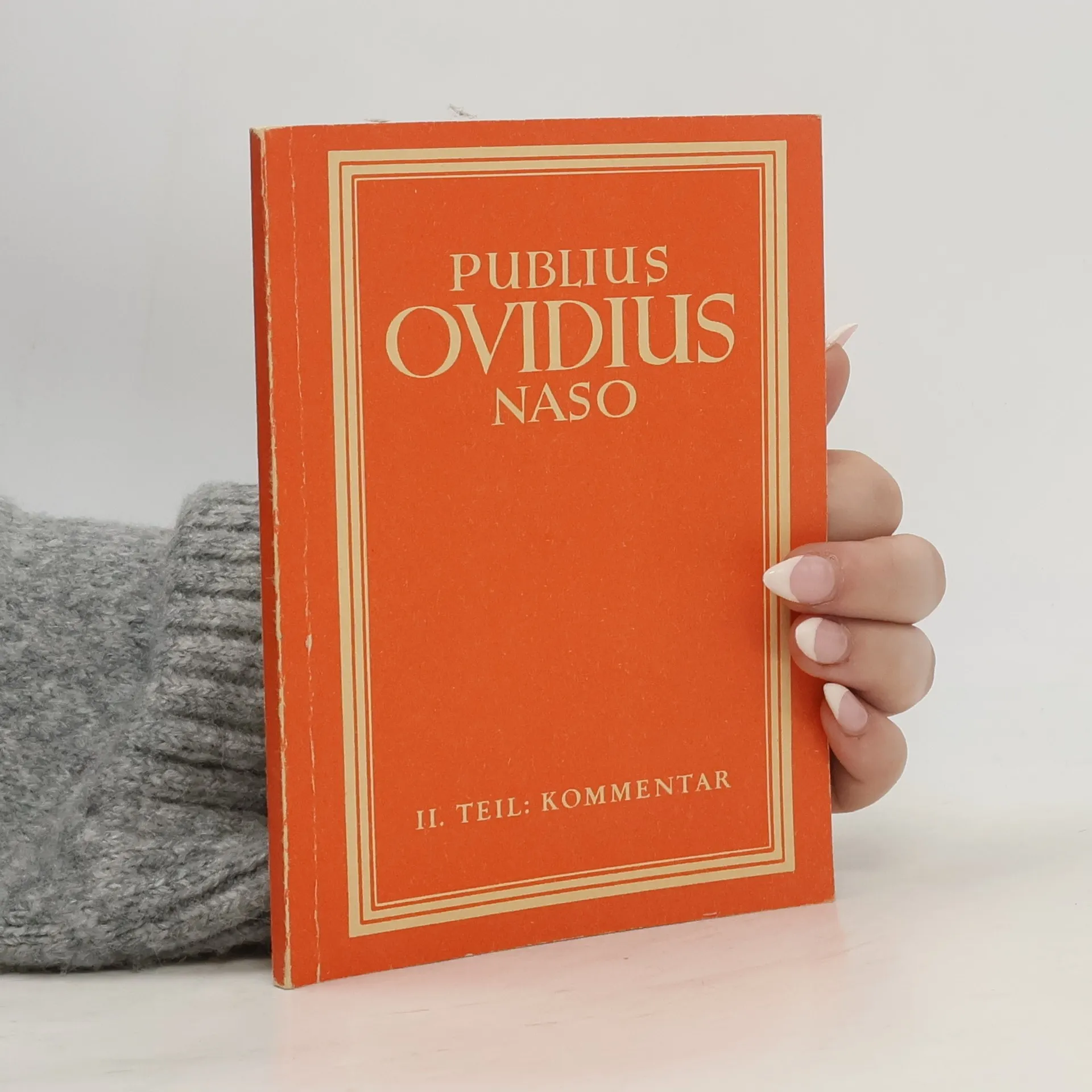
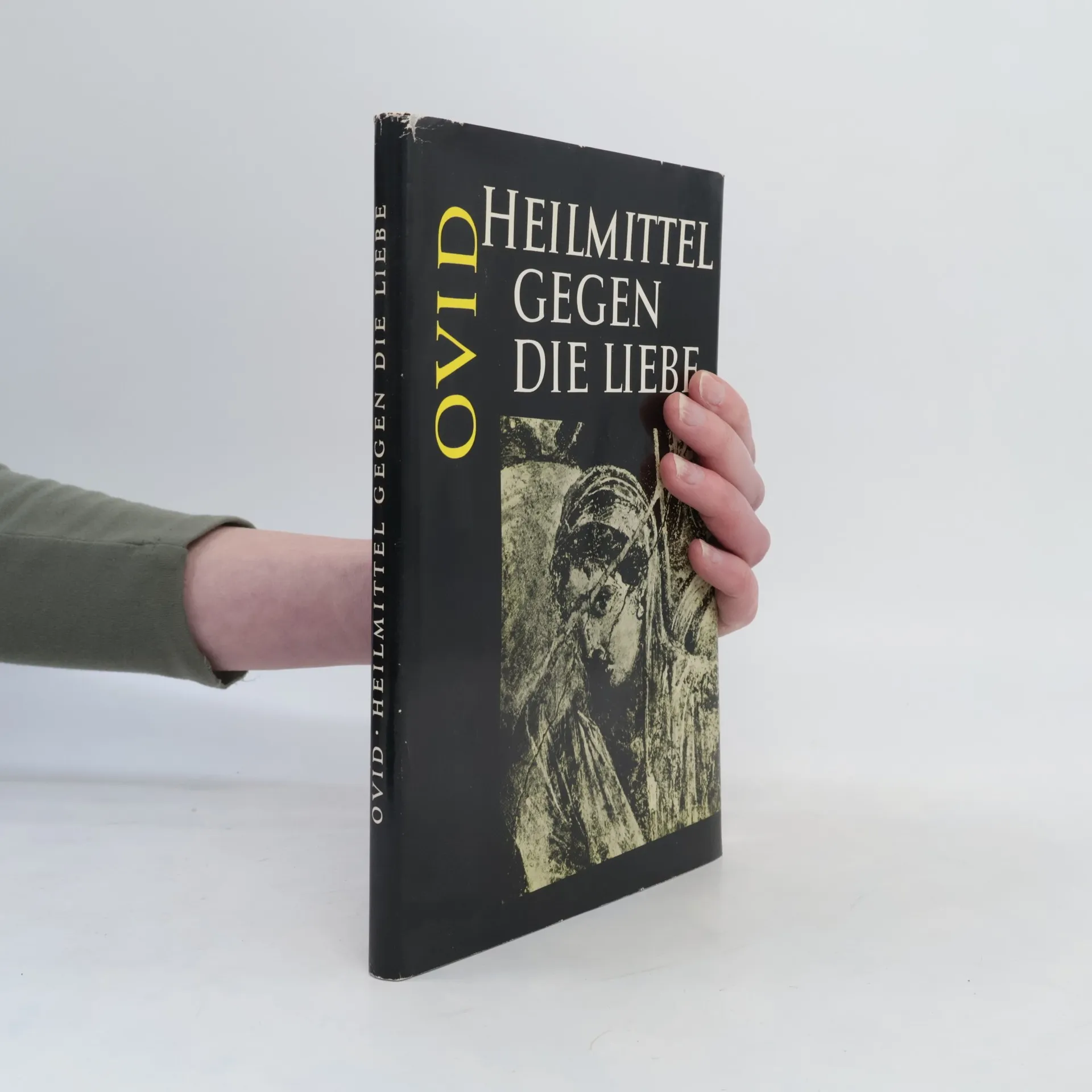
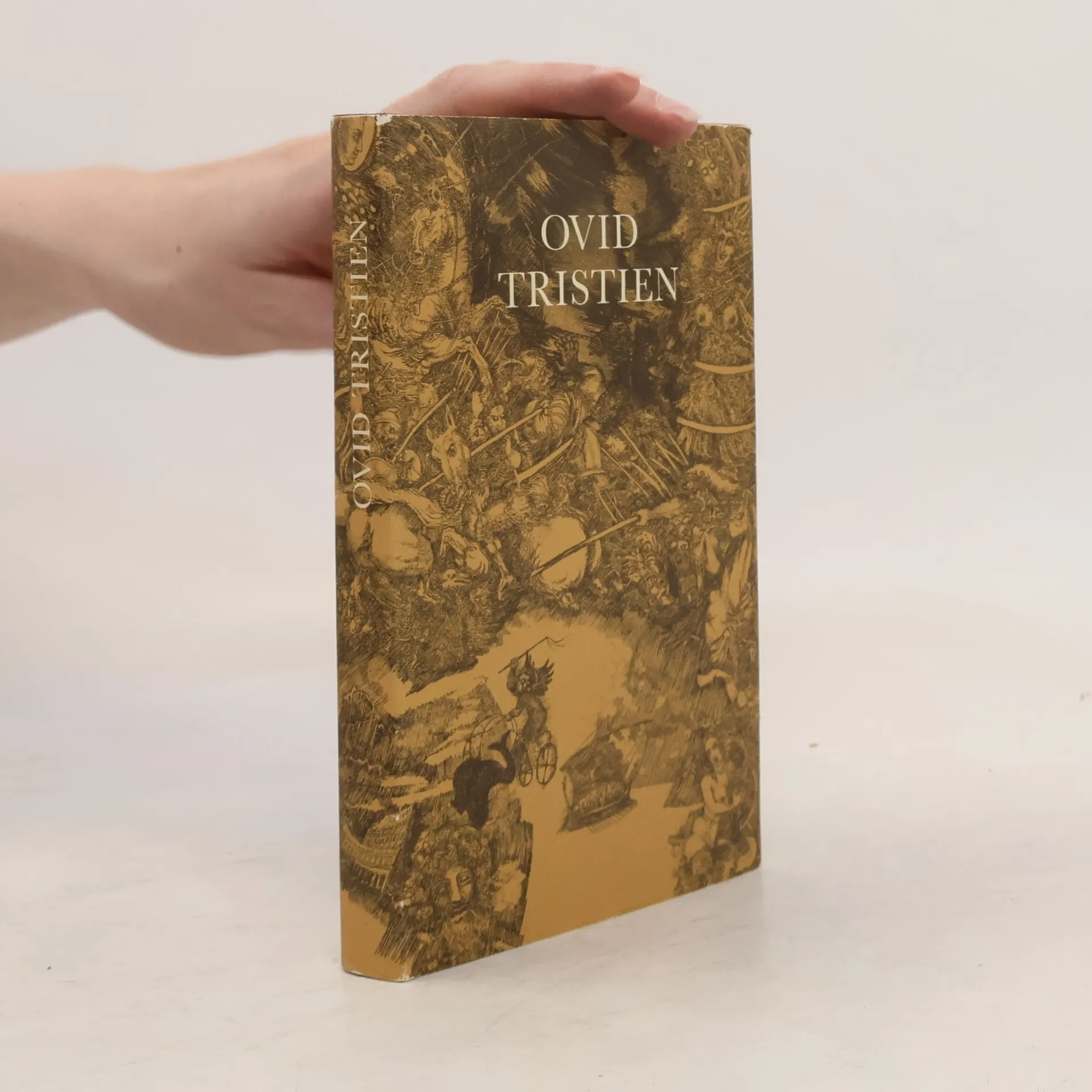
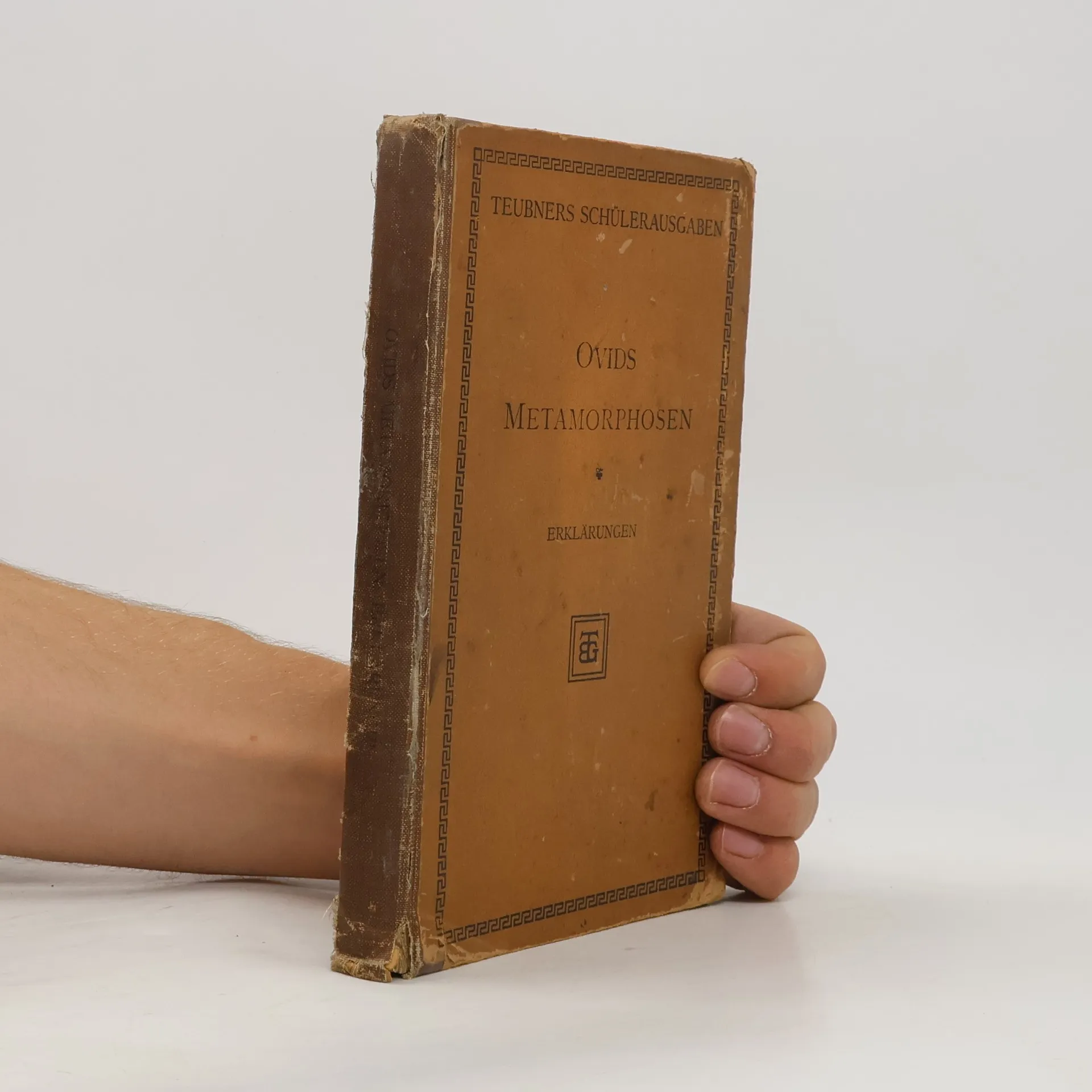
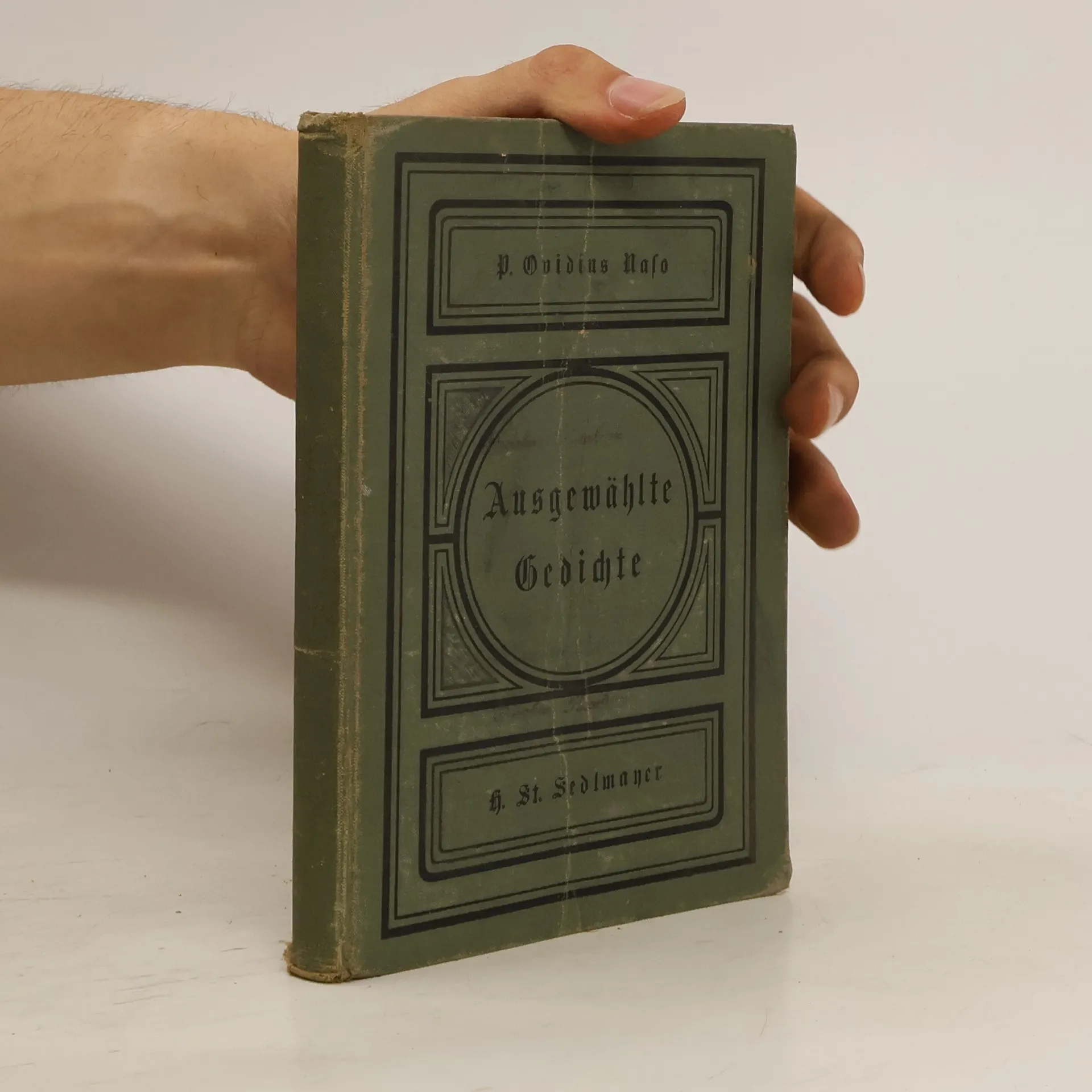
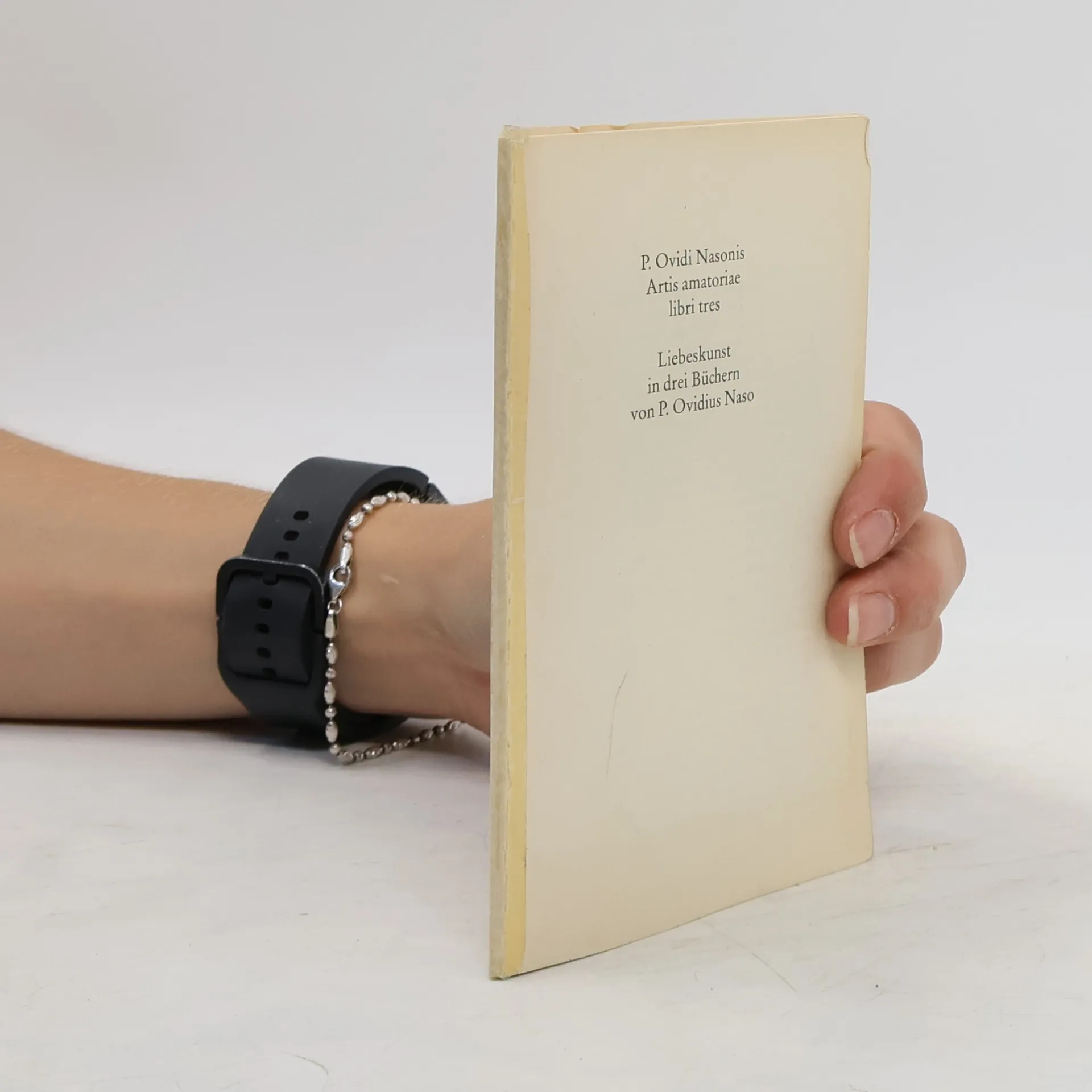
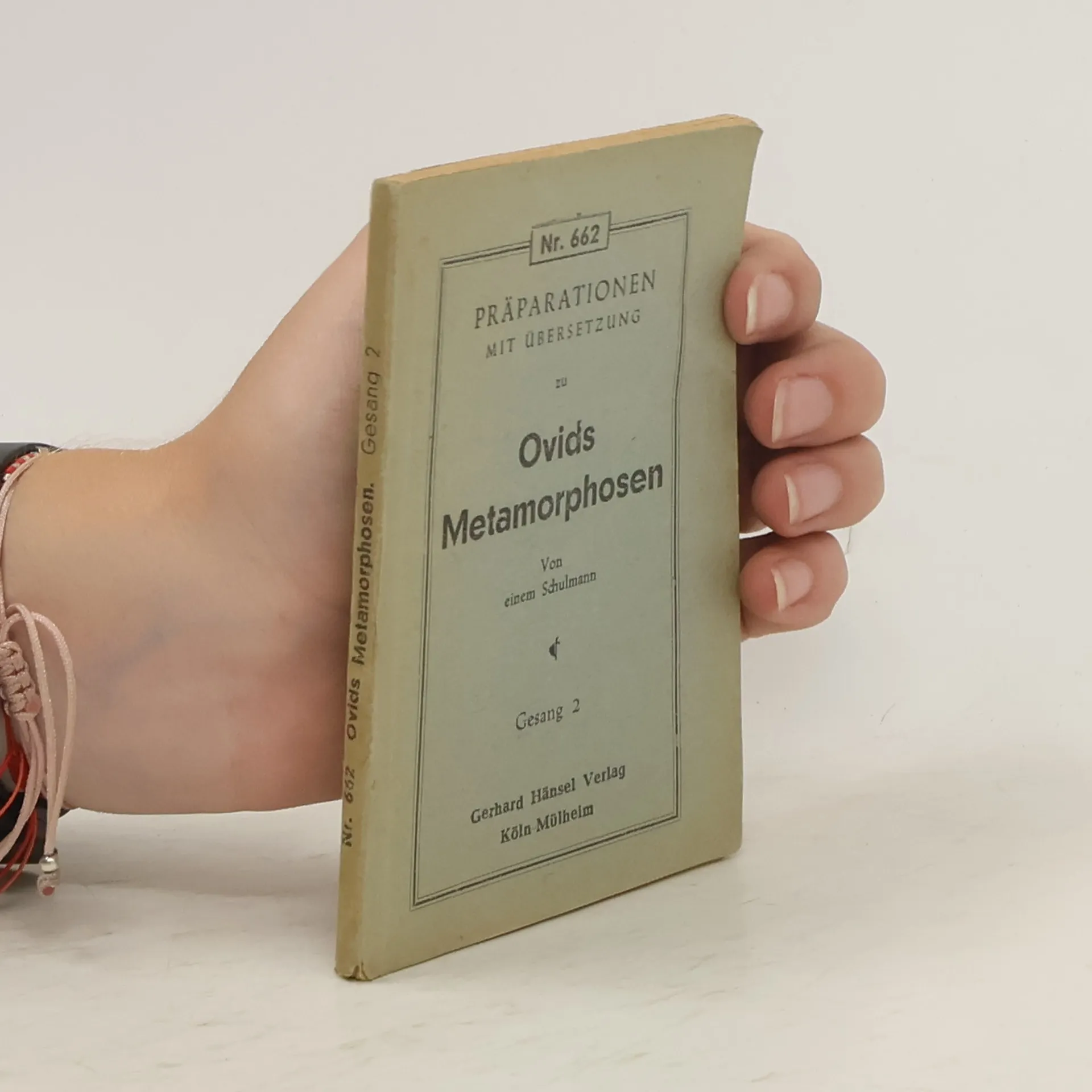
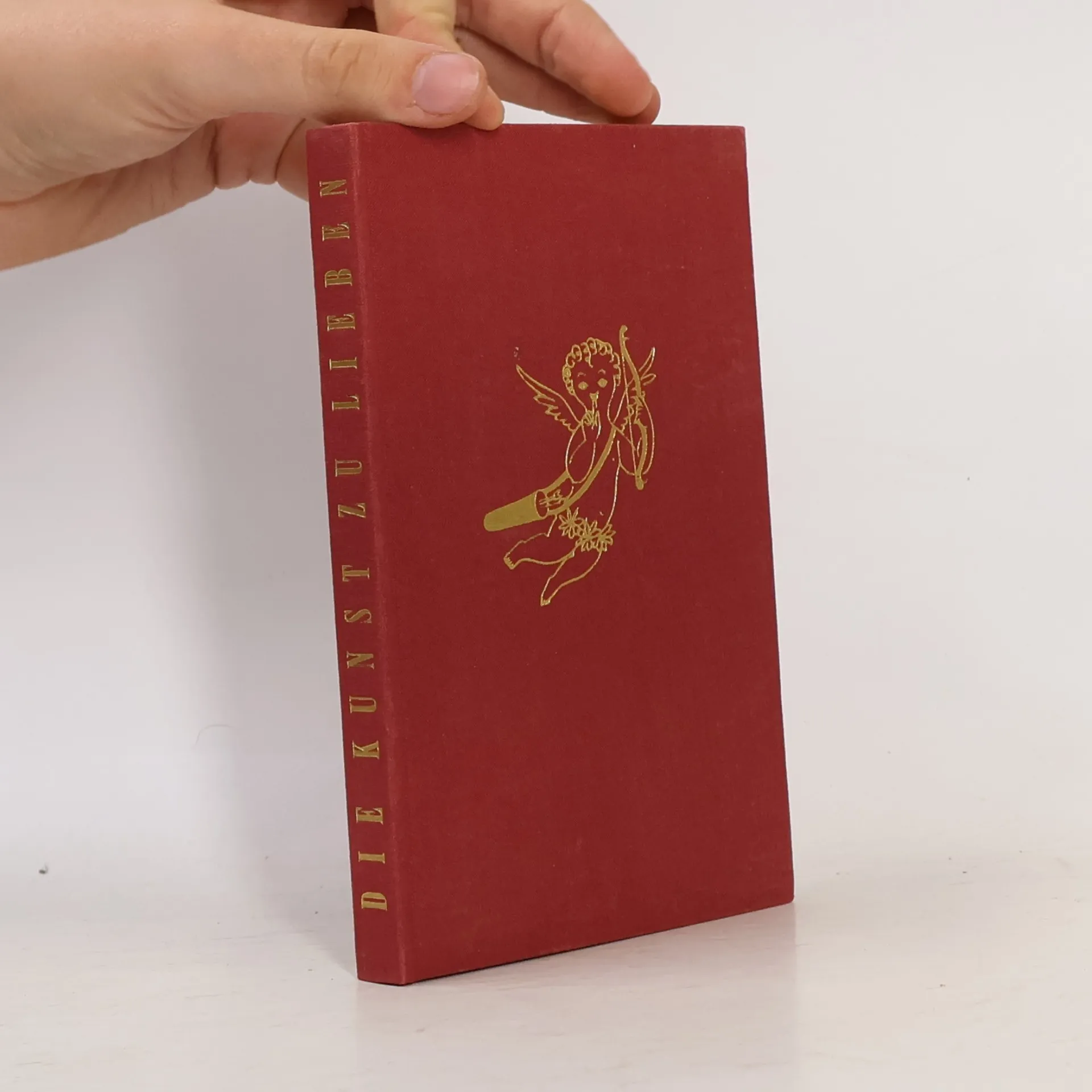
El amor es arte o es oficio en la escuela propia de la vida; a veces uno es maestro y alumno al mismo tiempo, y a veces le gusta a uno recrearse en las páginas clásicas del mor y del "Arte de amar". Ovidio fue el primer pedagogo con pluma ágil, desenvuelta, alegre y denfadada; Ovidio opina que el amar es un arte, y Ovidio sabía mucho del "arte de amar".
Since it first appeared in 1961 this has been the standard critical edition of Ovid's love poems. For this new edition the text has been thoroughly revised to take account of published scholarship and the further thoughts of the editor. Conjectures have been admitted to both text and apparatuscriticus more freely than in the first edition. Punctuation has been improved, spelling has been normalized, and the long poems have been paragraphed. The apparatus criticus now incorporates the reading of the important Berlin manuscript Hamilton 471; it has also been streamlined by the omission ofexplanatory material more conveniently accessible in commentaries.
Montaigne reflects on his early love for literature, sparked by the fables in Ovid's Metamorphoses. At a young age, he found joy in reading these stories, as they resonated with his mother tongue and were suitable for his youthful understanding. This personal narrative highlights the profound impact of literature on his childhood and the formative role it played in shaping his appreciation for storytelling.
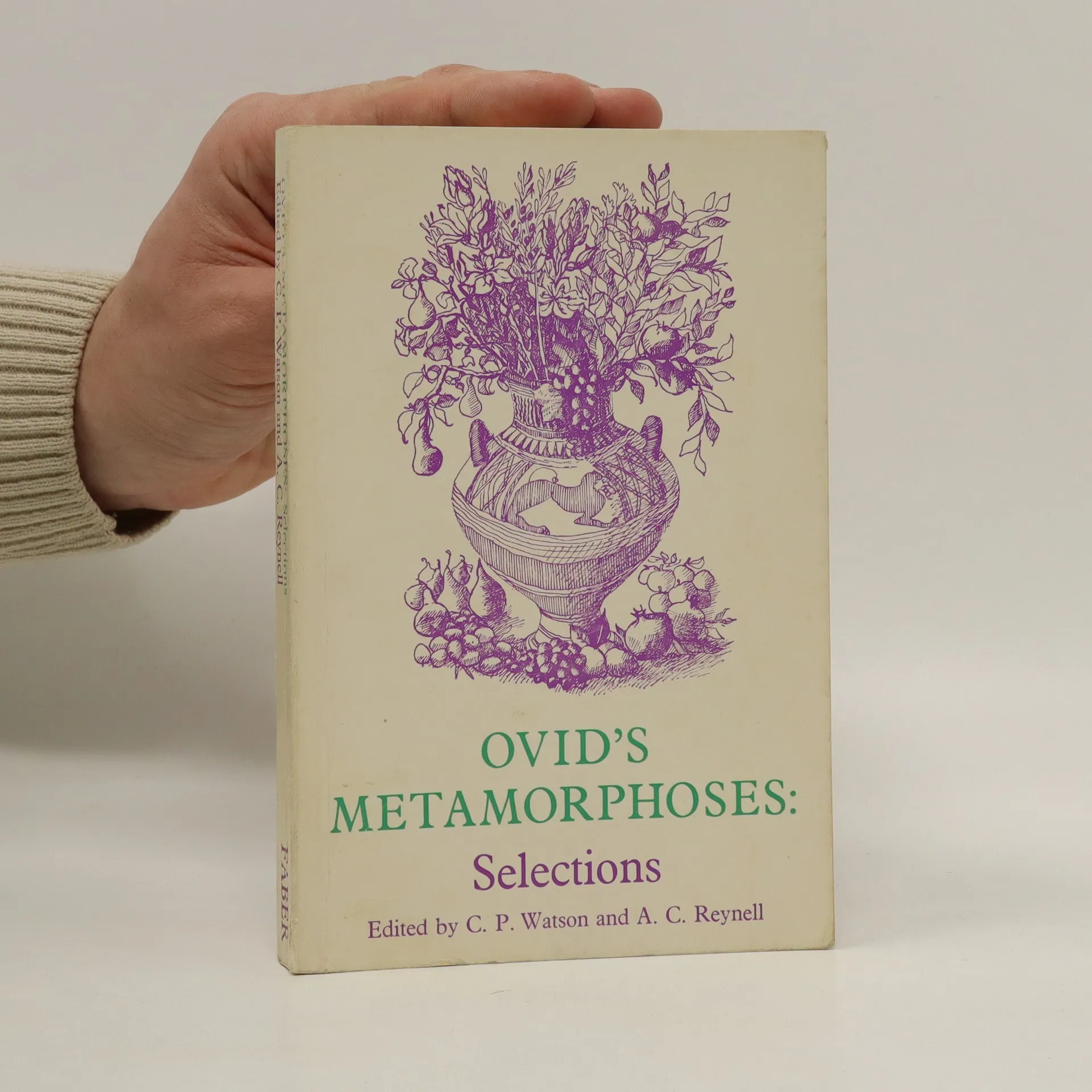
The myths of Metamorphoses have inspired generations of writers, including
Shakespeare. Over two thousand years later, they are reimagined for our world
by three leading British playwrights, and feature anarchy, shape-shifting and
a burning chariot of fire.
Exploring a reimagined perspective on classical mythology, this volume presents a faithful translation of Ovid's letters, which are purportedly penned by ancient heroines to their distant lovers. The introduction by Tara Welch prompts readers to consider how these narratives might differ if crafted by women, inviting a fresh interpretation of familiar tales. Lombardo and McClure's work highlights the voices of female figures in mythology, providing a thought-provoking glimpse into their experiences and emotions.
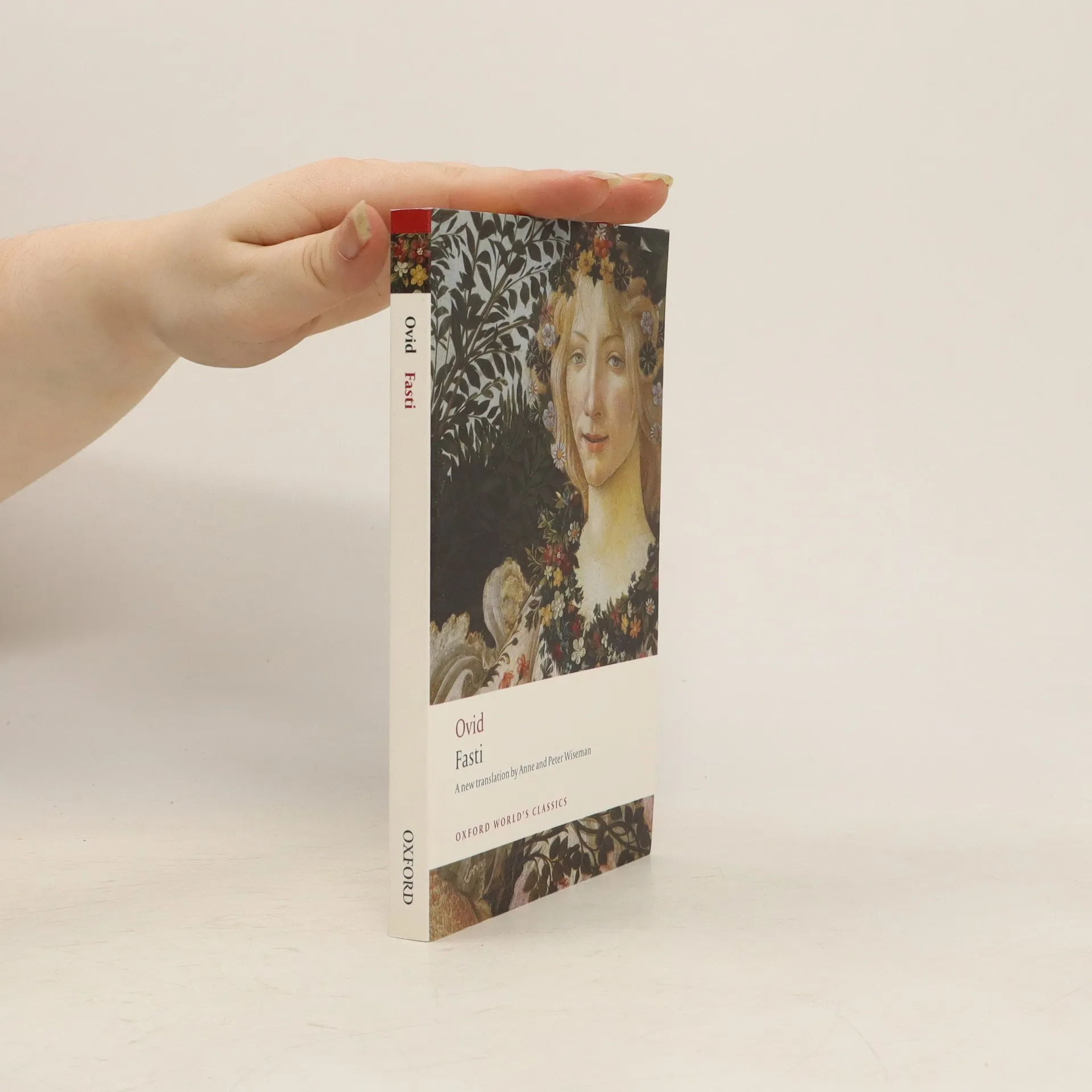
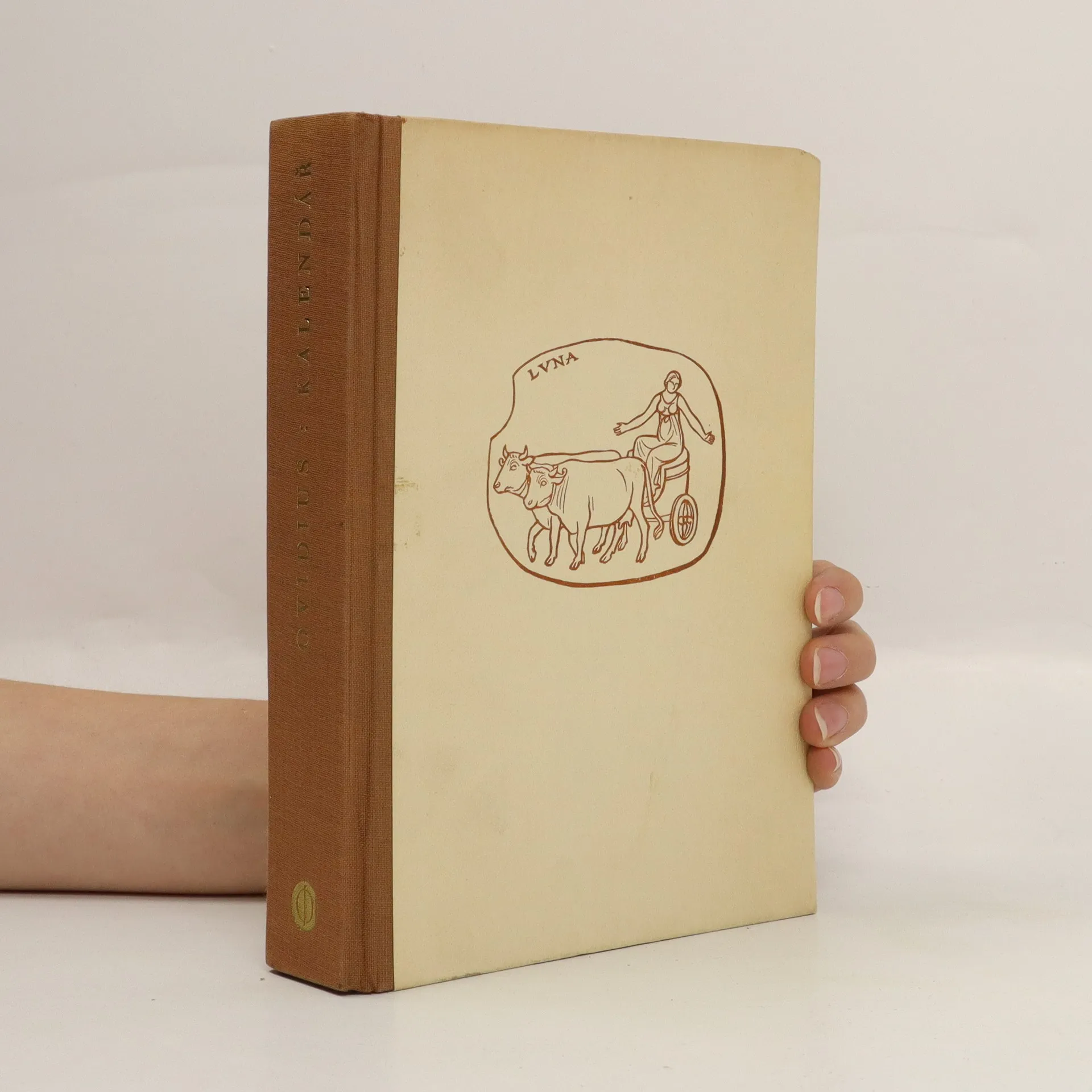
Ovid's poetical calendar of the Roman year is both a day by day account of festivals and observances and their origins, and a delightful retelling of myths and legends associated with particular dates." --from back cover.
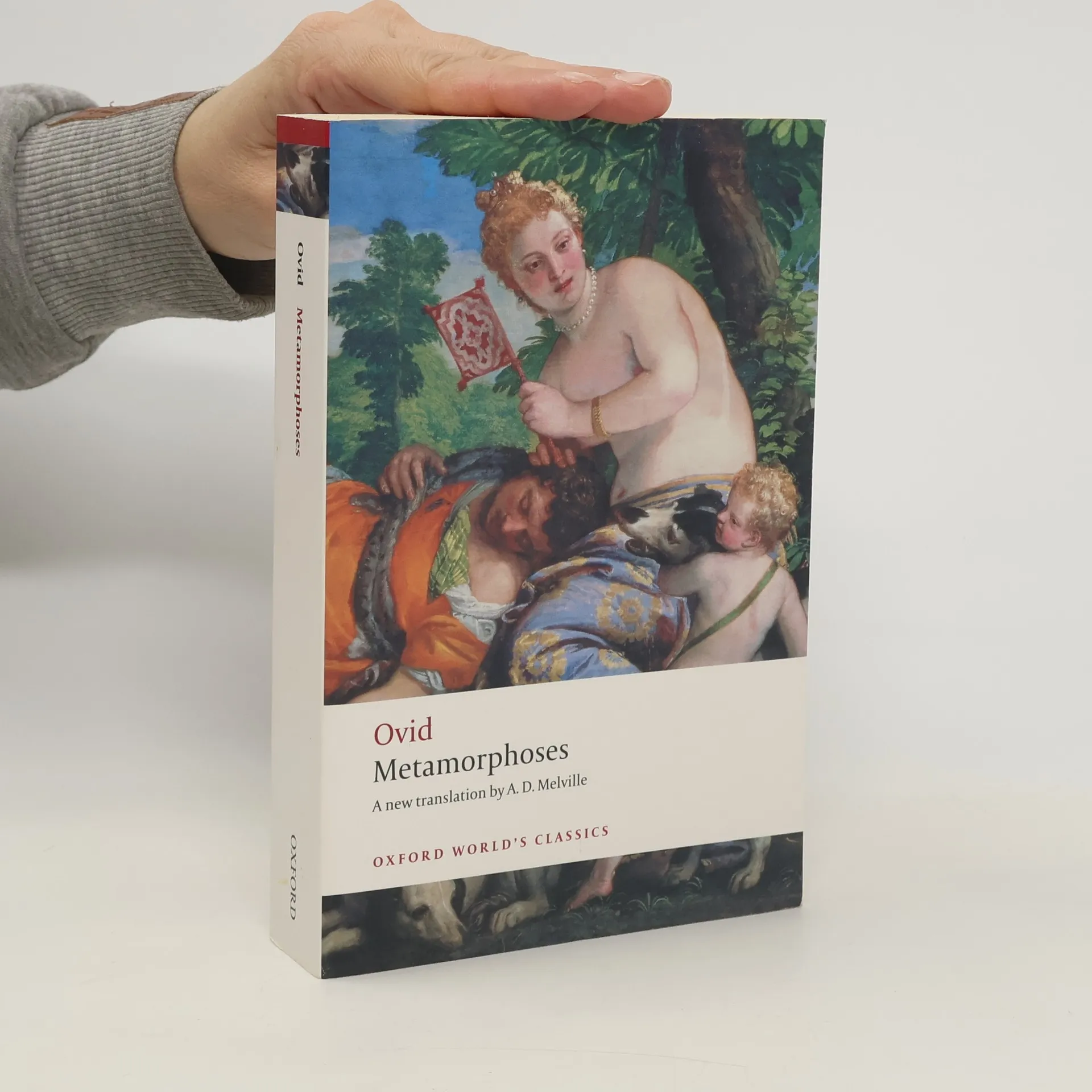
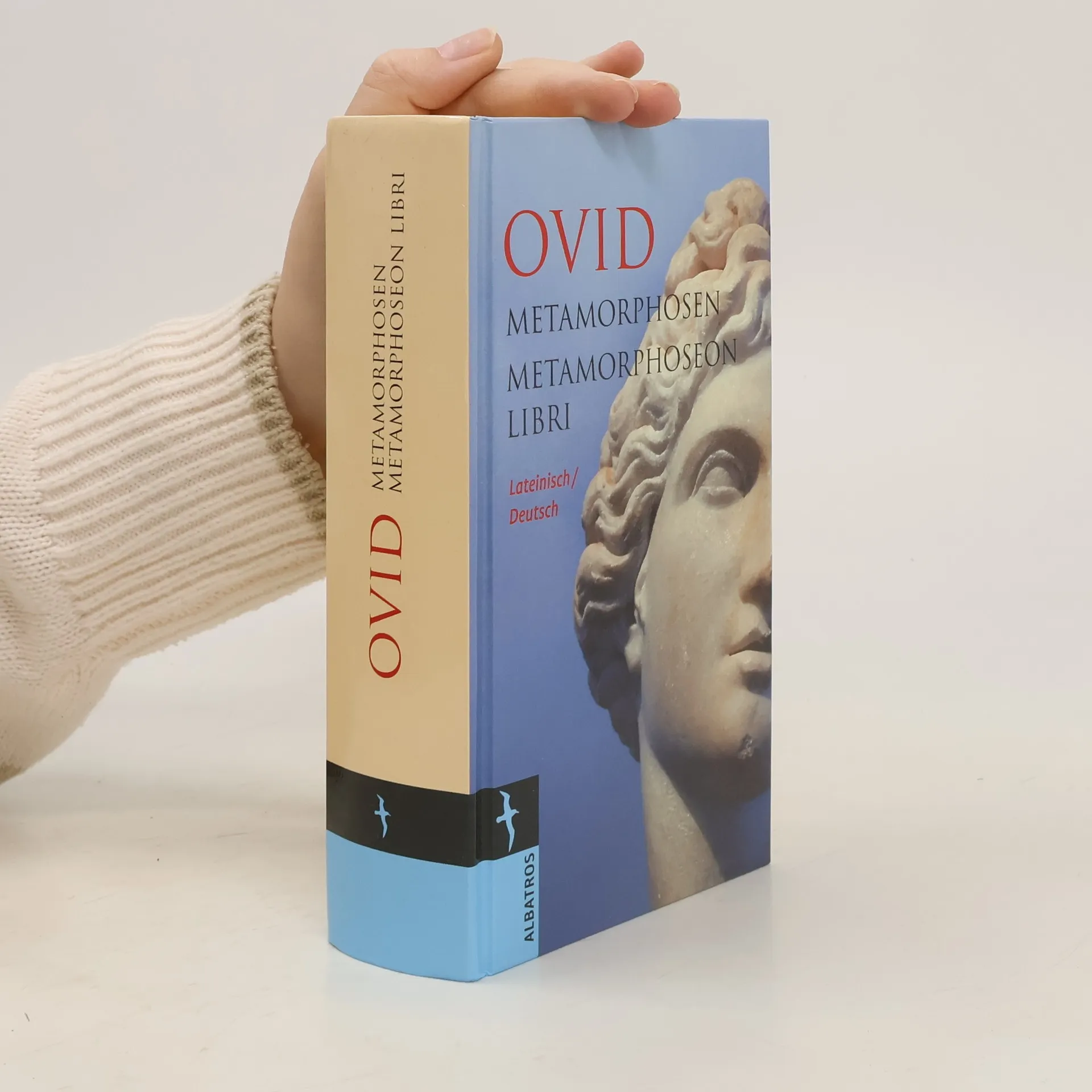
Featuring over 250 interconnected myths, the narrative explores themes of transformation, drawing from rich Greek and Roman mythology. Ovid's Metamorphoses spans the creation of the world to the elevation of Julius Caesar, showcasing dramatic tales like those of Io and Jupiter, Narcissus and Echo, and Daphne and Apollo. The text captivates with its beautiful metrics and vivid imagery, offering timeless insights into the human experience. Brookes More's English translation allows modern readers to appreciate this enduring work of classical literature.
Montaigne reflects on his early love for literature, sparked by the fables in Ovid's Metamorphoses. At a young age, he found joy in reading these tales, which resonated with him due to their accessibility and suitability for his age. His fondness for these stories highlights the profound impact of language and literature on personal development and the formation of identity.
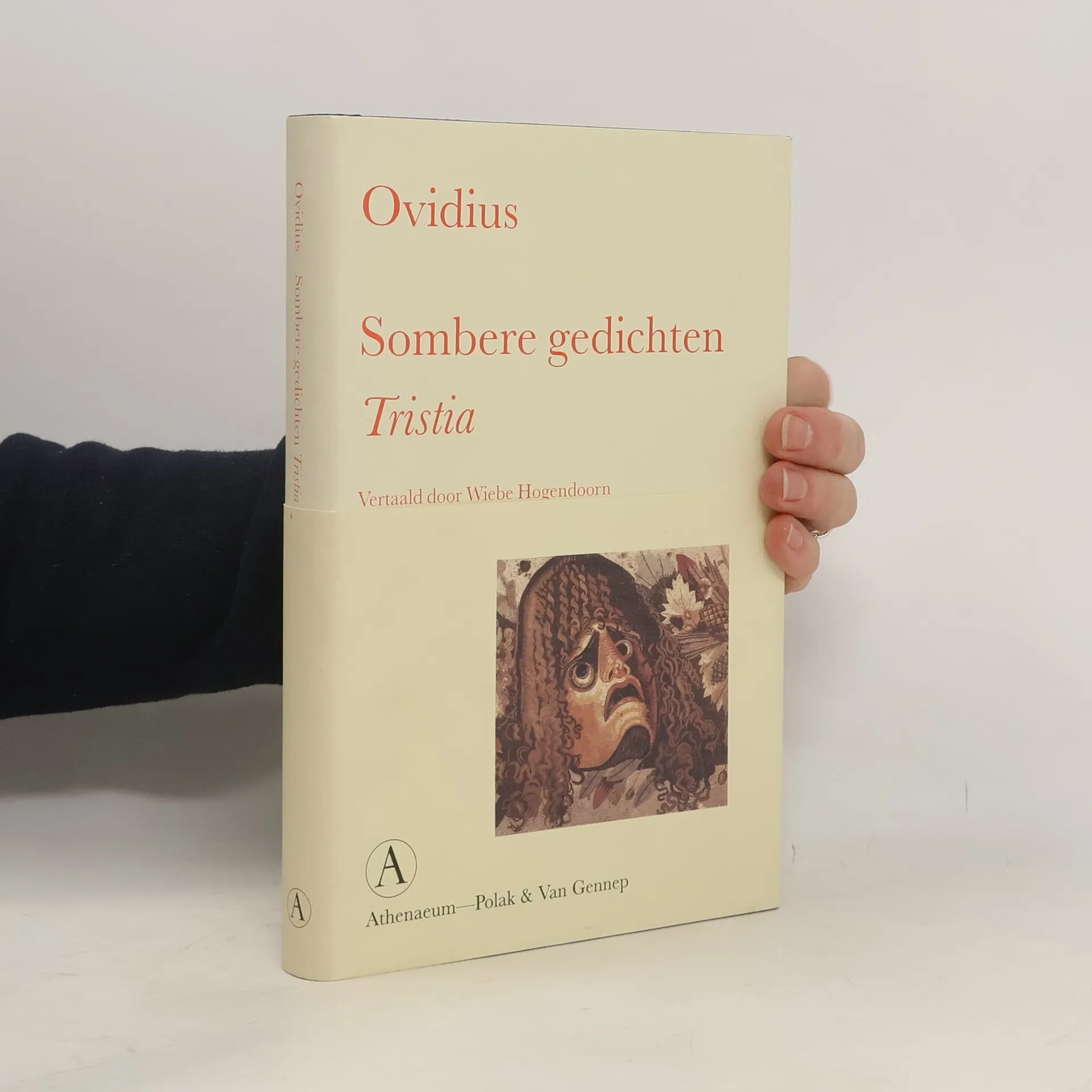
Inleiding tot en vertaling van de klaagdichten die de Romeinse dichter Ovidius (43 v. Chr.-17 na Chr.) schreef vanuit zijn ballingsoord aan de Zwarte Zee.
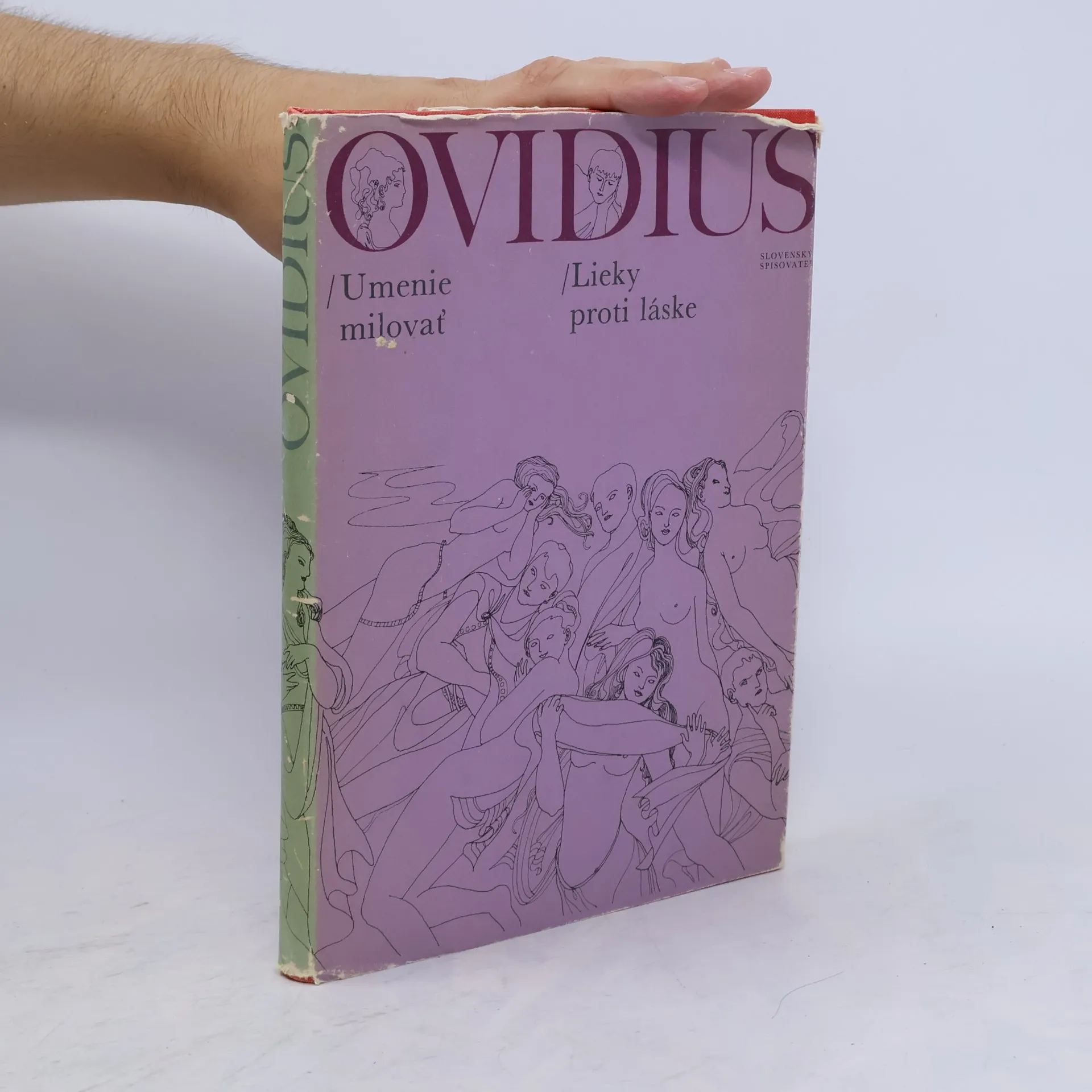
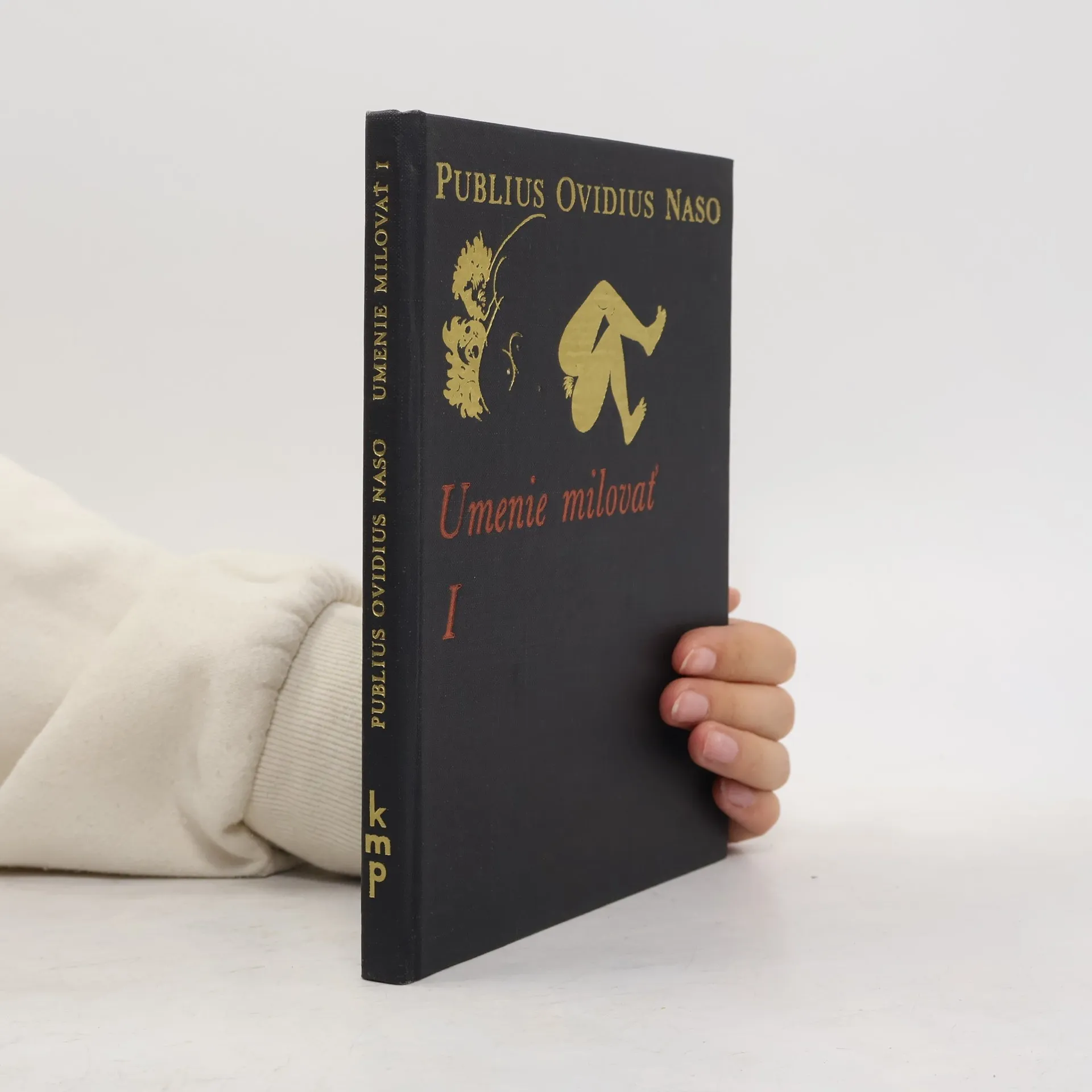
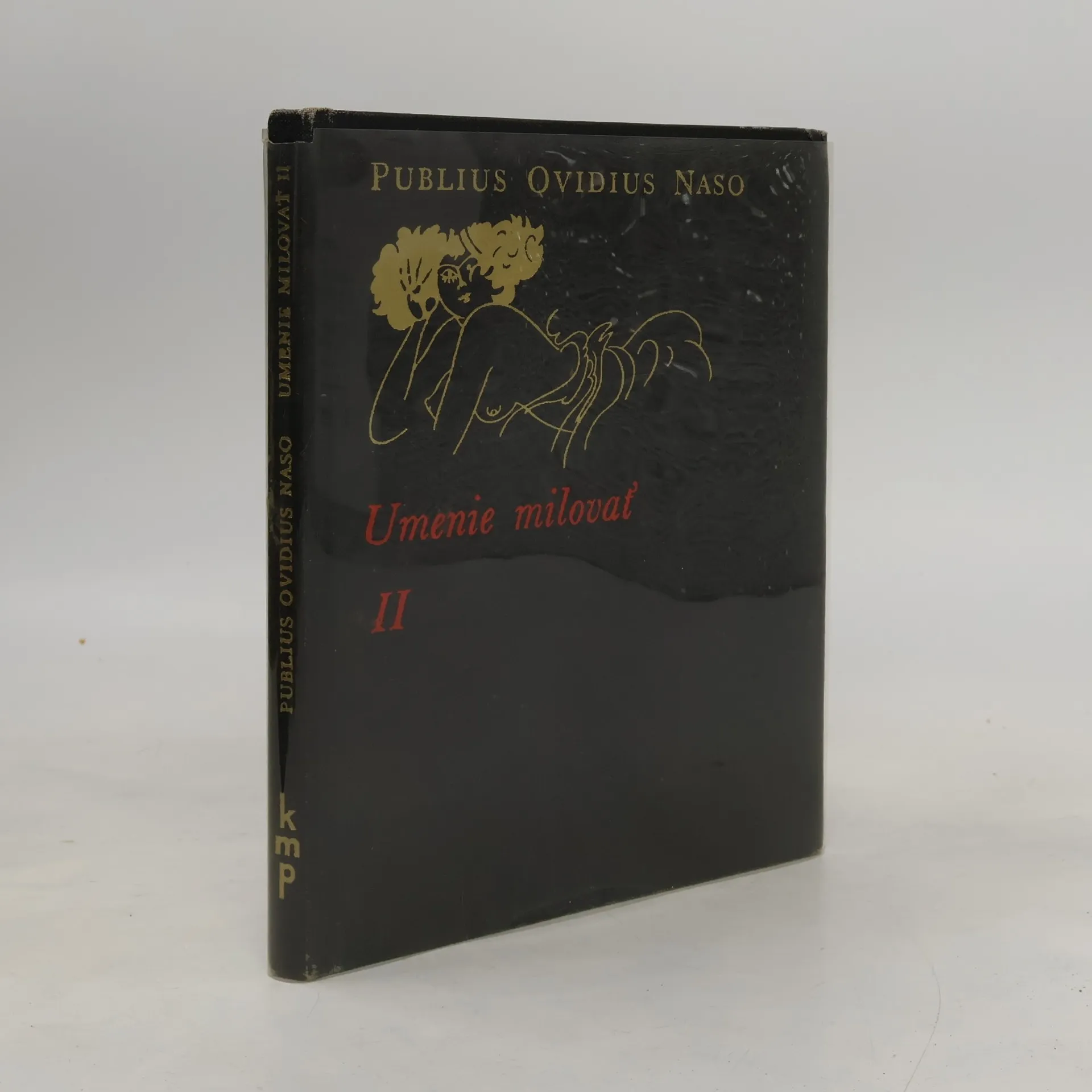
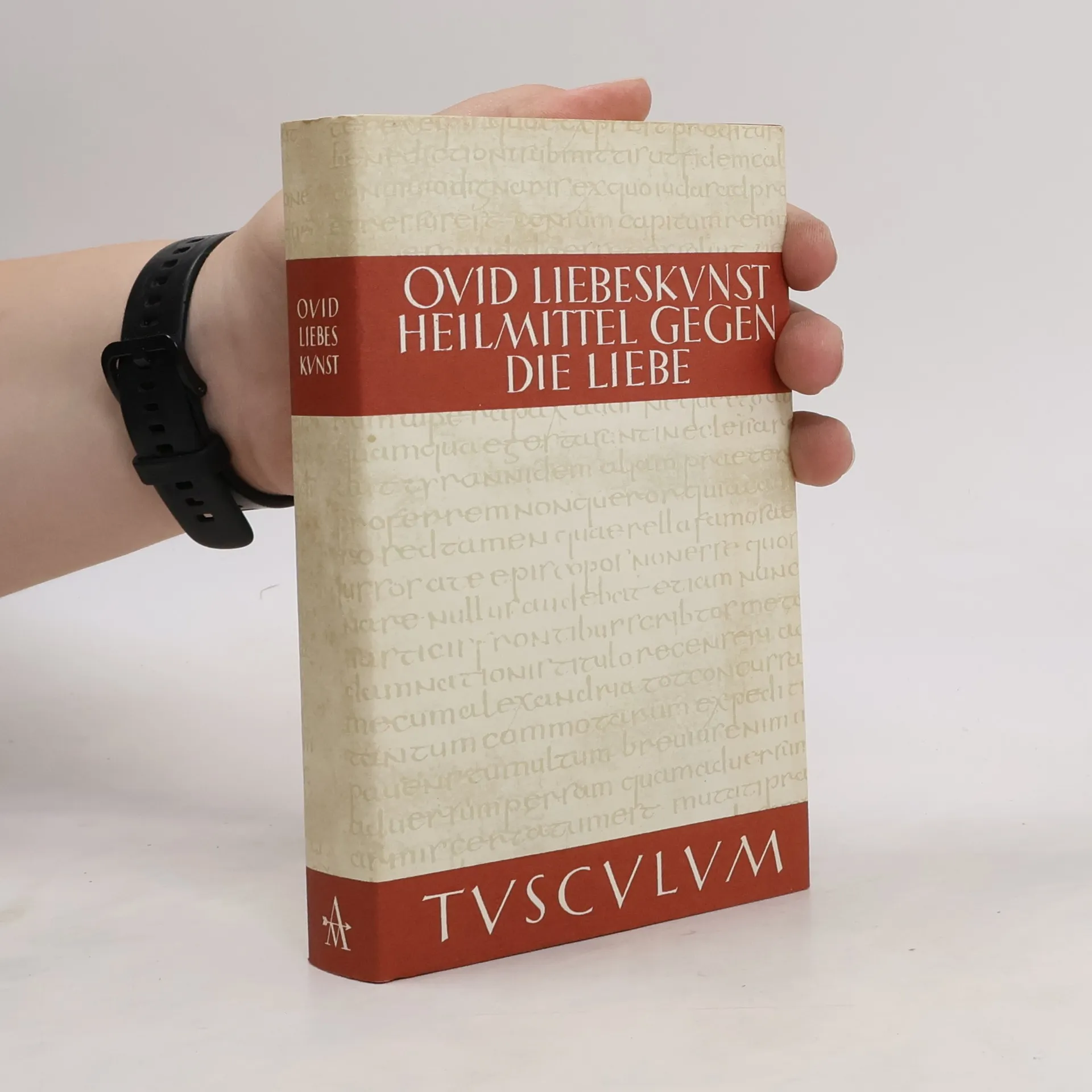
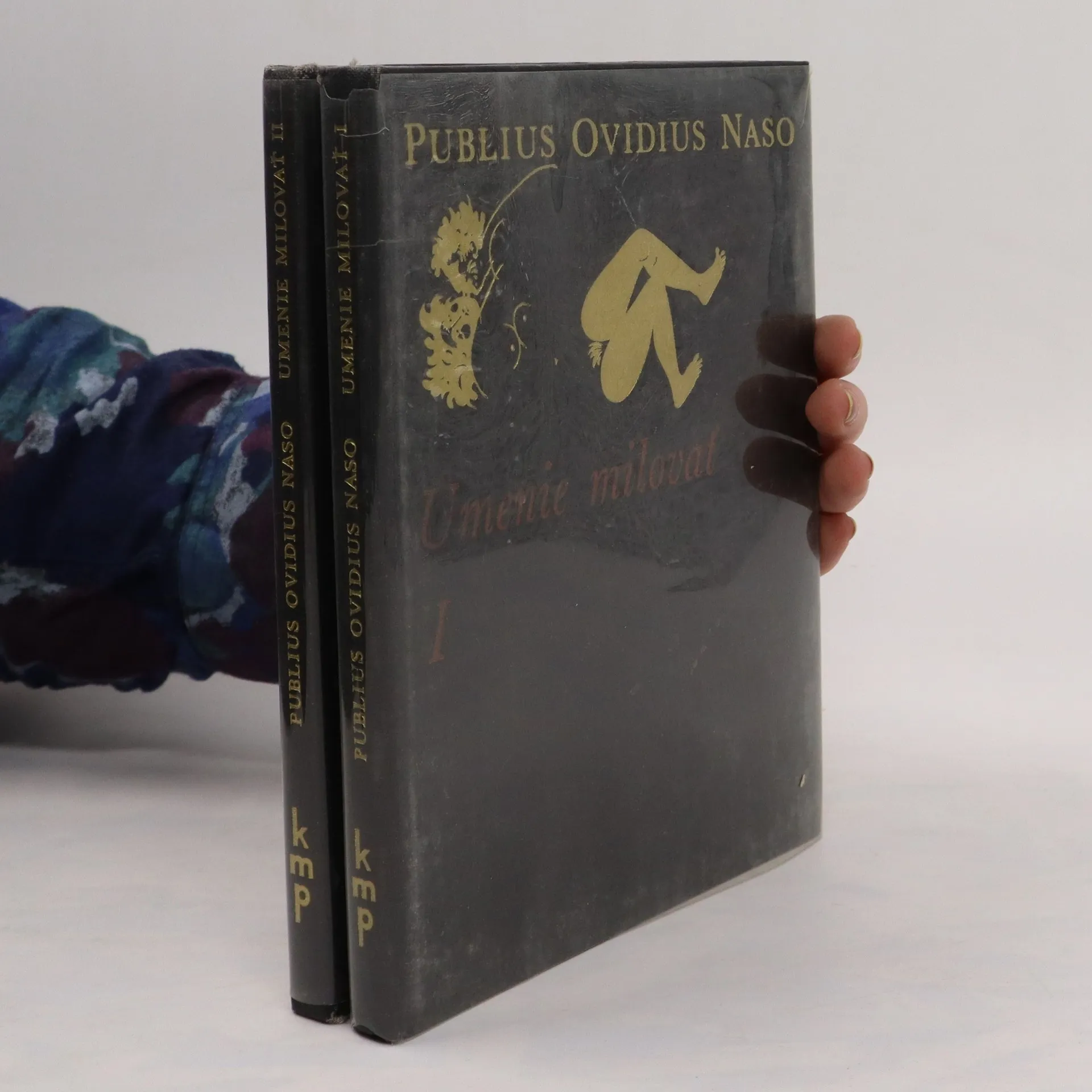
Kniha obsahuje dve diela rímskeho básnika: Umenie milovať má podobu ľúbostného románu vo veršoch. Radí mužom i ženám, ako si získať a udržať lásku. Je to formálne najdokonalejšie Ovidiovo dielo. Duchaplne, ľahkým melodickým veršom vyjadruje neraz zmyselný, rozmarný obsah. Ako sa možnovyliečiť z nešťastnej a beznádejnej lásky, o tom poučuje Ovidius v básni Lieky proti láske...
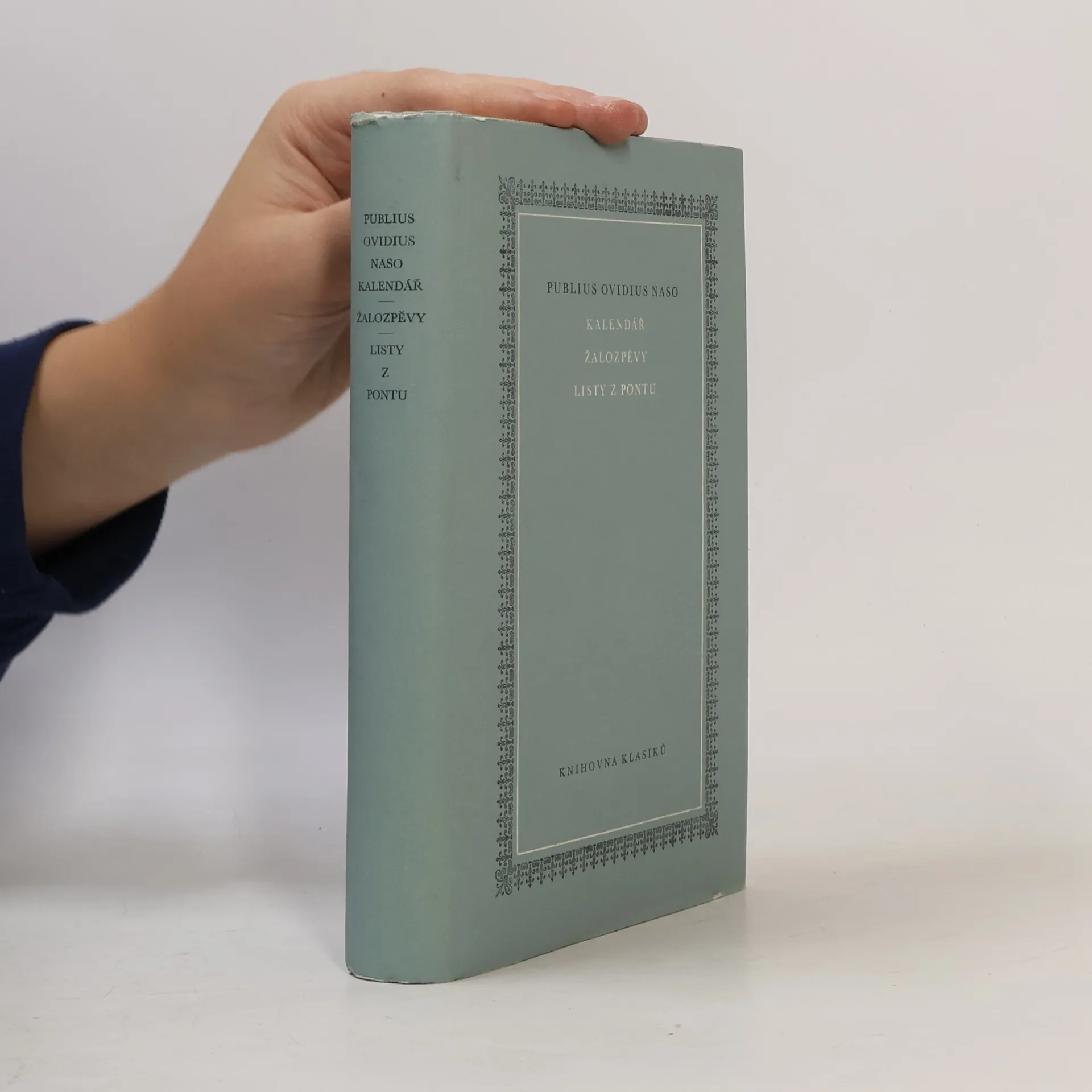
Závěrečný svazek Spisů starořímského básníka, jehož dílo dnes prožívá skvělou renesanci. Obsahuje především slavný cyklus Kalendář, v němž chtěl vyprávět báje a pověsti vázané k jednotlivým svátkům a památným dnům, ale z něhož pro vypuzení do vyhnanství stačil napsat právě polovici, dále Žalozpěvy a konečně česky poprvé v úplnosti vycházející Listy z Pontu, v nichž obou vyzpíval svůj žal a stesk po domově.
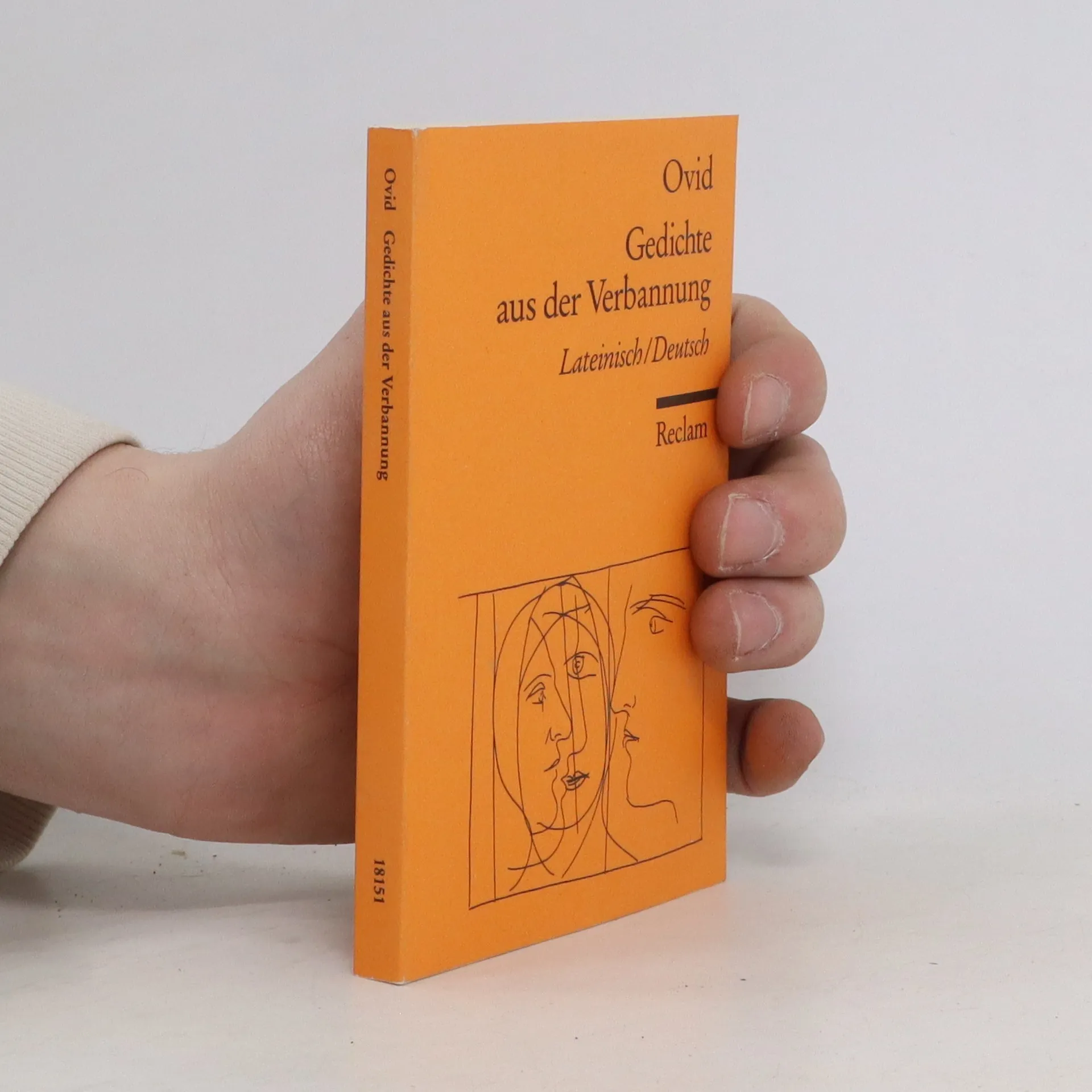
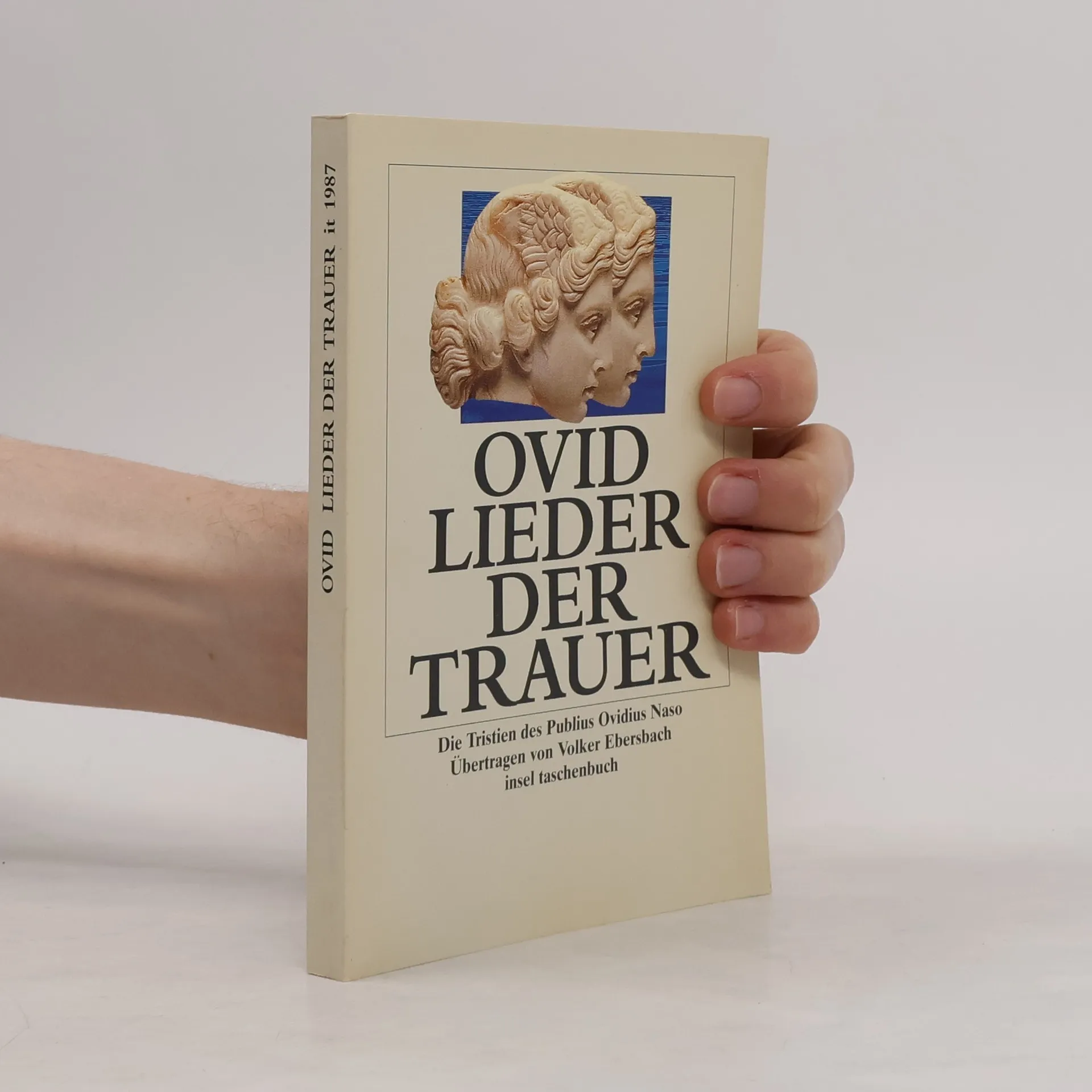
Im Jahre 8 verbannte Kaiser Augustus den populären Dichter Ovid nach Tomis am Schwarzen Meer, wo dieser neun Jahre später starb. Ovid hat in dieser Zeit etwa 100 Gedichte geschrieben und nach Rom geschickt: Darin beklagt er das Los des Verbannten, versucht sich vor Augustus zu rechtfertigen und verzweifelt an der Ablehnung seiner Rückkehr. Virtuose und beziehungsreiche "Lieder der Trauer", von denen hier eine repräsentative Auswahl vorliegt.
Reedice jednoho z nejúspěšnějších a nejžádanějších titulů Antické knihovny přináší úplný soubor milostné poezie proslulého starořímského "pěvce lásky".
V básnických sbírkách Lásky, Listy milostné, Umění milovat a Jak léčit lásku probírá básník rozmanité podoby lásky.
Pro toto vydání byl soubor doplněn prvním českým překladem dochovaného zlomku Ovidiovy básně Prostředky k pěstění ženské tváře, která se tradičně řadí k autorově milostné poezii, a také moderní předmluvou.
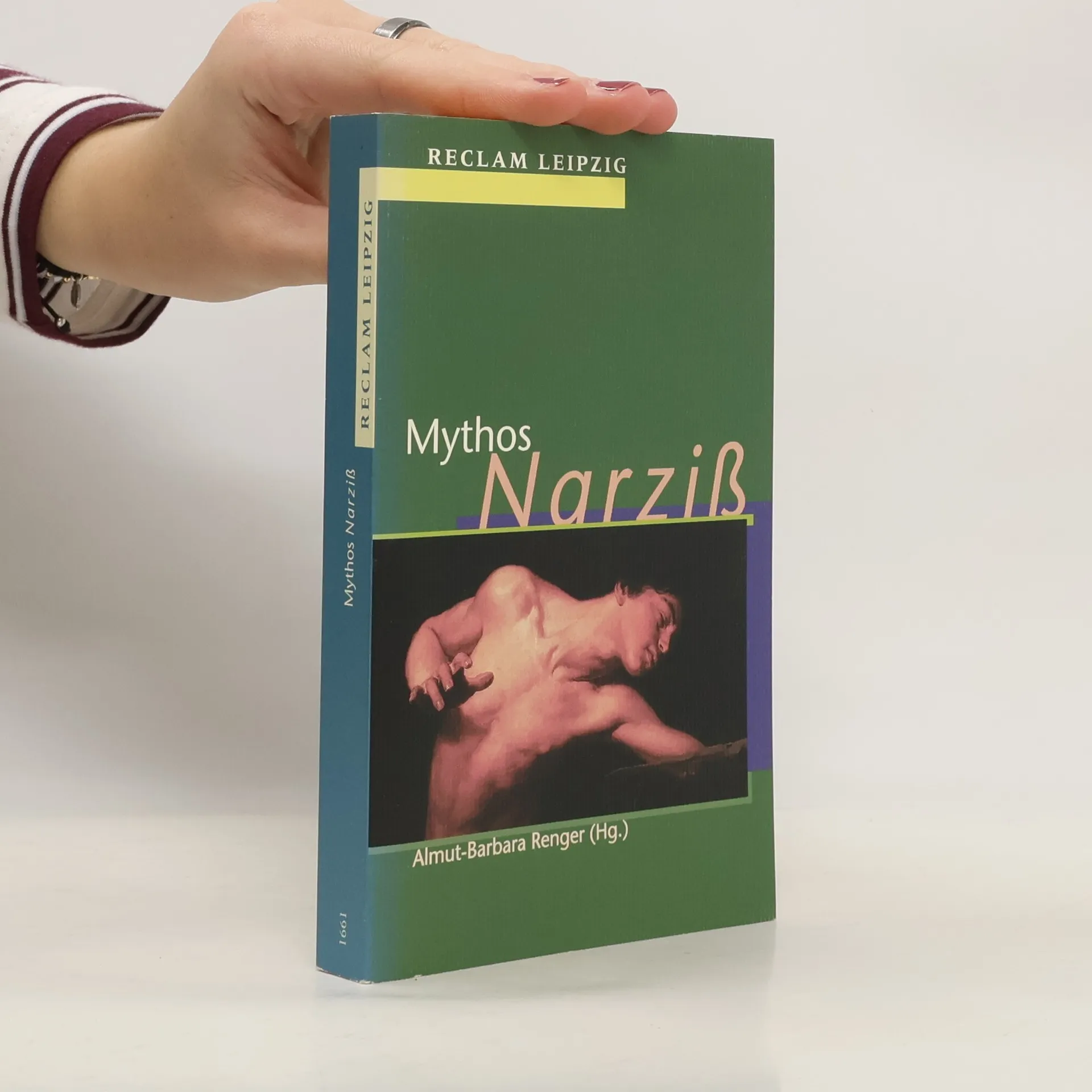
Die Nymphe Echo verliebt sich in den schönen Jüngling Narziß, der sie zurückweist. Nemesis straft ihn für die Grausamkeit: Narziß muss sich in unbefriedigter Liebe zu seinem Spiegelbild verzehren; an seinem Sterbeort sprießt eine Blume - die Narzisse. Diese Version des alten griechischen Mythos überliefert Ovid in seinen "Metamorphosen". Doch Mythen sind vieldeutig. Die in diesem Band versammelten Texte anderer antiker Autoren und zahllose spätere Bearbeitungen belegen es.
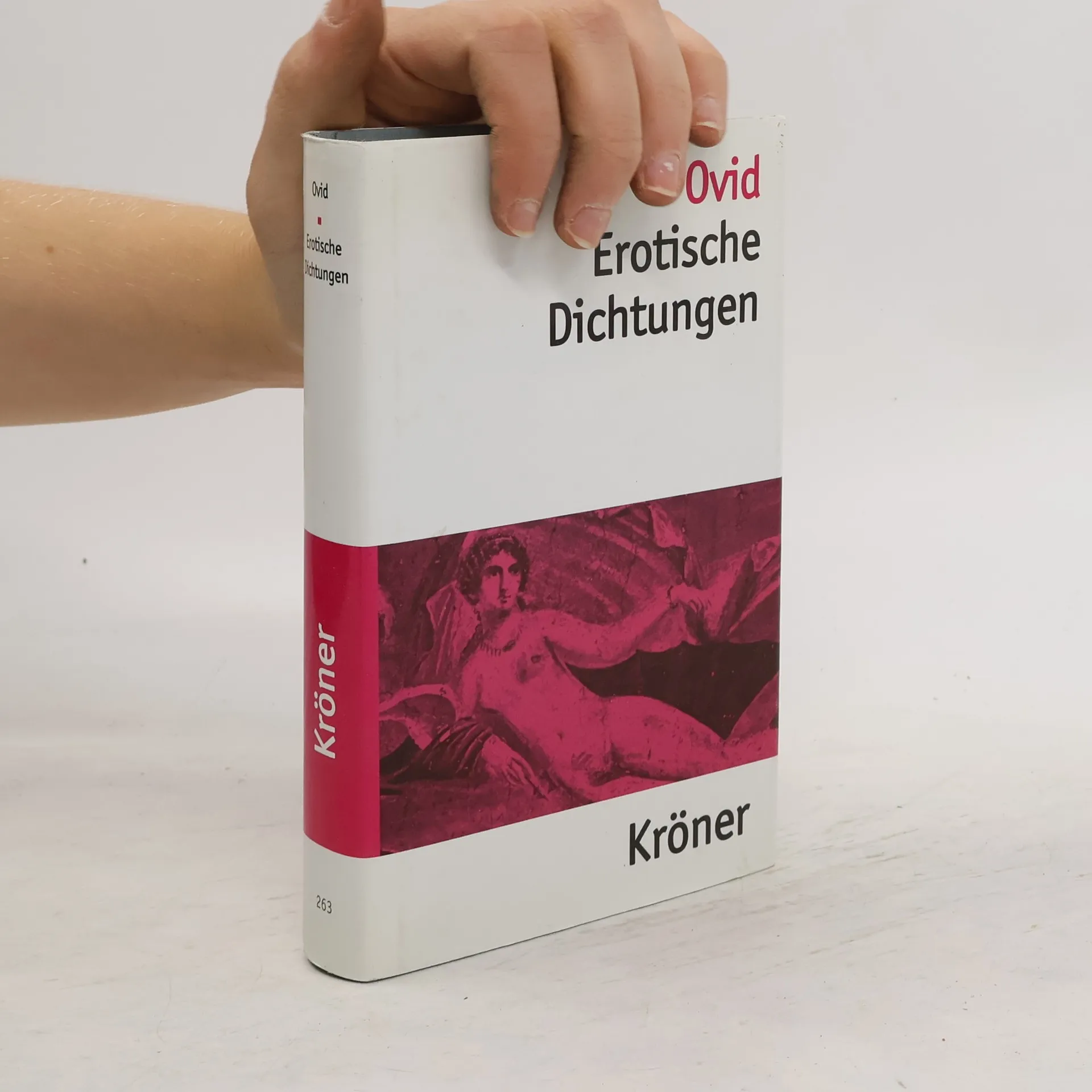
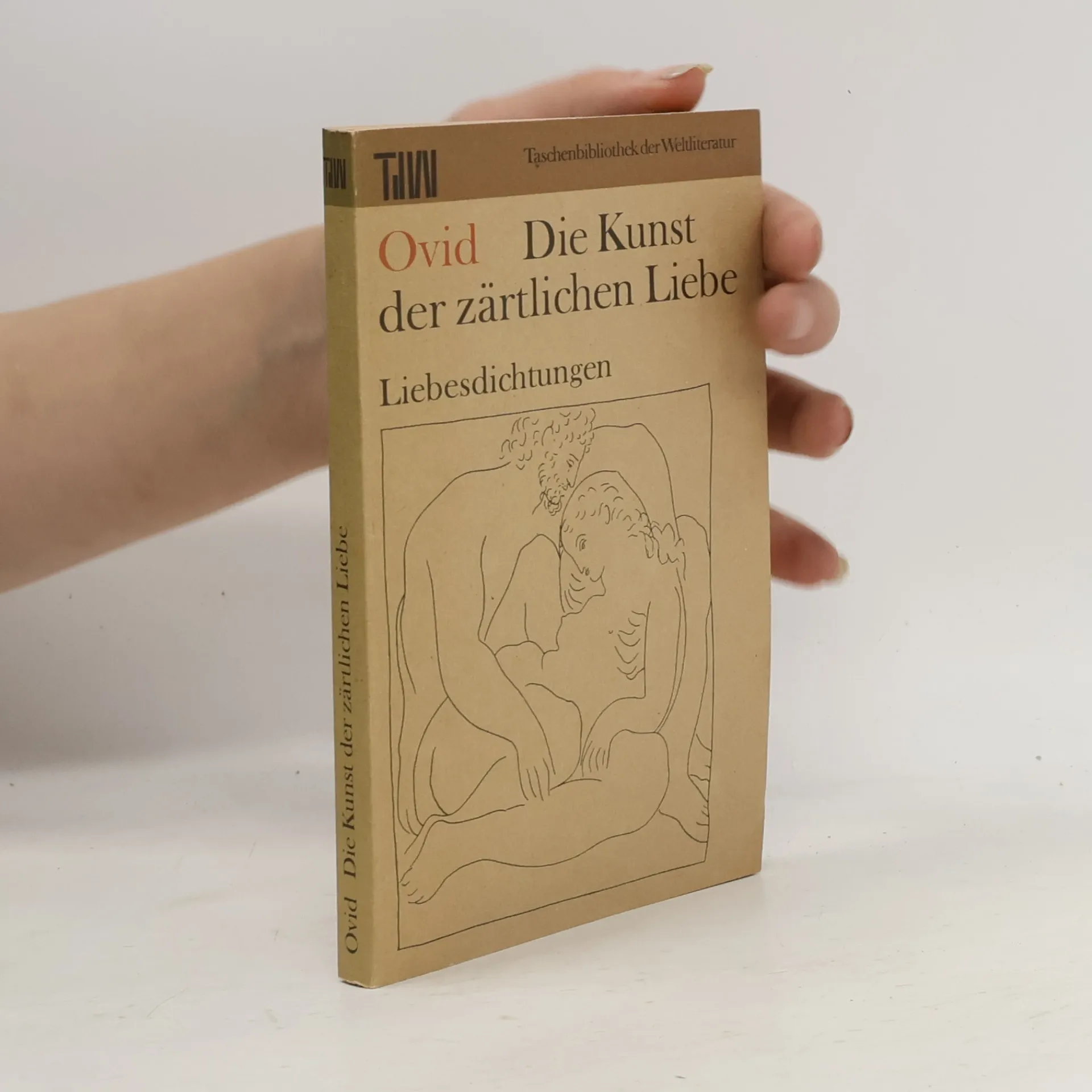
Er betrachtete sich selbst als „Sänger zärtlicher Liebesgefühle“ - Publius Ovidius Naso, genannt Ovid. Schon zu Lebzeiten war er mit seiner berühmten „Ars amatoria“ der meistgelesene Dichter der römischen Antike. Dieser Band versammelt die prägnantesten Gedanken und Ratschläge des großen römischen Dichters zur Liebes- und Verführungskunst: Wo finde ich mögliche Partner? Wie wird aus einer leidenschaftlichen Affäre eine dauerhafte Beziehung? Und was tue ich, wenn mein Werben nicht erhört wird?
Jedná se o kalendář, který probírá římské svátky, popisuje obřady s nimi spojené, vysvětluje jejich původ, vypráví pověsti spojené s jednotlivými dny a píše o zvláštnostech na nebi. Při sepisování tohoto díla se opíral především o Varrona. Popsáno je pouze prvních 6 měsíců, pakbyl poslán do vyhnanství a dílo již zůstalo nedokončeno.
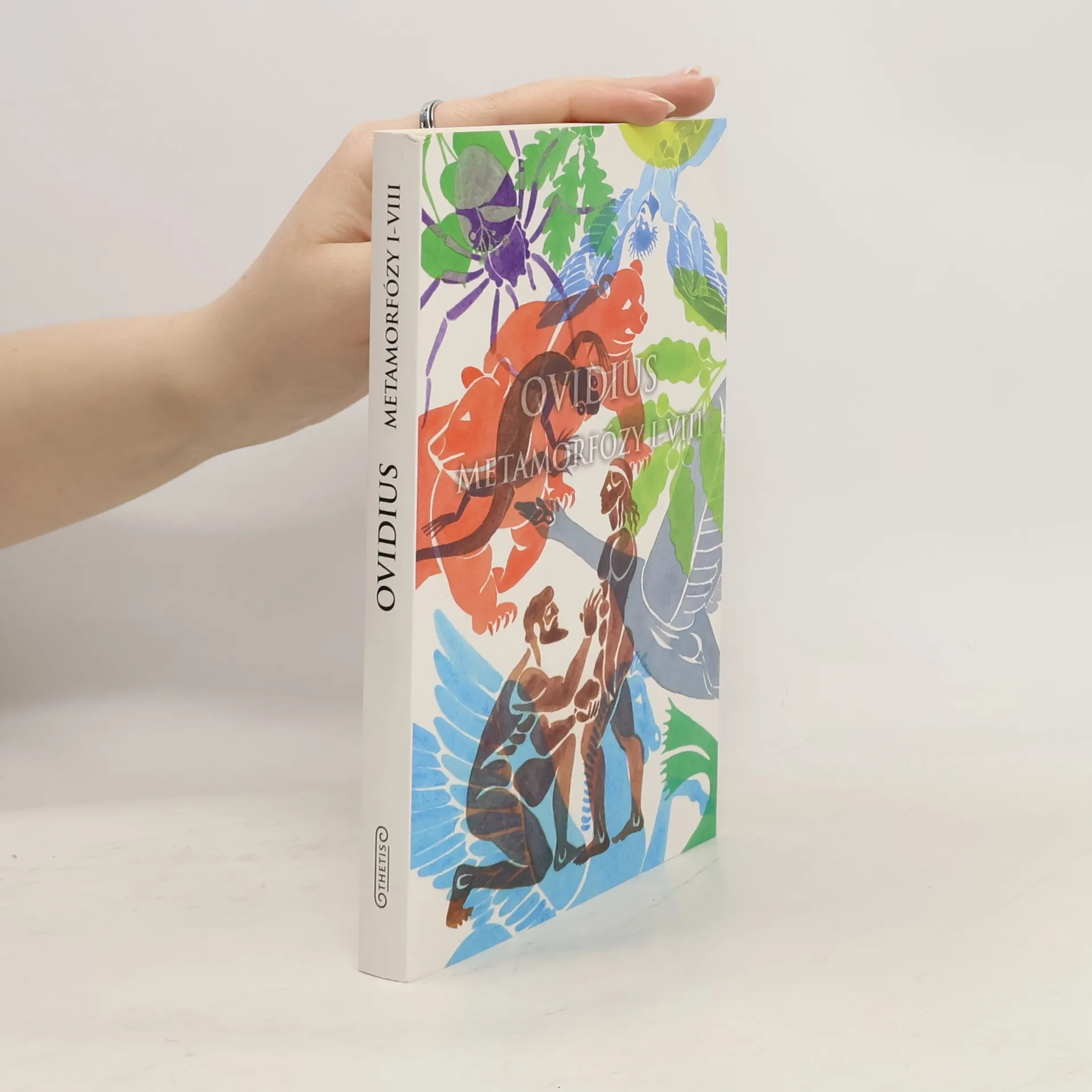
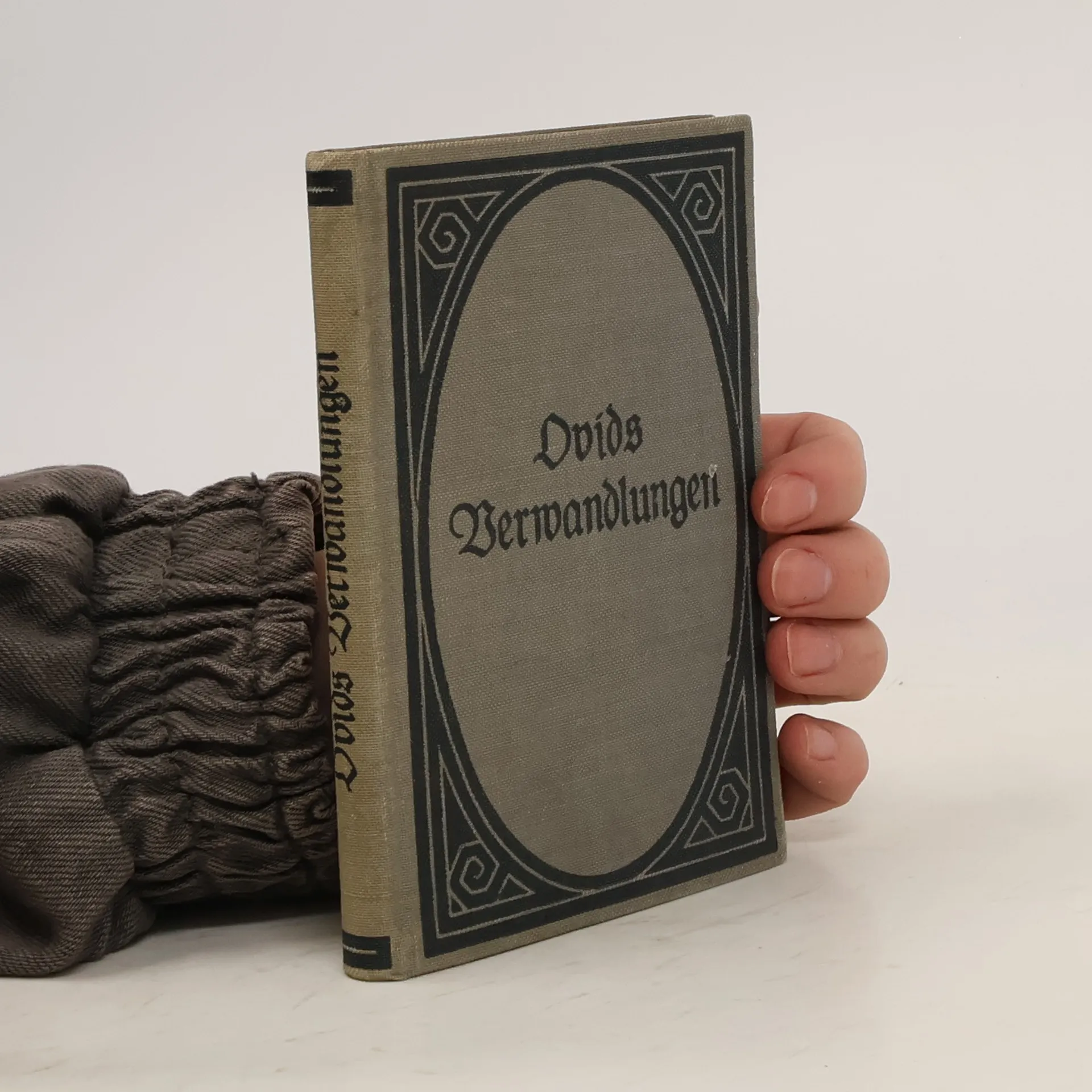
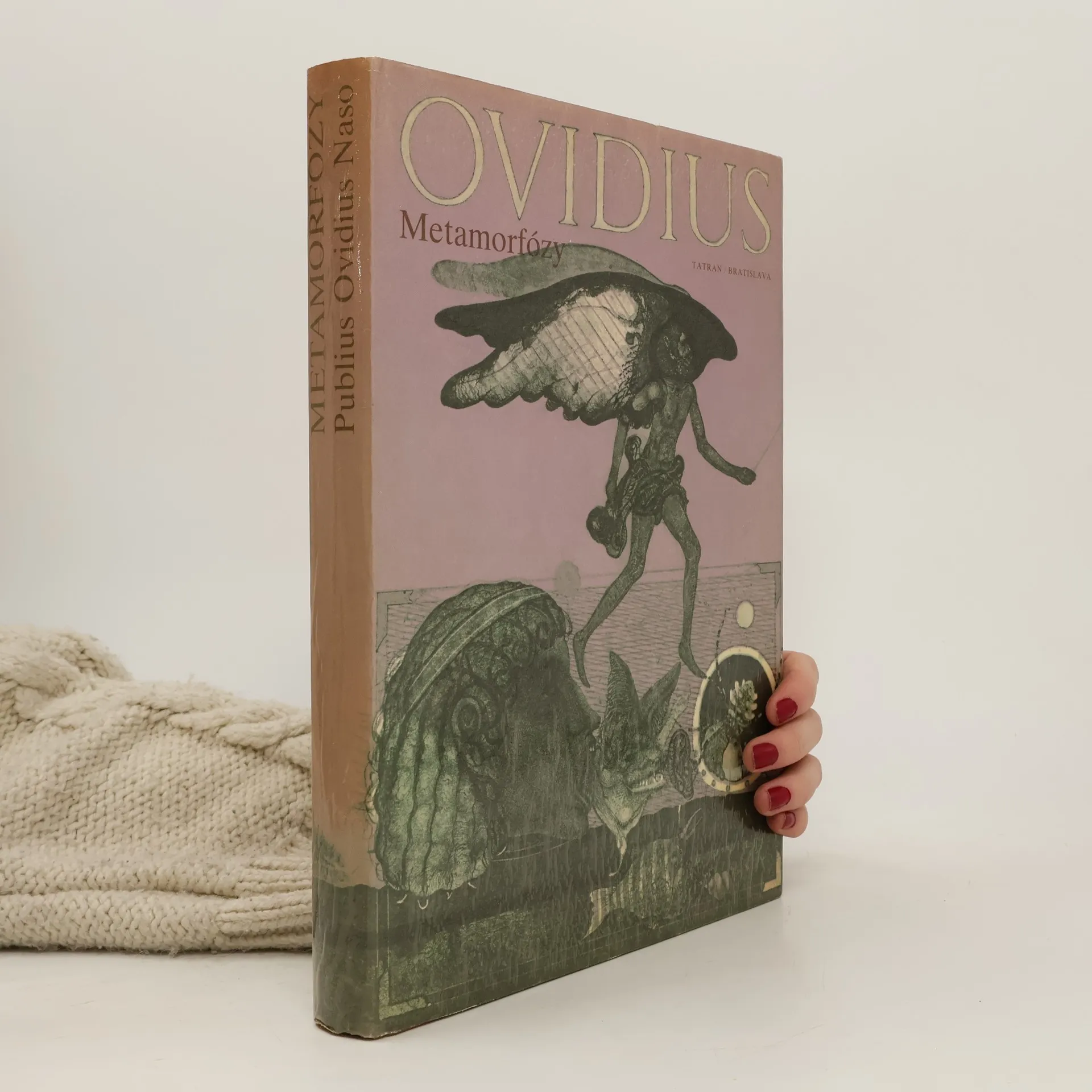
Súčasné vydanie Matamorfóz obsahuje prvých osem kníh epickej básne a je doplnená štúdiou A.Polgárovej Tkanina Arachny alebo interpretačné roviny Metamorfóz, ktorá sa zaoberá interpretačnými vrstvami a kompozíciou diela a stručne aj vplyvom Ovídiových diel.
Svazek obsahuje básnickou skladbu klasika římské literatury.
Podobně jako v Umění milovat i zde dává Ovidius rady milencům, jak co nejsprávněji postupovat při aktech lásky. Méně známý Ovidiův text je moderně přeložen Danou Svobodovou, která navíc tuto antickou "příručku" obohatila o systém marginálních poznámek, jež umožňují lepší orientaci v místy složité struktuře této skladby. Kniha vychází souběžně s latinským originálem.
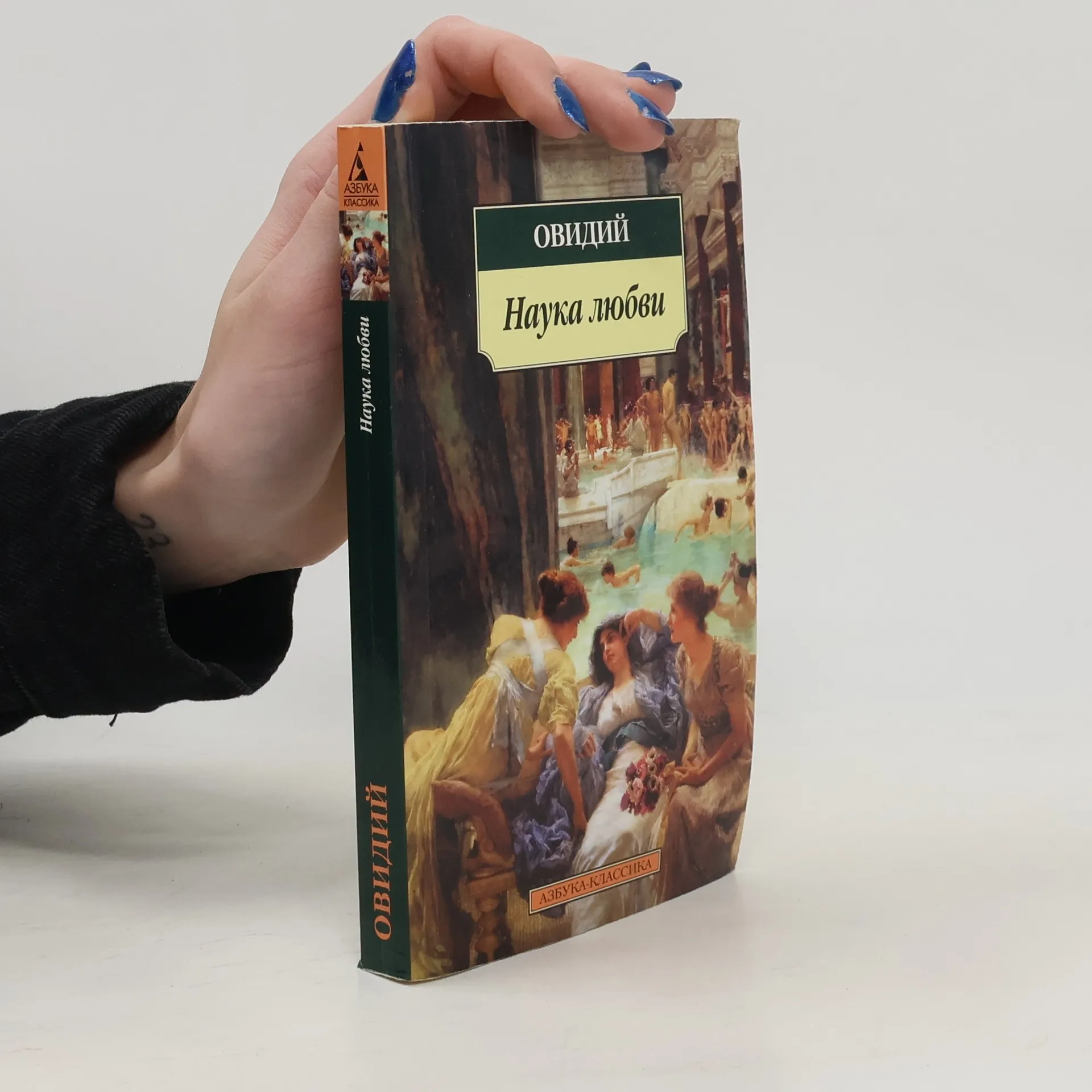
Поэма «Наука любви» великого римского поэта Публия Овидия Назона — одно из самых ярких произведений латинской любовной лирики, оказавшее несомненное влияние на всю последующую европейскую литературу. В ней Овидий утверждает любовь как непреходящую ценность, как общую для двоих радость, наслаждение человеку и упрочение обществу. Впервые в литературе у Овидия является любовь-взаимопонимание, которая может быть долгой и счастливой. В настоящее издание также включены другие произведения Овидия, затрагивающие любовную тематику: «Любовные элегии», «Лекарство от любви» и «Героиды». Издание снабжено подробным комментарием.
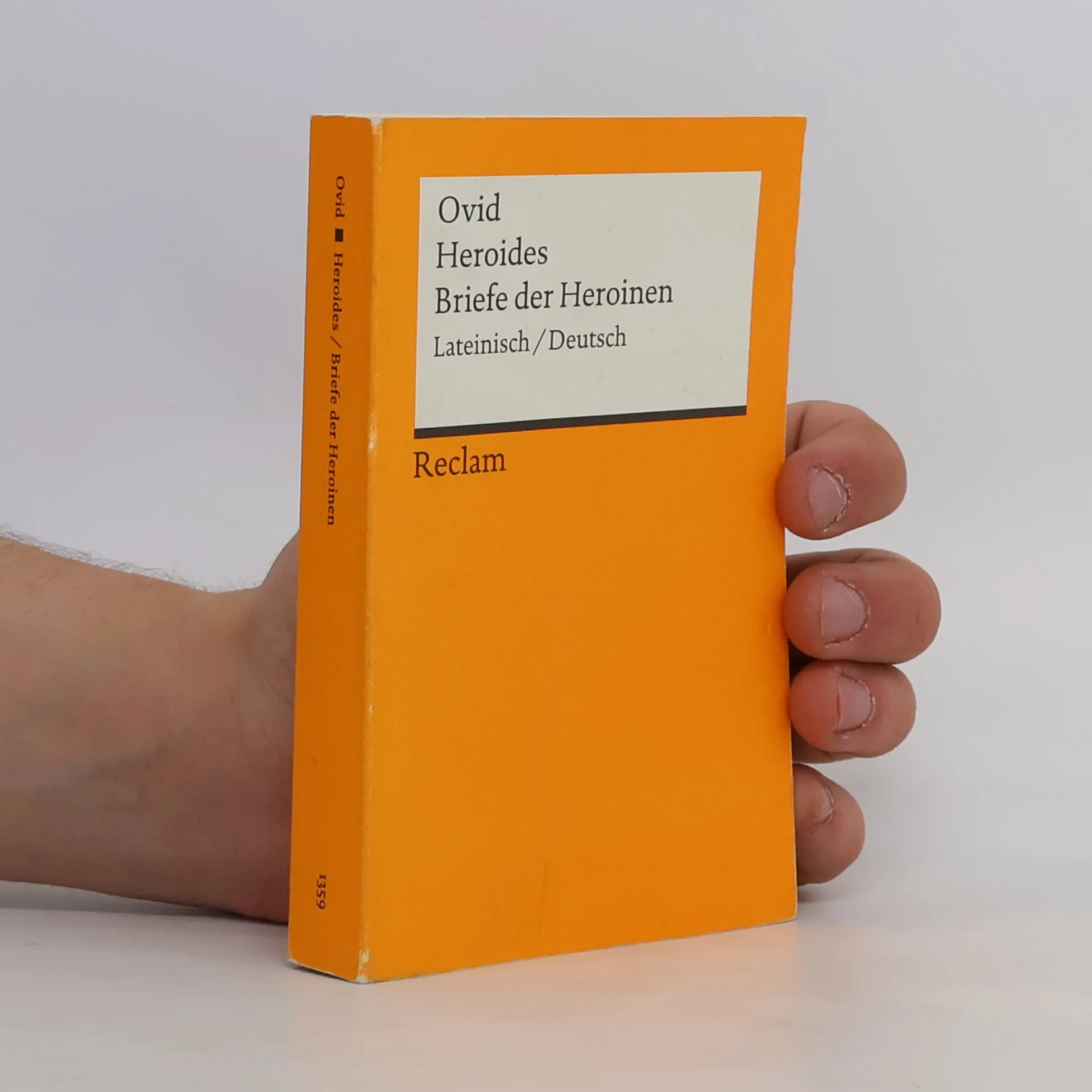
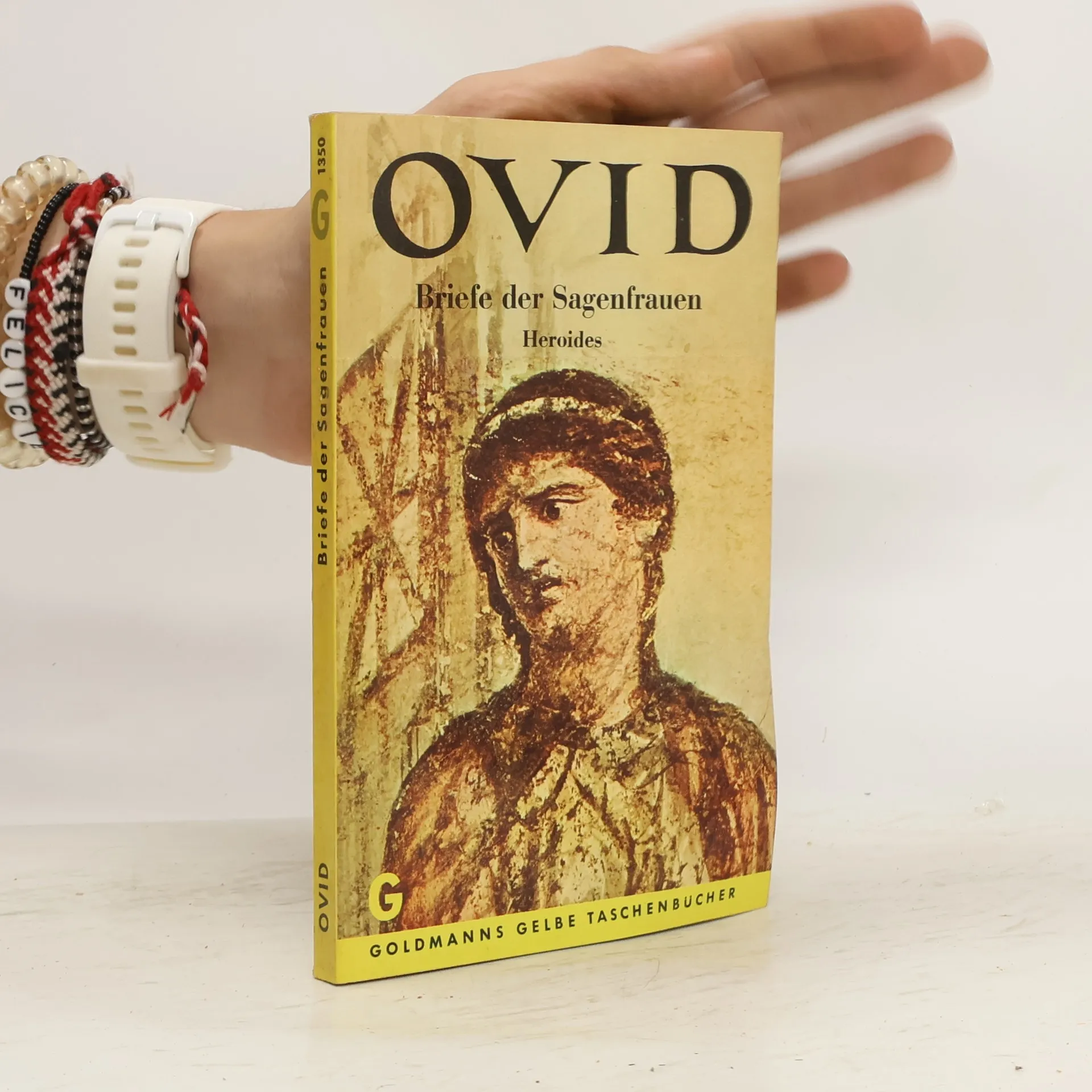
In diesen fiktiven Briefen beklagen 18 berühmte Heroinen des antiken Mythos die Treulosigkeit ihrer Ehemänner/ Liebhaber und versuchen sie zur Rückkehr zu bewegen (in drei Fällen gibt es auch »Antworten«). Die »Heroides« zeigen einmal mehr Ovids tiefes Verständnis für die weibliche Psyche und seinen spielerischen Umgang mit dem unerschöpflichen Thema Liebe. Groß war die Wirkung dieser Gedichte auf Literatur und Kunst über die Jahrhunderte hinweg.
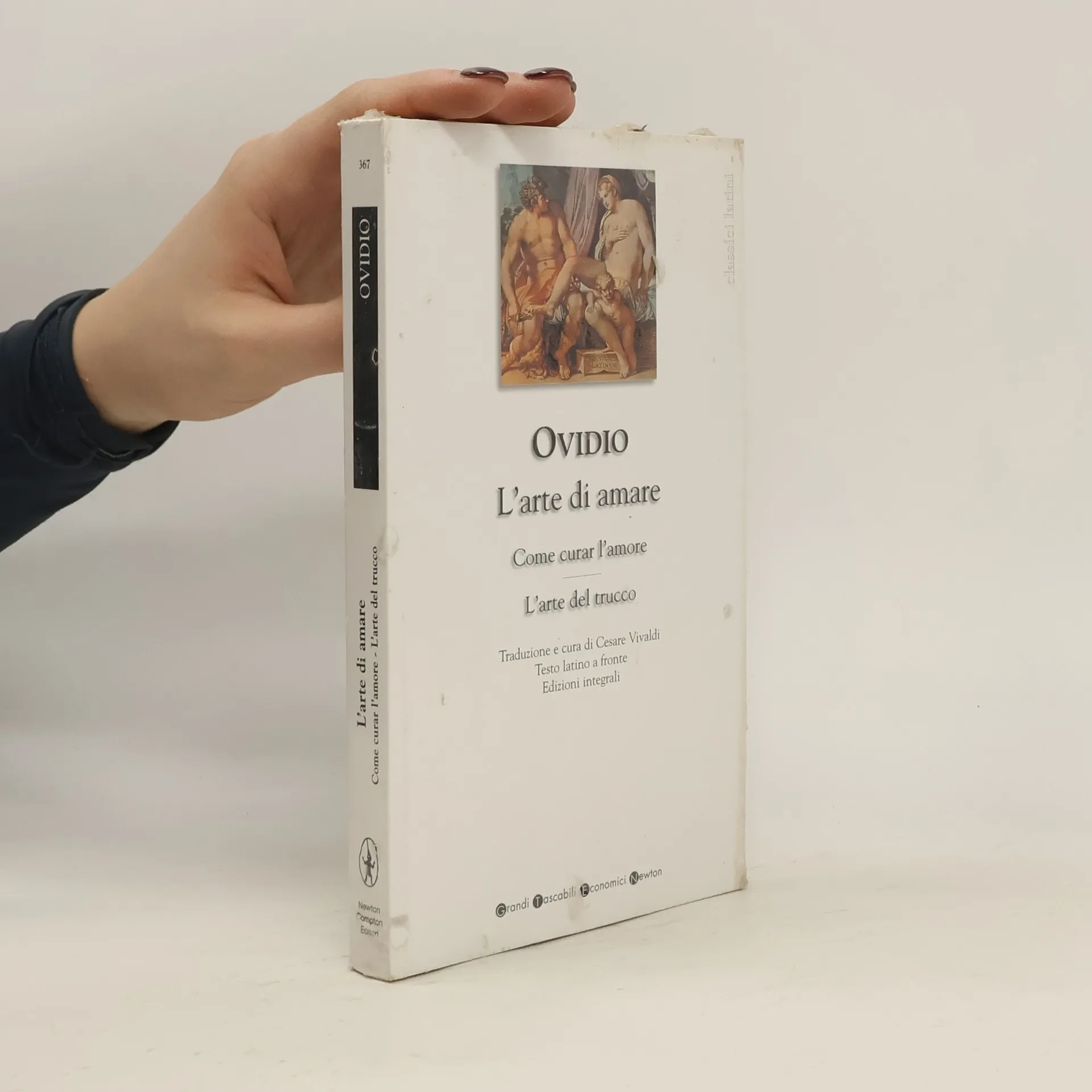
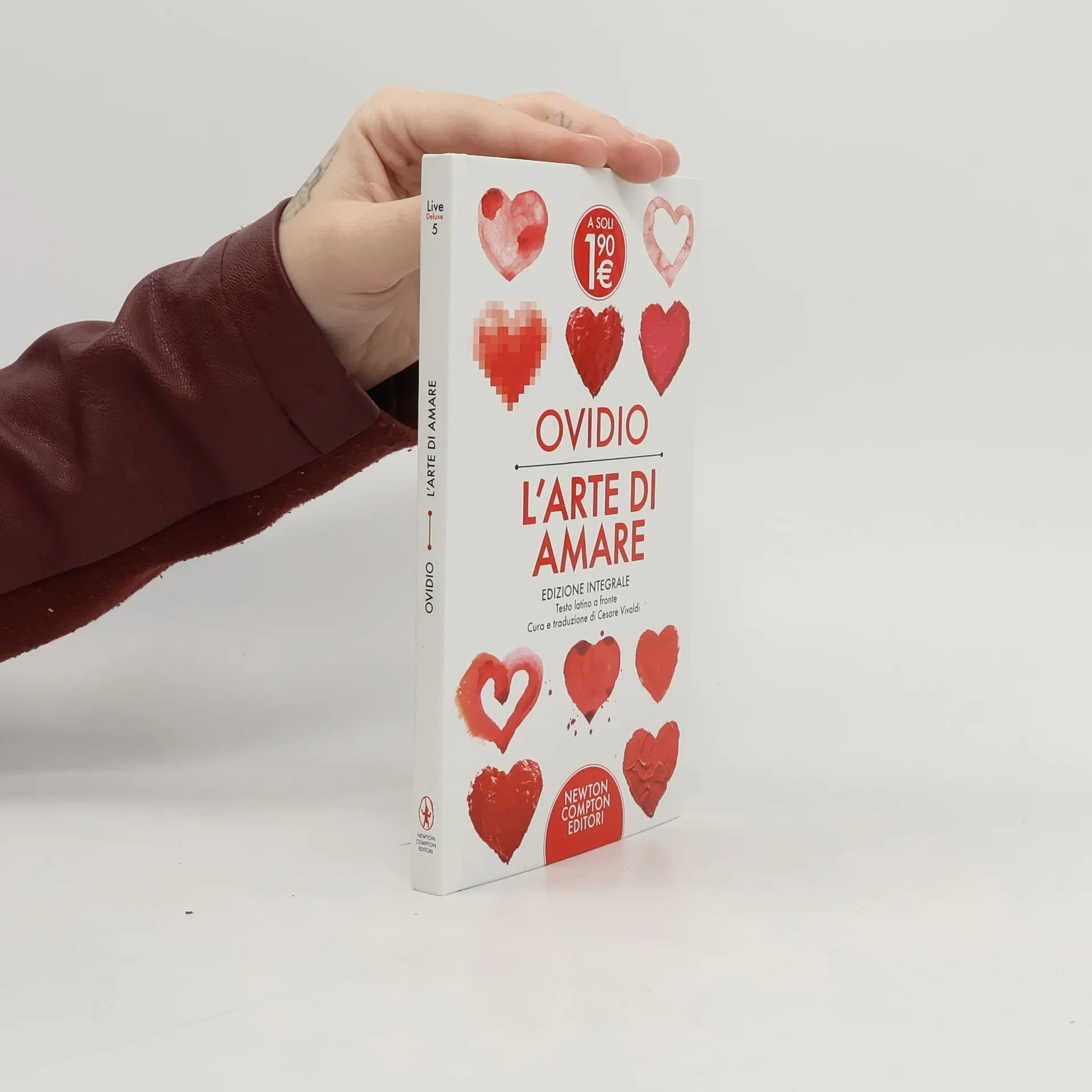
È un manuale che diverte e incuriosisce, quello di Ovidio: una geniale e colorata sequenza di scene maliziose, di quadri brillanti; un inno all’eros, ora sussurrato, ora gridato. La seduzione e l’amplesso sono per Ovidio un’arte vera e propria, al pari di quella oratoria o di quella militare. Serve talento, ma la si può imparare. E nei suoi versi ha confezionato un elegante repertorio di casistica amorosa, un vero e proprio catechismo del corteggiamento e dell’atto amatorio che, ammonisce il poeta, ha come supremo fine la totale soddisfazione di entrambi i partner.
Pět knih psaných v elegickém distichu. Obsahují popis jeho cesty do vyhnanství, dopis adresovaný Augustovi a podrobnou obhajobou Ovidiova života a díla, básně líčící poměry v místě vyhnanství, dopisy přátelům i nepřátelům.
«Se c’è qualcuno tra i tanti lettori che non conosce l’arte di amare mi legga, poi potrà amare con stile». È un manuale che diverte e incuriosisce, quello di Ovidio: una geniale e colorata sequenza di scene maliziose, di quadri brillanti; un inno all’eros, ora sussurrato, ora gridato. La seduzione e l’amplesso sono per Ovidio un’arte vera e propria, al pari di quella oratoria o di quella militare. Serve talento, ma la si può imparare. E nei suoi versi ha confezionato un elegante repertorio di casistica amorosa, un vero e proprio catechismo del corteggiamento e dell’atto amatorio che, ammonisce il poeta, ha come supremo fine la totale soddisfazione di entrambi i partner.
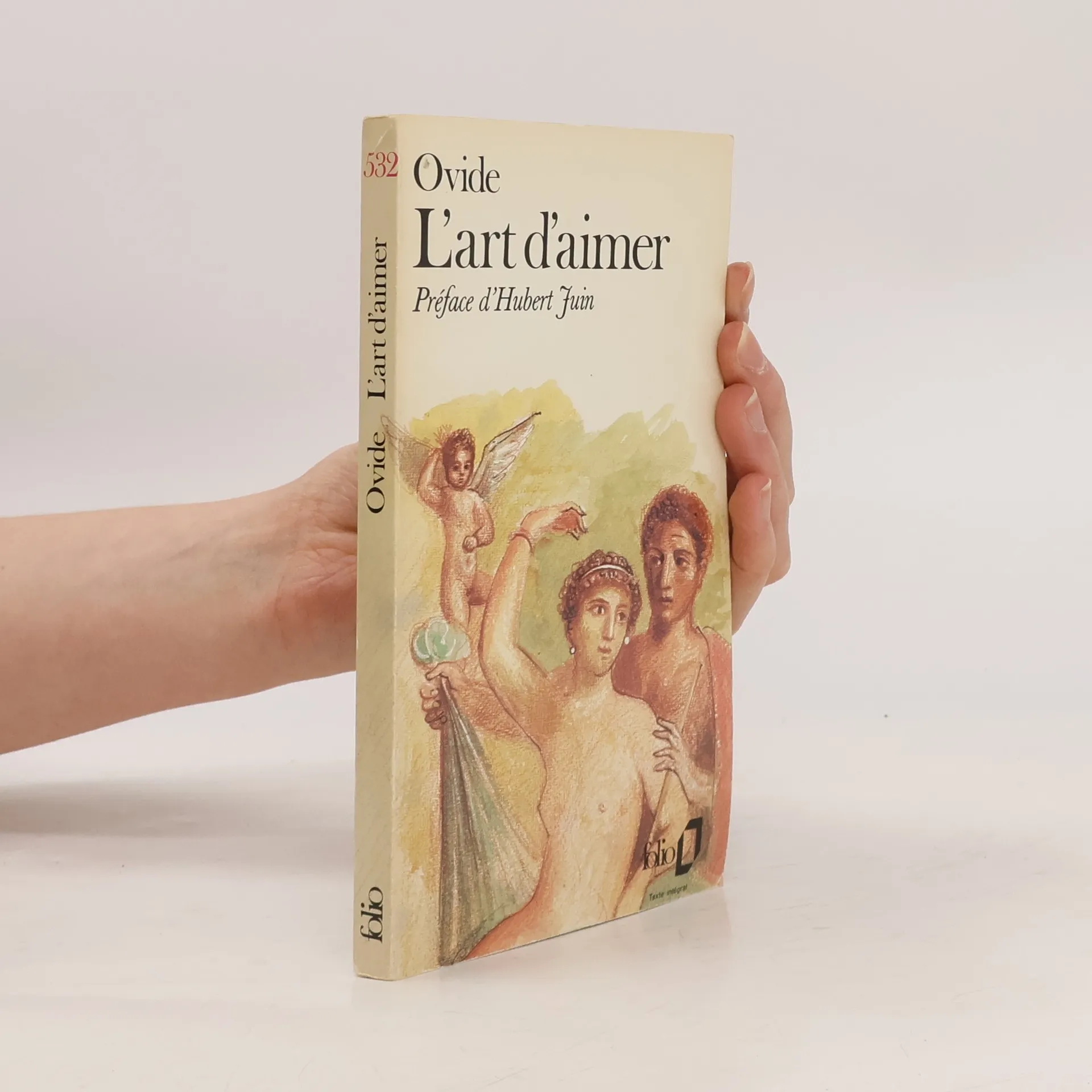
Comment trouver sa belle, la captiver, la chérir, entretenir son amour ? Voilà ce que se propose de nous enseigner Ovide dans cette œuvre avec des mots fleuris et choisis. Un manuel que tout jeune homme gagnerait à lire avant d'aller conter fleurette. Enfin il délivre à la jeune fille maints conseils de séduction et de beauté.
Ovidius se svým Umění milovat a nemilovat je tu pro vás, kteří láskou žijete, koříte se jí, slastně stoupáte k jejím vrcholům i riskujete zničující pád. V Ovidiovi najdete – muži i ženy – zasvěceného průvodce tajemstvím lásky i podnět a inspiraci, kde a jak lásku hledat, jak a čímji nalezenou živit, jak ji udržet, a když vztah někdy přijde o iluze, jak situaci napravit – vše v půvabných verších v rytmu moderního času.
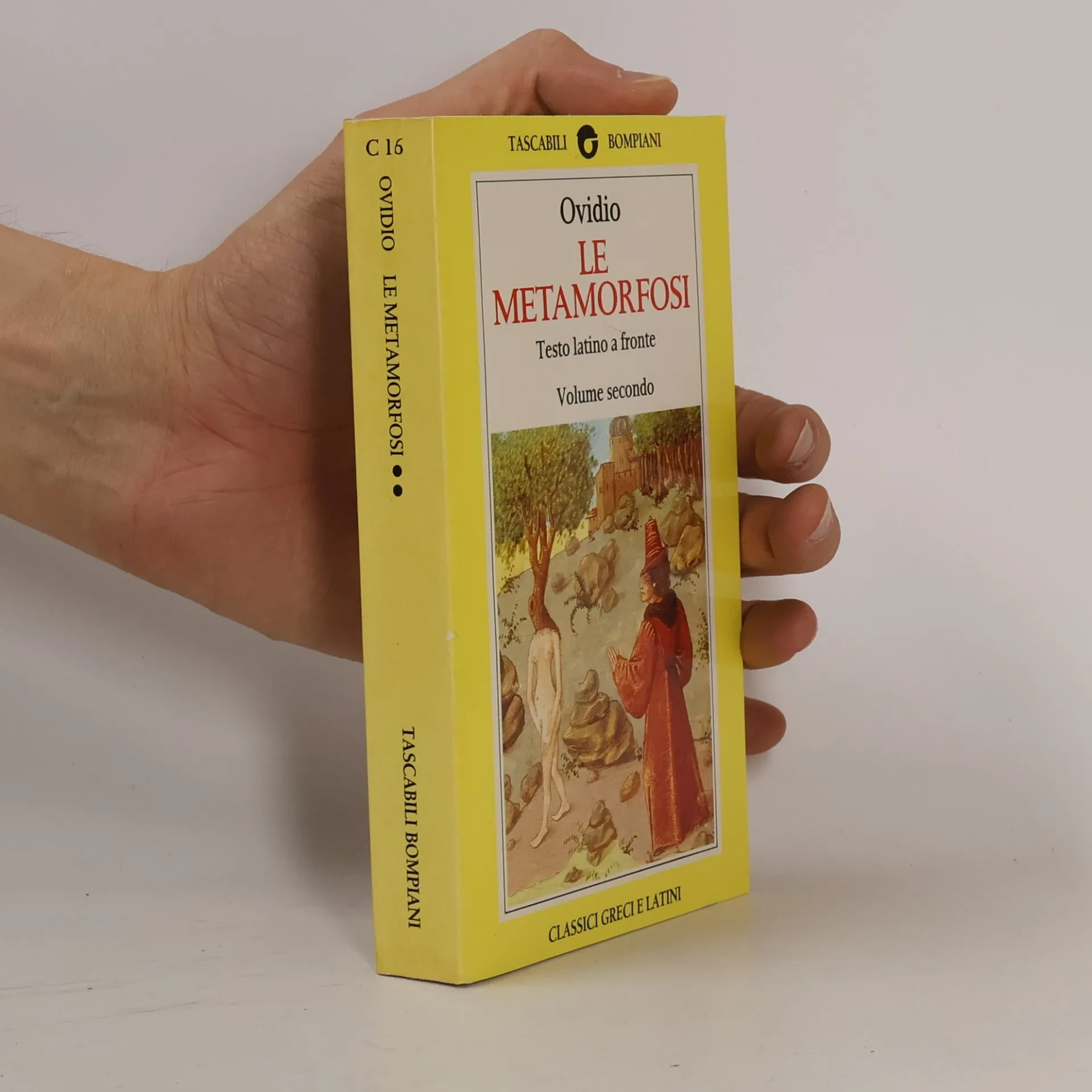
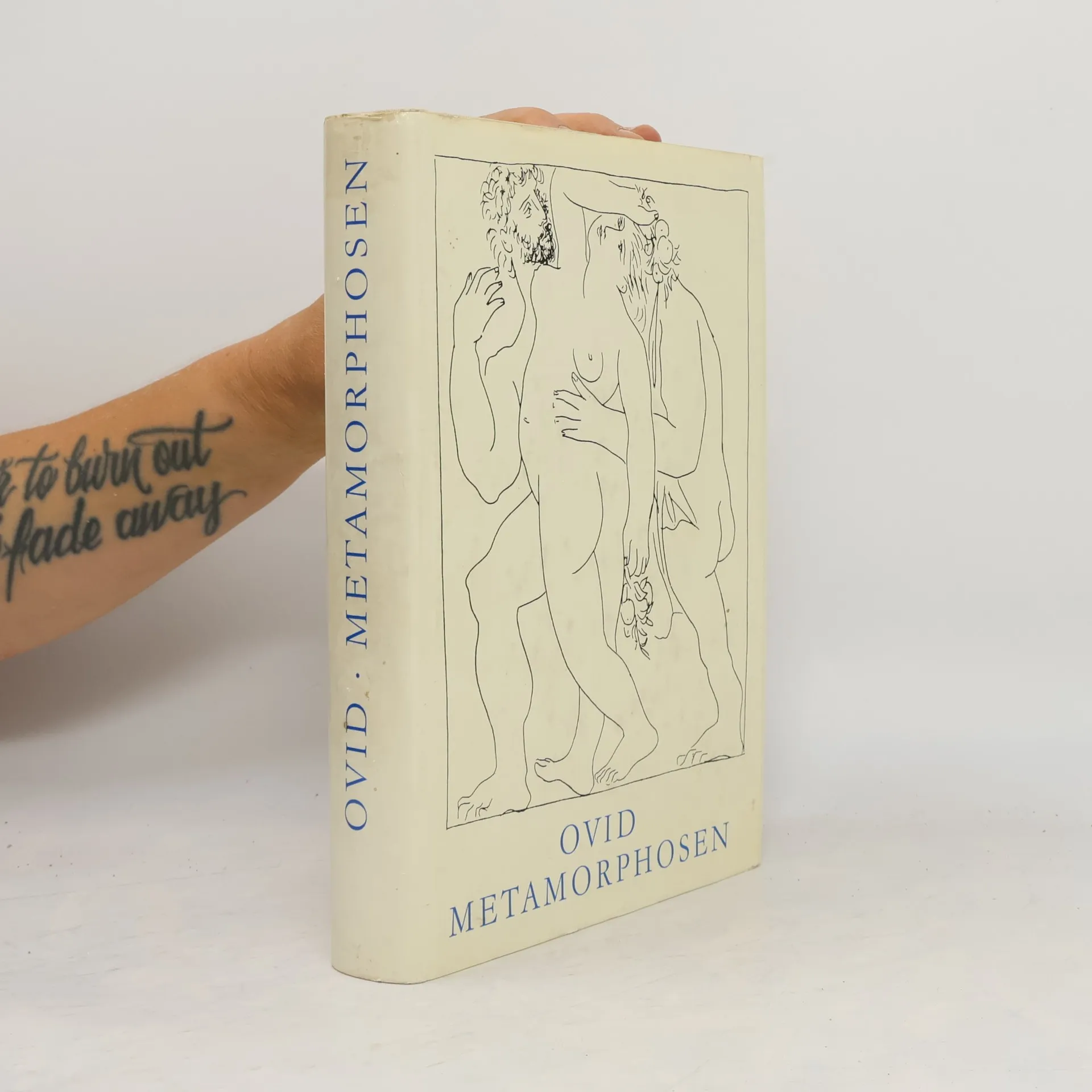
Duecentoquarantasei favole dal Caos primordiale all'innamoramento di Narciso, dal combattimento tra Perseo, figlio della pioggia d'oro, e Medusa la pietrificatrice, fino alla trasformazione di Giulio Cesare in stella, tratte soprattutto dal ricchissimo repertorio della tradizione greca, si susseguono in questo enorme collage di flash narrativi che fu, sin dal Medioevo, uno dei testi più letti in tutt Europa. Ai casi metamorfici che descrive, Ovidio (43 a.C. - 17 d.C.) si accosta con atteggiamento romanzesco, e del grande romanziere egli ha l'attenzione per le passioni devastanti e le gelosie morbose, per la follia e la delinquenza - sentimenti che l'imitatissimo precettista dell'arte di amare dipinge col gusto di una policromia stupefacente, dell'immagine raccapricciante o meravigliosa.
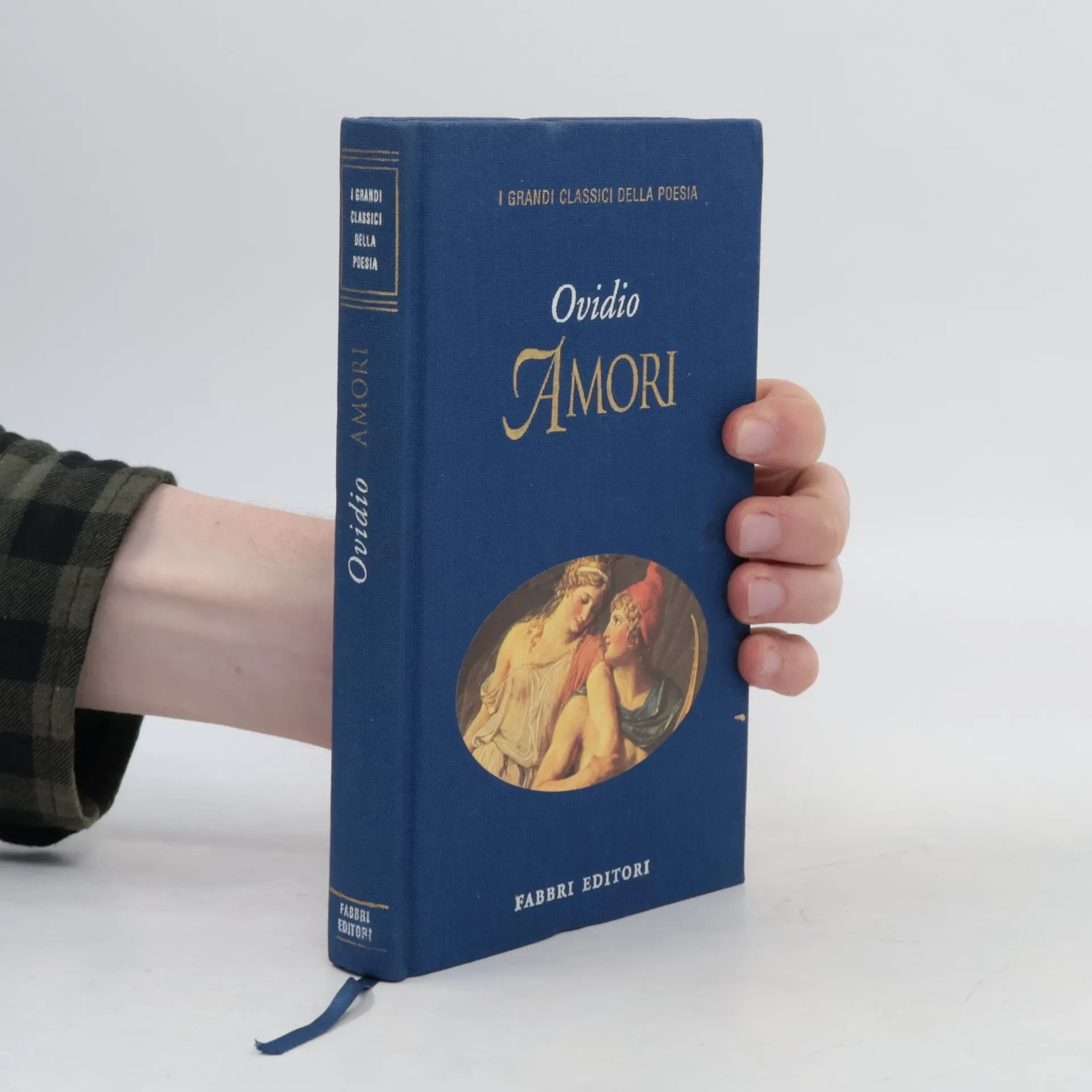
Der raffinierteste und gewagteste poetische Ironiker des frühen Römischen Reiches, Publius Ovidius Naso, ist vielleicht am besten bekannt für seine oft imitierten "Metamorphosen". Doch der römische Dichter verfasste auch lebhafte und anstößige Verse zu den Themen Liebe, Sex, Ehe und Ehebruch – eine verspielte Parodie auf die ernsten erotischen Poesietraditionen, die von seinen literarischen Vorfahren etabliert wurden. Die "Amores", Ovids erstes vollendetes Gedichtbuch, erkundet die konventionelle Form der erotischen Elegie mit subversiven und albernen Wendungen: Der poetische Erzähler errichtet einen lyrischen Altar für eine unerreichbare Frau, nur um ihn durch das Verspotten ihrer Unvollkommenheiten wieder einzureißen. "Ars Amatoria" nimmt die Form von didaktischer Verskunst an, in der ein vermeintlich reifer und erfahrener Erzähler Männern und Frauen gleichermaßen Anweisungen gibt, wie sie am besten ihre Karten im langen Spiel der Liebe ausspielen. Ovids erotische Dichtungen sind nicht nur eine böse, humorvolle Persiflage romantischer und sexueller Sitten, sondern auch eine scharfe Kritik an literarischen Techniken und poetischen Konventionen.
Ovid schildert in seinem Schlussgedicht des 4. Buches der 'Lieder der Trauer' sein Leben und seine Verbannung aus Rom. Der einst geschätzte Dichter wurde wegen einer Affäre verbannt und fand Trost in der Dichtung in der Fremde von Tomis, wo er über das menschliche Glück nachdachte.
Ovids 49 Gedichte zählen zu den bekanntesten Werken der Weltliteratur. Verfasst um 16 v. Chr., reflektieren sie mit einem stilistischen Einfluss seiner Zeit die komplexen Liebesbeziehungen zu Corinna. Diese Edition stammt vom Gröls-Verlag und gehört zur Reihe Werke der Weltliteratur.
Jen málo děl světové literatury je tak slavných jako Ovidiovy Proměny. Geniální básník, jenž byl na vrcholu slávy vyhoštěn císařem Augustem z neznámých důvodů do vyhnanství, jimi vytvořil stěžejní dílo starořímské literatury, v němž zúročil své hluboké literární znalosti, ale především dal košatě rozkvést své překypující fantazii a básnickému mistrovství. Rozsáhlá skladba o 15 knihách je pásmem příběhů z řecké a římské mytologie, jejichž společným tématem je proměna-člověka ve zvíře, rostlinu, hvězdu apod. Mistrovská fabulace, vypravěčské umění a výrazová virtuozita zajistily Proměnám nesmrtelnost, a to i ve výtvarném umění, a neutuchající čtenářskou oblibu. Po stránce umělecké jsou Proměny dílem, které dalo vzniknout nejsilnějším stránkám Ovidiova básnického nadání, hravé lehkosti jeho fantazie a umění vyjádřit duševní hnutí jednajících osob. S neobyčejnou lehkostí střídá obrazy smutné a veselé, dojemné a hrozné, vznešené a směšné. Láska zde vystupuje v nejrozličnějších obdobách, ačkoliv milostná témata ani zdaleka nejsou jediná.
Publius Ovidius Naso (43 v. Chr. 18 n. Chr.) stammte aus einer Ritterfamilie.
Er gab die politische Laufbahn zugunsten der Dichtung auf, wurde aber wegen
moralisch bedenklichen Einflusses seiner Werke von Augustus im Jahr 8 n. Chr.
ans Schwarze Meer verbannt. Bis dahin vom Glück verwöhnt, hat Ovid diesen
Sturz nie verwunden und starb verbittert im Exil. Ruth und Michael von
Albrecht zeigen ihre exzellente Kenntnis des Autors und seiner Dichtung, indem
sie in diesem Bändchen 116 charakteristische Einzelstellen zum Thema Liebe aus
Ovids gesamtem Werk herausgreifen. Die moderne Übersetzung, die ungebrochene
Aktualität der Dichtung und die liebevolle Ausstattung machen dabei den
besonderen Reiz des Büchleins aus.
In diesem Werk wird die Kunst der Liebe als zentrale Kraft dargestellt, die sowohl das Schiff als auch die Wagen lenkt. Der Autor vergleicht sich mit legendären Figuren wie Autómedon und Tiphys, um seine Rolle als Schöpfer der Liebe zu betonen. Ein eindringlicher Aufruf zur Auseinandersetzung mit der Liebe durch Kunst.