



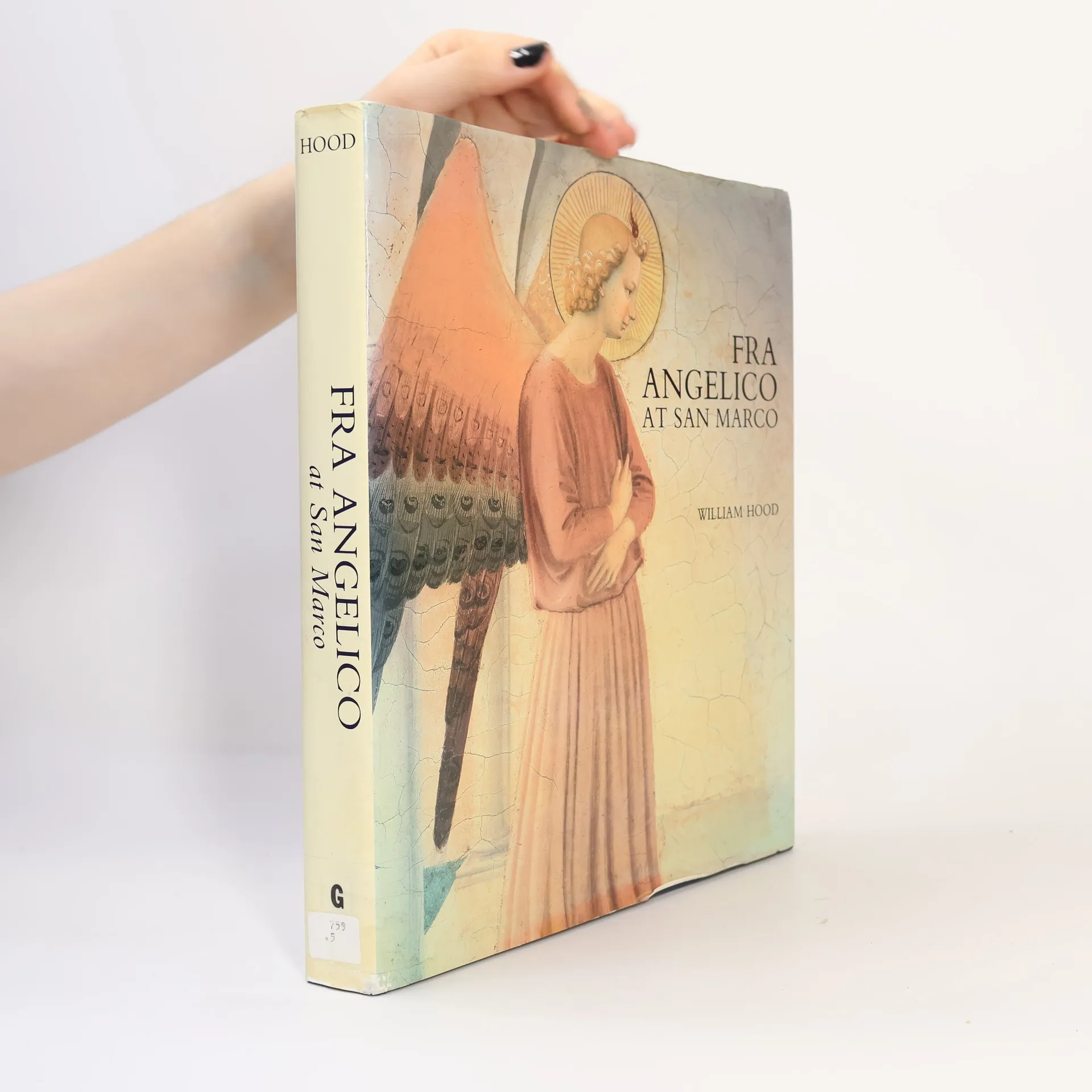
Fra Angelico at San Marco
- 338 páginas
- 12 horas de lectura
Fra Angelico's frescoes at the Dominican priory of San Marco are cherished yet often overlooked by art historians. In this insightful book, William Hood examines the recently restored frescoes, contextualizing them within the rich tapestry of fifteenth-century Florentine artistic, political, cultural, and religious history. He delves into the ideals, daily rituals, and pictorial traditions of the Dominican order, particularly the Observant branch to which Fra Angelico belonged. Hood offers fresh insights into religious art traditions, altarpiece design, and the decoration of chapter rooms and cloisters. He compares Fra Angelico's work at San Marco with earlier Dominican altarpieces and his other works in Siena, Pisa, Prato, and Florence, highlighting both traditional elements and the innovative aspects of the San Marco altarpiece. By juxtaposing San Marco with other Florentine fresco cycles, he reveals the originality of its cloister and chapter-house. Hood guides readers through the church and convent, from the high altarpiece to the corridor paintings, notably the exquisite Annunciation in the north dormitory corridor. He analyzes Angelico's color use, fresco and tempera techniques, visual problem-solving, and the impact of his paintings on contemporary viewers. This book significantly enhances our understanding of fifteenth-century art and cultural practices.