

A compelling exploration of rich diversity.
Michael Wheeler Libros
Michael Wheeler es un erudito y profesional líder en el campo de la negociación. Como profesor en la Harvard Business School, su trabajo profundiza en las complejidades de los procesos de negociación y su aplicación práctica. Sus escritos conectan la investigación académica con estrategias del mundo real, ofreciendo valiosas perspectivas para profesionales de diversos sectores. La experiencia de Wheeler se extiende más allá del aula, asesorando activamente a corporaciones, organizaciones comerciales y agencias gubernamentales en asuntos de negociación.
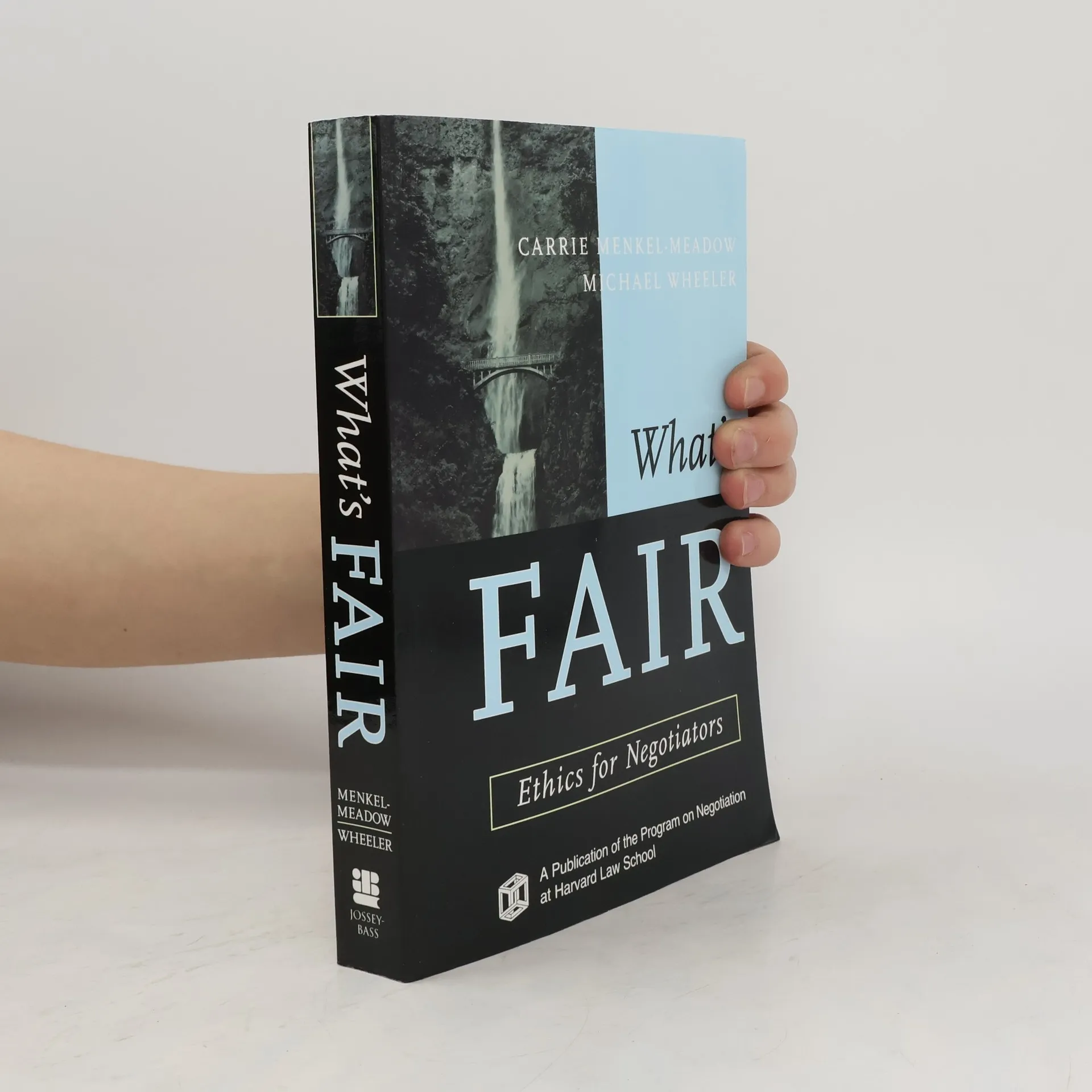

What's Fair
- 594 páginas
- 21 horas de lectura
What's Fair is a landmark collection that focuses exclusively on the crucial topic of ethics in negotiation. Edited by Carrie J. Menkel-Meadow and Michael Wheeler, What's Fair contains contributions from some of the best-known practitioners and scholars in the field including Roger Fisher, Howard Raiffa, and Deborah Kolb. The editors and distinguished contributors offer an examination of why ethics matter individually and socially, and explain the essential duties and values of negotiation beyond formal legal requirements. Throughout the book, these experts tackle difficult questions such as: What do we owe our counterparts (if anything) in the way of candor or disclosure? To what extent should we use financial or legal pressure to force settlement? Should we worry about whether an agreement is fair to all the parties, or the effects our negotiated agreements might have on others?
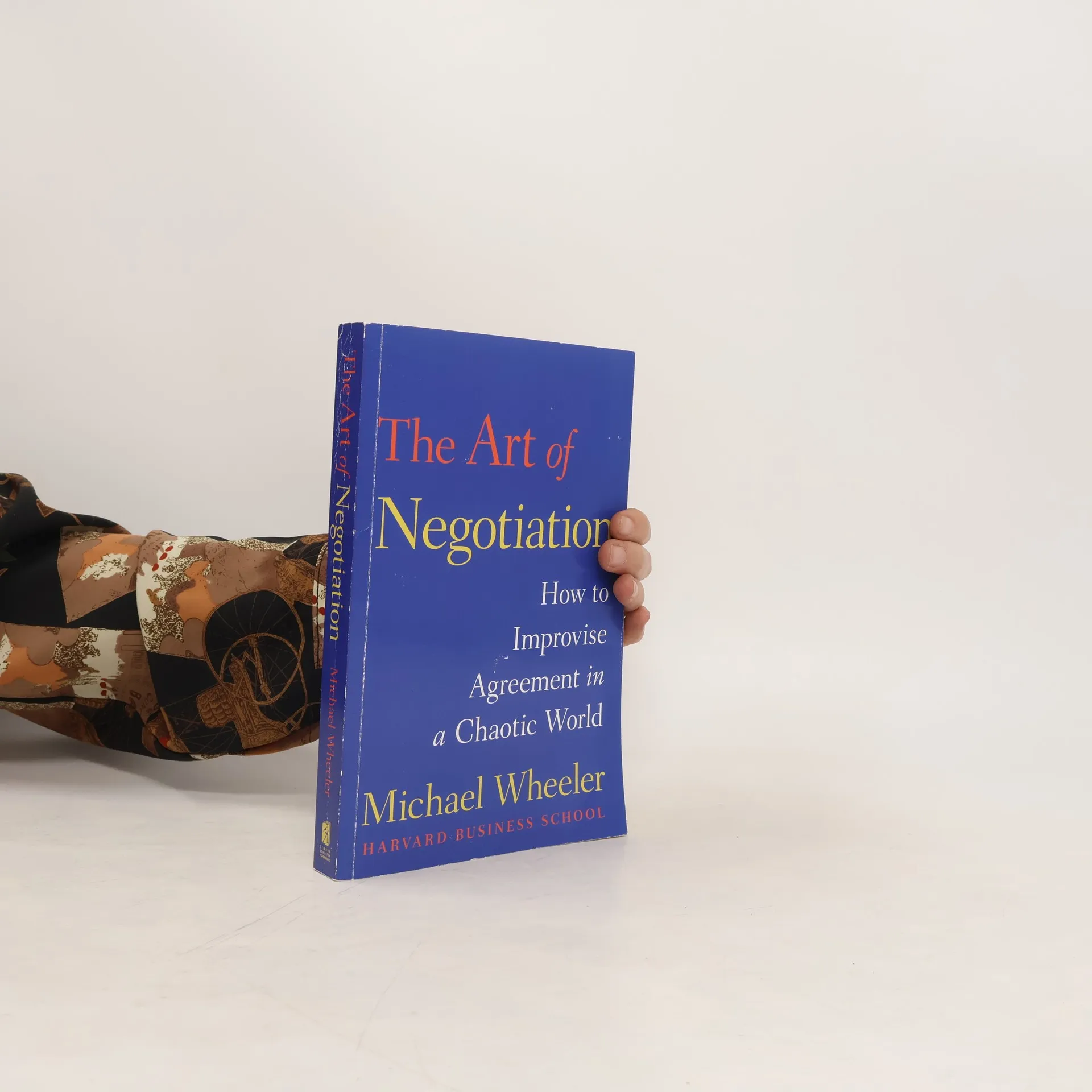
The Art of Negotiation
- 320 páginas
- 12 horas de lectura
Shedding new light on the improvisational nature of negotiation, explains how diplomats, deal-makers, and Hollywood producers apply their best practices to everyday transactions.
An argument for a non-Cartesian philosophical foundation for cognitive science that combines elements of Heideggerian phenomenology, a dynamical systems approach to cognition, and insights from artificial intelligence-related robotics.
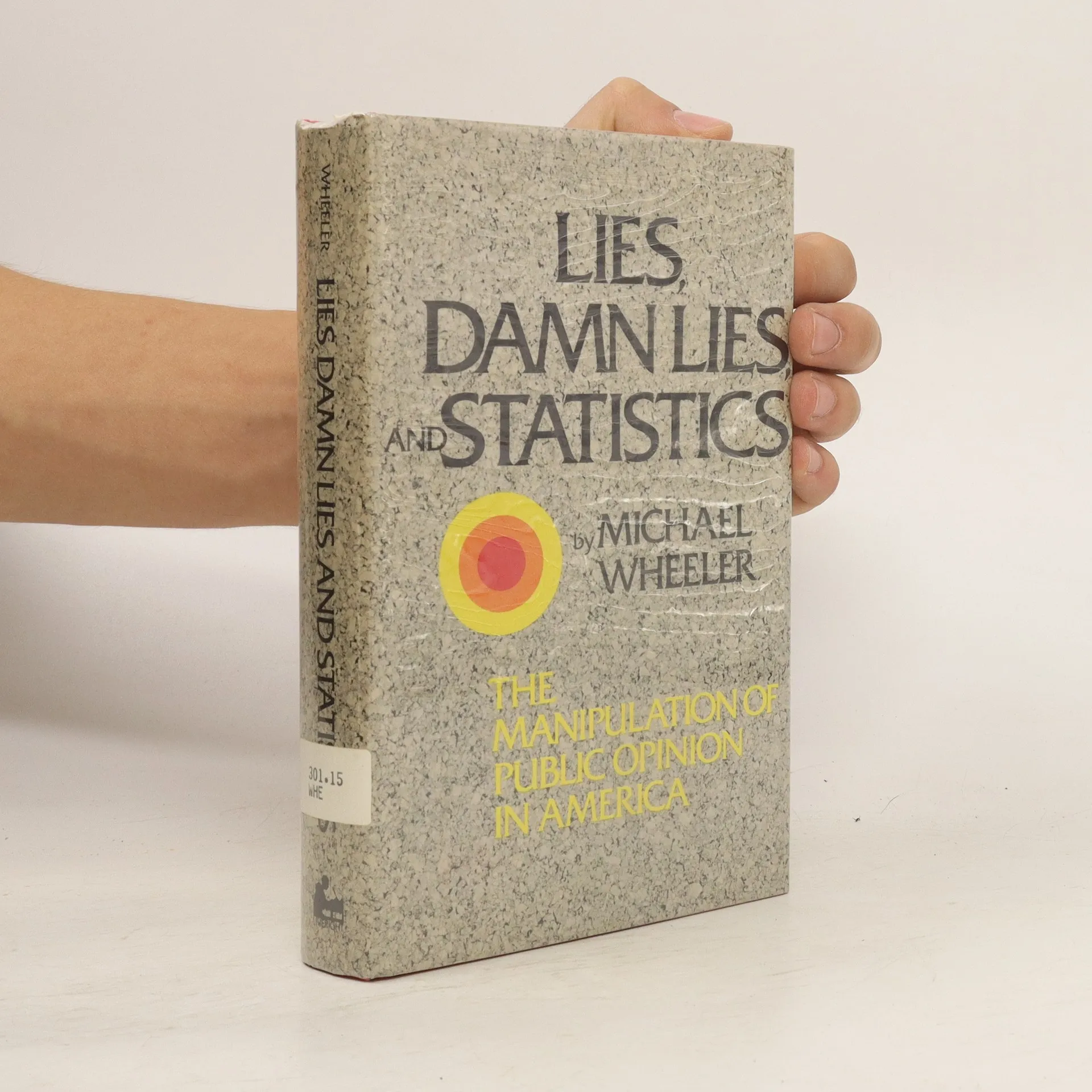
Lies, Damn Lies, and Statistics. The Manipulation of Public Opinion in America
- 300 páginas
- 11 horas de lectura
A book that discusses the general problems of poll taking.