

A prominent figure in 19th-century Norwegian literature, Alexander Lange Kielland is celebrated for his realistic portrayals and social critique. Despite his affluent background, he championed the underprivileged and treated his workers with respect as a factory owner. Kielland's notable works include the satirical plays "Tre Par" and "Professoren," as well as acclaimed novels like "Gift," "Skipper Worse," and "Garman and Worse." His contributions solidify his status alongside other literary giants like Henrik Ibsen and Bjørnstjerne Bjørnson.
Alexander L. Kielland Libros
Alexander Lange Kielland se erige como uno de los escritores realistas más destacados de Noruega en el siglo XIX, reconocido como un pilar de la literatura nacional. A pesar de su acomodada cuna, defendió constantemente a los menos afortunados y se mantuvo como un crítico acérrimo de la hipocresía social a lo largo de su carrera. Sus obras, a menudo marcadas por una aguda sátira, frecuentemente apuntaron a las percibidas deficiencias del clero y del sistema educativo. El legado perdurable de Kielland reside en sus perspicaces novelas y cautivadoras historias cortas que siguen ofreciendo comentarios sociales de relevancia atemporal.


Garman And Worse A Norwegian Novel
- 190 páginas
- 7 horas de lectura
Set in 19th-century Stavanger, this novel offers a keen social critique of the Norwegian upper class through the intertwined lives of the Garman and Worse families. It explores moral dilemmas and interpersonal dynamics, highlighting the duplicity and contradictions of bourgeois society. The characters navigate cultural expectations and ethical challenges, making the narrative a gripping examination of timeless themes such as morality and societal hypocrisy. Kielland's sharp wit and insightful prose enhance its significance in Norwegian literature.
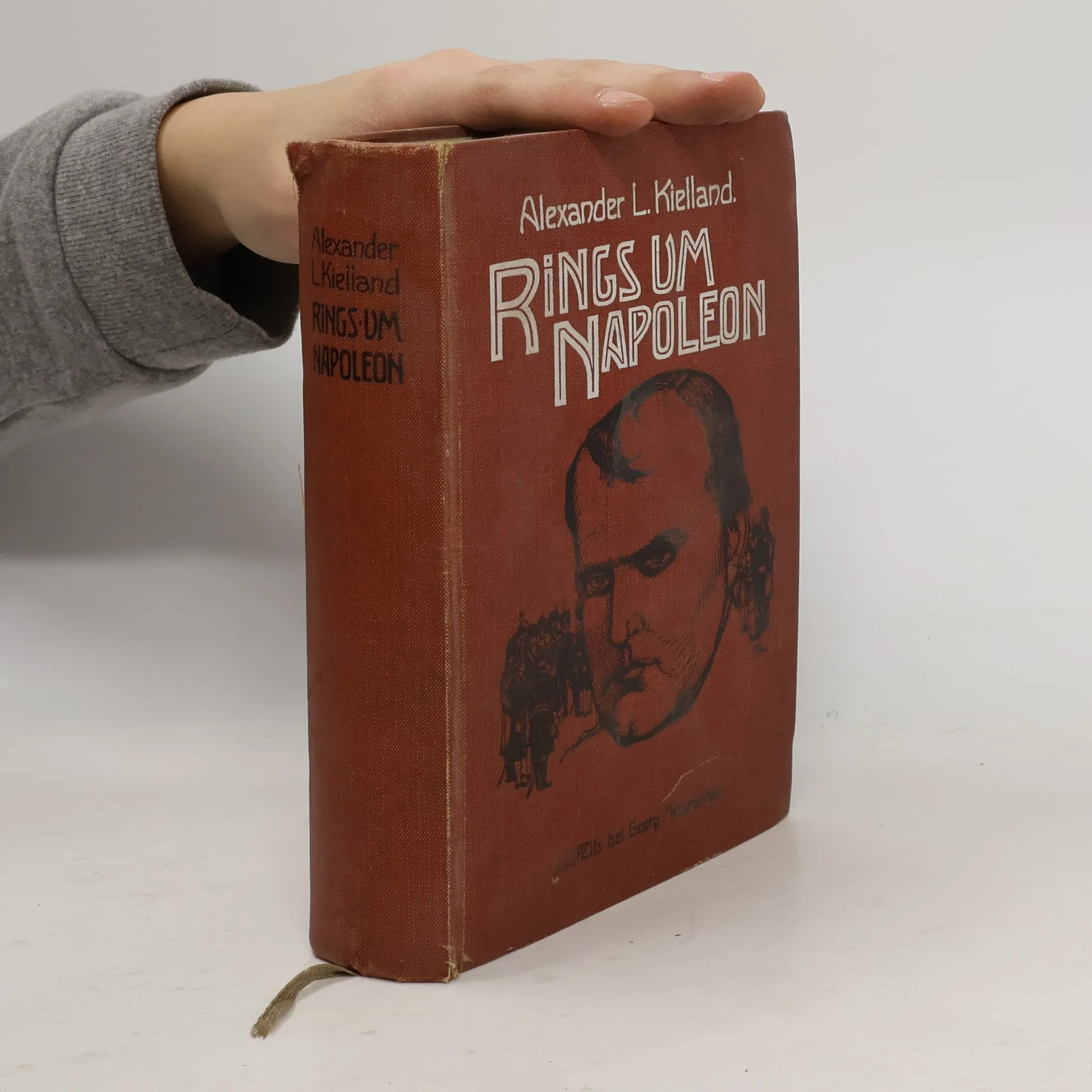
Alexander Lange Kielland (1849-1906) zählt zu den "Großen Vier" der norwegischen Literatur und prägte die Moderne in Skandinavien. Zunächst Jurist, wurde er ab 1879 Schriftsteller. Seine sozialkritischen Romane, beeinflusst von Dickens und Turgenjew, sind oft satirisch. Seine Napoleon-Biografie zeichnet sich durch erfrischende Subjektivität aus.