

A study of 20th-century American society. Its now-classic analysis of the new middle class in terms of inner-directed and other-directed social character opened new dimensions in our understanding of the psychological, political and economic problems that confront the individual in society. schovat popis
Nathan Glazer Orden de los libros (cronológico)
Nathan Glazer fue un sociólogo estadounidense cuya carrera incluyó prestigiosas posiciones en la Universidad de California, Berkeley, y durante muchas décadas en la Universidad de Harvard. Su trabajo profundizó en complejas cuestiones sociales y los multifacéticos impactos de las transformaciones de la sociedad. La investigación de Glazer proporcionó una visión crítica de la dinámica del cambio social.


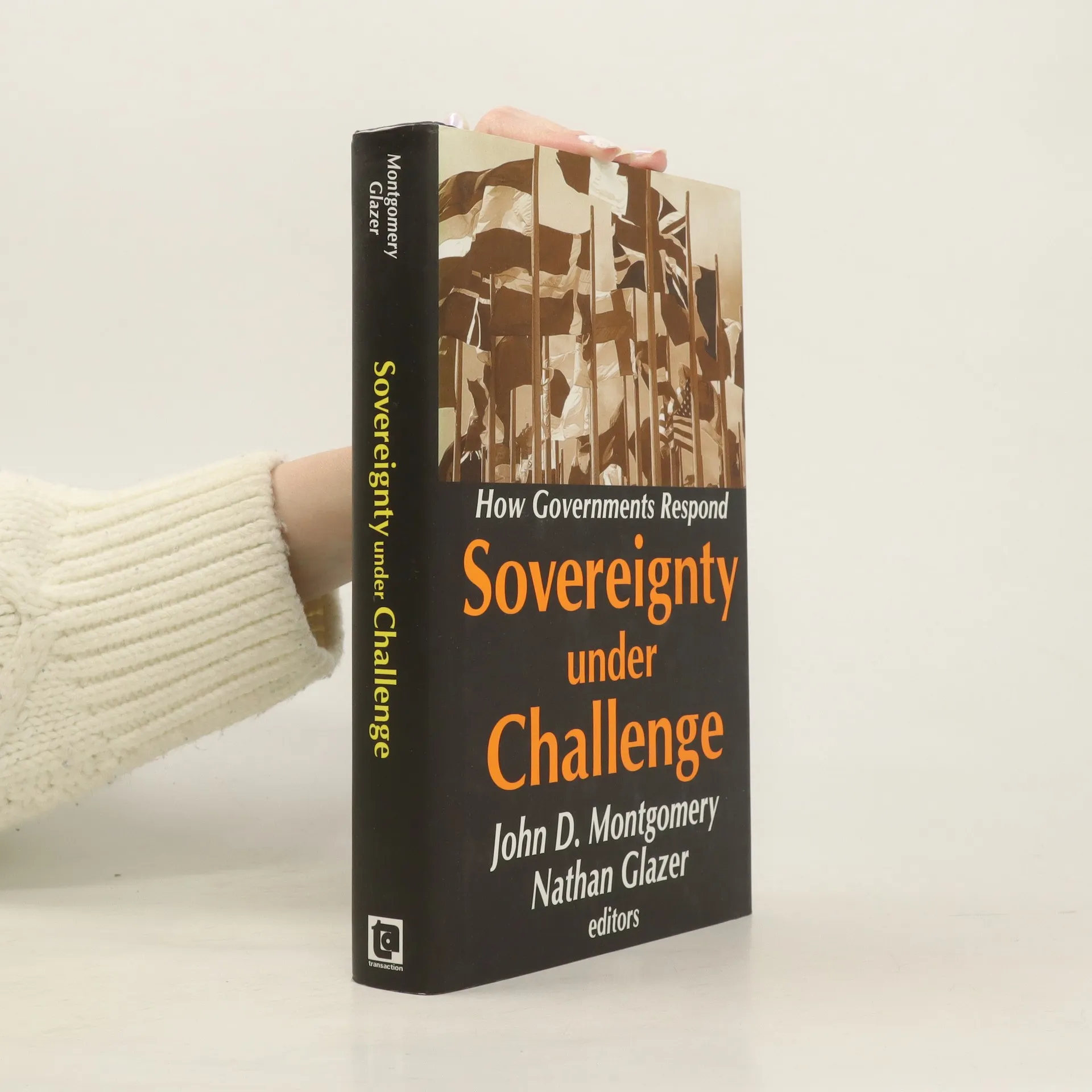
Sovereignty Under Challenge
- 402 páginas
- 15 horas de lectura
Sovereignty, the ultimate authority of a state over its territory and citizens, is increasingly challenged by various forces. International institutions and treaties addressing human rights, trade, and investment exert pressure from above, while discontented long-resident groups and new migrants challenge from below. This collection of authoritative studies by leading scholars explores these challenges and responses, highlighting the unpredictable nature of sovereignty as governments react. The introductory chapter discusses how sovereignty is asserted in response to challenges, proposing a classification of these responses to better understand its evolving nature. The first part examines dual citizenship in the U.S., national human rights commissions in Asia, and the Falungong movement's challenge in China. The second part focuses on Japan's approach to global warming and the World Health Organization's efforts in Southeast Asia regarding infectious disease control. The third part addresses conflicts arising from external changes impacting indigenous institutions in India, Fiji, Indonesia, and Malaysia. The final section analyzes the economic and cultural instability caused by Chinese migration to Russia, the effects of transnational regulatory campaigns, indigenous land rights in the Philippines, and the influence of transnational corporations on technology in Asia. A concluding chapter offers a global assessment of stat
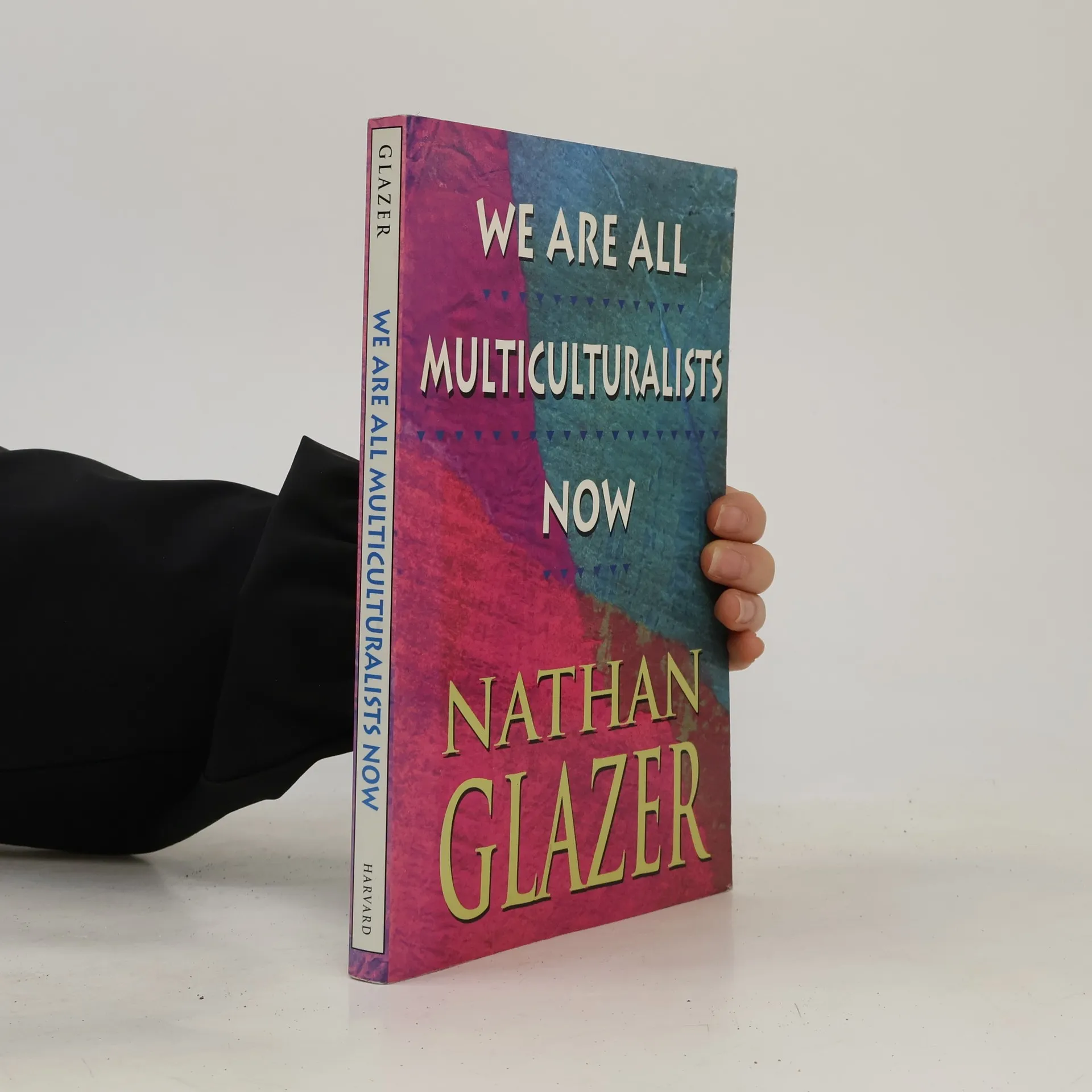
We Are All Multiculturalists Now
- 188 páginas
- 7 horas de lectura
The melting pot concept has shifted to multiculturalism, particularly evident in public schools where a Eurocentric curriculum has been replaced by a focus on diversity, often leading to confrontation and confusion. Nathan Glazer provides clarity on this transformation, examining why both advocates and skeptics have embraced multiculturalism and its implications for national unity, civil society, and education. He addresses key concerns surrounding multicultural education, such as whose "truth" is represented in the curriculum, whether an emphasis on ethnic roots strengthens or undermines national unity amidst global challenges, and if highlighting social injustices fosters harmony or discord. Glazer argues that multiculturalism emerged from mainstream society's failure to assimilate African Americans, whose anger and frustration led to a rejection of exclusionary traditions. He asserts that "we are all multiculturalists now," offering insights into the complexities of this new identity and encouraging reflection on its impact and significance.
Ethnic Dilemmas, 1964–1982
- 359 páginas
- 13 horas de lectura
The last two decades have been the most turbulent for American racial and ethnic relations since Reconstruction. Following the passage of the landmark Civil Rights Act of 1964, there has been an explosion of ethnic self-consciousness, affirmative action, and student militancy. What do these events mean, and what should we expect in the future?Nathan Glazer, one of America's foremost social critics, records and interprets the central developments of this crucial the shift of major civil rights groups and black leaders from color blindness to color consciousness; the split this shift occasioned with other civil rights advocates, such as Jewish groups; the rapid growth of ethnic self-consciousness and militancy and its impact on schools and colleges; the conflict over bilingualism and over civil rights enforcement caused by the expansion of affirmative action; and the rise of similar issues in the new multi-ethnic states that emerged from colonialism and in Western European nations transformed by mass immigration.The book sums up a period that closed with the election of the first national administration committed to withdrawal from the further reaches of civil rights enforcement, and it forecasts the issues that will be raised as new waves of immigration from Latin America and Asia further transform the American racial and ethnic mix.
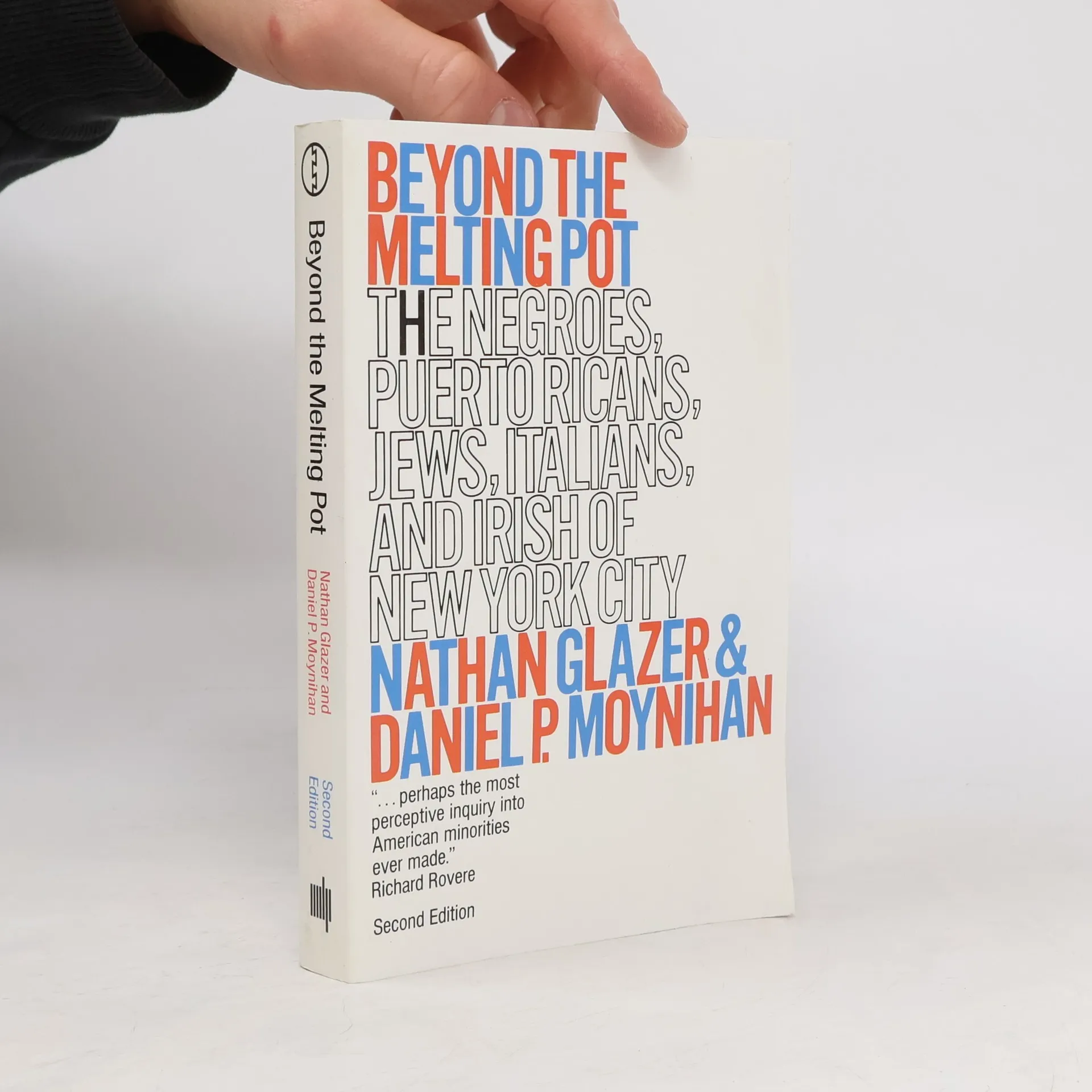
Beyond the Melting Pot
The Negroes, Puerto Ricans, Jews, Italians, and Irish of New York City - Second Edition
- 364 páginas
- 13 horas de lectura
This influential work from the 1960s is presented in a second edition that features a new 90-page Introduction, "New York City in 1960." The authors revisit events since the first edition in 1963, focusing on the rise of militant black demands and the responses from the city's diverse communities and political structures. They discuss the decline of Catholic influence in Lindsay's New York and the increasing power of Jews and WASPs, as well as the emergence of a black middle class and the challenges faced by Puerto Ricans. The authors acknowledge that further events and studies have prompted them to revise some views, which they clarify in the Introduction. However, their central thesis—that "melting pot" assimilation does not occur—remains intact. The initial appraisals of the first edition continue to resonate, with Richard H. Rovere from The New Yorker calling it "perhaps the most perceptive inquiry into American minorities ever made." Oscar Handlin from the New York Times commends the thoughtful analysis that addresses pressing urban issues, while Harpers Magazine praises its grasp of economic and social relations. Time Magazine highlights the authors' candid approach to discussing the complexities faced by minority groups, acknowledging both their struggles and unique characteristics.