Compra 10 libros por 10 € aquí!
Bookbot

Immanuel Maurice Wallerstein

    28 de septiembre de 1930 – 31 de agosto de 2019

    N/A

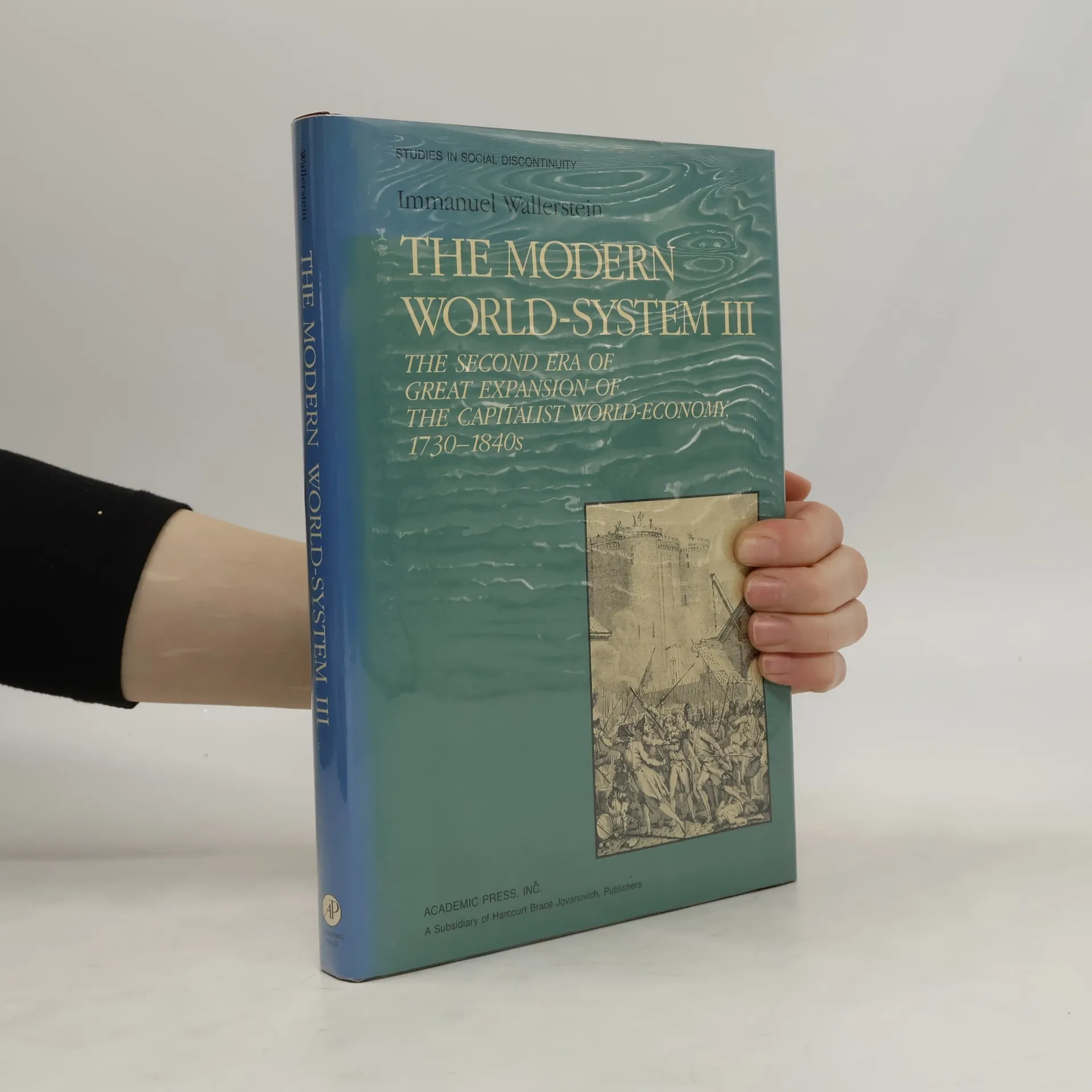
    The modern world-system 3
    The Modern World-System II
    The World-System and Africa
    The Modern World-System IV
    The Modern World-System I
    Overcoming Global Inequalities
    • Overcoming Global Inequalities

      • 238 páginas
      • 9 horas de lectura

      Focusing on the dynamics of global inequalities, this book features contributions from historical sociologists and geographers who analyze contemporary disparities in power, wealth, and income through a historical lens. The geographers explore the impact of geopolitics and warfare on the modern world-system, while sociologists address efforts to uplift impoverished communities and tackle sustainability challenges. This research aims to provide insights and strategies for addressing global inequality in the 21st century.

      Overcoming Global Inequalities
    • The Modern World-System I

      • 440 páginas
      • 16 horas de lectura

      A panoramic reinterpretation of global history, this title traces the emergence and development of the modern world from the sixteenth to the twentieth century.

      The Modern World-System I
    • Traces the emergence and development of the modern world from the sixteenth to the twentieth century. This title encompasses the nineteenth century from the revolutionary era of 1789 to the First World War.

      The Modern World-System IV
    • The World-System and Africa

      • 230 páginas
      • 9 horas de lectura

      Exploring the interconnectedness of Africa and the capitalist world-system over the past 500 years, the book delves into the structural crisis affecting both. Wallerstein examines the implications of identity politics, which has gained prominence globally, and its relevance to African political struggles. Additionally, he highlights the insights of African thinkers regarding contemporary issues within this context. Emphasizing the need for informed debate, Wallerstein advocates for Africa's significant role in addressing the modern world-system's challenges.

      The World-System and Africa
    • A panoramic reinterpretation of global history, this title traces the emergence and development of the modern world from the sixteenth to the twentieth century.

      The Modern World-System II
    • The modern world-system 3

      The second era of great expansion of the capitalist world-economy, 1730-1840s

      Immanuel Wallerstein's highly influential, multi-volume opus, The Modern World-System, is one of this century's greatest works of social science. An innovative, panoramic reinterpretation of global history, it traces the emergence and development of the modern world from the sixteenth to the twentieth century.

      The modern world-system 3
    • Alternatives

      The United States Confronts the World

      • 173 páginas
      • 7 horas de lectura

      Drawing on extensive historical research, the author examines the implications of recent shifts in US foreign and economic policies. By analyzing long-term changes, he provides insights into how these developments may influence both national and global dynamics, offering a thought-provoking perspective on the current state of affairs.

      Alternatives
    • End of the World as We Know It

      • 277 páginas
      • 10 horas de lectura

      This book is nothing short of a state-of-the-world address, delivered by a scholar uniquely suited to the task. Immanuel Wallerstein, one of the most prominent social scientists of our time, documents the profound transformations our world is undergoing. With these transformations, he argues, come equally profound changes in how we understand the world. Wallerstein begins his work with an appraisal of significant recent events -- the collapse of the Leninist states, the exhaustion of national liberation movements, the rise of East Asia, challenges to national sovereignty, dangers to the environment, debates about national identity, and the marginalization of migrant populations. Wallerstein places these events and trends in the context of the changing modern world-system as a whole and identifies the historic choices they put before us. The End of the World As We Know It concludes with a crucial analysis of the momentous intellectual challenges to social science as we know it today and suggests possible responses to them.

      End of the World as We Know It
    • Craig Calhoun, Dilip Gaonkar, and Charles Taylor argue that democracies have embraced individual freedom at the expense of equality and solidarity, economic growth at the expense of democracy. Rebuilding local communities and large-scale institutions is now crucial, with attention to the public good beyond private advantage or ingroup loyalty.

      Degenerations of Democracy
    • In After Liberalism , the distinguished historian and political scientist Immanuel Wallerstein examines the process of disintegration of our modern world-system and speculates on the changes that may occur during the next few decades. He explores the historical choices before us and suggests paths for reconstructing our world-system on a more rational and socially equitable basis.

      After liberalism