Organisation for Economic Co-operation and DevelopmentOrden de los libros (cronológico)
La Organización para la Cooperación y el Desarrollo Económicos (OCDE) es una organización económica intergubernamental con 35 países miembros, fundada en 1961 para estimular el progreso económico y el comercio mundial. Sirve como foro para países comprometidos con la democracia y la economía de mercado, ofreciendo una plataforma para comparar experiencias de políticas, buscar soluciones a problemas comunes, identificar mejores prácticas y coordinar políticas nacionales e internacionales. La OCDE se originó a partir de la Organización para la Cooperación Económica Europea (OECE), establecida en 1948 para ayudar en la administración del Plan Marshall. En 1961, la OECE se reformó en la OCDE, ampliando la membresía a estados no europeos. La mayoría de los miembros de la OCDE son economías de altos ingresos consideradas países desarrollados, con sede en París, Francia, y financiadas por las contribuciones de los estados miembros.
This report assesses the Slovenian public sector salary system. In doing so, it examines the salary structure; the job classification framework; wage relativities - level of compensation and method for determining wage increases, and the wage negotiation framework; use of cash supplements; use of performance incentives; and the role of social dialogue in bargaining employment conditions.
Toward a Stronger, Leaner and More Equitable Workforce
254 páginas
9 horas de lectura
Public Servants as Partners for a Stronger, Leaner and More Equitable Workforce compiles the main policy lessons of the work of the Public Employment and Management Network of the Public Governance Committee on reallocation of the public workforce, managing competencies, and fostering diversity. Its basic underpinning is that for the public service to make a contribution and underpin the economic recovery and growth it requires modernising its governance structures. Civil service systems are at public management's core; hence they are central to governmental effectiveness. In the current context, countries need to ensure that the public workforce is motivated and committed to delivery, and produce change, despite the need for pay restraints and redundancies. Investments in the quality of people management, strategic workforce planning, competencies and diversity of the public workforce are critical to make it more competent, flexible and adaptable in order to have a competitive, innovative and inclusive public sector. Governments have to maintain and improve the capacity of the public service while at the same time producing savings. The key issue is seeing the public workforce as an asset and not as a cost.
Why Is Administrative Simplification So Complicated? - Looking Beyond 2010
138 páginas
5 horas de lectura
"Too much 'red tape'!" is one of the most common complaints from businesses and citizens in OECD countries. Administrative simplification is a regulatory quality tool to review and reduce administrative and regulatory procedures. It has remained high on the agenda in most OECD countries over the last decade and continues to be so. Countries' efforts to strengthen their competitiveness, productivity and entrepreneurship during the current recession have made simplification efforts even more urgent. Until now, efforts to reduce administrative burdens have primarily been driven by ambitions to improve the cost efficiency of administrative regulations, as these impose direct and indirect costs on regulated subjects. Many countries will finish their current projects over the next few years and must decide how to continue their efforts and how to make them more efficient. This report looks beyond 2010 and presents policy options for administrative simplification that are in line with current trends and developments. It provides policy makers with guidance on the available tools and explains common mistakes to be avoided when designing, undertaking and evaluating administrative simplification programmes.
The OECD Review of National Policies for Education in the Russian Federation ( OECD, 1998a) found that vocational education and training (VOTEC) in Russia ...
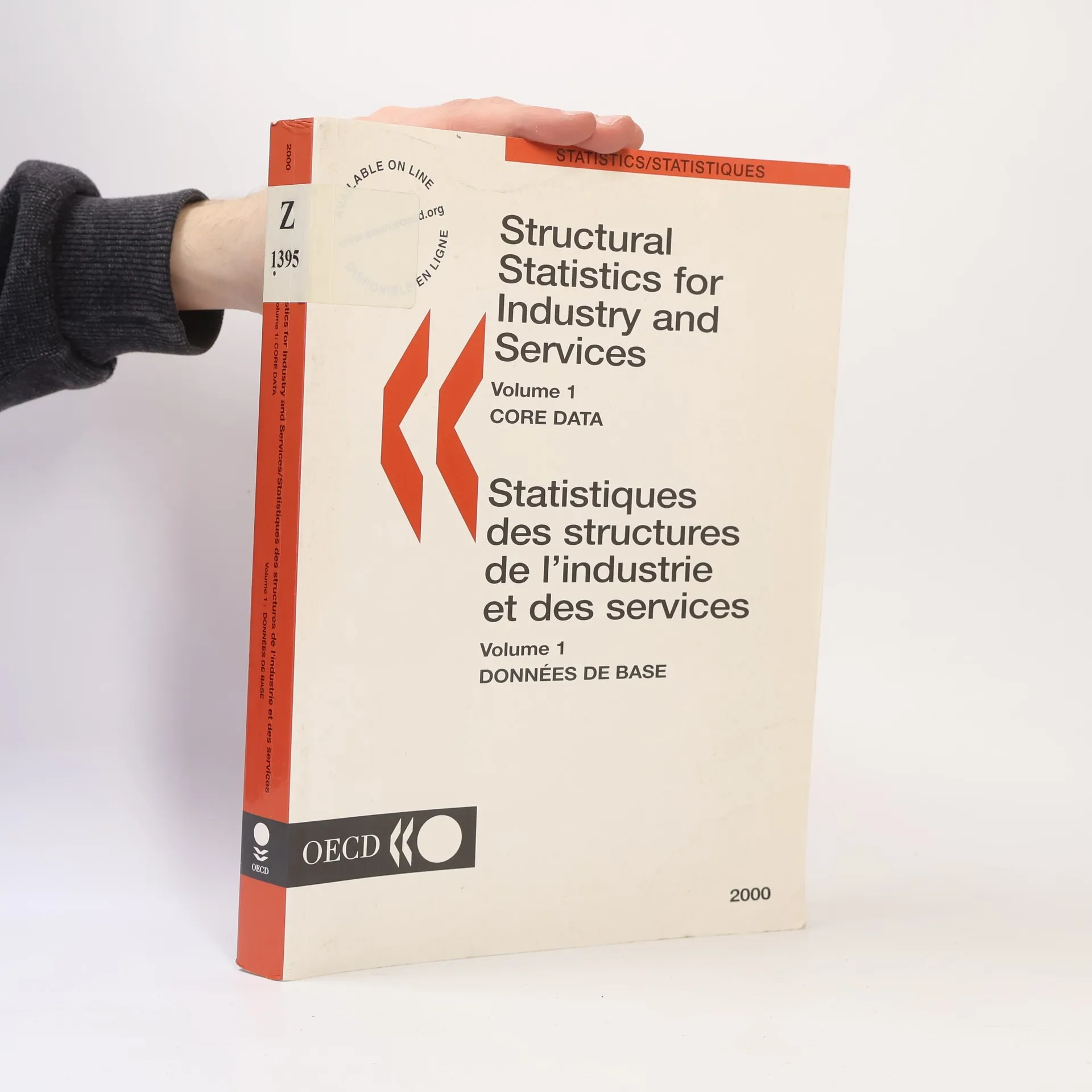
PREVIOUSLY PUBLISHED AS INDUSTRIAL STRUCTURE STATISTICS, VOLUME 1: Core Data, VOLUME 2: Energy Consumption In this seventeenth edition, Volume 1, Core Data, provides official annual data for detailed industrial sectors (mining and quarrying, manufacturing, utilities, and construction) as well as for detailed service sectors, covering such variables as production, value added, employment, investment, exports, imports, wages and salaries, number of establishments, number of enterprises and hours worked. Eight years' data are shown up to 1998. The series are derived from structural business surve.
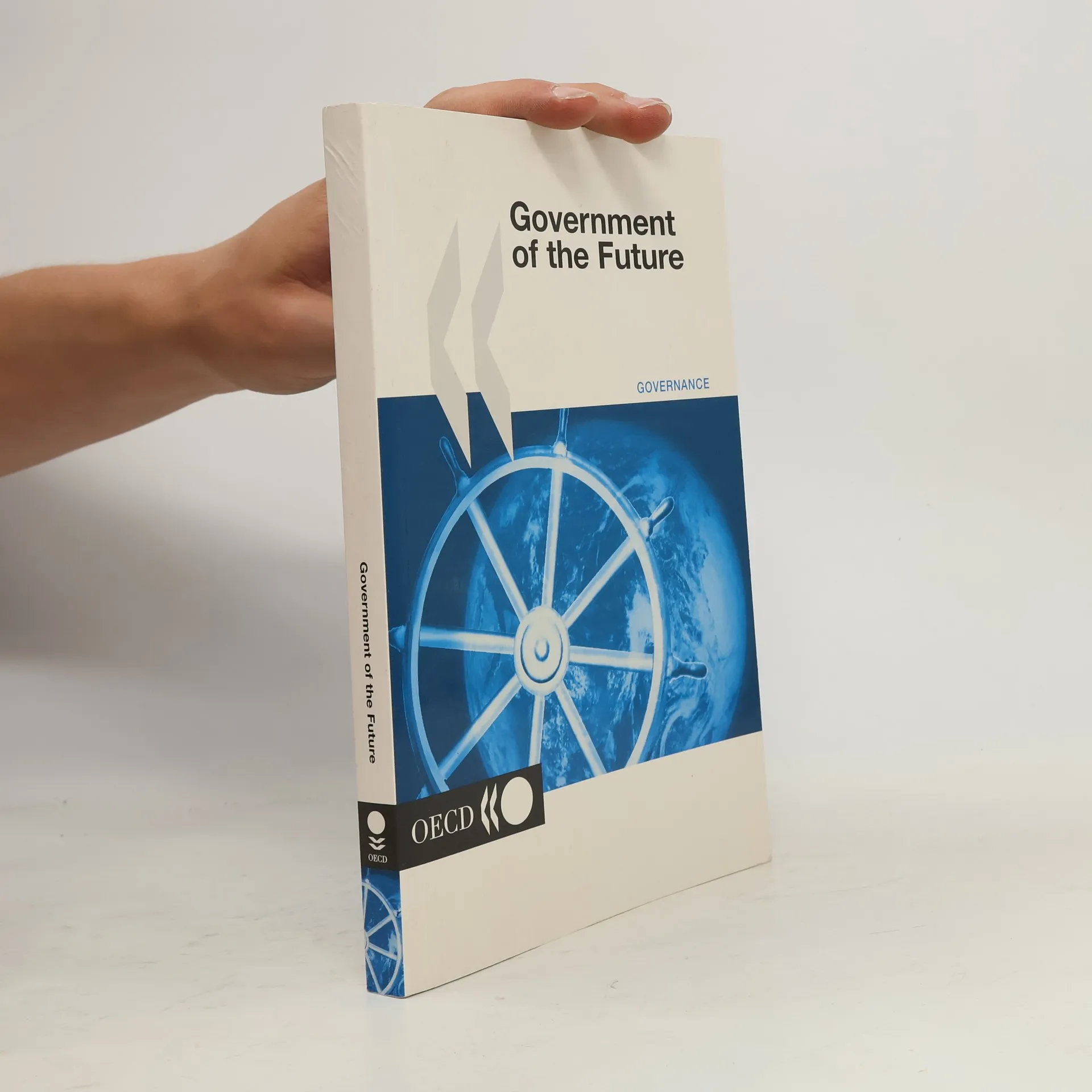
What keeps governments awake at night? In the face of challenges and opportunities posed by globalization, rapidly evolving technologies, changing demographics, rising citizen expectations, and competition from the private sector, governments need to continue to explore and exploit new ways of working.Questions for the How can governments best prepare themselves for current and future reform challenges? How can a public sector develop a culture responsive to change? What types of leaders are needed? How can governments better communicate with citizens? How can governments create a culture that makes the most of change? How can governments avoid “reform fatigue”?Over the last two decades, countries have vigorously reformed their public administrations with varying levels of success. This conference volume of the OECD symposium “Government of the Getting from Here to There” brings together eighty high-level reformers from OECD countries to look at current programs in order to draw lessons for a new generation of reform.
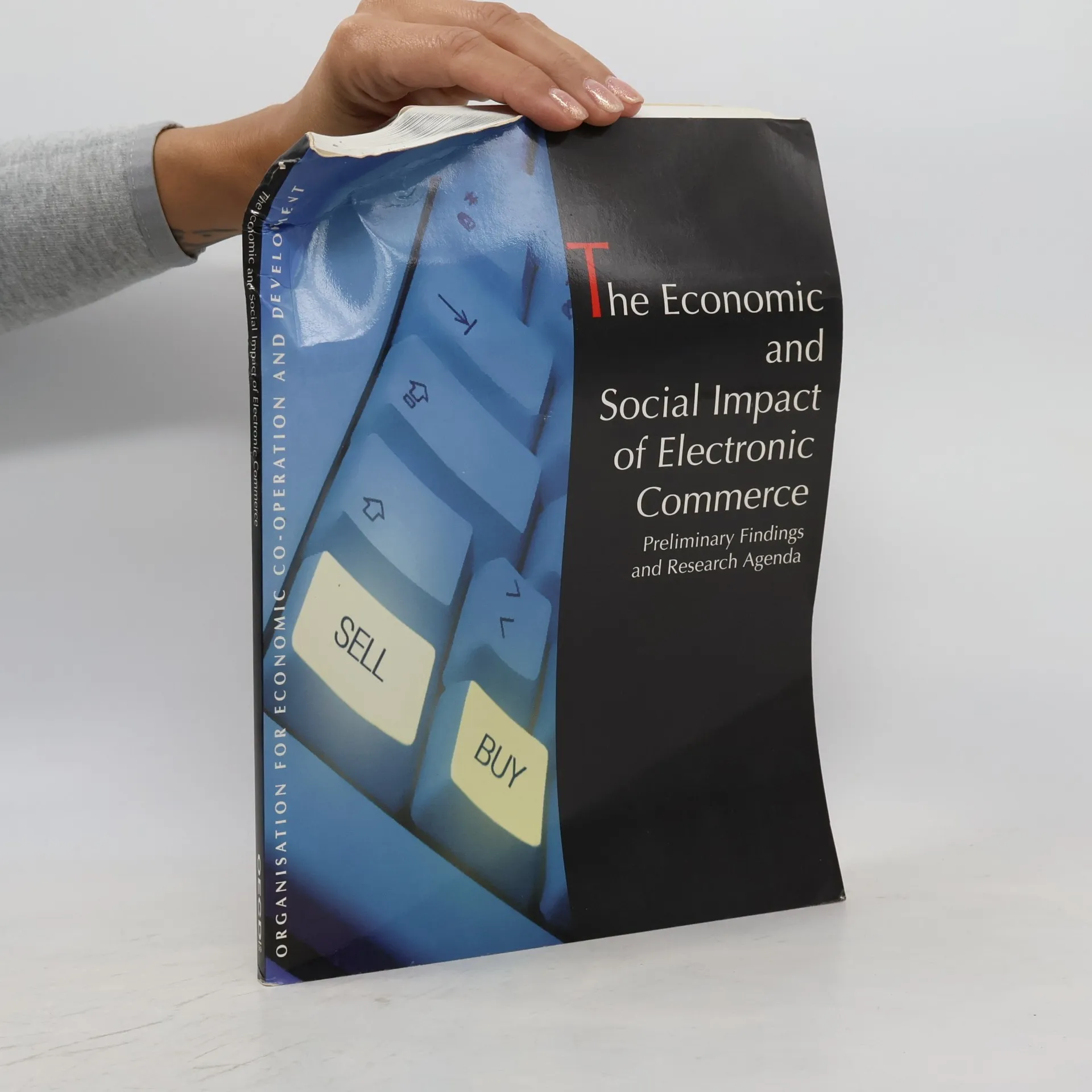
Though only three years old, electronic commerce over the Internet has the potential to transform the marketplace. E-commerce will change the way business is conducted. Traditional intermediary functions will be replaced, new products and markets will
The rights of students with disabilities to receive education in mainstream schools are increasingly recognized globally, leading to significant reforms. Segregation of disabled students in public education is unnecessary; instead, systems must adapt to accommodate all learners. This book presents an in-depth analysis of inclusive practices across eight countries, highlighting the challenges and solutions for successful integration. It represents the most comprehensive international comparative study conducted, demonstrating that all students, regardless of their disabilities, can thrive in mainstream settings with appropriate safeguards. Nine critical areas are identified: funding models, public accountability systems, pupil assessment, curriculum development, adult-to-student ratios, the role of classroom assistants, support services, teacher training, and community and parental involvement. The case studies are enriched by annexes detailing effective teacher preparation for special education and cost-effectiveness analysis procedures. Related works include studies on implementing inclusive education and integrating students with special needs. Future research will focus on quantitative data analysis, further enhancing the understanding of inclusive education practices across various countries, including Australia, Canada, Denmark, Germany, Iceland, Italy, the United Kingdom, and the United States.
Seeks to provide a framework for analyzing the contribution to rural development of amenities considered as public goods, including flora and fauna, special ecosystems, recreational areas, historic sites, etc. These merit specific treatment because market forces alone cannot insure optimal provision or adequate reward for providing them to the public.
OECD's 1991 Economic Survey of the United States examines recent developments and prospects, progress on structural reform, and protecting the enviornment.
OECD's 1991 Economic Survey of Portugal examines recent economic trends, medium-term adjustment, economic policies and short-term outlook and tax reform: reducing disincentives and inequities.
OECD's 1990 Economic Survey of Italy examines recent economic developments, economic policy and short-term forecasts, and regional discrepancies and policies.
The OECD produces highly sought-after annual reviews of Member countries' economies and selected non-member countries. Approximately eighteen surveys are issued during a calendar year. Each issue provides a solid analysis of developments in the ...