

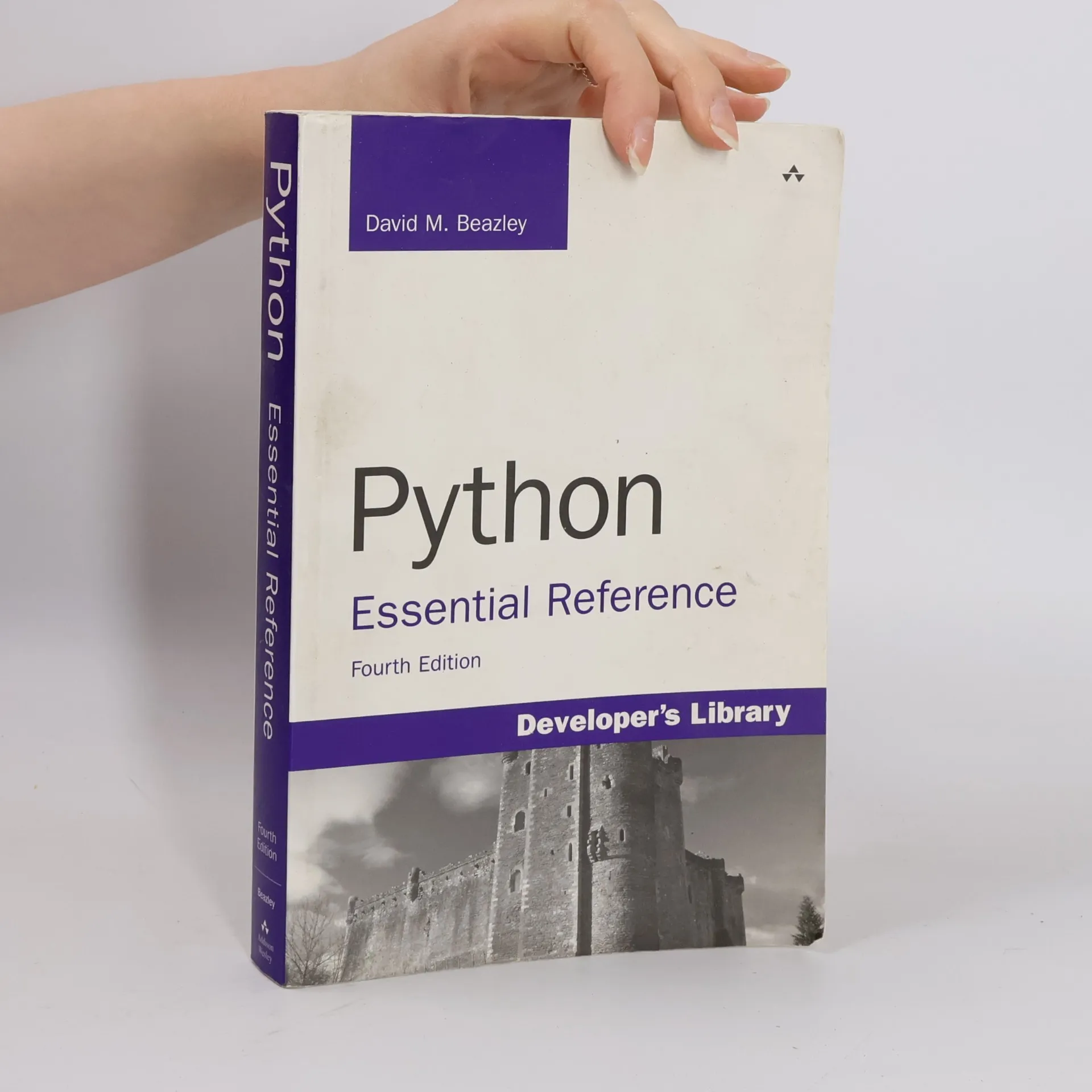
Python Essential Reference is the definitive reference guide to the Python programming language--the one authoritative handbook that reliably untangles and explains both the core Python library. Designed for the practicing programmer, the book is concise, to the point, and highly accessible. It also includes detailed information on the Python library and many advanced subjects that is not available in either the official Python documentation or any other single reference source. Thoroughly updated to reflect the significant new programming language features and library modules that have been introduced in Python 2.6 and Python 3, the fourth edition of Python Essential Reference is the complete guide for programmers who need to modernize existing Python code or who are planning an eventual migration to Python 3.
Guido Van Rossum Libros
Guido van Rossum es el visionario creador detrás del lenguaje de programación Python, impulsado por el deseo de crear una herramienta que sea accesible y potente. Imaginó un lenguaje cuyo código se lea tan claramente como el inglés simple, fomentando la comprensión intuitiva y el desarrollo rápido. Su compromiso con los principios de código abierto ha cultivado una comunidad próspera, consolidando el estatus de Python como una piedra angular del desarrollo de software moderno. El legado de Van Rossum reside en la democratización de la programación y el empoderamiento de una generación de desarrolladores.

Python 3.6 Extending and Embedding Python
- 112 páginas
- 4 horas de lectura
This book describes how to write modules in C or C++ to extend the Python interpreter with new modules. Those modules can not only define new functions but also new object types and their methods. The document also describes how to embed the Python interpreter in another application, for use as an extension language. Finally, it shows how to compile and link extension modules so that they can be loaded dynamically (at run time) into the interpreter, if the underlying operating system supports this feature. This book assumes basic knowledge about Python. This book is a paper version of the freely available electronic documentation of the python project.