In this title, Osho, one of the world's important spiritual guides of the 20th
century, whose prolific teachings stemmed around the creation of a new man,
reveals that Zen is not only a possible bridge between East and West, but also
between science and religion. schovat popis
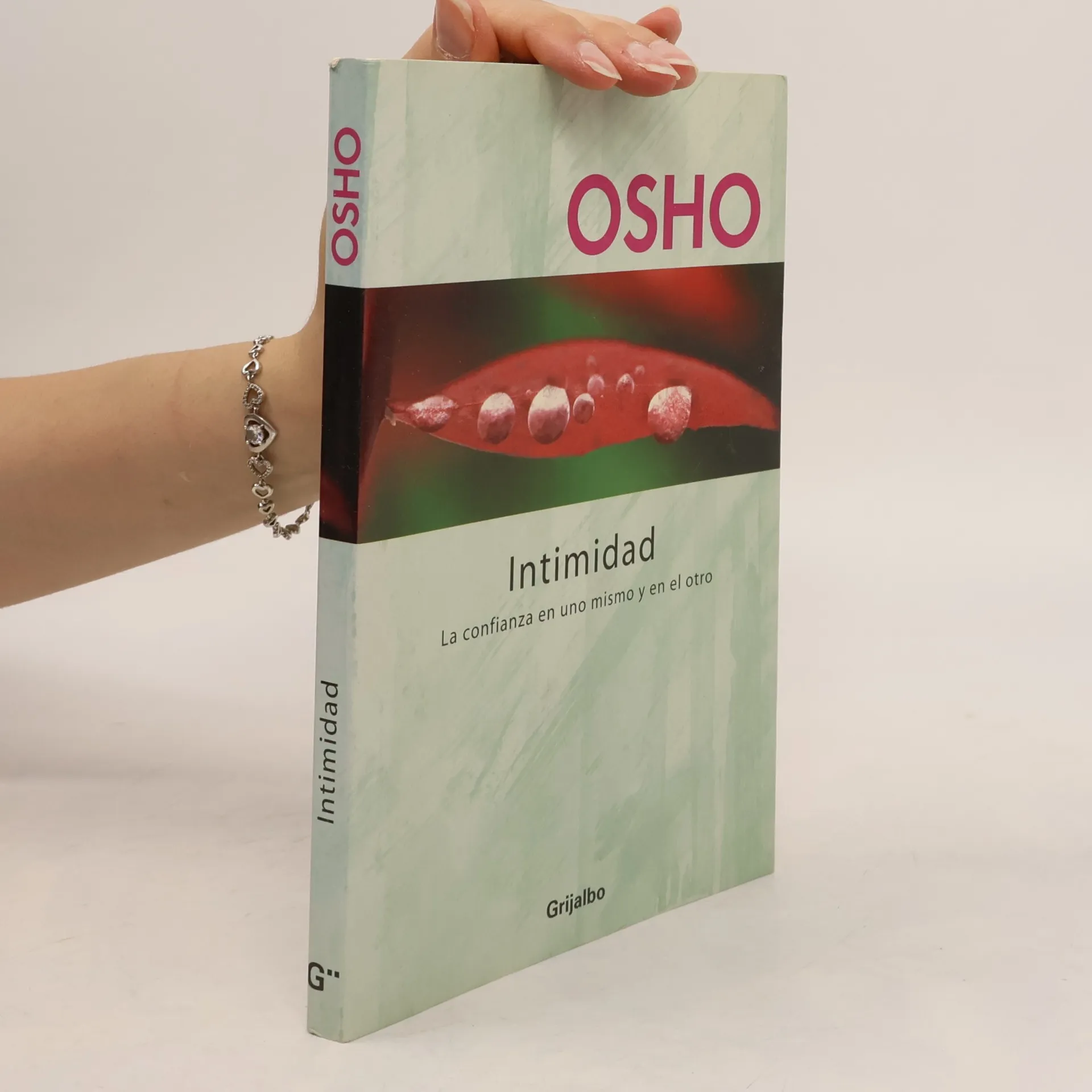
Según Osho, la forma de desarrollarla consiste en ser absolutamente honrados con nosotros mismos sobre quiénes somos, sin juicios de valor y sin el deseo de cambiarnos para encajar en los ideales de otras personas. Por desgracia, la mayoría de nosotros vivimos inmersos en la ilusión de que la fuente de la intimidad se encuentra en nuestra relación con un «otro» especial en nuestra vida, y si no hemos desarrollado la suficiente confianza en nosotros mismos, vamos en busca de ese otro especial en el que depositamos la esperanza de recibirla. Osho nos indica el camino para llegar a la auténtica fuente de nuestra capacidad para alcanzar la intimidad, no solo en las relaciones amorosas, sino también en toda la comunidad de seres del planeta. Así, la intimidad no es algo que podamos encontrar fuera de nosotros mismos, sino una capacidad que descubrimos cuando logramos saber quiénes somos y aprendemos a confiar en ello.
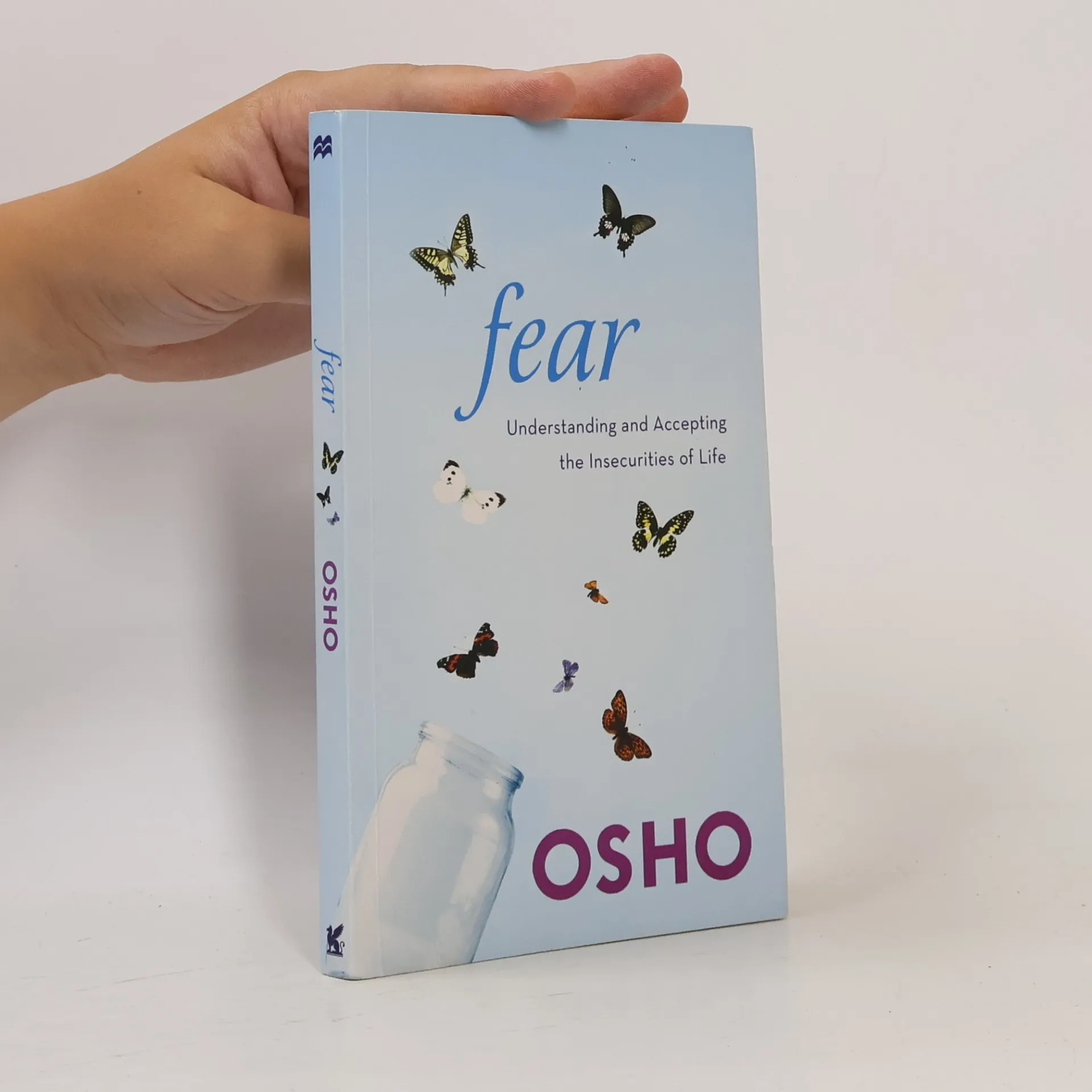
Takes the reader step by step over the range of what makes human beings afraid
- from the reflexive fight or flight response to physical danger to the
rational and irrational fears of the mind and its psychology. This book ends
with a series of meditation experiments designed to help readers experience a
new relationship with fear.
A collection of reflections on three things that make us human - our longing
to know the meaning of life, our capacity for love, and our ability to laugh.
It mixes ancient Zen stories and contemporary jokes - and helps us to find
love, laughter, and ultimately, happiness.
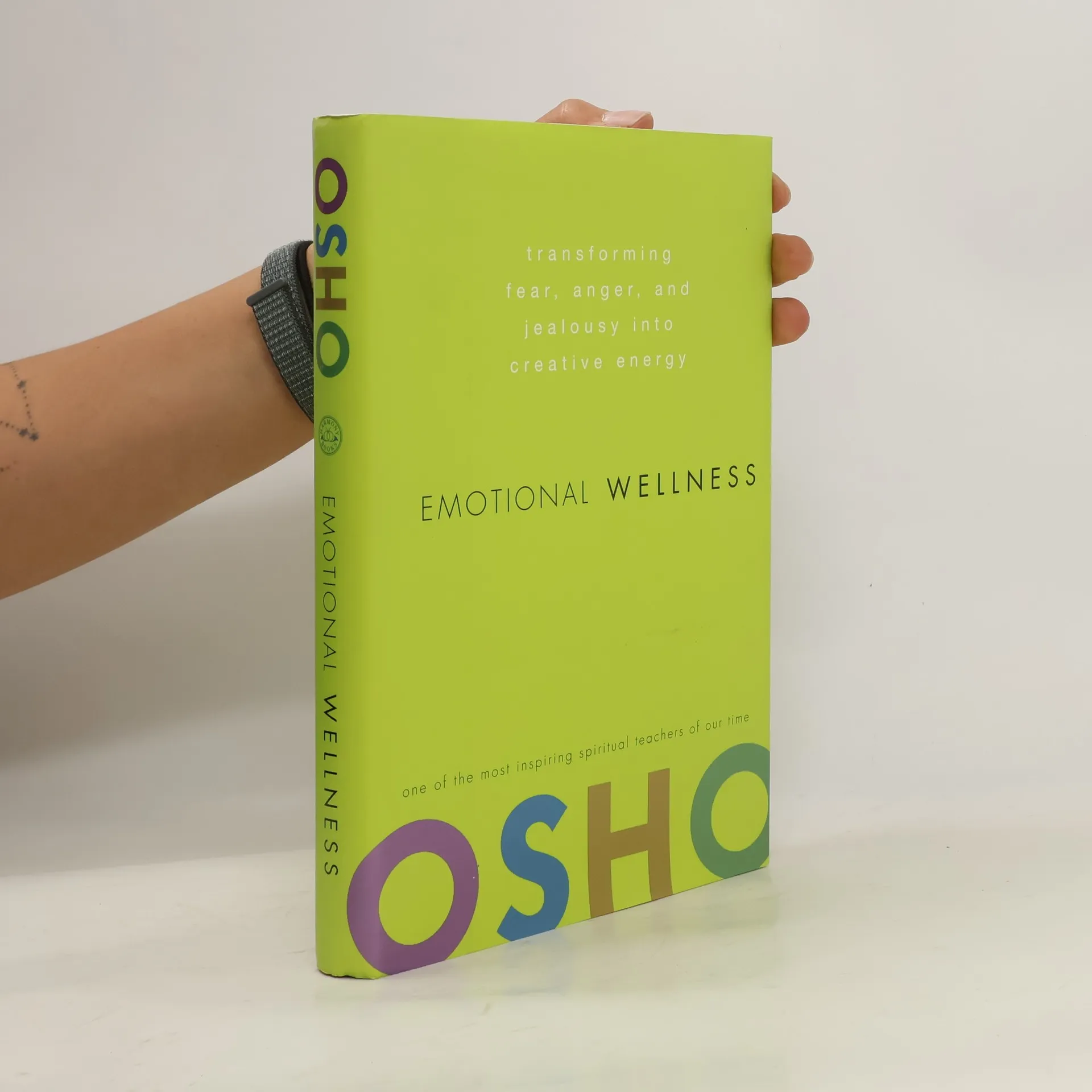
How do we reconcile our need to express our emotions with our desire to protect others? Far too often we find ourselves trapped in this dilemma of expression versus repression. We fear that by expressing our true feelings, we will hurt and alienate those close to us. But by repressing our emotions—even in the benevolent guise of “self-control”—we only risk hurting ourselves. Osho, one of the most provocative and inspiring spiritual teachers of our time, provides here a practical and comprehensive approach to dealing with this conflict effectively. Incorporating new, never-before-published material, Emotional Wellness leads us to understand the roots of our emotions, to react to situations in a way that can teach us more about ourselves and others, and to respond to life’s inevitable ups and downs with far greater confidence and equilibrium. Discover: • The impact that fear, anger, and jealousy have on our lives• How emotions like guilt, insecurity, and fear are used to manipulate us• How to break out of unhealthy responses to strong emotions• How to transform destructive emotions into creative energy• The role of society and culture on our individual emotional styles Osho’s unique insight into the human mind and heart goes far beyond conventional psychology. He teaches us to experience our emotions fully and to deal with them creatively in order to achieve a richer, fuller life.
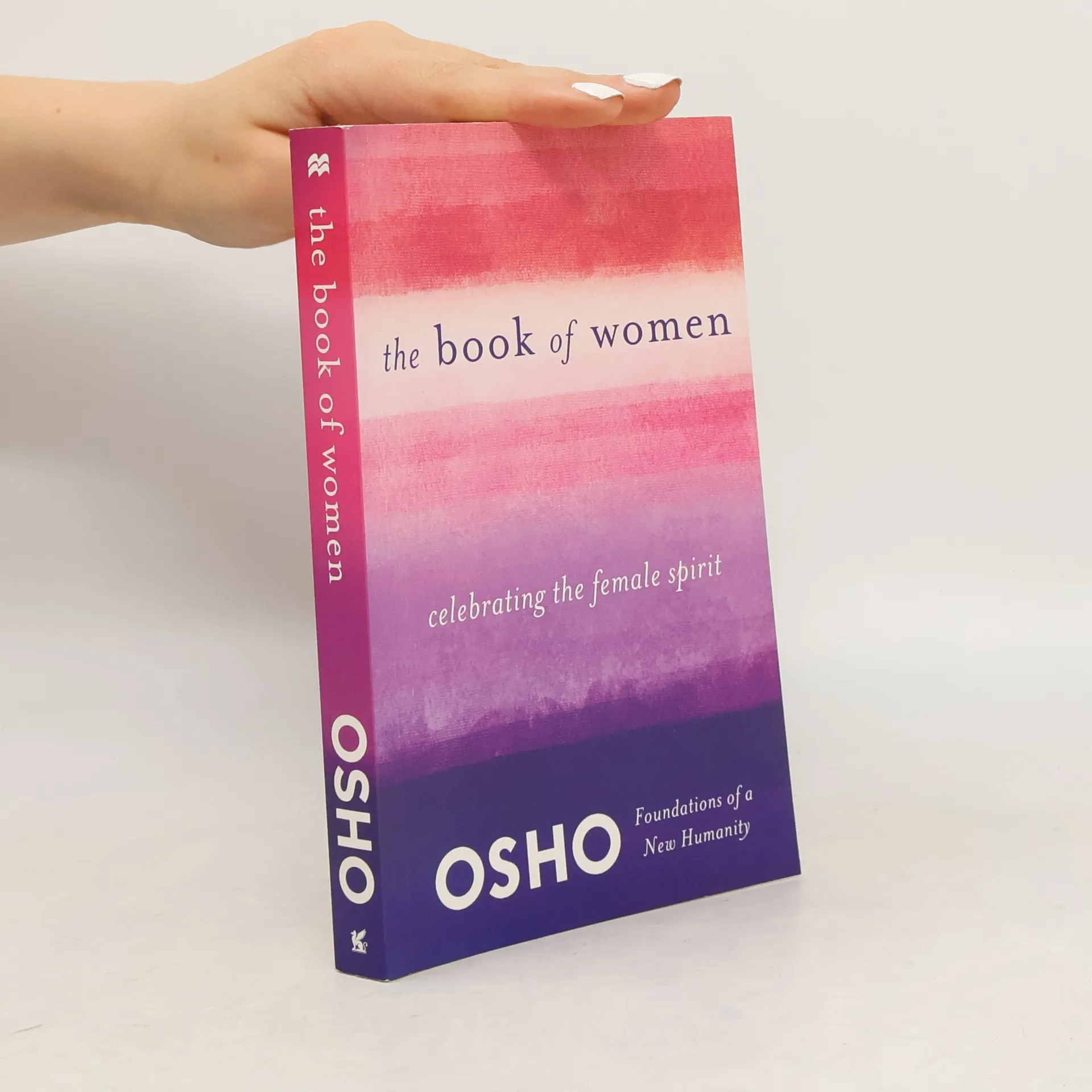
Explores the integral role of women in our society. The realm of spirituality, the author poses, has remained male-dominated - not only male-dominated but male-chauvinistic. There were reasons why all religions and spiritual traditions, in their nascent forms, diminished women. They were against women because they were fear-driving.
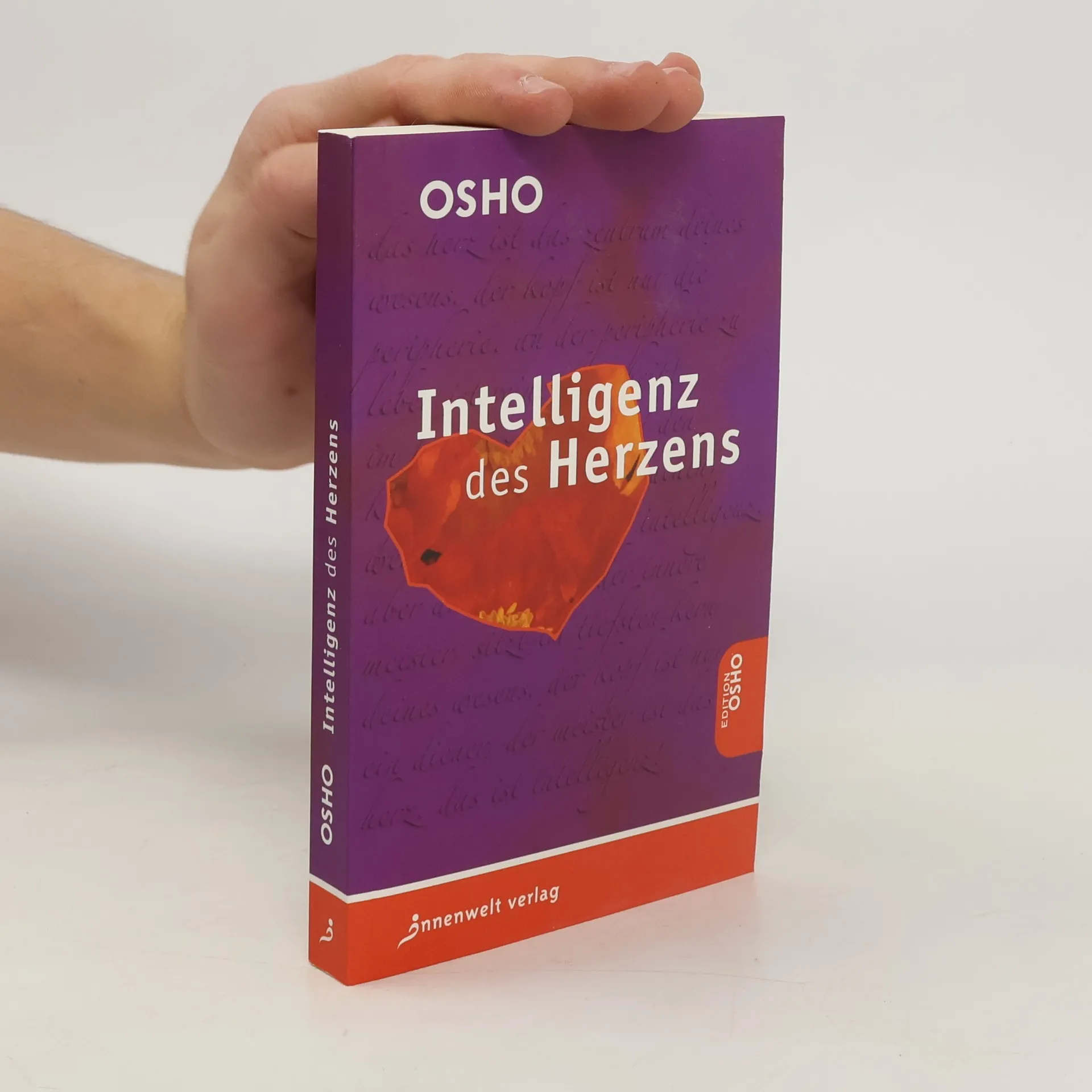
Fragen über Gott und die Welt … von Journalisten und Hausfrauen, Übeltätern und Heiligen, Bildungsbürgern und zornigen jungen Menschen. „Das Herz ist das Zentrum deines Wesens. Der Kopf ist nur die Peripherie. An der Peripherie zu leben ist reine ,Dummheit! Im Herzen zu leben und den Kopf immer dann zu gebrauchen, wenn es nötig wird, ist Intelligenz. Aber das Zentrum, der innere Meister, sitzt im tiefsten Kern deines Wesens. Der Kopf ist nur ein Diener, der Meister ist das Herz. Das ist Intelligenz!“ Osho
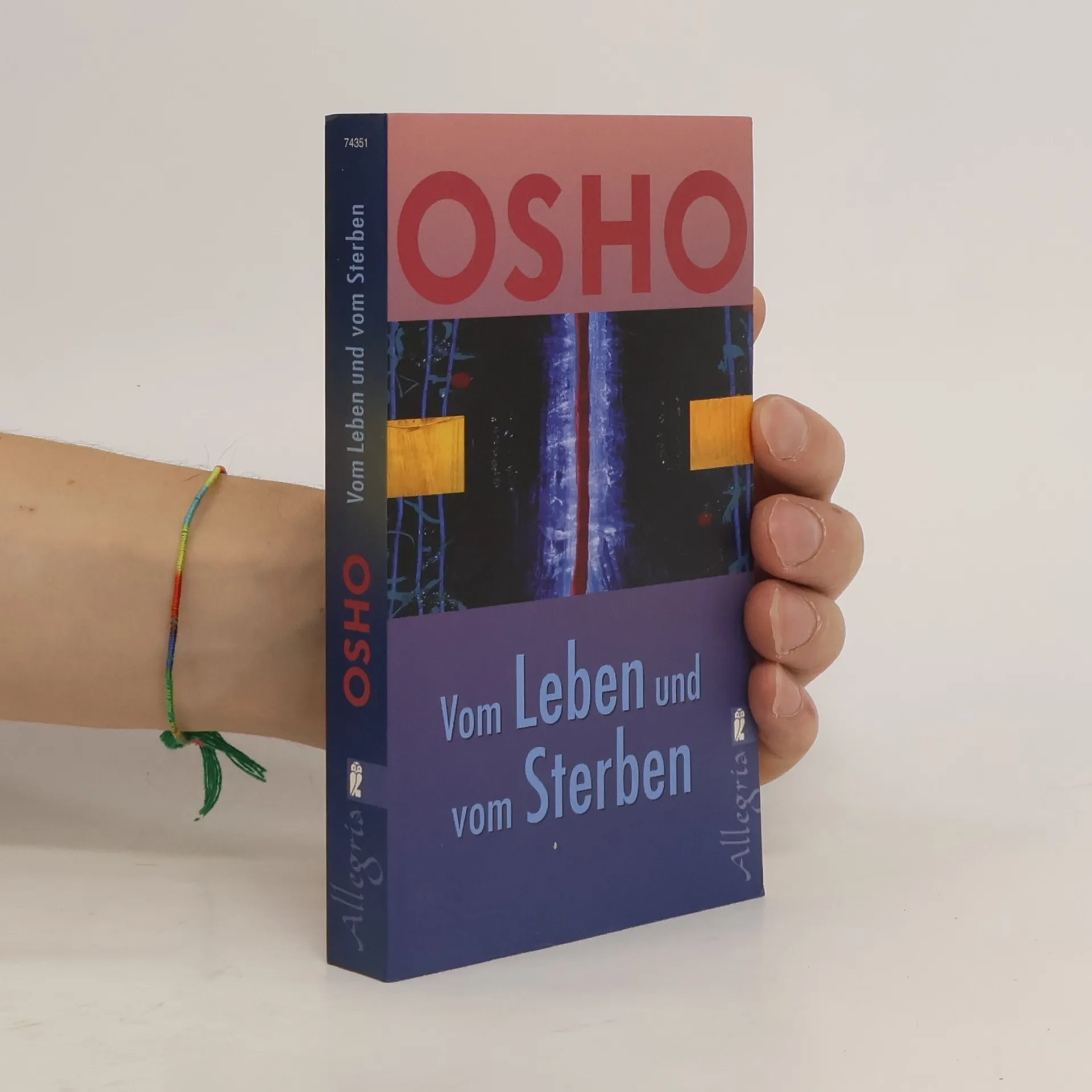
'Das Sterben gehört zum Leben wie die Geburt. Und doch verbannen wir den Tod
ängstlich aus unserem Denken. Osho, der unkonventionelle spirituelle Lehrer
und Philosoph, weist uns auf die Möglichkeit einer bewussten, ja sogar
lebensbejahendfreudigen Vorbereitung auf das Sterben hin. Seine
humorvolltiefsinnigen Betrachtungen relativieren verständliche Befürchtungen
und binden das Leben in einen größeren, Halt gebenden Sinnzusammenhang ein. Ob
alt oder jung jeder von uns erfährt den tiefgreifenden Prozess der
Verwandlung, den der Tod in das Leben bringt.
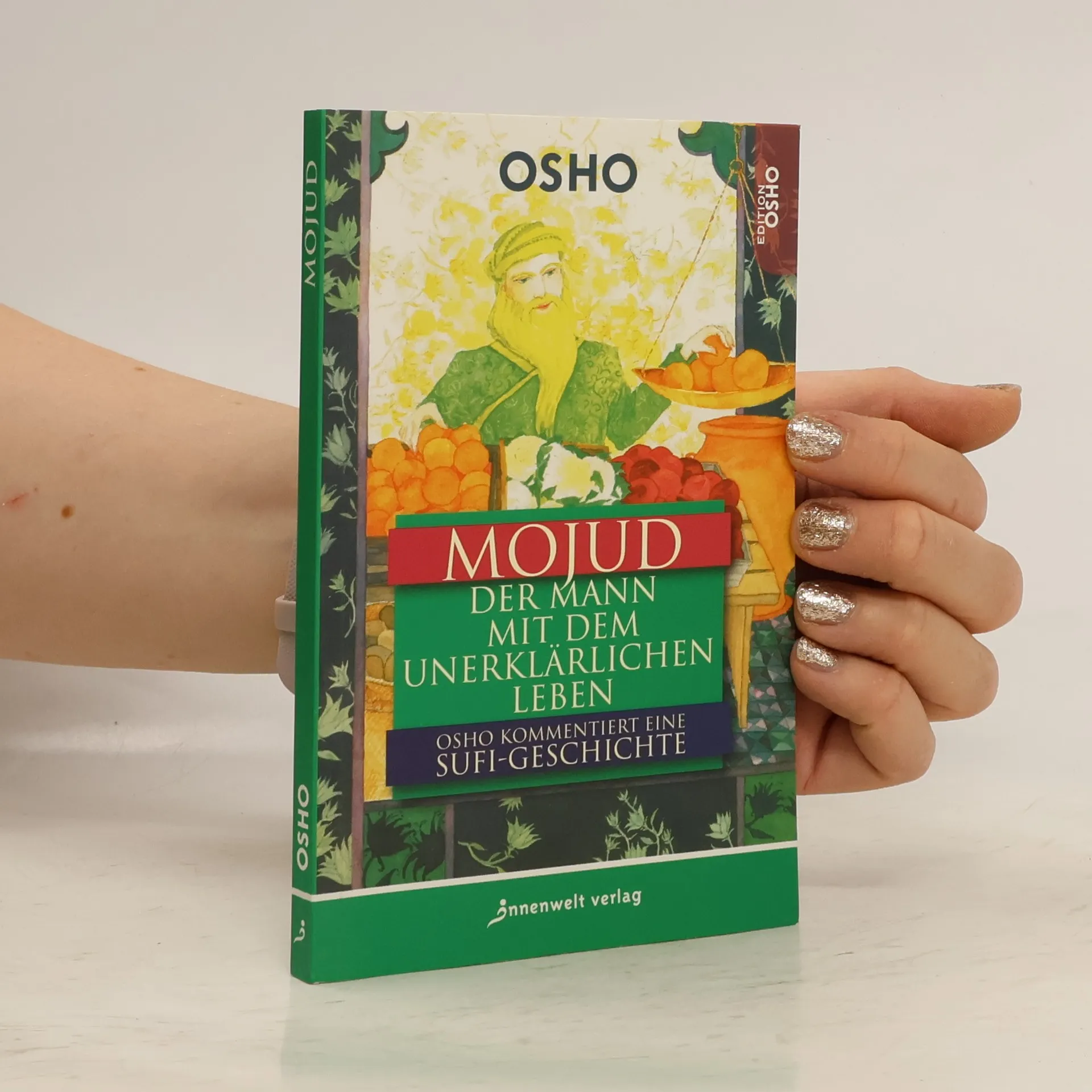
EINE DER GROßARTIGSTEN SUFI-GESCHICHTEN ÜBERHAUPT. Ein Mann mit einer ganz alltäglichen Beschäftigung springt eines Tages in den Strom des Bewusstseins und lässt sich von diesem an die Strände des Lebens, des Hier und Jetzt spülen. Oshos Kommentar dazu ermuntert den Sucher in uns, den Weg des Vertrauens zu gehen und das Leben selbst zum Lehrer werden zu lassen. „Diese Geschichte hat ein besonderes Aroma, wie es nur Sufi-Geschichten haben – es ist unvergleichlich. Wenn ihr diese Geschichte verstehen könnt, habt ihr das innerste Geheimnis von Religion verstanden. Wenn ihr die Geschichte nicht verstehen könnt, dann wisst ihr nicht, was Religiosität bedeutet.“
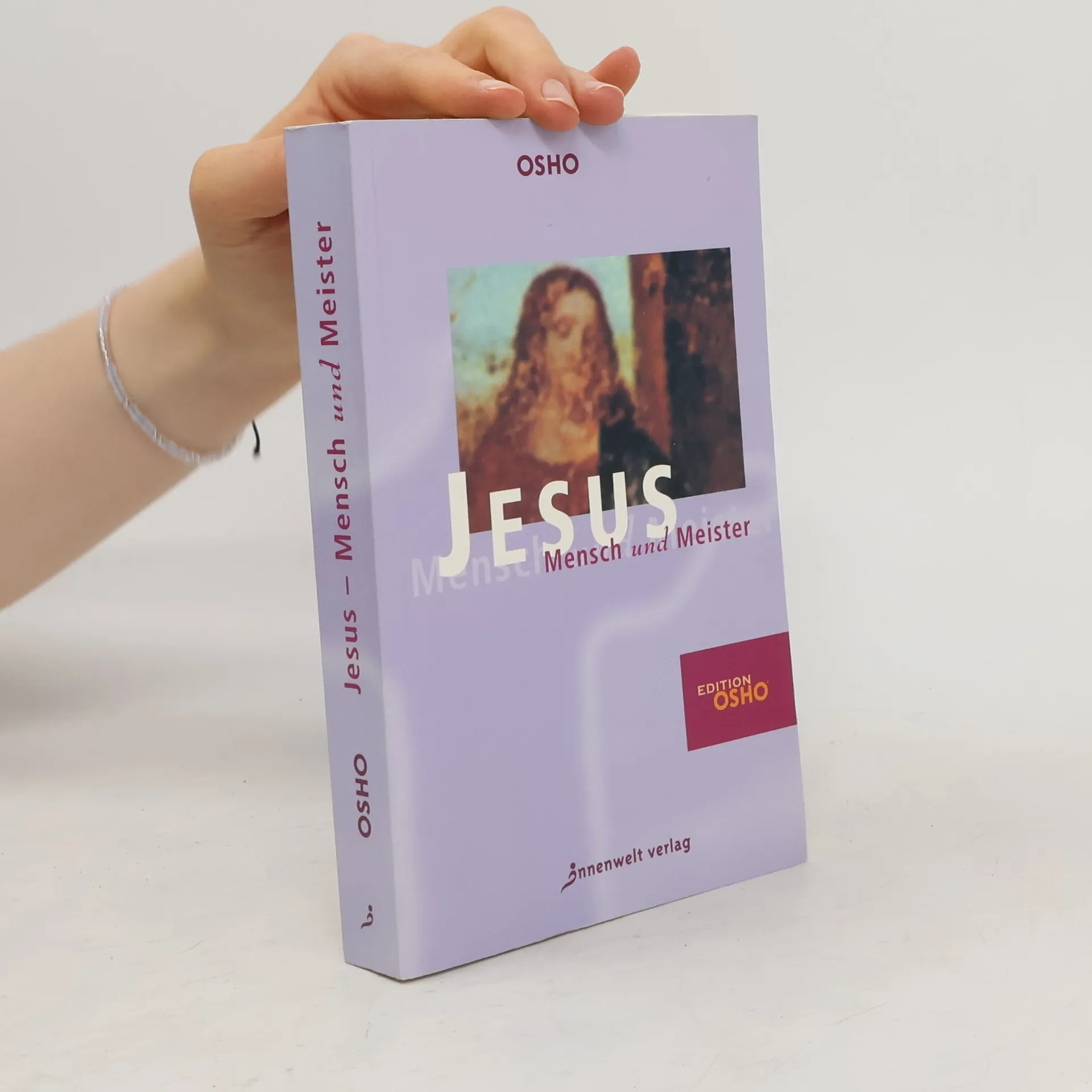
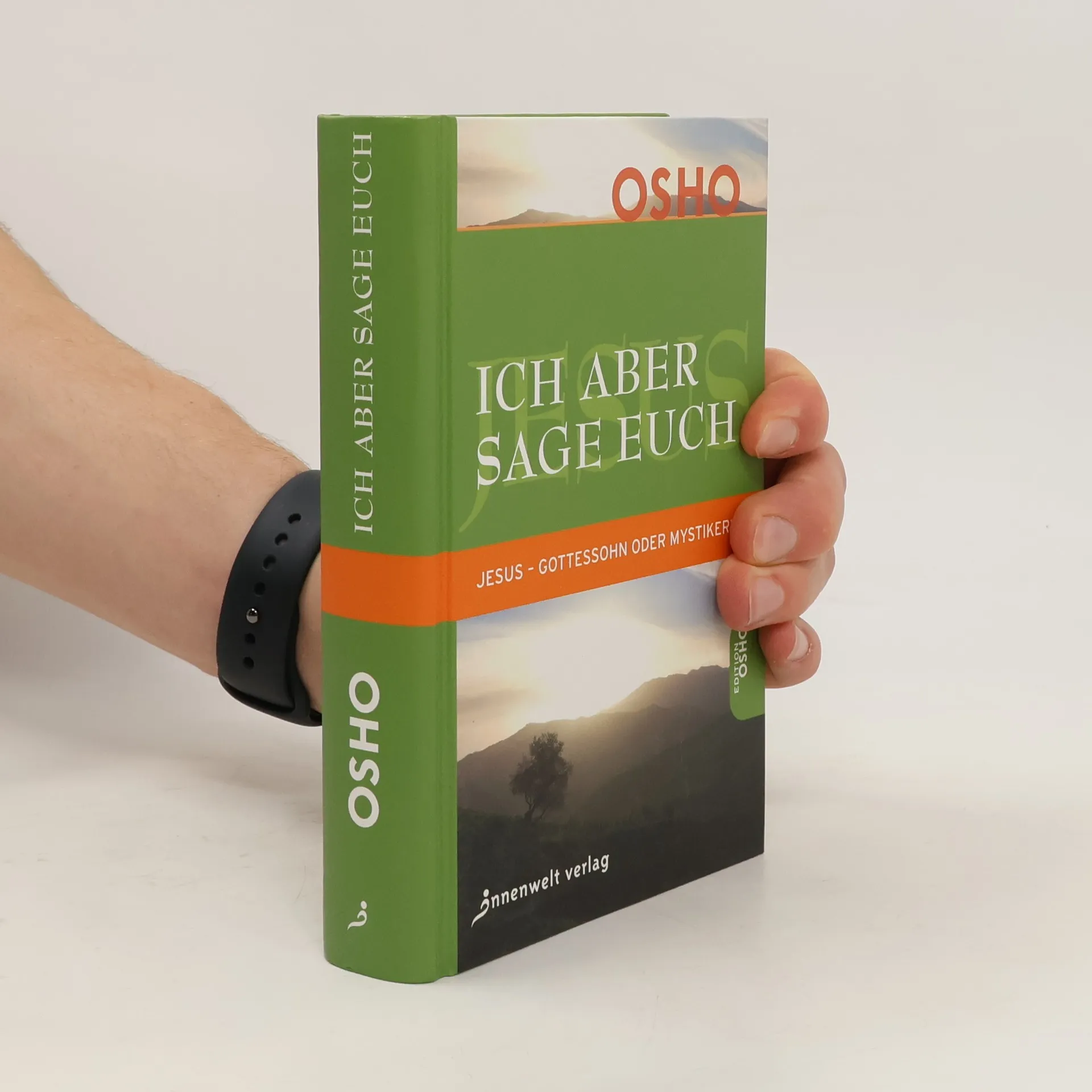
In diesem "Lesebuch" über Jesus zeigt Osho den Mensch und Meister und filtert die wahre Kraft der Botschaft Jesu heraus, die besagt, dass das Leben selbst der größte Lehrmeister und Religiosität nicht in der Bibel zu finden ist, sondern nur in der eigenen Erfahrung.
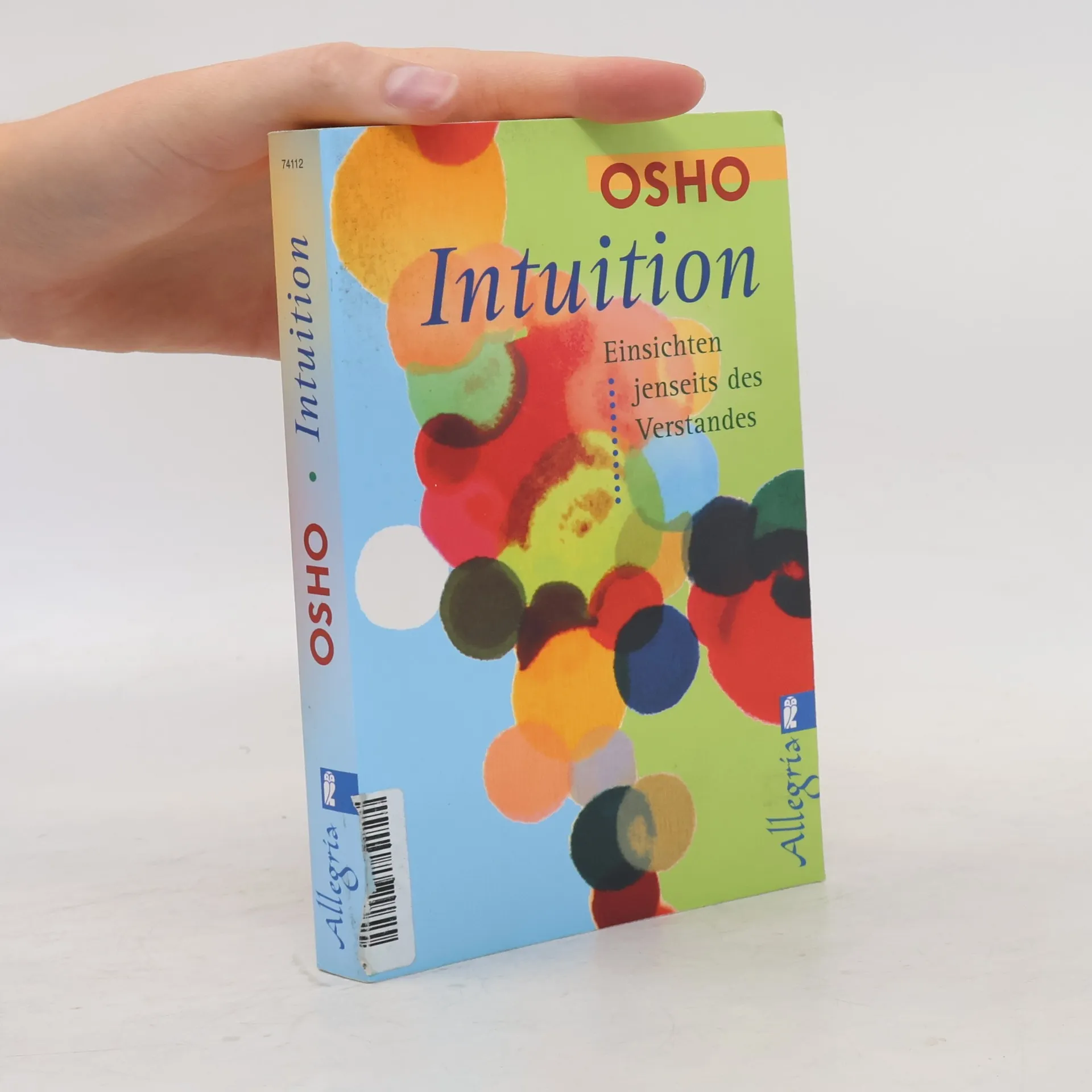
Einsichten jenseits des Verstandes | Von der Logik zur Intuition
Ein Sprung aus dem Nichts ins Sein: Die Intuition hat ihren Ursprung jenseits
des Verstandes, im Reich des Mysteriums, des Ewigen, des Lebens selbst. Wenn
Osho, der bekannte spirituelle Lehrer, über das Unerklärbare spricht,
erschließt sich das Wesen der Intuition ganz neu.
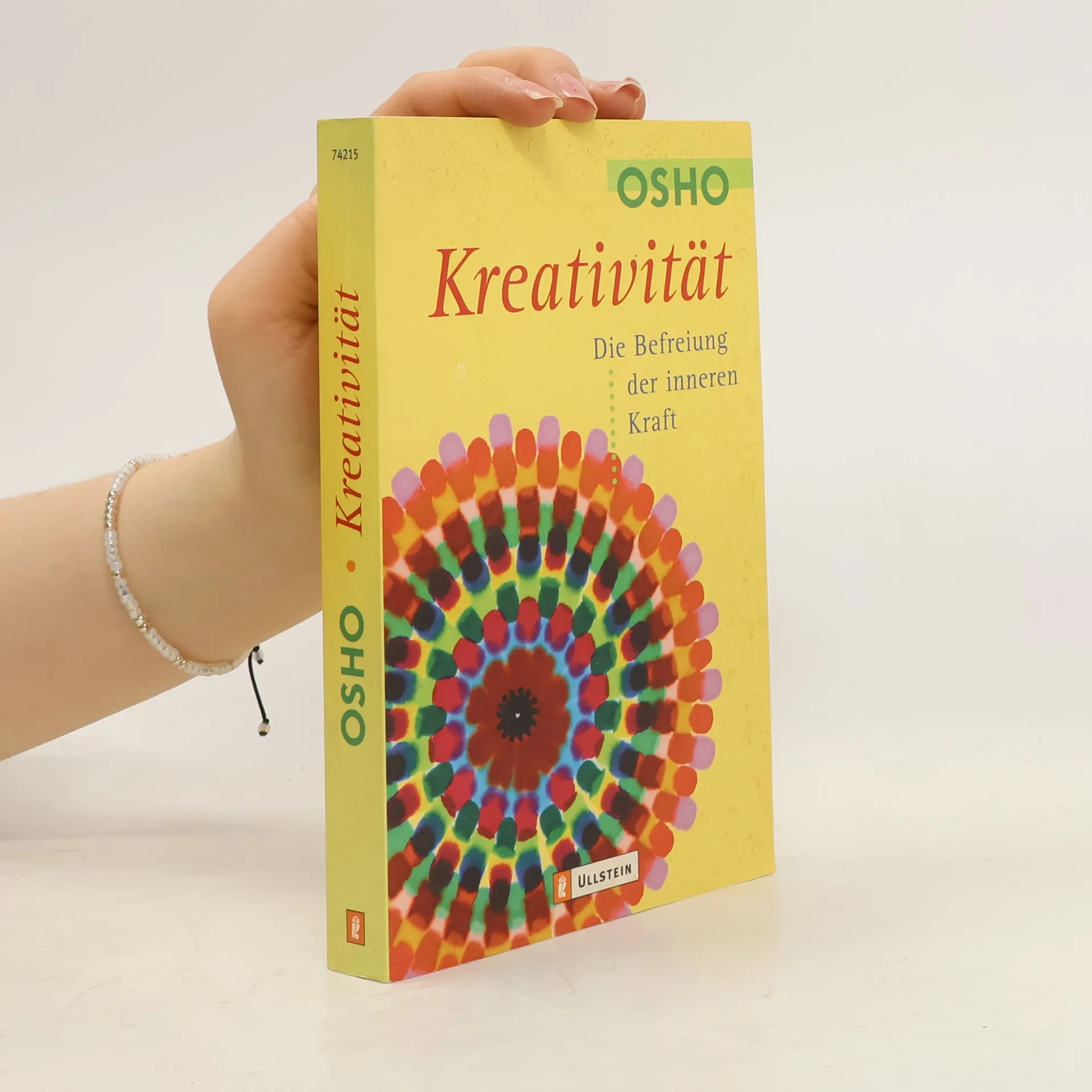
Die eigene Schöpferkraft entfalten Der schnelle Wandel des modernen Lebens verlangt von uns allen mehr Flexibilität und Kreativität. Es gilt, neue Wege zu beschreiten, kraftvolle Visionen zu entwickeln und unkonventionelle Lösungen zu finden.Nur ein grundlegender Bewusstseinswandel führt aus der stupiden Befolgung von Regeln und der bloßen Imitation anderer zur Entfaltung der eigenen Schöpferkraft. Osho, der bekannte spirituelle Lehrer, der in den siebziger Jahren mit seiner Radikalität und Unkonventionalität das Establishment schockierte, beantwortet Fragen rund um das Thema Kreativität. Er zeigt, wie wir uns von alten Konditionierungen befreien und in Verbindung mit der inneren Kraft leben können.
Osho beantwortet voller Poesie und tiefem Verstehen grundsätzliche Fragen des Suchers. Das beinhaltet scheinbar Gegensätzliches: "Sind die Männer daran schuld, dass Frauen von ihnen die Nase voll haben?" oder "Wie kann ich besser lieben?" Dann wiederum: "Ist Sehnsucht ein Hindernis auf dem Weg, oder ist es das Feuer, das mich antreibt?" oder "Habe ich die Chance, dass ich jemals wachse?" oder "Ist es möglich, dass ich, statt das Denken zu beobachten, über das Beobachten nachdenke?" "Hüte dich vor deinem Verstand, mehr als vor allem anderen auf der Welt. Er ist das größte Täuschungswerkzeug - geschaffen von deinem Körper, deiner Physiologie, deiner Chemie, deiner Biologie. Er hält dich an den Körper gefesselt und erlaubt dir nicht, die Augen für das Bewusstsein zu öffnen. Er hält dich ständig auf Trab, gönnt dir nicht den geringsten Urlaub. Die Gefahr ist, wenn er dir eine kleine Pause lässt, dann würdest du dir vielleicht deiner inneren Größe bewusst werden, der Schönheit deines Wesens, seiner ganzen Wahrheit und Herrlichkeit."
Osho comprendeva la nostra vita e i tempi in cui viviamo. Era consapevole che non tutti sanno come utilizzare le antiche tecniche meditative, poiché non è facile fermarsi, sedersi e rilassarsi su richiesta. La meditazione per chi è sempre di corsa è un libro che ci offre modi per raggiungere la calma e il rilassamento, integrabili nella routine quotidiana senza dover assumere la posizione del loto. Puoi sfruttare il tempo del tragitto per andare al lavoro, o persino il rumore della strada: molte situazioni e stimoli possono condurti al centro del tuo essere, permettendoti di ritrovare il silenzio interiore. Il libro presenta meditazioni dinamiche selezionate di Osho, insieme a meditazioni tradizionali. L'obiettivo di tutte è guidare i lettori verso un'oasi interiore di pace nel trambusto della vita quotidiana.
Das Buch enthält unveröffentlichte Diskurse über Wege zur inneren Freiheit anhand berühmter Zen-Gleichnisse. Osho spricht über Bewusstsein und Erleuchtung, leicht zugänglich in seinen unnachahmlich humorvollen Stil. Osho ist einer der bekanntesten und provokativsten spirituellen Lehrer des 20. Jahrhunderts. Er stammte aus Indien und war Universitätsprofessor, bis er sich entschloss, seine Einsichten in öffentlichen Vorträgen zu verbreiten. Das von ihm begründete Meditationszentrum in Poona zieht auch heute noch Zehntausende von Besuchern aus aller Welt an.
OSHOS Standardwerk über Meditation.§§Meditation hilft uns, den Geist zu
befrieden, uns frei zu machen von den Erwartungen anderer und uns anzunehmen,
wie wir sind. Osho war sein Leben lang bemüht, die östlichen
Weisheitstraditionen dem westlichen Kulturkreis zu erschließen. Er entwickelte
Meditationstechniken, die es auch dem stressgeplagten westlichen Menschen
erlauben, Meditation in seinen Lebensstil zu integrieren und davon zu
profitieren.§§Dieser Band führt den Leser in alles ein, was er für die
erfolgreiche Meditationspraxis wissen muss. Angefangen von den äußeren
Voraussetzungen über die richtige Geisteshaltung bis hin zur berühmten
'aktiven Meditation', zu Atem- Herz-, Licht-, Klang- und Zen-Meditation und
der Fokussierung auf das Dritte Auge. Wichtige Hinweise auf 'Fallen' und
Dinge, die bei der Meditation schief laufen können, machen 'Das blaue
Meditationsbuch' zu einem überaus wertvollen Wegweiser.§§Buch plus DVD,
Laufzeit ca. 51 min.§§
· Unorthodoxe Sichtweise auf einen großen Mystiker · Der Unterschied zwischen Christusbewusstsein und Glaube · Lehrgleichnisse statt historischer Tatsachen Diese umwälzenden Kommentare zu einigen der bekanntesten Episoden aus dem Neuen Testament widerlegen Zeile für Zeile die Hypothese, dass Jesus ein übernatürlich gezeugter Wunderwirker, sondern vielmehr ein Mystiker war. Ein Mensch aus Fleisch und Blut, der dieselbe Erweckung des Bewusstseins erfahren hat wie die „erleuchteten Meister“ aus dem asiatischen Raum. Osho lässt keinen Zweifel daran, dass die biblischen Geschichten vom Leben Jesu nie als historische Tatsachenberichte gedacht waren, sondern als Lehrgleichnisse zur spirituellen Anleitung kommender Generationen. „Dreißig Jahre vergingen mit Reisen und Suchen; nur drei Jahre verblieben Jesus für seine Arbeit mit anderen, nur drei Jahre war er als Meister tätig. Das ist der Grund, warum die Christen keine Geschichten über Jesus kennen, weil er dreißig Jahre im Geheimen in Mysterienschulen verbrachte. Und diese dreißig Jahre haben nichts mit dem Christentum zu tun.“
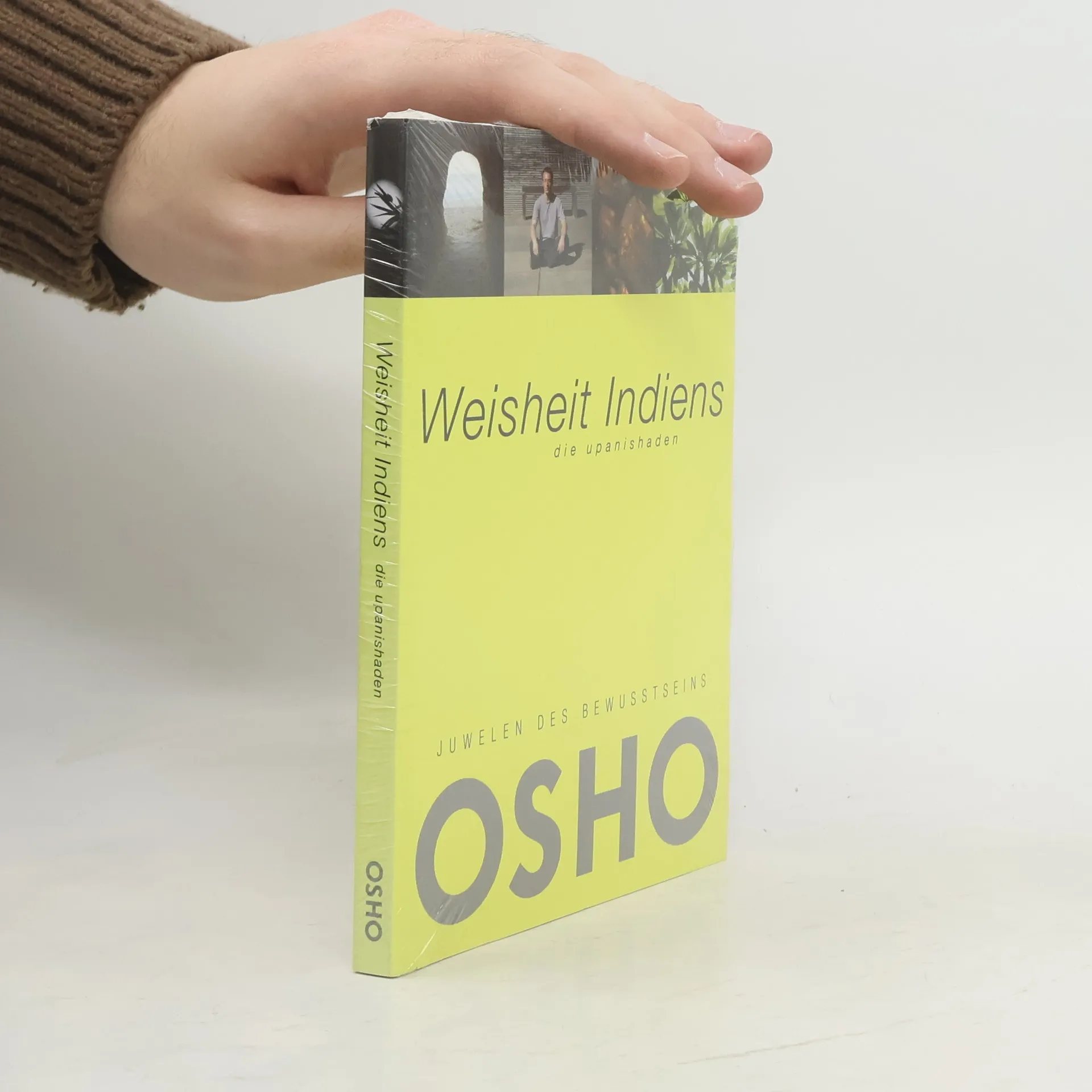
Die Upanishaden sind der esoterische Teil der Veden, der uralten
hinduistischen Weisheitslehren Indiens.§Inhaltlich beschäftigt sich dieses
Buch mit dem Verhältnis des Menschen zur Wirklichkeit, womit nicht unsere
Alltagswelt gemeint ist, sondern die absolute Wirklichkeit, der wir
entspringen und zu der wir nach Überwindung unserer irdischen Abhängigkeiten
zurückkehren.§Dies ist der fünfte Band aus der Reihe OSHO Juwelen des
Bewusstseins.§§
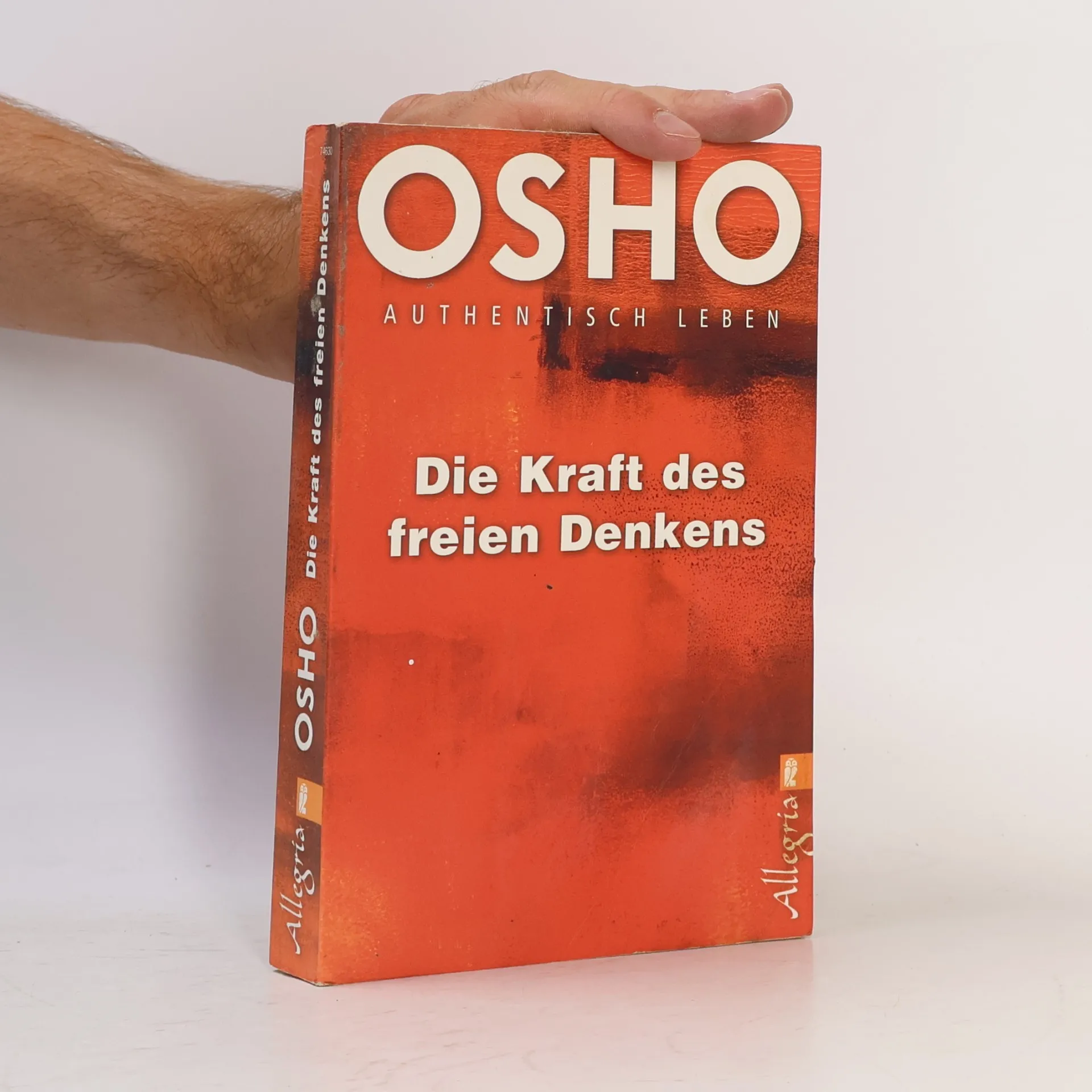
Worum geht es? Zu einem freien Geist gehört auch die Fähigkeit, Fragen zu stellen und sich mit etablierten Systemen kritisch auseinanderzusetzen. In diesem dritten Band der Authentisch-Leben-Reihe widmet sich Osho grundsätzlichen Fragen zu traditionellen Glaubenssystemen und analysiert diese in radikaler Weise auf religiöser, politischer und sozialer Ebene. Was ist besonders? Hier werden Fragen gestellt, die eine aktuelle Dringlichkeit für jeden von uns haben – keine philosophischen Fragen, sondern Fragen, die von existenzieller Bedeutung sind.
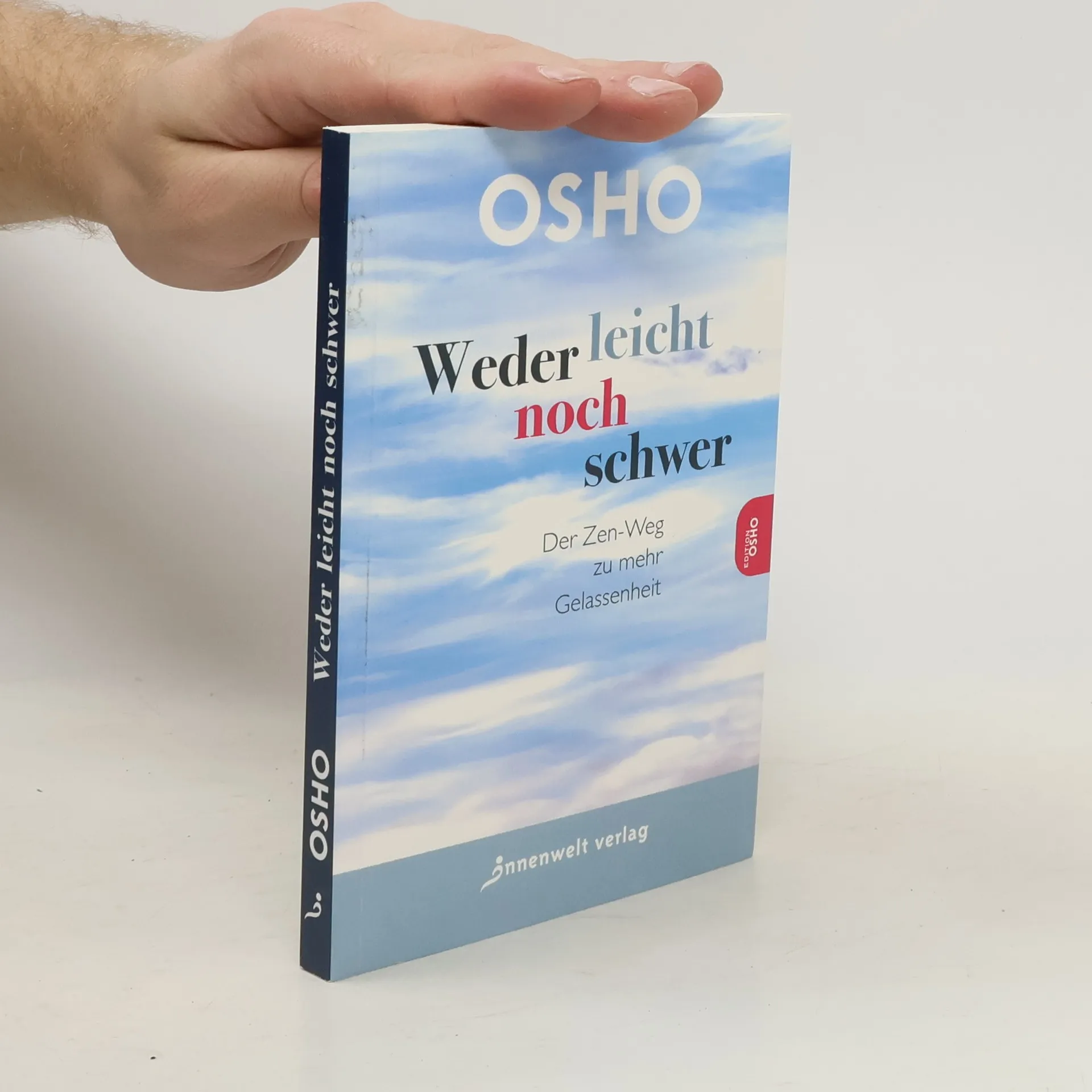
Unsere Gegenwart ist geprägt von Druck, Chaos und gedanklicher Enge. Wir lassen uns schnell von unbewussten Ängsten leiten statt von einem kühlen Bewusstsein.So schaffen wir immer weitere Gräben, die uns hindern im Hier und Jetzt gelassen zu bleiben.Der Zen-Klassiker auf den sich Osho hier bezieht und der als das älteste Zen-Dokument betrachtet wird, bringt diese Thematik auf den einfach "vorurteilsfrei wahrnehmen" was ist – nicht mehr und nicht weniger.Dies führt zu einem Zustand, in dem wir frei vom üblichen Gedankenwirrwarr im jetzigen Augenblick gelassen handeln und unseren Alltag sinnvoll gestalten können.
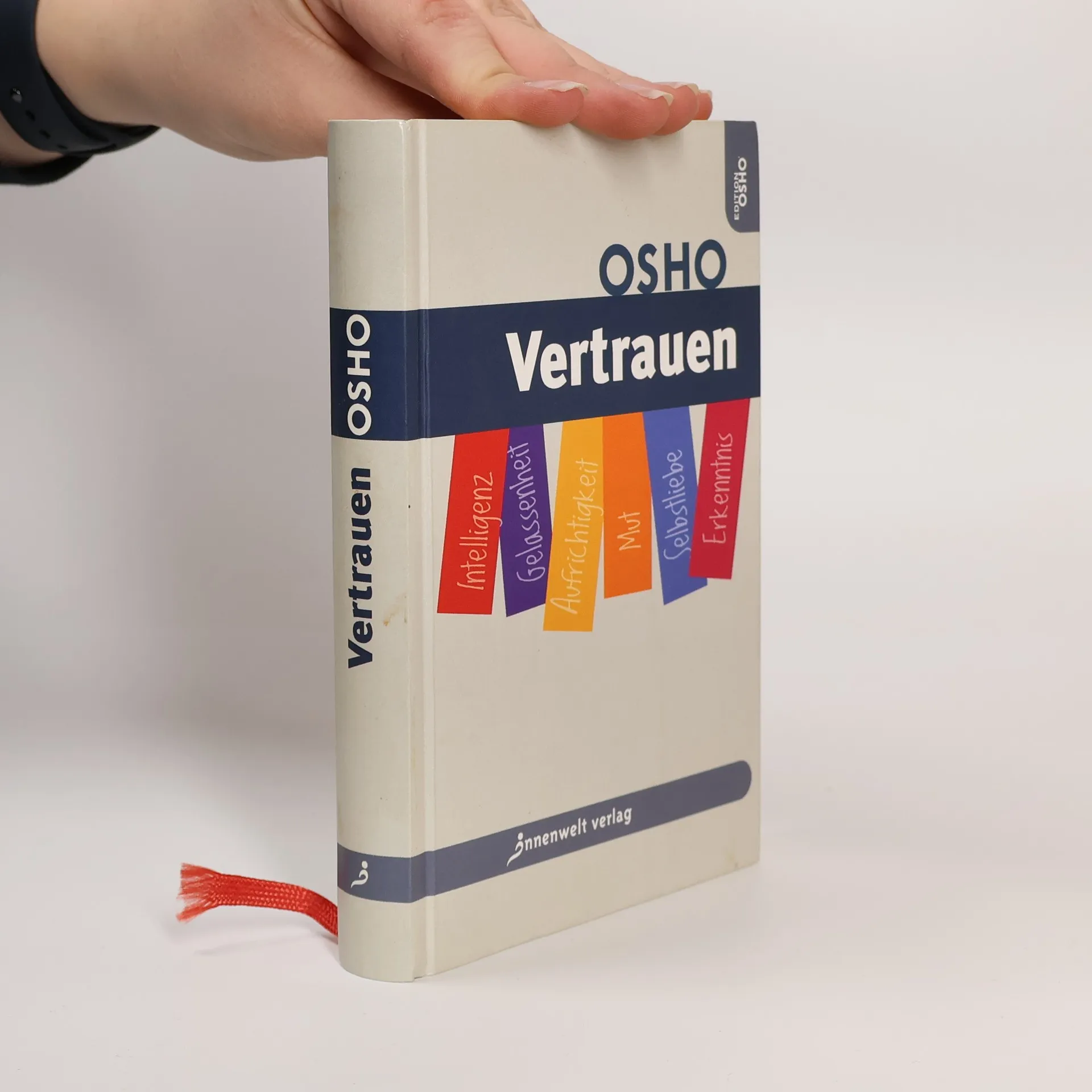
. Lebensnaher Reader mit tiefen Einsichten . Auch Zweifel gehören zum
Vertrauen . Nur so findet man Spontaneität und Lebensfreude wieder Die Zeiten
stehen auf Wandel, das Vertrauen in die Gesellschaft und ihre Institutionen
und deren Bedeutung verlieren für unser Leben immer mehr an Gültigkeit.
Anderen - Ideologien oder Religionen - mehr zu trauen als uns selbst, führt in
eine Sackgasse und ist keine Option mehr. Osho ermutigt uns in diesem Reader,
dieses angeborene tief in uns verborgene Vertrauen wieder zu entdecken. Auf
dieser Reise zu uns selbst müssen und dürfen Zweifel aufkommen und Fragen
gestellt werden ... denn es geht darum, zur eigenen Wahrhaftigkeit und
Authentizität zu gelangen. Dann ist Vertrauen eine natürliche Folge davon.
Wie ernährt man sich „richtig“, und hat die Ernährung Einfluss auf das spirituelle Wachstum? Osho gibt hier keine Kochrezepte zum Besten, sondern Grundsätzliches zum Thema Essen und Bewusstheit. „Was du isst, kann dich nicht spirituell machen, aber wenn du spirituell bist, werden sich deine Essgewohnheiten ändern.“
Zen entstand als eigene Linie des Buddhismus ungefähr im 5. Jahrhundert n. Chr. in China und war wesentlich vom Taoismus beeinflusst. Später gelangte der Zen-Buddhismus in neuer Ausprägung nach Japan und von dort in der Neuzeit in die westliche Welt.Osho erklärt leicht verständlich die Geschichte, die Lehren und die Bedeutung des Zen für die menschliche Gesellschaft.Durchgängig farbig mit Fotos und Abbildungen illustriert.Weitere Titel der Reihe: Buddha, Tao, Tantra