
David Zane MairowitzOrden de los libros (cronológico)
30 de abril de 1943
Este autor profundiza en la compleja interacción entre literatura, filosofía y drama. Su obra a menudo se inspira en tradiciones intelectuales, contrastando formas artísticas con temas políticos y sociales. Aborda ensayos y manifiestos con un estilo imaginativo y accesible, que combina ideas profundas con una presentación provocadora.
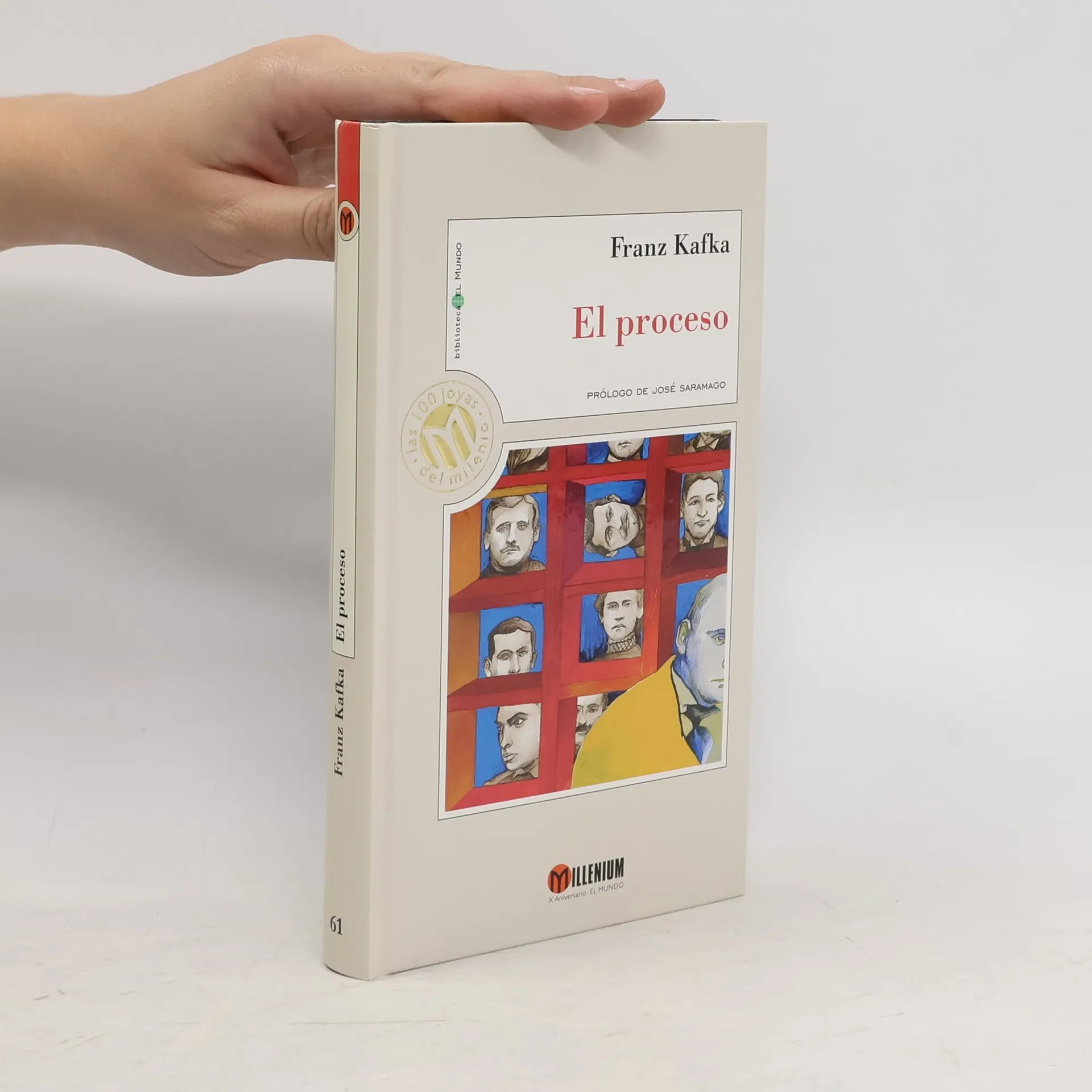
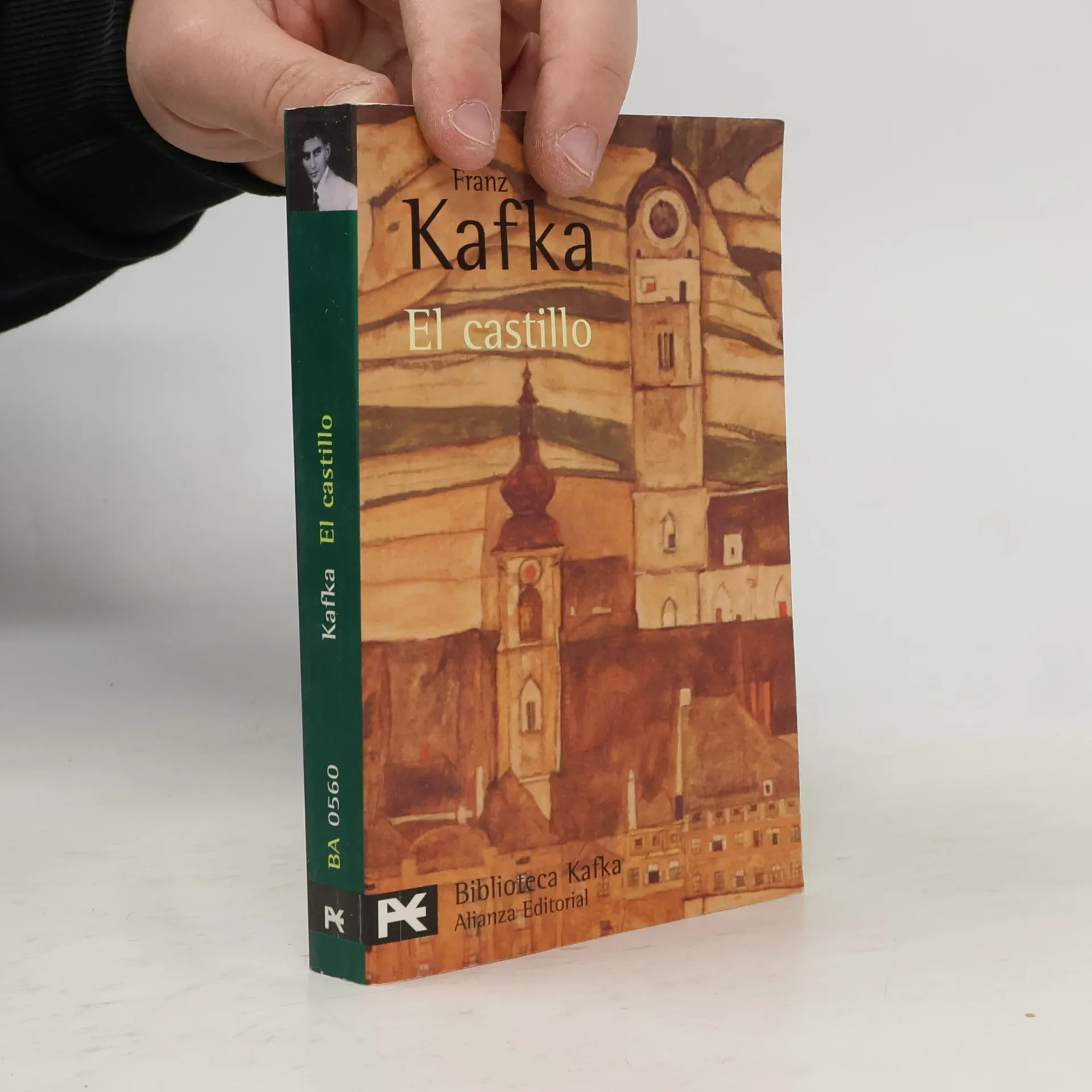
El clima y la idea dramatica que informan EL CASTILLO son los que nutren toda la obra narrativa de Franz Kafka (1883-1924): un mundo exterior que, pese a conservar todas las notas que lo hacen reconocible, es objeto de una mutacion que lo transforma cualitativamente; una secuencia de acontecimientos incomprensible para quien la padece pero que esconde una necesidad ineluctable; la inoperancia, en fin, de la voluntad y el entendimiento humanos para comprender ese medio hostil y doblegarlo.
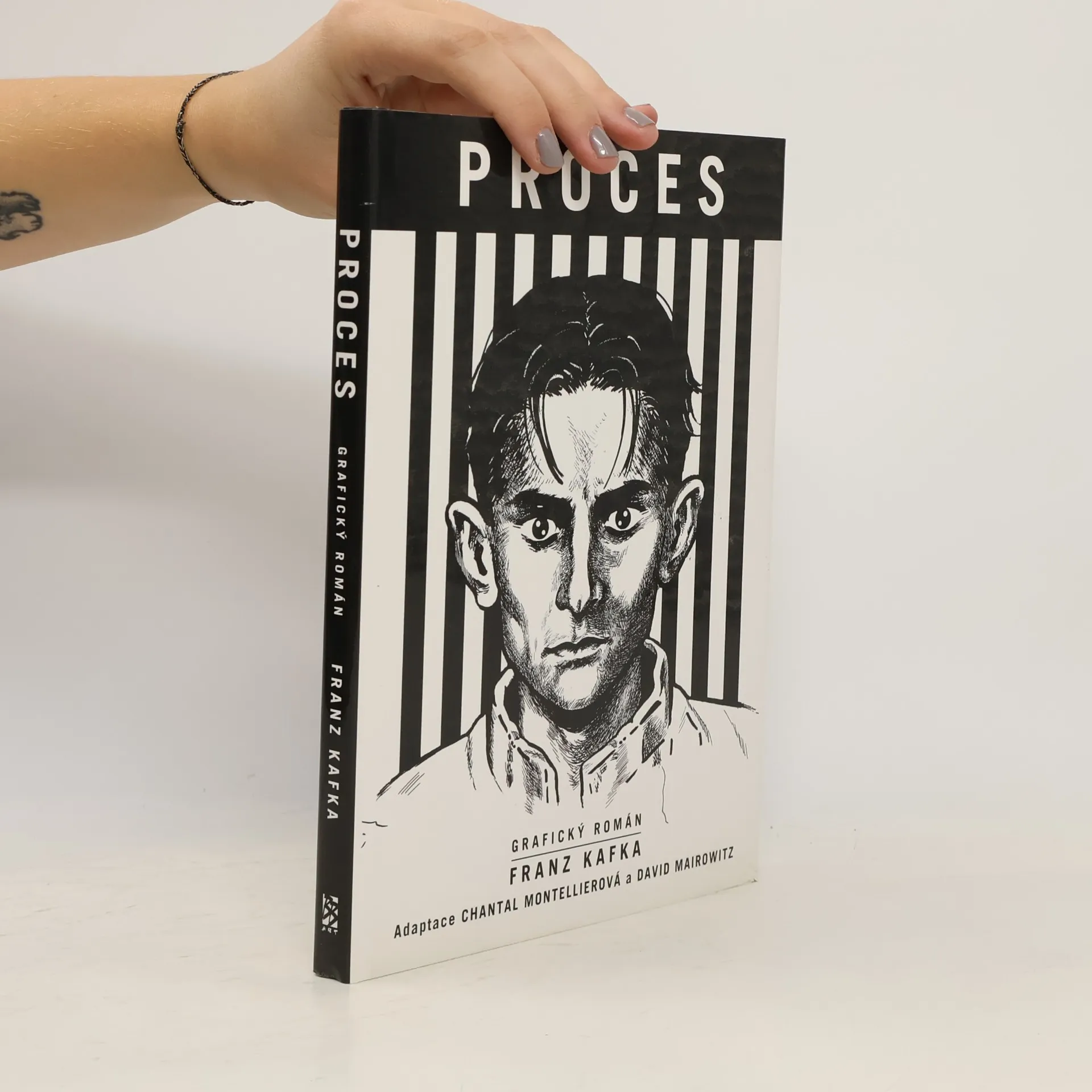
Adaptace Chantal Montellierová a David Mairowitz.
Proces, slavný Kafkův román skvěle adaptovaný do komiksové podoby, je ponurým příběhem prokuristy Josefa K., kterému v den jeho třicátých narozenin vniknou do bytu dva neznámí muži a zatknou ho pro neznámé provinění. Ze začátku pokládá celou věc za nedorozumění, ale postupně poznává zkorumpovanost a nepostižitelnost soudu, jehož případy uzavírá pouze smrt obžalovaného. Kafkův portrét byrokratického soukolí, které drtí životy svých občanů, je dnes bohužel stejně aktuální jako v době svého zrodu.
Jednomu nakonec nezbývá než smířit s poměry. Hlavně nevzbudit pozornost! Držet jazyk za zuby, i kdyby to člověku bylo hodně proti srsti! Pochopit, že ten velký soudní organismus setrvává věčně ve stavu pružné rovnováhy.
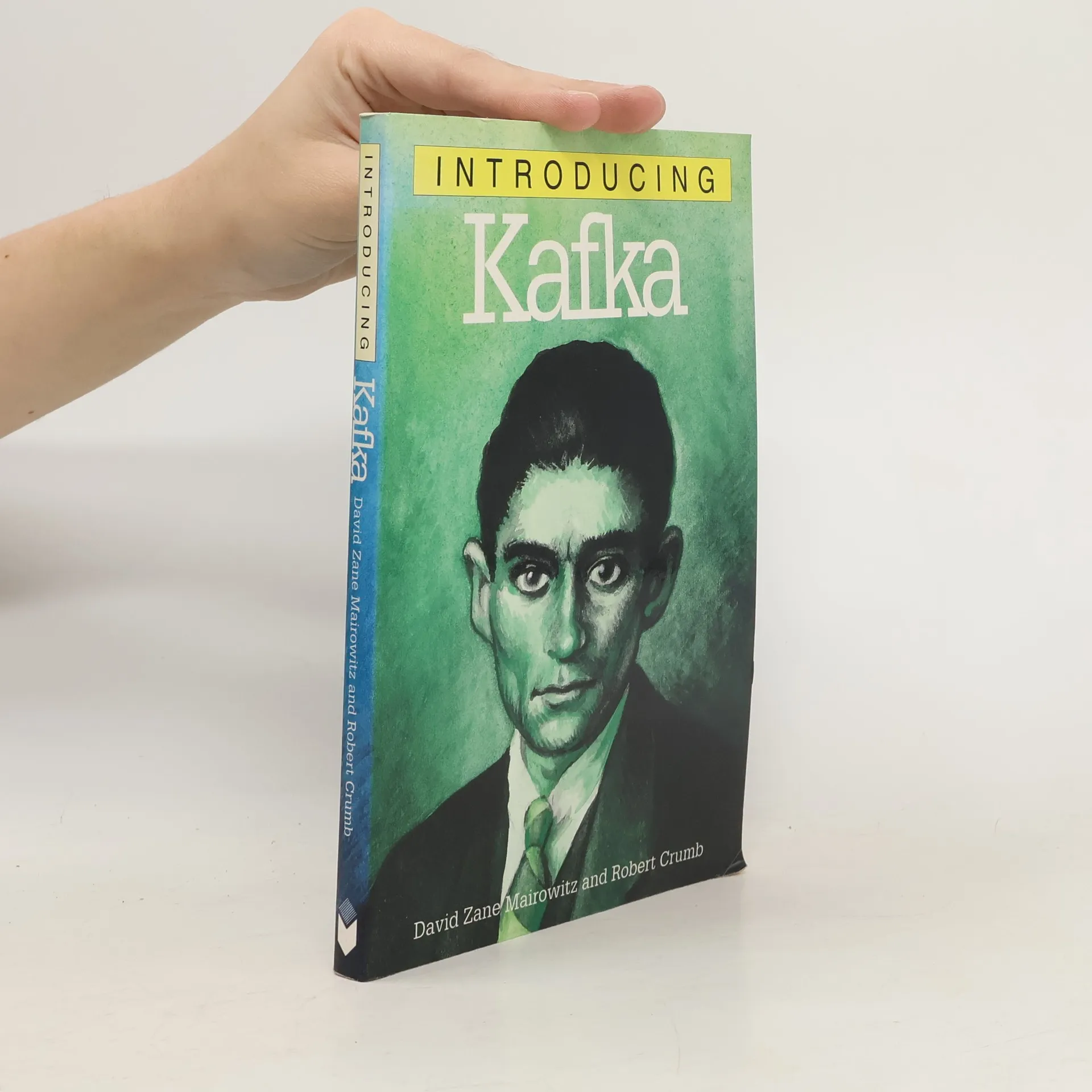
"What do I have in common with the Jews? I don't even have anything in common with myself." Nothing could better express the essence of Franz Kafka, a man described by his friends as living behind a "glass wall." Kafka wrote in the tradition of the great Yiddish storytellers, whose stock-in-trade was bizarre fantasy tainted with hilarity and self-abasement. What he added to this tradition was an almost unbearably expanded consciousness. Alienated from his roots, his family, his surroundings, and primarily from his own body, Kafka created a unique literary language in which to hide away, transforming himself into a cockroach, an ape, a dog, a mole or a circus artiste who starves himself to death in front of admiring crowds. David Zane Mairowitz's brilliant text and the illustrations and comic panels of the world's greatest cartoonist, Robert Crumb (himself no stranger to self-loathing and alienation), help us to understand the essence of Kafka and provide insight beyond the cliché "Kafkaesque," peering through Kafka's glass wall like no other book before it. The book is a wonderful educational tool for those unfamiliar with Kafka, including a brief but inclusive biography as well as the plots of many of his works, all illustrated by Crumb, making this newly designed edition a must-have for admirers of both Kafka and Crumb."--Back cover
