

Bookbot

Londa L. Schiebinger

    Londa Schiebinger es una distinguida historiadora de la ciencia cuyo trabajo examina la compleja interacción entre el avance científico y las fuerzas sociales. Investiga cómo los imperios han influido en la trayectoria de la exploración científica y cómo, a su vez, el conocimiento científico ha sido fundamental para impulsar la expansión colonial y la utilización de recursos. Su erudición destaca el papel crucial del descubrimiento de plantas en la configuración del comercio y la comprensión global.

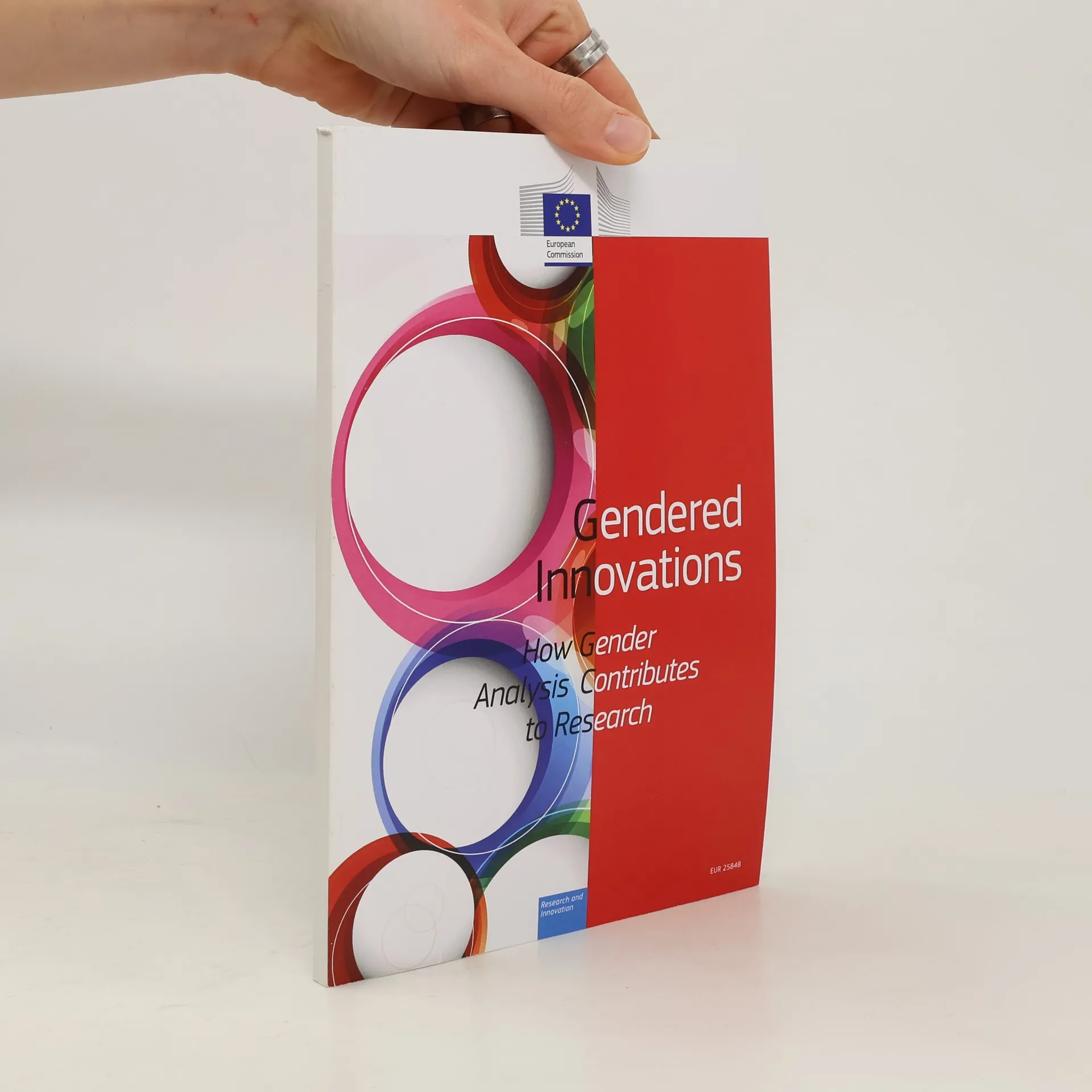
    Gendered Innovations
    Nature's Body
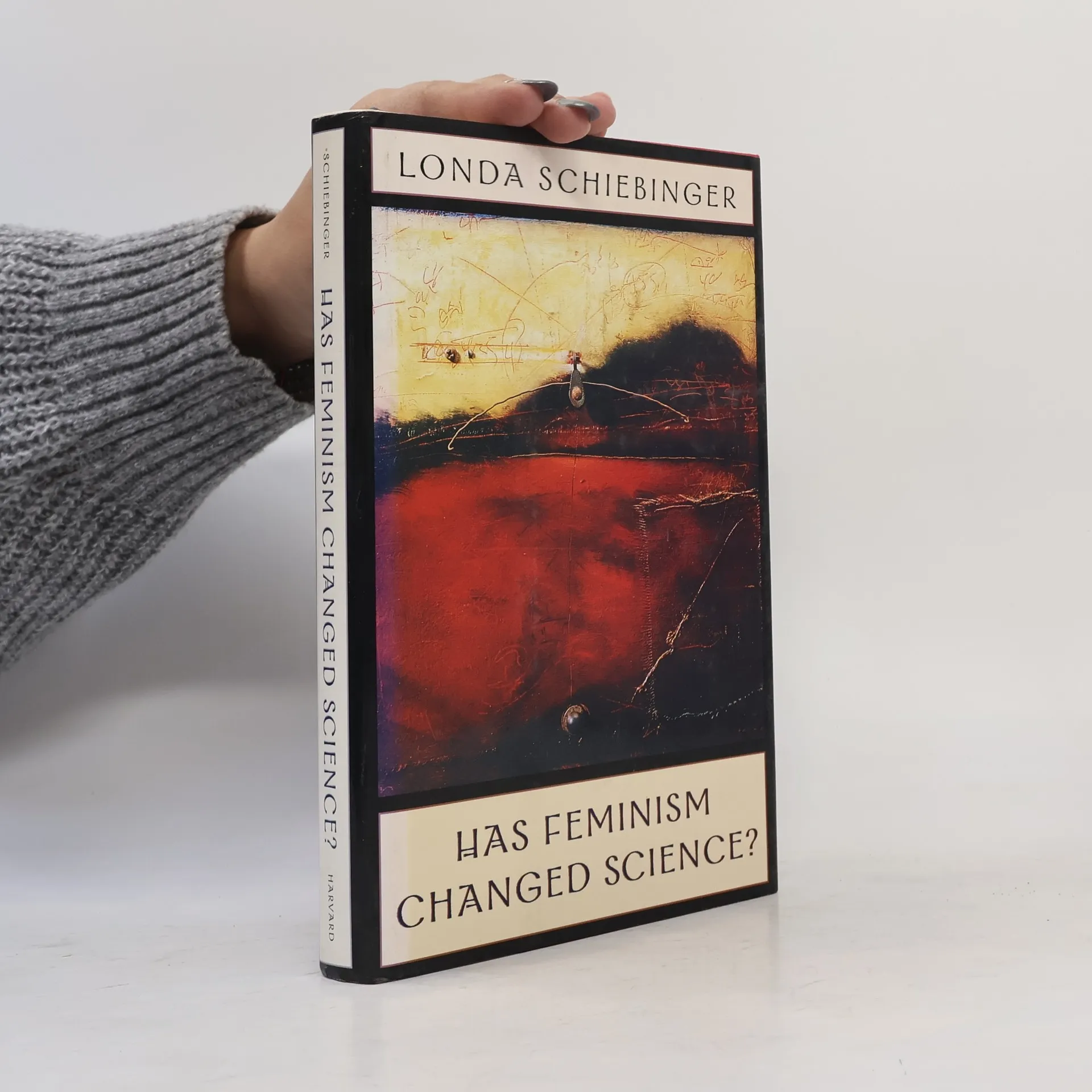
    Has Feminism Changed Science?
    • Has Feminism Changed Science?

      • 276 páginas
      • 10 horas de lectura

      Do women do science differently? This provocative book explores this question, examining the history of women in science and the impact of gender on scientific knowledge. It assesses women's experiences in the profession and their contributions to various fields. The author investigates the number of women scientists, their chosen disciplines, and the gendered culture within science. She challenges the stereotype that women scientists are inherently more holistic and collaborative, while also highlighting the significant challenges they face, such as balancing careers with domestic responsibilities. The book delves into whether feminist perspectives have positively influenced scientific content, offering a nuanced gender analysis across disciplines like physical sciences, medicine, archaeology, and biology. It reveals how feminist scientists have introduced new theories, posed innovative questions, and expanded fields of study, ultimately contributing to a richer understanding of science.

      Has Feminism Changed Science?
      4,0
    • Nature's Body

      • 312 páginas
      • 11 horas de lectura

      Eighteenth-century natural historians created a peculiar, and peculiarly durable, vision of nature--one that embodied the sexual and racial tensions of that era. When plants were found to reproduce sexually, eighteenth-century botanists ascribed to them passionate relations, polyandrous marriages, and suicidal incest, and accounts of steamy plant sex began to infiltrate the botanical literature of the day. Naturalists also turned their attention to the great apes just becoming known to eighteenth-century Europeans, clothing the females in silk vestments and training them to sip tea with the modest demeanor of English matrons, while imagining the males of the species fully capable of ravishing women.

      Nature's Body
      4,1
    • Gendered Innovations

      How Gender Analysis Contributes to Research: Report of the Expert Group "Innovation Through Gender"

      • 137 páginas
      • 5 horas de lectura
      Gendered Innovations