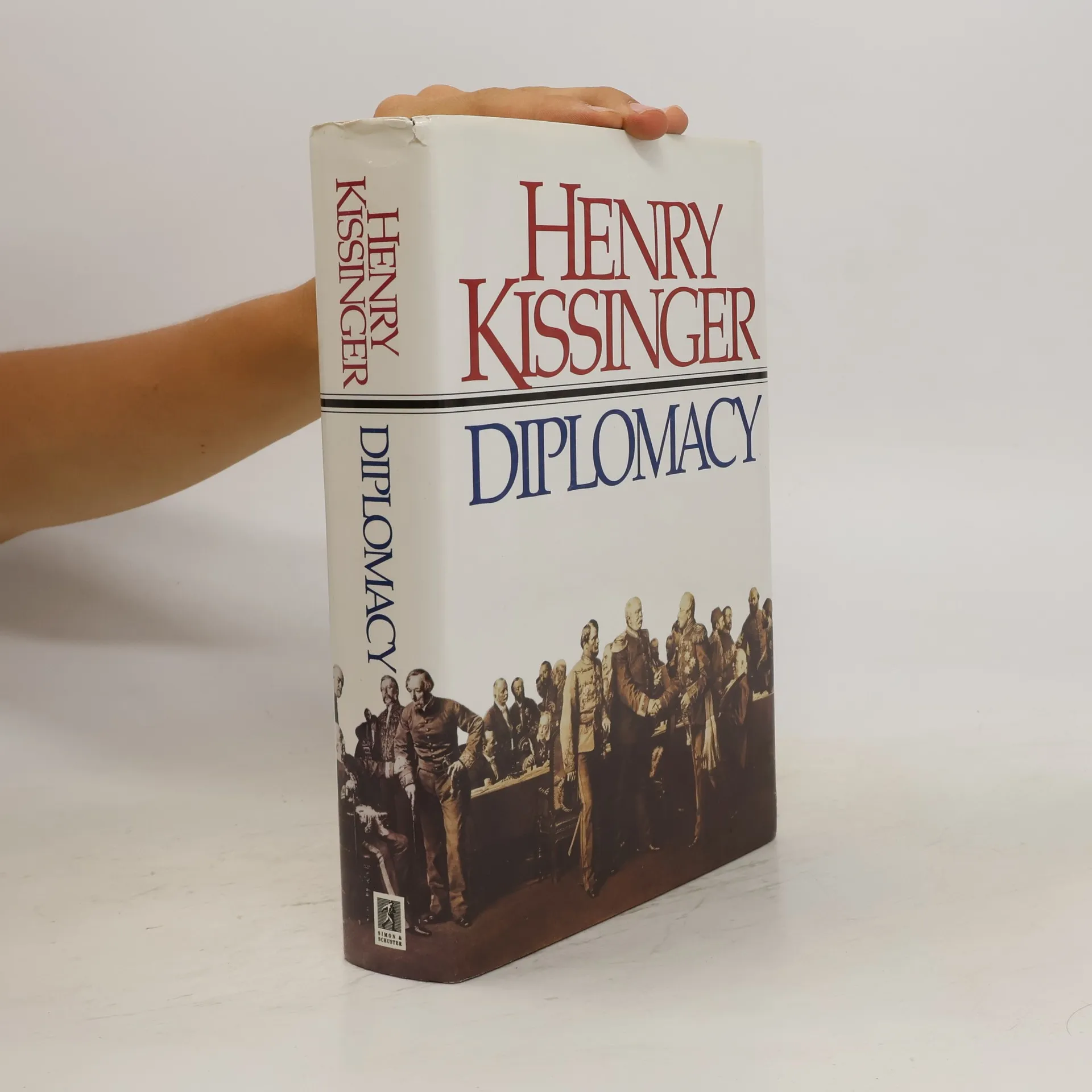
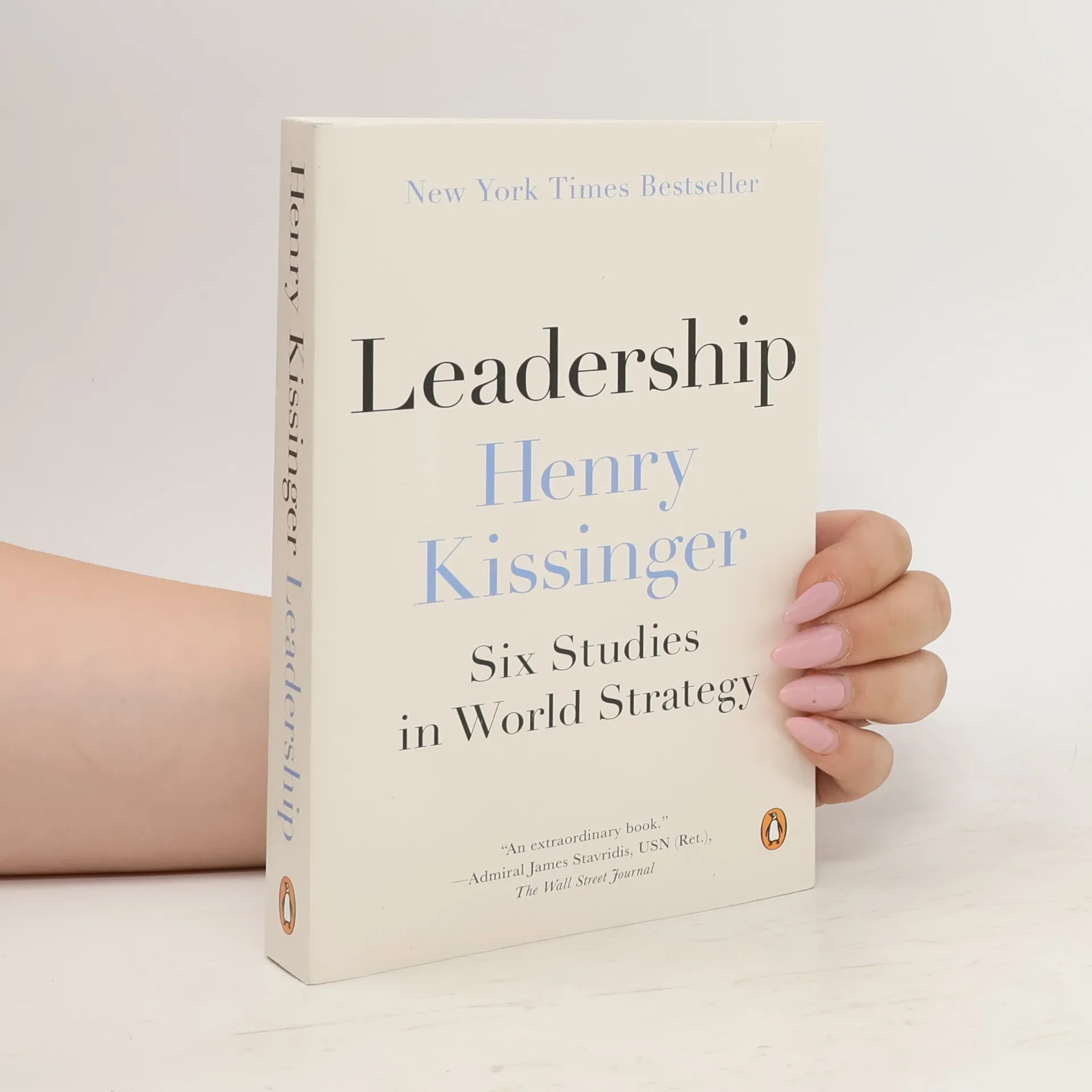

Liderazgo: Seis Estudios Sobre Estrategia Mundial / Leadership: Six Studies in W Orld Strategy
- 648 páginas
- 23 horas de lectura
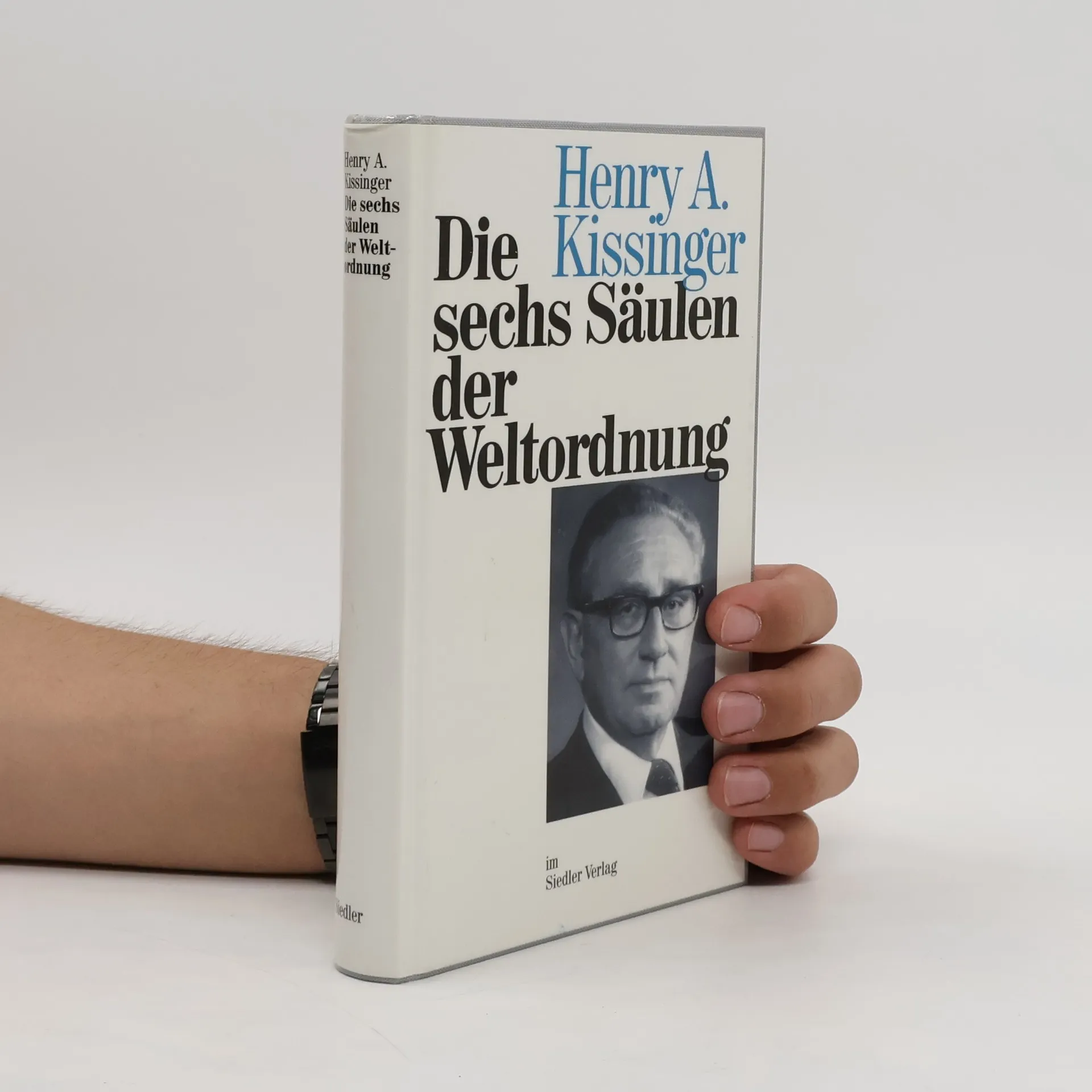
Este autor fue una figura clave en la política exterior estadounidense, promoviendo la doctrina del Realpolitik. Su enfoque diplomático, particularmente durante las administraciones de Nixon y Ford, dejó una marca indeleble. Fue pionero en la política de distensión, dando forma a las relaciones internacionales durante años. Su influencia fue tan significativa que provocó fuertes reacciones tanto de la izquierda antibelicista como de la derecha anticomunista.


Henry Kissinger presenta una profunda y original reflexión sobre las causas que originan la armonía y los conflictos en los asuntos globales. A partir de su inmensa experiencia como uno de los principales estadistas del siglo XX, asesor de presidentes, conocedor del mundo, observador y participante en los temas centrales de política internacional de último medio siglo, Kissinger expone en esta obra su visión del reto fundamental del siglo XXI: cómo construir un orden internacional compartido en un mundo con perspectivas históricas divergentes, plagado de conflictos violentos, tecnología desbocada y extremismo ideológico
Six Studies in World Strategy
The book offers a gripping narrative that captivates readers with its intricate plot and well-developed characters. It explores profound themes of love, loss, and resilience, set against a vivid backdrop that enhances the emotional depth of the story. With a blend of suspense and heartfelt moments, the author crafts a compelling journey that keeps readers engaged from start to finish. The writing style is both evocative and accessible, making it a standout choice for fans of contemporary fiction.
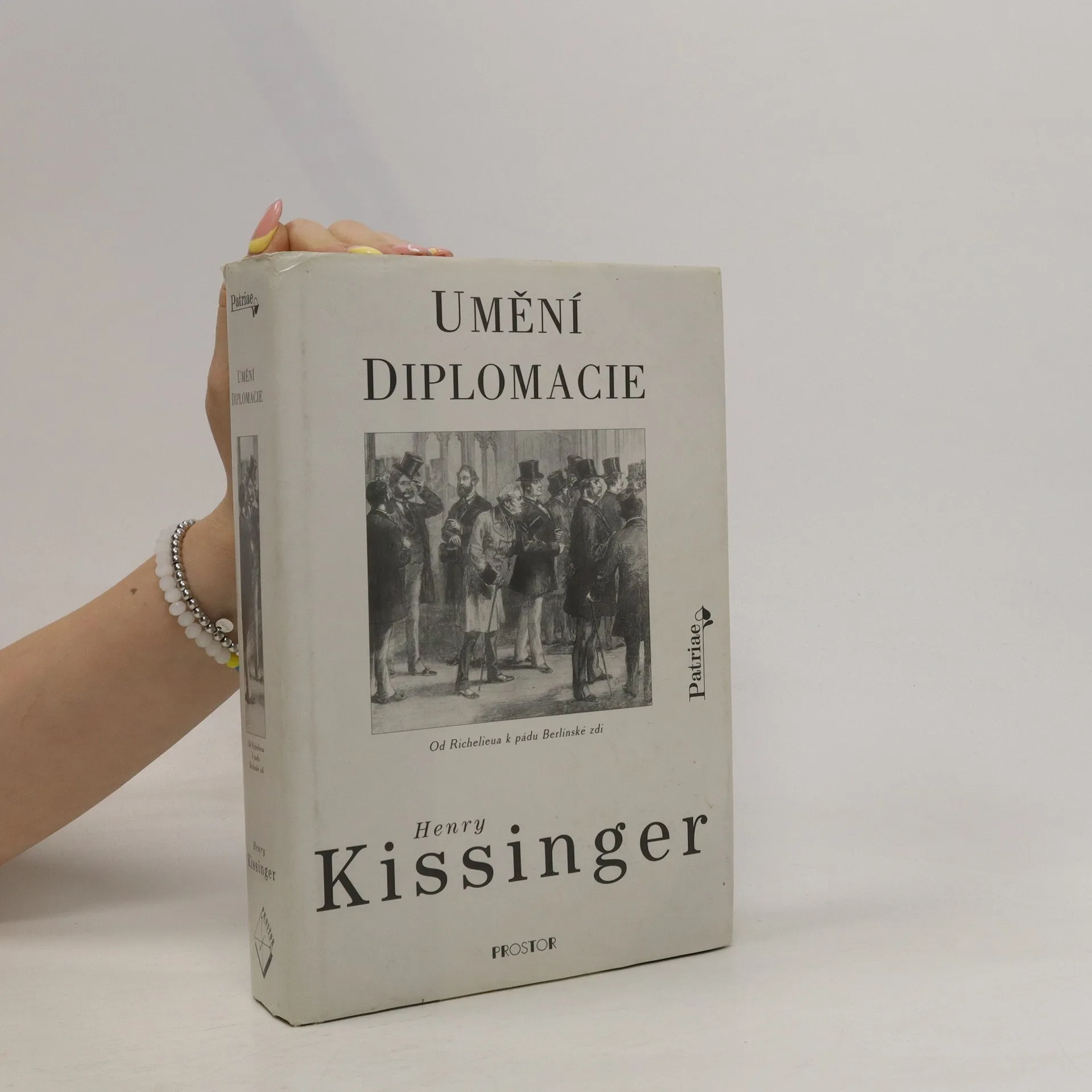
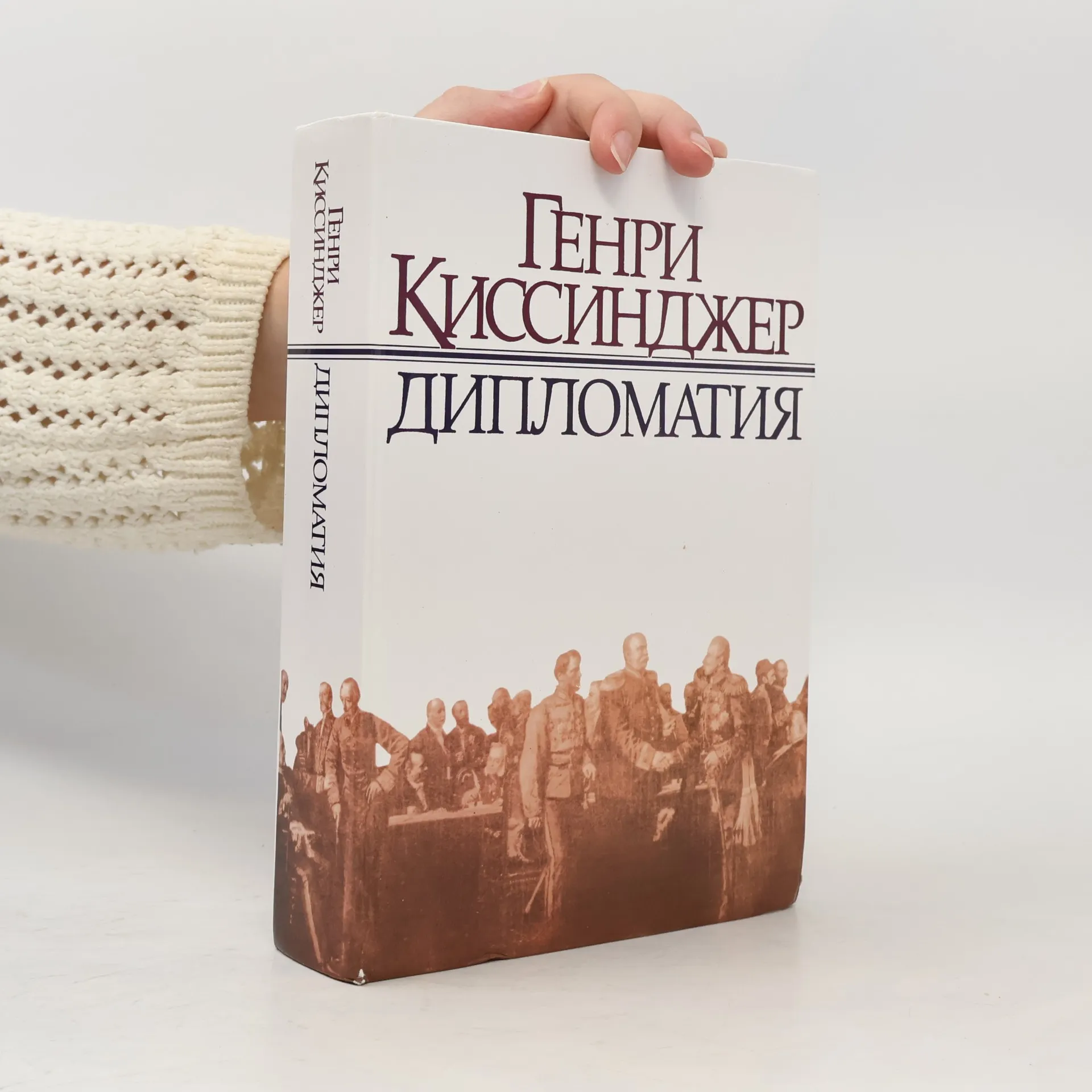
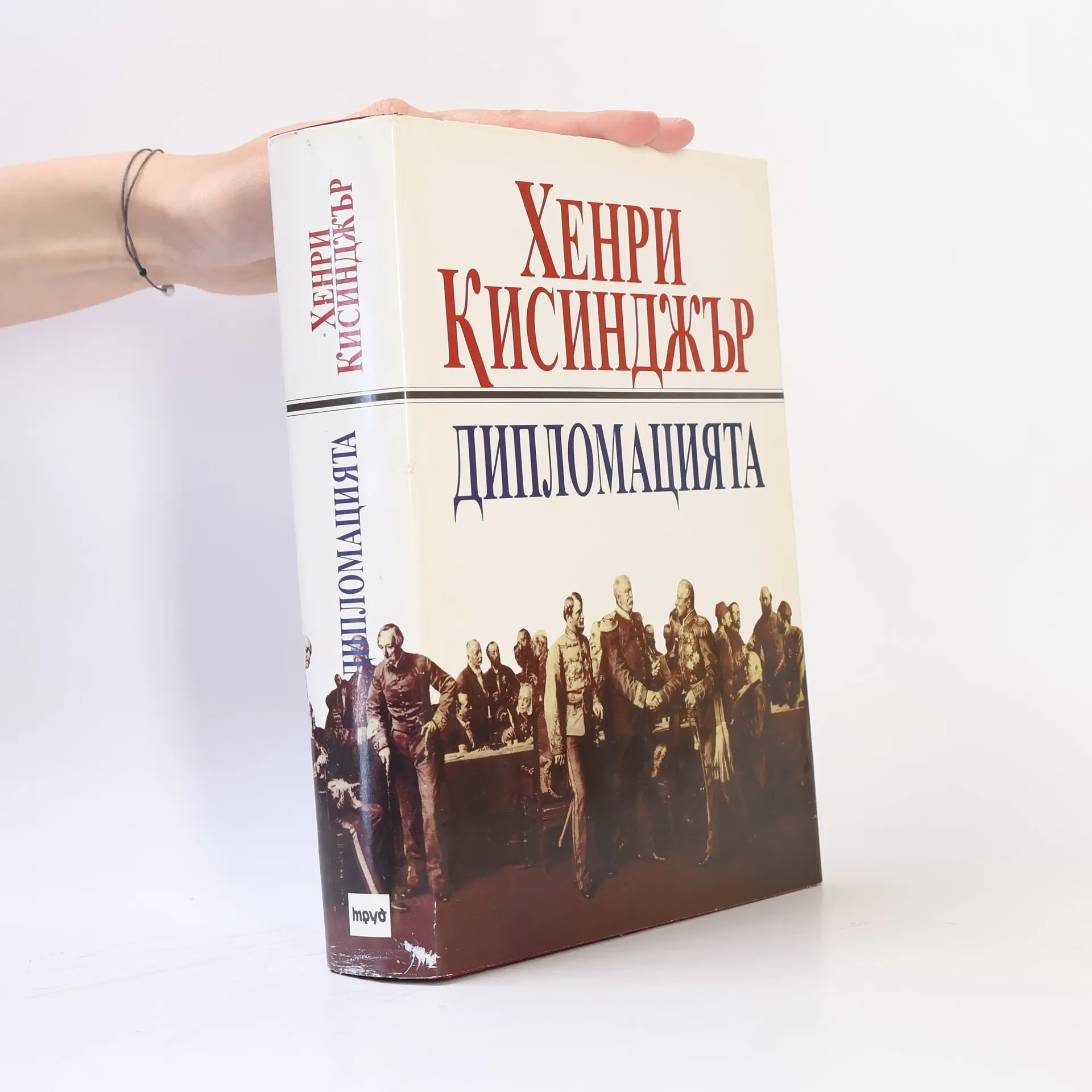
In this monumental work, Henry Kissinger explores the essence of diplomacy, offering a sweeping historical overview alongside personal accounts of his negotiations with global leaders. He examines how the art of diplomacy and the balance of power have shaped the world, highlighting the unique foreign policy pursued by Americans, influenced by their size, isolation, idealism, and skepticism toward the Old World. Covering over three centuries, from Cardinal Richelieu to the contemporary "New World Order," Kissinger illustrates the evolution of modern diplomacy through the trials of warfare and peacemaking, emphasizing America's often perilous refusal to learn from history. His intimate portraits of leaders like de Gaulle, Nixon, Chou En-lai, Mao Tse-tung, Reagan, and Gorbachev provide a rare glimpse into high-level diplomacy, enriched by detailed observations of secret negotiations and statesmanship that have impacted global affairs. Analyzing national diplomatic styles, he reveals how different societies shape their foreign policies, particularly noting America's distinct idealistic approach. With insights drawn from his own experiences and candid accounts of pivotal diplomatic initiatives, Kissinger's work is essential reading for anyone interested in understanding America's role on the world stage.
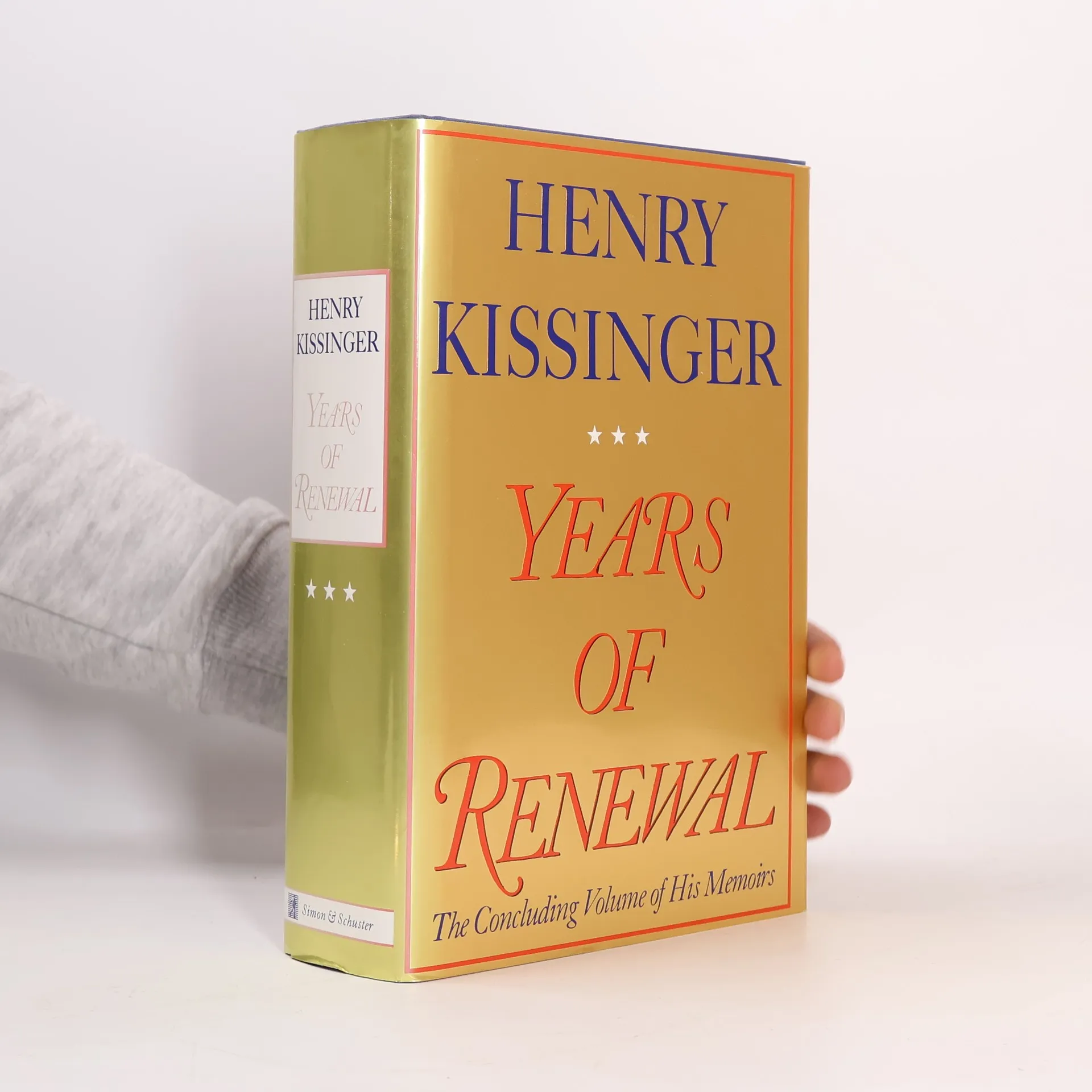
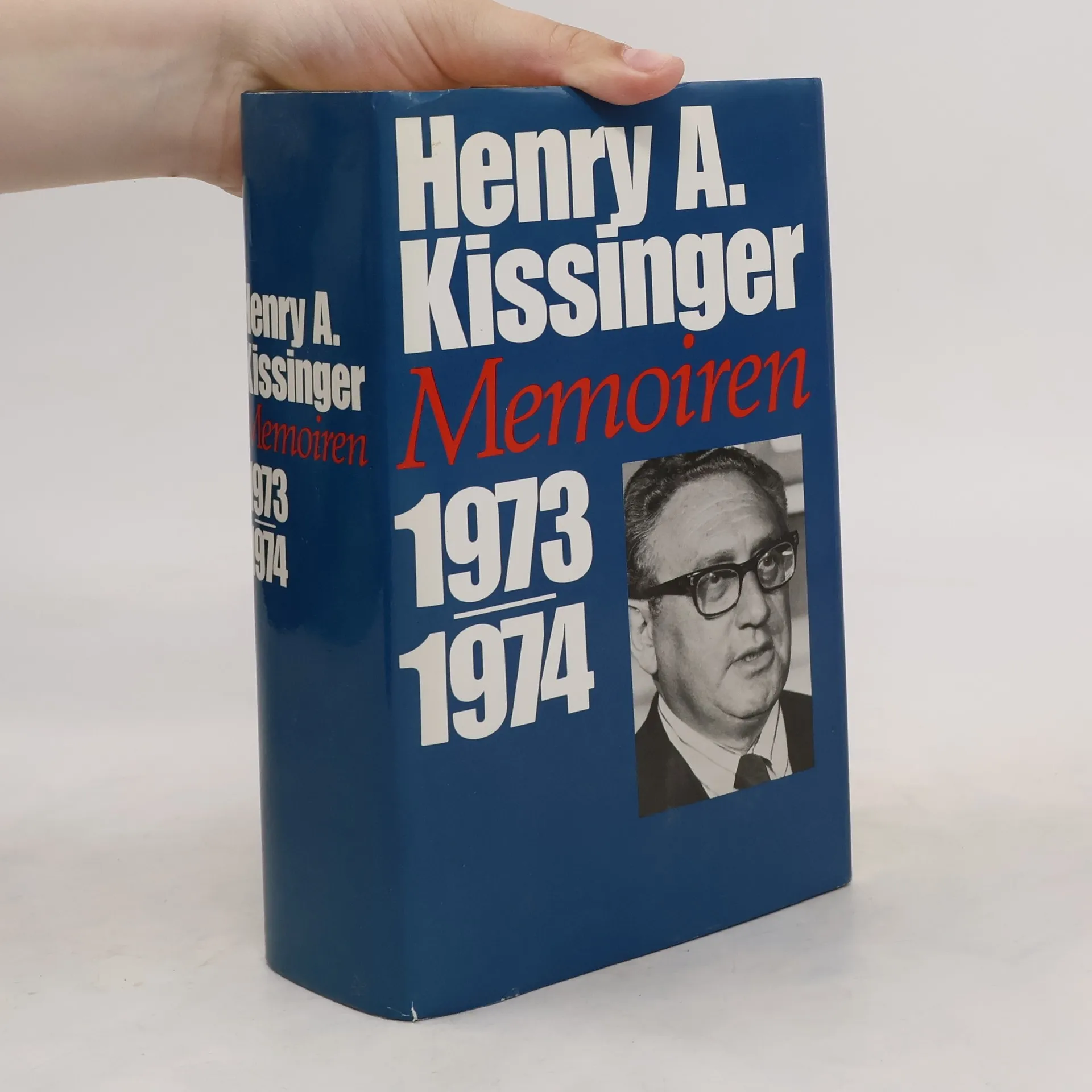
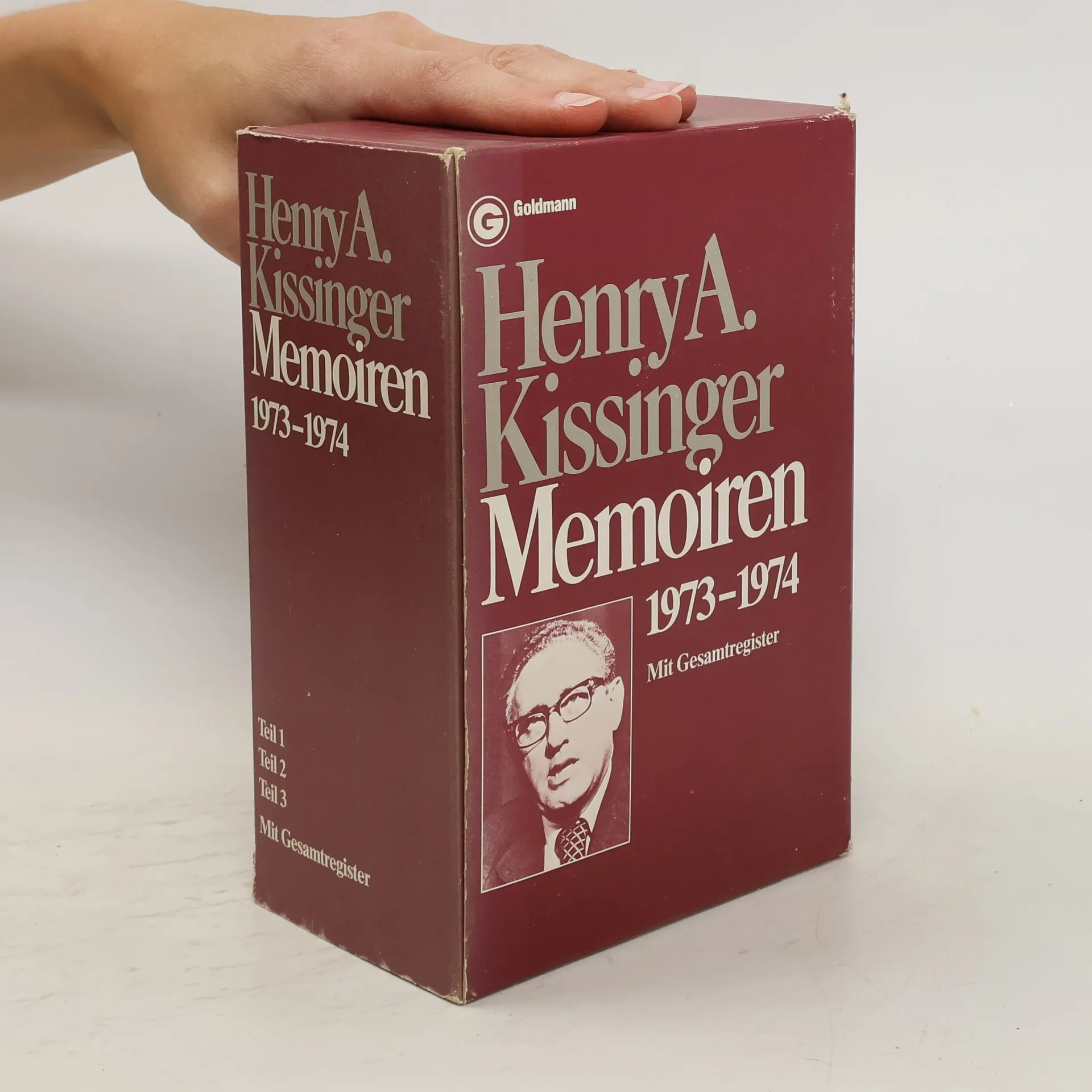
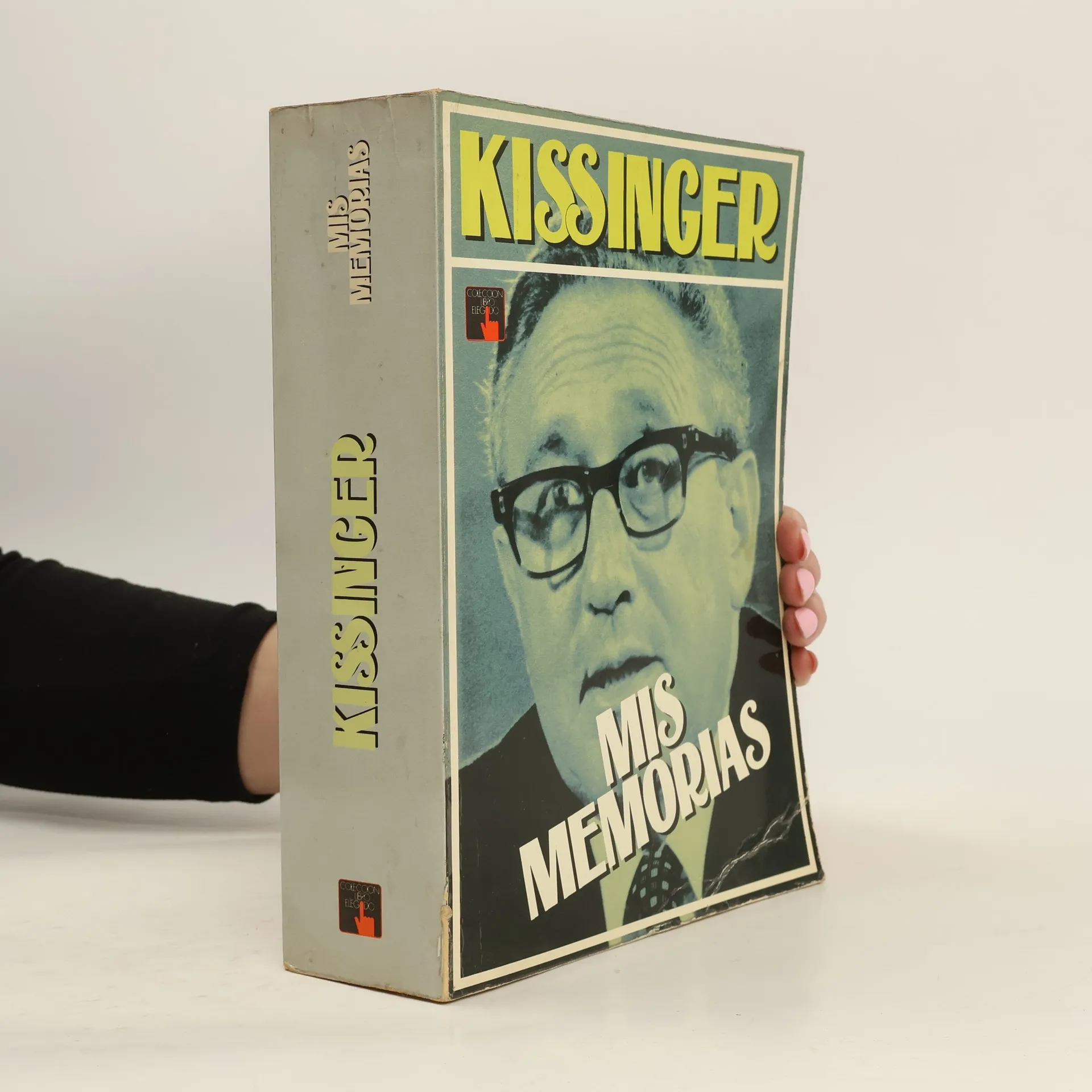
Henry Kissinger, a prominent American diplomat and Nobel Peace Prize winner, is a key figure in contemporary history and American foreign policy. The final volume of his memoirs serves as both a historical document and a compelling narrative filled with insights and candor. It begins with Nixon's resignation, offering Kissinger's assessment of Nixon's complex personality and the tragedy that marked his presidency, which briefly elevated Kissinger to immense power. The narrative then explores Gerald Ford's administration, portraying him as a man of decency and courage who guided the nation through renewal. Kissinger reflects on the painful U.S. withdrawal from Vietnam amidst a hostile Congress and a weakened intelligence community, presenting a vivid account of crises such as the fall of Cambodia and South Vietnam, the Mayaguez incident, and tensions between Greece and Turkey. He details pivotal moments in American foreign policy during Ford's era, including his shuttle diplomacy that fostered peace between Egypt and Israel, the Vladivostok meeting with Brezhnev on nuclear limitations, and the complex U.S.-China dialogue. The memoir also covers Kissinger's initiatives in Africa and U.S. policies in the Americas, offering candid portraits of global leaders, from Mao Zedong to Brezhnev. This work combines scholarship, wisdom, and firsthand experience, making it a profound exploration of Cold War history and diplomacy, solidifyi
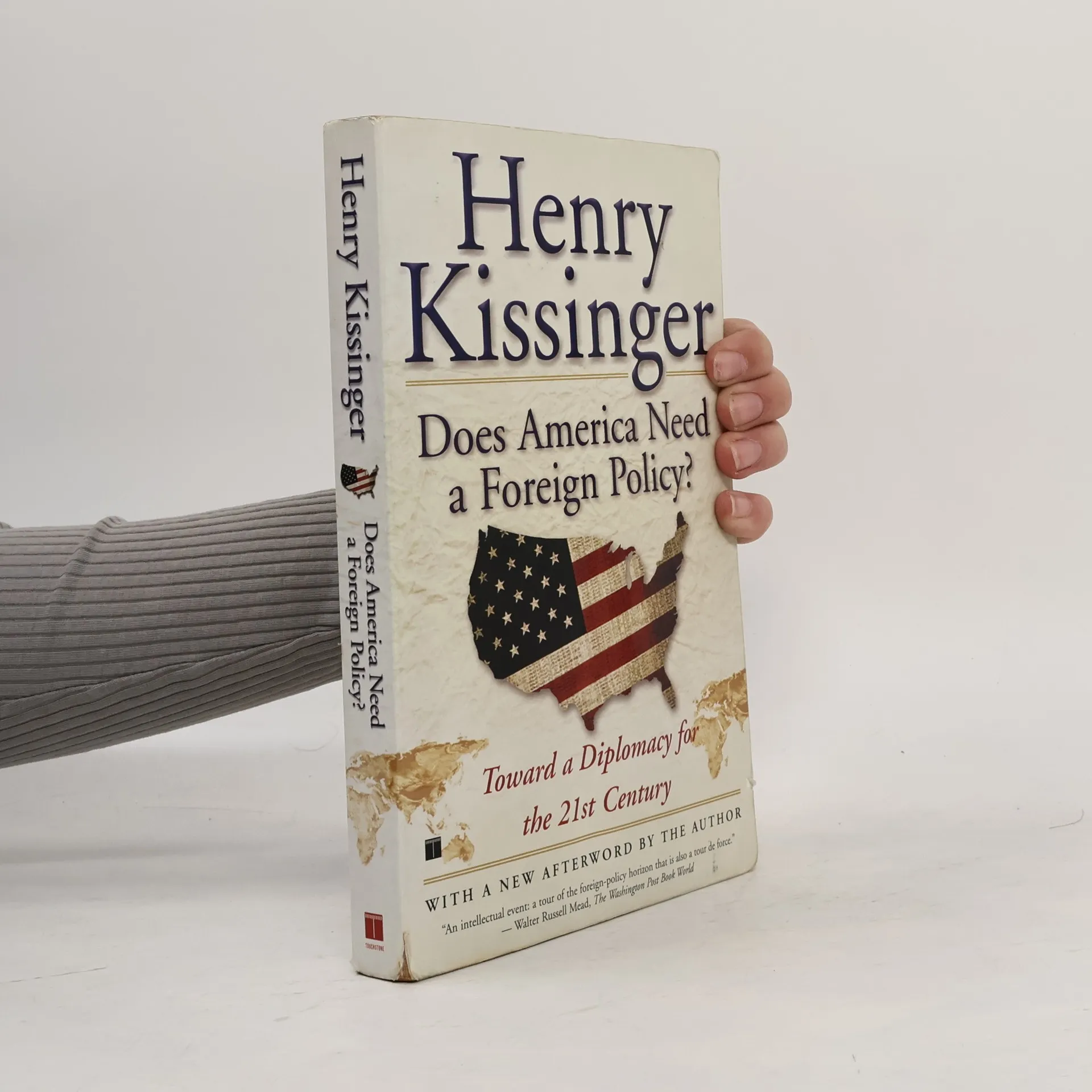
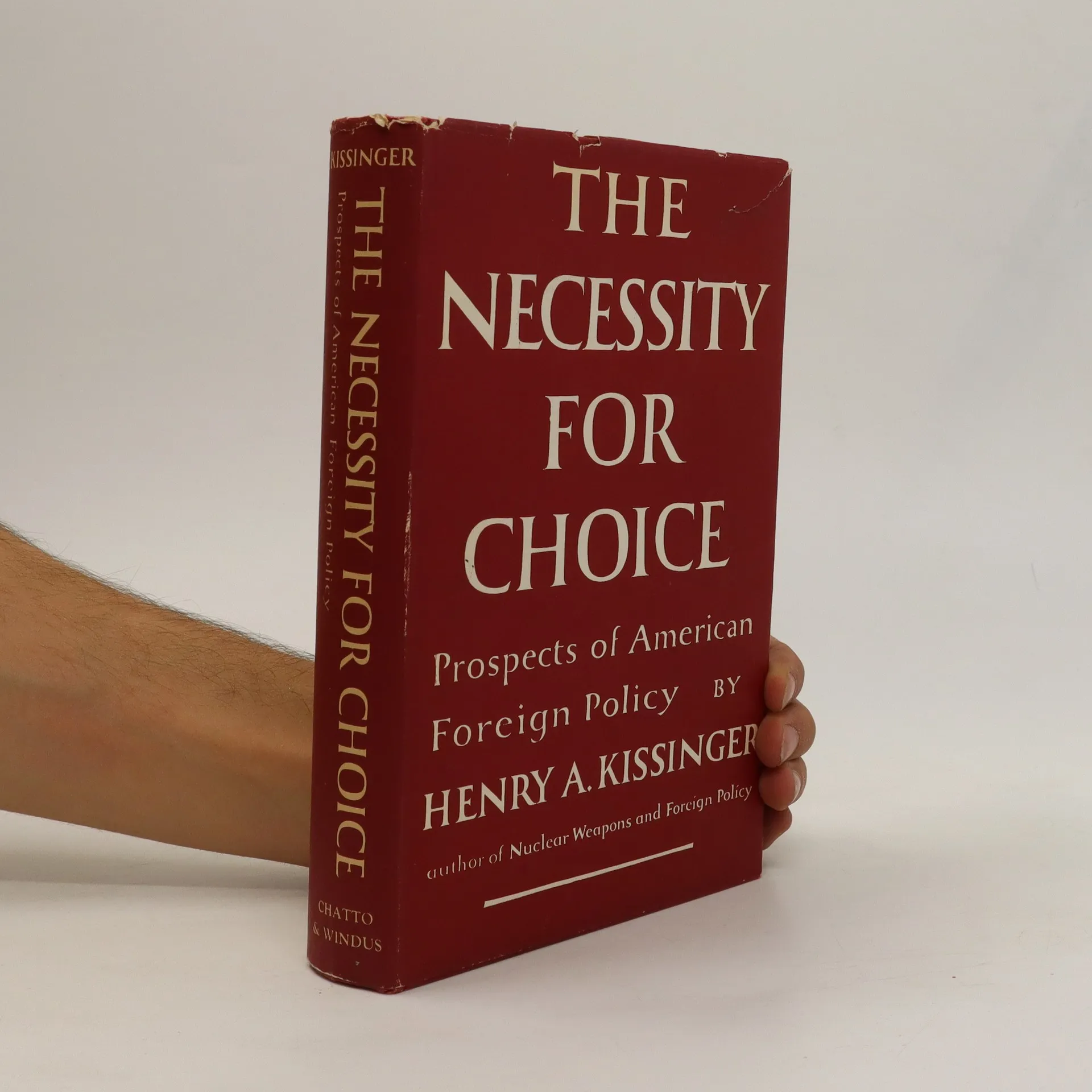
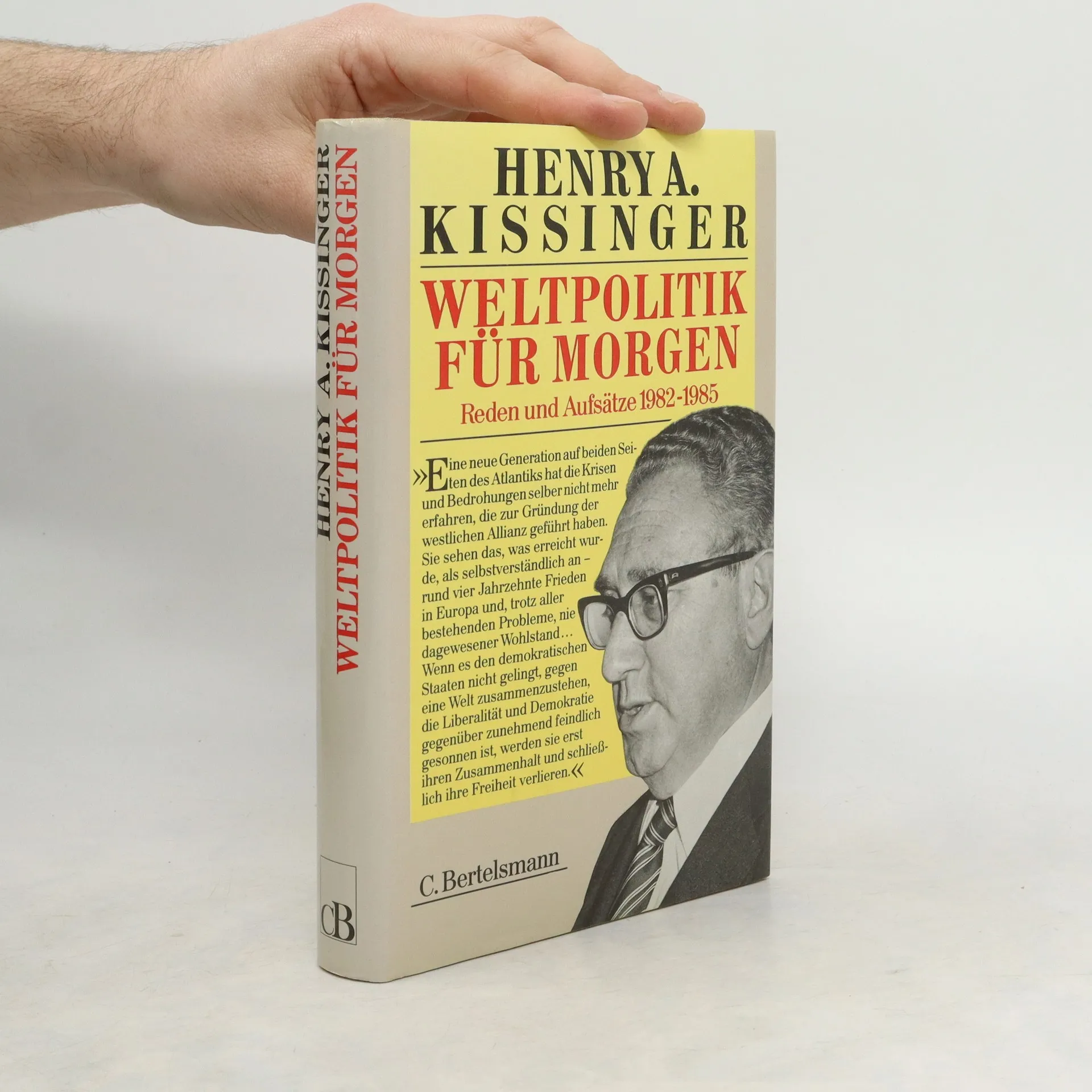
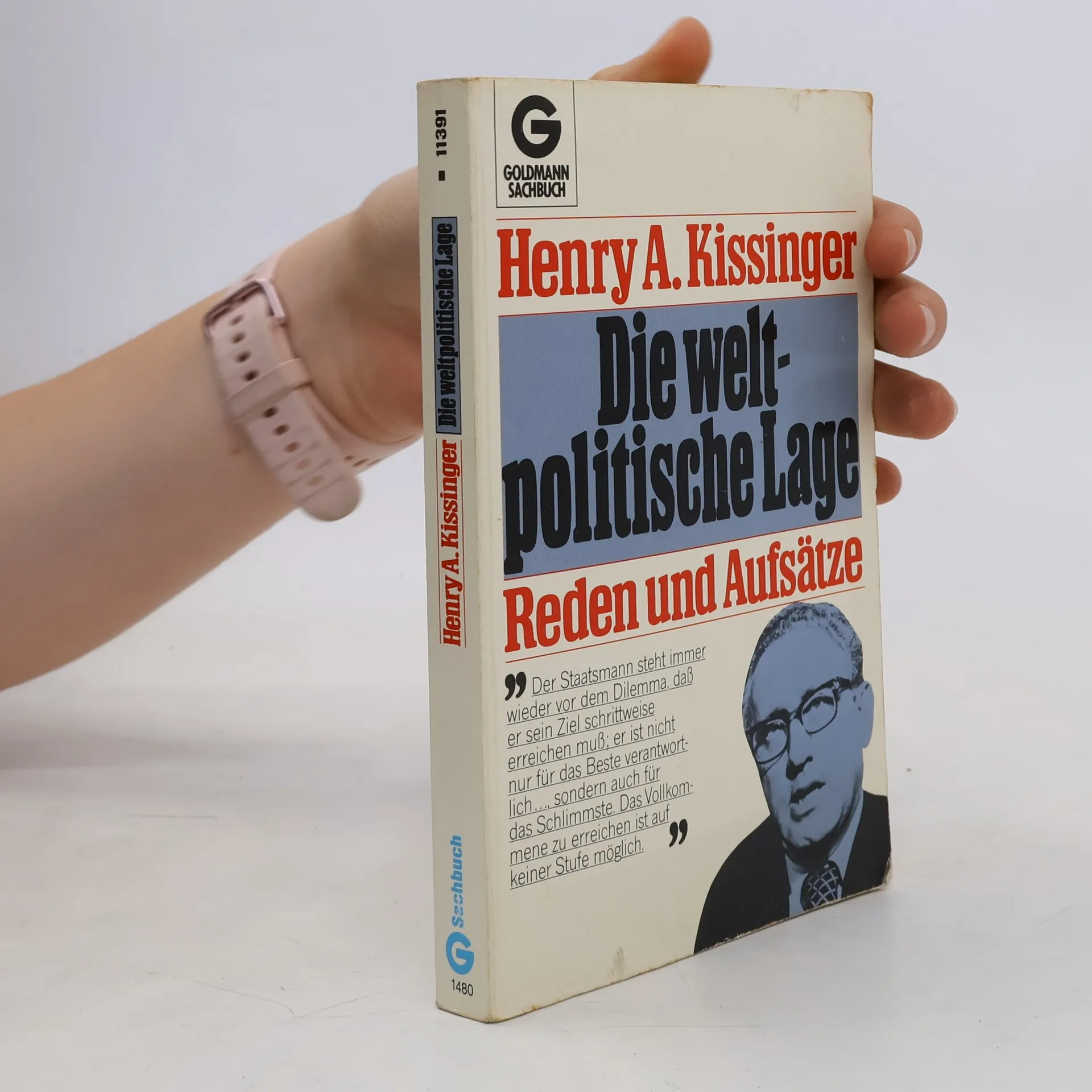
The initial two essays, "Domestic Structure and Foreign Policy" and "Central Issues of American Foreign Policy," appeared in the original edition of this volume and have been retained as backdrops for fifteen major addresses delivered by Mr. Kissinger over the past four years. The new selections include a statement to Congress that traces the main lines of d�tente policy; a review of the step-by-step process of negotiations in the Middle East; an analysis of efforts to achieve accords, with the Soviet Union on strategic arms limitation without imperiling American national security; a speech to the United Nations on the imperative of establishing a balanced global approach to economic development and resource conservation; several papers that candidly appraise prospects for new ties between the United States and the nations of Asia, Africa, and Latin America; and one that sets forth measures to strengthen the bonds among the industrial democracies. In their scope and detail, these documents constitute a remarkable set of designs, blueprints, and working drawings by a master architect of foreign policy.
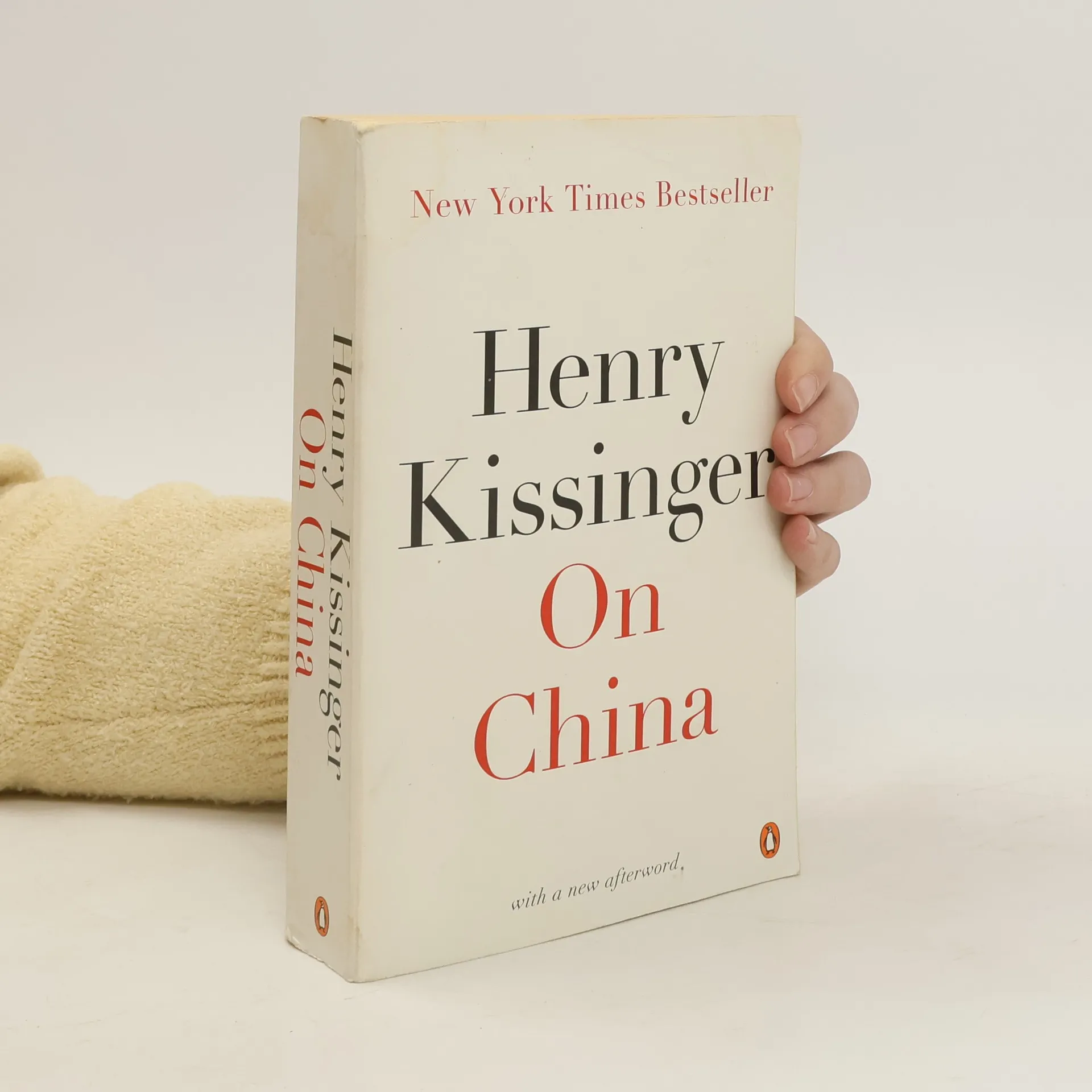
“Fascinating, shrewd . . . The book deftly traces the rhythms and patterns of Chinese history.” —Michiko Kakutani, The New York Times “No one can lay claim to so much influence on the shaping of foreign policy over the past 50 years as Henry Kissinger.” —The Financial Times In this sweeping and insightful history, Henry Kissinger turns for the first time at book length to a country he has known intimately for decades and whose modern relations with the West he helped shape. On China illuminates the inner workings of Chinese diplomacy during such pivotal events as the initial encounters between China and tight line modern European powers, the formation and breakdown of the Sino-Soviet alliance, the Korean War, and Richard Nixon’s historic trip to Beijing. With a new final chapter on the emerging superpower’s twenty-first-century role in global politics and economics, On China provides historical perspective on Chinese foreign affairs from one of the premier statesmen of our time.
Henry Kissinger, a distinguished diplomat and statesman, explores the leadership strategies of six influential twentieth-century figures, presenting a cohesive theory of leadership and diplomacy. He asserts that leaders operate at the intersection of two axes: the past and the future, and the core values of those they lead. This balance of historical knowledge and future intuition allows leaders to set objectives and devise strategies. Kissinger examines six remarkable leaders through their unique approaches to statecraft. After World War II, Konrad Adenauer utilized "the strategy of humility" to reintegrate a defeated Germany into the global community. Charles de Gaulle employed "the strategy of will" to align France with the victorious Allies and restore its grandeur. Richard Nixon's "strategy of equilibrium" during the Cold War provided the U.S. with a geostrategic advantage. Anwar Sadat’s "strategy of transcendence" envisioned peace in the Middle East after decades of conflict. Lee Kuan Yew’s "strategy of excellence" transformed Singapore into a thriving city-state. Finally, Margaret Thatcher revitalized Britain’s morale and international standing through "the strategy of conviction." Kissinger draws on historical insight, personal experience, and his relationships with these leaders, culminating in reflections on the importance of leadership in today's world.
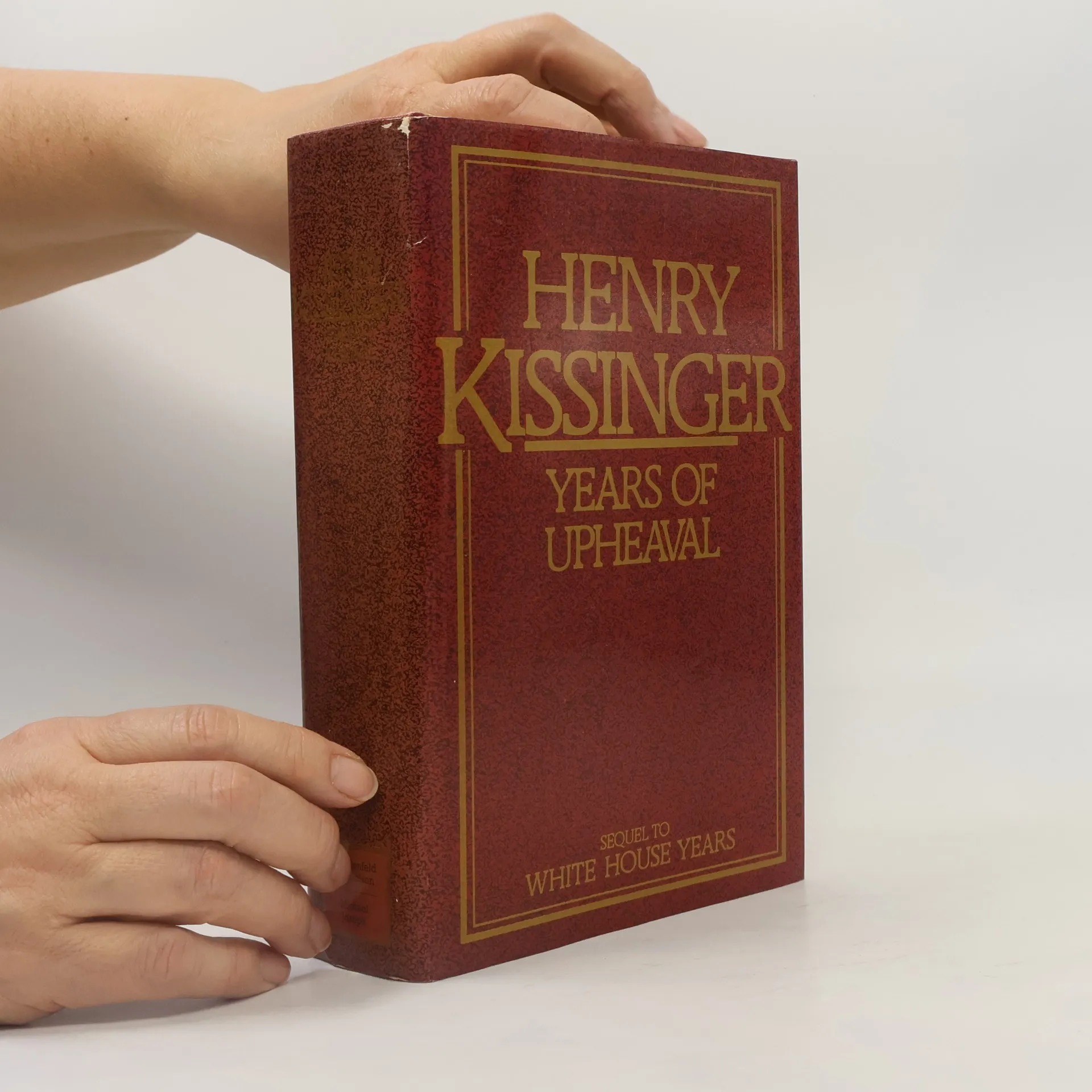
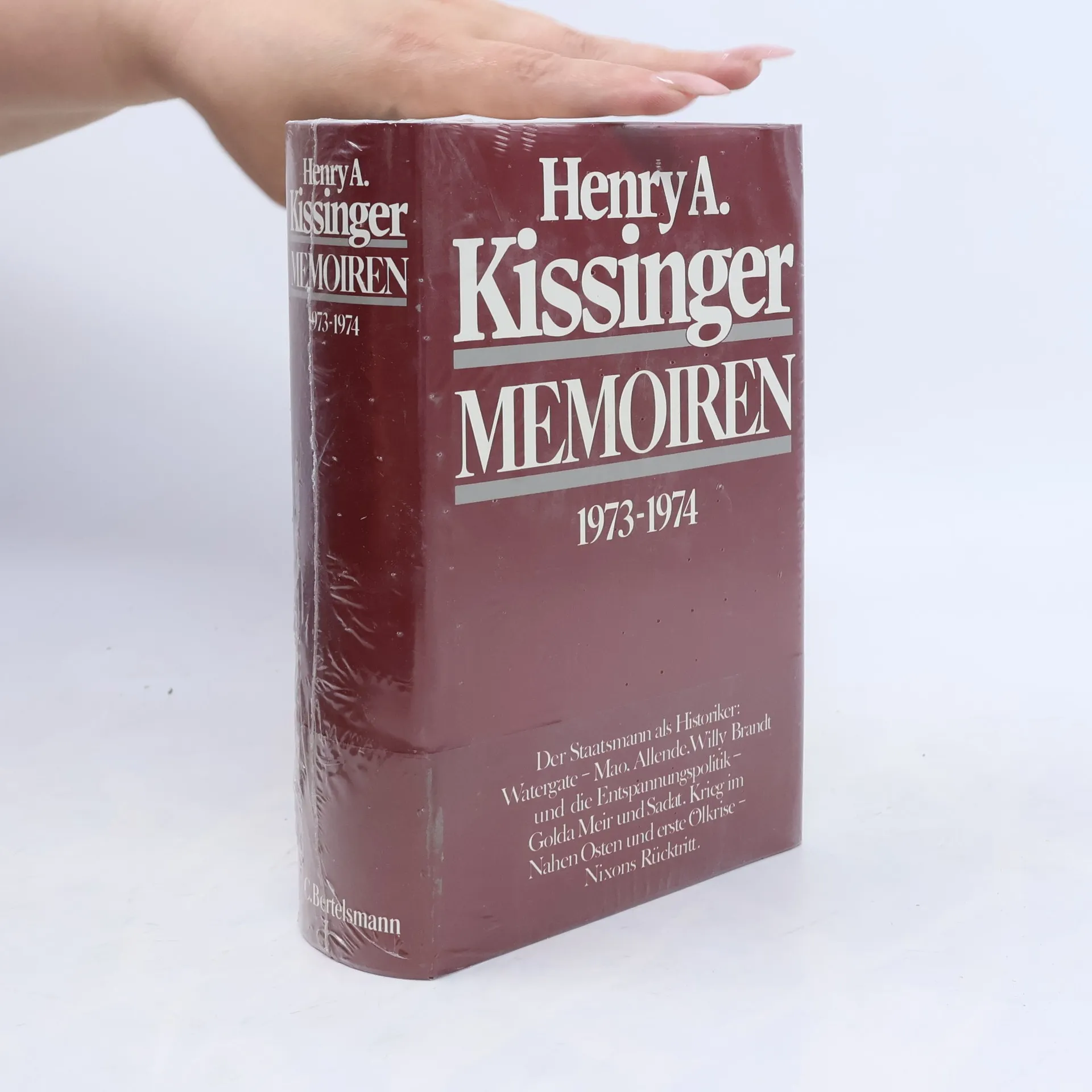
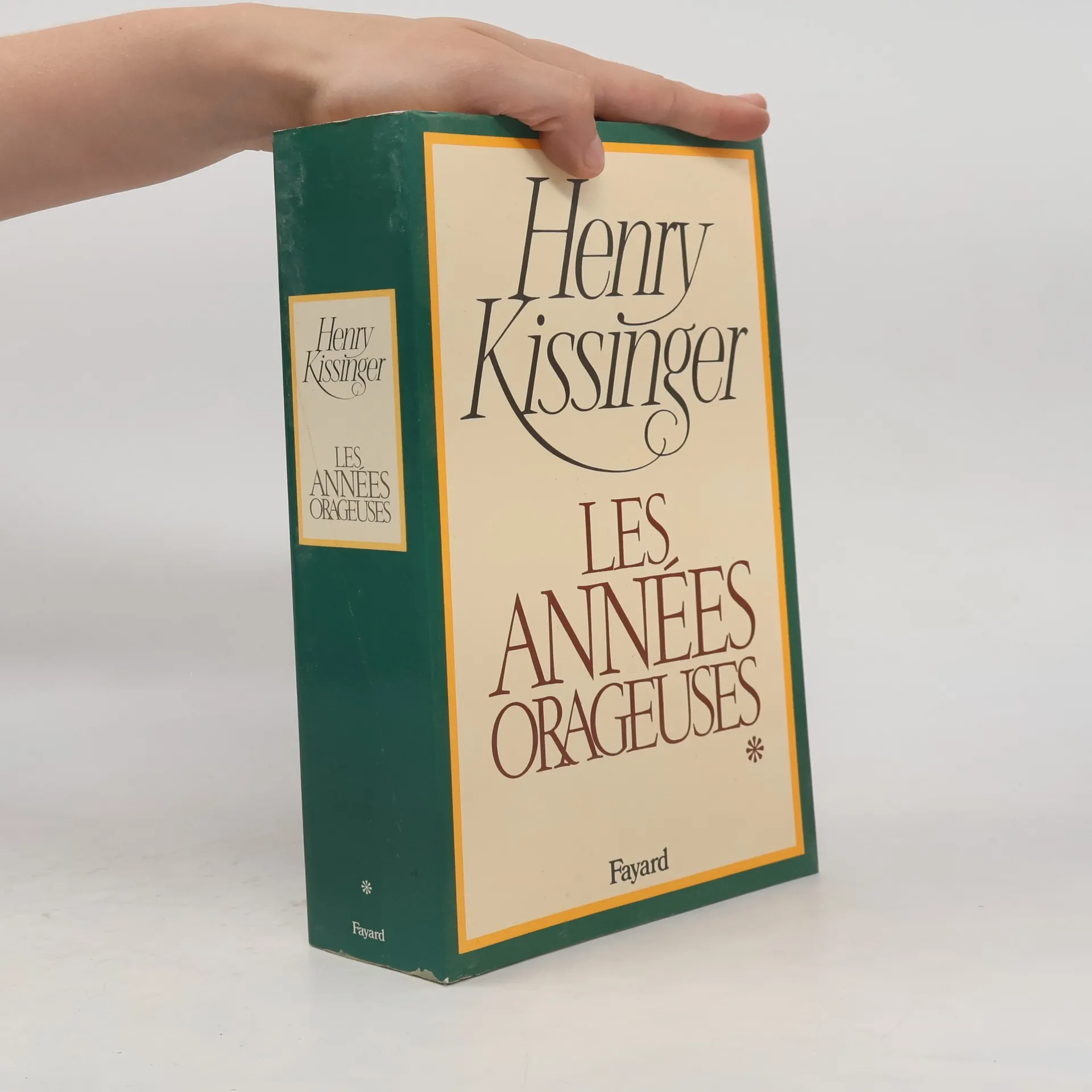
In Years of Upheaval Henry Kissinger recalls the turbulent years of the second Administration of Richard Nixon, which began on 20 January 1973. Two momentous events and their consequences dominate this account: the Watergate scandal, and the 1973 October war in the Middle East. The books opens at the Western White House on a summer afternoon in August of that year, when Dr Kissinger is told by the President during a poolside conversation that he is to become Secretary of State. The memories that follow are a rich compendium of his experiences in the months before and after appointment: an eerie trip to Hanoi shortly after the Vietnam cease-fire; efforts to settle the war in Cambodia; two Nixon-Brezhnev summits and the controversy over detente; the Shah of Iran; the oil crisis and the efforts to covercome it; the US airlift to Israel and the military alert during the Middle East war; the origins of shuttle diplomacy; the fall of Salvador Allende in Chile; and the events sur rounding Nixon's resignation. His frank portrait of Nixon's last days is perhaps the most perceptive to date At once illuminating, fascinating, and profound, Years of Upheaval is a lasting contribution to the his