The book features a comprehensive table of contents that outlines its structure and key themes. Each section is thoughtfully organized to guide readers through the material, making it easy to navigate and understand the main topics covered. The content is designed to provide clear insights and facilitate learning, ensuring that readers can easily find the information they seek.
Alexander Hamilton Libros
1 de enero de 1923 – 12 de julio de 1804

The Essential Hamilton: Letters & Other Writings: A Library of America Special Publication
- 447 páginas
- 16 horas de lectura
Explore the life and thoughts of one of America's most divisive Founding Fathers through a collection of his public writings and private correspondence. This book offers a deep dive into his beliefs, motivations, and the historical context surrounding his actions, providing readers with a nuanced understanding of his character and influence on the nation’s formation. Through firsthand accounts, the complexities of his legacy are revealed, making it an essential read for those interested in American history and political philosophy.
Reynolds Pamphlet
- 34 páginas
- 2 horas de lectura
Excerpt from Observations on Certain Documents in the History of the United States for the Year 1796 I dare appeal to my immediate fellow citizens of whatever political party for the truth of the assertion. About the Publisher Forgotten Books publishes hundreds of thousands of rare and classic books. In rare cases, an imperfection in the original, such as a blemish or missing page, may be replicated in our edition. We do, however, repair the vast majority of imperfections successfully; any imperfections that remain are intentionally left to preserve the state of such historical works.
The Federalist & Anti Federalist Papers
- 562 páginas
- 20 horas de lectura
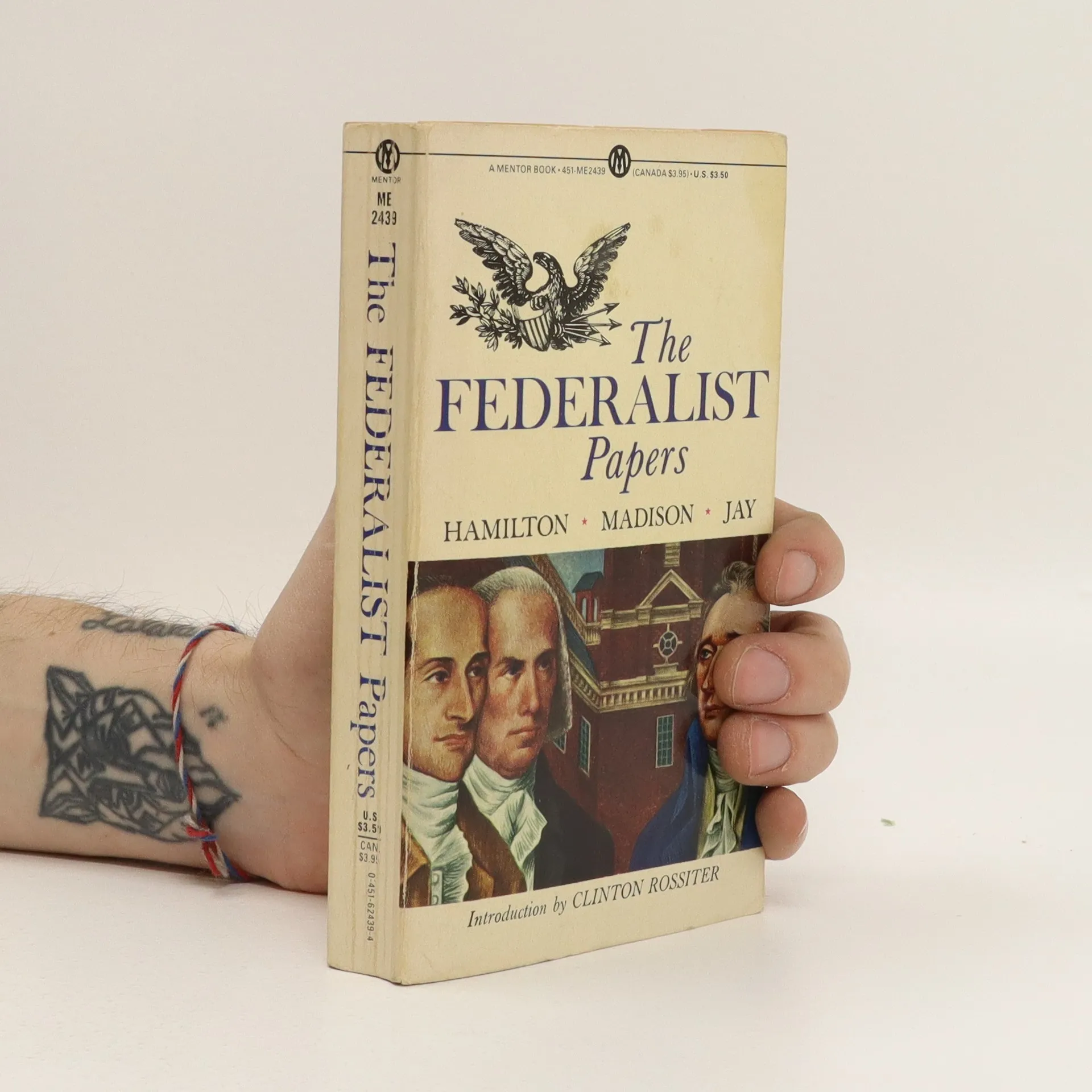
The Federalist Papers present a compelling argument for the United States Constitution through 85 articles by prominent figures like Hamilton, Madison, and Jay, exploring themes of individual versus governmental rights. In contrast, The Anti-Federalist Papers feature passionate critiques from authors like Patrick Henry and "Brutus," emphasizing concerns about centralized government. Together, these collections offer a rich historical perspective on foundational political debates, highlighting their enduring relevance to contemporary discussions about freedom and governance.
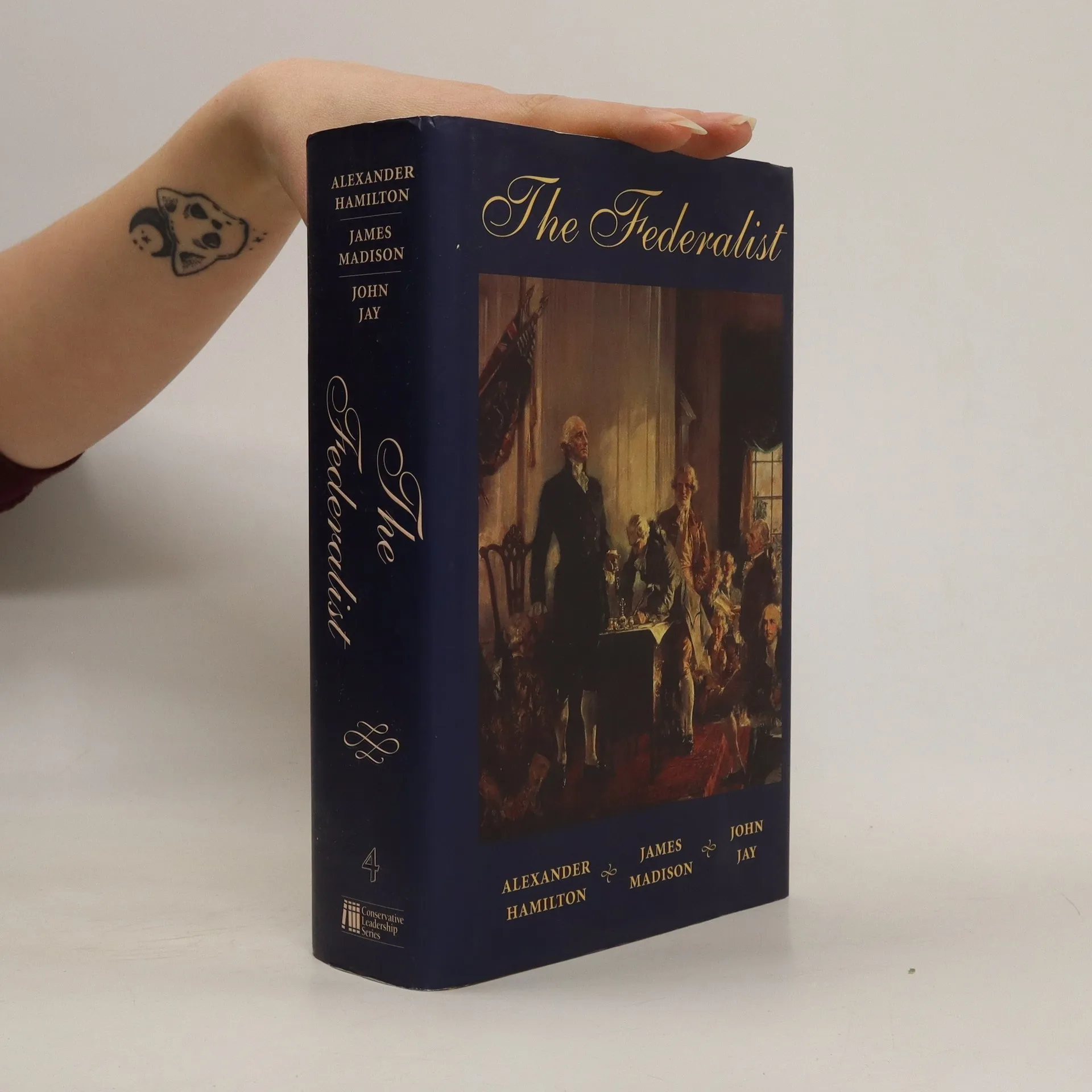
The Federalist
- 666 páginas
- 24 horas de lectura
With the Constitution and the Declaration of Independence, The Federalist is among one of the most important political documents in American history.
The Federalist Papers
- 590 páginas
- 21 horas de lectura
The Federalist Papers, written by Alexander Hamilton, James Madison, and John Jay, brilliantly defend what was in their day a revolutionary charter--the constitution of the United States. The Federalist Papers explain the complexities of a constitutional government--its political structure and principles based on the inherent rights of man. Scholars have long regarded this work as a milestone in political science and a classic of American political theory.
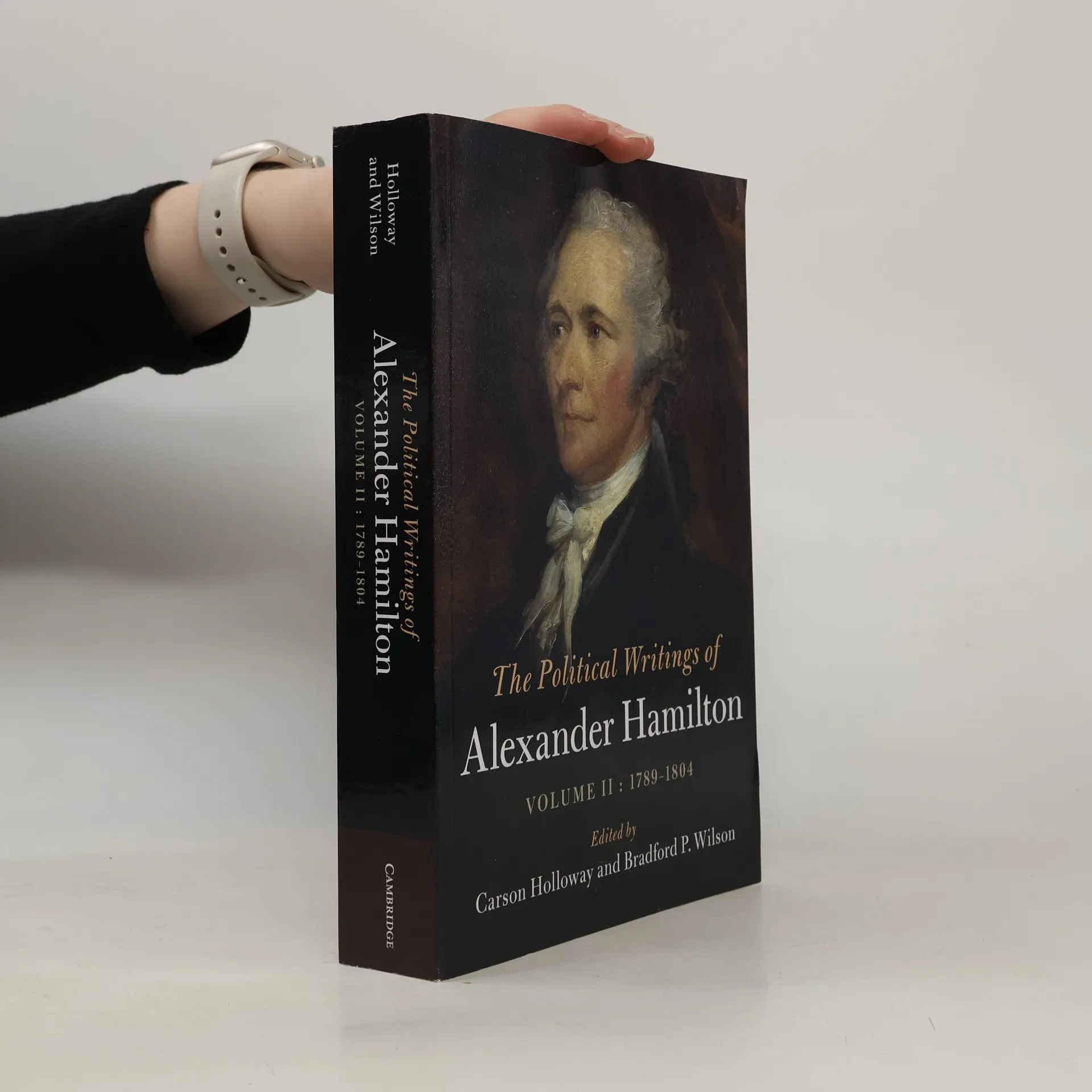
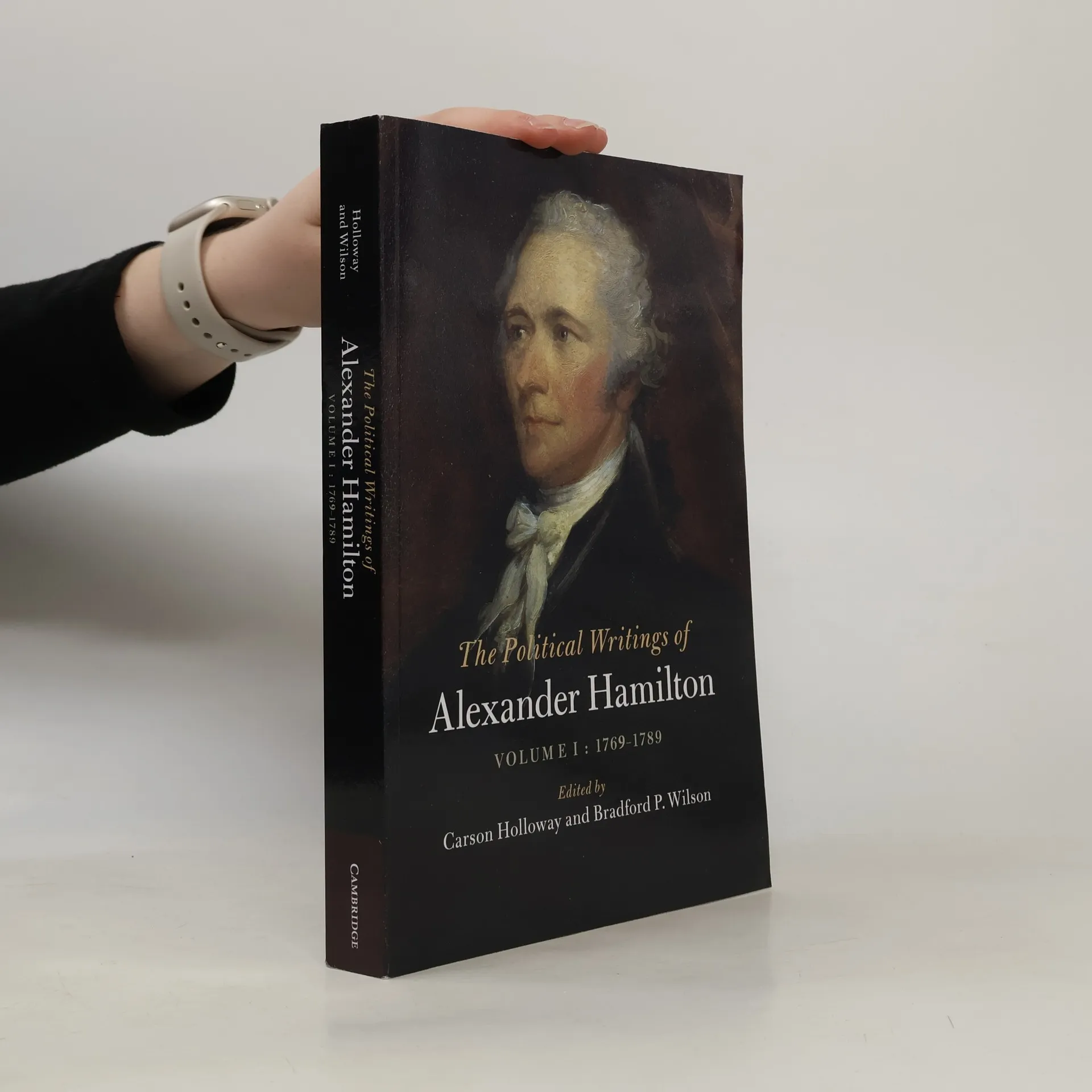
Volume II: 1789-1884: Few of America's founders influenced its political system more than Alexander Hamilton. He played a leading role in writing and ratifying the Constitution, was de facto leader of one of America's first two political parties, and was influential in interpreting the scope of the national government's constitutional powers. This comprehensive collection provides Hamilton's most enduringly important political writings, covering his entire public career, from 1775 to his death in 1804. Readers are introduced to Hamilton - in his own words - as defender of the American cause, as an early proponent of a stronger national government, as a founder and protector of the American Constitution, as the nation's first secretary of the treasury, as President George Washington's trusted foreign policy advisor, and as a leader of the Federalist Party. Presented in a convenient two-volume set, this book provides a unique insight into the political ideas of one of America's leading founders; a must-have reference source.
V.1. The great converstion: the substance of a liberal education; v.2. e v.3 The great ideas; v.4 . The iliad of Homero the Odyssey; v.5. Sophocles, Aeschylus, Aristophanes Euripides; v. 6. Thucydideis, Herodotus; v.7. Plato; v. 8. e v.9 Aristoteles; v. 10. Galen, Hippocrates; v. 11. Euclid, Archimedes, Apolonius, Nicomachus; v. 12.Lucretius, Epictetus,. Marcus Aurelius; v.13. Virgil; v. 14 Plutarch; v. 15 Tacitus; v. 16 Kepler, Ptolemy, Copernicus; v. 17 Plotinus; v. 18 Augustine; v. 19 e v. 20 Thomas Aquinas; v. 21 Dante; v. 22 Chaucer; v. 23 Hobbes, Machiavelli; v. 24 Rabelais; v. 25 Montaigne; v. 26 e v. 27. Shakespeare; v. 28. Gilbert, Galileo, Harvey; v. 29 Cervantes; v. 30 Francis Bacon; v. 31 Spinoza, Descartes; v. 32 Milton; v. 33 Pascal; v. 34. Huygens, Newton; v. 35 Locke, Berkeley, Hume; v. 36 Sterne, Swift; v. 37 Fielding; v. 38. Rousseau, Montesquieu; v. 39. Adam Smith; v. 40 e v.41. Gibbon; v. 42. Kant; v. 43. American State Papers; v. 44. Boswell; v. 45. Lavoisier, Fourier, Faraday; v. 46 Hegel; v. 47. Goethe; v. 48. Melville; v. 49. Darwin; v. 50. Marx; v. 51. Tolstoy; v. 52. Dostoyevsk; v. 53. William James; v. 54. Freud
Featuring 18 influential essays from The Federalist Papers, this collectible hardback edition showcases the foundational ideas behind the U.S. Constitution, first published in 1787-88. Authored by prominent figures Alexander Hamilton, John Jay, and James Madison, these essays explore the complexities of constitution-making. The edition also includes John Jay's "An Address to the People of the State of New York" and the complete American Constitution with Amendments. Beautifully illustrated with stenciled edges and gold embossing, it serves as an exquisite gift for history enthusiasts.
The book features a faithful reproduction of the original text, preserving its historical significance and authenticity. It offers readers a chance to engage with the content as it was originally presented, maintaining the style and nuances of the time. This edition is ideal for those interested in the preservation of literary works and the exploration of past ideas and contexts.
The Federalist Papers
A Collection of Essays Written in Favour of the New Constitution as Agreed Upon by the Federal Convention September 17, 1787
- 440 páginas
- 16 horas de lectura
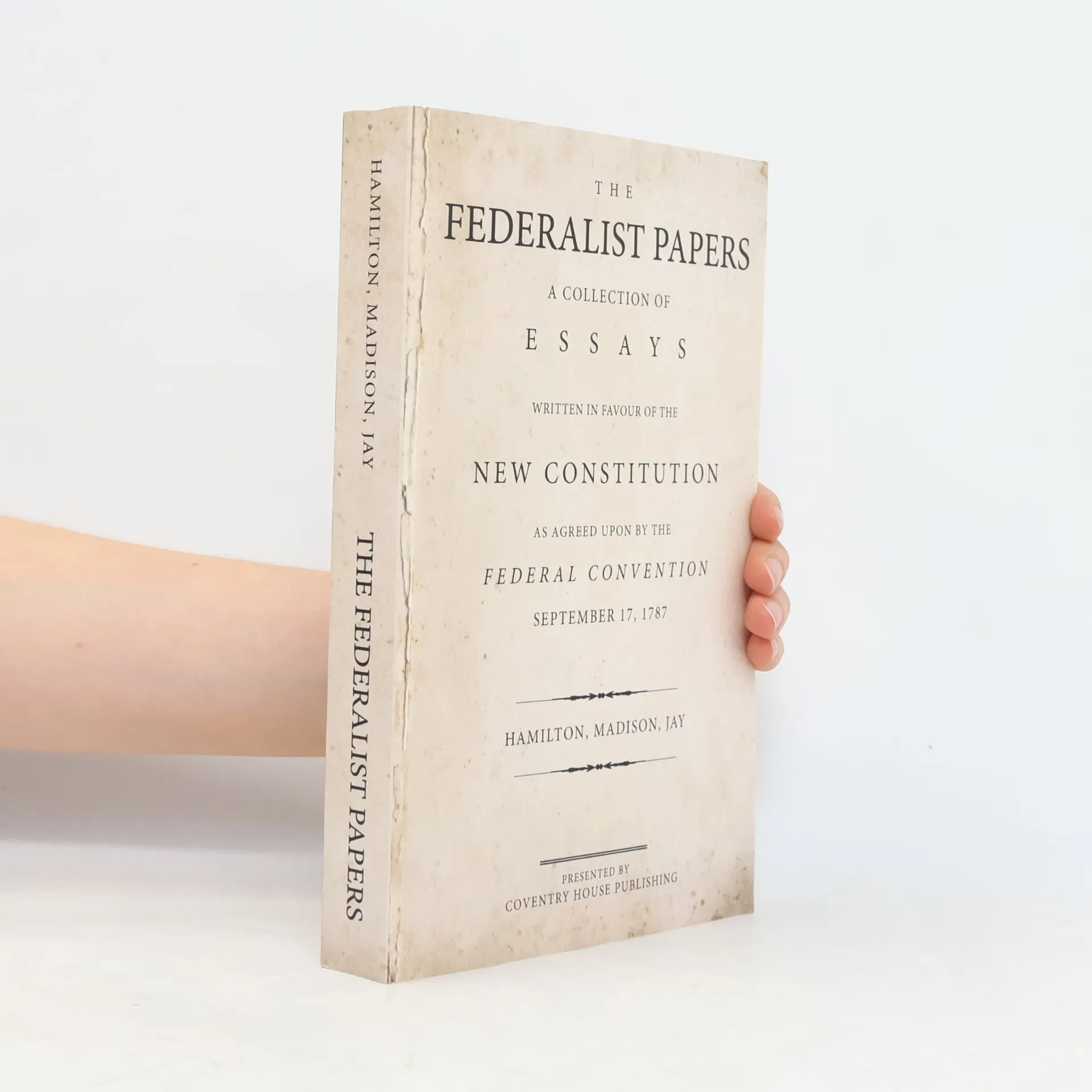
The Federalist Papers consist of eighty-five articles and essays authored by Alexander Hamilton, James Madison, and John Jay, advocating for the ratification of the United States Constitution. Initially published in 1787 as anonymous letters to New York newspapers, their primary aim was to sway public opinion in favor of the Constitution. In Federalist No. 1, Hamilton framed the debate in broader political terms, emphasizing the significance of the American experiment in self-governance. He posed a pivotal question about humanity's ability to create effective governance through reflection and choice rather than relying on chance and coercion. A key highlight is Federalist No. 10, where Madison addresses the dangers of majority faction rule and champions the idea of a large, commercial republic, which is often viewed as the most philosophically significant essay. This is further supported by Federalist No. 14, where Madison assesses the United States' suitability for an extended republic and defends the Constitution. Hamilton, in Federalist No. 70, argues for a singular executive leader, while Federalist No. 78 lays the foundation for judicial review by federal courts. Despite being centuries old, these essays continue to be a cornerstone of American political philosophy.
Noční křídla. Tajné mise plukovníka RAF Charlese Pickarda
- 223 páginas
- 8 horas de lectura
Příběhy tajných misí Charlese Pickarda, pilota, který se stal příslušníkem RAF ještě před započetím druhé světové války a v době jejího propuknutí byl příslušníkem 99. bombardovací letky a později se měl dokonce stát velitelem české 311. letky. Zúčastnil se známého Brunevalského náletu a do popředí veřejného zájmu se dostal za svou roli ve filmu F jako Freddie, jenž byl vyroben na základně RAF v Tempsfordu. Odtud jako pilot Lysanderu vzlétal na operace, které ho zaváděly hluboko do nepřítelem okupovaných oblastí, zejména při tajných nočních výsadcích agentů a zásob. Znovu a znovu úspěšně demonstroval svůj nevšední cit a schopnost pro noční létání. Ironií osudu zahynul, když se zúčastnil slavného náletu na věznici v Amiens.
Listy federalistů jsou souborem 85 článků obhajujících ratifikaci Ústavy Spojených států, z nichž 77 bylo publikováno v The Independent Journal a The New York Packet mezi říjnem 1787 a srpnem 1788. Tyto eseje poskytují přehled filosofie a motivací navrhovaného systému vlády, přičemž jejich autoři usilovali o ovlivnění volby ve prospěch ratifikace a o usměrnění budoucích interpretací Ústavy. Historik Richard B. Morris je považuje za „nesrovnatelný výklad Ústavy“, klasiku politické vědy. Autorství článků bylo dlouho tajemstvím, ale většina je připisována Hamiltonovi, Madisonovi a Jayovi. Hamilton napsal 51 článků, Madison 29 a Jay 5, přičemž některé články vznikly spoluprací Madison a Hamiltona. Autoři používali pseudonym „Publius“ na počest římského konzula. Madison, Hamilton a Jay se stali významnými postavami americké politiky. Mezi klíčovými esejemi vyniká číslo 10, kde Madison obhajuje rozšířenou republiku, a číslo 14, které deklaruje vhodnost USA pro tento typ vlády. Hamilton v čísle 84 argumentuje proti potřebě Listiny práv, zatímco v čísle 78 představuje doktrínu právní oponentury federálních soudů. Další významné eseje zahrnují číslo 70, které obhajuje jednotného šéfa exekutivy, a číslo 51, které zdůrazňuje systém brzd a protivah.
Křídla noci
- 142 páginas
- 5 horas de lectura
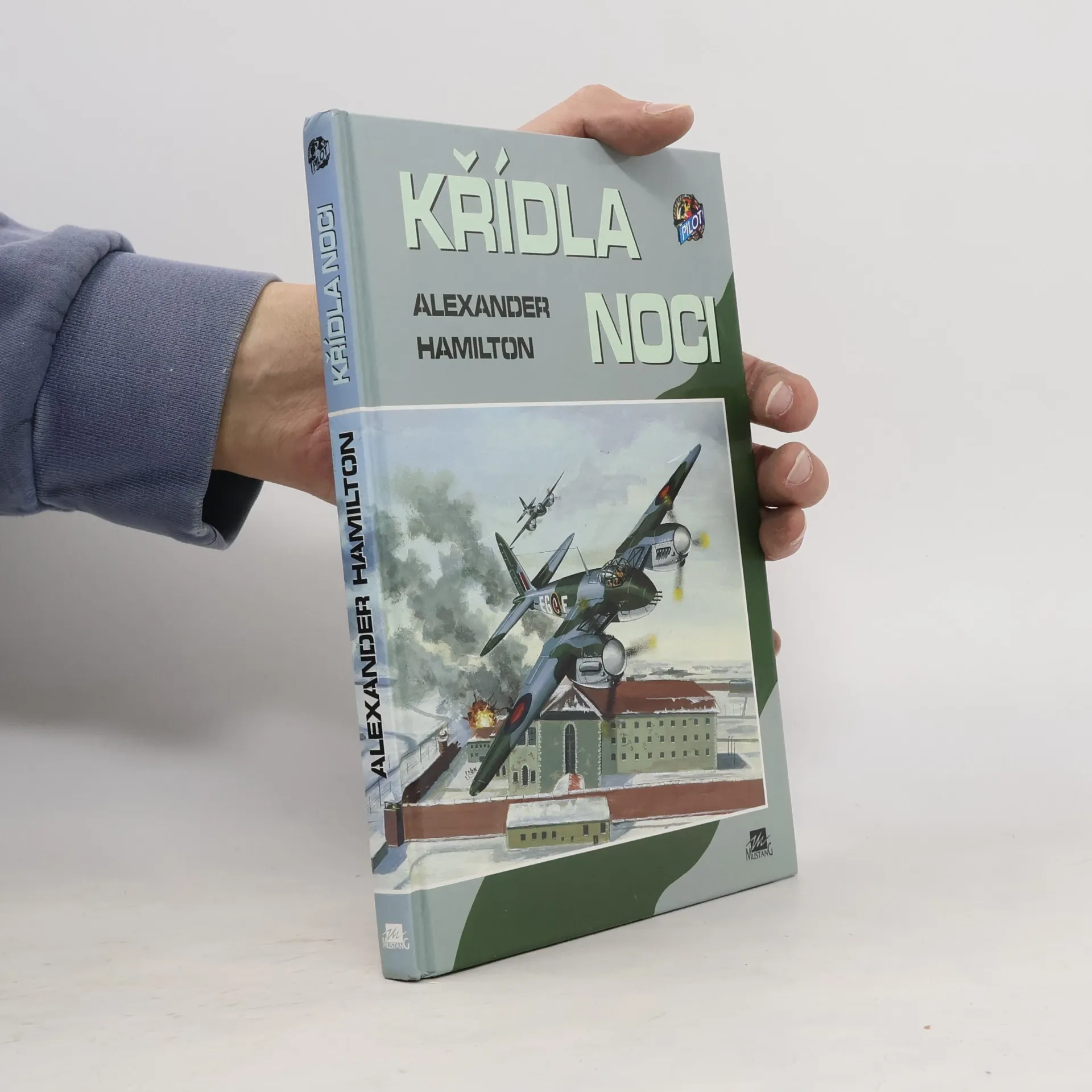
Charles "Pick" Pickard - jedno z největších es britského bombardovacího letectva z let druhé světové války. Velká Británie měla mnoho skvělých pilotů nočních bombardérů, Pickard byl pouze jediný. Kniha se zabývá "Pickovým" životem od nejútlejšího dětství až po operaci Jericho - osvobození vězňů z věznice Gestapa v Amiensu; nejslavnějšího Pickardova letu, při němž ale nalezl svou smrt. Opomenuty nejsou ani akce dřívější - noční nálety na Německo na Wellingtonu, dobu, kdy Pickard stál v čele 311. (československé). bombardovací perutě, kombinovaná operaci při obsazení německé radiolokační stanice v Brunevalu, útoky proti odpalovacím rampám V1 na palubě Mosquita...
Ein Klassiker des politischen Denkens mit kommentierter Übersetzung und umfassender Einleitung. Die 85 "Federalist"-Artikel sind ein Höhepunkt der Aufklärungsphilosophie und bieten einen authentischen Kommentar zur US-Verfassung, zentral für die Entwicklung der repräsentativen Demokratie und des modernen Verfassungsstaates.
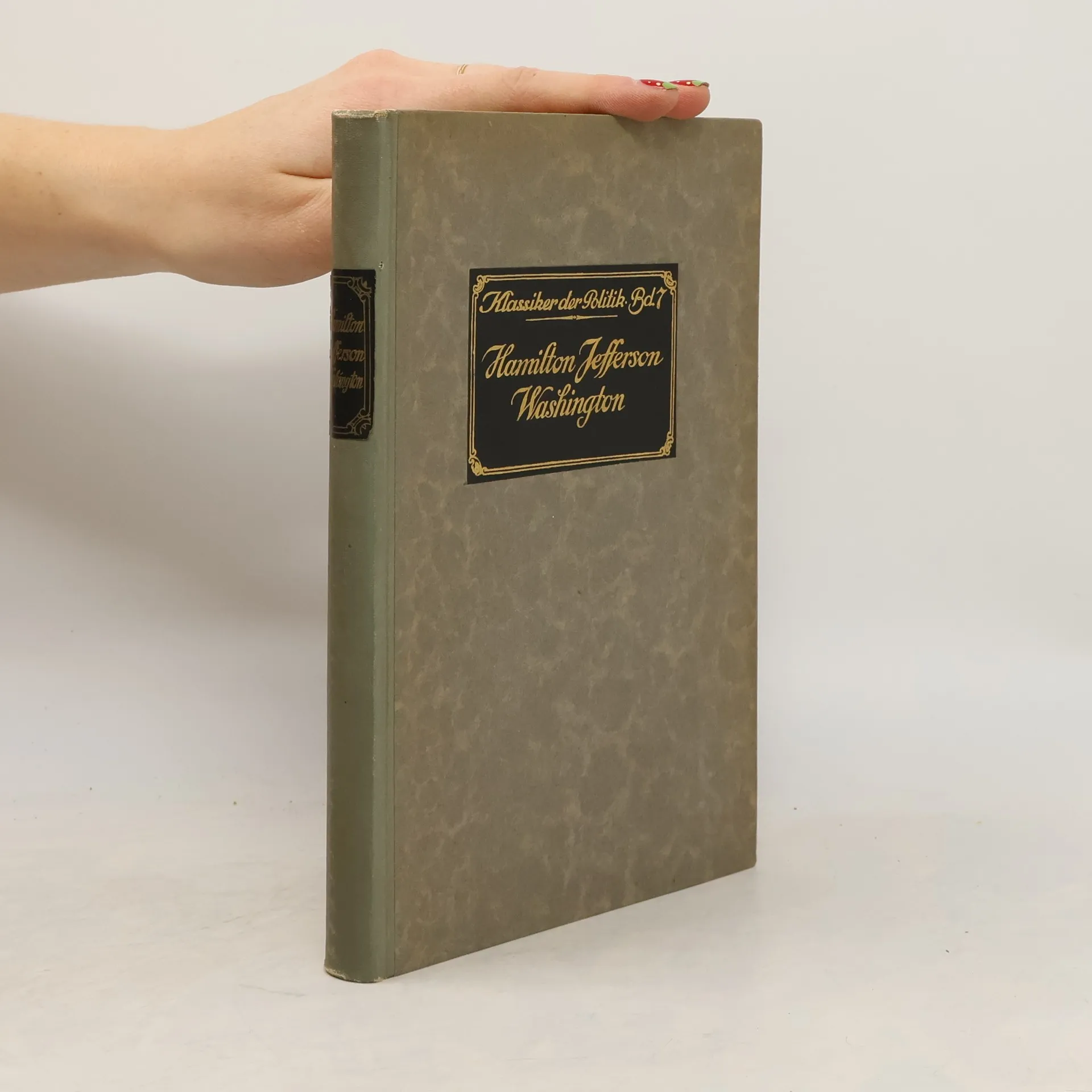
Die drei Grossen Amerikaner: Hamilton, Jefferson, Washington
Auszüge aus ihren Werken