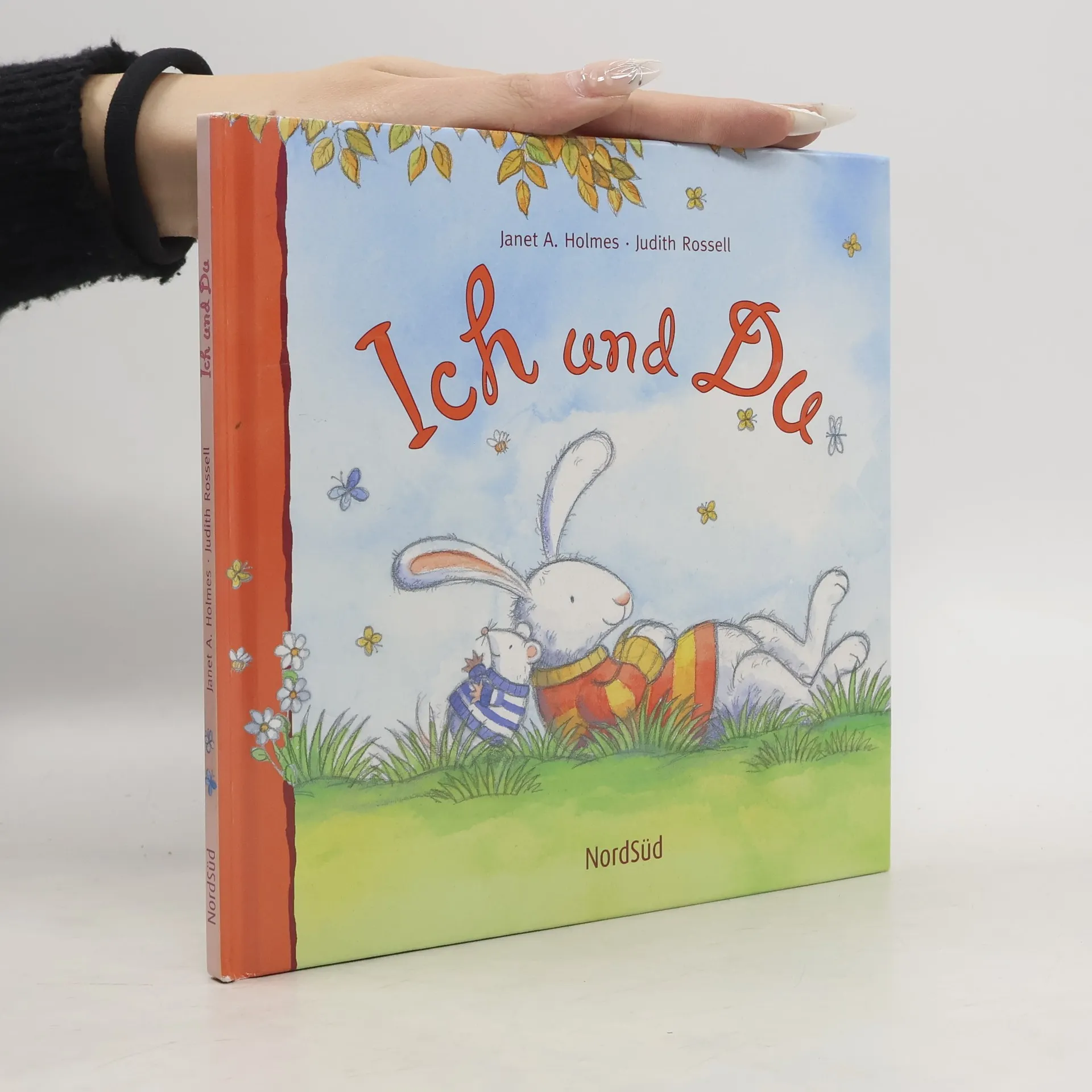
Ich und Du
- 32 páginas
- 2 horas de lectura
Ich und Du


Janet Holmes escribe con una inteligencia penetrante y un juego inesperado sobre las complejidades de la vida moderna. Su obra profundiza en la colisión entre nuestros paisajes internos y las realidades externas, explorando a menudo temas de identidad, relaciones y las formas en que el mundo que nos rodea nos afecta. A través de un estilo único que es a la vez lírico y experimental, Holmes crea obras que son desafiantes pero accesibles. Su poesía invita a los lectores a contemplar lo mundano, revelando su belleza e intrincaciones ocultas.


Ich und Du
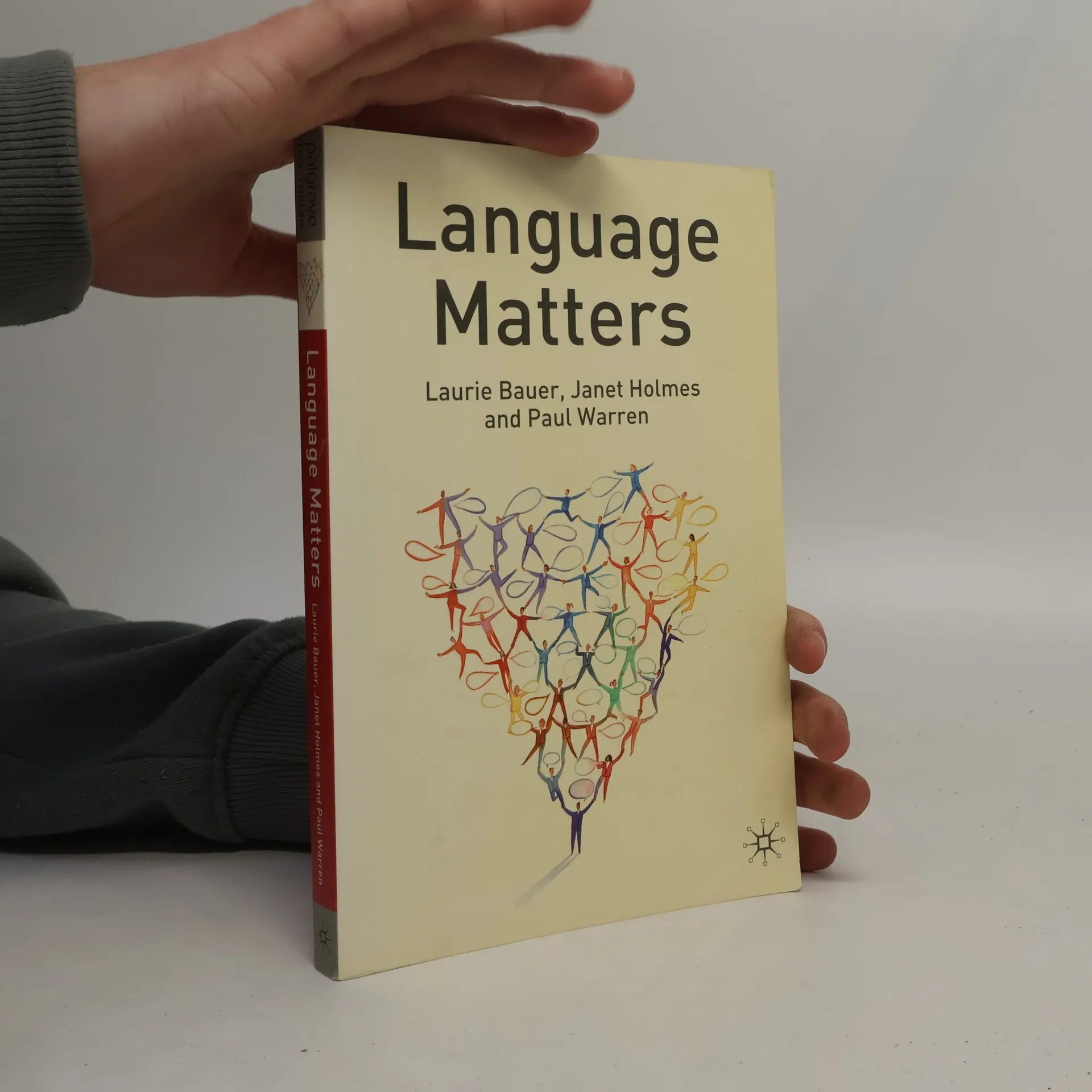
This book provides a lively introduction to the study of language for students without prior experience in linguistics. It addresses the core areas of language study answering questions such as: * Where does language come from? * Why don't we all talk the same? * Who needs grammar? This is an excellent textbook for basic introductory courses and for students who are non-majors. It will be accessible and enjoyable for a variety of students.
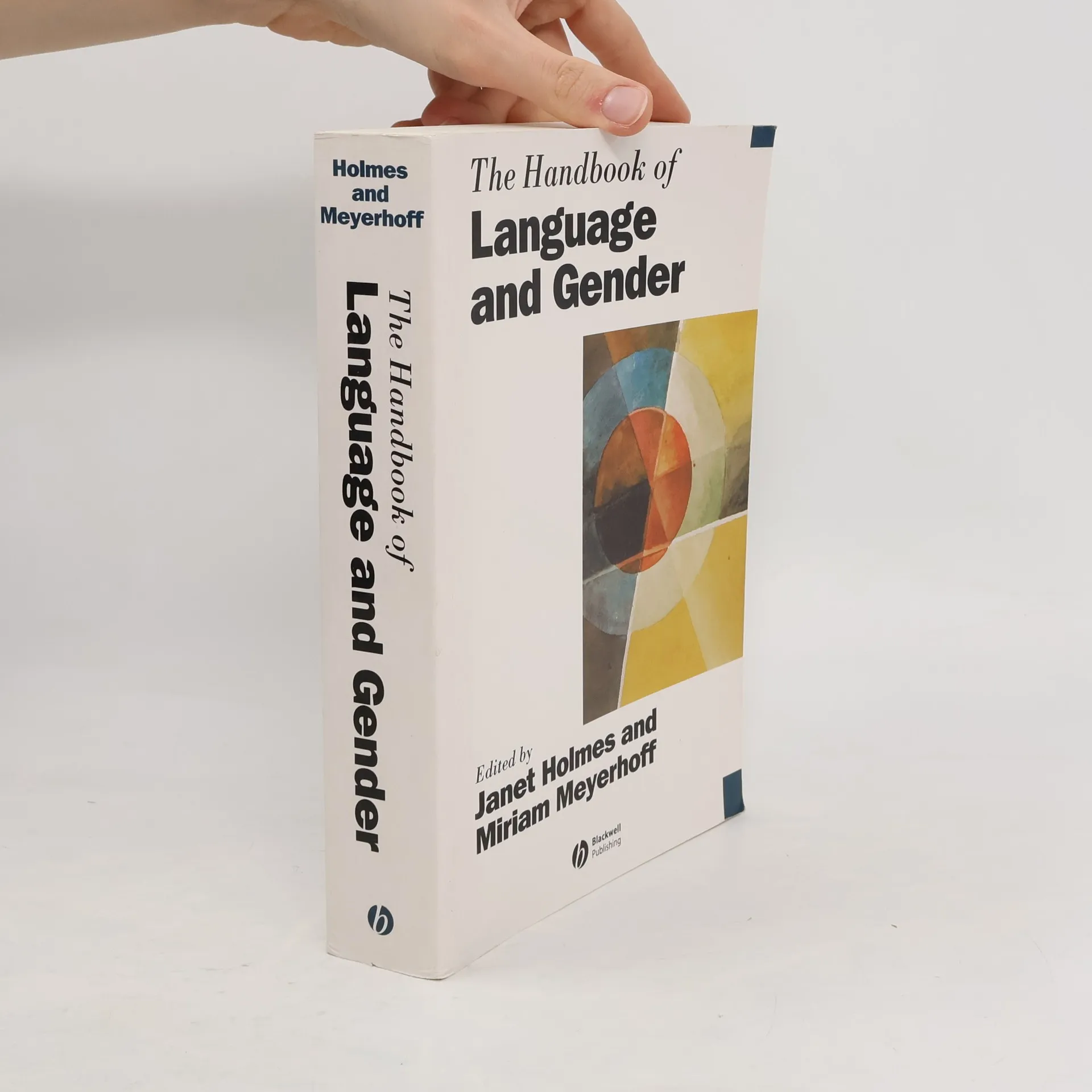
"The Handbook of Language and Gender is a collection of articles written by a team of leading specialists in the field that examines the implications of gender ideologies for the ways we interact. The volume includes data and case-studies from interactions in a number of different social contexts and from a range of different communities, and theoretical discussions about the problems, pitfalls, and potential benefits of research on and discourses about gender." "This handbook provides a comprehensive, up-to-date, and stimulating picture of the field of language and gender for students and researchers in a wide range of disciplines, including linguistics, gender studies, communication, management, psychology, sociology, and anthropology. Book jacket."--Jacket
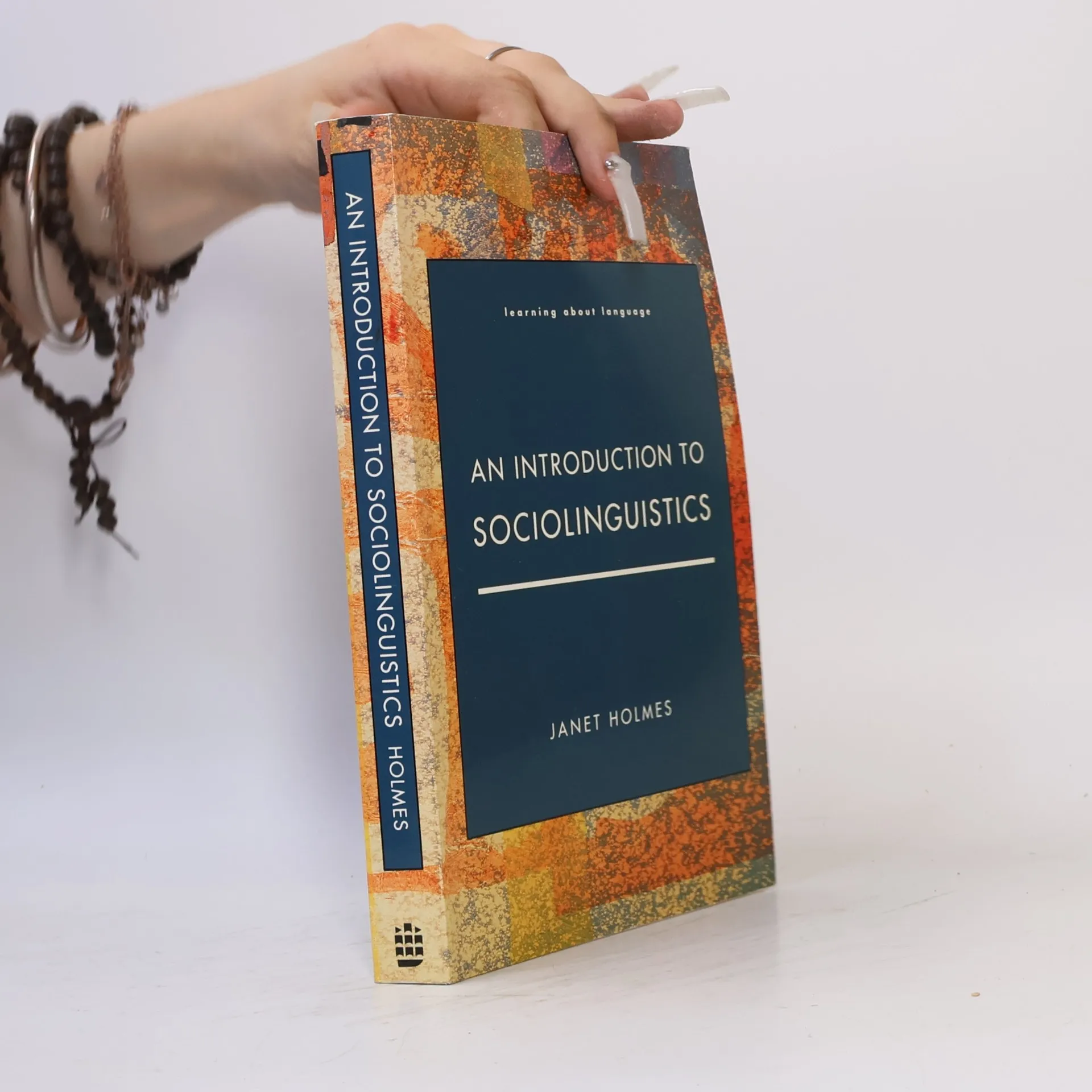
Part of the "Learning About Language" series, this text examines sociolinguistics and covers such topics as multilingual speech communities and language variation
Book by