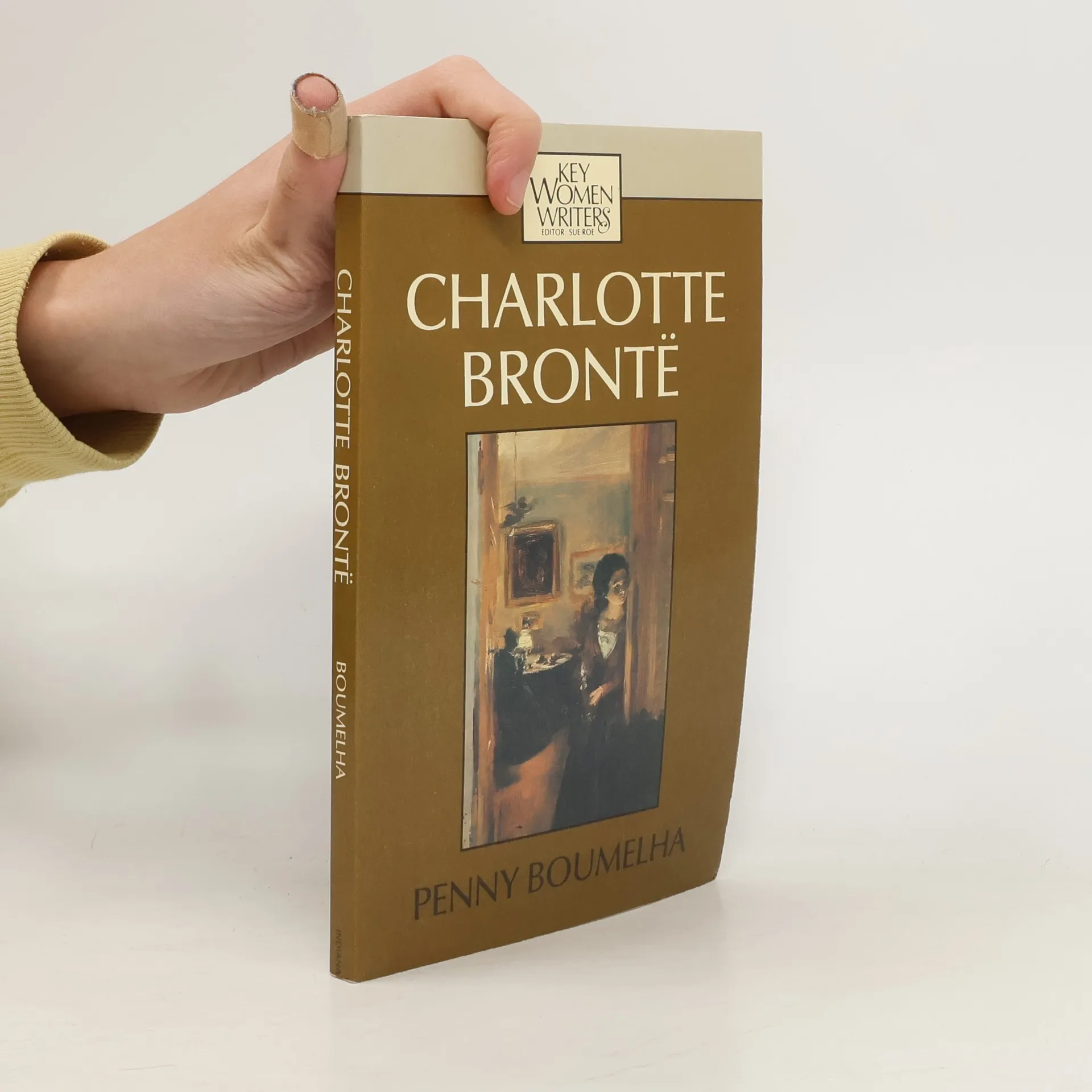
Internationally renowned critic Penny Boumelha offers close, thought-provoking readings of Charlotte Bronte's The Professor, Jane Eyre, Shirley, and Villette. Drawing on the most recent work in feminist and Marxist theory and criticism, the author pays scrupulous attention to the specific historical and textual possibilities of reading and writing in the mid-nineteenth century.
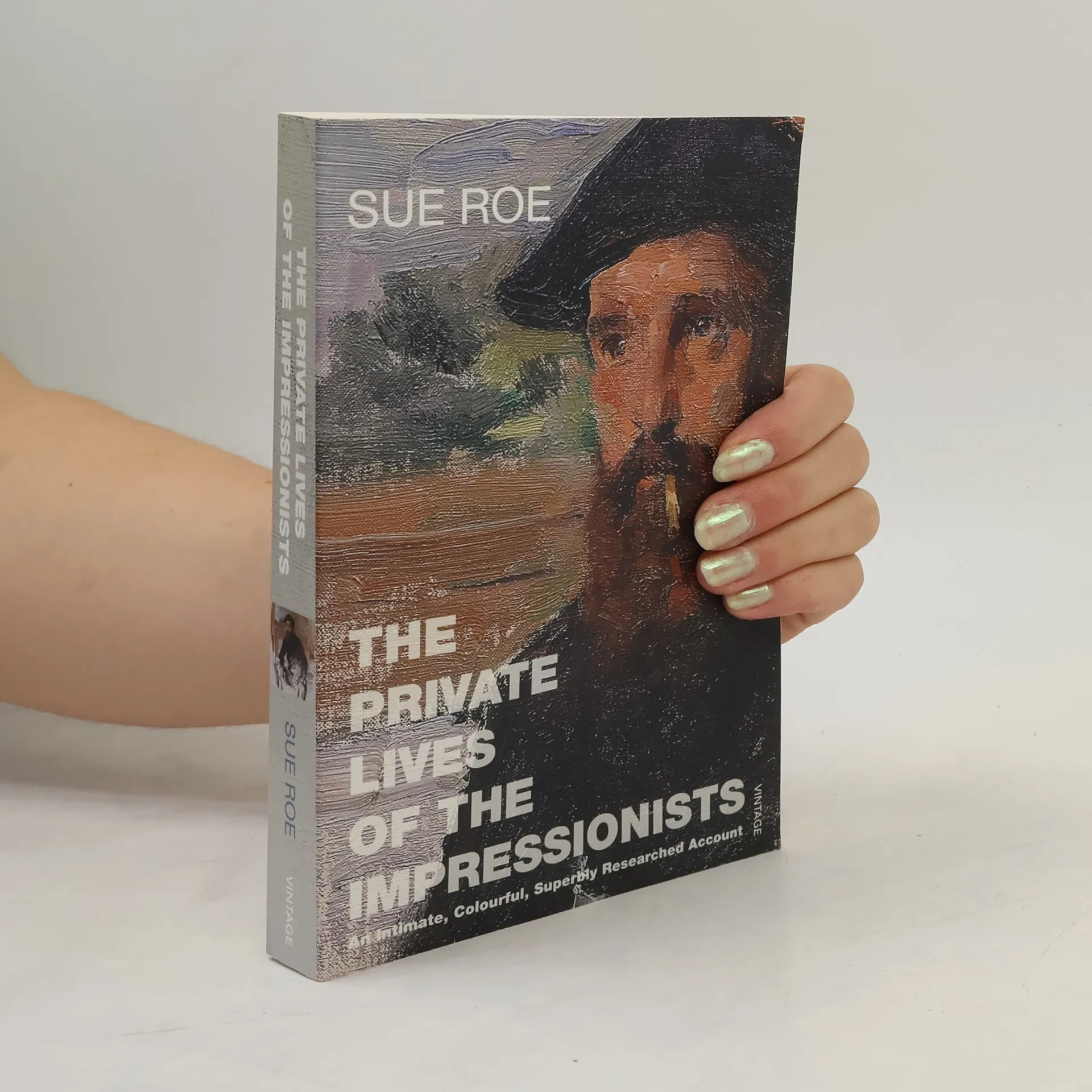
In a vivid and moving narrative, biographer Sue Roe shows the Impressionists in the studios of Paris, rural lanes of Montmartre and rowdy riverside bars as Paris underwent Baron Haussman's spectacular transformation.
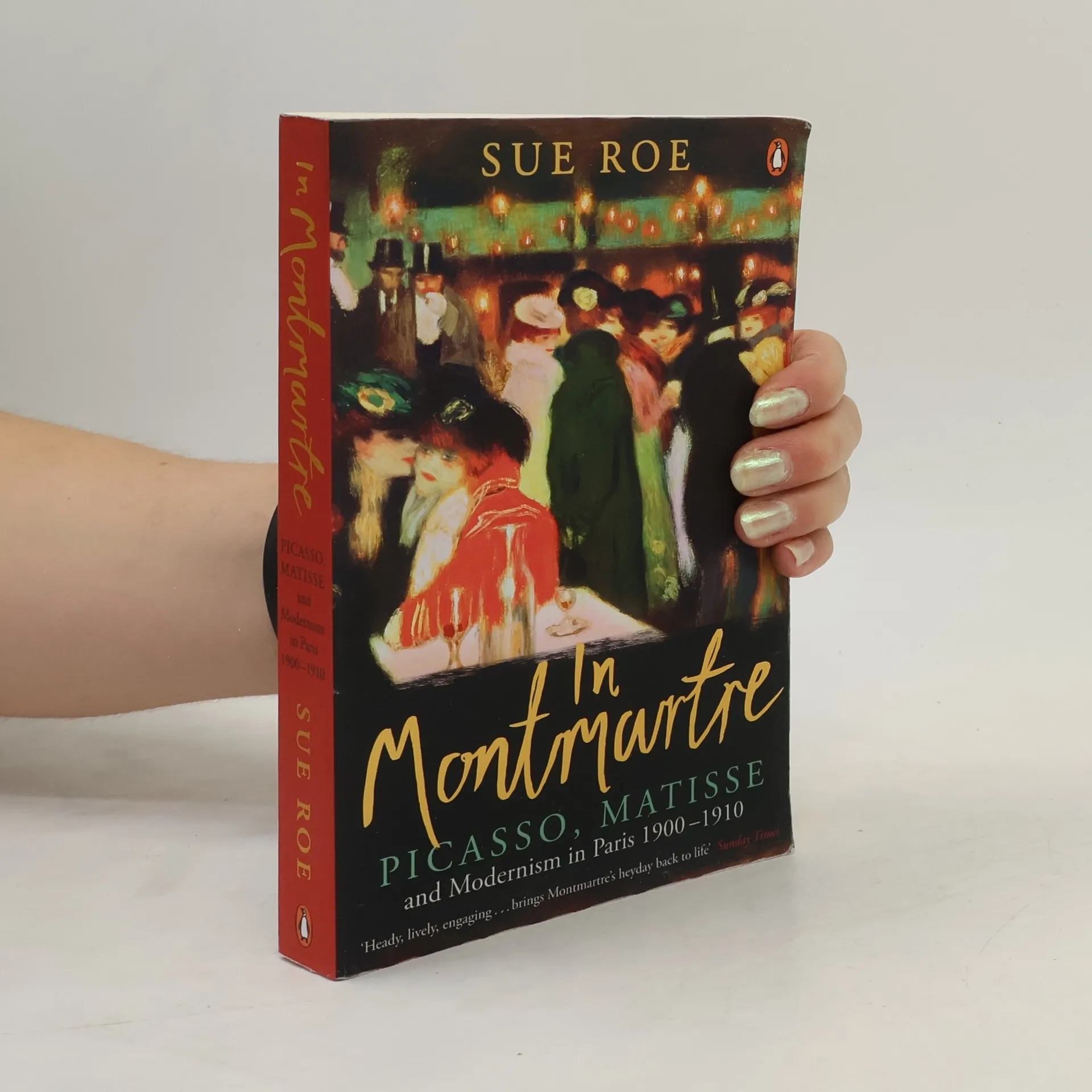
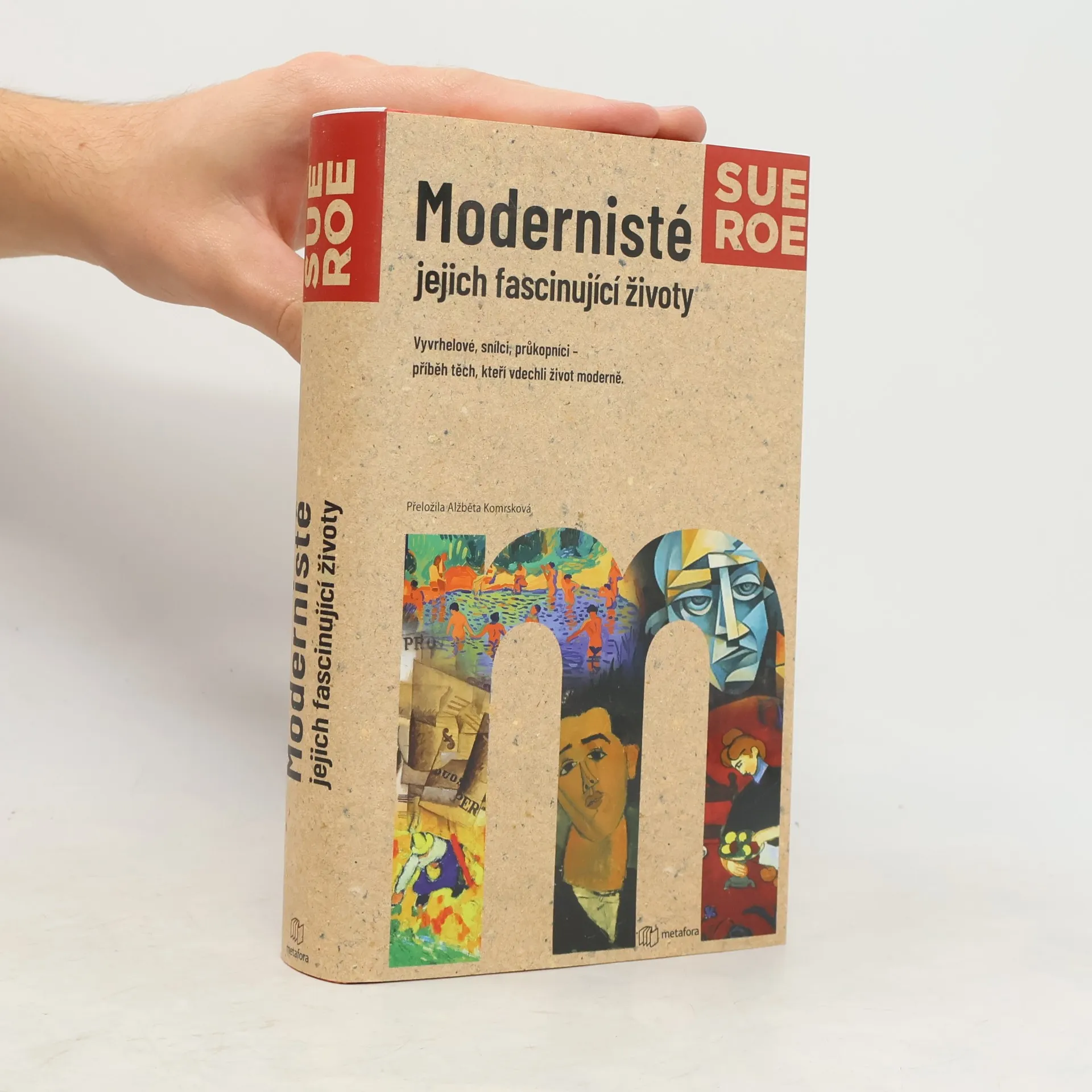
A history of the birth of Modernist culture assesses the influences of defining movements while tracing the pivotal contributions of such key artists as Pablo Picasso, Henri Matisse, and Gertrude Stein.
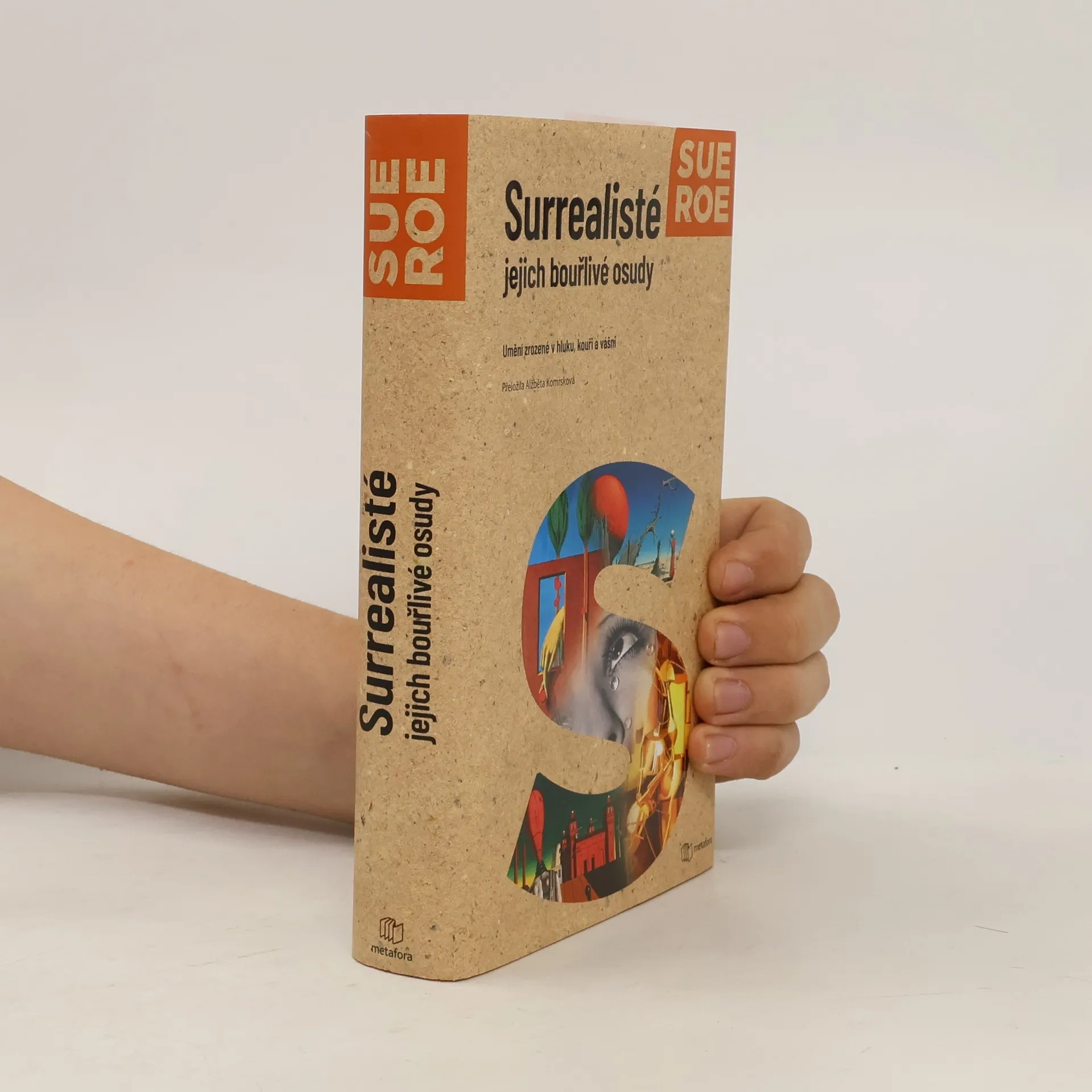
Noted art historian and biographer Sue Roe explores the story of the Surrealists in Montparnasse, spanning from the eve of World War I to the 1936 unveiling of Dalí's Lobster Telephone. During these transformative years, the Surrealists innovatively examined the interior life and redefined art. Roe recounts this artistic revolution set against the backdrop of the vibrant salons and cafés of Montparnasse. She combines incisive art criticism with engaging biography, beginning with Duchamp and tracing the rise of the Dada movement, the birth of Surrealist photography with Man Ray, and the creation of significant works by Ernst, Cocteau, and others, culminating with Dalí's arrival. These artists juxtaposed previously unseen objects, prompting viewers to marvel at the ordinary and the subconscious. Roe immerses us in the lives of Montparnasse's artists, placing us alongside Gertrude Stein at The Rite of Spring's opening, Duchamp installing his famous urinal, and Cocteau at a theatrical event with Picasso and Coco Chanel. We also witness Breton's session with Freud and Man Ray's romance with Kiki de Montparnasse, capturing the essence of a groundbreaking artistic era.
Kniha přibližuje životní příběhy klíčových postav impresionismu, zároveň barvitě líčí umělecké prostředí Paříže v letech 1860-86.
Osudy, přátelství, lásky předních francouzských impresionistů, pestrý obraz života pařížské umělecké bohémy. Autorka výstižně objasňuje jejich úsilí o nový malířský výraz, snahu dosáhnout společenského uznání, sleduje úspěchy i prohry hlavních představitelů impresionismu. Zabývá se náměty jejich děl i tím, jak na impresionistické obrazy reagovala tehdejší veřejnost a umělecký svět. Kniha popisuje dvacet šest let vývoje impresionistického hnutí od jeho počátků kolem roku 1860 až po zlomový rok 1886, kdy obchodník s uměním Paul Durand-Ruel představil tvorbu impresionistů v New Yorku.