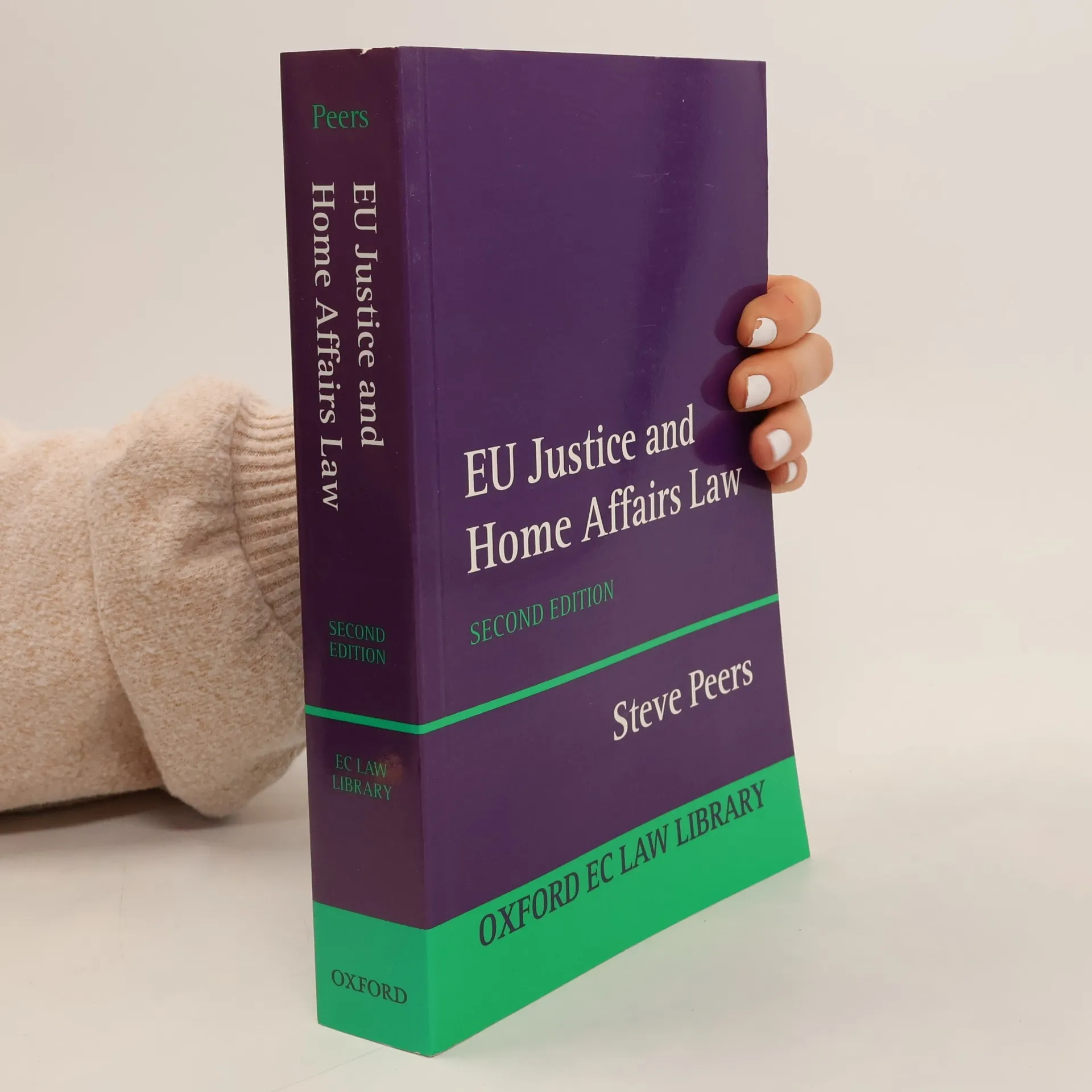
This text offers students a relevant, case-focused account of EU law. Under the experienced editorship of Catherine Barnard and Steve Peers, it draws together a range of perspectives on EU law designed to introduce students to the key debates and case law which shape this vast subject.
Trusted by students and lecturers for almost thirty years, Steiner & Woods EU Law is the most comprehensive black letter guide to the subject, leading the reader through the subject in a straightforward way, and bringing together the expertise of three authors engaged in the teaching and practice of EU law. The book includes a well-balanced range of topics for students taking an EU law course at any level. Offering a careful blend of institutional and substantive coverage, it focuses on explaining the law clearly for student readers. Case detail is clearly sign-posted throughout the text, with key cases highlighted and discussed in feature boxes, ensuring students are up to speed with the most important case law in the area. End of chapter reading suggestions, along with a detailed bibliography, provide a helpful starting point for essay preparation and independent research. The book is accompanied by an Online Resource Centre which includes self-test questions and answers, a flashcard glossary, downloadable diagrams from the text, an interactive map and timeline of the EU, and video clips relating to the development and procedures of the EU. As the process of the UK leaving the EU unfolds, readers can also visit the OUP European Union Law Resource Centre for up-to-date comment, opinion, and updates created by our authors to engage students with the legal and political issues and considerations at play.
This book examines in detail the body of EU law relating to Justice and Home Affairs. In turn, it looks at the decision-making and judicial rules which the EU applies in these areas, then examines the extensive EU law on visas and border controls, regulation of legal migration, control ofillegal migration, criminal law definitions, criminal procedure, and policing and customs.Throughout the book, there is a focus on the tension between the objectives of controlling migration and fighting crime on the one hand and human rights and civil liberties principles on the other. This theme is one of the particularly important developments in this area which arose after theattacks of September 11, 2001. This unique overview and critique of the EU law on Justice and Home Affairs is a one-stop source for information and analysis on a highly topical area of increasing concern in international politics, and one which is bound to have increasing impact as economicintegration proceeds.